
In the hot, dry lands of Big Bend National Park, Texas, a group of college students from Sul Ross State University made a discovery that thrilled dinosaur experts everywhere.
In March 2025, they dug up a massive bone from an Alamosaurus, the largest land animal ever found in North America. This is not just an extraordinary fossil; it’s a rare look into a world ruled by giant dinosaurs just before they disappeared forever.
This bone came from a skeleton first found in the 1970s and gives us new clues about the end of the Age of Dinosaurs.
A Fossil-Rich Treasure Trove
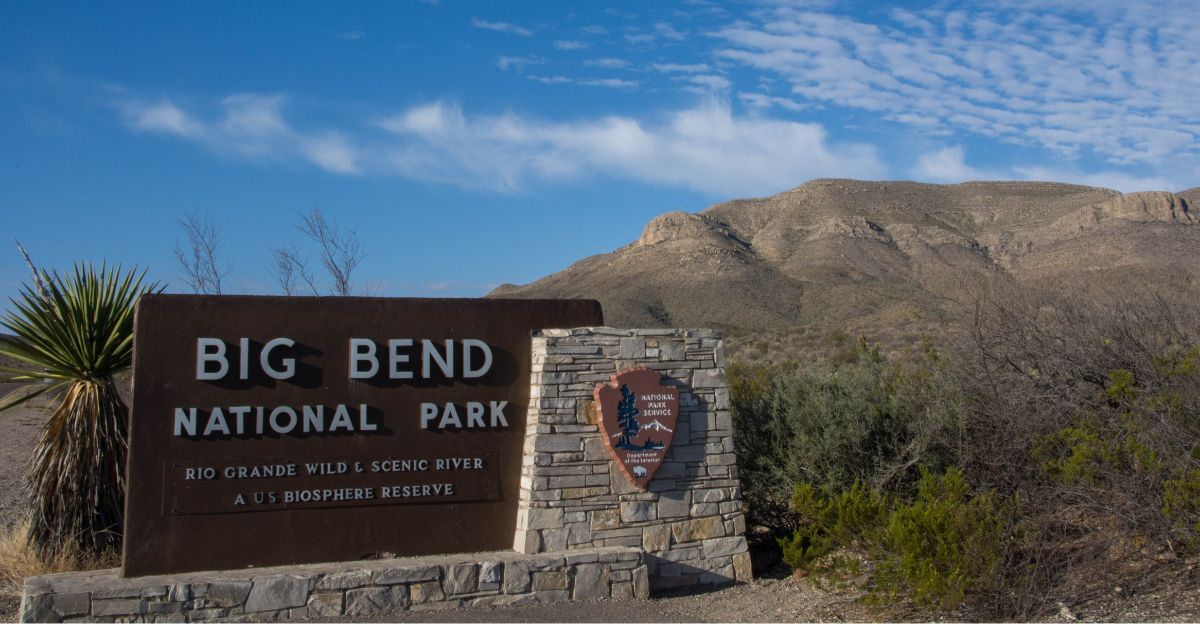
Big Bend National Park is one of the best places in America to find fossils. The park contains 130 million years of Earth’s history and fossils from more than 1,200 ancient species, including giant sea reptiles and flying lizards as long as a bus.
Alamosaurus bones add another exciting fossil to this collection, helping create a timeline of prehistoric life from the dinosaur age to when mammals took over. Nowhere else in a national park can you see such a long and complete record of ancient life.
Students in the Field
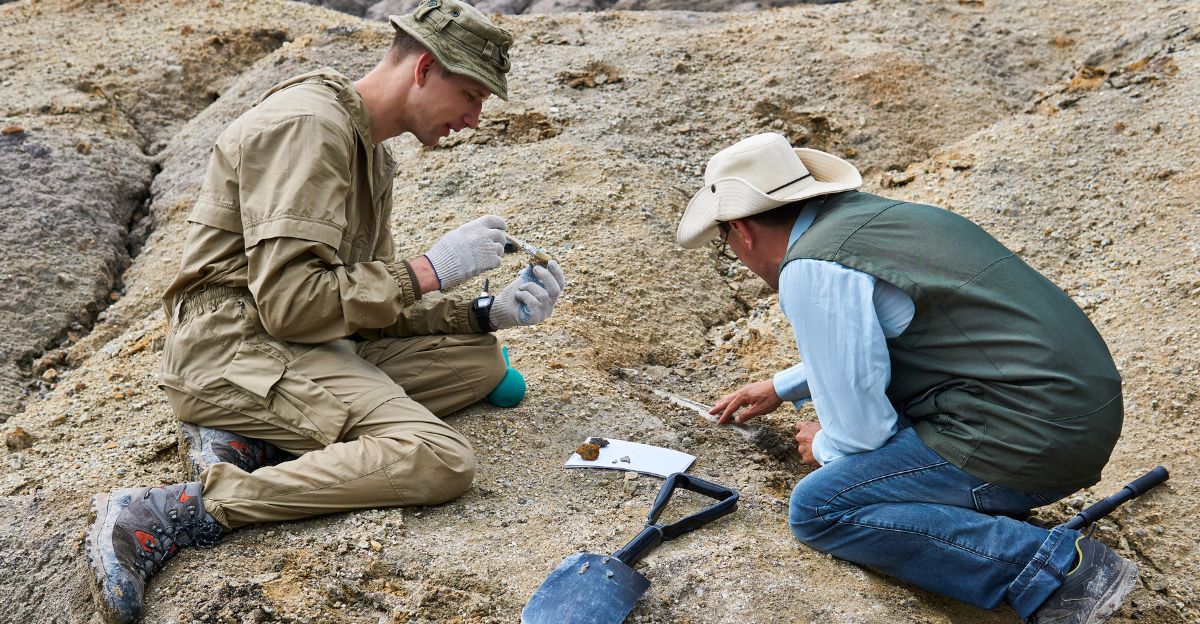
The March trip that uncovered the Alamosaurus bone shows how paleontology is brainwork and teamwork. Professors Jesse Kelsch and Thomas Shiller guided their Sul Ross State University students as they studied old rocks, surveyed the land, and dug for fossils.
This kind of real-world science gives students valuable experience while adding to what we know about dinosaurs.
The fossil they found is now being studied at their campus lab, revealing even more secrets about the dinosaurs that once lived in America.
Colossal Proportions
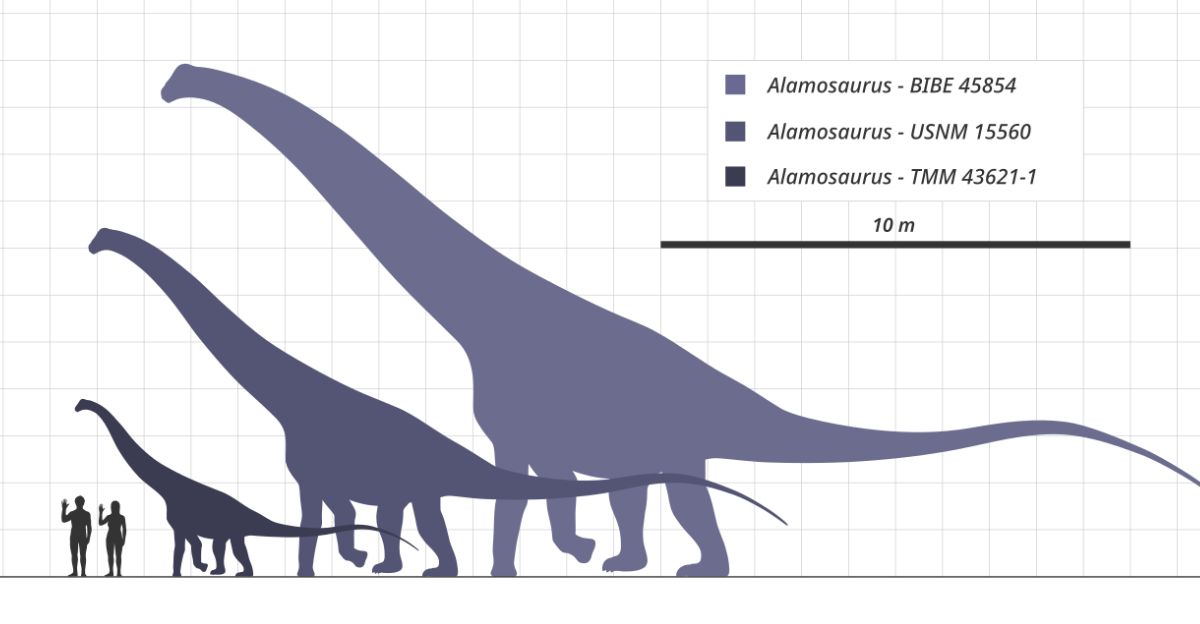
Alamosaurus was enormous; adults were about 85 to 98 feet long and could weigh as much as 80 tons, heavier than a dozen elephants combined!
Dr. Jesse Kelsch: “Alamosaurus is the largest known land-dwelling animal to have lived in North America. Every new specimen found in Big Bend National Park helps us better understand the ancient ecosystems where these giants once roamed.”
Some broken bones suggest there may have been even bigger ones. Standing about 16 feet tall at the shoulder, Alamosaurus used its gigantic body to scare off predators like T. Rex.
The Return of Sauropods
What’s special about Alamosaurus is that it returned to North America after other sauropods (giant long-necked dinosaurs) had been gone for about 30 million years.
For much of the Cretaceous time, only smaller plant-eating dinosaurs lived here. Then, about 70 million years ago, ancestors of Alamosaurus moved up from South America, bringing sauropods back just before dinosaurs went extinct.
Every Alamosaurus bone tells the story of how continents and ancient migration shaped the final dinosaur world in North America.
Impact on Texas and Beyond
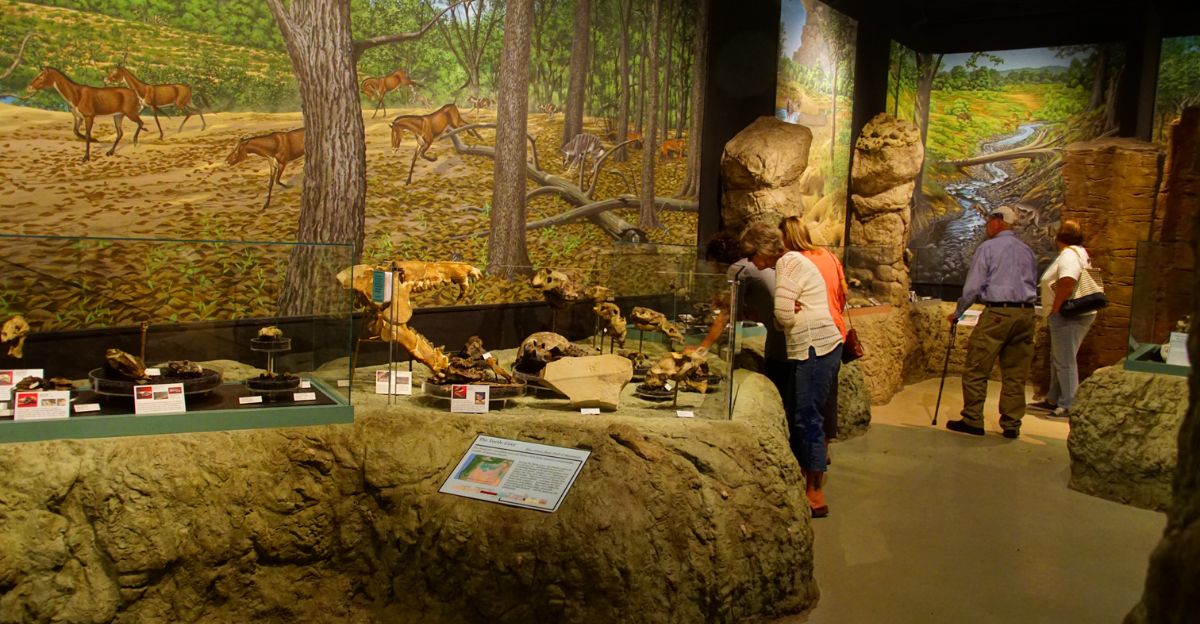
This fossil find is a big deal for Texas, not just for scientists but for everyone who lives or studies here. Big Bend brings in over 200,000 visitors yearly, many eager to see fossils and learn about ancient Earth.
Sul Ross students are lucky to know so close to one of the world’s best fossil sites. Local towns gain pride from their dinosaur connection, as visitors spend money at museums, hotels, and restaurants.
Fossil finds support in the local economy and make Texas famous in the scientific world.
Personal Triumphs in Paleontology
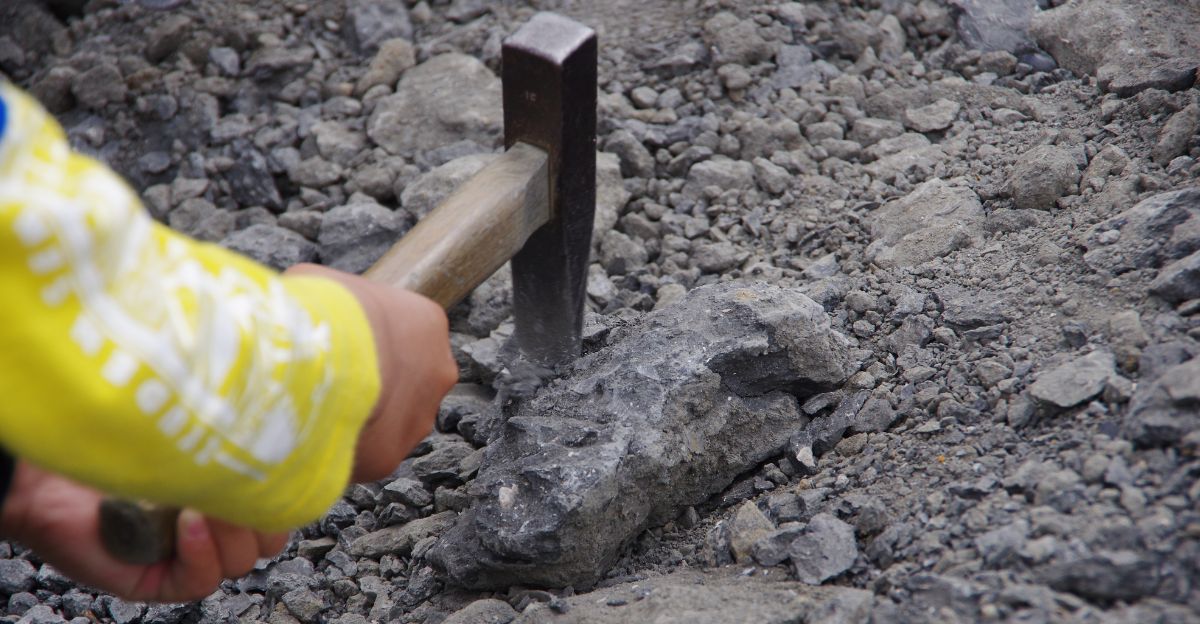
The students who helped unearth this dinosaur’s remains have experienced a life-changing experience.
Graduate student Dana Biasatti, for example, has already discovered important pieces of Alamosaurus. Each discovery builds on past research, linking today’s students with experts from the past.
These stories make paleontology personal and show how discovering ancient bones is a real adventure that can inspire future scientists.
Dinosaur Fossils on the Market

Today, dinosaur fossils aren’t just for museums; they attract huge prices at auctions. In 2024, a Stegosaurus fossil sold for $44.6 million; in 2025, a young Ceratosaurus went for $30.5 million.
While some scientists worry that important fossils might end up in private hands, others say these sales help fund new digs.
The high demand for dinosaur bones raises questions about science, ownership, and how best to keep fossils available for everyone to learn from.
New Age of Dinosaur Science

Dinosaur studies are moving faster than ever, thanks to new technology and teamwork between institutions worldwide.
Grants from groups like the Paleontological Society boost research and allow museums to buy special tools for studying and preparing fossils. New finds keep coming, from Utah to Montana.
Techniques like 3D imaging and chemical testing help scientists extract more information from every bone, ushering in a new golden age for dinosaur discoveries.
Linking Continents: Dinosaur Migration
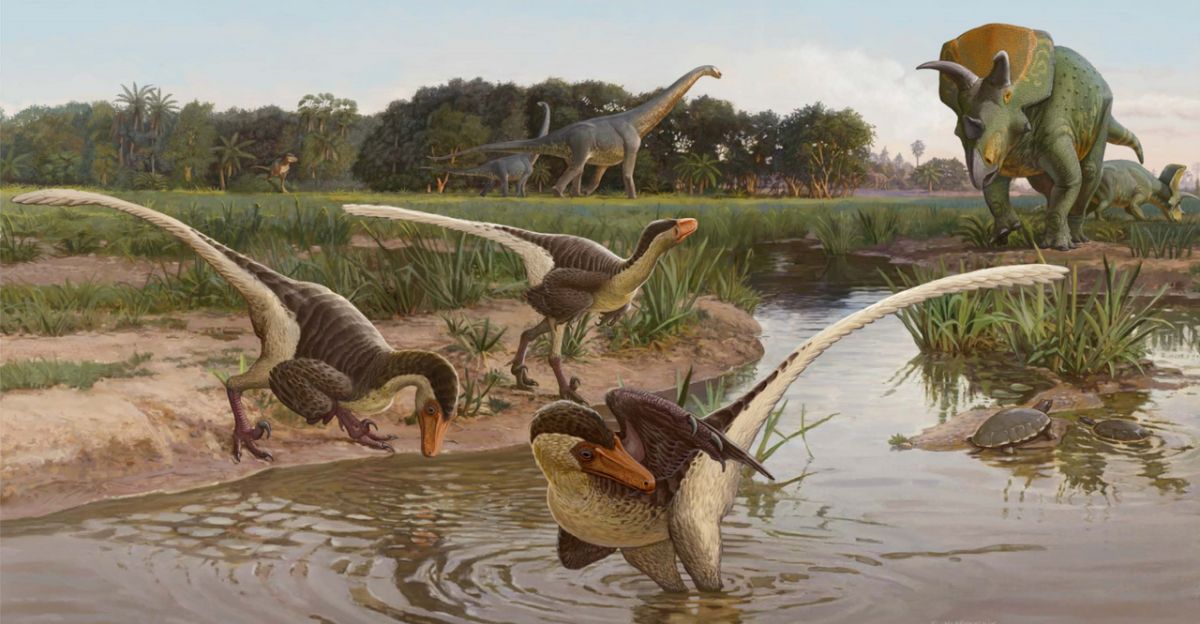
Alamosaurus fossils prove that, millions of years ago, land bridges or island chains allowed dinosaur species to move between North and South America.
These migrations changed whole ecosystems and let giant dinosaurs return to North America after a long time away. Some Alamosaurus fossils are found just below the rocks, marking the dinosaur extinction and showing that it was one of the last giants to walk the continent.
Their story teaches how shifting continents and changing climates shaped ancient life.
The Art of Preserving Fossils
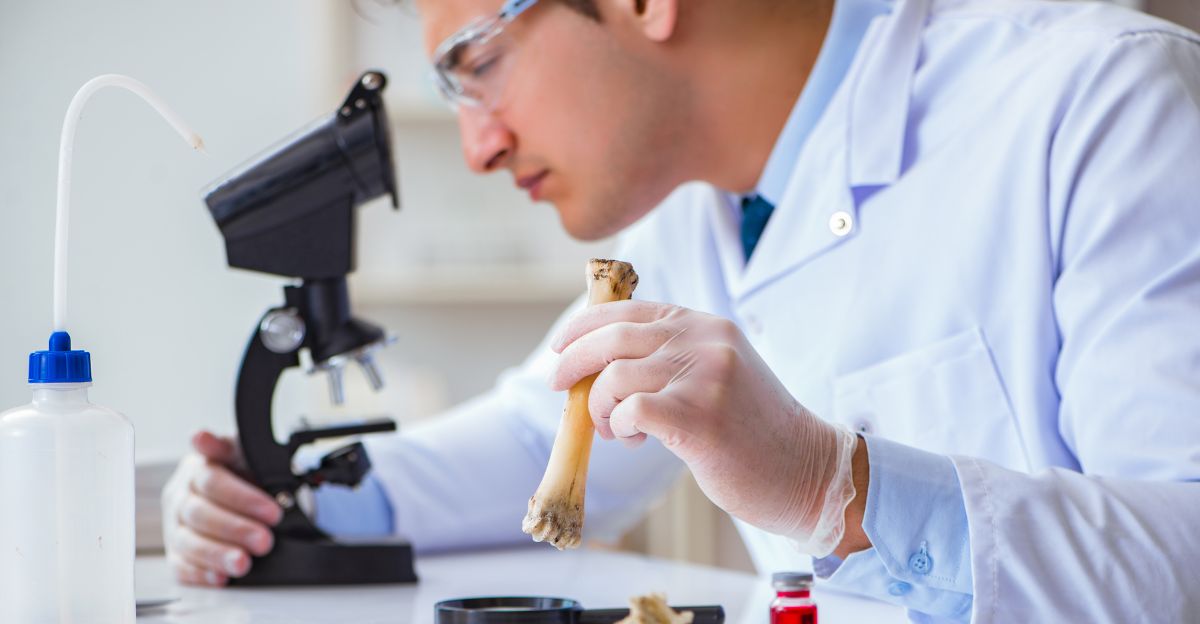
Finding dinosaur bones is only the first step. Alamosaurus fossils, like many others in Big Bend, are usually found in pieces because they lived in places where bones didn’t preserve well.
The new specimen from Sul Ross is one of the best from the area, making careful digging and cleaning crucial. Proper fossil preservation needs the right tools, labs, and patience to unlock their secrets safely for science and future generations.
As Dr. Thomas Shiller said, “These vertebrae give us a window into how these massive dinosaurs moved and lived. It’s a rare privilege for students to participate in a discovery like this here in Texas.”
Expanding Fossil Programs
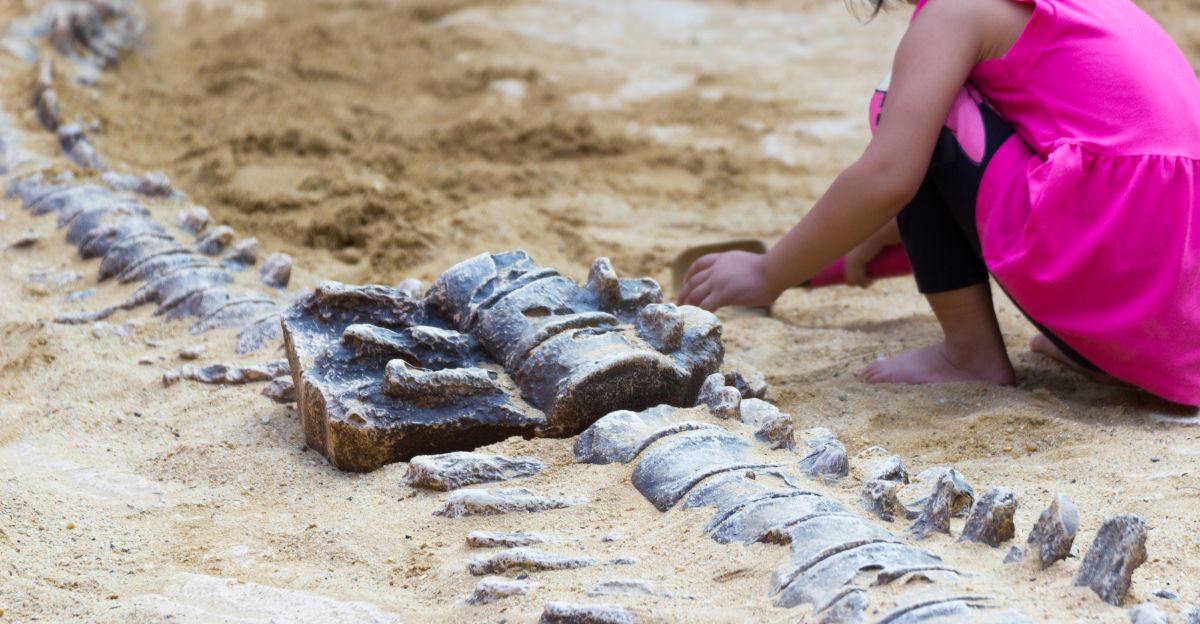
Museums and universities are growing their fossil programs in response to recent significant finds.
Big Bend’s Fossil Discovery Exhibit, opened in 2017, uses interactive technology to teach visitors. Schools are adding labs, and organizations are providing grants for fieldwork and research.
This ensures that fossils help educate more people and advance scientific discoveries.
Legal Protections for Fossils
Collecting fossils isn’t just about digging them up. On public land like Big Bend, only scientists with special permits can collect fossils; it’s illegal for visitors to take any home.
The Park Service and scientists work together to protect essential discoveries. However, the rules on private land are different and often less strict, which sometimes causes debate between collectors and scientists.
Having good laws and clear rules helps keep fossils safe for everyone.
Modernizing Paleontology Education
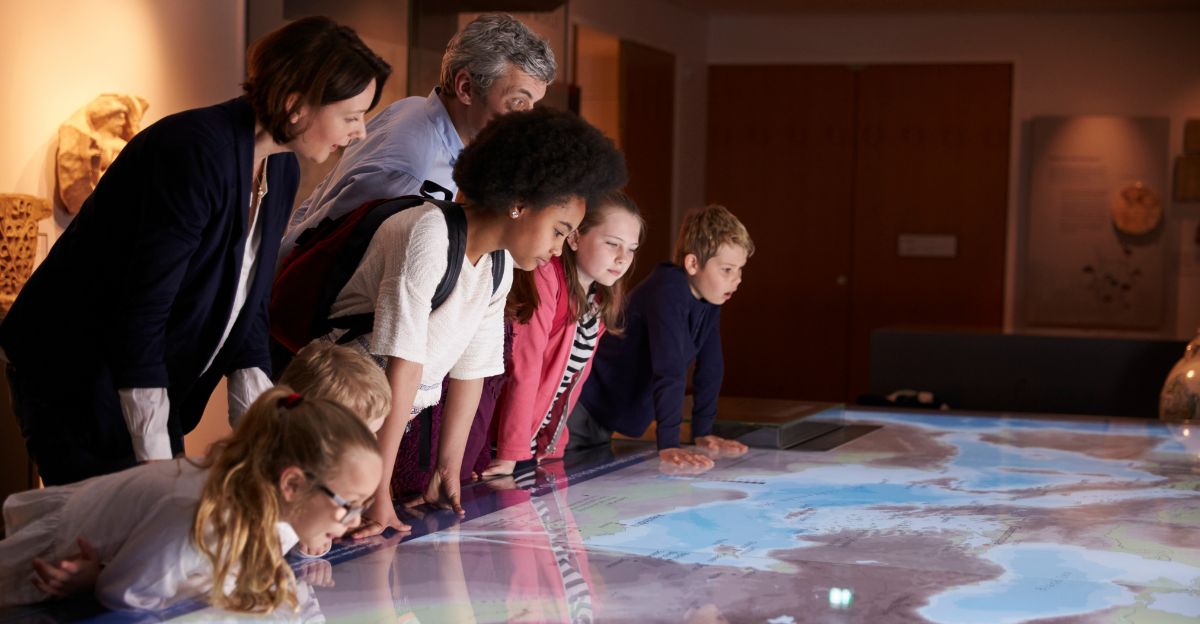
Paleontology today mixes old-fashioned field digging with modern science and public engagement.
Students at Sul Ross and other universities do hands-on fieldwork and advanced lab analysis. Museums and online sites make fossil information accessible to the public.
These efforts help more people understand, get excited about ancient life, and inspire new scientists.
Unlocking Prehistoric Secrets
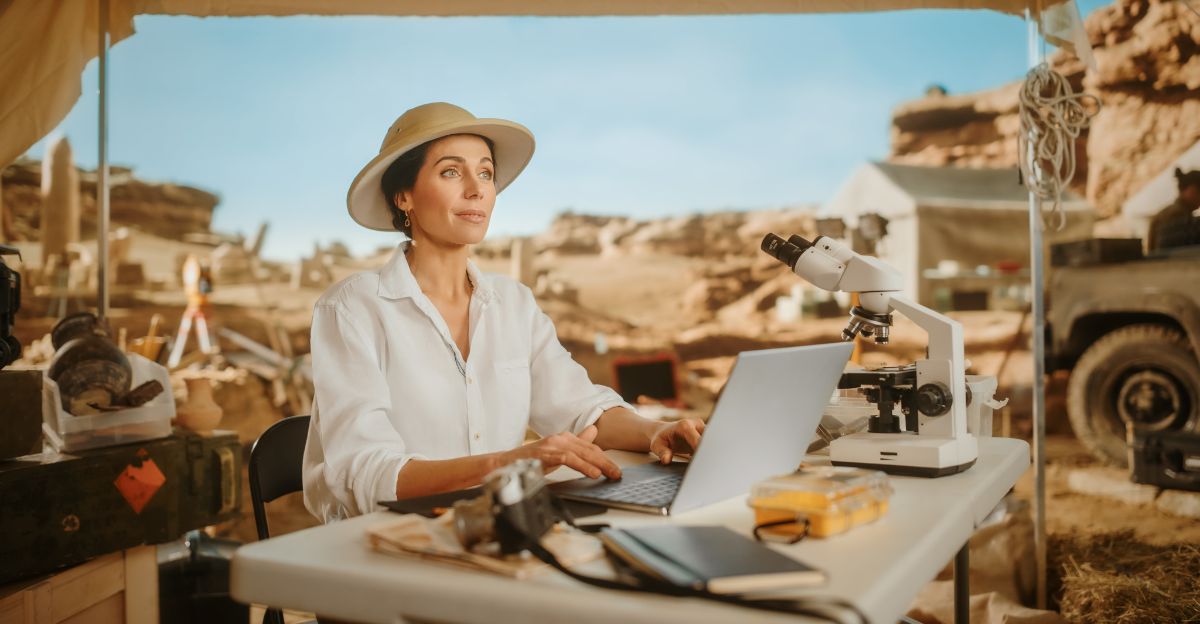
This new Alamosaurus find will help researchers learn about the last dinosaurs and why they went extinct.
Modern tests on the bones can show how fast the dinosaur grew and what the climate was like. Studies of ancient climate changes help us better understand and plan for today’s changes.
Big Bend will likely reveal even more fossils in the future, which could change how we see the final years of dinosaurs.
Collaborative Fossil Research

Many universities and the Park Service are working together to study Big Bend’s fossils and Cretaceous history.
New laws are being debated to help with more research while ensuring fossils are preserved.
Research grants for paleontology are increasing, and strict rules are being set to treat new finds carefully, so we keep learning from these ancient treasures.
Business Boom from Dinosaurs
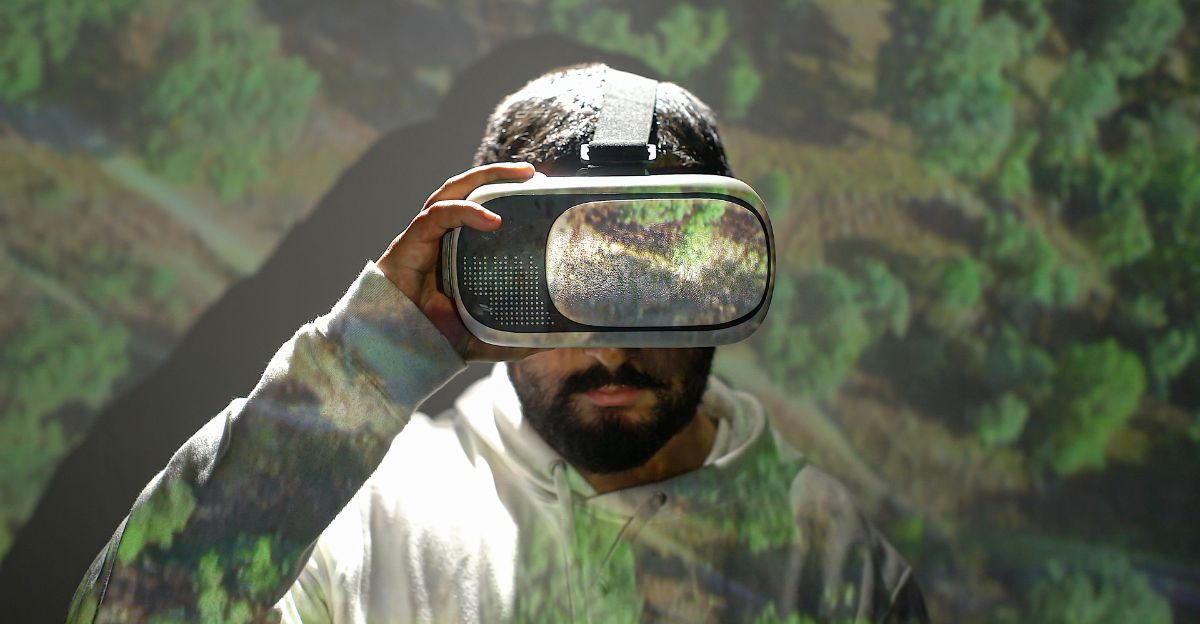
Dinosaur discoveries benefit more than scientists: they boost local tourism and support businesses.
Hotels, restaurants, and museums near fossil sites see more visitors. Tech companies create fossil-related virtual experiences. Museums compete for the best fossil displays, which attract people.
Even fossil preparation is a specialized job, supporting workers who clean and mount bones for science or collectors.
Fossils in the Social Spotlight

Social media quickly spreads news of fossil finds, turning some discoveries viral and attracting more people to paleontology.
The recent Alamosaurus find made headlines around the world. However, social media also spreads rumors or mistakes, so scientists must work hard to ensure that facts reach the public.
Maintaining excitement and accuracy is a big part of modern paleontology.
Big Bend’s Fossil Legacy
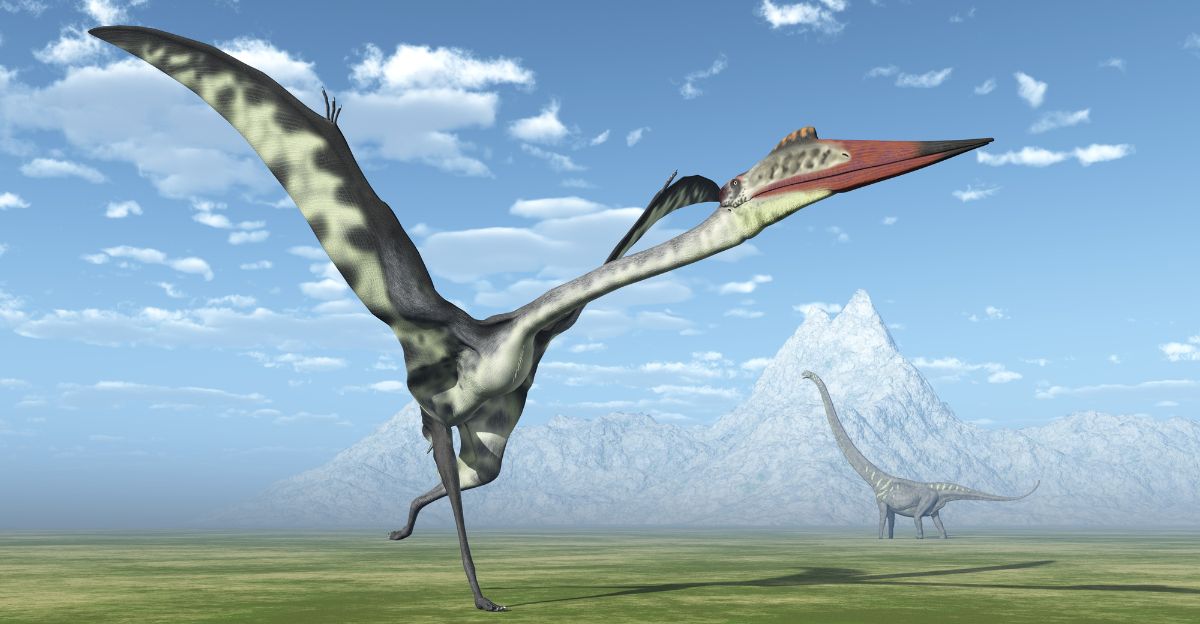
This new find continues a long legacy of important Big Bend fossil discoveries, starting with the famous paleontologist Barnum Brown in the 1940s. As David Schmidt (Big Bend Fossil Discovery Exhibit) said: “Big Bend’s fossil record is unique for showing a complete slice of prehistoric life, from the extinction of dinosaurs to the rise of mammals.”
Over the years, fossils of flying reptiles, horned dinosaurs, and more have been found here, showing that this region has long been a hotspot for discovering the last dinosaurs: every new bone links past and present scientists in the shared quest to understand prehistoric life.
Protecting Past, Informing Future
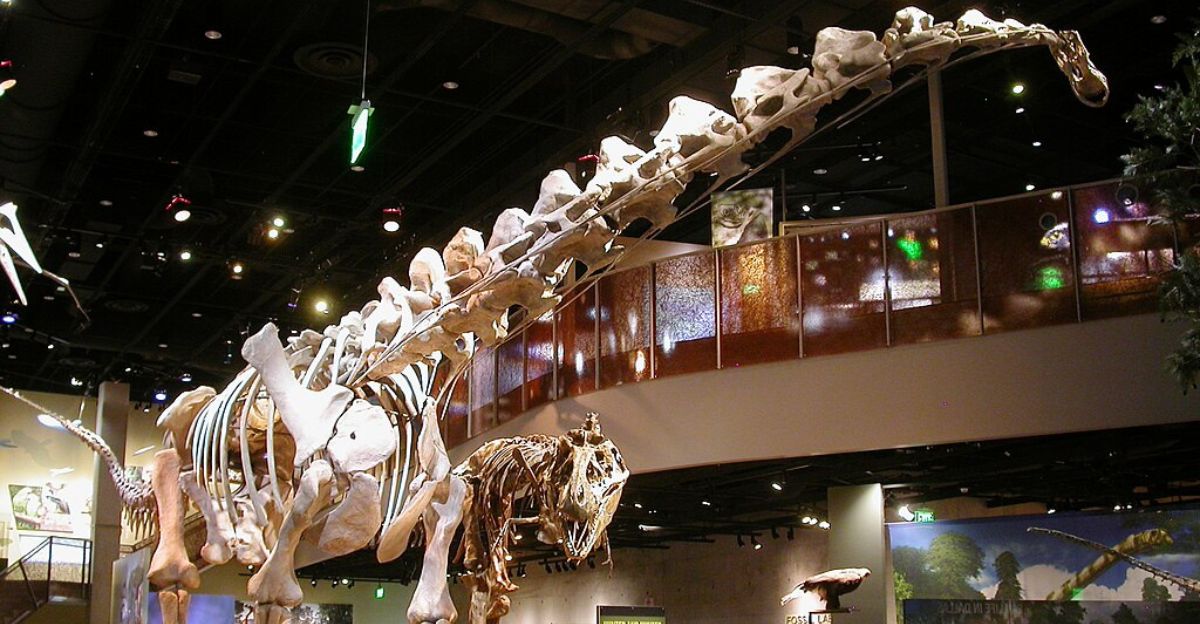
The Alamosaurus find in Big Bend is more than just another dinosaur bone; it proves how vital it is to keep studying and protecting our planet’s fossil history.
Enormous dinosaurs like Alamosaurus help us learn how life and environments changed at the end of the dinosaur era—this teamwork between universities and the National Park Service models how science and public agencies can work together.
As today’s world faces climate change and threatened species, knowing how ancient creatures responded in the past helps us protect the future.