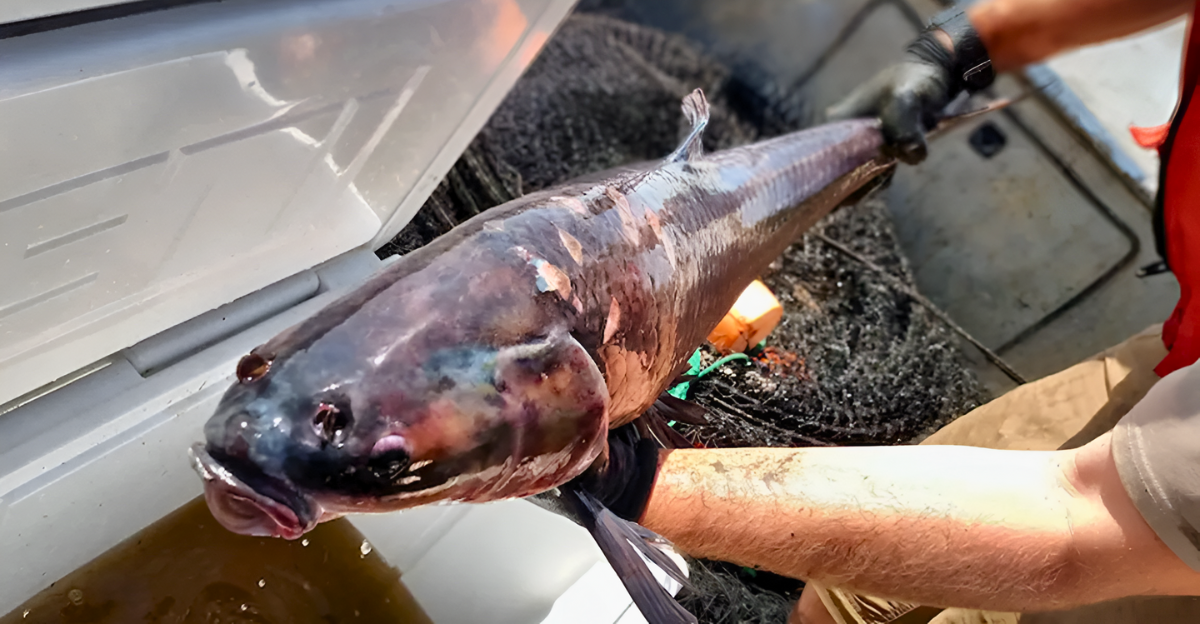
Something unusual is happening on rivers across the U.S. Anglers are being asked to do more than just fish for fun or food: they’re being asked to help stop a growing problem.
The twist? There’s also money on the line. A little-known fish has quietly been spreading for years, and now, there’s a push to fight back.
A Fish That Doesn’t Belong
Carp aren’t new to U.S. waters, but not all of them belong here. Black carp, brought in decades ago, have started showing up more often. These fish weren’t part of the natural system and are now upsetting the balance in rivers and lakes.
The Trouble They Cause
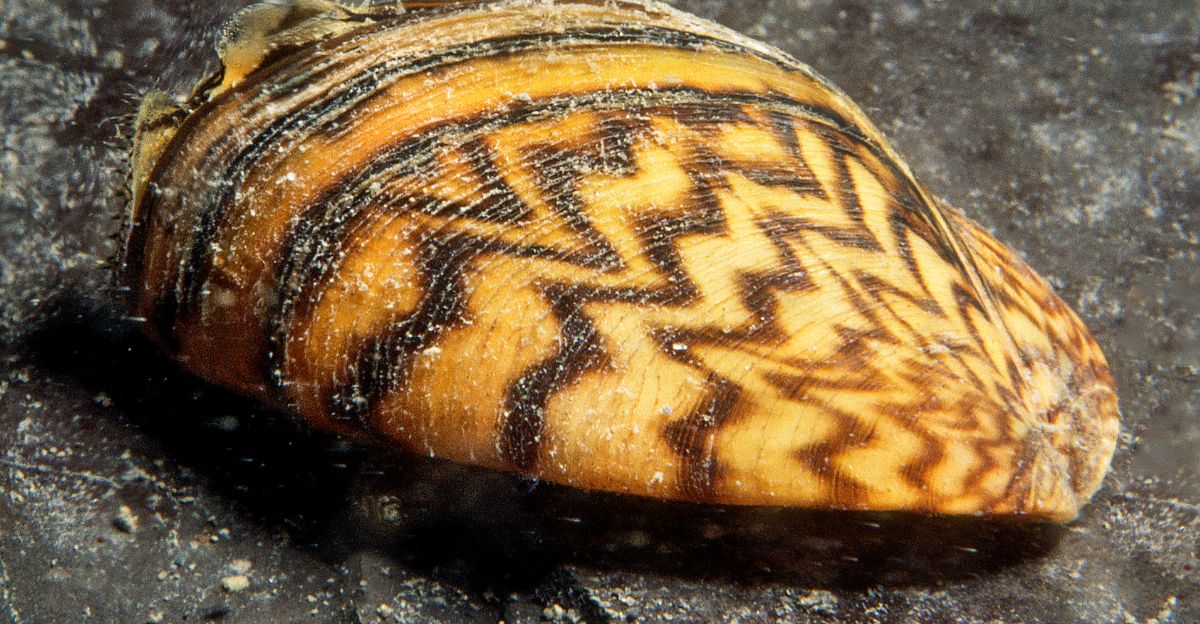
Unlike some other invasive carp that eat plankton or plants, black carp prefer mussels and snails. These small creatures are actually a big deal for rivers. Without them, water quality and whole ecosystems can suffer, which puts native fish and wildlife at risk.
Why Mussels Matter
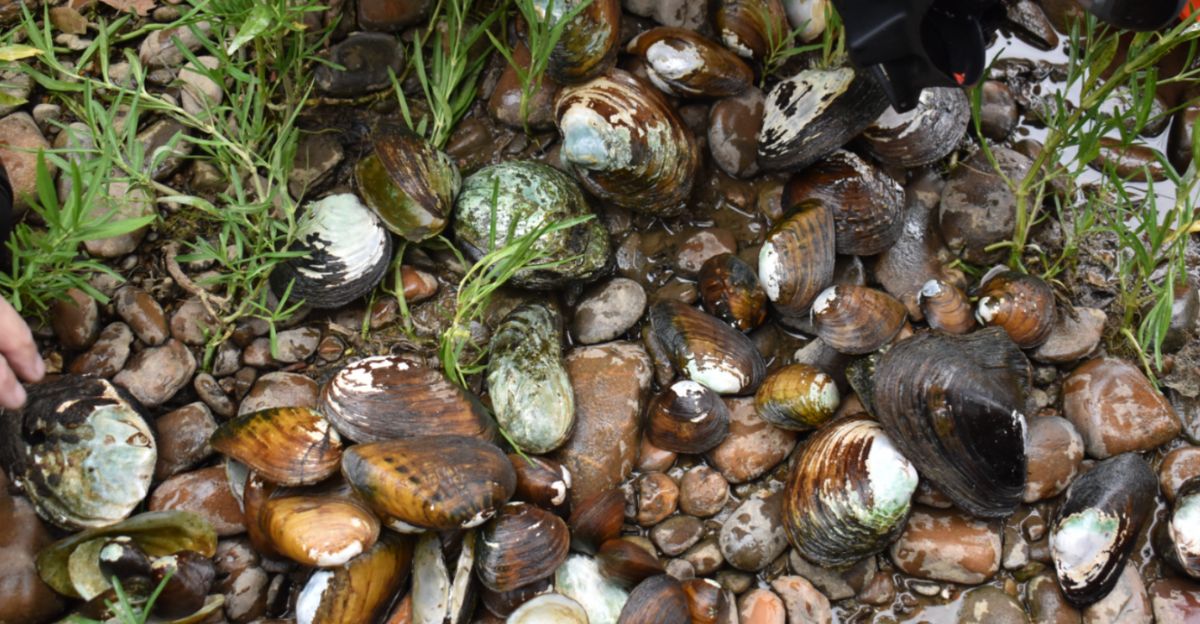
Freshwater mussels act like natural filters. They clean the water, provide habitat, and support many other species.
When black carp eat them in large numbers, the effects ripple outward. It’s not just about losing mussels, it’s about damaging the entire system they help keep alive.
A Different Kind of Solution
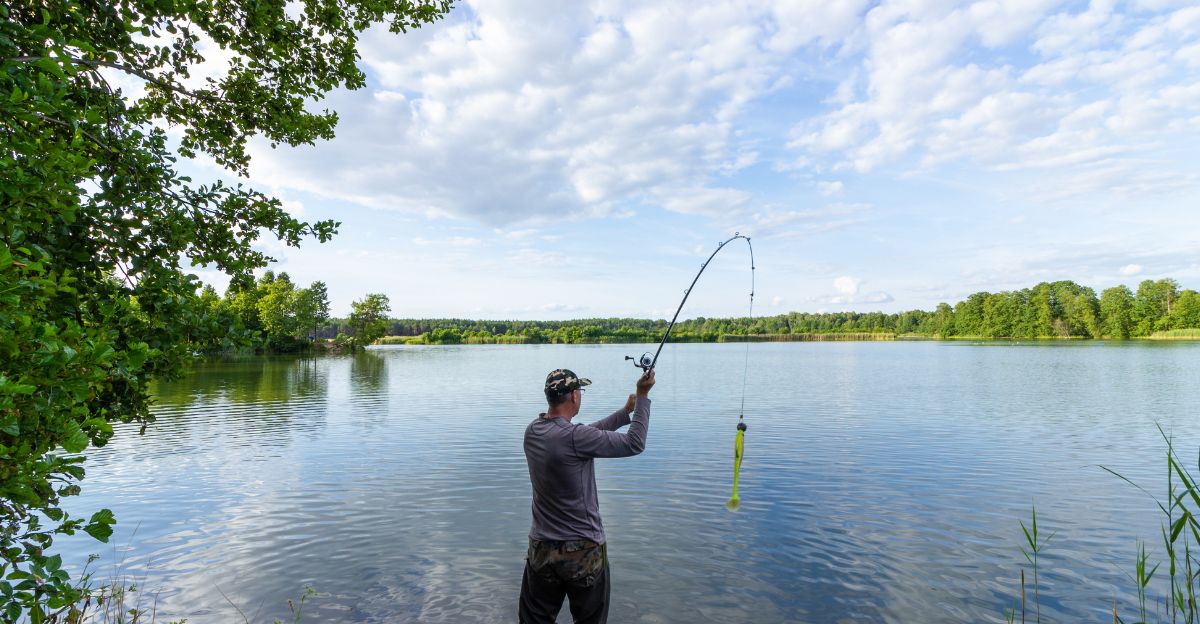
Instead of leaving the fight to scientists alone, states are asking anglers to join in. The idea is straightforward: if you catch a black carp, report it, and you’ll be paid. It’s a mix of conservation and reward, with everyday fishermen playing a key role.
What You Can Earn

For each black carp caught and reported, anglers get $100. There’s a cap of ten fish per month, so the maximum payout is $1,000. The aim isn’t just money. It’s to collect information and slow the spread of a species that doesn’t belong.
Growing Beyond Illinois

This idea started small, mainly in Illinois and surrounding areas. But as the spread of black carp has grown, the program has now been expanded to include many more states across the Mississippi River basin.
States Taking Part
The list of states is long. It covers most of the Midwest, South, and even stretches out west. From Arkansas and Missouri to Texas, Minnesota, and North Carolina, 27 states are now part of the effort.
Who Can Join In
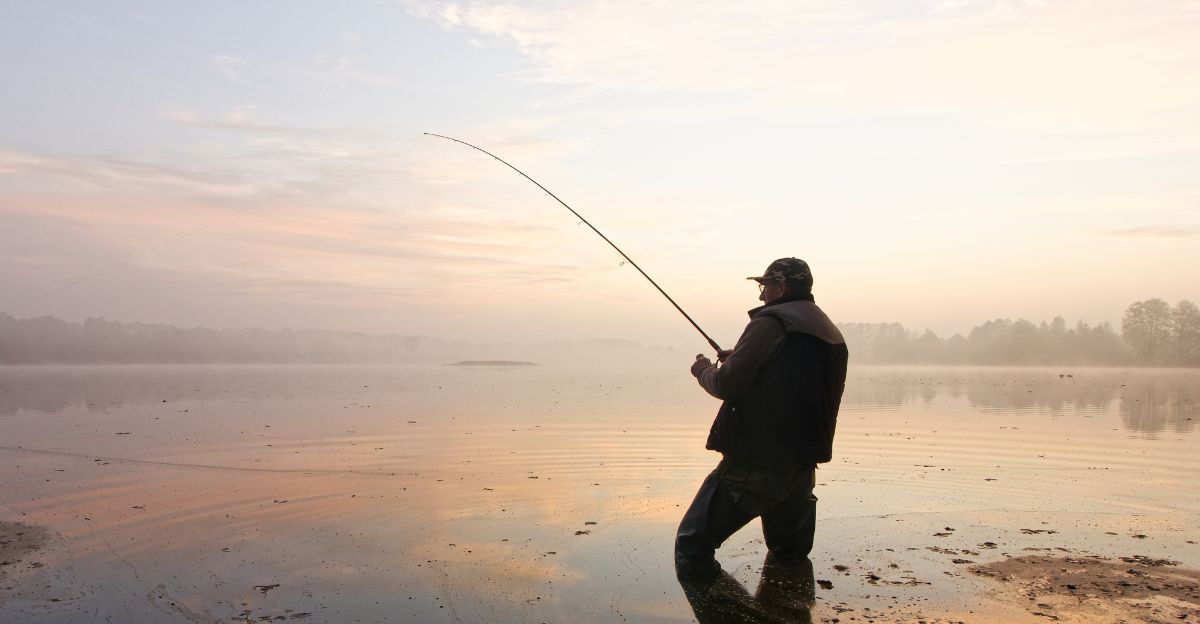
The good news is that it’s not limited to professionals. Both commercial fishermen and regular anglers can take part. Whether you’re fishing with a rod, net, or bow, if you land a black carp and follow the rules, it counts.
How You Report It
The process is simple but important. Take a photo of the fish, record where you caught it, note some details about the water and gear, and keep the fish cold. You can’t keep it alive. It has to be dispatched humanely and stored on ice or in a freezer.
Final Steps
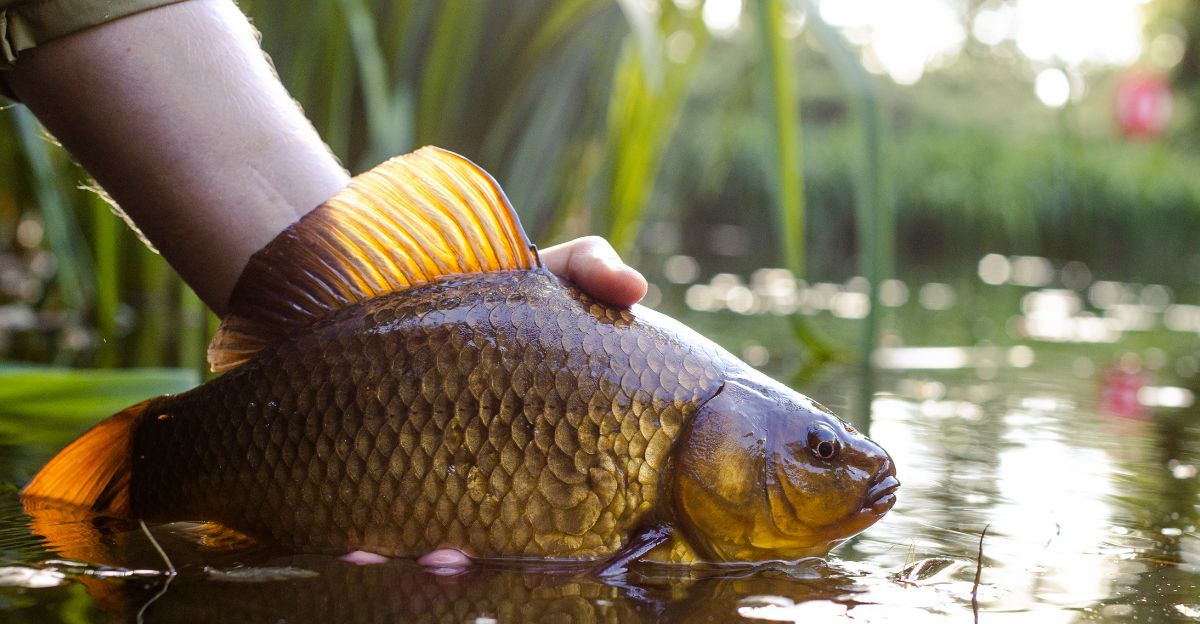
Once you have your information, contact your state’s program rep. Each state in the “Keep, Cool, Call” system has a contact person who confirms the catch and issues payment if it’s correctly identified as black carp.
Easy to Confuse
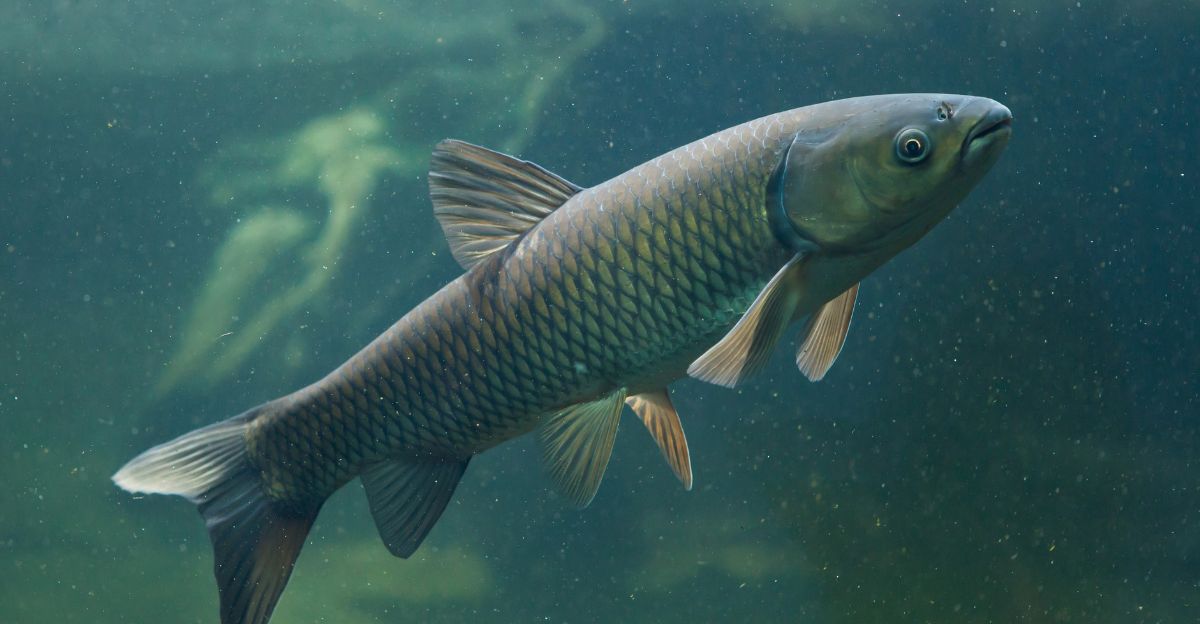
The challenge is telling black carp apart from the other invasive types—like bighead, silver, and grass carp. Only black carp are eligible for the payout, so knowing the difference matters. Luckily, guides and resources are available to help.
How to Spot Them
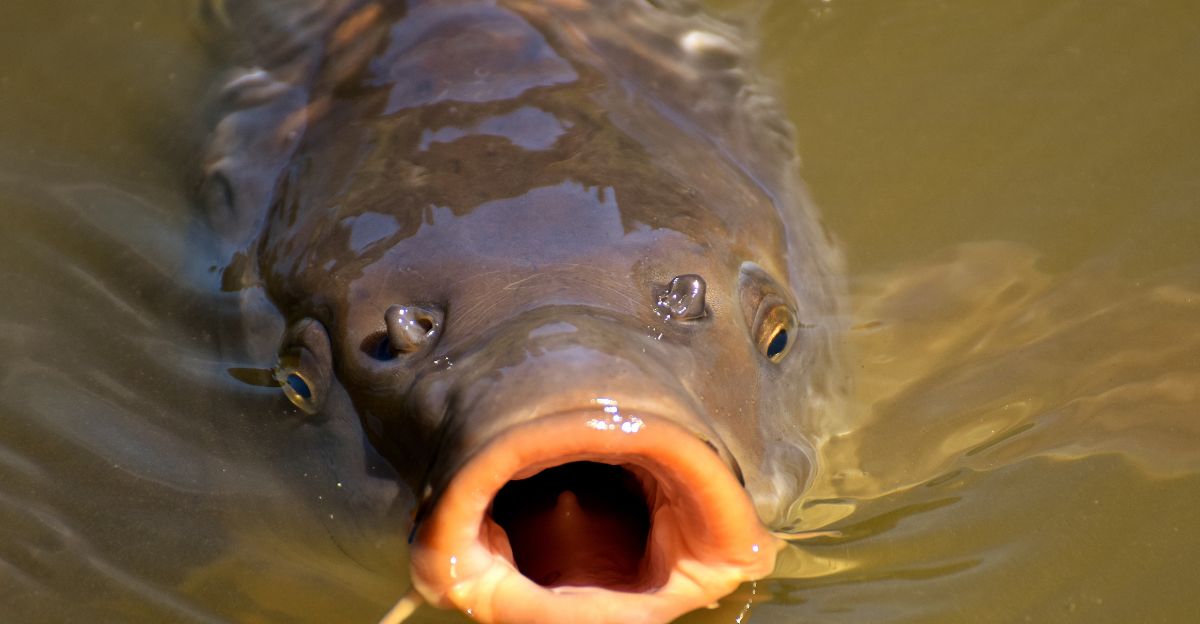
Black carp are usually darker in color and longer-bodied than some of the other carp. The key giveaway is their crushing teeth inside the throat, which they use to eat mussels. Identification sheets from state agencies make it easier to compare features.
Not Every Carp Is Bad
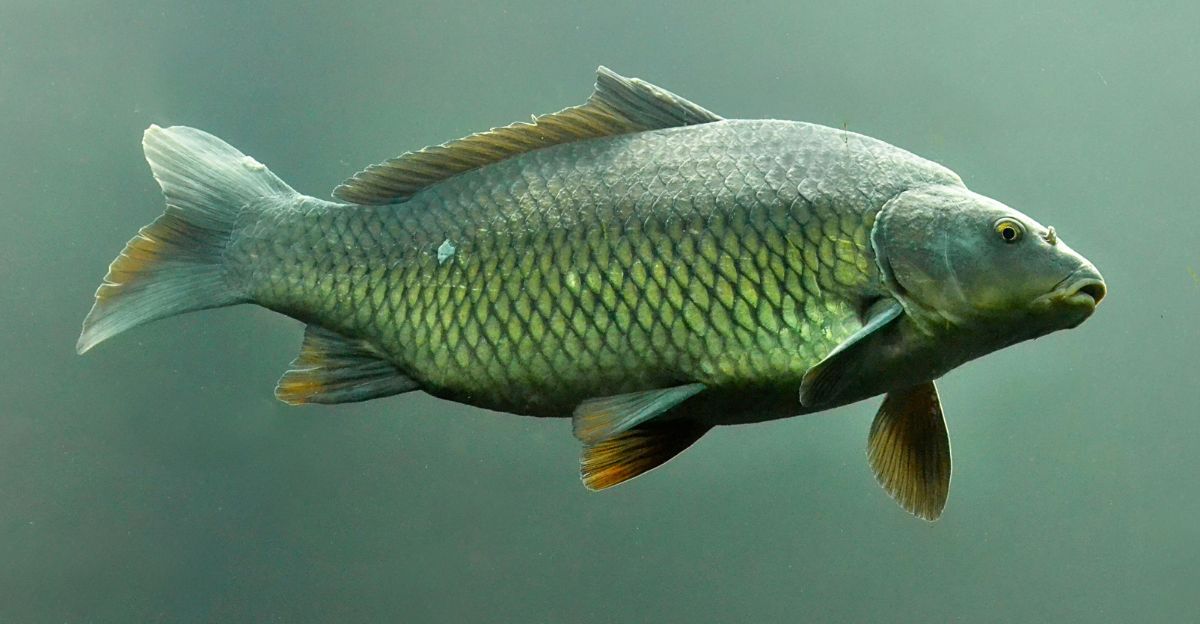
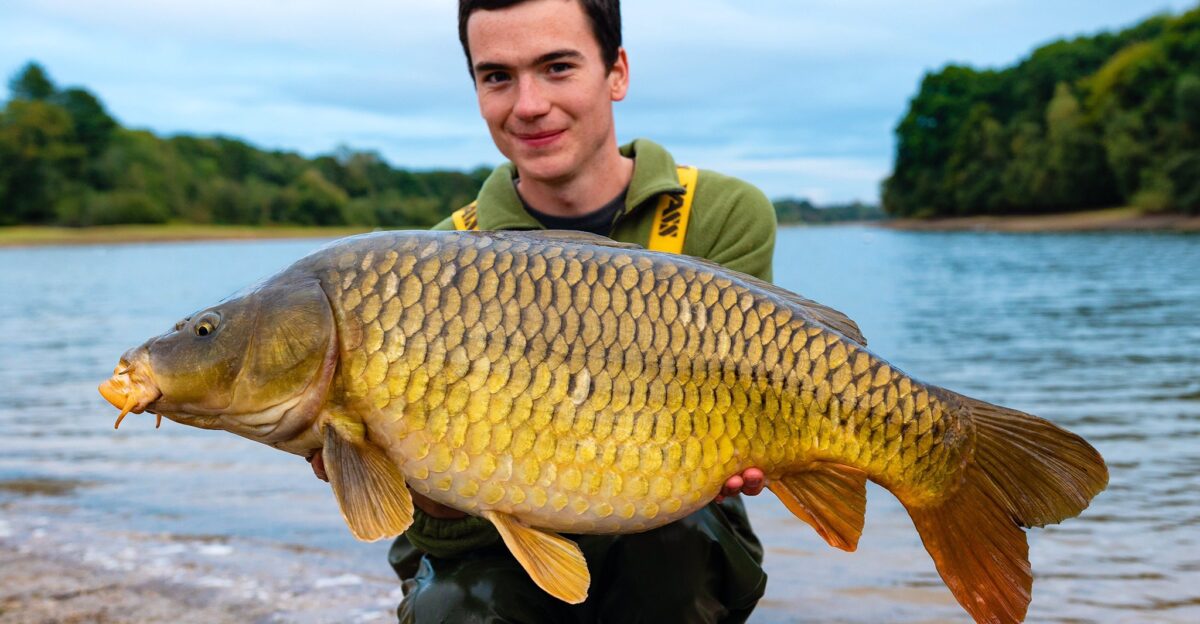
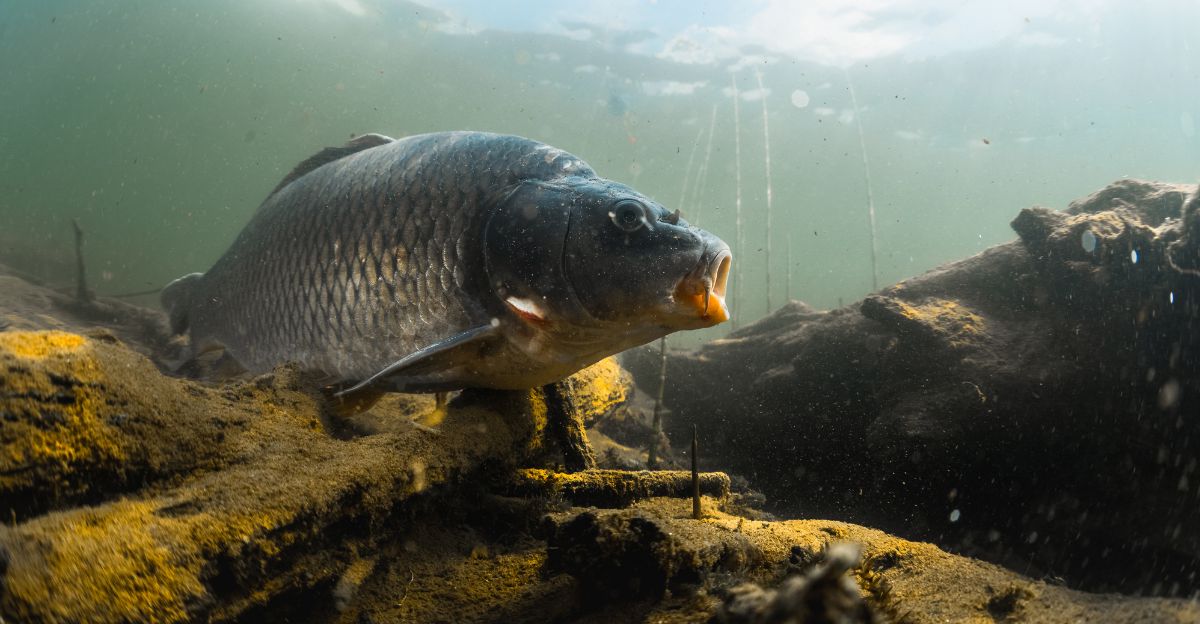
It’s worth noting that not every carp is a problem. Common carp, for example, have been in U.S. waters for a long time and aren’t considered a major threat. The focus of this program is strictly on black carp.
Why Anglers Matter
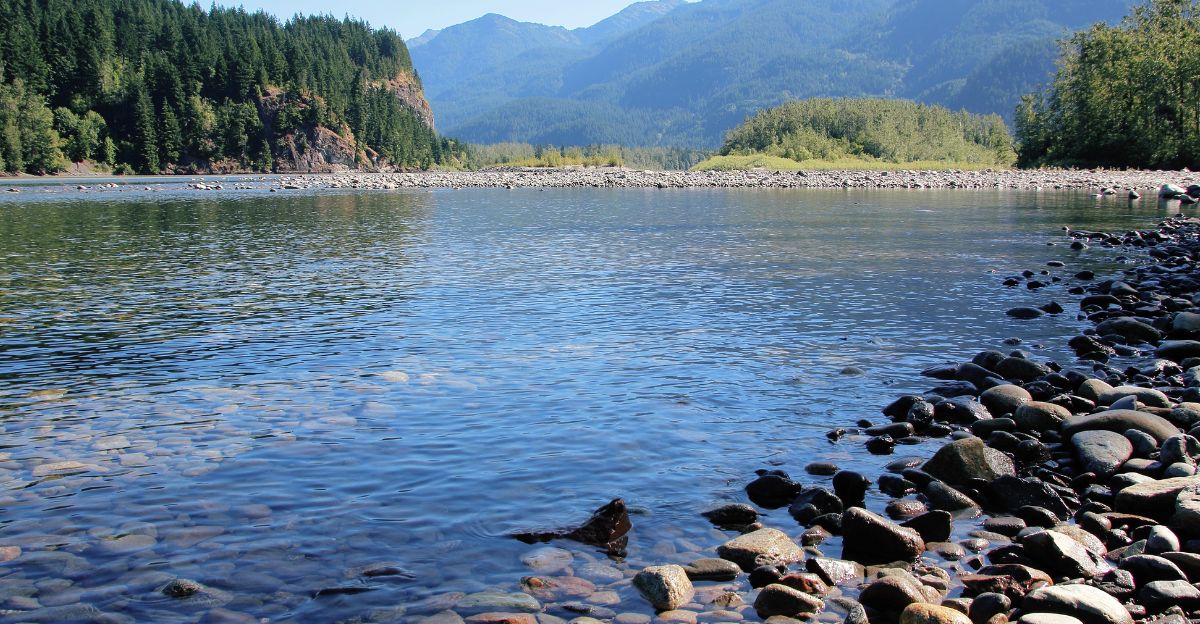
Researchers can’t be everywhere, but anglers are on the water every day. By reporting their catches, fishermen provide crucial data that shows where black carp are spreading and how serious the problem is becoming.
Backed by Science

This program is supported by state and federal agencies, including the Illinois Department of Natural Resources. It combines science with community help, turning everyday fishing trips into a tool for protecting rivers and wildlife.
More Than Just Fishing
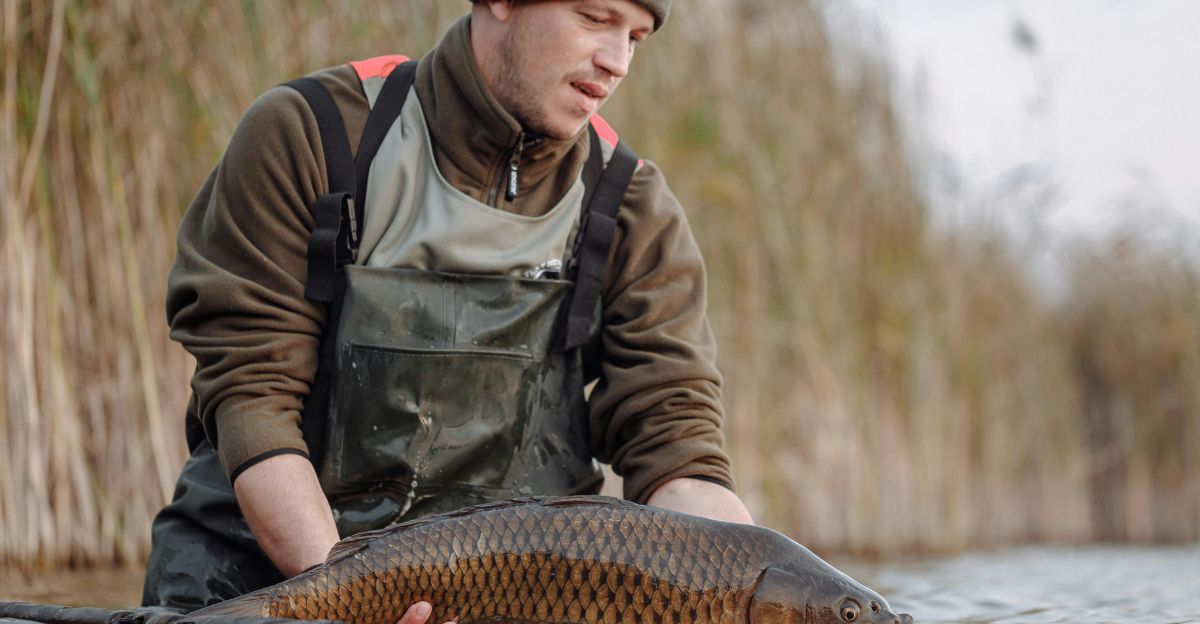
For many people, this program changes the way they see fishing. It’s not just recreation anymore. It’s a chance to contribute to protecting local waters. Every black carp caught helps keep native species alive.
Things to Keep in Mind
The bounty is tied to funding, so it may not last forever. Rewards are only paid as long as budgets allow. Also, mistakes in identification can slow things down, so learning how to tell the difference is key.
A Test for the Future
If it works well, this approach could be used for other invasive species too. Paying the public to get involved in conservation may be a model that expands far beyond black carp.
The Bigger Goal
At the heart of the program is more than just extra cash. It’s about protecting rivers, keeping ecosystems healthy, and making sure native species don’t get wiped out. Anglers are now part of the solution, one catch at a time.