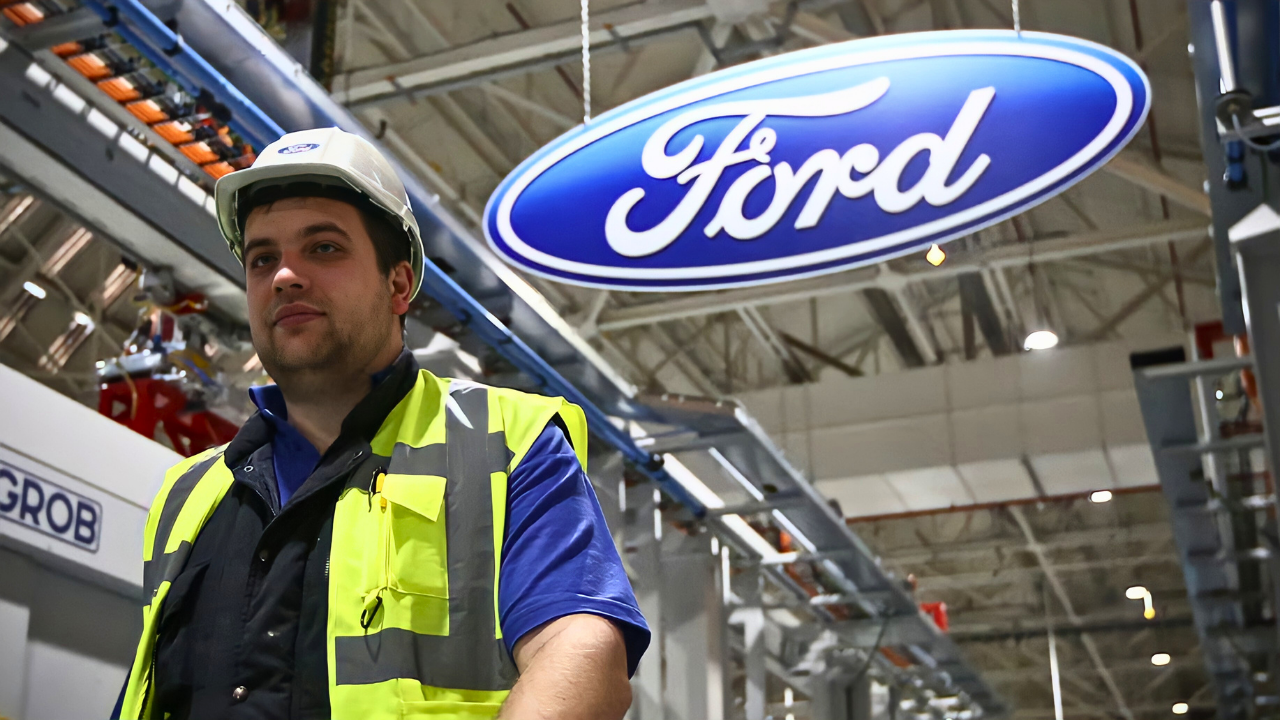
Ford Motor Company recently informed 25,000 U.S. salaried employees that a significant change was coming to their work routines.
Effective September 1, 2025, the company will require most staff to be physically present in the office at least four days a week.
This shift is part of CEO Jim Farley’s broader efforts to transform Ford’s workplace approach and boost overall performance, according to Reuters and Fortune.
A Nationwide Policy
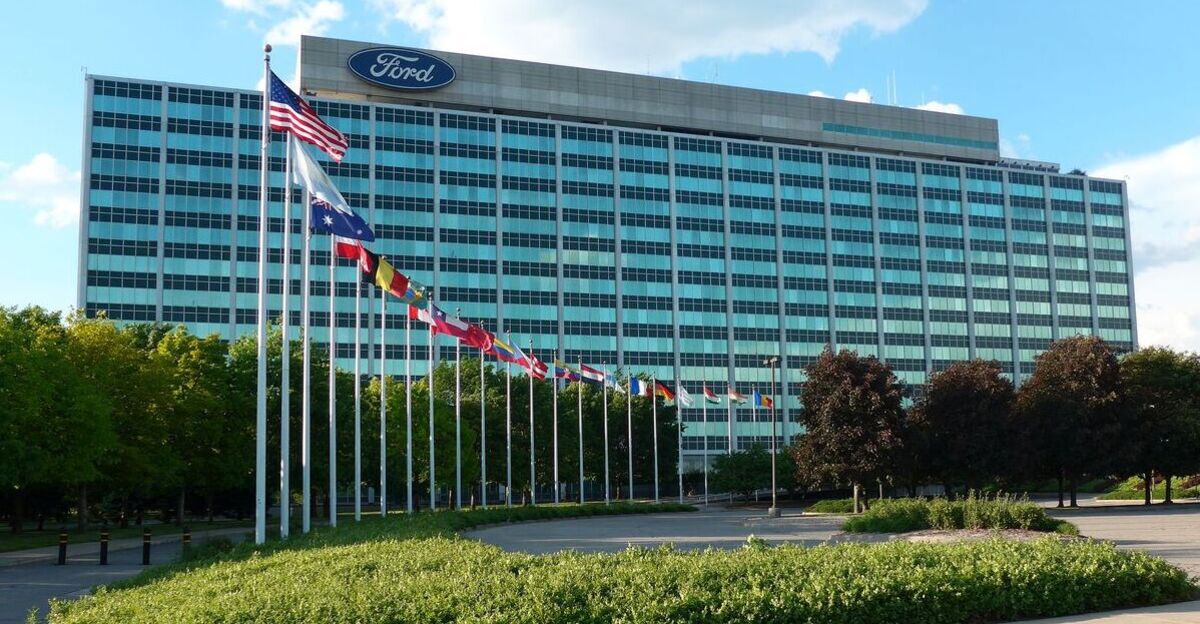
The new return-to-office mandate doesn’t just affect workers in Michigan; it applies to Ford offices nationwide.
Employees previously accustomed to hybrid setups must now adjust to stricter badge monitoring and frequent management check-ins.
This marks one of the broadest corporate pivots since the pandemic-era flexibility reshaped office arrangements, placing Ford under national scrutiny.
From Remote to In-Person

Ford, like much of the auto industry, embraced remote options during the global pandemic. For years, most salaried teams followed a three-day-a-week onsite norm, allowing flexibility in work-life balance.
The abrupt enforcement of the four-day rule reflects a shift in attitudes among executives, who now view in-person collaboration as essential to competitiveness.
Why the Change?

Ford executives say the move is more than just a rule—it’s a strategy to make the company more agile, innovative, and efficient.
Industry analysts suggest the mandate comes as automakers compete to keep up with electric vehicle leaders and respond to changing market demands. Companies like GM and Tesla have issued similar policies, pushing for stronger in-person teamwork.
Policy Announcement

On June 25, 2025, Ford publicly confirmed its new working requirements via a memo and company-wide meeting. The policy began on September 1, with all eligible employees expected to comply.
Communications outlined that staff not meeting the new attendance standards could face disciplinary measures, up to and including termination as a last resort, though many of these warnings were later acknowledged as system errors.
Midwest Impacts
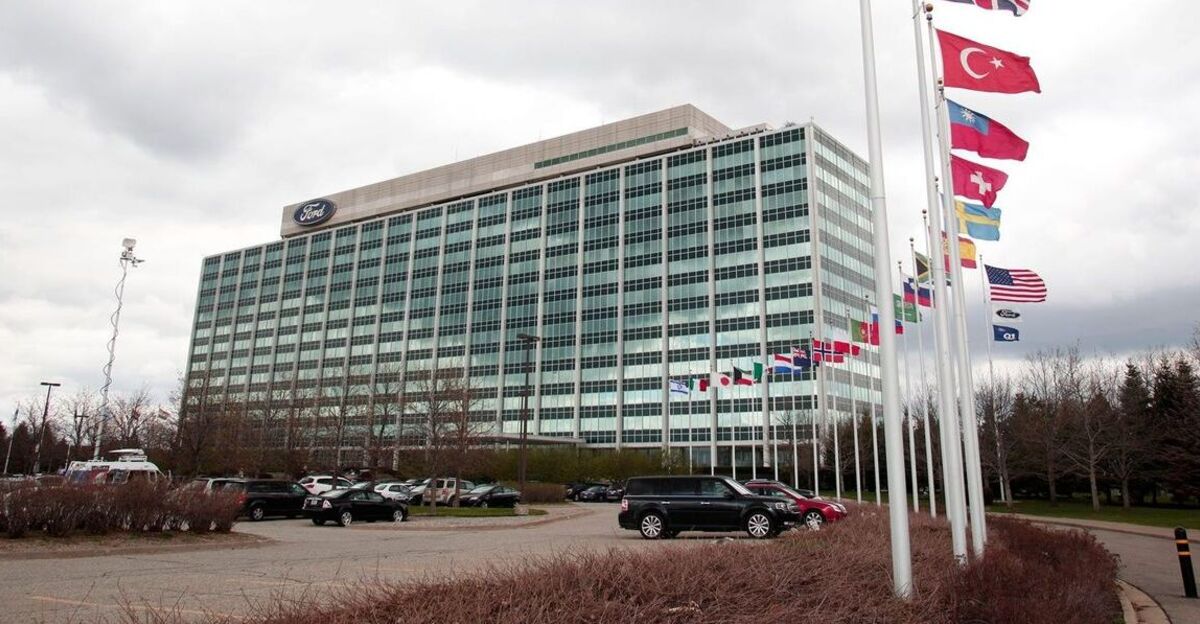
Michigan, home to Ford’s headquarters in Dearborn, is especially affected by the return-to-office rule. Thousands of employees in the Detroit area received instructions for frequent badge swipes and attendance audits.
The mandate could reshape talent retention in the Midwest, where hybrid work has become common in recent years.
Employee Experiences

Some employees described anxiety about the change, especially as automated emails mistakenly flagged both compliant and noncompliant staff.
Ford’s HR acknowledged these mistakes but assured those meeting the requirements that they had nothing to fear.
This period of adjustment has highlighted the complexity of enforcing standardized policies across diverse work groups.
Market Context
Ford’s policy shift follows similar moves by major competitors. General Motors recently enforced a three-day in-office minimum, while Tesla maintains a five-day onsite mandate.
This trend reflects broader market efforts to strike a balance between workplace flexibility and the benefits of direct collaboration—a tension prevalent across the U.S. auto sector.
Productivity Debate
Experts remain divided on the impact of strict RTO policies. Consulting firm McKinsey notes that while some companies see gains in innovation and communication, others report drops in employee engagement and retention.
Ford’s move will serve as a key test case for how legacy manufacturers navigate evolving office norms in a changing economy.
Technology Glitches

Ford’s reliance on automated badge-tracking created headaches for many employees. The system mistakenly notified some staff members that they were at risk of termination, even when they had met the attendance rules.
HR quickly acknowledged these errors and pledged to improve systems, showing how technology can complicate—rather than simplify—policy enforcement in large organizations.
Upper Management Perspective

Ford HR chief Homer Isaac emphasized that office attendance is about fostering collaboration, not just enforcing rules.
He admitted communications could have been more careful, confirming that termination would only occur as a last resort.
Both public relations and internal messaging now focus on encouraging compliance in a positive manner rather than issuing threats.
CEO’s Vision
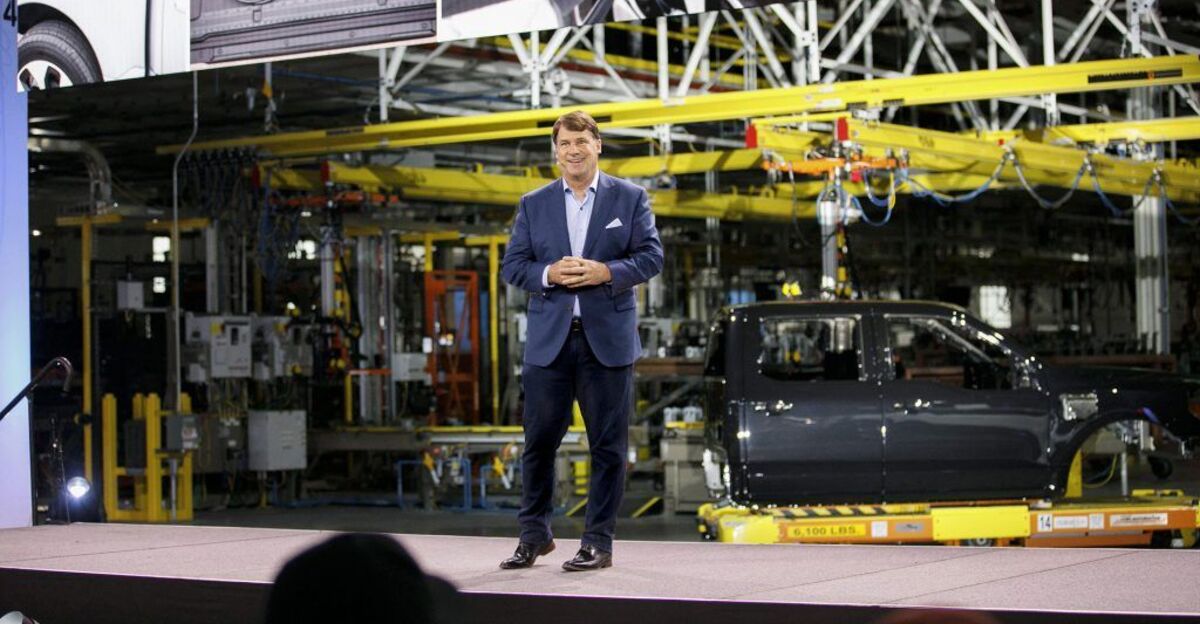
CEO Jim Farley views the return-to-office push as central to Ford’s turnaround strategy. In recent public remarks, Farley emphasized that in-person teamwork is vital for innovation and responding to rapidly changing industry demands.
Analysts note that Farley’s leadership style is direct and hands-on, aligning with Ford’s shifting workplace culture.
Policy Adjustments
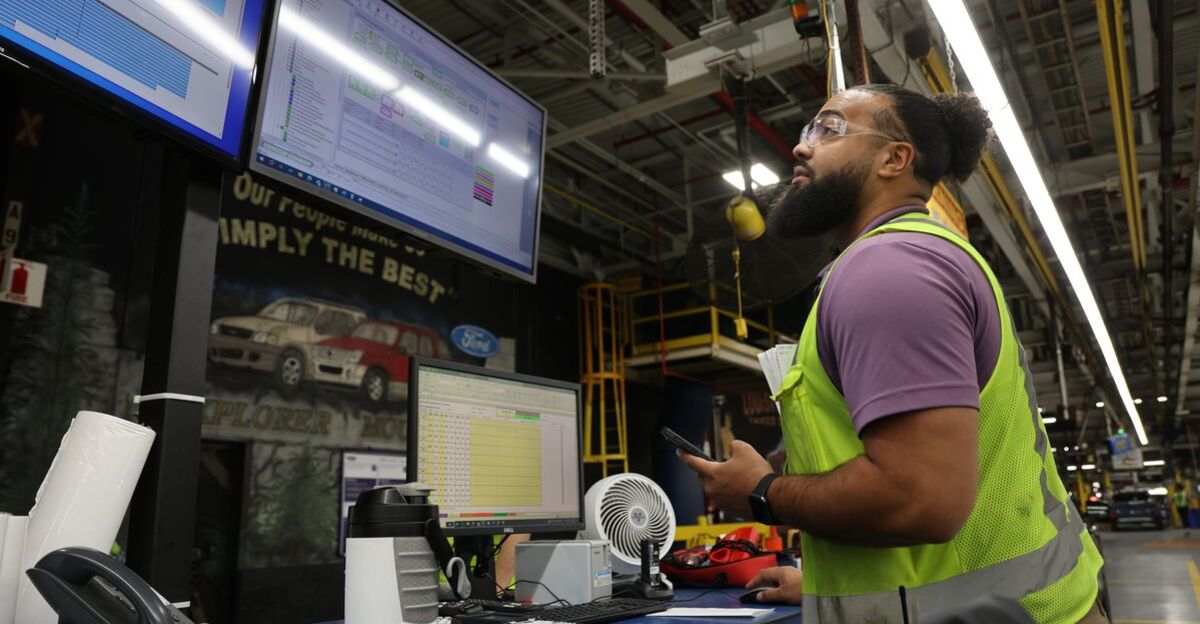
Ford has responded to feedback with minor adjustments. While four-day attendance remains the rule, some managers can grant exceptions for hardship cases or special projects.
This growing flexibility shows Ford’s willingness to listen to staff concerns and adapt enforcement, even as its overall policy remains firm.
Industry Lessons

Market analysts are monitoring Ford’s RTO mandate as a bellwether for other companies considering similar moves.
Some expect better performance through increased teamwork, while critics worry about talent loss to more flexible employers. The results at Ford will likely influence policy decisions across all of corporate America.
The Road Ahead
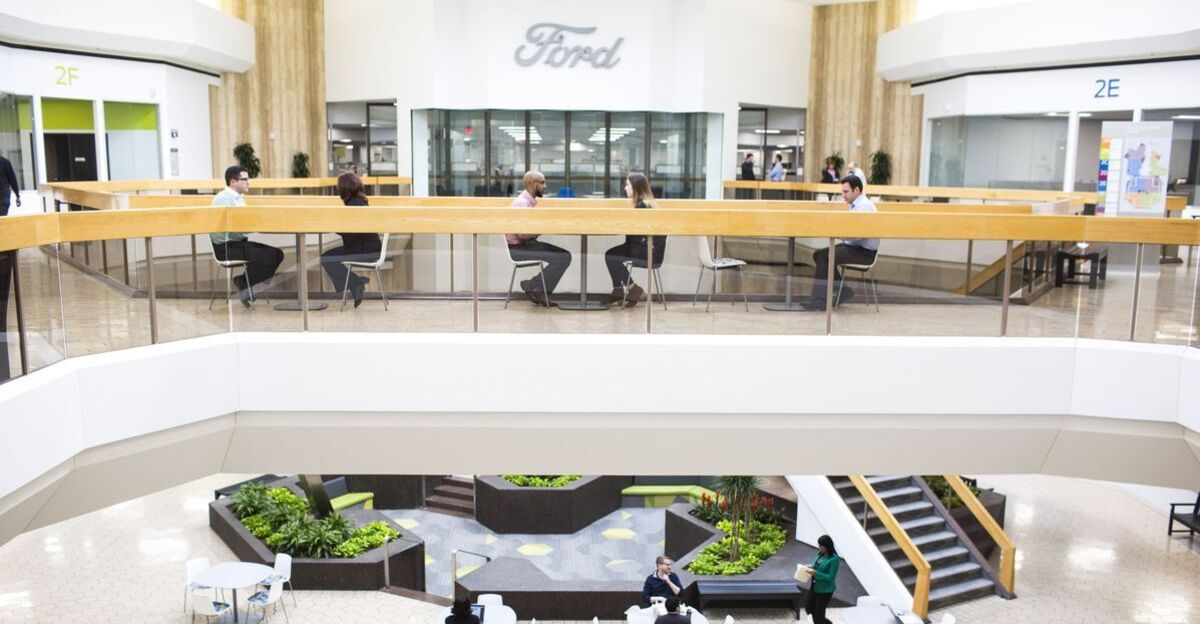
Ford’s bold workplace strategy raises questions about the future of work for U.S. automakers. Will stricter office requirements help drive company success or fuel employee dissatisfaction and resignation?
As other firms watch closely, Ford’s next steps could determine the balance between innovation, performance, and worker satisfaction in the years to come.