
About 7.7 million Americans move across state lines each year, yet five states hold residents like magnets. These “sticky states” have retention rates between 70% and 82%, keeping most native-born residents rooted.
In comparison, New Jersey sees 67% of movers leaving. What keeps people in these sticky states? Community, jobs, and lifestyle combine in ways that make leaving far less appealing. Let’s look at the forces behind this unusual loyalty.
How Researchers Found the Stickiest States
CheapInsurance.com analyzed IRS migration data from 2020–2021, while United Van Lines’ 2024 study adds more insights. Using Federal Reserve Bank of Dallas data, researchers calculated how many native-born residents remain in their home state as of 2021.
The findings identify states where staying is the norm rather than the exception. These studies reveal which states have built environments, jobs, and communities that residents are reluctant to leave, offering a window into what makes people stay.
Why Low Out-Migration Tells a Bigger Story

Low out-migration reflects satisfaction with life and alignment between residents’ needs and state resources. Federal Reserve research shows “stickiness” indicates affordable housing, stable jobs, and strong community connections.
By contrast, New Jersey leads outbound migration at 67%. Sticky states combine multiple factors, economics, lifestyle, and identity, to retain residents. The more these elements align, the harder it is for people to consider moving away, proving why some states hold onto their population for decades.
What Makes a State Stick

Researchers at the Federal Reserve identified common traits of sticky states: above-average job growth, lower state and local taxes, multiple large metropolitan areas, and mostly warmer weather.
These elements work together to create economic and psychological anchors. With these factors in place, certain states become irresistible, keeping most residents from moving.
Now, let’s take a closer look at the five states that best showcase these sticky traits and why people choose to stay there year after year.
#1 – Texas
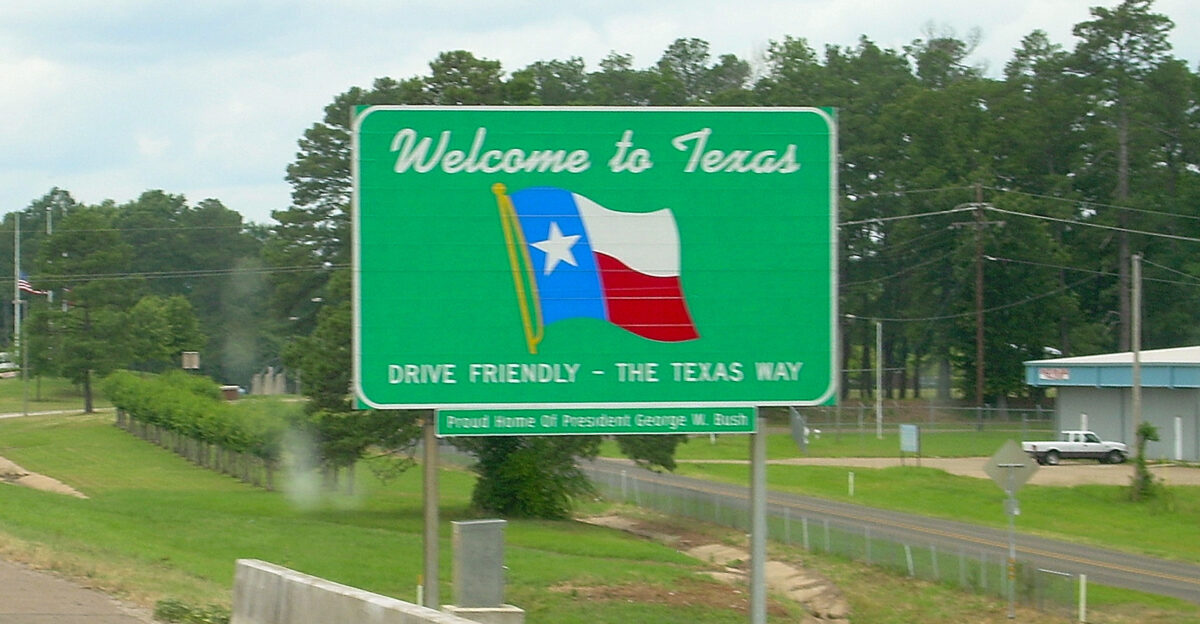
Texas tops the list with 82% of natives staying put according to Dallas Fed analysis. Its no state income tax saves residents thousands, while diverse industries from Houston energy to Austin tech provide opportunities.
The state’s size also adds moving costs, making relocation harder. Texas’ combination of economic strength, career options, and lifestyle variety builds retention. People enjoy the benefits without leaving, showing why Texas leads in long-term resident loyalty.
#2 – North Carolina
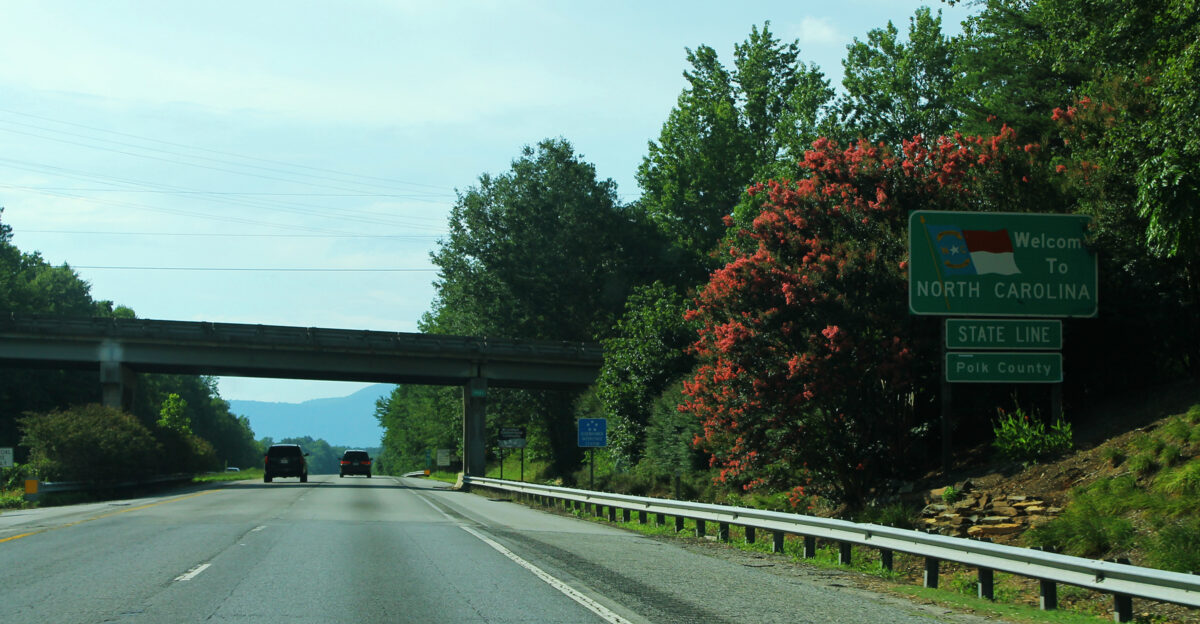
North Carolina retains 75.5% of natives through geography and economy. Income tax rates are declining: 4.5% in 2024, dropping to 3.99% by 2026. The state offers Blue Ridge Mountains, Atlantic beaches, and bustling cities like Charlotte and Raleigh.
This mix of urban opportunity, affordable living, and lifestyle variety keeps residents anchored. The balance of work, nature, and community makes North Carolina a place people rarely leave, proving geography and economy can work hand-in-hand.
#3 – Georgia

Georgia holds 74.2% of natives according to Federal Reserve research. The state combines southern hospitality with strong economic growth in aerospace, tech, and manufacturing, especially around Atlanta.
Neighborhood networks and family traditions create social bonds that accelerate attachment. This combination of culture, economy, and community makes leaving difficult. People feel connected and supported while enjoying thriving job markets, giving Georgia its sticky reputation.
#4 – California
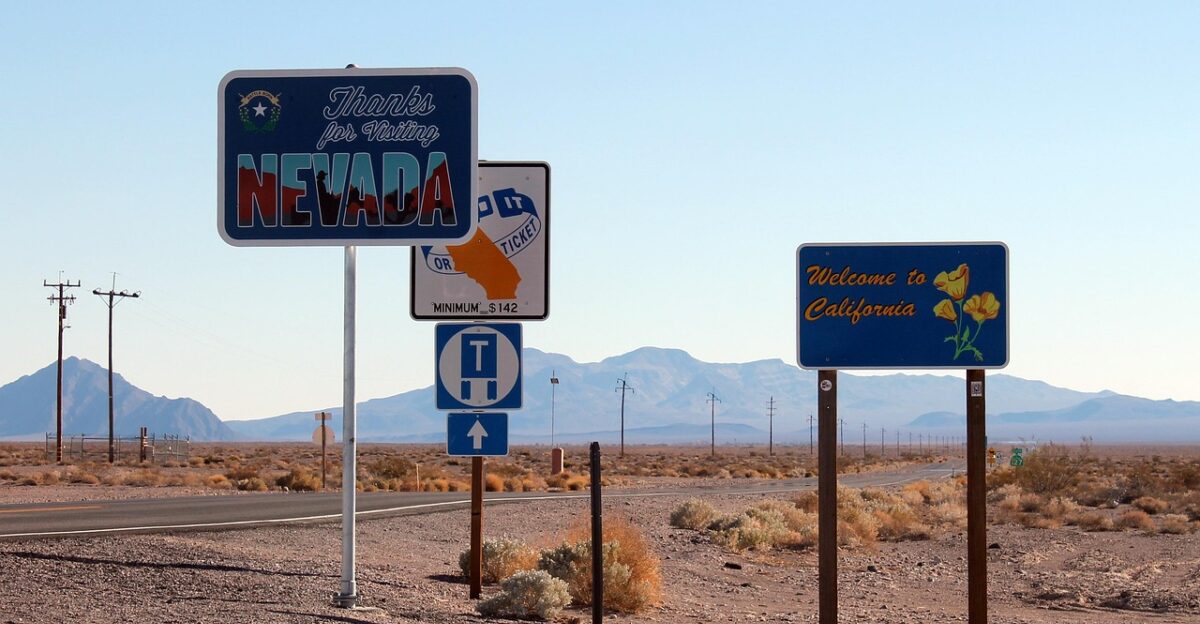
California retains 73% of native residents, even though it loses 1.46 million domestic movers from 2020–2024. At the same time, the state gained 934,000 international migrants.
High costs push some residents away, but diverse cities, innovation hubs, and unmatched geographic variety keep natives rooted. California’s paradox shows that opportunity, culture, and community can outweigh challenges, making the state hard to leave for those born there.
#5 – Utah

Utah keeps 72.9% of natives according to Dallas Fed data. The state offers national parks, ski slopes, and outdoor recreation, combined with strong community and faith-based networks.
Economic growth in tech and finance also provides opportunity. Affordable housing and a lifestyle centered on community engagement help retain residents. Nature and community create a sense of belonging that makes leaving Utah less attractive than staying.
The Sticky State Formula

Research confirms sticky states share economic and lifestyle factors. Strong job growth, lower taxes, multiple metropolitan areas, and favorable climate all play a role.
Residents experience what experts call “place attachment”: social connections, economic opportunity, and geographic satisfaction align. States that achieve all these elements simultaneously retain the largest share of natives, showing the combination of economy, culture, and lifestyle is the key to sticking power.
States Where People Move Away

While some states hold residents tightly, others see people packing up year after year. High out-migration highlights the challenges some states face in keeping people, from costs to opportunity gaps.
United Van Lines 2024 data highlights New Jersey leading outbound migration at 67% for seven years. Illinois follows at 60%. Primary reasons include retirement and family proximity, while housing affordability drives many moves. High taxes and limited opportunity push residents toward states with better conditions.
#1 – New York

New York lost 533,200 residents between 2020–2023 according to Fiscal Policy Institute data. Housing costs push many to seek affordability, cited by 36% of leavers.
Family considerations also matter, with households with young children 40% more likely to leave. High living costs combined with family priorities create strong incentives to move away, showing why New York struggles with retention.
#2 – Illinois
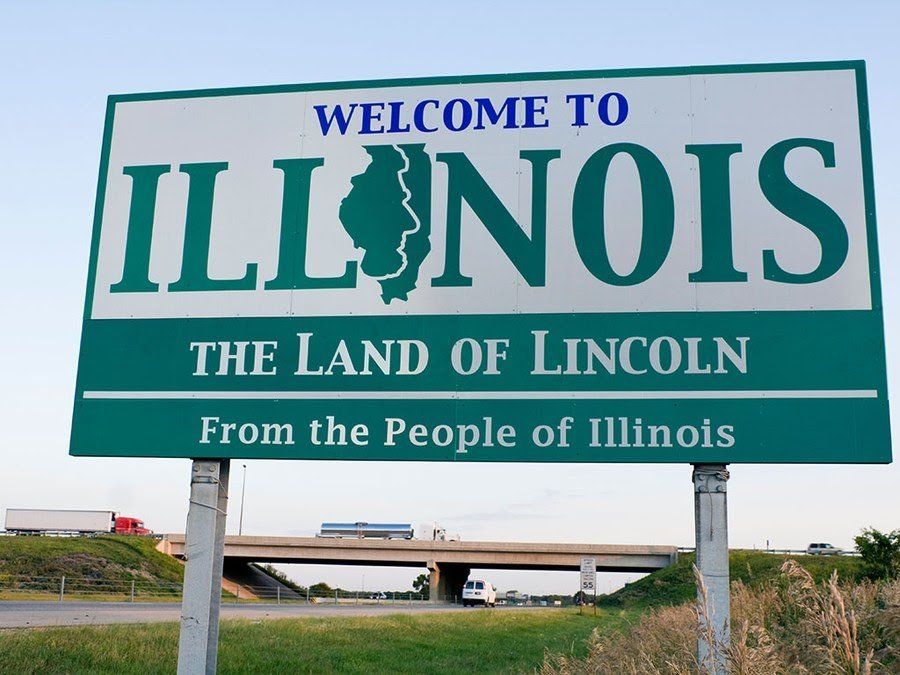
Illinois ranks second nationally for outbound migration at 60% according to United Van Lines. High taxes, public pension obligations, and budget issues drive residents to states like Indiana and Wisconsin.
The Tax Foundation notes that states with high tax burdens consistently see outbound migration. Economic uncertainty combined with governance concerns creates pressure for residents to relocate.
#3 – New Jersey
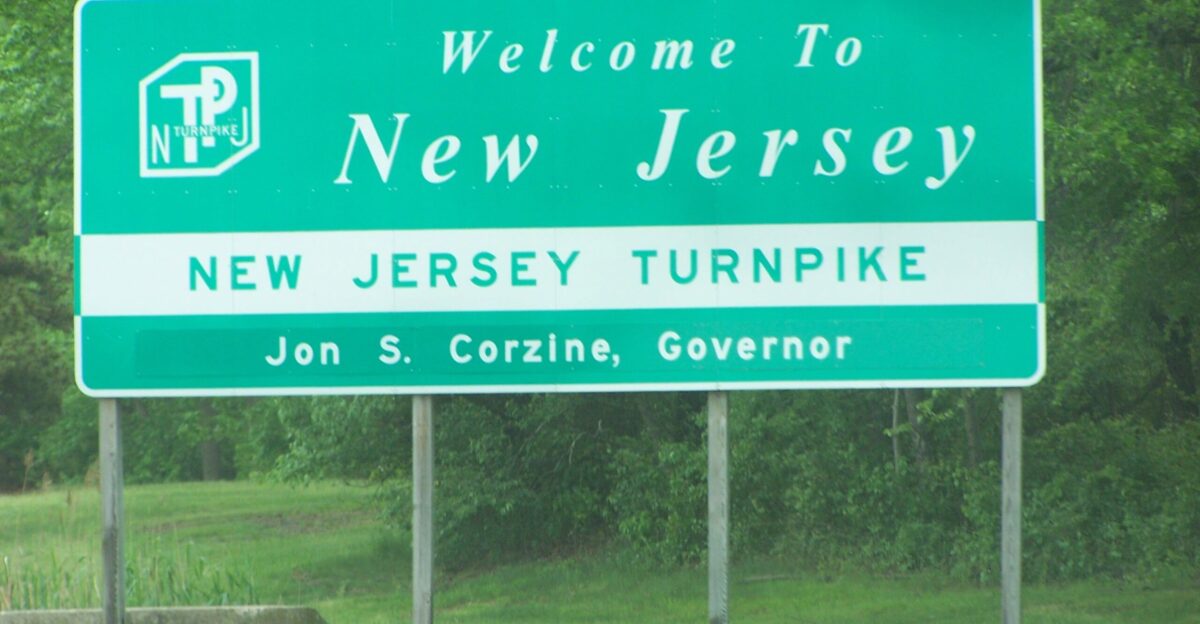
New Jersey maintains a 67% outbound migration rate. Property taxes are among the nation’s highest, and retirement or family considerations drive moves.
United Van Lines data shows 22% of movers are retiring, 20% seek family proximity, and 40% of movers are 65 or older. High costs and aging population pressures make leaving appealing, contrasting sharply with sticky states.
Other States Seeing Outbound Trends

Wyoming (57%), and Nebraska (56%) also report high outbound migration. Economic diversity, geographic limitations, and local challenges drive residents toward better opportunities elsewhere.
Each state faces unique challenges: fiscal instability, limited jobs, or agricultural pressures. These trends reinforce the contrast with sticky states, showing how economic and geographic factors influence decisions to leave.
Why People Stay Beyond Economics

Sticky states succeed because of community, shared values, and social bonds. Dallas Fed analysis calls this “interactional potential”—experiences residents cannot replicate elsewhere.
Strong cultural events, networks, and social capital make states feel irreplaceable. People stay not just for work or housing, but for relationships and shared identity, showing retention is as much social as economic.
How Geography Shapes Decisions

Access to diverse landscapes affects where people settle. States like California and North Carolina offer mountains, coasts, and urban areas within hours.
Different personality types and life stages thrive in geographic variety. Residents rarely move because lifestyle options, outdoor access, and convenience meet multiple needs, reducing the pressure to relocate for a change in scenery.
What Migration Patterns Reveal
Trends show clustering by economic and cultural preferences. Remote work enables “political migration,” letting people move for lifestyle while keeping jobs.
Sticky states benefit from retaining natives and attracting educated migrants. This strengthens demographics and local economies. Understanding these patterns helps predict where populations will concentrate and highlights how some states build lasting appeal.
What Makes a State Truly Sticky
Federal Reserve Bank of Dallas research shows the five stickiest states combine economic opportunity, geographic variety, community warmth, and competent governance.
These elements create belonging so deep that leaving feels like losing part of one’s identity. States that align all these factors retain residents long-term. In sticky states, people don’t just live, they choose to stay, proving that community, opportunity, and lifestyle together create true migration magnets.