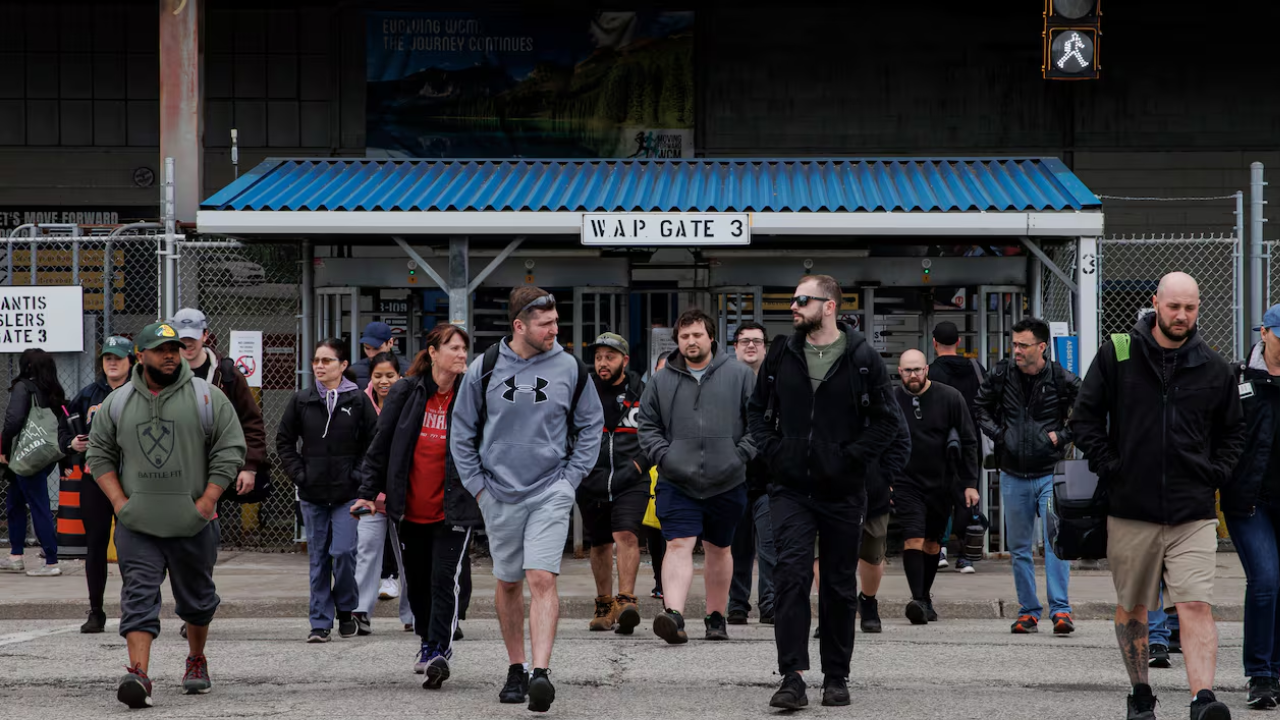
Just after Christmas, the town of Fort Payne, Alabama, will face its largest industrial layoff in years. Renfro Brands, a major sock manufacturer, has announced it will close its local plant on December 27, leaving 455 workers without jobs. The closure, revealed in federal filings on October 28, delivers a heavy blow to a community of just under 15,000, where manufacturing is the backbone of the local economy. For many families, the holidays now bring uncertainty, as they confront unemployment or the prospect of moving away.
Economic Aftershocks in a Manufacturing Town
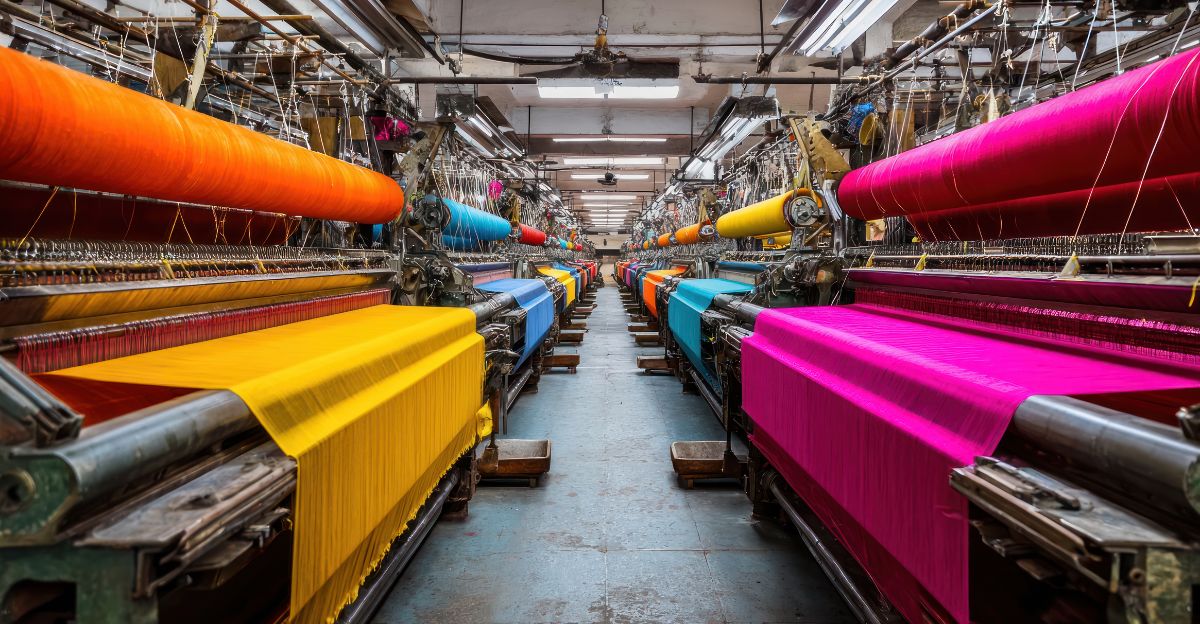
The loss of 455 jobs in a single day will affect more than three percent of Fort Payne’s population, sending shockwaves through schools, small businesses, and households across DeKalb County. Manufacturing accounts for nearly a third of all employment in the region, making the area especially vulnerable to plant closures. The closure is expected to have significant impact on annual payroll and city tax revenues during a period when displaced workers will need public services the most.
Fort Payne’s identity as the “Sock Capital of the World” dates back to 1907, when the Florence Knitting Company opened. By the 1990s, the town’s mills produced more than half of America’s socks, generating approximately $150 million in annual payroll with nearly 8,000 employees. But the 2005 Central America Free Trade Agreement (CAFTA) changed everything. The deal eliminated tariffs with six Central American countries, making it cheaper for U.S. companies to manufacture socks abroad. Within a few years, most of Fort Payne’s mill jobs vanished, and unemployment rose significantly. Today, only 17 mills remain in the county, a fraction of the 150 that once operated.
Renfro’s Departure and Tennessee’s Gain

Renfro Brands’ decision to close its Fort Payne plant and move manufacturing to Cleveland, Tennessee, marks the latest chapter in the town’s industrial decline. The company’s federal notice fulfills the legal requirement for 60 days’ warning, but only 75 new jobs will be created in Tennessee—leaving a significant employment gap for Alabama workers. While Renfro will keep its warehousing and distribution operations in Fort Payne, the heart of its manufacturing business is leaving the state.
Cleveland, Tennessee, has been a focus for Renfro’s expansion since 2013, when the company invested $17.5 million in facility upgrades there. Tennessee’s business-friendly tax policies and workforce development programs have made it an attractive destination for manufacturers. The Cleveland plant already employs 250 people and will now absorb Fort Payne’s production, further strengthening Tennessee’s manufacturing sector.
Workers Face Difficult Choices

For Fort Payne’s workers, the closure presents stark options: relocate 90 miles north to Cleveland for a slim chance at one of the 75 available jobs, or join the ranks of the unemployed. Many of those affected come from families with deep roots in the local mills, where generations have relied on sock manufacturing to provide for food, education, and healthcare. The timing of the layoffs—just after Christmas—adds to the hardship, as families must explain to children why gifts may not arrive and scramble to update resumes during the holiday season.
Renfro’s closure is the largest plant shutdown in Alabama for 2024-2025, surpassing other recent closures in Monroeville and Lanett. Yet, it is not unprecedented: in 2017, Endo Pharmaceuticals shuttered its Huntsville facility, resulting in 875 lost jobs. Nationwide, the hosiery industry has shrunk dramatically, with only 147 mills still operating in the U.S. and more than 97 percent of apparel now imported from overseas.
A Community in Transition

Fort Payne’s leaders are working to diversify the local economy after decades of dependence on the sock industry. In October, a new pipe manufacturing plant broke ground, promising 50 to 60 jobs. Mayor Brian Baine has expressed hope that such projects will support the town’s transition, but the numbers fall far short of replacing the hundreds of jobs lost with Renfro’s exit.
A handful of mills continue to operate in Fort Payne, including those specializing in organic cotton and premium products to survive in the changed marketplace. These remaining businesses represent a fraction of the town’s former industrial workforce.
Looking Ahead: The Stakes for American Manufacturing
Fort Payne’s story is emblematic of broader trends in American manufacturing: the erosion of local industries due to trade agreements, global competition, and corporate consolidation. As Renfro’s 455 workers count down to their final day, the town faces a pivotal question: can it reinvent itself and attract new industries, or will it become another cautionary tale of globalization’s impact on small-town America? The answer will shape not only Fort Payne’s future, but also the fate of manufacturing communities across the country.