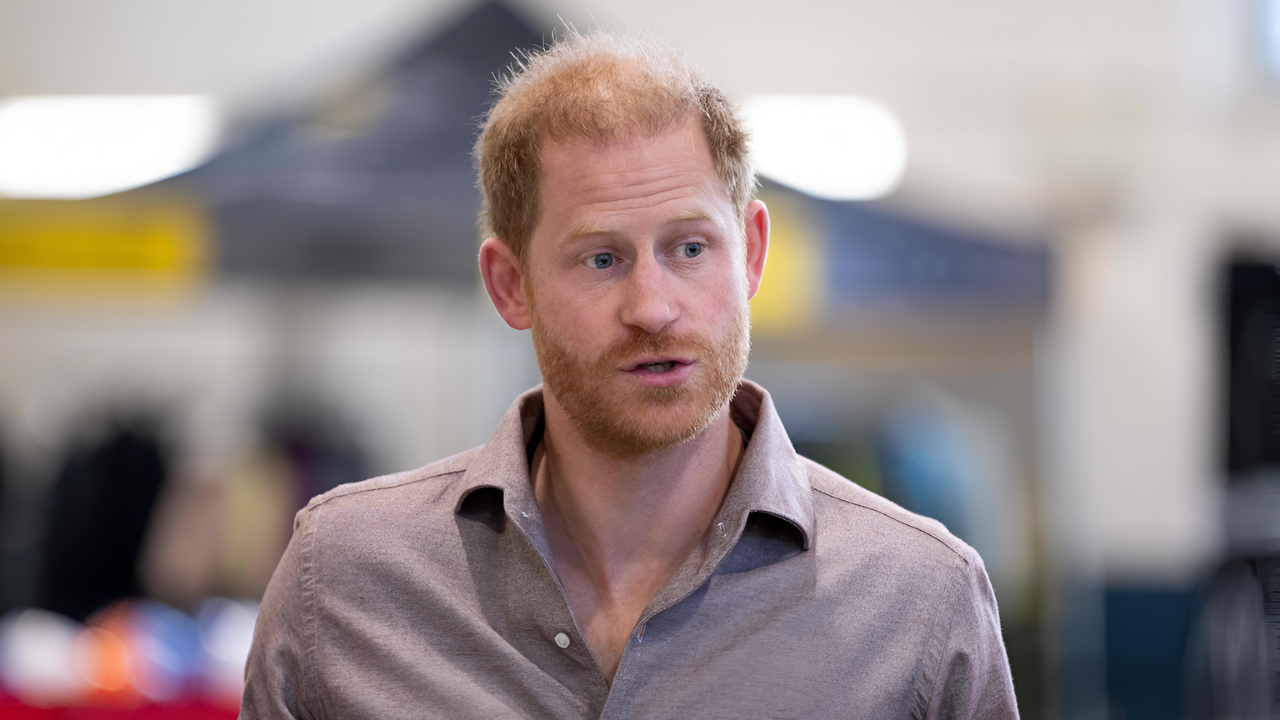
As the British royal family faces a period of uncertainty, discussions about Prince Harry’s possible return to royal duties have taken on new urgency. King Charles III’s ongoing cancer treatment has placed the monarchy’s future in sharp focus, intensifying concerns about succession and the institution’s ability to maintain a stable public presence. With the holiday season approaching, the royal family finds itself under mounting pressure to project unity and operational strength, even as deep personal rifts remain unresolved.
Succession and Strain
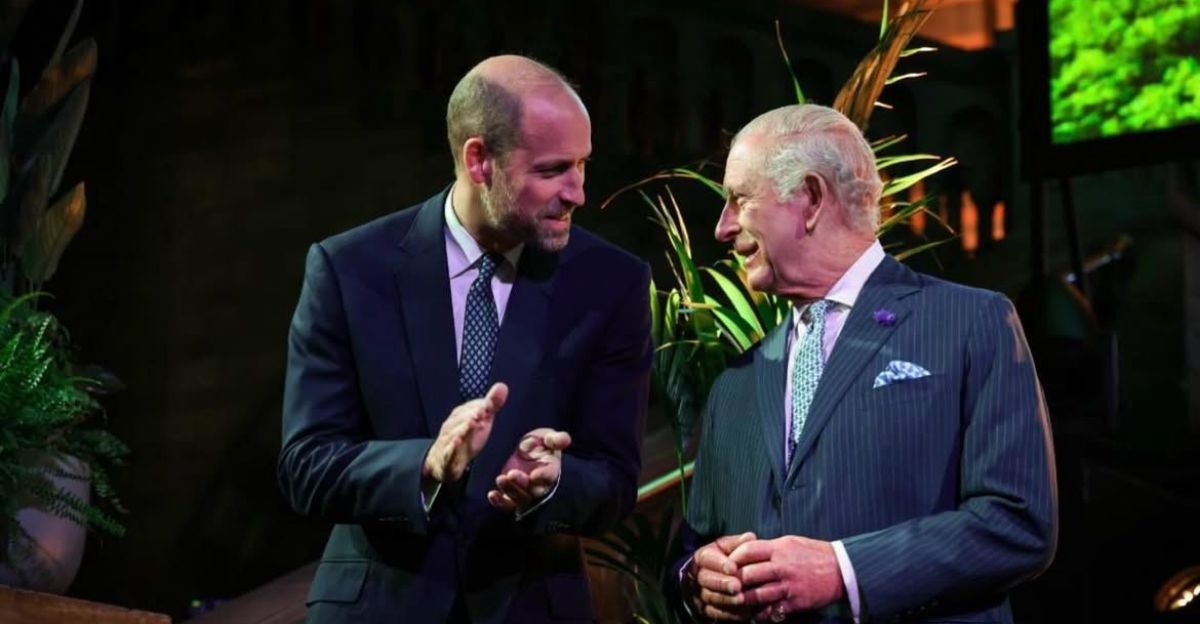
King Charles III’s illness has underscored the need for a robust line of succession and a sufficient number of senior royals to fulfill official duties. The departure of Prince Harry and the removal of Prince Andrew from royal standing have left the monarchy with a reduced working roster, raising questions about its capacity to meet public expectations. The situation is further complicated by the strained relationship between Prince William and Prince Harry, which has been fraught since Harry’s 2023 memoir, “Spare,” brought private family matters into the public eye. Years of conflict, dating back to Harry and Meghan’s decision to step back from royal life in 2020, have left lingering grievances and a lack of trust between the brothers.
Recent reports suggest that behind-the-scenes negotiations are underway to explore the possibility of Harry resuming some royal duties. However, these efforts face significant obstacles. While Harry has reportedly made gestures toward reconciliation, including a private meeting with King Charles in September 2025, Prince William has not directly engaged in these discussions. The brothers’ relationship remains at a stalemate, with no direct communication as of late November 2025.
Internal Pressures and Public Scrutiny
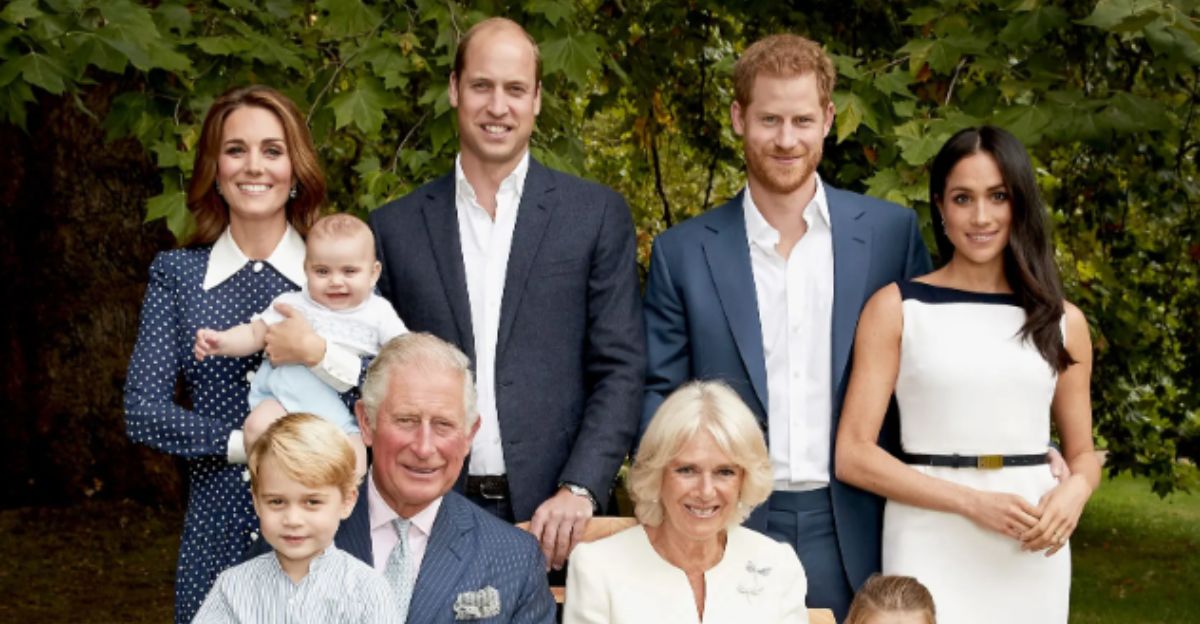
The royal family’s internal divisions are now more visible than ever, driven by both personal and institutional pressures. Public calls for transparency have grown louder, especially in light of King Charles’s health challenges and the fallout from Prince Andrew’s association with Jeffrey Epstein. The monarchy’s handling of these crises is being closely watched by constitutional experts and the British government, as traditional protocols around succession, titles, and health disclosures are tested.
Buckingham Palace has become the focal point for high-stakes discussions involving King Charles, Prince William, and representatives of the Sussexes. The palace’s efforts to manage the monarchy’s operational future and internal dynamics reflect a broader struggle to adapt to contemporary expectations. The removal of Prince Andrew from royal duties in October 2025, officially attributed to public opinion and his Epstein associations, has been interpreted by some commentators as a strategic move to pave the way for Harry’s potential return. However, palace sources have not confirmed any explicit trade-off between Andrew’s exit and Harry’s reinstatement.
Modernization and Shifting Roles
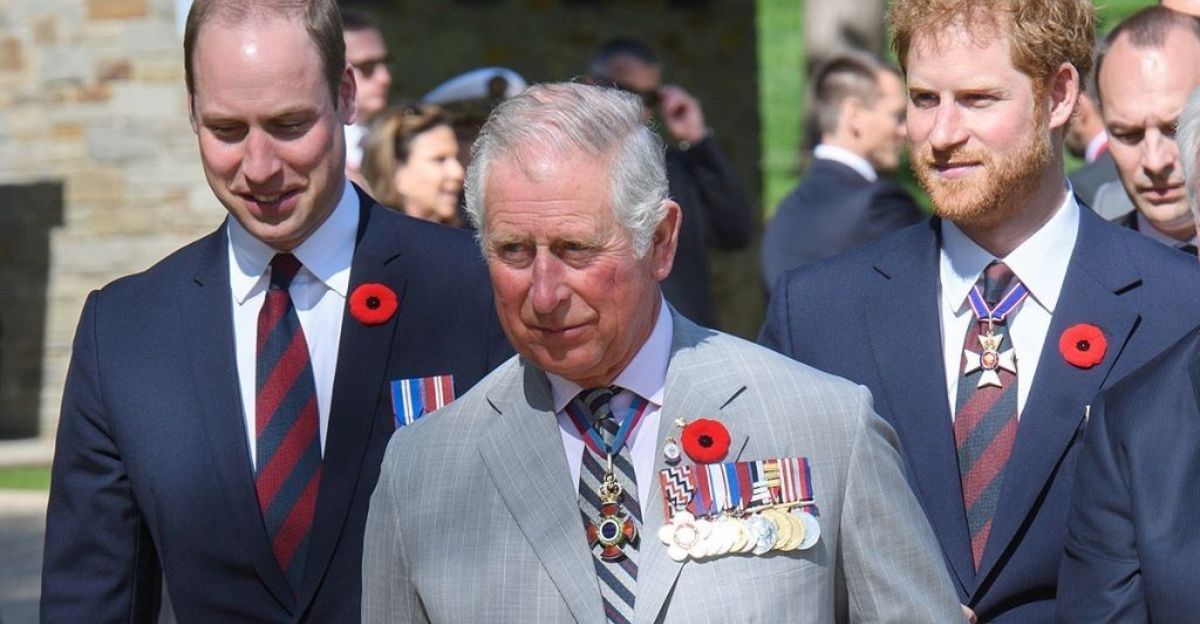
The current turmoil within the royal family highlights the broader pressures facing the monarchy as it seeks to modernize and remain relevant. Public expectations for transparency and accountability have increased, particularly among younger generations who question the role of royal traditions in modern Britain. The willingness of some family members to consider reconciliation and strategic personnel changes signals a shift toward greater institutional flexibility.
King Charles’s openness about his health marks a departure from the traditional secrecy that has long characterized the royal household. Meanwhile, Prince William is increasingly seen as a key decision-maker, balancing his father’s health considerations with the need to ensure the monarchy’s operational strength. The “Bring Harry Back” campaign, though not officially confirmed, outlines a possible roadmap for restoring Harry to royal duties. The specifics of such an arrangement—including Harry’s role, location, and terms—remain unclear, and formal negotiations have yet to materialize.
Unresolved Questions and Future Stakes
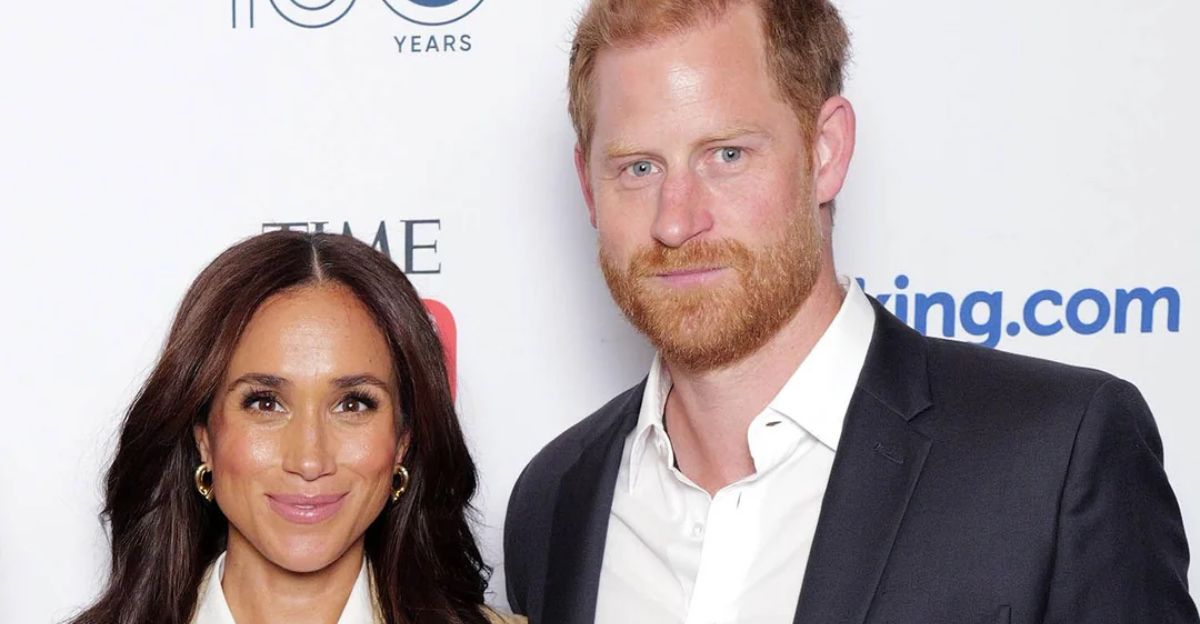
Despite gestures of reconciliation from Harry, significant uncertainties persist. The prospects for full reconciliation between the brothers depend on several critical factors: Harry’s willingness to adjust his life in California, the terms of his return, and whether longstanding grievances can be genuinely addressed. Recent scheduling clashes—such as Harry’s engagements in Canada coinciding with William’s Earthshot Prize event—have further strained relations and stalled momentum for reconciliation.
The outcome of these negotiations carries significant implications for the monarchy’s public image and institutional capacity. The royal family’s ability to adapt, negotiate reconciliation, and strengthen its working roster will shape its place in a rapidly changing world. Should genuine discussions between William and Harry take place, a return of the Duke to royal duties could bolster the monarchy’s operational strength. However, as of late November 2025, no formal agreement or campaign has been confirmed by palace sources.
Looking Ahead
The royal family’s internal restructuring is unfolding against a backdrop of shifting public attitudes and international scrutiny. The monarchy’s ability to project stability and unity is seen as vital not only to its domestic standing but also to its influence abroad, particularly in Commonwealth nations. As debates continue about the future relevance of the monarchy and the need for constitutional reforms, the stakes for the institution have rarely been higher.
Whether the royal family can overcome its divisions and adapt to modern expectations remains an open question. The coming months will be pivotal in determining whether Prince Harry’s return can serve as a catalyst for renewed unity—or whether the rift will persist, leaving the monarchy to navigate its future with a diminished roster and unresolved tensions.