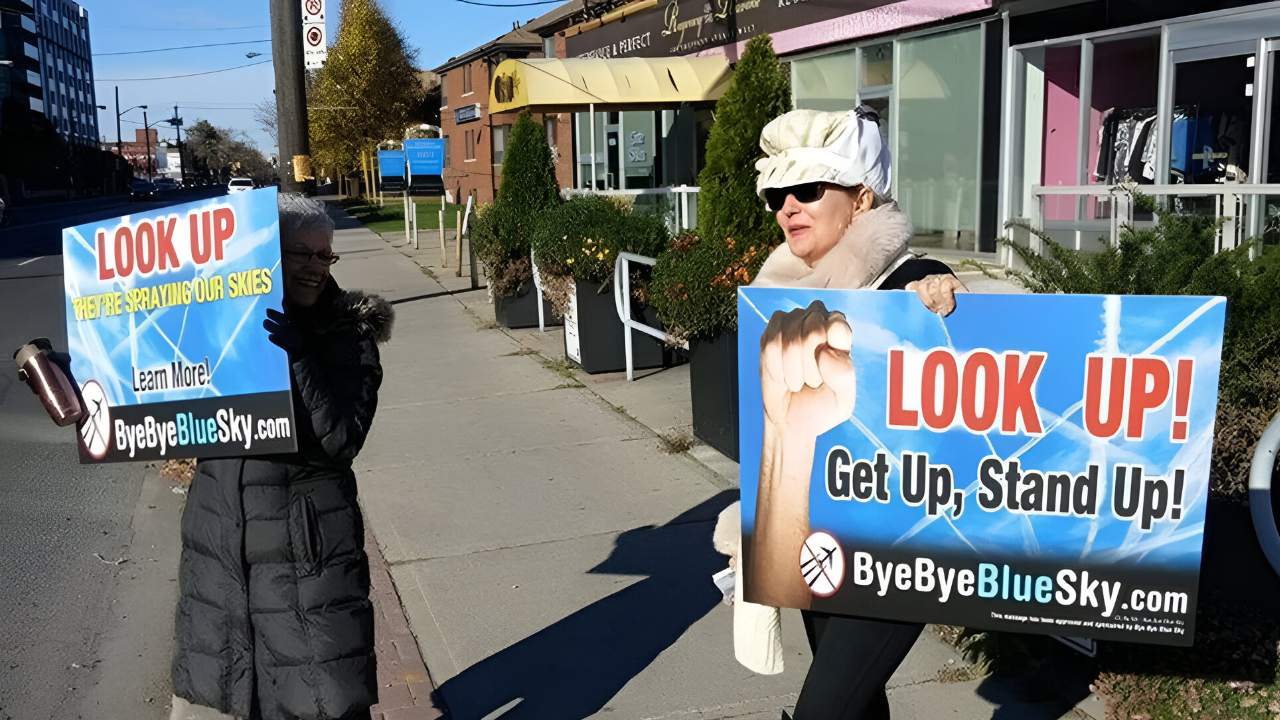
In a dramatic claim that’s captured public attention, Dane Wigington, founder of Geoengineering Watch, insists the U.S. military has secretly sprayed nanoparticles over the country for decades. His allegations hit the spotlight after an intense November 2024 interview with Tucker Carlson, where he highlighted alleged atmospheric spraying near Mount Shasta, California.
The debate over these so-called chemtrails has sparked widespread controversy, but the scientific community has largely dismissed the claims as unfounded.
Why the Allegations Persist Despite Scientific Rejection
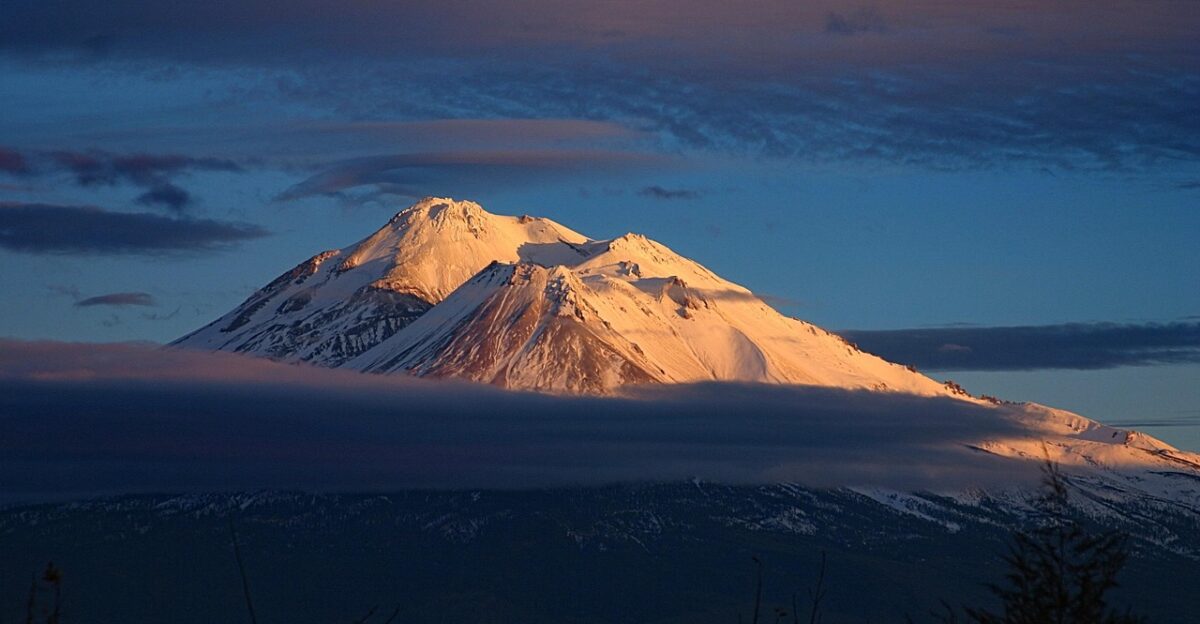
Wigington points to tests from 2009 near Mount Shasta that showed abnormally high aluminum levels in rainwater, suggesting a deliberate weather modification program. However, state officials and scientific experts have disputed these test results, attributing the readings to sampling methodology issues and the region’s naturally elevated aluminum content from volcanic activity. He also references a 1978 U.S. Senate report on weather modification efforts.
The scope of weather modification is vast; active programs currently operate in states serving nearly 100 million Americans, from California and Texas to the Mountain West, fueling questions about the scale of atmospheric intervention. While experts argue that these high levels are natural and that contrails are just jet exhaust, the debate continues. A 2016 peer-reviewed study found that 98.7% of atmospheric scientists found no evidence supporting secret spraying programs.
Consumers Question Sky Trails in Daily Life

Across the U.S., from California to Wyoming, residents are noticing longer-lasting aircraft trails in the sky, sparking concerns about what’s being dispersed into the atmosphere.
Despite official testing confirming that aluminum levels in water remain within safe limits, some citizens are still calling for independent verification, seeking answers to what they believe could be a hidden environmental threat.
Local Governments Respond to Constituent Pressure
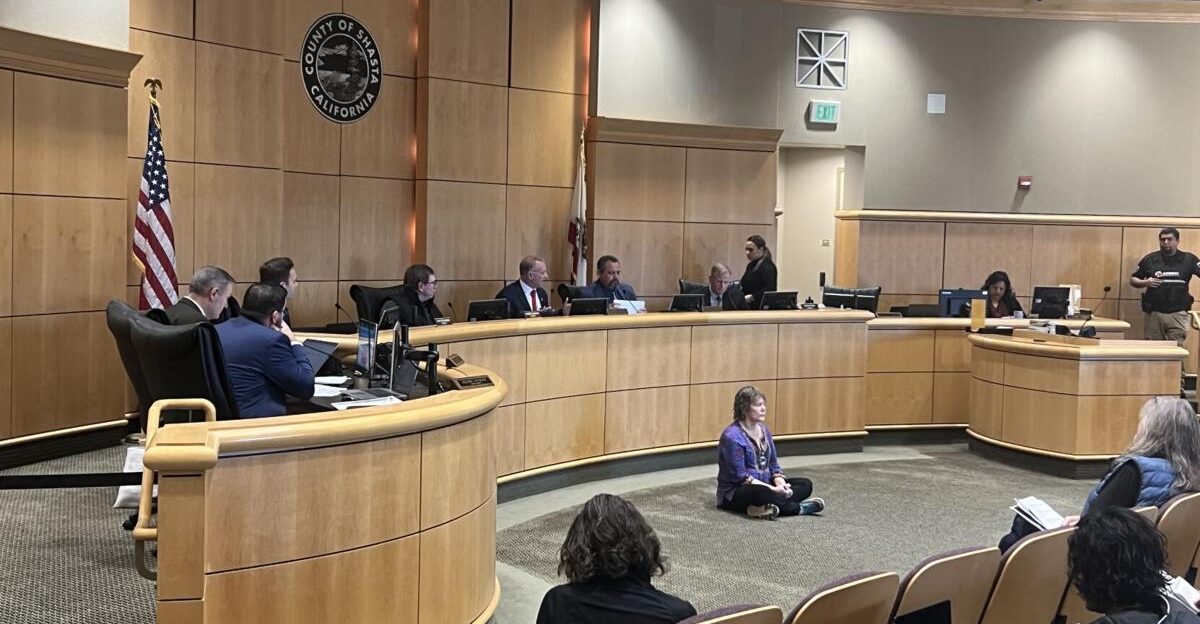
Local governments are feeling the pressure from concerned citizens. In January 2025, Shasta County Supervisor Kevin Crye held a public discussion on geoengineering following Wigington’s documentary, The Dimming. However, no formal measures were taken.
Similarly, Wyoming lawmakers introduced a bill to monitor aircraft operations, though they acknowledged lacking the resources for effective enforcement, further fueling the debate.
Testing Markets Respond to Consumer Demand
As consumer concern about atmospheric quality grows, so does the demand for testing products. Geoengineering Watch has capitalized on this, selling rainwater analysis kits and home testing services. While these tests provide results, interpreting them against EPA standards requires expertise.
Independent labs have been flooded with requests for rainwater testing, providing a glimpse into the market’s growing interest in monitoring environmental quality.
Scientific Consensus Rejects Secret Spraying Claims

The overwhelming scientific consensus rejects the idea of widespread secret spraying. A 2016 study of atmospheric scientists found that 98.7% of them reported no evidence of any secret large-scale spraying program.
The scientific community consistently attributes the trails in the sky to normal jet engine emissions known as contrails, not covert geoengineering efforts.
Concerns Raised About Soil and Agriculture

Farmers near Mount Shasta have voiced concerns about the impact of atmospheric particulates on their soil quality.
However, these fears don’t align with scientific findings. The area’s natural high aluminum content, a result of volcanic activity, coupled with common agricultural challenges, explains the soil conditions, not an alleged secret spraying program.
States Push Policy Actions on Geoengineering Concerns
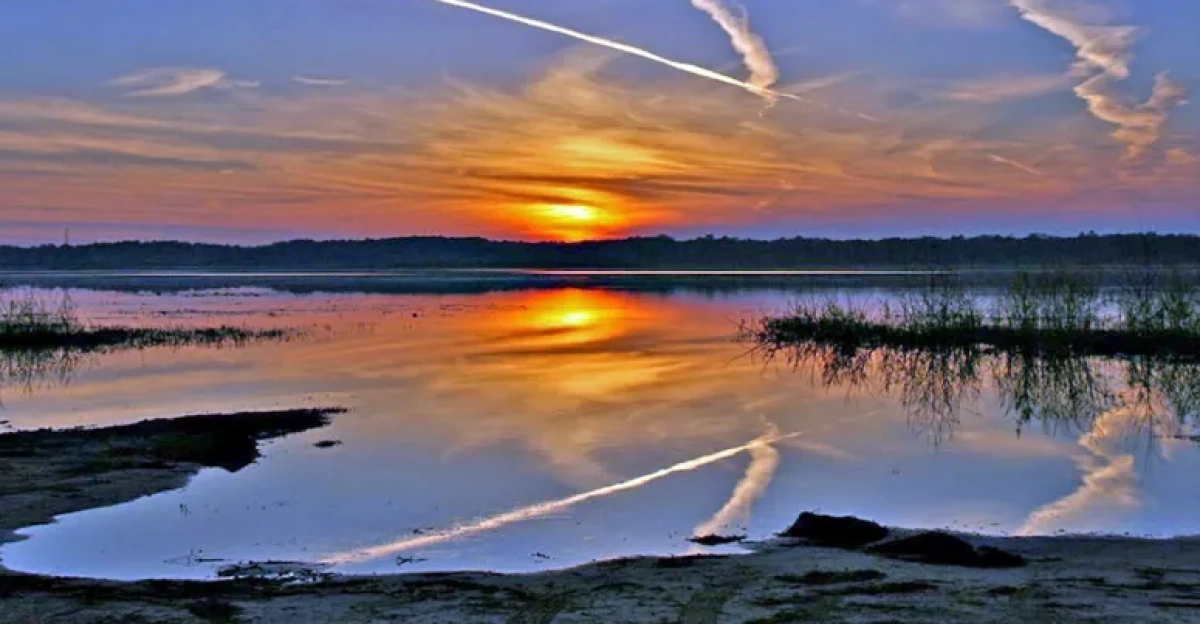
Some state lawmakers are moving forward with geoengineering-related bills. Wyoming’s 2025 legislation calls for monitoring aircraft operations and potential contamination from atmospheric dispersals.
Despite acknowledging the lack of technical resources, the bill demonstrates the influence of conspiracy claims on policy, even when scientific evidence is absent.
Economic and Administrative Costs
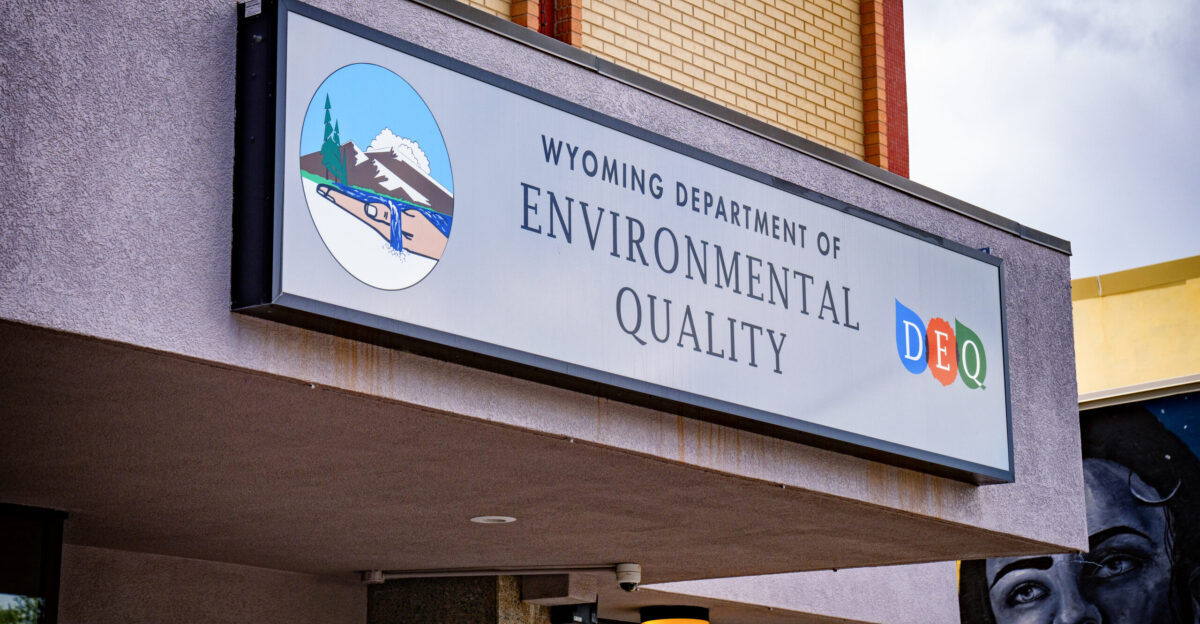
The economic implications of investigating unfounded geoengineering claims are significant. Wyoming’s Department of Environmental Quality (DEQ) has estimated that monitoring aircraft operations will cost at least $500,000 over the next two years to fund two full-time employees.
These costs raise concerns about diverting limited state resources from addressing more pressing environmental issues in favor of investigating speculative theories.
Retailers Adapt to Consumer Concerns
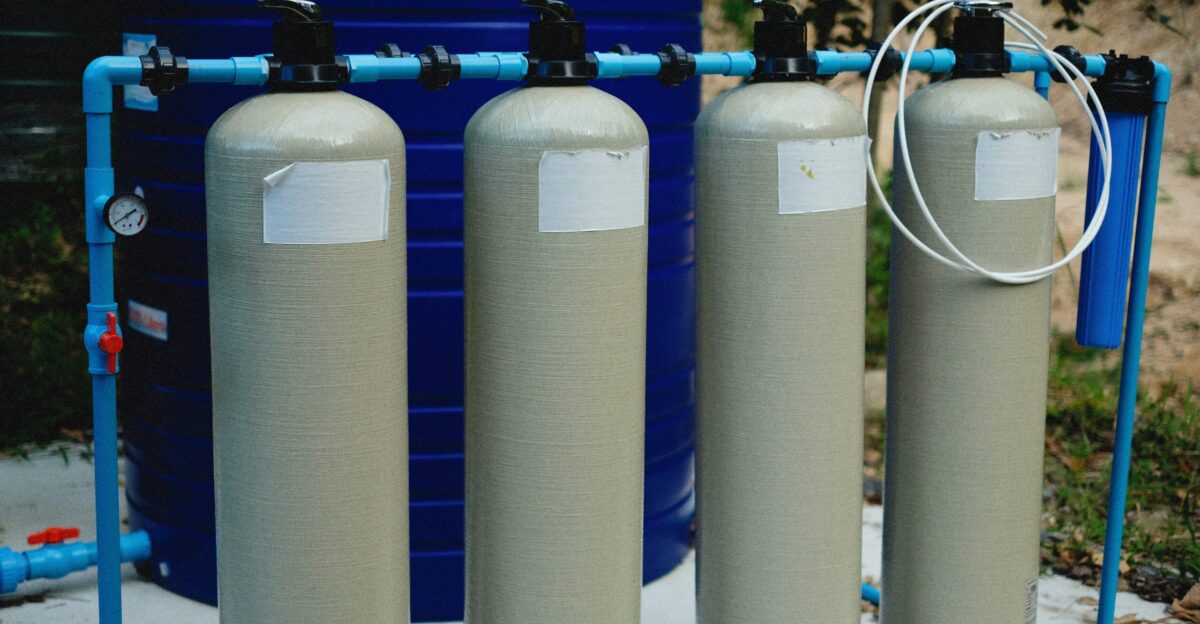
In response to rising consumer concerns about air and water quality, retailers have expanded their offerings of filtration products.
Hardware stores now stock more air and water purification systems, catering to those worried about potential toxins in the atmosphere. This shift reflects how consumer demand for environmental safety products is shaping retail markets.
Hospitality Industry Responds to Water Quality Concerns
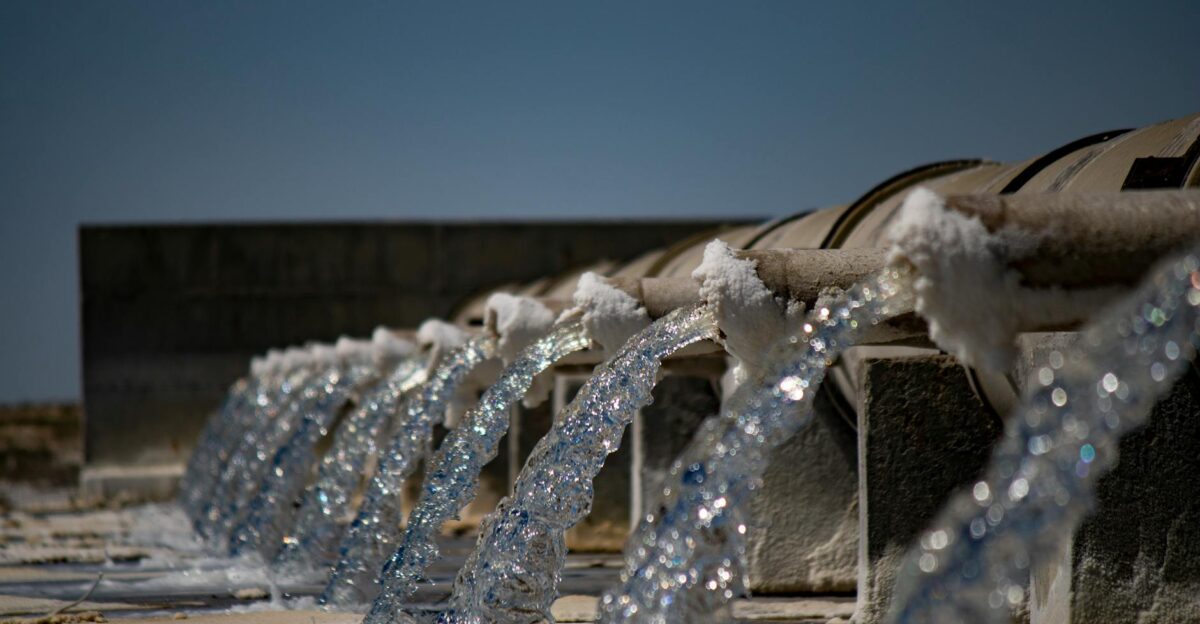
In regions where geoengineering claims are prevalent, some restaurants have begun re-evaluating their water sourcing practices. Many have implemented or promoted filtered water systems, citing them as standard food safety measures rather than responses to geoengineering concerns.
This reflects the broader trend of businesses adapting to customer concerns about the environment.
Downstream Market Effects

Fertilizer and agricultural supply companies are receiving increasing inquiries from farmers concerned about soil contamination, although no clear evidence links such contamination to atmospheric spraying.
Similarly, pet food manufacturers are expanding their testing procedures for heavy metals in response to consumer fears about potential fallout from geoengineering activities.
International Interest in Atmospheric Discussions
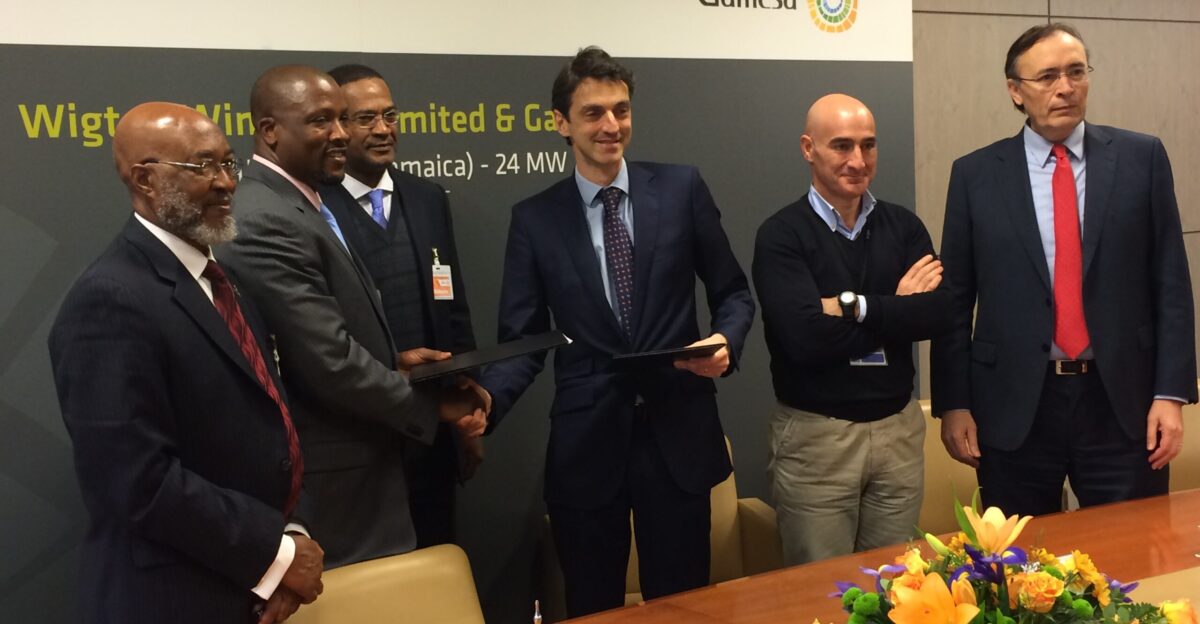
Wigington’s claims have sparked international interest, with audiences in the UK and Jamaica watching his videos and raising questions about transparency in the skies.
However, most international discussions on geoengineering focus on legitimate scientific research aimed at climate mitigation, not on the conspiracy theories associated with chemtrails.
Health and Lifestyle Adaptations

In some parts of the U.S., people are installing home filtration systems to filter out potential atmospheric particulates, though no studies have shown any direct link between chemtrails and health issues.
Medical professionals report a rise in patient inquiries about respiratory concerns, which they attribute more to general air pollution than to geoengineering programs.
Cultural and Scientific Polarization

As the debate over geoengineering heats up, public opinion has become increasingly polarized. On one side, you have those influenced by Wigington’s advocacy, and on the other, those who rely on the scientific consensus that dismisses chemtrail theories.
This division reflects broader cultural and scientific tensions over how we view environmental change and governmental intervention.
Credibility Challenges in Atmospheric Science Communication
Atmospheric scientists have struggled to maintain credibility in the face of persistent chemtrail claims. In 2022, a defamation lawsuit filed by Wigington against a scientist was dismissed, highlighting the ongoing battles between scientific experts and conspiracy theory advocates.
Meanwhile, private labs continue to profit from the demand for unregulated water testing services, feeding into the debate.
Market Speculation on Geoengineering Policies
Investor interest in air filtration and water testing companies has surged as state governments consider geoengineering-related legislation.
However, market speculation remains cautious, with most investors viewing these developments as part of broader environmental concerns rather than direct threats from atmospheric contamination.
Expert Guidance on Testing and Verification

For those concerned about rainwater quality, experts recommend using EPA-certified labs for accurate testing. Results should be compared to established drinking water standards, with a particular focus on aluminum levels.
The EPA advises consumers to install HEPA filters for air quality and to verify claims about chemtrails against peer-reviewed studies, particularly those showing overwhelming rejection by the scientific community.
Federal Response to Conspiracy Claims
Despite the ongoing claims of secret geoengineering programs, federal agencies continue to debunk chemtrail theories. RFK Jr., now appointed as Secretary of the Department of Health and Human Services, has publicly endorsed investigations into alleged atmospheric spraying programs and has pledged to investigate geoengineering claims.
The EPA, meanwhile, remains committed to clarifying that contrails are a natural byproduct of jet engine emissions.
The Persistence of Unsubstantiated Claims
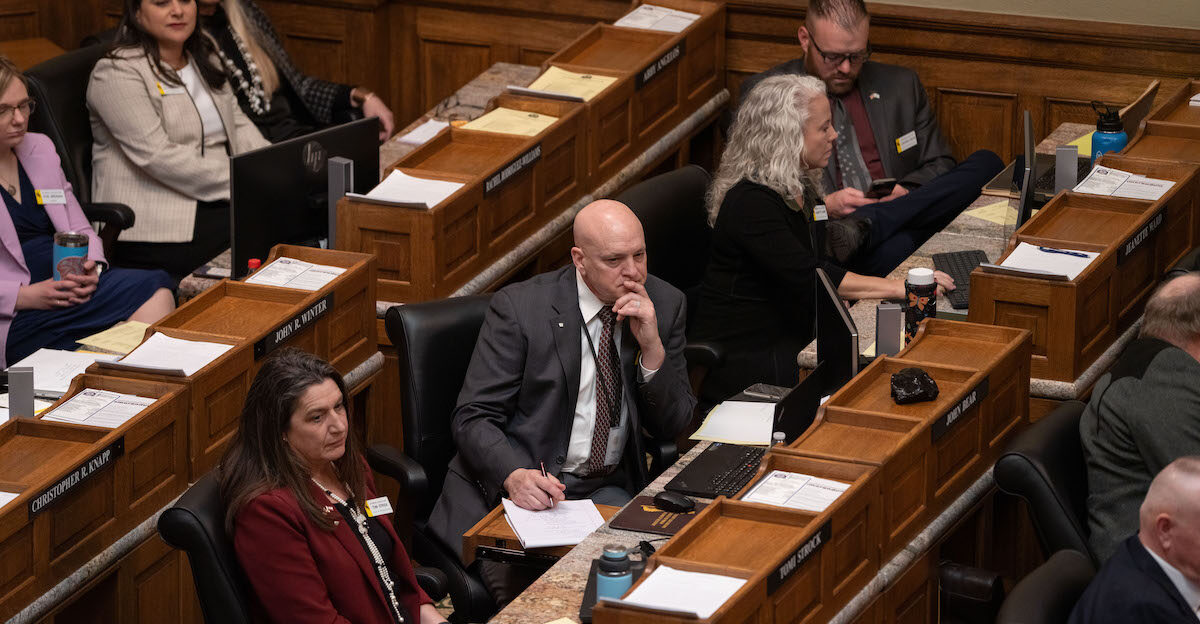
Despite widespread scientific rejection, geoengineering conspiracy theories continue to influence local policy. Legislation in Wyoming and public hearings in Shasta County reflect how unfounded allegations about secret spraying programs are driving political action.
As the scientific consensus remains firm, the real challenge lies in how governments and the media communicate about verified environmental risks versus conspiracy theories.
Sources:
The Conversation: “Why the Chemtrail Conspiracy Theory Lingers and Grows—and Why Tucker Carlson Is Talking About It” (November 17, 2025)
KFF Health News: “‘Chemtrail’ Theories Warn of Health Dangers From Contrails. The…” (October 16, 2025)
KUNC: “How Does Cloud Seeding Work in the Mountain West? Here Are the Facts” (July 10-11, 2025)
USA Today Fact Check: “Fact Check: False Claim of ‘Toxic’ Aluminum Levels at Mt. Shasta, California” (April 20, 2023)
Wyoming Public Media: “‘Chemtrail’ Conspiracy Guides Wyoming ‘Geoengineering’ Legislation” (October 29, 2025)