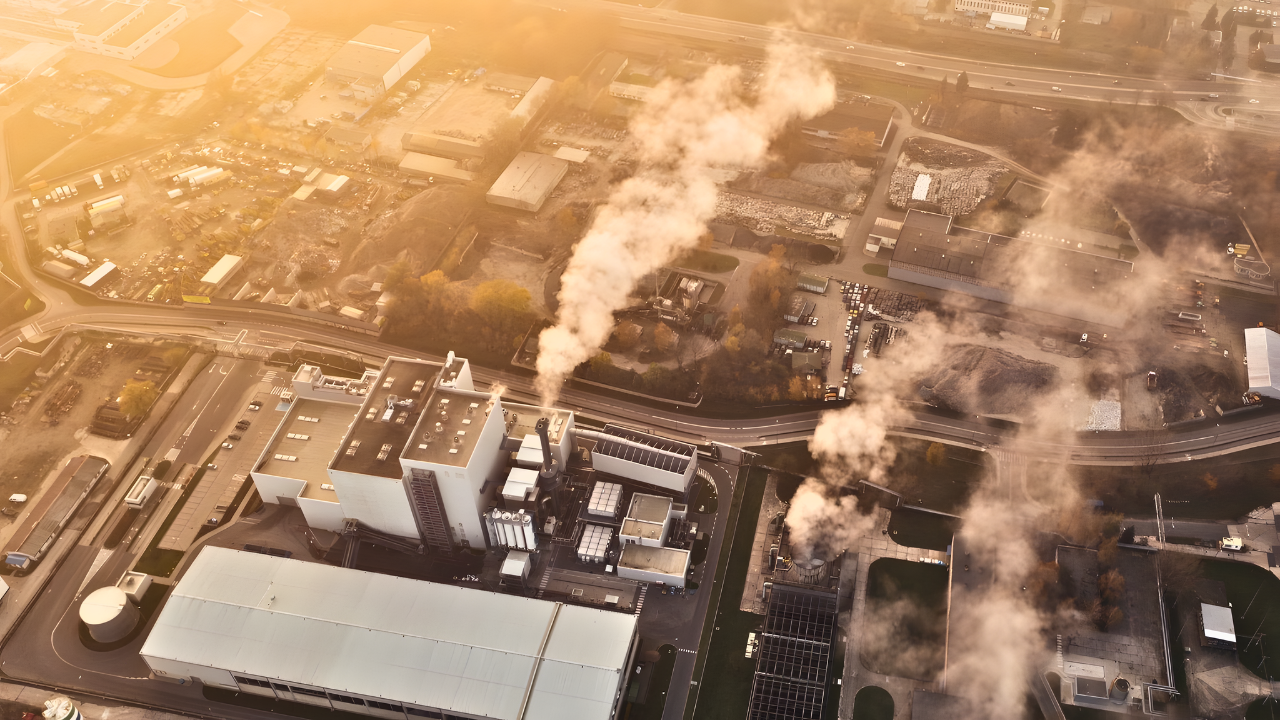
Industrial sprinklers sweep across darkening fields in Morrow County, Oregon, dispersing wastewater laced with nitrates at concentrations nearly six times the federal safety limit. The contaminated runoff seeps into the aquifer below, poisoning the groundwater that families depend on for drinking and cooking. For residents living near massive server farms operated by Amazon Web Services and its partners, this environmental hazard is no abstract concern—it is a tangible threat materializing in their homes and wells.
The Lower Umatilla Basin has become a designated groundwater management area as contamination spreads faster than remediation efforts can contain it. Residents report foul-smelling water and visible residue, forcing many to purchase bottled water for basic household needs. What began as a localized crisis has revealed itself as a symptom of a nationwide problem linked to the explosive growth of artificial intelligence infrastructure.
The Hidden Cost of Cloud Computing
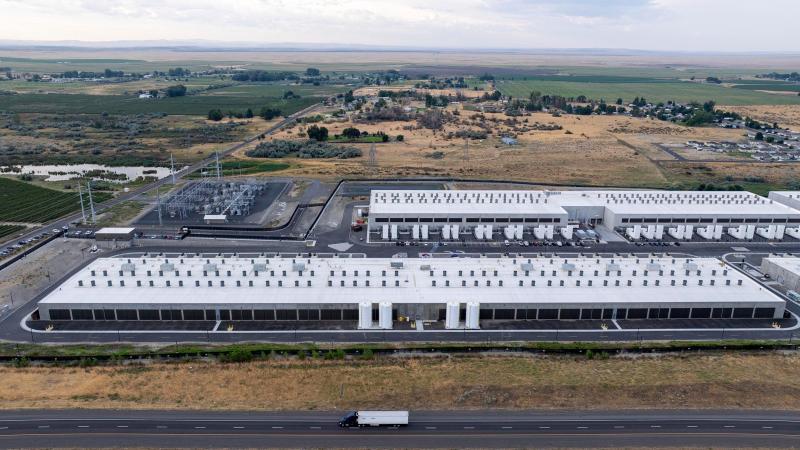
A comprehensive investigation by Rolling Stone and the Food & Environment Reporting Network has connected the booming data center industry to a projected $20 billion annual public health crisis, based on peer-reviewed research from UC Riverside. The contamination plaguing Oregon’s groundwater represents only one dimension of the damage. Across the country, from Northern Virginia to Arizona, the infrastructure powering digital services is leaving a measurable footprint on human health through both water pollution and air emissions.
Amazon Web Services, the dominant player in cloud computing, has accelerated construction of massive facilities to support the artificial intelligence revolution. As the company races to build capacity, the environmental externalities are mounting at an alarming pace. The scale of collateral damage has caught regulators and residents off guard.
How Water Becomes Poison
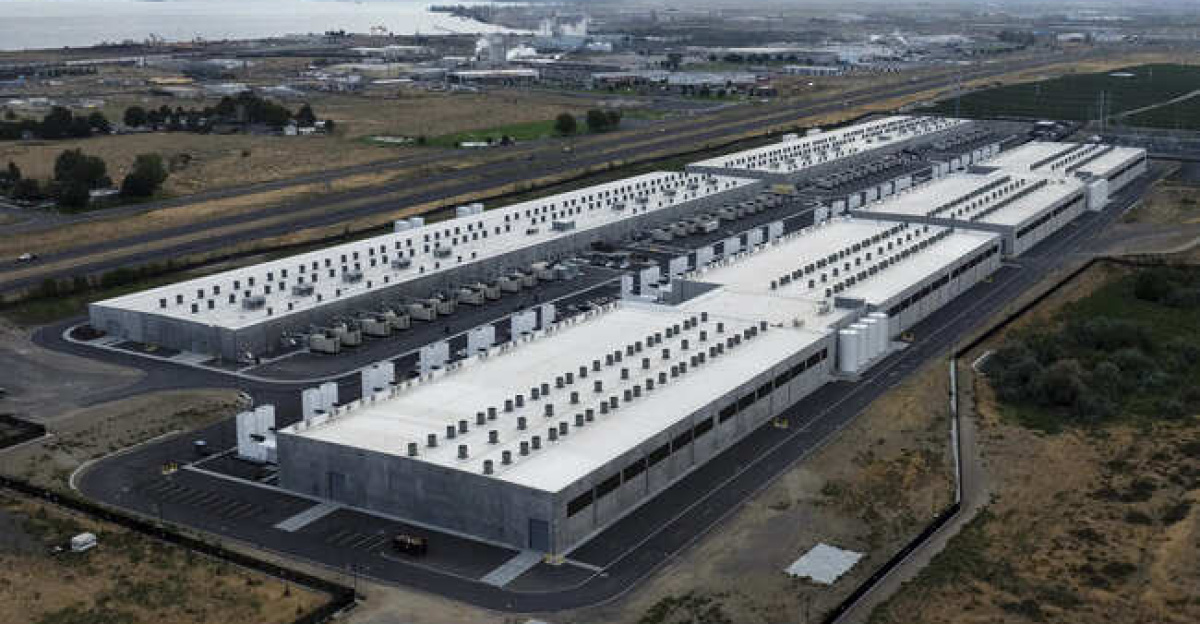
The mechanism driving pollution in Oregon is straightforward but devastating. Data centers consume millions of gallons of water to cool overheating servers. As water cycles through cooling towers, roughly half evaporates into the atmosphere, but nitrates and minerals remain behind, creating a super-concentrated toxic sludge.
Rather than treating this hazardous byproduct, Amazon’s partners spray it onto nearby agricultural fields under permits that predate modern environmental standards. This practice overwhelms the soil’s natural filtering capacity, sending toxins directly into the drinking water supply. The process effectively recycles pollution, taking already contaminated groundwater, concentrating it further, and reintroducing it into the environment where it causes maximum harm.
A Community Under Siege

Door-to-door health surveys conducted by Morrow County officials, led by County Commissioner Jim Doherty, revealed a disturbing cluster of medical anomalies. Among the first thirty homes visited near the contamination zone, families reported twenty-five recent miscarriages—a number that officials described as defying statistical probability and suggesting a potential environmental trigger affecting the most vulnerable community members.
Beyond reproductive health, residents are suffering from rare cancers and kidney failures. One former county commissioner encountered a sixty-year-old man who had never smoked but required removal of his voice box due to throat cancer. The water sustaining their farms is now viewed as a potential killer, creating a climate of fear throughout the region.
The Diesel Dilemma
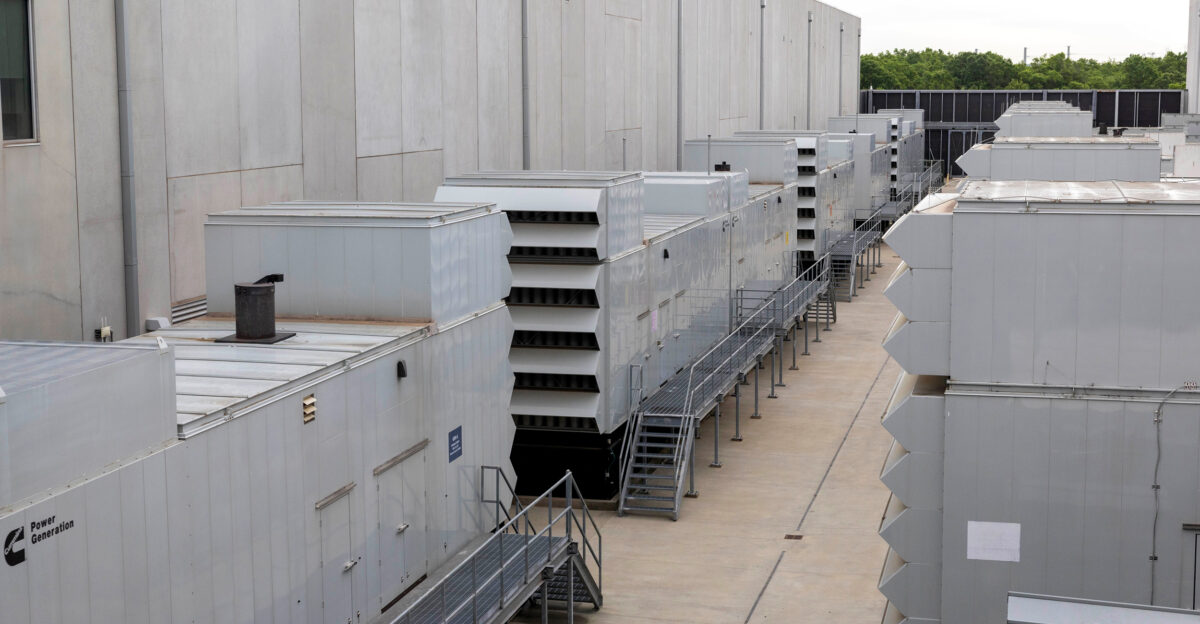
To guarantee continuous operation for the AI economy, data centers rely on fleets of diesel backup generators. In major data hubs, these machines—often the size of railcars—run frequently for testing and demand response, effectively functioning as unregulated power plants.
These generators emit nitrogen oxides and fine particulate matter that penetrate deeply into human lungs. In Northern Virginia alone, the concentration of data centers has created air quality issues rivaling major industrial zones. As the electrical grid struggles to keep pace with artificial intelligence’s power demands, these diesel generators are becoming a primary rather than secondary feature of the energy landscape.
Quantifying the Crisis
University of California, Riverside researcher Shaolei Ren, in collaboration with Caltech, has modeled the long-term health impact. His peer-reviewed study, published in December 2024, projects that by 2030, cumulative emissions from United States data centers will result in 1,300 premature deaths annually. The estimated $20 billion annual health cost includes hospitalizations for asthma, treatment for heart disease, and lost productivity—a figure rivaling the entire environmental damage cost of California’s on-road vehicles.
Yet unlike vehicle emissions, which face heavy regulation, pollution from digital infrastructure has largely escaped federal scrutiny, leaving local communities to absorb the financial and health burden.
Legal and Political Reckoning
Attorney Steve Berman, known for securing the largest settlement in history against Big Tobacco, has filed a class-action lawsuit against industrial operators. The legal action signals that the technology industry’s historical immunity to environmental liability may be ending.
Amazon has disputed these allegations, arguing that its water usage represents only a small fraction of the region’s total and that nitrates are not used directly in their data center operations. Amazon spokesperson Lisa Levandowski characterized the investigation as “misleading and inaccurate.” However, internal documents obtained by the Rolling Stone/FERN investigation reveal executives debating whether contributing to clean water efforts would constitute an admission of guilt, and discussing how to leverage the crisis in negotiations for tax incentives.
What Lies Ahead
Industry analysts predict that data center power demand in the United States will double by 2030. As technology companies expand facilities to support generative artificial intelligence, pressure on local water aquifers and air sheds will intensify across communities nationwide.
Regulators are beginning to respond. Virginia officials are debating stricter controls on diesel generator use, while Oregon lawmakers face pressure to cap tax breaks attracting these facilities. The era of the invisible cloud is ending; future data centers will likely require stringent environmental impact assessments before construction.
The crisis in Oregon demonstrates that the digital world remains inextricably tethered to the physical one. As society embraces artificial intelligence and cloud computing conveniences, a fundamental choice emerges: whether to accept sacrifice zones as the price of technological progress, knowing that virtual technology produces undeniably real consequences for human life.
Sources:
“Amazon Data Center Linked to Cluster of Rare Cancers.” Yahoo News / Rolling Stone, Nov 2025.
“Quantifying the Public Health Impact of AI.” University of California, Riverside, 2024.
“Data centers in Oregon might be helping to drive an environmental crisis.” The Verge, Nov 2025.
“Oregon Lawsuit Alleging Nitrate-Polluted Groundwater Filed Against Port of Morrow, Three-Mile Canyon Farms, Lamb Weston and Amazon.” Hagens Berman, Dec 2025.