
Beginning of this month, Daman Mills declared, “Using AI for a dub… just spits in our faces,” and the anime world erupted. Amazon Prime Video’s quiet rollout of AI-generated dubs on hits like Banana Fish and Vinland Saga triggered an unprecedented backlash from voice actors, fans, and licensors. Within days, a tech giant faced legal, creative, and reputational pressure unlike anything before.
This is the story of how loyalty, artistry, and rapid coordination forced Amazon to rethink AI in anime.
The Quiet Launch That Changed Everything
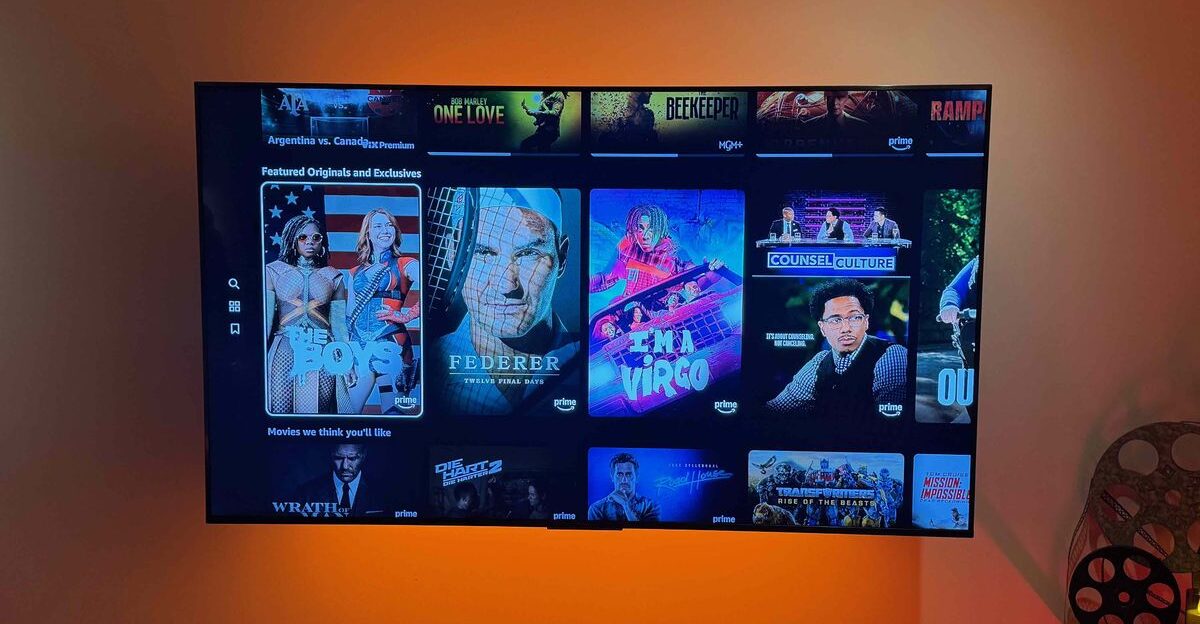
Amazon rolled out AI-generated English dubs labeled “AI beta” on Banana Fish, No Game, No Life: Zero, Vinland Saga, Pet, and others. They offered synthetic voice tracks as an alternative to subtitles and professional dubs.
The “AI-aided dubbing pilot” launched in March 2024, covering 12 series and movies in English and Latin American Spanish. Few noticed immediately—until voice actors spoke up.
Why Amazon Thought This Would Work
Professional anime dubbing costs over $10,000 per episode, with full-season budgets of $150,000–$300,000. Anime drives more than 50% of Prime Video’s customer acquisition in Japan .
Three-fourths of 300 executives surveyed predicted AI would reduce jobs, with voice actors at highest risk. Amazon underestimated one variable: fan loyalty.
Daman Mills: The Voice That Shattered Silence

Daman Mills, with nearly 100 anime credits including Dragon Ball Super and One Piece, was first to condemn the dubs publicly. On November 28 and December 1, he posted fiery critiques to X, sparking instant resonance.
Mills wrote, “Using AI for a dub of a show that released nearly 8 years ago and had no rushed schedule just spits in our faces”. His voice ignited an uprising.
The Emotional Truth Mills Exposed

Mills emphasized, “Voice Actors deserve the same level of respect as on camera performers. Anime already pays talent very little”. Rates average $100–$500 per episode, far below live-action union standards.
He attacked Banana Fish specifically: “Was a queer trauma narrative handed to a machine because paying real actors is too hard?”. Listeners heard the AI dubs and recoiled.
The AI Dubs Sounded Exactly Like What They Were
Social media exploded with AI-dubbed clips described as “eerily emotionless,” with “flat delivery, odd cadence, and completely devoid of emotion.” Anime fans immediately noticed the emotional void.
Gizmodo reported that clips went viral as comedy, not drama. Within 48 hours, the backlash reached a scale Amazon couldn’t ignore.
The Union Speaks: ‘AI Slop’ Enters Lexicon

On December 1, the National Association of Voice Actors (NAVA) condemned the experiment, calling it “AI slop”. They emphasized voice acting requires skill, nuance, and human experience.
Statements from Kara Edwards and Dawn M. Bennett followed within hours. The professional front unified quickly, but legal challenges loomed behind the scenes.
Kadokawa’s Bombshell: ‘We Never Approved This’
On December 3, Kadokawa, distributor of No Game, No Life: Zero, stated, “We have not approved an AI dub of the movie in any form”. This elevated the crisis from PR issue to contractual violation.
Unapproved AI dubs violate Japanese licensing agreements. Amazon’s rollout without permission created legal liability, shifting the stakes dramatically.
Rights Holders Didn’t Know. And That Was The Problem

Sentai Filmworks and HIDIVE confirmed they were “not aware in advance” of AI dubs. Amazon listed AI tracks while crediting original actors, misleading viewers.
This ethical and contractual misstep made removal inevitable. Amazon now faced both fan backlash and licensing scrutiny, forcing a rapid retreat.
72 Hours From Viral Post To Full Retreat
Between December 1–2, Amazon quietly removed English AI dubs from all affected titles. Viral post to complete retreat occurred in just 72 hours.
This unprecedented speed marked the fastest public rollback of AI content by a major streaming platform. Yet some questions about remaining AI features lingered.
Why Some AI Dubs Survived The Cull
Initially, Spanish-language AI dubs, like Vinland Saga, remained untouched. Backlash concentrated in English-speaking communities, suggesting Amazon prioritized damage control over ethics.
By December 4, Spanish dubs were also removed. The staggered removal pattern hinted at tactical assessment rather than full abandonment of AI initiatives.
The Pilot Program That Never Stopped
Despite the controversy, Amazon’s AI-aided dubbing pilot for 12 titles from March 2024 remained active. AI-generated video recap features also continued in beta.
The retreat was specific to anime, where emotional nuance revealed AI’s limits. Other categories remained fair game for AI integration.
Anime Fans: The Audience That Can’t Be Fooled

Roughly 56 million Americans watch anime, about 1 in 3 adults aged 18–54. Gen Z and Millennials are weekly viewers at 42% and 25%, respectively.
Fans are organized, tech-savvy, and closely connected to voice actors online. Replacing human talent in anime risks immediate, visible backlash.
A $62 Billion Market at Stake

The global anime market was $34.3 billion in 2024, projected to reach $60.3 billion by 2030 at 9.8% CAGR. North America alone was $10.3 billion in 2024, doubling to $20.5 billion by 2032.
Anime is critical for Prime Video’s revenue. Even small missteps in this franchise risk millions in lost acquisition and goodwill.
What Mills Threatened That Amazon Feared

Mills declared, “I personally will not work with you as an actor EVER AGAIN on any of your dubs,” according to CBR reporting on 28 November. He also held ADR credits for Amazon’s Fist of the North Star film, as listed by IMDB on 14 October.
Losing his participation threatened both talent pipelines and subscriber trust. Other actors could easily follow, raising operational risk across upcoming releases.
The Industry’s Broader AI Threat Looms

AI disruption now shadows hundreds of thousands of entertainment jobs. According to a Hollywood Reporter survey published on 1 February, executives identified voice actors, sound editors, and 3D modelers as some of the most vulnerable roles.
The report noted that “realistic foreign-language dubbing” sits near the top of the risk spectrum. Amazon’s anime test fit into this wider trend, although fan and actor resistance created a new industry flashpoint.
Crunchyroll and Netflix: Contrast in Strategy
Netflix’s reliance on union dubbing is documented in its SAG-AFTRA agreements, cited by WJLTA on 20 November 2022. Crunchyroll, despite recurring wage criticism, has avoided AI dubbing entirely, as noted repeatedly within the Animedubs Reddit community through 2024 and 2025.
Amazon’s trial run turned into a competitive weakness. Rivals can position themselves as pro-talent platforms, gaining goodwill among anime audiences deeply sensitive to creative replacement by automation.
What This Moment Means For Creative Labor
Amazon’s quick reversal shows how coordinated pushback can succeed when quality gaps are clear and stakeholder incentives align. AI failures are not a guarantee, but resistance can shape outcomes.
Three forces enabled this victory: visible flaws in AI output, pressure from voice actors and licensing partners amplified by fan organizing, and new labor protections such as SAG-AFTRA’s AI provisions. The fight over creative labor rights is far from settled.
Amazon’s AI Expansion Continues Quietly
Even as Amazon halted anime dubs, its broader AI roadmap remains intact. Slator reported on 5 March 2024 that the company’s 12-title pilot and AI video recap tools are still in motion. Engadget, in its 3 December 2025 coverage, also noted continued investment. Variety added on 14 March 2025 that Jennifer Salke confirmed multi-year growth plans for Japan.
Amazon is expected to pursue markets or genres where resistance is lower. The anime reversal was a tactical pause rather than a full retreat.
What Happens Next Remains Uncertain
The victory in anime dubbing was meaningful but far from permanent. Amazon may shift its AI testing toward Spanish-language markets, live-action productions, or genres where technical flaws are harder to detect.
Screen Rant reported on 4 December 2025 that “Amazon’s retreat on AI dubs may be tactical rather than strategic.” The first win for creative labor came quickly, but the long-term battle is only beginning.
SOURCES
Gizmodo, December 2, 2025 – Amazon quietly rolls back its AI anime dubs after massive backlash
CBR, November 28, 2025 – Daman Mills and voice actor backlash
Slator, March 5, 2025 – Amazon Prime Video launches AI dubbing pilot
Backstage, June 19, 2024 – Anime voice acting rates and industry standards
Grand View Research, October 31, 2024 – Global anime market projections
Variety, March 14, 2025 – Amazon’s anime expansion strategy