
Illegal streaming sites received 216 billion visits in 2024—a 66% jump in four years, reports Panda Security. Consumers are increasingly seeking affordable entertainment as subscription costs rise.
Piracy threatens the entire streaming industry, harming content creators, platforms, and broadcasters protecting broadcast rights worth billions.
This challenge grew from a minor workaround into a system-wide crisis that major companies must address.
The Cost Crisis Fueling Piracy
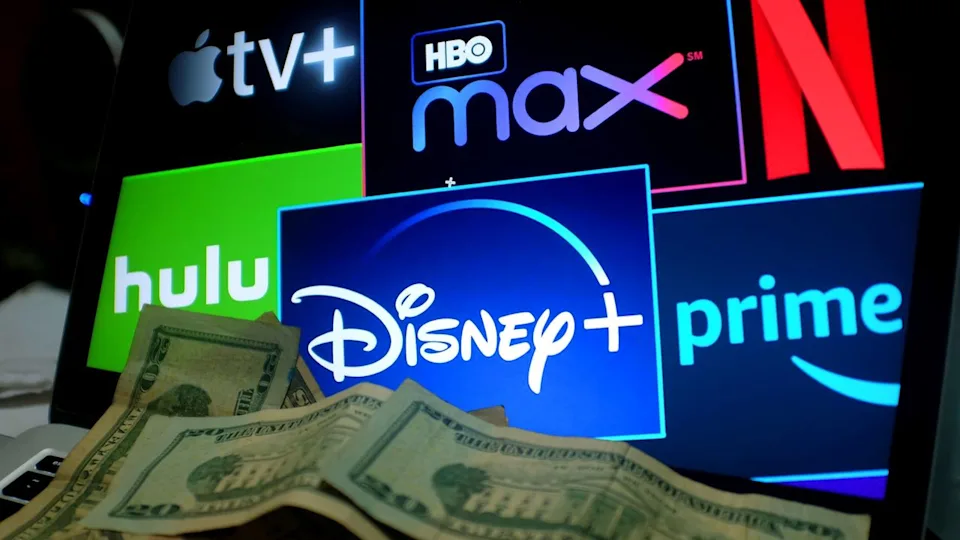
Americans face brutal subscription fatigue. One-third spend under $10 monthly; 20% spend $20-$ 40; 13% exceed $60 monthly, according to Statista 2024.
UK consumers pay more: Netflix Premium costs £17.99, Disney+ costs £14.99, and Sky Sports costs £20, totaling over £ 155 monthly for all services.
Industry experts say that rising prices are pushing consumers toward illegal streaming. Platforms abandoned cheap options to boost profits, creating perfect conditions for piracy to grow.
Thirty Percent from Fire TV

The Athletic’s YouGov Sport survey reveals a critical issue: over 30% of UK illegal streams originate from Fire TV devices. Amazon’s own hardware enabled massive-scale piracy.
Fire TV Sticks—designed as affordable streaming gateways—let millions bypass paid subscriptions. The devices allowed “sideloading” (installing apps outside Amazon’s official store), creating an underground app ecosystem.
Amazon’s market dominance meant that addressing this piracy became urgent for the entire entertainment world.
The Trusted Notifier Alliance

The Alliance for Creativity and Entertainment (ACE)—representing over 50 studios, networks, and sports leagues, including Disney, Netflix, HBO, and Sony—has built enforcement technology.
Their “Trusted Notifier” system detects pirated apps using package name detection at technical levels. ACE’s goal is to protect broadcast rights and revenue from an estimated $6 billion annual loss due to piracy.
By November 2024, ACE partnered with Amazon to deploy this system into Fire TV devices, making blocking automatic and inescapable.
The Lockdown Begins (November 2024)
On November 1, 2024, Amazon rolled out device-level app blocking in France and Germany, marking the start of a global enforcement campaign.
This new system operated at the Fire OS operating system level, identifying pirated apps by their package names and making them unusable—even for VPN users. An Amazon spokesperson said: “We’ll now block apps providing access to pirated content, including those downloaded outside our app store.”
Amazon had shifted from passive store control to active hardware enforcement, ending the decade-old sideloading workaround.
The Warning Phase (November-December 2024)

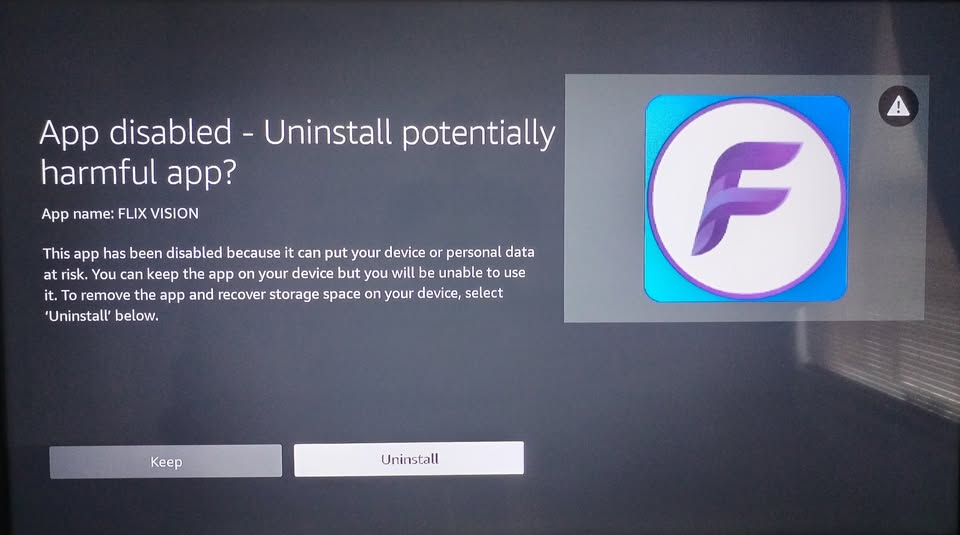
Amazon employed a gradual enforcement approach rather than an immediate shutdown. Users first saw a white warning triangle: “One or more apps on your device access unlicensed content and will be disabled.”
This gave users time to delete illegal apps before they were permanently removed. Amazon wanted to manage expectations and reduce complaints.
Apps like Stremio, Magis, and CyberFlix—favorites among pirates—showed warnings as the blocking list grew. Casual users got a wake-up call; serious pirates started finding alternatives.
The VPN Proof Wall
Amazon’s blocking works differently from traditional geographic restrictions—VPNs cannot defeat it. Normal streaming services use IP address detection, which VPNs easily bypass by routing traffic through different countries.
Amazon’s system flags apps by their package names (unique Fire OS software identifiers). Detection occurs at the operating system level before any network traffic is transmitted. This technological barrier means pirates lost their main workaround and now face genuine hardware restrictions for the first time.
VegaOS: The Future Lock
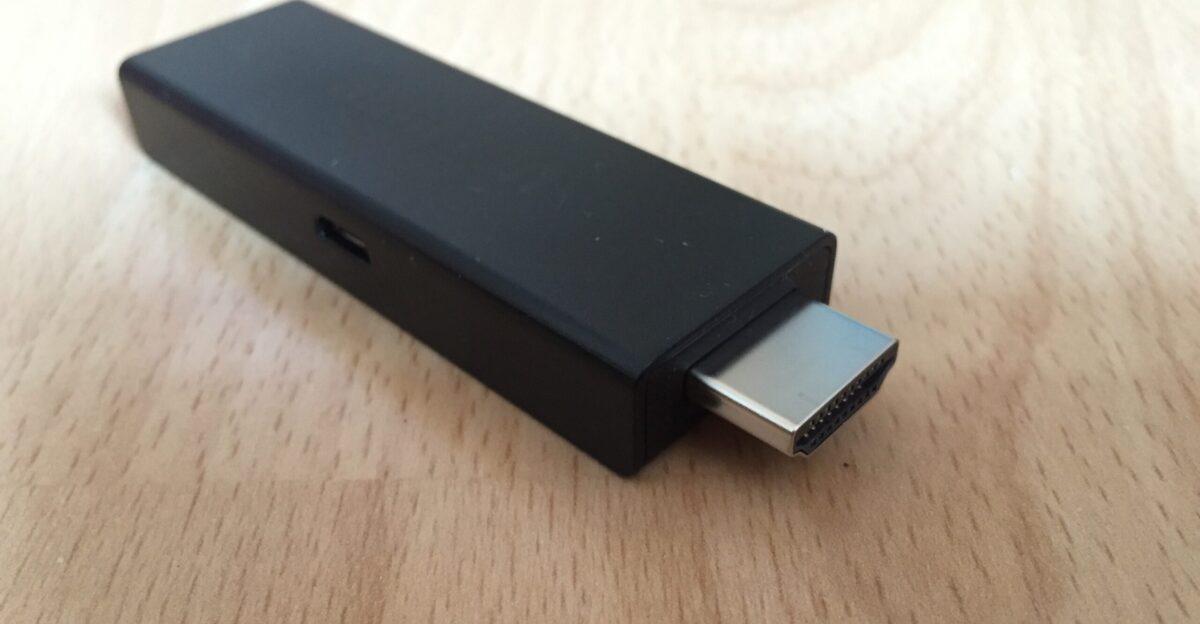
Amazon launched the Fire TV Stick 4K Select in October 2024, powered by a Linux-based operating system called VegaOS, which differs from previous Android-based models.
The crucial change: VegaOS eliminates sideloading completely. Users can only install apps through Amazon’s official Appstore, with no technical workarounds available at the OS level.
This represents Amazon’s long-term enforcement strategy: instead of fighting sideloaders on old devices, new hardware cannot accept unauthorized apps. Tech fans felt betrayed; Amazon and content creators saw a permanent solution.
Global Expansion Timeline
By mid-November 2024, Amazon announced that it would expand enforcement “in the coming weeks and months” beyond France and Germany to the UK, the United States, and worldwide.
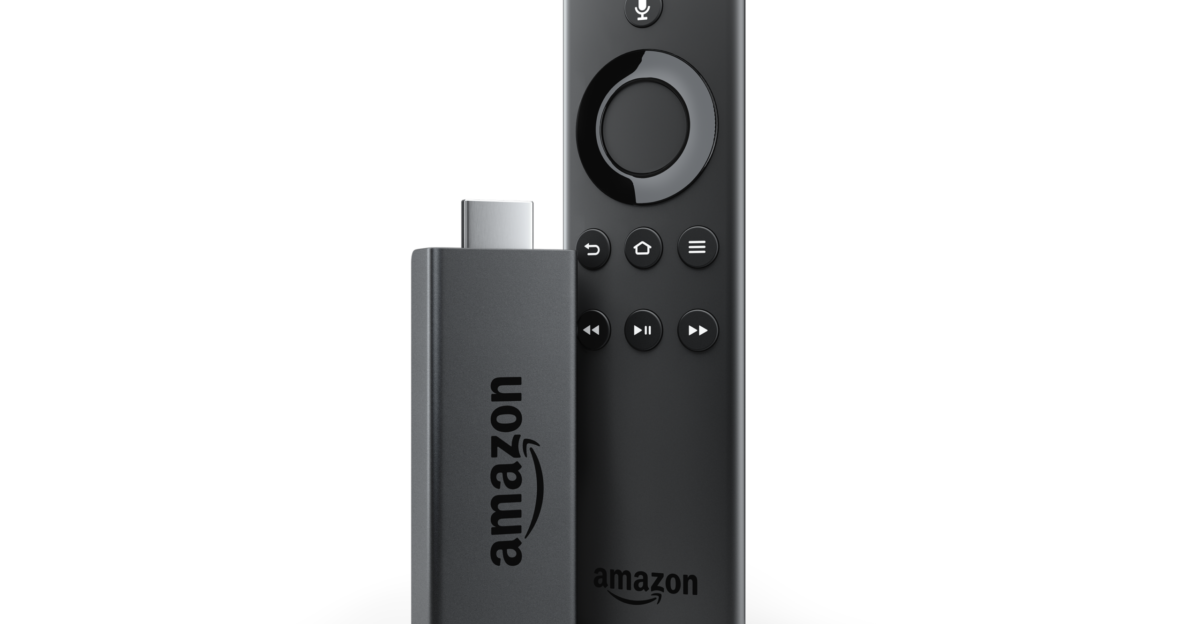
The rollout covers all Android-based Fire TV devices (Fire TV Stick HD, 4K, 4K Max, Cube) through mandatory automatic software updates. Unlike previous enforcement attempts, users could delay or work around; these updates push automatically to devices, forcing compliance.
Amazon confirmed blocking remains permanent: flagged apps stay disabled even if users reinstall or attempt workarounds.
The Malware Shadow
Beyond protecting content creators, Amazon cited cybersecurity risks as a key concern. Sideloaded pirated apps often bundle malware, spyware, and tools that facilitate identity theft.
Security firm CyberSmart warned: “Dodgy Fire Sticks use third-party software and unofficial apps lacking security standards. Installed malware gathers personal data, tracks activity, and grants remote access to criminals.”
By framing enforcement as consumer protection rather than pure anti-piracy, Amazon allied with internet safety advocates. Users who viewed sideloading as harmless now realized their “free” content carried genuine security dangers.
Industry Pressure & Sports Urgency
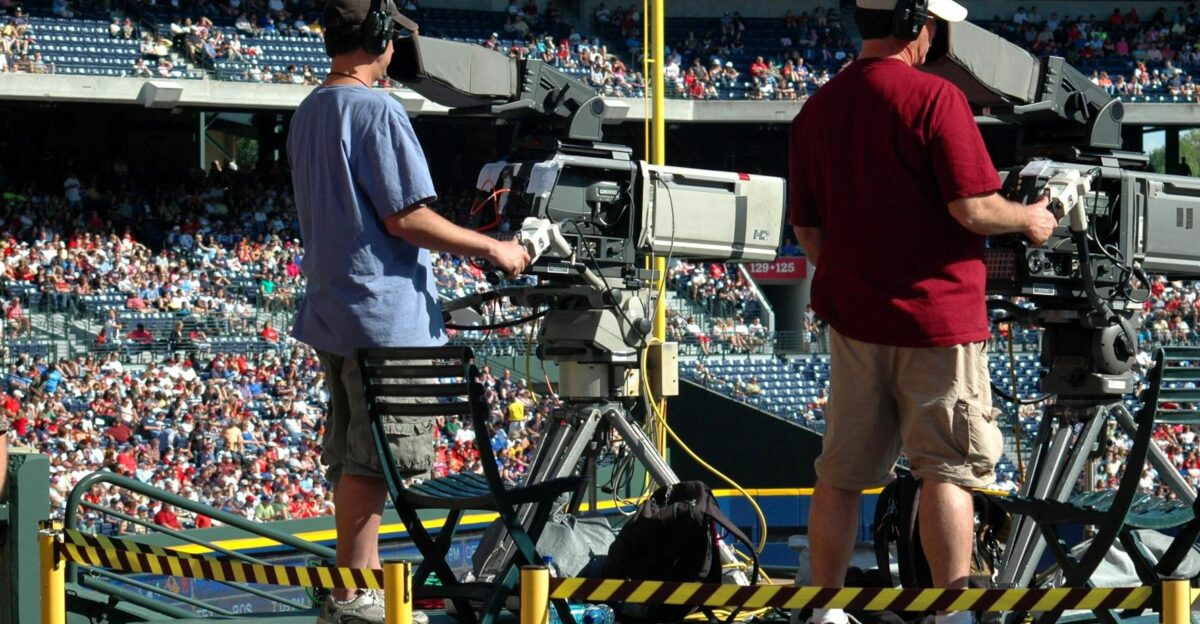
Sports broadcasting desperation partly drove Amazon’s enforcement. Piracy cost the sports sector an estimated $4.5 billion globally in 2024, per Red Flag AI.
Premier League football, NFL games, and major tournaments suffered the highest piracy rates. Broadcasters paying massive rights fees watched helplessly as unauthorized streams stole audiences and advertising revenue.
Sports organizations working through ACE repeatedly pressed Amazon to close Fire TV’s sideloading gap. When talks stalled, pressure mounted. November’s crackdown represented ACE’s most stringent hardware intervention to date.
The 20 Million Question

Amazon and ACE haven’t released exact impact numbers, although industry estimates suggest that 10-20 million Fire TV users globally have sideloaded pirated apps.
Independent research hasn’t confirmed this figure, although UK data supports the trend: 4.7 million British adults are illegally streaming, with over 30% using Fire TV—approximately 1.4 million UK users affected.
Reaching 20 million globally requires proportional adoption worldwide, a calculation that cannot be directly verified. The enforcement definitely affected millions, making this Amazon’s largest anti-piracy action in Fire TV history.
Streaming Alternatives & “Service Cycling”

Consumer advocates promote “service cycling”—rotating platforms monthly instead of paying full-year rates. Subscribe to Netflix in January, Disney+ in February, and Amazon in March.
This legal approach cuts monthly costs from $155+ to $40-50 while maintaining legitimate access. Industry observers noted the irony: by raising prices unsustainably, platforms accidentally pushed subscription fragmentation and reduced customer lifetime value.
Amazon’s anti-piracy push coincided with growing industry awareness that pricing needed to be adjusted to compete with illegal streaming. Few platforms have created sustainable, affordable bundles.
Expert Skepticism & Workaround Culture
Tech expert Paolo Pescatore warned that determined pirates will discover new pathways: different sideloading methods, alternative devices, and unknown workarounds.
He stated: “Streaming illegally breaks the law, though consumers face rising subscription costs and a fragmented experience.” Industry researchers expect the crackdown to displace piracy rather than eliminate it, with users migrating to Android boxes, Kodi setups, and non-Amazon devices.
This enforcement marks an important turning point, but doesn’t necessarily end piracy culture.
The Broader Reckoning

As Amazon’s lockdown spreads globally, the industry faces a harsh reality: subscription piracy has become rational for millions facing genuine budget constraints.
The industry’s response—higher prices, ads on paid tiers, password restrictions—pushed rather than pulled audiences to illegal streaming. Amazon’s hardware enforcement works technically but addresses symptoms, not causes.
The fundamental question remains: Can legal streaming match piracy’s low cost, or will companies continue to tighten enforcement while affordable access demand remains unsolved?
Sources:
Android Central, “Fire TV is cracking down on piracy apps”, November 2024
The Sun, “Amazon’s App Store Lockdown Ends Free Streaming”, October 2025
9to5Google, “Amazon Fire TV will now block apps used for piracy”, November 2024
The Athletic/YouGov Sport Survey, “UK Illegal Streaming Data”, October 2024
Red Flag AI Piracy Market Trends Report, December 2024
SlashGear, “Your Amazon Fire TV Stick Is About To Lose Access To All Of These Streaming Apps”, December 2024