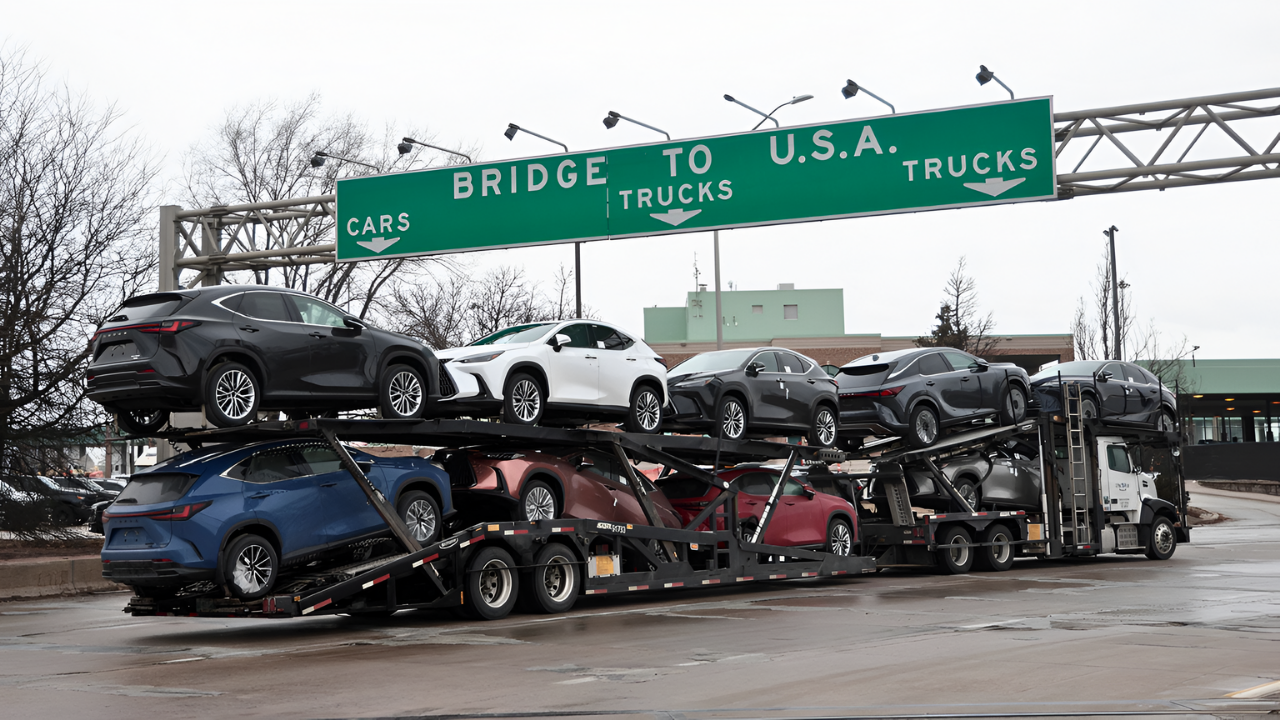
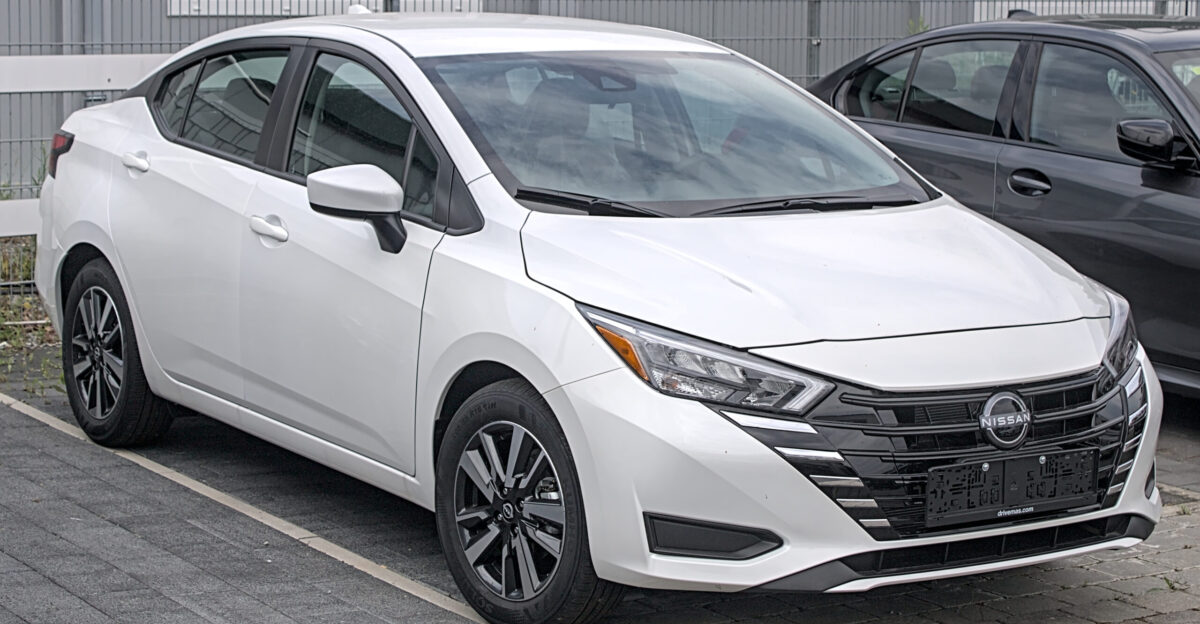
A few days before Christmas, the final Nissan Versa rolled off a Mexican assembly line, marking the extinction of America’s last new car under $20,000. What began as a practical transportation solution for budget-conscious drivers has become a cautionary tale about tariff policy, market consolidation, and widening economic inequality.
Once, 36 affordable models competed for customer dollars. Now, 0 remain. The Trump administration’s 25% tariff on Mexican vehicles delivered the fatal blow to an already struggling segment, and the Versa shows how quickly affordability can vanish.
The Cheapest New Car Just Died
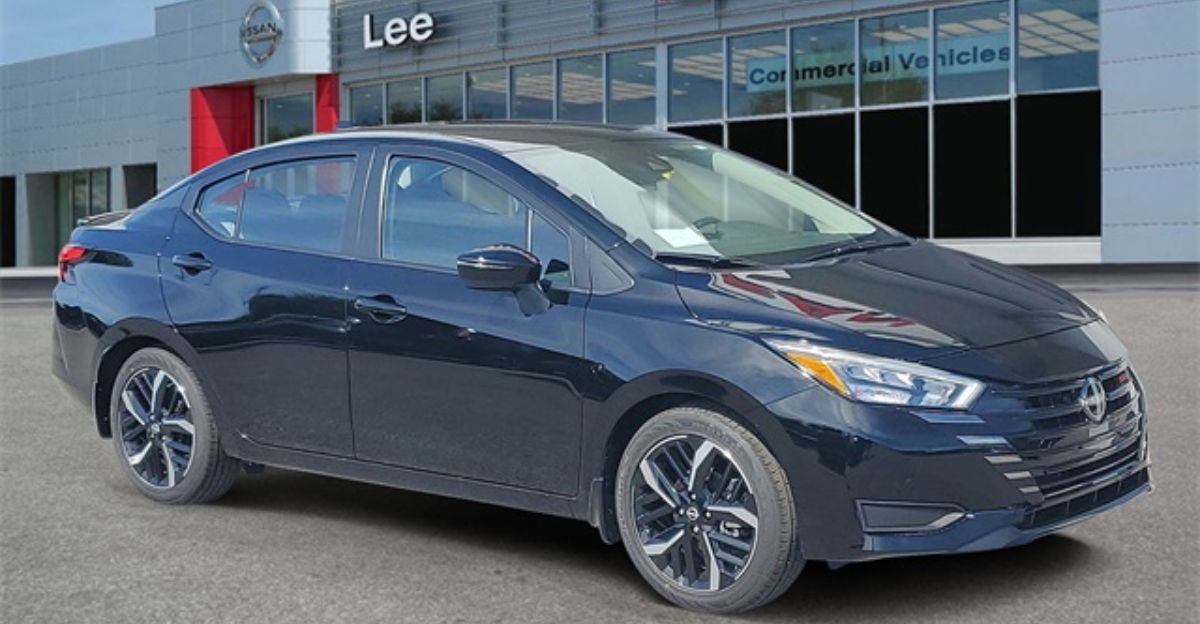
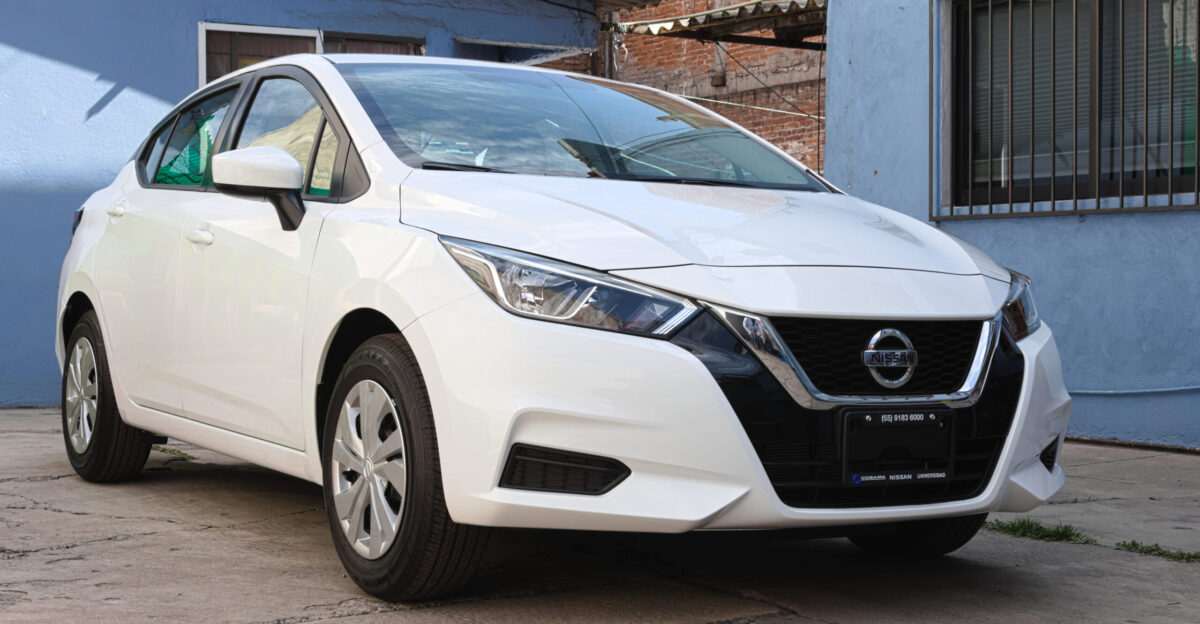
The 2025 Nissan Versa, priced at $18,585, was the last new car in America under $20,000. Production ended in December 2025 at Nissan’s Aguascalientes, Mexico, plant. Its discontinuation marks a historic milestone: no new cars now exist below the $20,000 threshold.
The Versa’s death wasn’t inevitable until tariffs made it impossible, and the timing tells you why.
Affordable Choices Vanished Almost Overnight
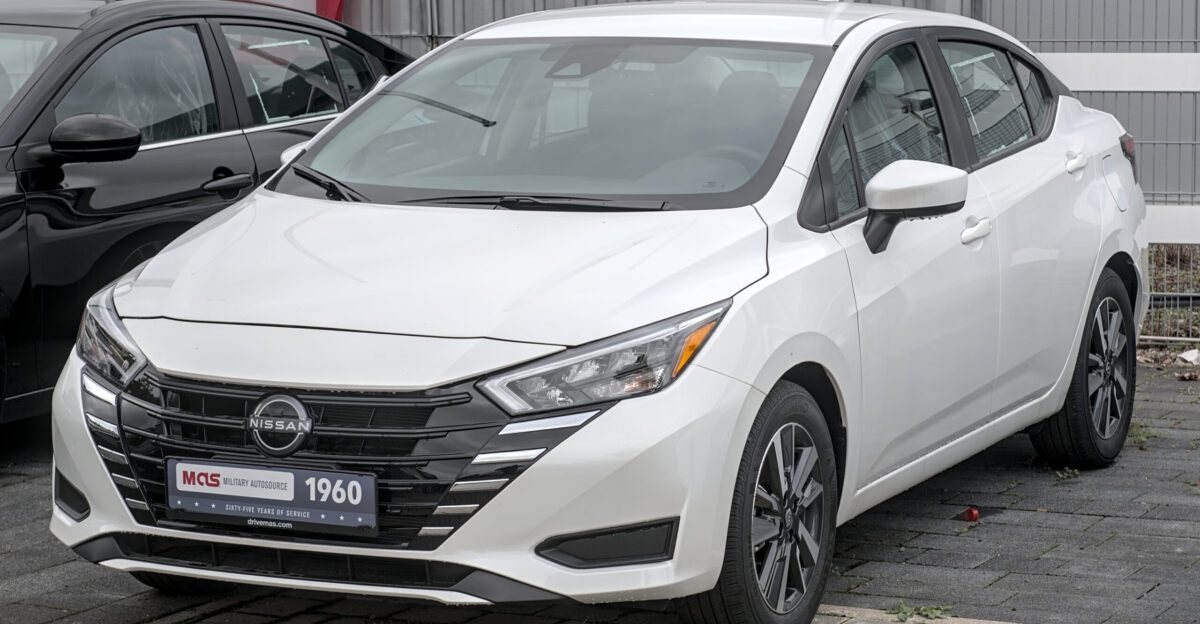
In 2017, American consumers had a choice of 36 vehicles priced under $25,000. By December 2025, that number collapsed to 5. The Hyundai Venue starts at $20,550. The Chevrolet Trax begins at $21,795.
Nothing exists below $20,000 anymore, and the speed of that collapse suggests a single policy shock.
The Moment Tariffs Changed The Math
On March 26, 2025, President Trump announced 25% tariffs on imported automobiles, citing national security concerns. Effective April 3, 2025, U.S. Customs began collecting duties on vehicles from Mexico lacking sufficient North American content.
For the Mexico-built Versa, that meant an additional $2,500 to $3,500 per unit, but how did Nissan respond?
The Manual Versa Was The First Cut

In May 2025, Nissan discontinued the 5-speed manual Versa, the most affordable new car option, at $18,330. Fewer than 5% of buyers chose manuals, yet the move signaled deeper trouble. “We are focusing on the most popular Versa grades that deliver the strongest business performance,” Nissan stated.
The automatic version at $20,130 was supposed to hold the line, but could it?
Why A $3,000 Hit Was Fatal

A $3,000 tariff cost represented about 16% of the Versa’s base price. Put that same $3,000 on a $79,000 luxury SUV and it’s only 3.8%. Budget vehicles cannot absorb shocks like that.
They also can’t raise prices without destroying demand, which helps explain who still wins under tariffs.
Used Cars Were Not A Safe Escape

In 2019, nearly half of 3-year-old used cars sold for under $20,000. By 2025, only 11.5% did. Average used-car prices rose from $23,159 in 2019 to $32,635 in 2025, up $9,476.
Used-car interest rates exceeded 11% versus 6.5% for new cars, but who feels that squeeze most?
Tariffs Hit Low Incomes Like A Tax
Yale University’s Budget Lab calculated that April’s tariffs alone cost lowest-income households $1,000 annually. Higher-income households absorbed $4,100 spread across much larger incomes. That makes the tariffs regressive, hitting poorer Americans hardest.
Young adults aged 18 to 34 already faced a housing crunch, and transportation costs stacked on top of it, raising a bigger question.
Nissan Was Struggling Before Tariffs

Even before tariffs, the Versa faced headwinds because subcompact sedans were experiencing a decline in popularity. In 2000, sedans accounted for 47% of new-car sales; by 2024, this share had decreased to 28%. Nissan’s market share slid from 8.6% in 2012 to about 6.4% by late 2025.
The Versa sold about 42,000 units annually with minimal profit, and the broader sedan story explains why.
Sedans Became A Cost Trap
Regulatory costs, such as safety systems and emissions technology, added $1,500 to $2,000 per vehicle. On a $100,000 luxury sedan, that’s about 1.5% to 2%. On an $18,585 Versa, it’s roughly 8.1% to 10.8%.
Infotainment and driver-assist features also became expected, making “cheap new” harder each year, which pushed Nissan toward a brutal decision.
Why Nissan Couldn’t Just Raise Prices
Raising the Versa price $3,000 to $4,000 would have put it above rivals like the Hyundai Venue, which offered crossover benefits and strong value. Absorbing tariffs would erase profits. Passing them on would erase buyers.
Nissan faced a lose-lose scenario where discontinuation was the only rational option, and Mexico’s role made it even sharper.
Mexico Went From Advantage To Liability

The Versa’s value depended on Mexican manufacturing, where labor costs were significantly lower than in the U.S. Nissan’s Aguascalientes plant built efficient, competitive vehicles until tariffs altered the equation. For ultra-low-margin models, the advantage vanished overnight.
Honda said it would build its next-generation Civic hybrid in Indiana instead of Mexico, indicating how quickly strategies can shift.
Every Automaker Faced The Same Trap
General Motors is bracing for annual tariff costs of $4 to $5 billion. Ford anticipated nearly $3 billion in 2025 tariff expenses. Toyota was expected to incur $9.7 billion in tariff impacts.
Affordable models were the most vulnerable: some got cut, others saw big price moves, and some companies rushed U.S. production shifts, but what did that mean for shoppers?
Budget Buyers Now Have Grim Options
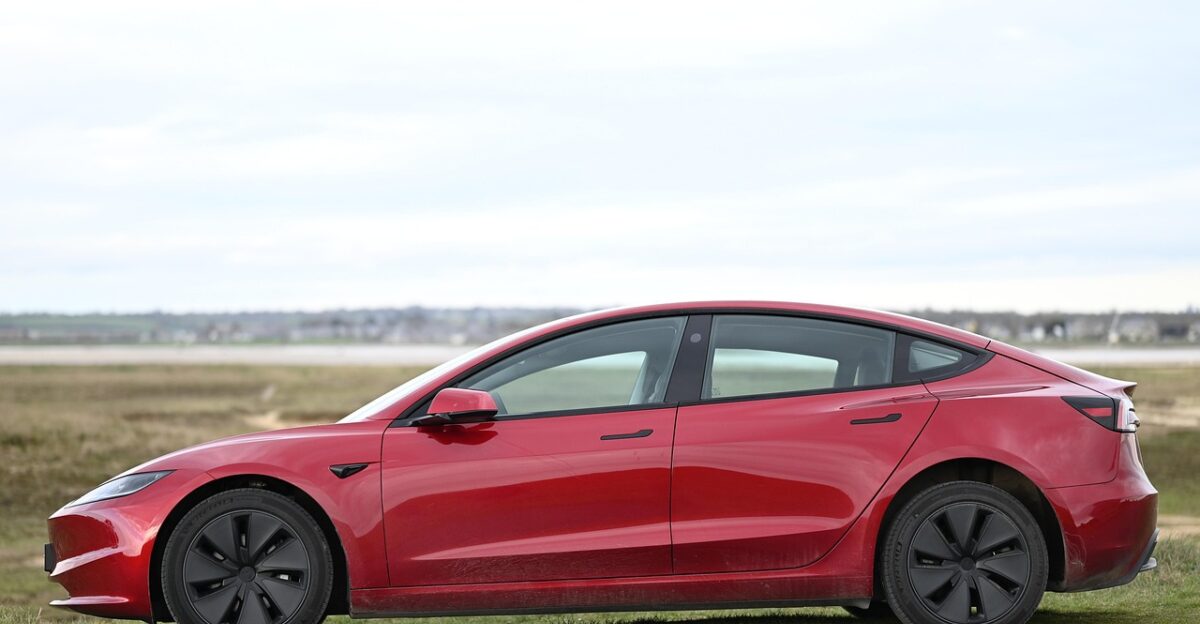
With no new vehicles under $20,000, shoppers face 3 paths: stretch for new cars starting at $20,550, buy used at about 11% interest with higher repair risk, or abandon ownership entirely.
Each choice constrains work and family life. Census data suggests that younger Americans are increasingly opting for the last option, and this trend was already underway before the tariffs.
The $20,000 Car Was Fading Anyway
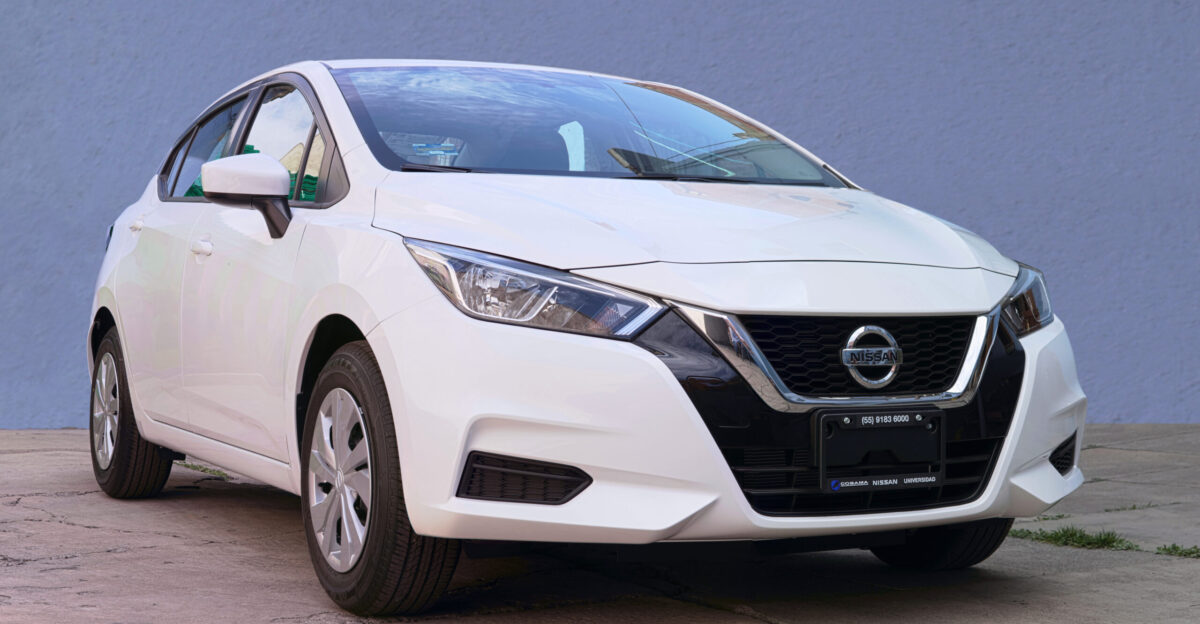
Even without tariffs, subcompact sedans were dying. Fewer young adults pursued driver’s licenses, and many preferred used cars or ride-sharing. Dealer economics also punished thin-margin models.
Manufacturing in the U.S. costs about $40 per labor hour versus $8 to $10 in Mexico, so the Versa likely disappeared within 5 years anyway, but does “sooner” matter?
Did Tariffs Really Create U.S. Jobs?
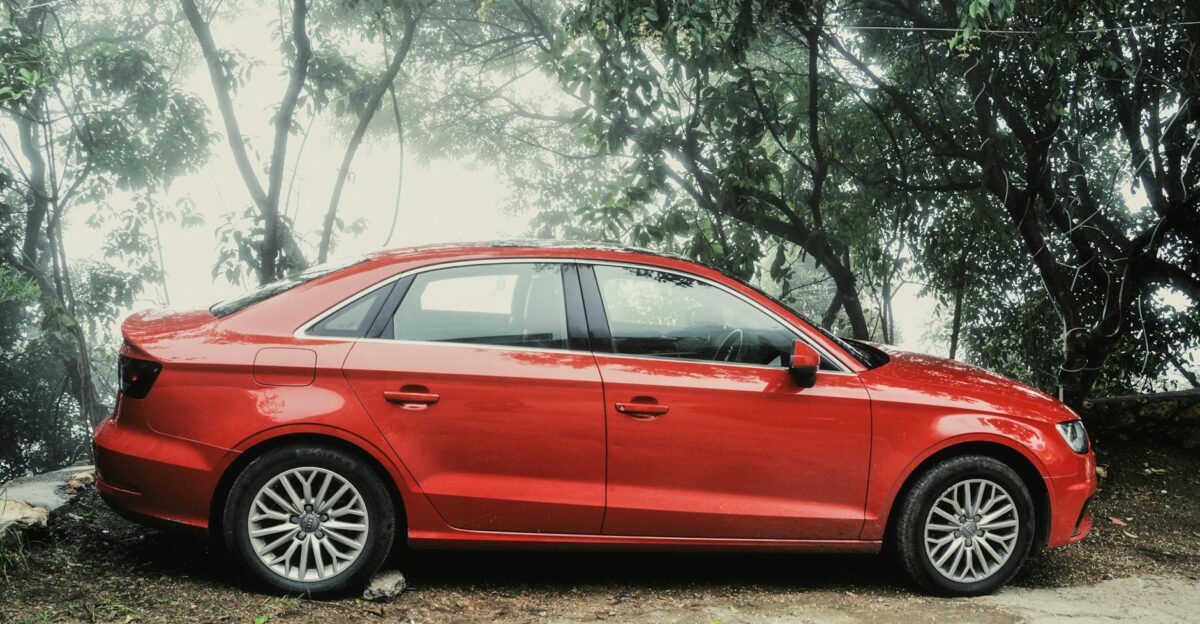
The administration pitched tariffs as protection for American workers, but early signals were messy. S&P Global Mobility estimated tariff policies could reduce U.S. auto production by 1.28 million vehicles annually. General Motors furloughed 900 workers.
Suppliers faced higher costs and tighter margins, which created a risk of bankruptcy. Some reshoring plans appeared, yet near-term damage arrived first, raising doubts about the timeline.
Why Prices Aren’t Coming Back Down
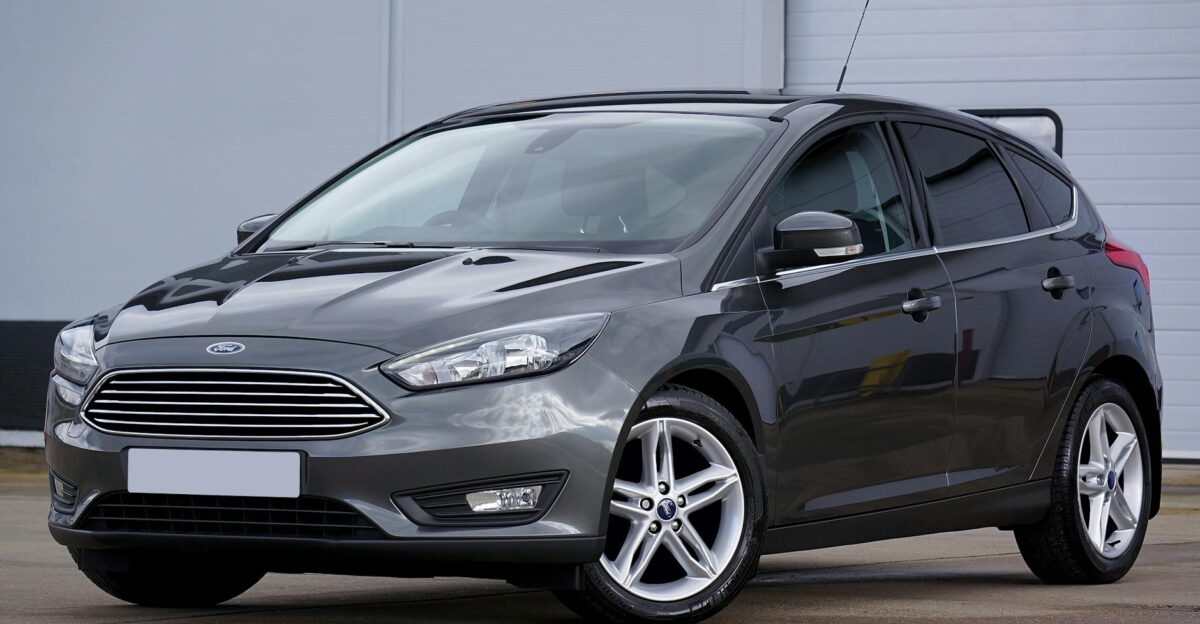
Average new-vehicle prices exceeded $50,000 for the first time in September 2025. Monthly payments averaged $748. Used-car prices remained elevated due to pandemic-era supply shocks.
Even if tariffs were to end immediately, supply chains and product plans have already been adjusted to accommodate higher price points. Nissan said it has no plans to reintroduce budget sedans, suggesting a longer lock-in.
Can EVs Save Affordable Transportation?

EVs promised price breakthroughs, but 2025 moved in the other direction. With federal tax credits eliminated on October 1, demand fell quickly. Average EV prices reached $58,124 in September 2025, far exceeding the budgets of budget buyers.
Battery costs remain a barrier, and while Chinese automakers like BYD are often cited as future low-cost contenders, tariffs and regulations block easy U.S. entry, leaving a significant gap today.
Young Adults Feel The Crunch First
Generation Z and millennial purchase rates have declined due to high payments. The median age of trade-in vehicles rose to 7.6 years in Q1 2025, the oldest Edmunds has recorded since 2019.
Census data shows 30% of Gen Z respondents considered car-dwelling or squatting due to housing pressures. When housing and cars both surge, mobility declines, and that impacts the entire economy.
Did Tariffs Reach Their Real Goals?

President Trump’s tariffs were aimed at reducing trade deficits and boosting American manufacturing; however, the early results were mixed. Some automakers announced U.S. expansion, but short-term effects included production pauses, supplier bankruptcies, and job disruptions.
North American auto supply chains are deeply integrated, so efficiency breaks down before new capacity arrives. Whether longer-term reshoring justifies the pain remains uncertain, and the Versa became the clearest casualty.
The Sub-$20,000 Era Ended For Good
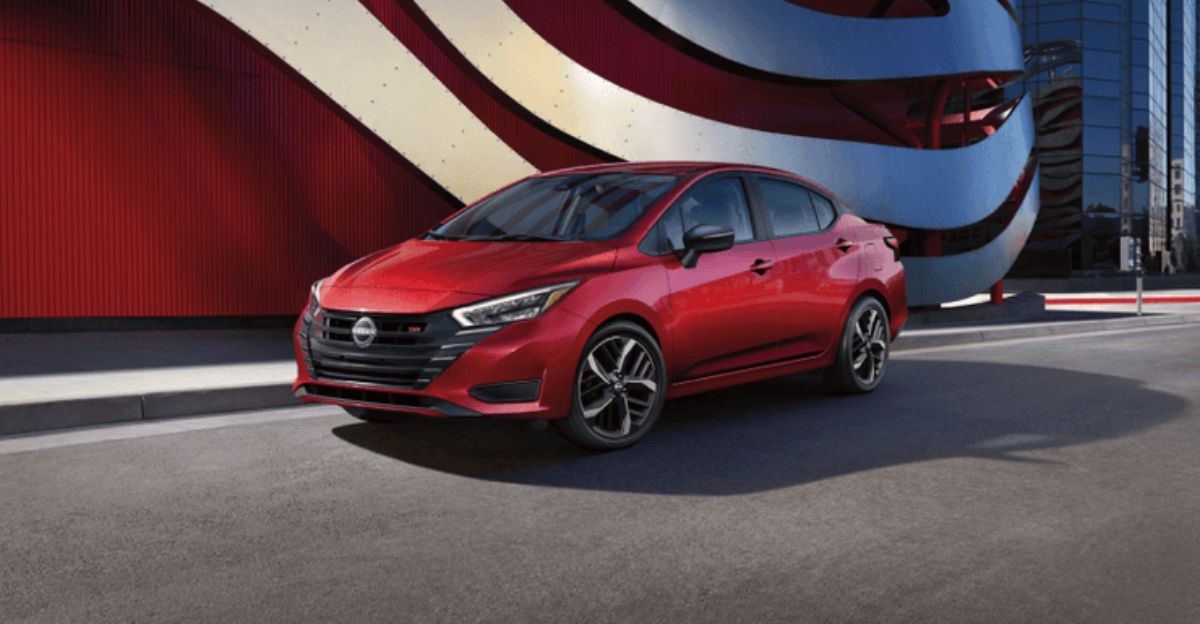
The Nissan Versa’s December 2025 discontinuation marked the end of a pricing era. In 2017, 36 models were available for under $25,000; in 2026, no new cars were available for under $20,000.
Supply chains, dealer strategies, and buyer expectations have undergone significant shifts. Rebuilding sub-$20,000 capacity would take years, even with policy reversals, leaving affordability and opportunity narrower than many expected.
Sources
Proclamation on Adjusting Imports of Automobiles and Automobile Parts Into the United States. The White House, March 26, 2025
Federal Register: Adjusting Imports of Automobiles and Automobile Parts Into the United States. U.S. Customs and Border Protection, April 3, 2025
State of U.S. Tariffs: October 17, 2025. Yale Budget Lab, October 2025