Grindr disruptions, real or perceived, have become a recurring backdrop to major Republican gatherings. The latest flashpoint came during Turning Point USA’s AmericaFest in Phoenix in December 2025, when users again claimed the dating app faltered just as thousands of conservatives converged in one place. The episode revived a decade-long debate over whether political events are genuinely straining Grindr’s systems or whether crowdsourced rumor, partisan rivalry, and internet humor are now driving the story more than verifiable data.
Downdetector Spikes and Grindr’s Measured Explanation
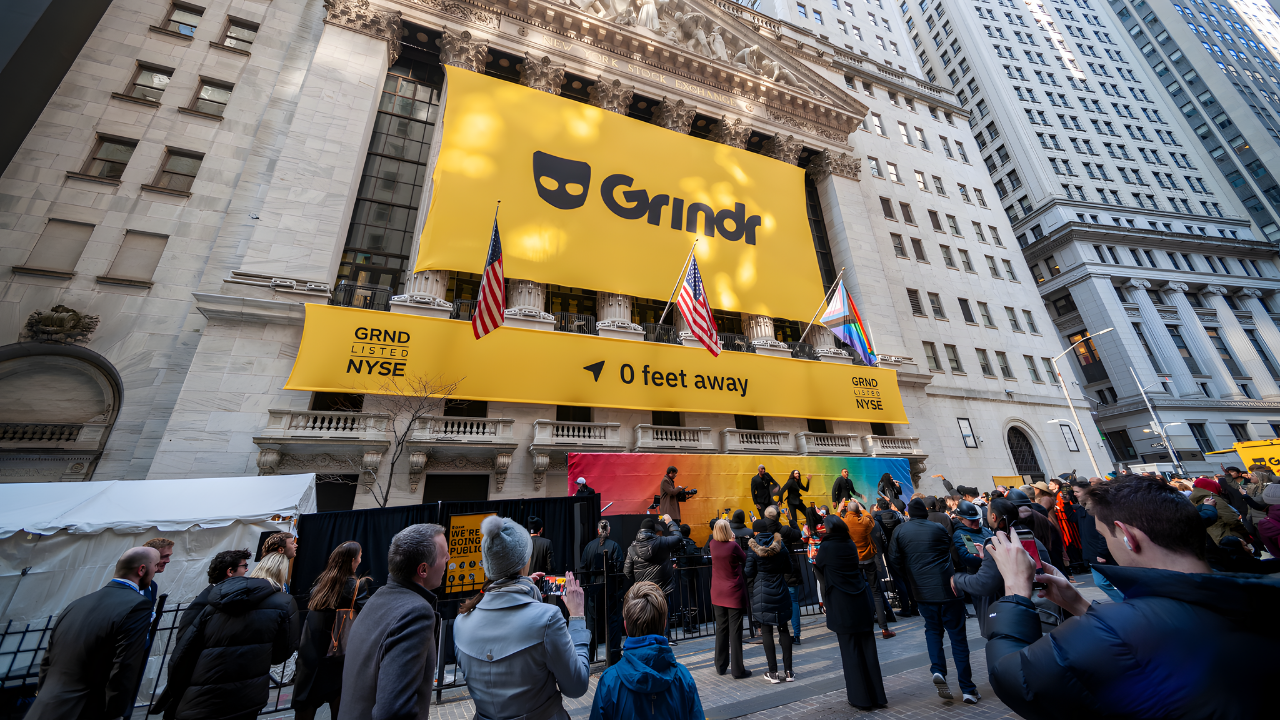
On the evening of December 20, around 7 p.m., Downdetector logged more than 160 Grindr outage reports in the Phoenix area, an increase roughly 80 times higher than the usual trickle of complaints. AmericaFest, which drew about 30,000 attendees and ran December 18–21, provided a clear focal point for speculation that another conservative event had overwhelmed the app.
The main evidence came from Downdetector, a platform that compiles self-reported user problems rather than tapping directly into companies’ server data. That design makes it highly responsive to real disruptions but also open to manipulation, coordinated jokes, or meme-driven participation. In nationwide failures, such as the February 2024 AT&T service disruption that generated approximately 74,000 peak Downdetector reports while affecting over 125 million devices, the volume and geographic spread of complaints can reliably flag genuine problems. In more localized, politically charged situations, the same openness raises questions about how many reports reflect actual technical trouble and how many reflect people playing along with an online narrative.
Grindr addressed the Phoenix incident on Instagram the same night, acknowledging a “temporary service disruption in the area surrounding Turning Point USA’s AmericaFest.” The company attributed the incident to infrastructure strain from concentrated usage in a tight geographic zone rather than to hacking or deliberate interference. Executives described the issue as performance degradation under heavy local demand, not a full-scale system failure.
Documented Surges and Partisan Comparisons
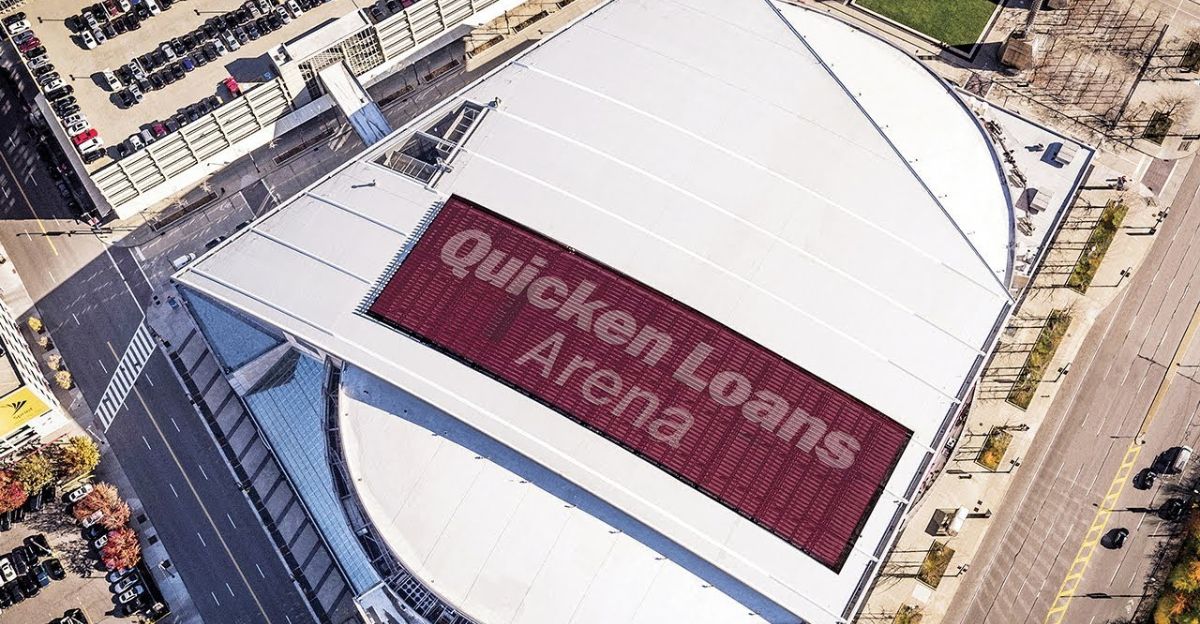
The broader story of convention-linked Grindr spikes began with clear, detailed data from the 2016 Republican National Convention in Cleveland. Grindr sources told Vice that user activity near the RNC site surged 120 percent on the opening day, with more than 1,000 people on the app near Quicken Loans Arena over the week. About three-quarters of these users were white men, and 44 percent were classified as “visitors” who had not recently used the app in Cleveland. That dataset offered the rare combination of company confirmation, specific percentages, and demographic breakdowns.
Less noticed at the time was what happened days later at the Democratic National Convention in Philadelphia. Grindr reported a 148 percent surge in usage around the Wells Fargo Arena, with 57 percent of users tagged as visitors. The increases, larger than the Republican figures, suggest that major political conventions of both parties draw visitors who turn to location-based dating apps in unfamiliar cities. In this light, increased Grindr use around partisan gatherings appears to reflect large numbers of travelers, dense event zones, and late-night downtime, rather than something unique to conservative attendees.
From Milwaukee Confusion to Meme Status
The 2024 RNC in Milwaukee complicated the picture. On July 16, Downdetector registered more than 1,000 Grindr-related complaints around 4 p.m., implying a widespread outage. Grindr’s public status page, however, showed no incidents at all for that period and no recorded disruptions since May 2024. Local anecdotes added another layer: some Milwaukee users reported seeing roughly five times their usual number of nearby profiles, many of them anonymous, fueling speculation about closeted delegates or staffers.
One year later, Grindr CEO George Arison acknowledged “a significant spike in usage in Milwaukee during the convention” but reiterated that the app’s systems had not crashed. His remarks marked the first explicit corporate confirmation of convention-related activity beyond the 2016 Cleveland data. The Milwaukee episode thus ended as a hybrid: usage surge confirmed, widespread technical failure disputed, and Downdetector’s towering complaint count left partially unexplained.
The September 2025 memorial for Turning Point USA founder Charlie Kirk at State Farm Stadium in Glendale pushed this ambiguity further. Between 90,000 and 100,000 people, including President Trump and Vice President JD Vance, attended the five-hour service. The next day, social media users claimed Grindr had suffered a severe outage, again pointing to more than 160 Downdetector reports in the Phoenix area, mirroring the number later seen at AmericaFest. Fact-checkers, including Snopes, scrutinized those claims and emphasized that Downdetector’s open reporting system allows anyone to signal an “outage,” whether they experienced problems or not. Some observers noted that VPN technology enables users to spoof their locations and file reports from anywhere, potentially turning outage reporting into a coordinated online performance, though the extent of such coordination remains difficult to verify.
Signal, Ideology, and the Politics of Perception
Technically, experts note, location-based services like Grindr rely on cloud infrastructure and auto-scaling systems designed to absorb spikes in particular cities. When a local point of presence falters, traffic is typically rerouted to another, limiting the chances that even a packed convention could bring down service in a single metro area, let alone worldwide. With approximately 15 million monthly active users globally, even tens of thousands of additional logins from one conference represent a small fraction of overall load.
What keeps the story alive is not just technology but politics. Since 2018, Republican-controlled legislatures have passed more than 100 measures restricting LGBTQ+ rights, from school policies to healthcare access. Yet only about 3 percent of Republicans identify as LGBTQ+, compared with 14 percent of Democrats and 10 percent of independents, even as overall LGBTQ+ identification has climbed to 9.3 percent. That discrepancy feeds suspicions of underreporting and closeted identity within a party whose leadership often campaigns on traditional “family” themes.
Historical scandals, such as Senator Larry Craig’s June 2007 arrest in a Minneapolis-St. Paul airport restroom for disorderly conduct and Representative Mark Foley’s September 2006 resignation over sexually explicit messages to male congressional pages, entrenched the idea of Republican figures living double lives. Against that backdrop, news of Grindr spikes at conservative gatherings has been framed by many observers as further proof of hypocrisy, even when the data also show similar or larger jumps at Democratic events.
At AmericaFest 2025, those tensions were especially sharp. The Phoenix gathering served as a tribute to Charlie Kirk and his organization’s focus on socially conservative messaging among younger Christians. Vice President Vance’s closing remarks to 30,000 attendees underscored the event’s stature in Republican politics, while online users again joked that Grindr activity nearby told a different story.
Assessing the Pattern Amid Meme-Driven Amplification
Nearly a decade after the Cleveland RNC dataset, the reliability of evidence underpinning the “GOP convention Grindr” narrative has steadily eroded. The 2016 figures were detailed and sourced from inside the company. Milwaukee 2024 produced large crowdsourced outage reports that were later partially supported by the CEO’s comments on usage spikes, though not on technical failure. The Kirk memorial and AmericaFest cases lean heavily on Downdetector and viral posts, with Grindr offering only a brief reference to localized “temporary service disruption” and no public numbers on how much activity actually increased.
Grindr holds the definitive logs that could clarify usage and performance at specific events but has rarely volunteered them, likely balancing user privacy, political sensitivities, and reputational risk. As the meme of “Republican conventions disrupting Grindr” spreads, social platforms amplify each fresh claim faster than it can be verified, blurring the line between genuine observation and participatory online theater.
Going forward, the key question for observers, journalists, and fact-checkers is how to separate measurable shifts in app activity from self-reinforcing political narratives. Political conventions of all kinds appear to drive higher dating app usage, and technical systems are built to withstand such fluctuations. The stakes now lie in whether future reports about Grindr at partisan gatherings can be grounded in transparent data rather than viral jokes, and whether discussions of hypocrisy can acknowledge both the real contradictions in policy and the privacy risks facing LGBTQ+ people in hostile environments.
Sources:
“Cleveland Was Bombarded with White Dudes on Grindr During the RNC.” Vice, July 2016.
“Grindr CEO Confirms ‘Significant’ User Spike During RNC.” UnHerd Newsroom, July 6, 2025.
“Rumors of a Grindr Outage Spread After Charlie Kirk Memorial.” Out Magazine, September 23, 2025.
“Did Gay Dating App Grindr Crash During the RNC in Milwaukee?” Milwaukee Journal Sentinel, July 18, 2024.
“Breaking Down Rumors of Alleged Grindr Outages Near Republican Conventions.” Yahoo News, September 22, 2025.
“The Power of the Crowd: How Downdetector’s User-Generated Reports Identify Website Outages.” Ookla Blog, November 2024.