
In just ten weeks, Apple’s iPhone Air has gone from a showcase of ultra-thin engineering to one of the steepest value declines in the company’s recent history, triggering production shutdowns, rattling suppliers, and prompting rivals to abandon similar designs.
Design Breakthrough, Market Rejection
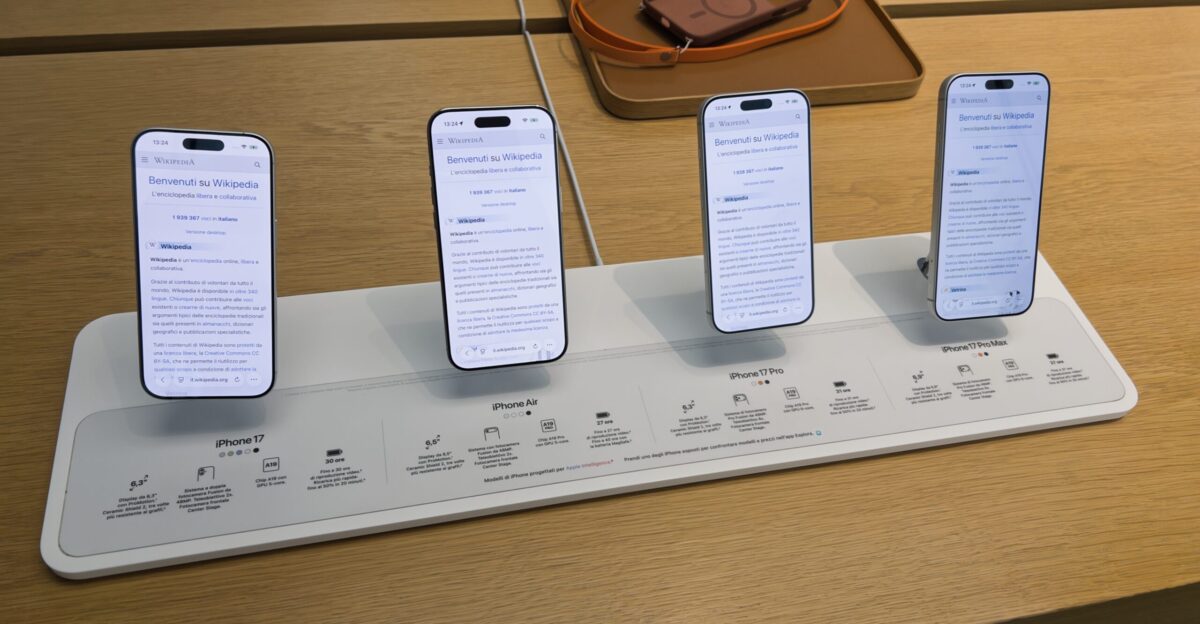
Unveiled in September 2025, the iPhone Air was positioned as Apple’s boldest rethink of the premium smartphone in years. At 5.6 millimeters thick and 165 grams, it was marketed as the world’s thinnest flagship handset, built around a Grade 5 titanium frame, Ceramic Shield 2 glass, an A19 Pro chip, and a 6.5‑inch Super Retina XDR display with 120Hz ProMotion.
On paper, the device embodied Apple’s design ambition. In practice, it failed to resonate. Within six weeks of launch, sales data and early resale prices showed that enthusiasm was limited. What began as a high-profile experiment in ultra-thin design quickly became a test case in how far consumers are willing to trade functionality for form.
Production Slashed and Supply Chain Unwound
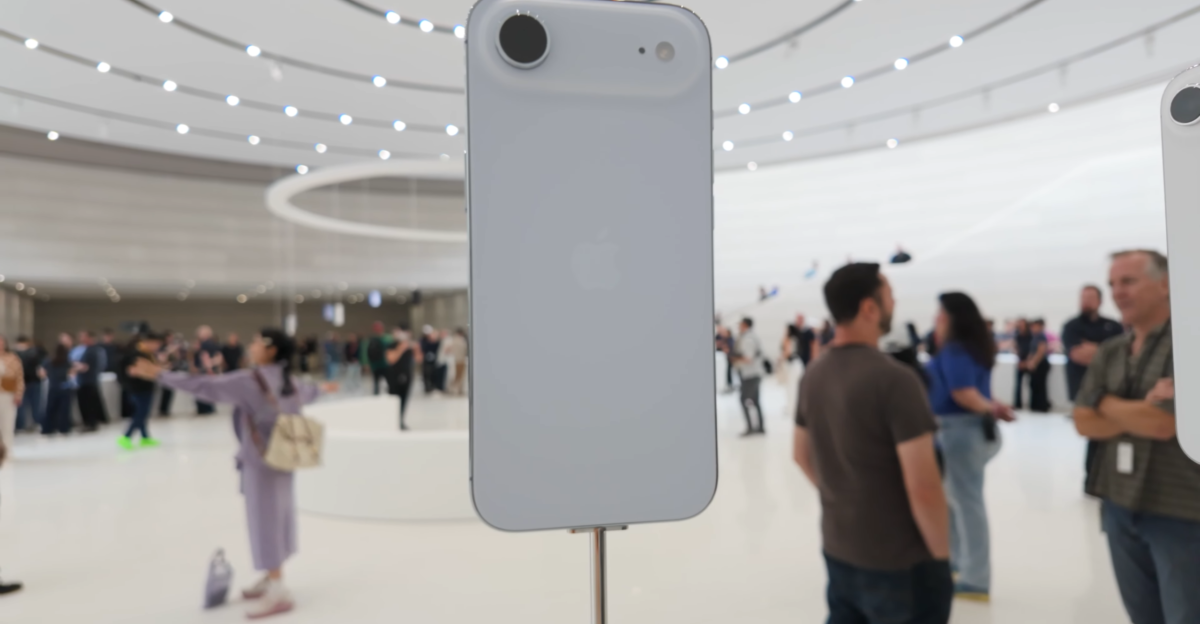
By late October 2025, just a month and a half after release, Apple had scaled back iPhone Air production to less than 10 percent of its September output. Supply chain reporting described manufacturing levels as “near end-of-production,” language typically associated with products being phased out.
Assembly partners moved swiftly. Foxconn prepared to dismantle almost all lines dedicated to the device across its Asian factories, while Luxshare Precision halted iPhone Air manufacturing altogether. Component makers that had tooled up for high volumes—producing precision titanium frames, ultra-thin display panels, and customized camera modules—suddenly faced canceled orders, surplus parts, and the need to reassign workers and capacity. The rapid reversal exposed how tightly Apple’s design bets are woven into a global network of contractors who share both the upside and the risk.
Resale Data Exposes the Scale of the Slump
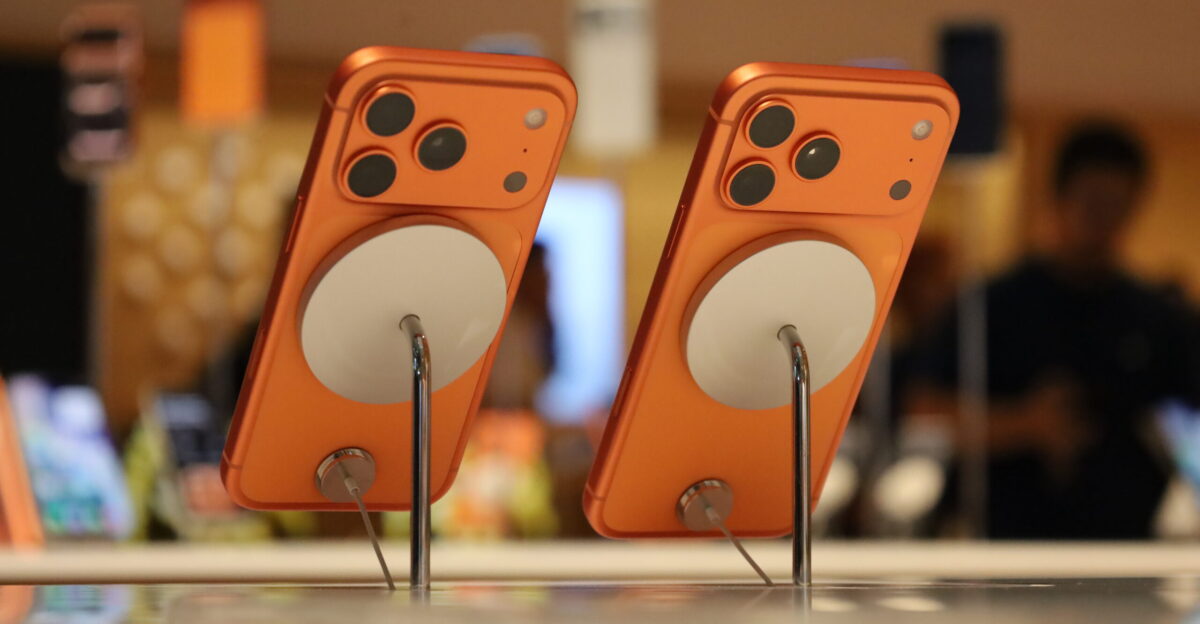
The sharpest signal of market rejection came from the secondary market. SellCell, analyzing offers from more than 40 U.S. trade-in companies, found that the 1TB iPhone Air fell from a launch price of $1,399 to $668 in roughly ten weeks—a 47.7 percent depreciation. The 512GB version lost 45.2 percent over the same period.
Across all configurations, the iPhone Air’s average decline was 44.3 percent, compared with 34.6 percent for the standard iPhone 17 and 26.1 percent for the iPhone 17 Pro Max. Those numbers indicated not just slower demand, but active discounting as resellers priced in weak interest from prospective buyers.
Apple’s own storefront reinforced the picture. In the weeks after launch, the iPhone 17 and iPhone 17 Pro both showed shipping delays of two to three weeks amid strong demand. By contrast, the iPhone Air remained available for immediate delivery in every color—Space Black, Cloud White, Light Gold, and Sky Blue—signaling that inventory was piling up, not selling through.
Compromises, Pricing, and a Missed Warning

To reach its record-thin profile, Apple made trade-offs that became central to consumer decisions. The iPhone Air’s battery capacity was 3,149 mAh, lower than the iPhone 17’s 3,692 mAh. It shipped with a single rear camera instead of multiple lenses and relied on one speaker rather than the stereo setups found on Pro models.
Despite those cutbacks, the device debuted at $999. That placed it only $350 below the iPhone 17 Pro, priced at $1,349, which offered a triple-lens camera system, stronger battery performance, and better audio. Many shoppers, faced with similar price points, opted for the more capable Pro line and left the thinner but less versatile Air on the shelf.
There were signs the concept might struggle even before Apple’s launch. Earlier in 2025, Samsung had introduced the Galaxy S25 Edge at 5.8 millimeters thick. By August, it had sold about 1.31 million units, far behind the standard S25 at 8.28 million, the S25 Plus at 5.06 million, and the S25 Ultra at 12.18 million. Samsung ultimately discontinued the S25 Edge and canceled its planned S26 Edge successor—an early indication that extreme thinness alone did not drive demand in the premium tier.
Industry Retreat and Apple’s Strategic Pivot
The fallout from the iPhone Air extended well beyond Apple. As news spread of production cuts and weak sales, other manufacturers abruptly changed course. Xiaomi shelved a planned “true Air” rival designed to match Apple’s ultra-thin profile. Oppo and Vivo froze their own slim flagship projects, putting entire development tracks on hold rather than merely pushing back launch dates.
Market research underscored why. A KeyBanc Capital Markets survey found “virtually no demand” for the iPhone Air outside China and “very limited willingness” among buyers to pay a premium for extremely thin devices. IDC and Counterpoint Research reported that, despite more than one million product page views in September, the iPhone Air converted interest into actual purchases at rates roughly a third lower than other iPhone 17 models. Many consumers researched the device, then turned instead to Pro variants.
Apple’s broader portfolio tells the same story. While the Air struggled, iPhone 17 Pro models experienced sustained shortages, with orders slipping by weeks. The company’s fourth-quarter 2025 guidance emphasized strength in Pro sales and effectively left the Air out of optimistic projections.
Internally, Apple began stepping back from the concept. In November 2025, the iPhone Air 2, originally planned for release alongside the iPhone 18 in fall 2026, was removed from the active product calendar. The project was not formally canceled, and some engineers remained attached, suggesting it could be revisited later. But with no production schedule in place, the sequel that was meant to cement a new design family entered an open-ended holding pattern.
As attention and investment shift, major handset makers are increasingly focusing on foldable devices rather than pushing conventional smartphones to ever thinner extremes. Samsung is channeling resources into its Galaxy Z Fold and Z Flip ranges. Apple is reportedly repurposing technologies developed for the iPhone Air—such as custom chips and advanced display work—for possible foldable products. In effect, the ultra-thin bar phone has emerged as a technological dead end, useful mainly as a test platform.
The iPhone Air will likely be remembered as a demonstration of what modern engineering can achieve and a reminder of its limits. It showed that a large-scale flagship can be made exceptionally slim using high-end materials and bespoke components. It also illustrated that, at the top of the market, design innovation cannot compensate for reductions in battery life, camera flexibility, or audio performance when prices remain high. For Apple and its competitors, the episode has reinforced a durable lesson: premium buyers may admire dramatic design, but they tend to spend on devices that prioritize capability over extreme aesthetics.
Sources:
Introducing iPhone Air, a powerful new iPhone with a breakthrough design. Apple Newsroom, September 2025.
iPhone Air Suffers Worst Resale Drop of Any iPhone Since Launch. SellCell Blog, December 2025.
Low iPhone Air demand affects production, claims report. AppleInsider, October 2025.
Report: ‘Virtually No Demand’ for iPhone Air. MacRumors, October 2025.
Apple’s iPhone Air a failure? Tech giant responds with massive production cuts. Economic Times, October 2025.
Xiaomi, Oppo and Vivo have put their ultra-thin phone plans on hold. India Today, November 2025.