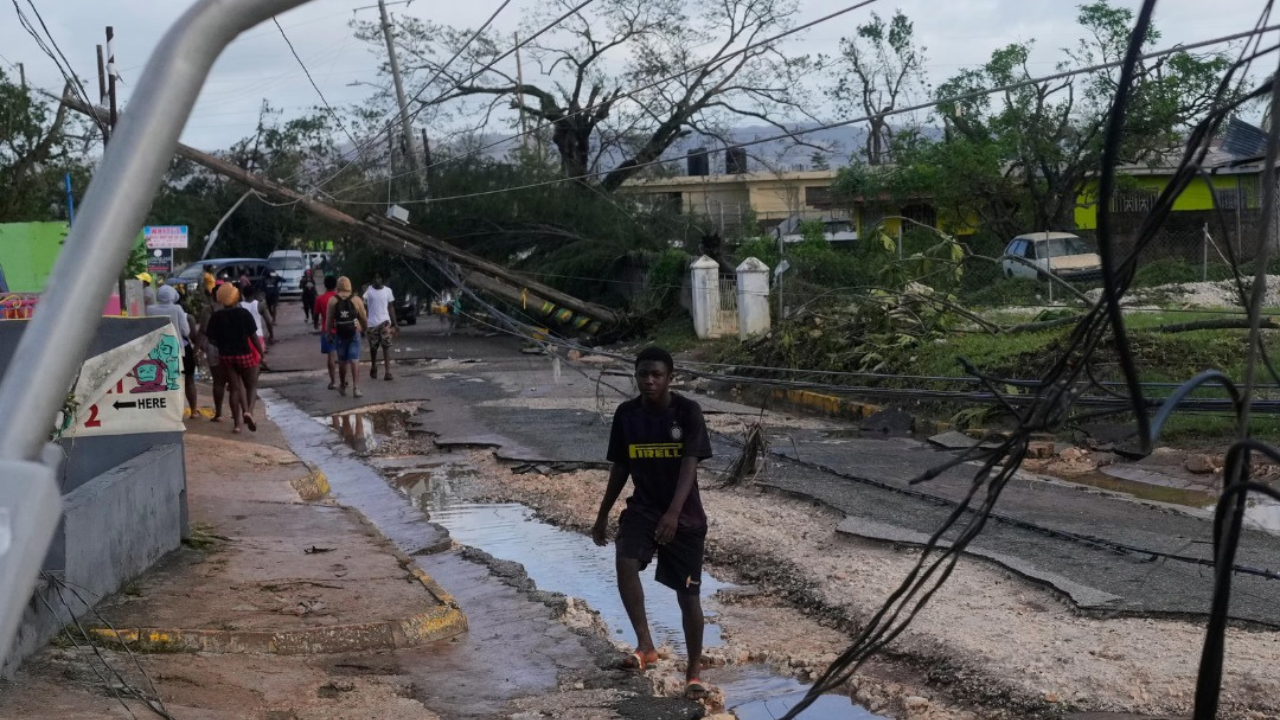
Hurricane Melissa has become one of the strongest storms ever recorded in the Atlantic, tearing through Jamaica with unstoppable force. Winds have reached 185 mph, powerful enough to rip apart buildings and uproot trees.
The storm’s pressure dropped to just 892 millibars, making it the fifth most intense hurricane in Atlantic history. Jamaica is now under a national emergency, with millions rushing to shelters as officials warn the disaster could exceed even Hurricane Katrina’s destruction in 2005.
Triple Threat Looms
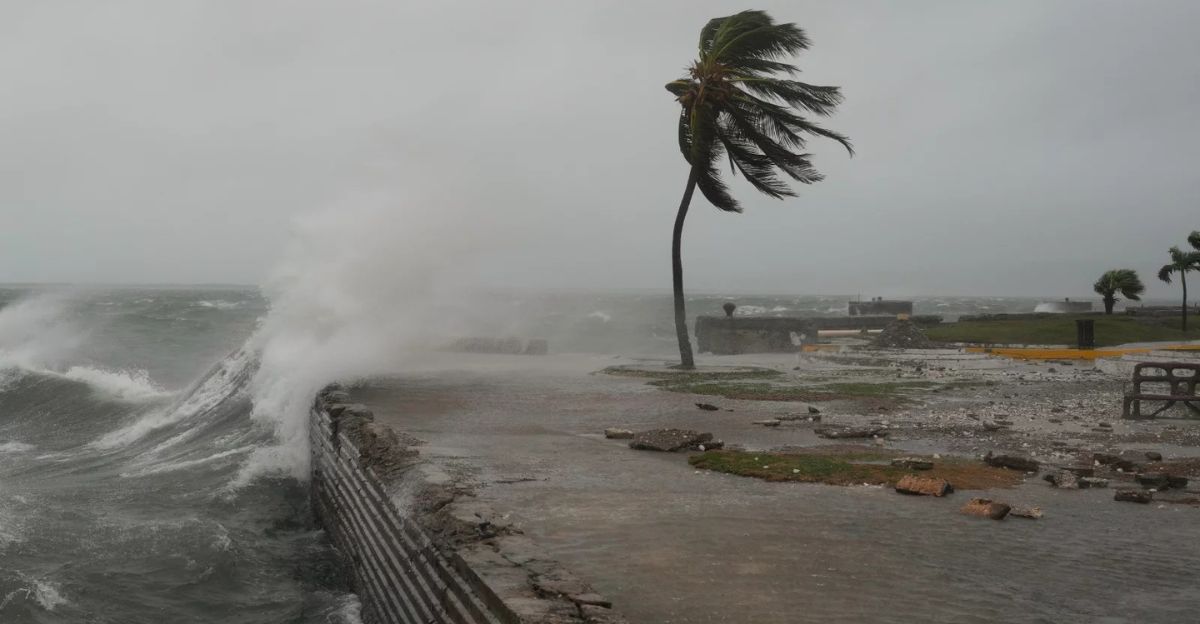
Meteorologists say Melissa brings a triple threat with fierce winds, relentless rain, and deadly landslides. Because the hurricane is moving slowly, it could dump up to 700 millimeters of rain, nearly triple Jamaica’s monthly average.
With the island’s steep, rain-soaked hills, flash floods and mudslides are expected to hit towns across the countryside. The World Meteorological Organization (WMO) described the situation as unprecedented in recent Caribbean history.
Record-Breaking Fury
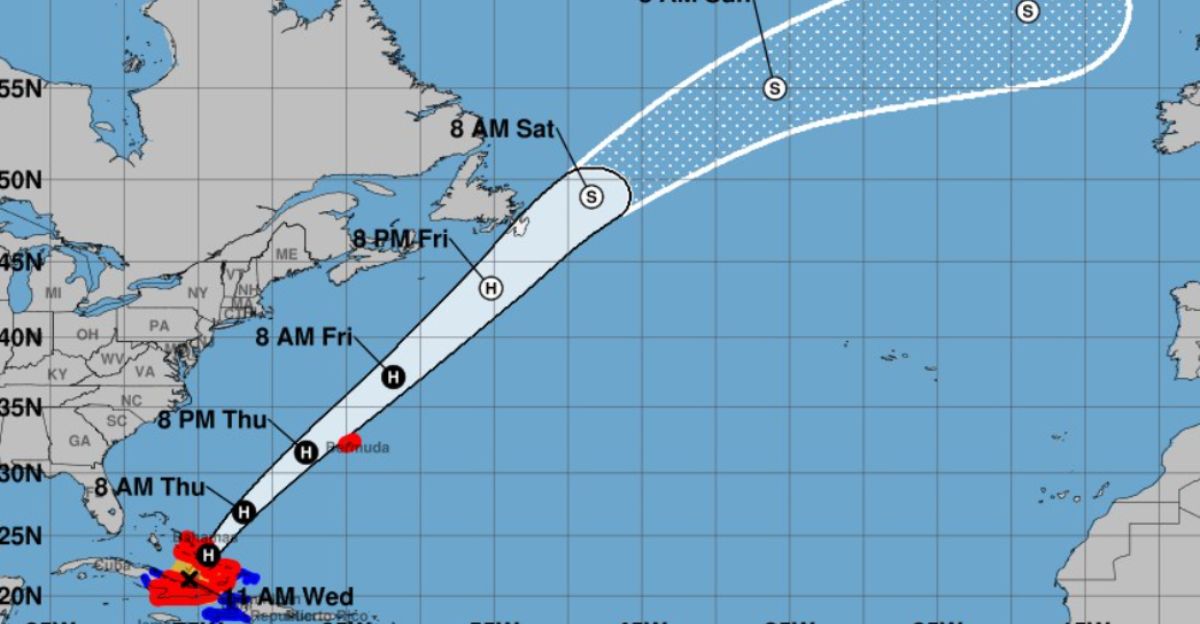
Melissa’s strength has broken several records. Experts at the WMO confirm its central pressure ranks fifth lowest ever recorded in the Atlantic. Its winds are stronger than those of Hurricane Katrina and nearly equal to the legendary 1935 Labor Day Hurricane.
What shocks scientists most is how quickly Melissa intensified, growing from a small system to a monstrous Category 5 in under 36 hours. This storm is a vivid reminder of how Atlantic hurricanes are behaving differently in a warming world.
Mounting Pressure
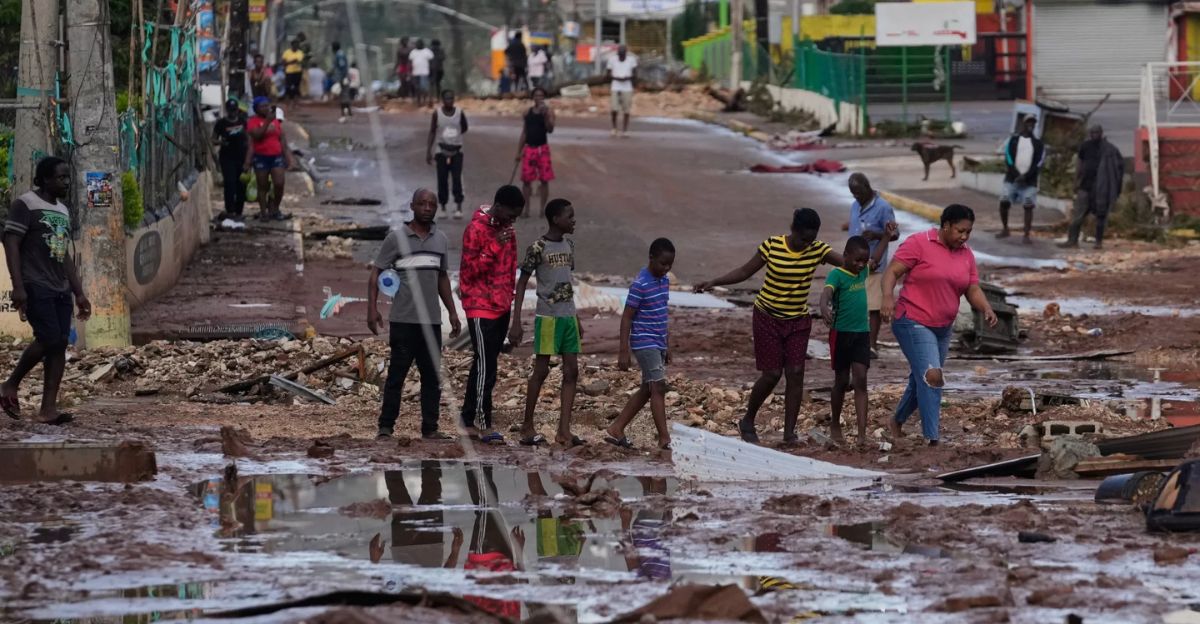
The island of Jamaica, home to over three million people, is bracing under growing pressure as Hurricane Melissa closes in. Schools, airports, and major roads have shut down, while grocery stores and gas stations face long lines. Nearly 800 emergency shelters are prepared for evacuees across the country.
Prime Minister Andrew Holness declared a state of emergency and asked citizens to prepare for days without electricity or communication. Residents are urged to stay indoors and keep essential supplies on hand for potential prolonged isolation.
The Dreaded Landfall
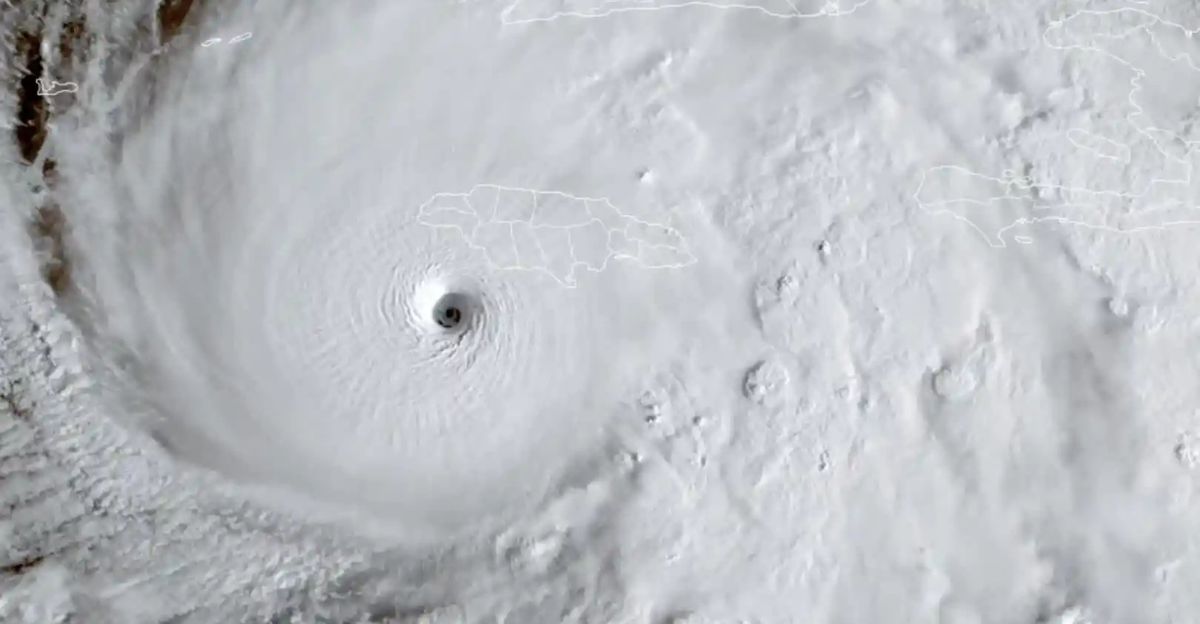
On October 28, 2025, Hurricane Melissa slammed into Jamaica’s western coast as a Category 5 storm. Winds reached 185 mph, powerful enough to flatten buildings and uproot forests. The U.S. National Hurricane Center warned of total structural failure near the storm’s center, calling the situation life-threatening.
This marks the most intense hurricane to hit Jamaica since 1988. As the eye crossed the coast, entire neighborhoods disappeared beneath floodwaters and debris.
Island-Wide Devastation
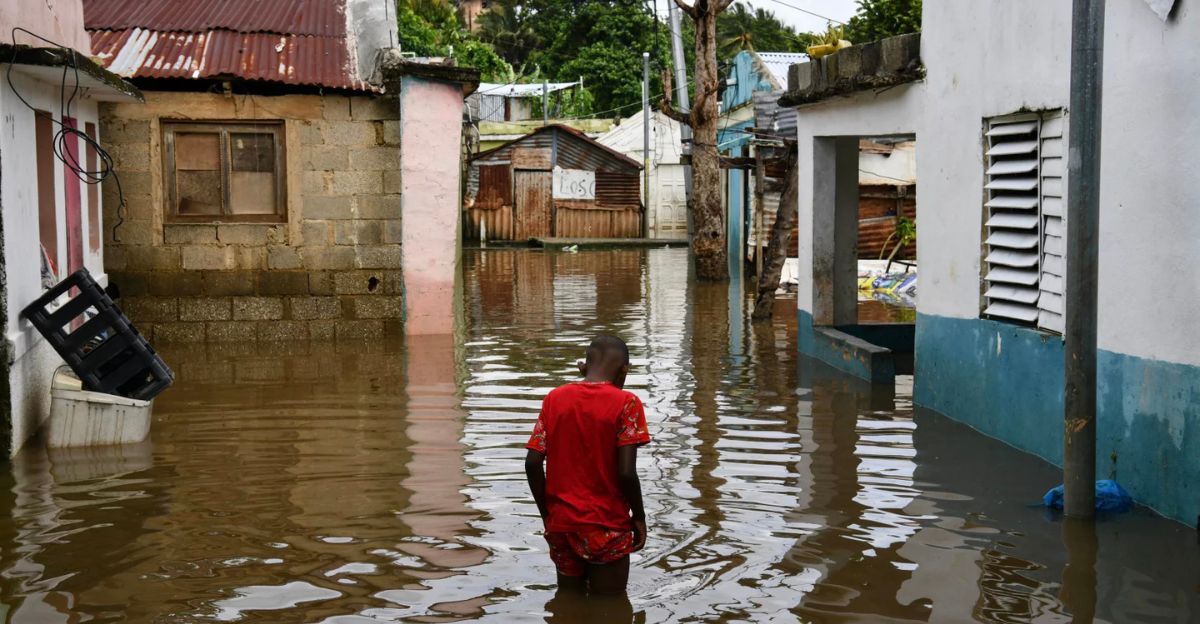
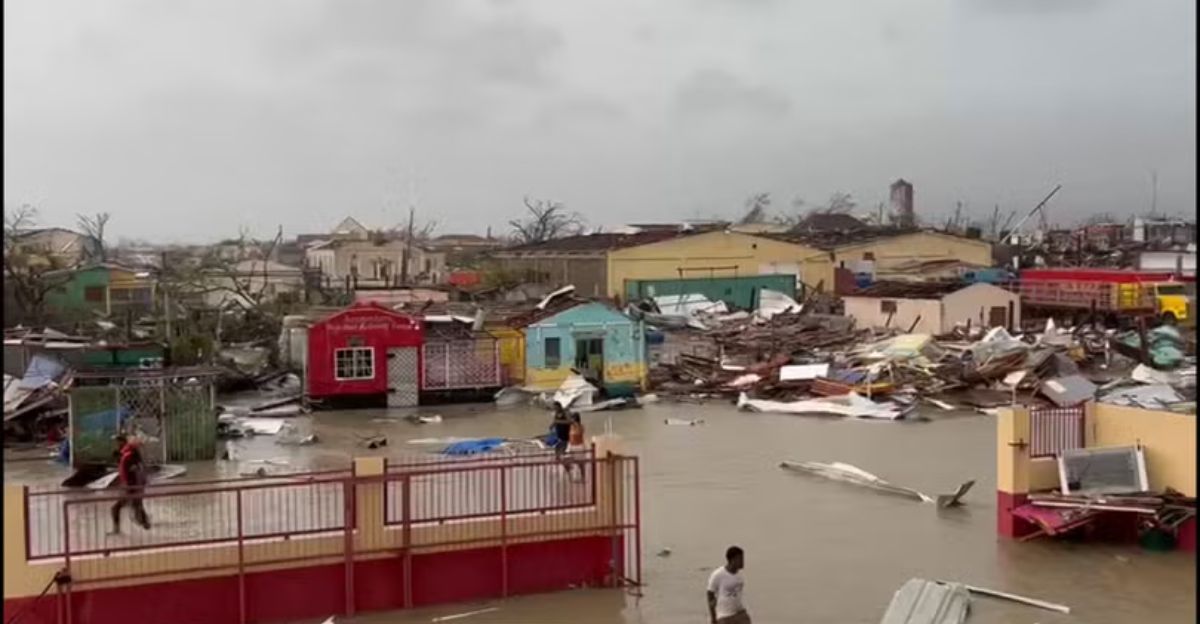
Melissa’s arrival brought immediate chaos. Whole sections of Kingston are underwater, while rural areas are cut off entirely. Winds stripped roofs from homes, snapped power lines, and left the island in near-total darkness.
Emergency teams are battling landslides and flooded roads to reach trapped families. Storm surges up to four meters high destroyed scores of coastal homes. According to NBC News, authorities have lost communication with multiple parishes, and the damage is unlike anything Jamaica has ever seen in recent decades.
Voices from the Storm

Inside emergency shelters, fear and uncertainty dominate. Locals share stories of watching their neighborhoods vanish under torrents of water. Many cling to faith and community connection as winds roar outside, hoping that their country’s spirit will endure long after the storm passes.
Regional Ripple Effects
Melissa’s destruction doesn’t stop at Jamaica. The storm’s massive size has also threatened Cuba, Haiti, and the Bahamas. In response, the United Nations has released $4 million each to Haiti and Cuba to help with emergency preparations.
Aid workers across the region are rushing to protect vulnerable communities before Melissa moves northward. The storm’s slow pace means other islands could face similar flooding, and rescue teams are already positioned for rapid response.
Climate Extremes Rising
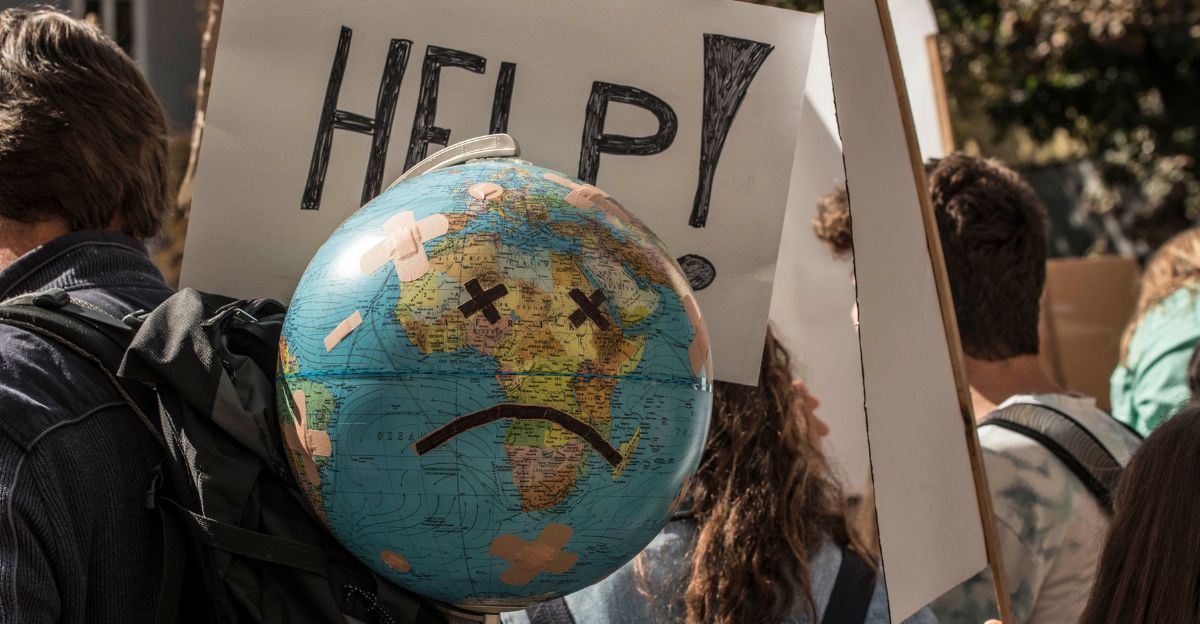
Scientists are calling Hurricane Melissa a warning sign of worsening climate change. Warmer oceans are fueling stronger, wetter storms that move slower, increasing destruction. Meteorologist Judson Jones explained, “This slow-moving system ensures prolonged, potentially record-breaking rainfall.”
Melissa’s sudden surge in strength matches that of recent hurricanes like Ian and Idalia, both of which were powered by record sea temperatures. Experts say this trend will continue unless global warming is controlled, urging nations to rethink coastal planning and early-warning systems.
Collateral Damage
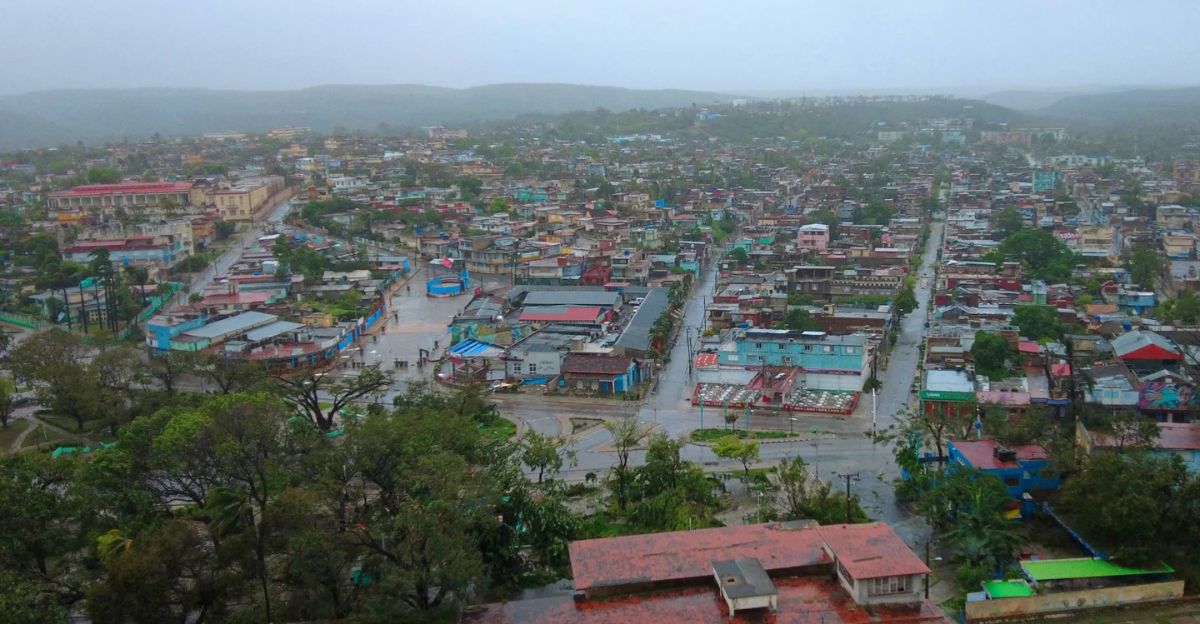
Besides the wind and flooding, Jamaica is now grappling with deadly landslides. In areas like St. Mary and St. Andrew, rain-soaked hills have collapsed, cutting off entire villages. Emergency teams are struggling to reach them as washed-out roads and fallen trees block access.
The WMO warns that diseases like cholera and dengue could spread if clean water supplies aren’t restored quickly. Food shortages may follow as farmland lies underwater.
Frustration and Fear
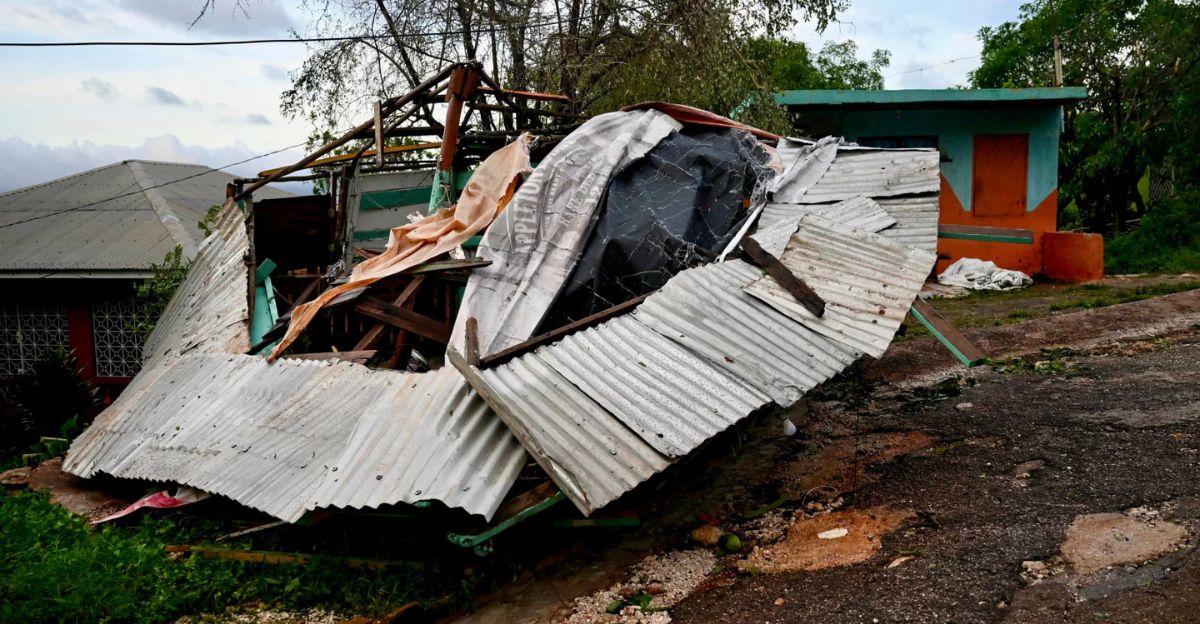
Days after the storm, survivors are growing anxious and frustrated as help remains slow to arrive in remote areas. Many families are stranded without power or clean water, relying on neighbors to share what little they have left.
Some say the disaster feels too familiar, a painful repeat of storms past. Rebuilding will take years, and for many Jamaicans, the waiting has just begun.
Leadership Under Pressure
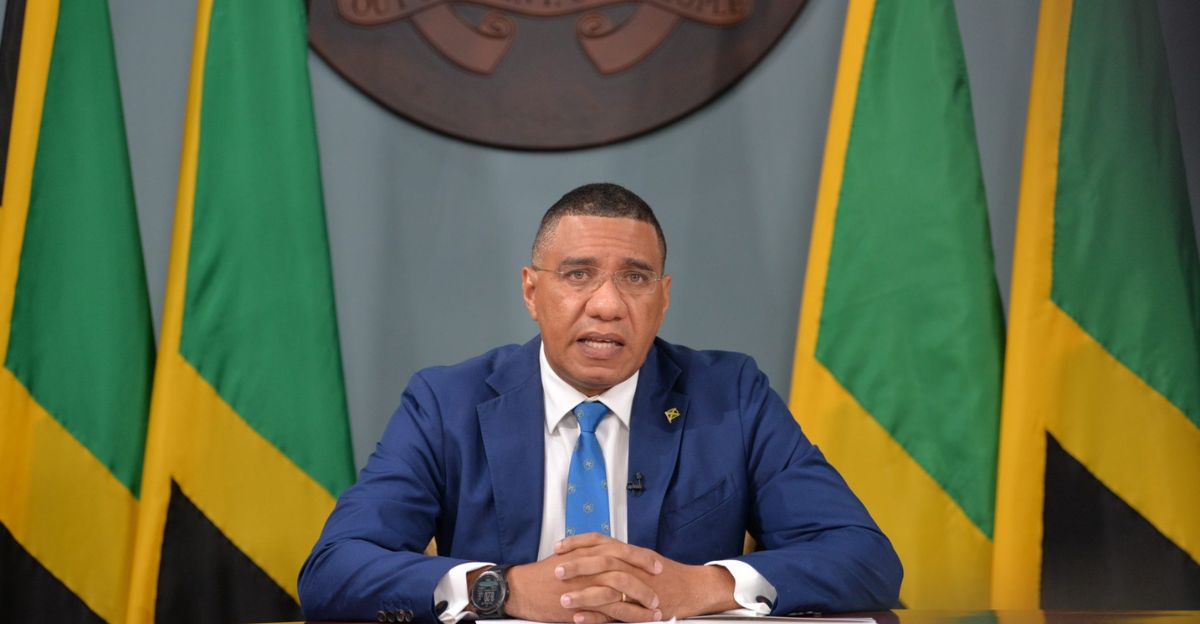
Prime Minister Andrew Holness declared the entire nation a disaster zone and called for global assistance. The government activated nationwide red alerts, opened emergency shelters, and coordinated air and naval rescue teams.
Still, the scale of destruction has pushed response capacity to its limit. Critics argue that stronger infrastructure and faster disaster planning could have reduced losses.
Road to Recovery
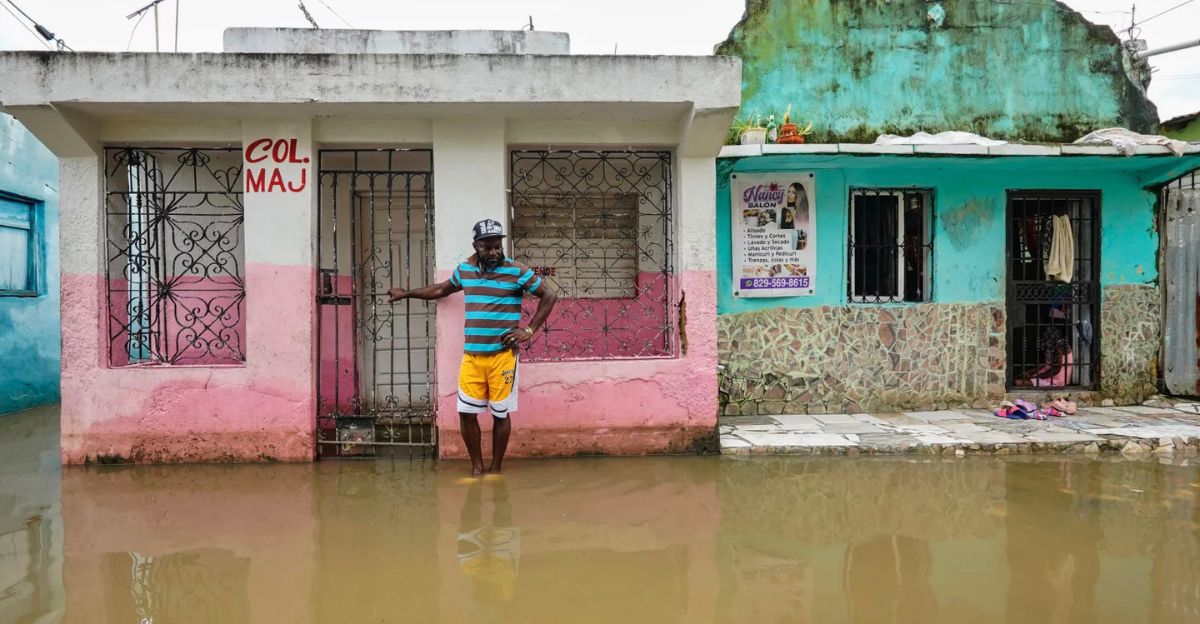
Recovery is slowly starting. More than 800 shelters are operating, providing safety, meals, and medical care to those in need. The Red Cross, UN, and local volunteers are distributing critical supplies.
Teams are clearing roads, repairing power lines, and restoring communication. Still, entire neighborhoods remain destroyed, and families must rebuild homes from scratch. Experts say it could take months or even years for a full recovery.
Expert Warnings
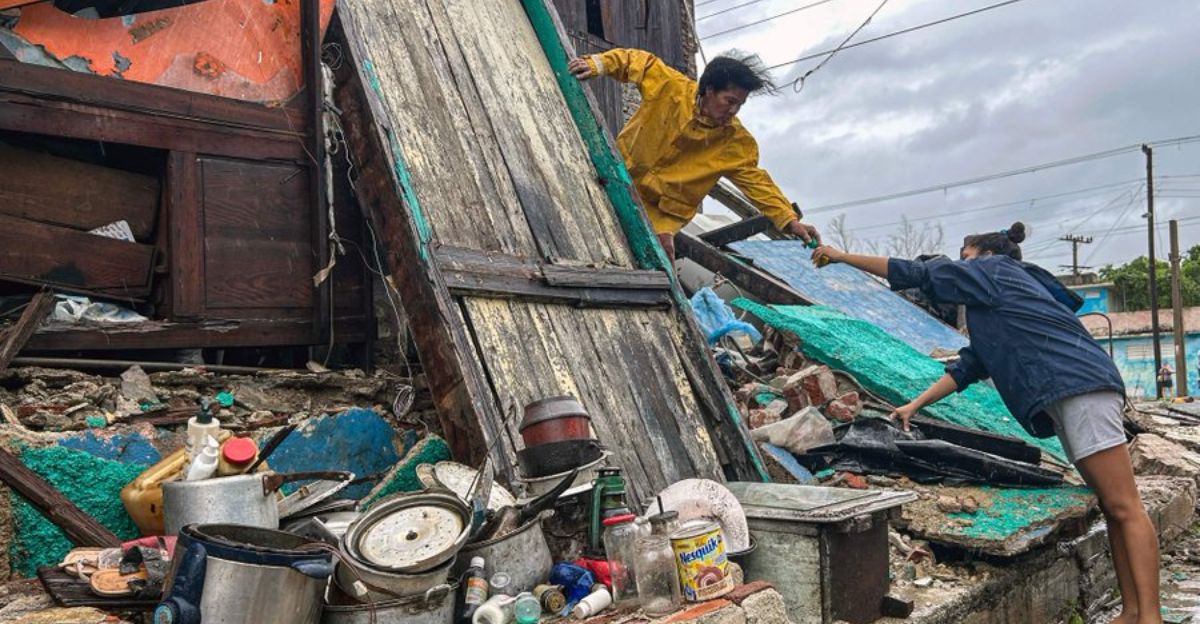
Scientists warn that storms like Melissa are becoming the new norm. Rising ocean temperatures mean more hurricanes are intensifying just before hitting land.
Climate experts emphasize that Caribbean nations must invest more in resilient infrastructure and early warning systems to survive what many now call the age of superstorms.
What Comes Next?
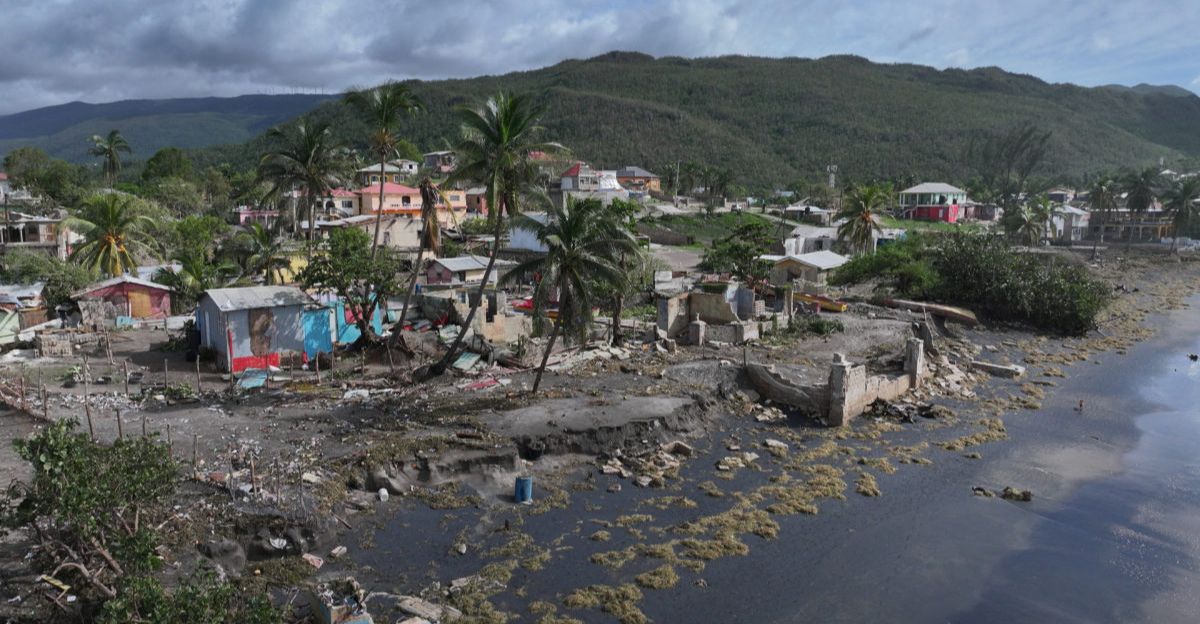
As the cleanup begins, the Caribbean faces a tough question, how to prepare for the next storm. With powerful hurricanes forming more often, rebuilding stronger and smarter is essential. Melissa’s destruction could become a turning point in how the region manages climate threats.
The lessons from this crisis, about early planning, sustainable infrastructure, and unity, may define future survival.