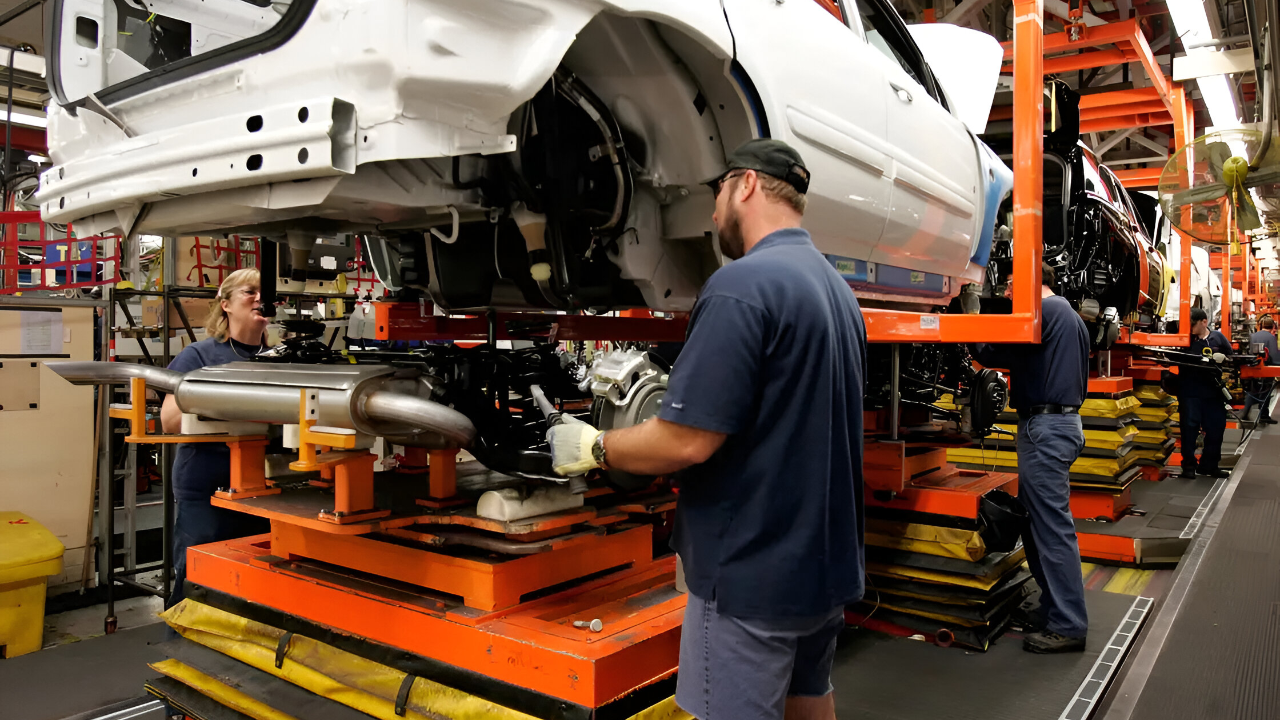
On September 30, 2025, the U.S. automotive industry was jolted by the bankruptcy of First Brands Group, a leading auto parts manufacturer. The company’s sudden collapse, triggered by a $10 billion debt and the unexplained disappearance of $2.3 billion in factoring payments, sent shockwaves through financial markets and supply chains nationwide. As federal investigators launched a criminal fraud probe, stakeholders scrambled to assess the fallout from one of the year’s most significant corporate failures.
Ripple Effects Across the Industry
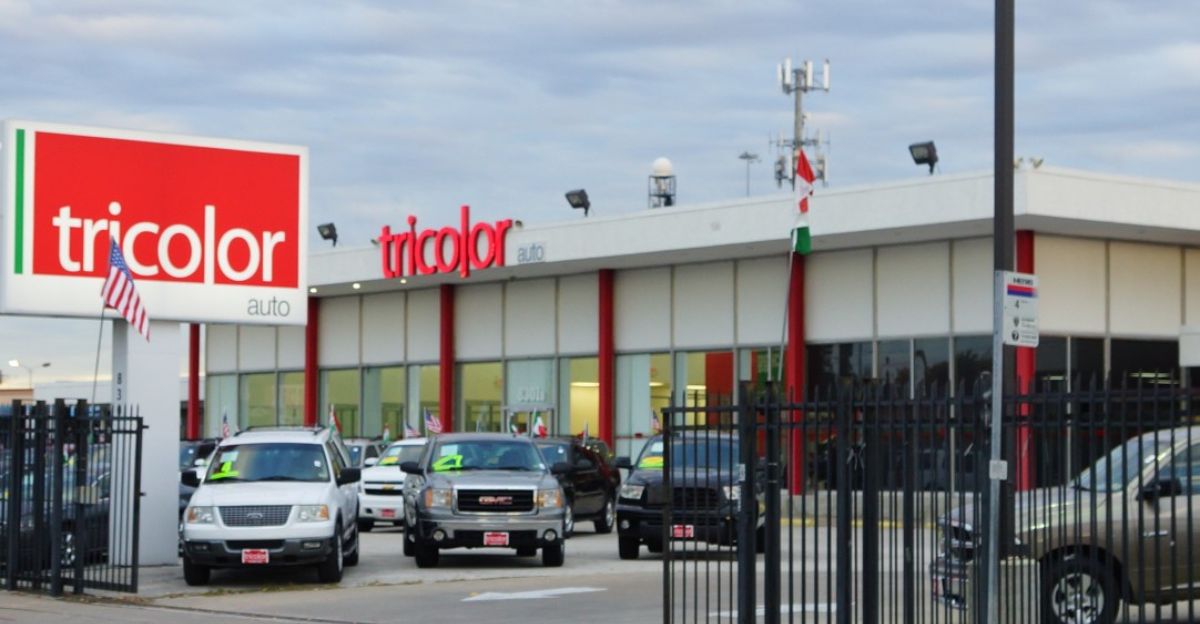
First Brands’ bankruptcy was not an isolated event. It followed closely after the collapse of Tricolor Holdings, compounding disruption for more than 19,000 retail locations and intensifying concerns about the stability of automotive supply chains. Jefferies Financial, which held a $715 million stake in First Brands, saw its stock plummet nearly 30% as payments halted, highlighting the immediate financial impact on exposed institutions. “The longer the cycle goes on, the more investors’ sense of healthy skepticism erodes,” said Jim Chanos, a prominent short-seller, reflecting growing anxiety among investors and employees alike.
The company’s vast reach—supplying aftermarket parts to major retailers like AutoZone, NAPA, and O’Reilly across five continents—underscored the scale of disruption. Local economies, especially in Texas hubs such as Houston and Dallas, scrambled to secure alternative supply lines. “We’re working overtime to find new suppliers and keep our shelves stocked,” said Maria Torres, manager of a Dallas auto parts store. The urgency of these efforts revealed how deeply interconnected local businesses are with global supply networks.
Mounting Financial Pressure
First Brands’ financial troubles had been building for months. The company’s reliance on private credit and factoring arrangements left it exposed when traditional lenders retreated from the auto sector in 2025. As liquidity dried up, the risks of leveraged financing became starkly apparent. The disappearance of $2.3 billion from segregated accounts on September 15 triggered immediate scrutiny and a federal investigation, raising questions about internal controls and management oversight.
Industry experts warn that First Brands’ collapse highlights vulnerabilities in the $1.5 trillion private credit market, where looser lending standards have proliferated as banks pull back. “Things that are too good to be true may become commonplace if oversight fails to keep pace,” cautioned Mark Clubb, a global credit analyst. The situation has prompted regulatory bodies, including the Bank of England, to consider stress tests for private credit markets—a move U.S. policymakers are likely to follow.
Human and Regional Impact
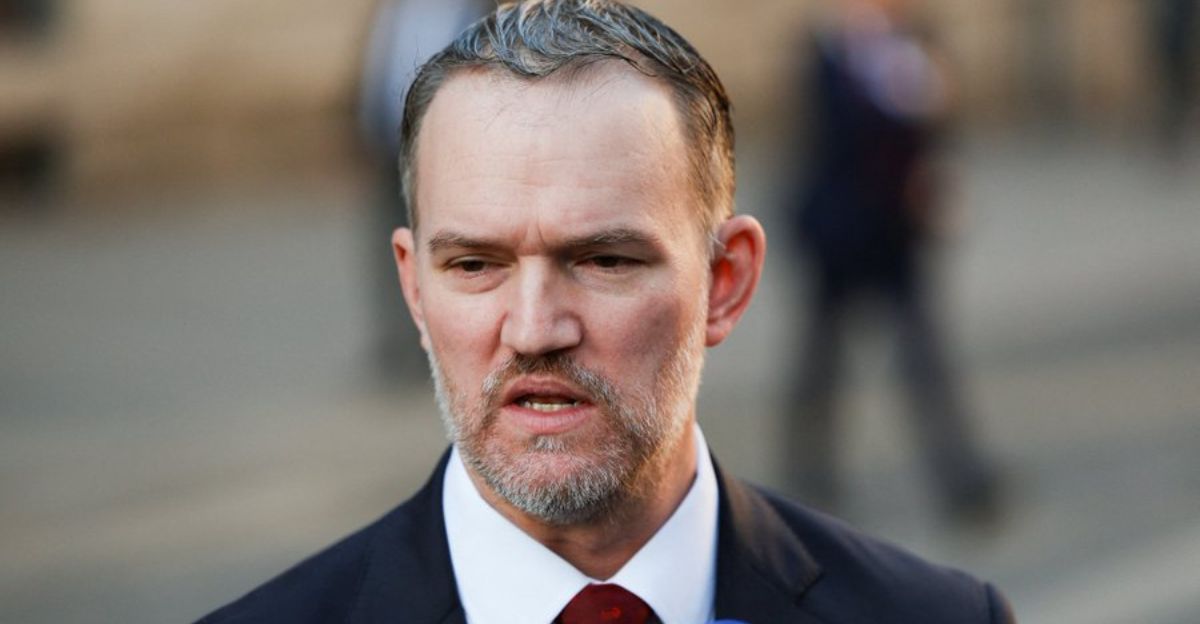
The bankruptcy’s human toll was immediate. CEO Patrick James resigned on the day of the filing, leaving 6,000 U.S. employees facing an uncertain future. At the initial bankruptcy hearing, 750 lawyers representing vendors, employees, and creditors gathered to demand answers about the missing funds and the company’s future. The charged atmosphere reflected the frustration and anxiety gripping those directly affected.
Competitors and creditors, including Raistone Capital with $670 million in outstanding debt, began reevaluating their risk exposure. Major banks involved in First Brands’ loans initiated rigorous portfolio reviews, signaling a broader reassessment of lending practices in the sector. International suppliers and partners across Europe, Asia, and Latin America braced for potential disruptions, underscoring the global reach of the crisis.
Leadership Transition and Recovery Efforts
In response to mounting uncertainty, restructuring specialist Charles M. Moore was appointed as the new CEO. Moore’s mandate is to stabilize operations and pursue a value-maximizing transaction, which could involve a sale or recapitalization. Observers are watching closely, as the success of this leadership transition may shape not only First Brands’ future but also the broader auto parts market.
To maintain operations during bankruptcy, First Brands secured $1.1 billion in debtor-in-possession financing. This lifeline allows the company to fulfill orders and develop a more sustainable business strategy. Despite the turmoil, First Brands’ global footprint and diverse brand portfolio remain valuable assets, and its comeback attempt will be closely monitored by industry stakeholders.
Looking Forward: Lessons and Implications
The collapse of First Brands Group serves as a cautionary tale for the automotive sector and beyond. It exposes the risks inherent in complex financial structures and the growing reliance on private credit. As regulators and investors push for stricter controls, companies are likely to shift toward more traditional and transparent lending options, reshaping investment dynamics in the industry.
The global reverberations of First Brands’ bankruptcy highlight the interconnectedness of modern supply chains and financial markets. As stakeholders absorb the lessons of this crisis, the focus will be on cultivating greater accountability, transparency, and resilience. The outcome of ongoing investigations and restructuring efforts will set a precedent for how the industry navigates future challenges, with implications for financial stability and market confidence worldwide.