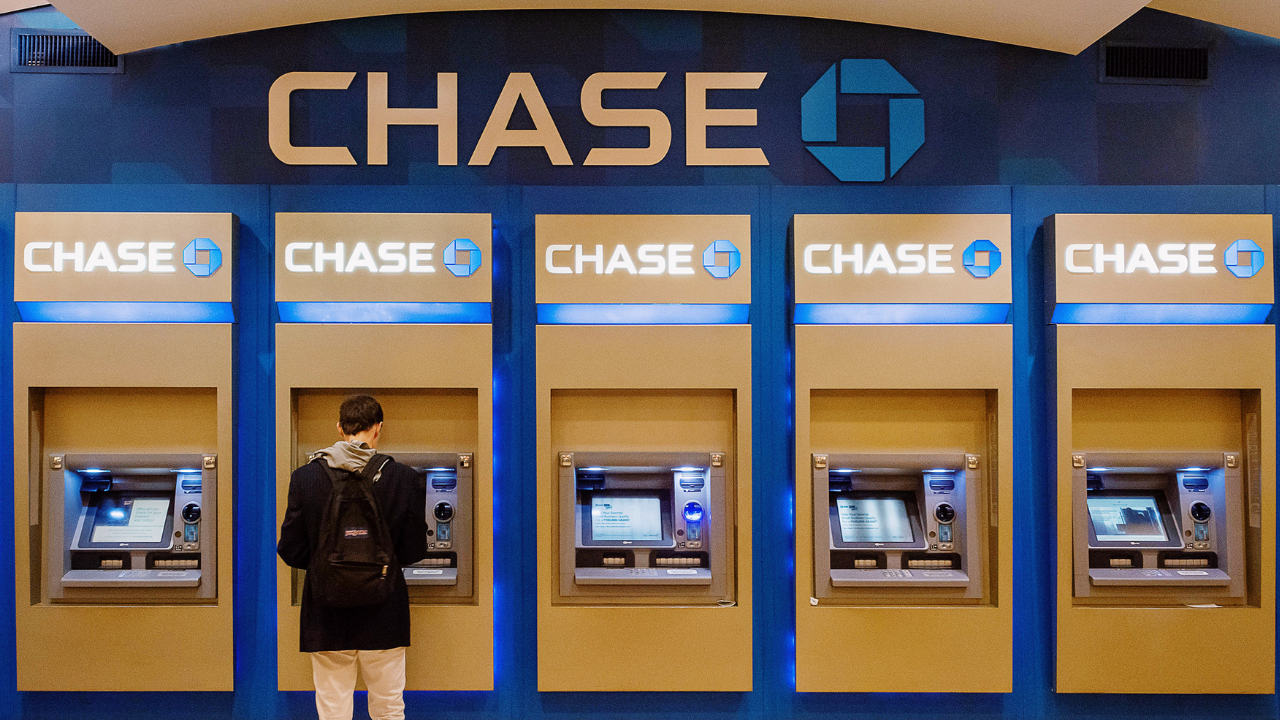
Bank branches across America are disappearing faster than ever in 2025, signaling a seismic shift in how we handle our money. Major players like JPMorgan Chase are leading the charge, closing dozens of locations amid a rush to digital alternatives that have captured the majority of customers.
As familiar lobbies lock their doors, neighborhoods from coast to coast grapple with what comes next, longer drives, app overload, or something entirely new? This trend raises tough questions about convenience, access, and who gets left behind in the race to go screen-first.
Banks Shutting Down Everywhere

JPMorgan Chase is at the forefront of a sweeping U.S. bank branch closure wave in 2025, permanently shutting 66 locations between August 31 and November 29 and powering a national total of 311 disappearances in that intense 90-day stretch. Projections from S&P Global point to 1,400 full-year closures, a 34% leap from 2024’s 1,043, pressuring lenders to balance profits with public needs.
While verified data bolsters the core narrative, the broader fallout prompts urgent questions: Can enhanced apps and selective reopenings bridge the gaps, or will Main Street lose its financial heartbeat forever? Communities rally for equity as the industry hurtles toward a hybrid horizon.
311 Branches Gone in 90 Days
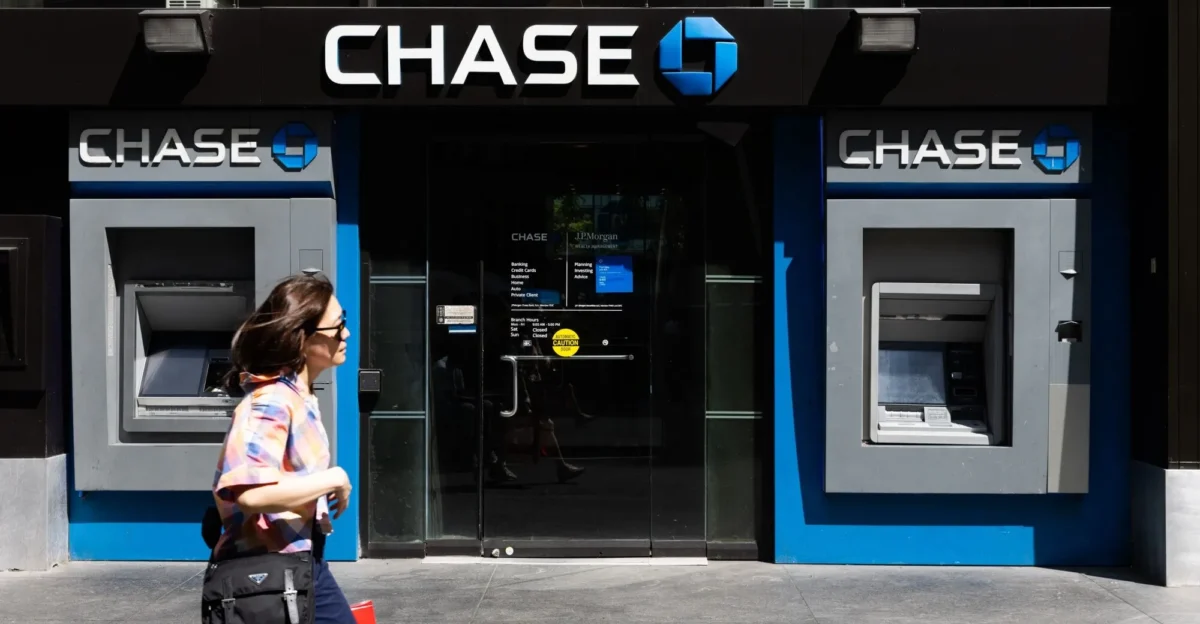
From August 31 to November 29, 2025, exactly 311 bank branches vanished across the U.S., outstripping previous quarters and marking a sharp escalation in the digital pivot, as documented by FDIC data. Florida and California topped the list with 28 closures each, followed by New York at 18 and Texas at 17, exposing vulnerabilities in high-population hubs where foot traffic has plummeted amid the mobile banking surge.
While 54% of customers now favor apps as their primary channel, a stubborn 9% cling to branches for trust and complexity, per the American Bankers Association’s 2025 survey, yet these sites are closing fastest. Banks justify the cull through cost savings and tech efficiency, but communities question the pace. Will selective reopenings or hybrid models fill the voids left by this 90-day wipeout?
Mobile Apps Take Over Banking

The COVID-19 pandemic ignited a lasting revolution in U.S. banking, propelling mobile apps to the forefront by 2025. This seismic shift stems from seamless features like instant deposits, bill payments, and real-time alerts, all accessible 24/7 without lines or travel, pressuring brick-and-mortar networks already strained by soaring rents and dwindling in-person traffic.
As 83% of Americans still visit branches annually for nuanced needs like mortgages or fraud disputes, a hybrid reality where apps dominate routines but can’t fully supplant human interaction will always be there. Banks accelerate app upgrades to bridge divides, but the relentless march toward screens reshapes daily finance, blending innovation with nostalgia in an industry on the brink of reinvention.
Closures Jump 34% This Year

Bank branch shutdowns across the U.S. have surged dramatically, climbing from 1,043 closures in 2024 to a projected 1,400 in 2025. The first quarter alone logged 148 net closures, accelerating a trend where high rents, maintenance, and staffing eat into profits amid plummeting foot traffic from app-dependent customers.
Big banks are consolidating aggressively, shuttering underused sites while selectively opening a handful in high-demand urban cores to maintain some presence without the sprawl. This isn’t mere trimming, it’s a strategic retreat, leaving suburbs and smaller cities with sparse options.
Chase Closes Most Branches

America’s banking landscape is undergoing a profound transformation in 2025, as major institutions like JPMorgan Chase close dozens of branches to chase cost savings and embrace digital dominance. This retreat from physical spaces stems from years of rising real estate expenses, staffing shortages, and a customer base increasingly glued to smartphones for everything from check deposits to loan applications.
Regulators monitor the changes closely, ensuring no banking deserts emerge in underserved regions, while industry leaders tout streamlined operations as key to competitiveness. The shift echoes broader retail trends, where e-commerce has gutted strip malls nationwide.
Top States Lose Big
Florida and California lead the pack with 28 branch closures each during the late 2025 90-day wave, trailed by New York, Texas, Pennsylvania, and Massachusetts, patterns drawn from FDIC tracking that expose how densely populated powerhouses weather the storm.
These cuts ripple outward as shop owners in Orlando delay vendor payments without quick cash access, and Houston commuters burn extra gas circling for open doors.
Seniors Hit Hardest
Seniors over 65 shoulder the brunt of 2025’s branch closures, with many in this group distrusting digital platforms due to unfamiliar interfaces, scam fears, and shaky internet in retirement communities, patterns flagged in Bancography’s December analysis.
Limited mobility compounds the crisis because without family nearby, complex tasks like estate planning or fraud disputes demand human explainers, not chatbots. Community centers report spikes in tech panic calls, while AARP lobbies for mandated branch minimums in senior-dense ZIP codes.
Rivals Close Dozens Too
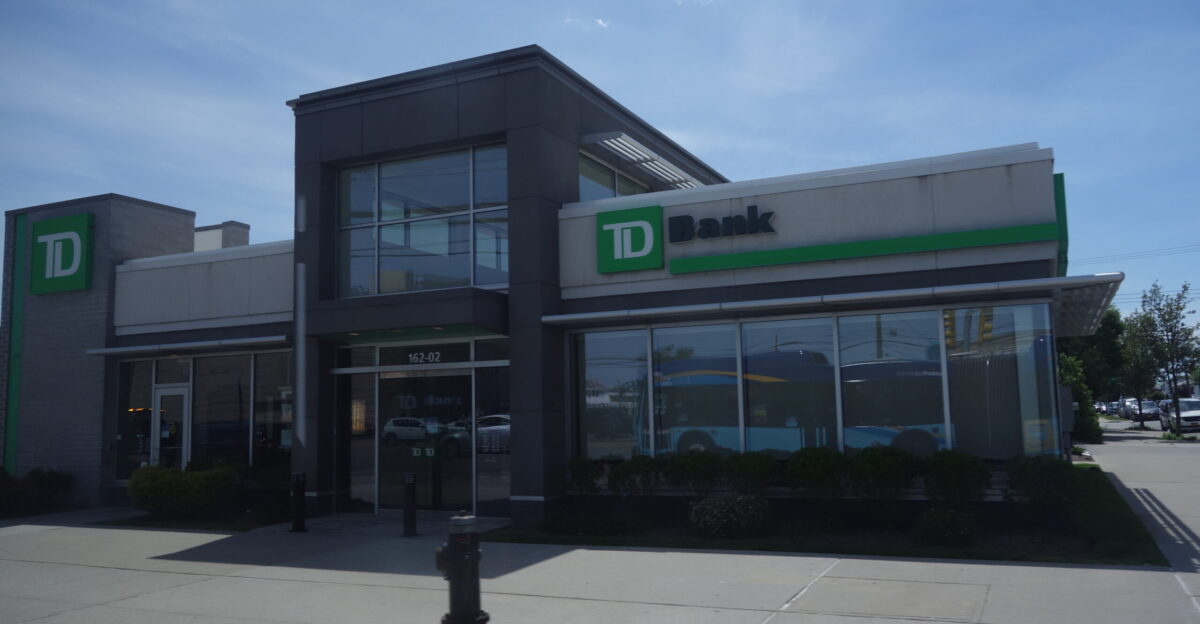
TD Bank slashed 51 branches, Citizens Bank 18, and Bank of America 15 during the same late 2025 frenzy, piling onto the national tally of 311 shutdowns and mirroring JPMorgan Chase’s digital overhaul without sparking major regulatory alarms. These mid-tier giants, once branch-heavy in the Northeast and Sun Belt, now redirect budgets to cloud-based platforms that process millions of transactions daily, outpacing legacy tellers in speed and scale.
Trade groups like the ABA nod approval, citing seamless transitions, yet local merchants gripe over lost cash-handling hubs that greased small-business wheels. This chorus of closures cements a new competitive edge, that banks with slickest apps hoard loyalty, while laggards risk obsolescence.
54% Go Mobile First
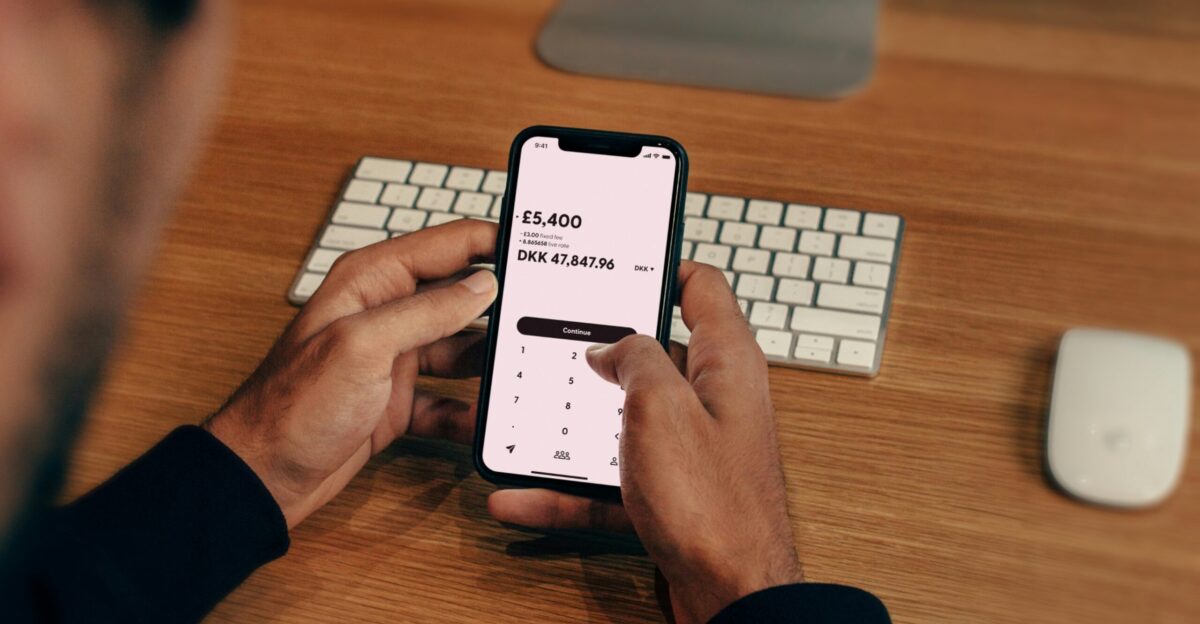
By 2025, a clear majority of Americans have crowned mobile apps as their top banking choice, with 22% opting for PC online portals and a shrinking 9% holding firm to physical branches. This breakdown spotlights everyday wins as young professionals zap rent payments from coffee shops, parents track allowances via dashboards, and travelers dodge fees with borderless transfers, all without a single lobby line.
Yet the full story reveals nuance as 83% still swing by branches yearly for heavy lifts like home equity lines or inheritance paperwork, craving that reassuring nod from a flesh-and-blood advisor. Rural holdouts and tech-hesitant households cluster in the 9%, widening urban-rural rifts as spotty signals hobble app reliability.
1,000+ Jobs in Jeopardy

The projected branch closures in 2025 threaten 1,000 to 1,600 frontline jobs, primarily tellers and managers in high-cut states like Florida and California, where automation quietly usurps routine duties like balance checks and cash counts.
Retraining initiatives promise cybersecurity certs or call-center shifts, but enrollment lags as older workers eye early retirement over Zoom classes. Jobs aren’t vanishing, they’re morphing, but the transition stings for those manning the counters.
Customers Push Back
Frustration boils over as customers, led by seniors and small business owners, against 2025’s branch closures, decrying drives stretching 20-30 miles to the nearest teller in rural stretches from Pennsylvania farmlands to Texas plains.
Online petitions garner thousands, pressuring lawmakers for branch equity laws mandating minimums in senior-heavy zones. Banks field complaint hotlines buzzing with tales of app glitches freezing mortgages mid-process, yet internal memos double down on digital mandates, framing resistance as temporary.
Leaders Defend Strategy

JPMorgan Chase CEO Jamie Dimon staunchly defends the bank’s closure strategy, as the firm eyes 116 targeted openings by mid-year despite shuttering 66 sites. Rivals like Bank of America nod along, unveiling next-gen branches with coffee bars and financial wellness pods to lure back the 83% who still crave occasional face-time.
Leadership frames it as evolution, not erosion, investing in elite outposts for complex deals while apps conquer the mundane.
Apps Get Smarter

JPMorgan Chase supercharges its mobile app in 2025 with cutting-edge upgrades like one-tap deposits via 15,000+ ATMs, AI-powered chatbots that predict spending leaks, and seamless bill splitting for group trips.
Free in-app tutorials target seniors with step-by-step videos and large-print modes, easing the leap from teller lines to touchscreens amid 311 recent closures. Partnerships with Walmart embed virtual branches in retail aisles, blending digital speed with familiar aisles for cash-heavy shoppers.
More Cuts Predicted

Graphs project thousands more doors padlocked, with mid-sized regionals hit hardest by merger frenzies and AI tellers handling 80% of queries flawlessly. Skeptics question if apps can replicate the rapport of a seasoned loan officer hashing out family legacies over coffee.
Regulators mull service continuity rules, eyeing fines for excessive deserts, while optimists bet on pop-up hubs in big-box stores. Uncertainty clouds the horizon, will market forces self-correct via credit union booms, or demand policy guardrails?
Hybrid Future Ahead

Imagine AR glasses scanning your face for instant loan pre-approvals at a coffee-shop kiosk, or drones delivering cash to remote farms, tech fuses with touchpoints where apps falter, like notary seals or elder wealth planning.
Credit unions and neobanks thrive in niches, offering community pods with live-stream advisors, while giants like Chase test “branch-in-a-box” vending machines for passports and wires. Vulnerable groups gain from subsidized Wi-Fi vans and voice-AI in multiple languages. This overlay vision isn’t fantasy; it’s pragmatism, where digital scale meets human anchors for 83% who still need face-time yearly .
Sources:
The U.S. Sun (December 2025) – Covers JPMorgan Chase leading 311 branch closures from August to November 2025.
FDIC data (2025) – Tracks nationwide branch shutdowns, including state breakdowns like Florida and California at 28 each.
American Bankers Association survey (2025) – Reports 54% of customers use mobile apps primarily, up from branches at 9%.
S&P Global (May 2025) – Details Q1 2025 net closures at 148, with projections up to 1,400 for the year