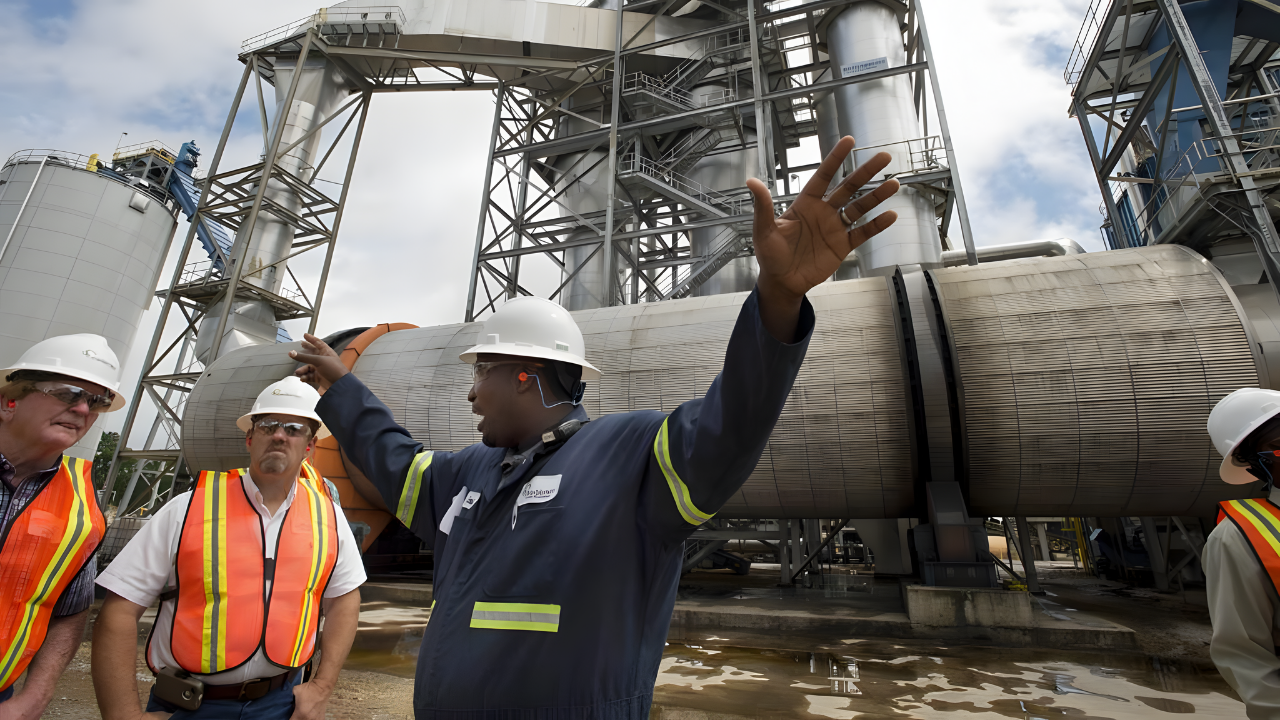
Westlake Corporation has officially announced a comprehensive restructuring plan aimed at optimizing its North American manufacturing footprint. On December 15, 2025, the company revealed it would permanently shutter three chlorovinyl production units and one styrene facility.
This decisive action addresses persistent profitability challenges in the global commodity chemicals market, signaling a major strategic shift for the Houston-based industrial giant.
Capacity Reduction Strategy
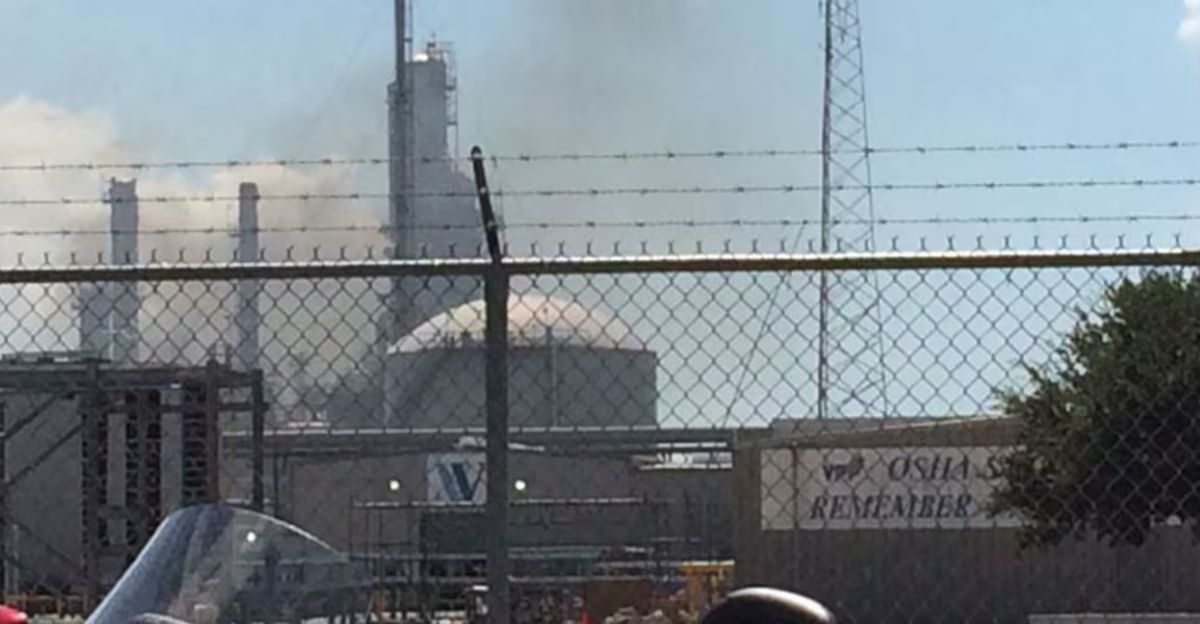
The closures represent a significant reduction in capacity, specifically targeting older assets that rely heavily on export markets. Management identified these facilities as structurally disadvantaged compared to newer, lower-cost international competitors.
By removing approximately 15 percent of its regional PVC capacity, Westlake aims to stem losses and refocus its resources on more profitable, domestic-centric opportunities that offer better long-term stability.
Mississippi Facility Closure

The largest facility affected is the suspension polyvinyl chloride (PVC) plant in Aberdeen, Mississippi. With an annual production capacity of one billion pounds, this site was a major contributor to Westlake’s volume but struggled with margin compression.
Its closure marks the end of an era for the local operation, as the company retreats from the fiercely competitive export trade.
VCM Production Cuts
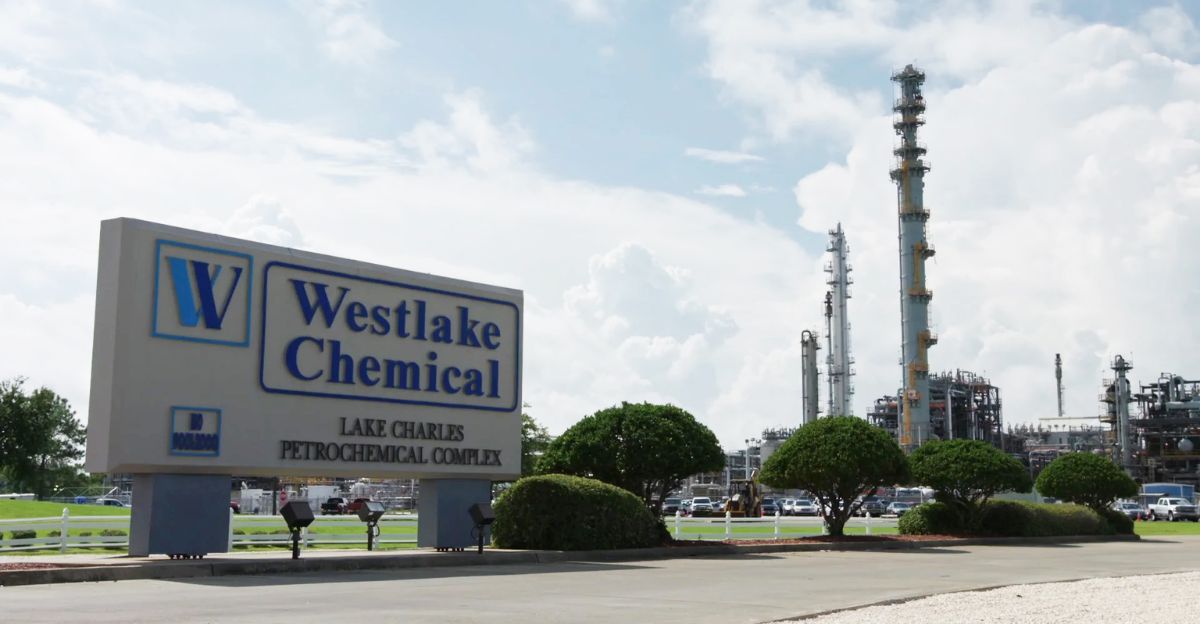
In Lake Charles, Louisiana, the restructuring cuts deep into the company’s vinyl chloride monomer (VCM) capabilities. The shutdown of the VCM plant removes roughly 910 million pounds of annual capacity from the market.
This reduction aligns with the broader strategy to balance upstream production with downstream demand, preventing the accumulation of excess inventory in a sluggish global economy.
Exiting Styrene Business
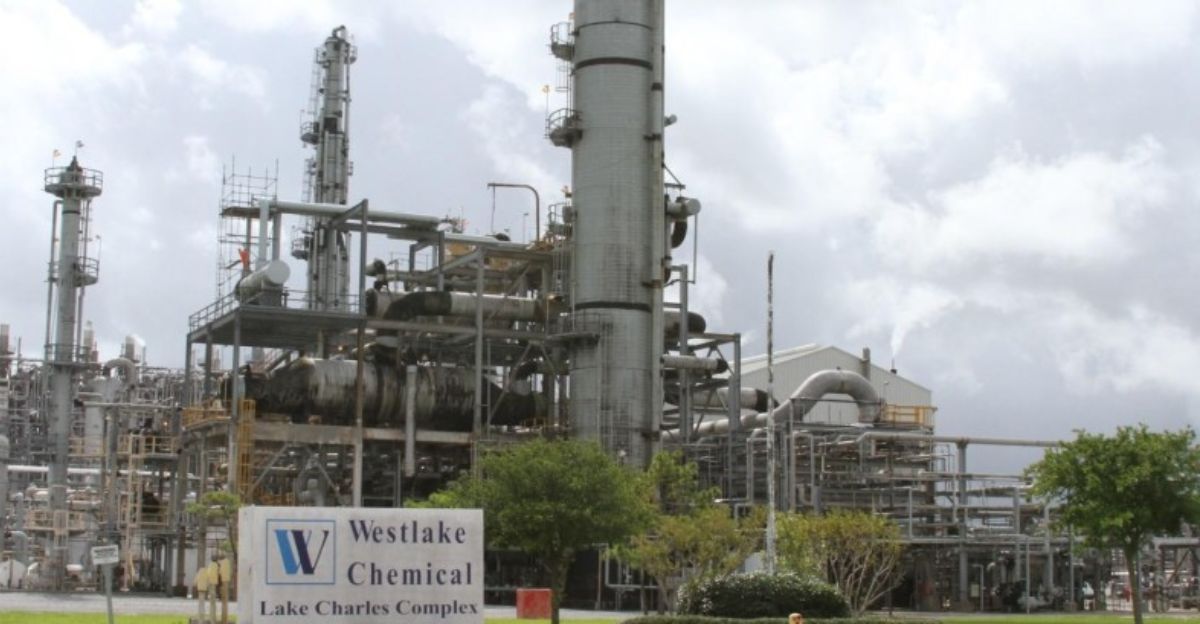
Westlake is also exiting the styrene business entirely at its Lake Charles complex. The closure of the styrene monomer unit, which produces 570 million pounds annually, eliminates a non-core asset that has faced severe profitability headwinds.
This move allows the company to divest from a volatile product line where it lacked the scale to compete effectively against global giants.
Technology Phase-Out
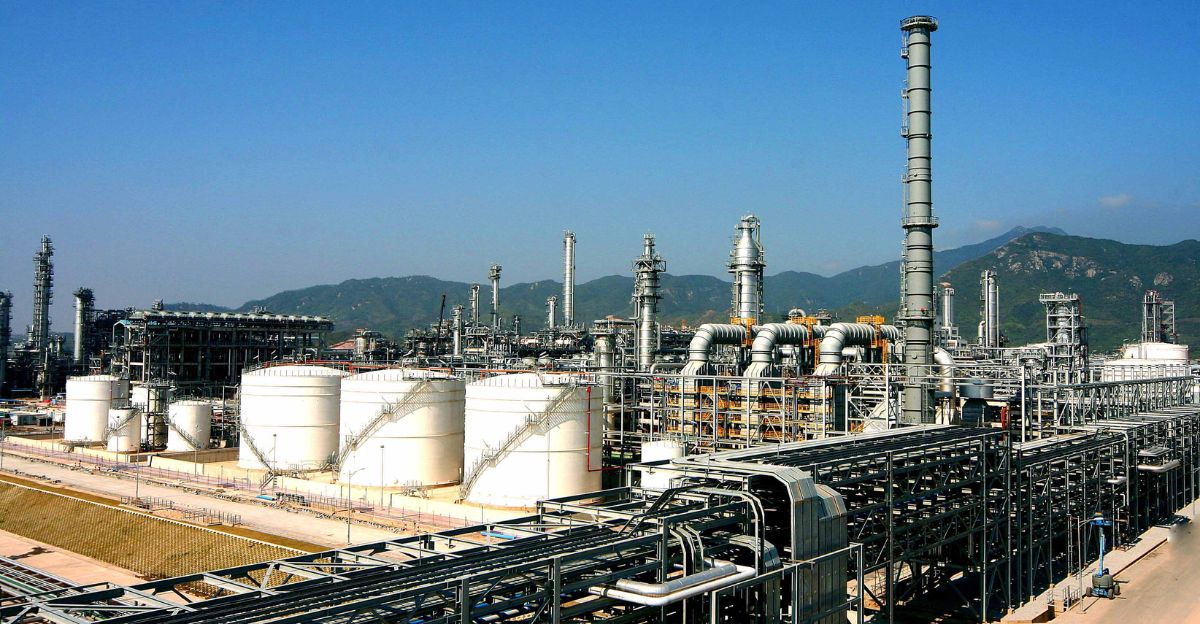
Environmental regulations played a key role in the decision to close the Lake Charles South chlor-alkali unit. This facility utilizes aging asbestos diaphragm technology, which is currently being phased out under new EPA rules.
Rather than investing hundreds of millions to convert the plant to modern membrane technology, Westlake chose to retire the asset to avoid burdensome capital expenditures.
Workforce Impact

The human impact of these closures is substantial, with approximately 295 employees set to lose their positions. Layoffs are scheduled to begin in late December 2025, affecting workers in both Mississippi and Louisiana.
Westlake has pledged to provide severance packages and transition assistance, acknowledging the dedication of its workforce while making the difficult choices necessary for corporate survival.
Financial Write-Downs

The financial scale of this restructuring is immense, with total pre-tax costs estimated at $415 million. The majority of this figure is comprised of non-cash charges, including asset write-offs and accelerated depreciation totaling $357 million.
These accounting measures reflect the permanent removal of these industrial assets from the company’s balance sheet, acknowledging their diminished future economic value.
Cash Costs

Despite the large headline figure, the immediate cash impact on the company is relatively contained. Westlake projects cash expenditures of approximately $58 million to cover employee severance and plant shutdown costs.
Most of these expenses will be recognized in the fourth quarter of 2025, allowing the company to start the new fiscal year with a cleaner financial slate.
Projecting Future Profitability

The primary driver behind these painful cuts is the promise of significant future profitability. Management estimates that the closures will generate $100 million in annual EBITDA improvements starting in 2026.
By eliminating the operating losses associated with these high-cost facilities, the company expects its remaining Performance & Essential Materials segment to deliver much stronger and more predictable margins.
Cash Flow Savings

Beyond earnings, the move is expected to dramatically improve the company’s cash flow profile. Westlake anticipates annual free cash flow savings of approximately $175 million once the closures are complete.
This unlocked capital will be crucial for maintaining the company’s investment-grade credit rating and funding shareholder returns through dividends, providing a silver lining for investors.
Global Overcapacity Issues
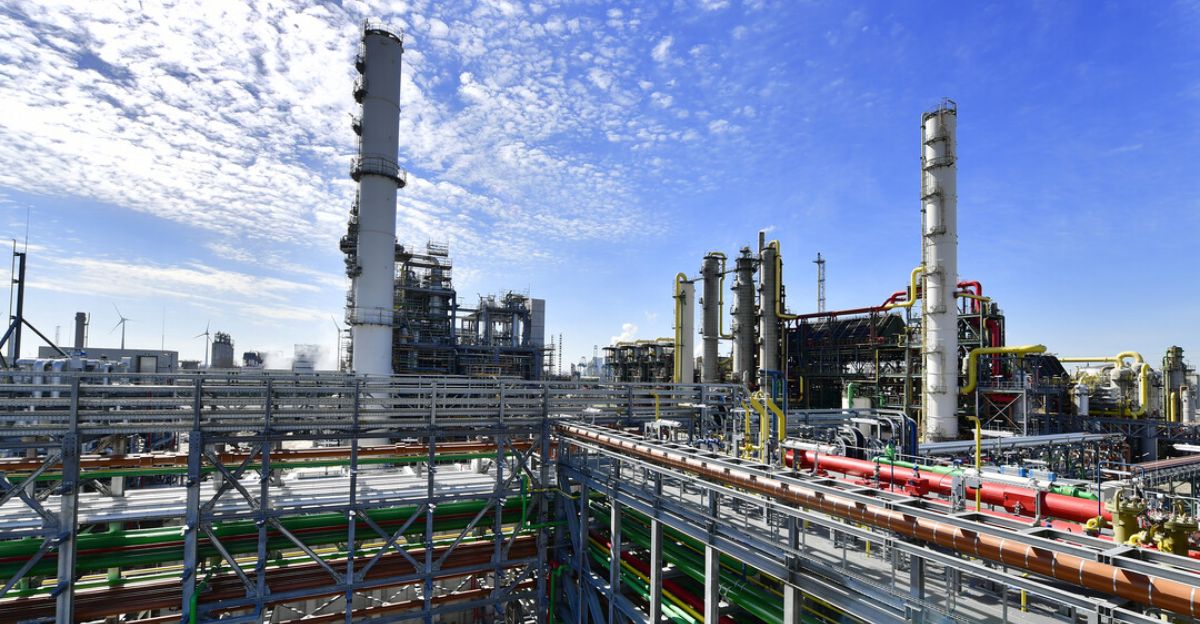
These decisions are occurring against a backdrop of severe global overcapacity in the chemical sector. A surge in production from new facilities in China has flooded international markets, driving prices down to unsustainable levels.
This supply glut has made it nearly impossible for older U.S. plants to export profitably, forcing a necessary rationalization of domestic capacity.
Weak Market Demand

Weakness in the global construction and housing markets has further exacerbated the industry’s woes. High interest rates have dampened demand for PVC pipes, siding, and other building materials, leaving producers with excess supply.
Westlake’s capacity reduction is a direct response to this softer demand environment, ensuring that its production levels are better aligned with current consumption realities.
Leadership Strategy

CEO Jean-Marc Gilson has championed this restructuring as a vital component of his broader turnaround strategy. Since taking leadership in 2024, Gilson has focused on improving reliability and cutting costs to navigate the industry downturn.
He emphasized that these facility closures, while difficult, were essential to protect the long-term health of the wider organization.
Domestic Focus
Looking ahead, Westlake remains well-positioned to serve its core North American customers. The company will continue operating seven other chlorovinyl facilities in the region, which benefit from low-cost natural gas feedstocks.
By concentrating on this domestic advantage and shedding its weakest assets, Westlake aims to emerge from this downturn as a leaner, more profitable competitor.
Sources:
“Westlake to Rationalize Certain North American Chlorovinyl and Styrene Assets.” Westlake Corporation / Business Wire, 15 Dec 2025.
“Westlake : Performance & Essential Materials Update.” MarketScreener, 15 Dec 2025.
“Form 8-K: Current Report.” U.S. Securities and Exchange Commission, 15 Dec 2025.