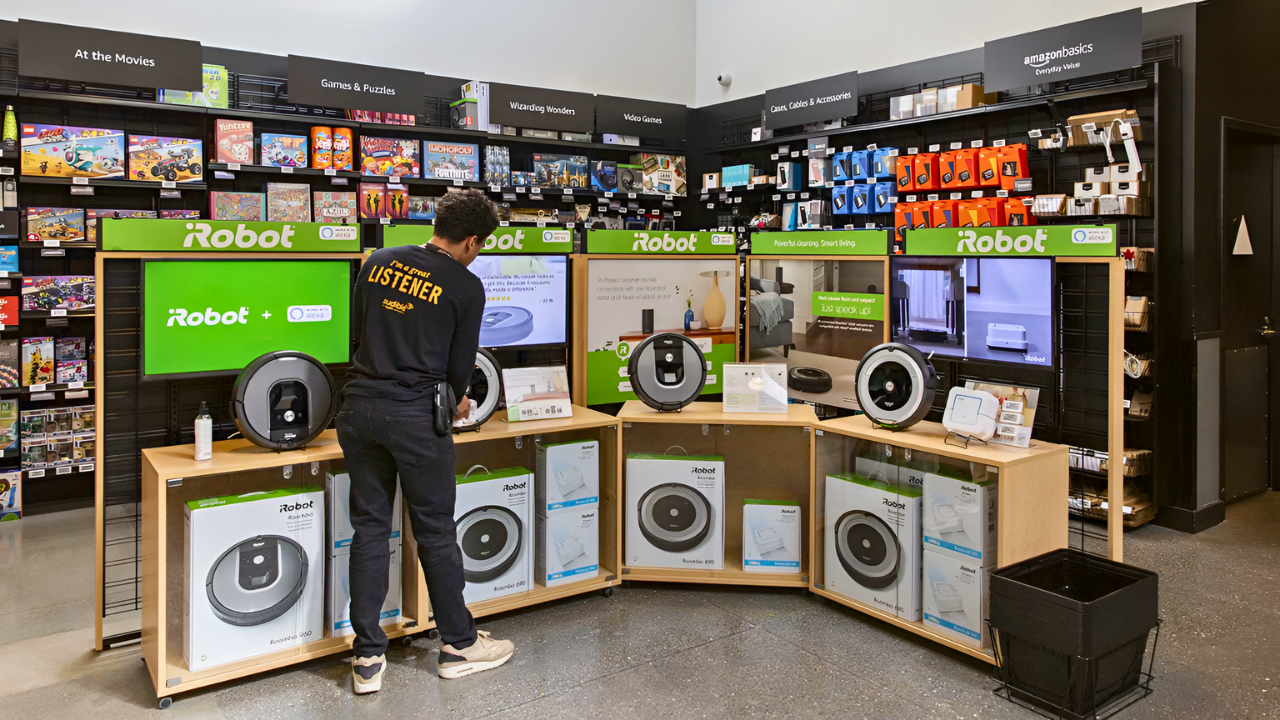
iRobot, the company behind the popular Roomba vacuum cleaner, filed for bankruptcy on December 15, 2025, in a U.S. court. This move hands control to a Chinese supplier after years of financial struggles. The filing signals a major shift for the once-dominant robotics firm.
Sharp Financial Drop
U.S. tariffs played a key role in the decline. A 46% duty on imports from Vietnam, where most Roombas for the U.S. market are made, added $23 million to costs in 2025 alone. These tariffs, tied to trade policies from 2018 and expanded under President Trump, equaled about 16% of iRobot’s reduced market cap. “US import duties of 46% on goods from Vietnam, where most of iRobot’s devices for the American market are made, increased its costs by $23m (£17.2m) this year,” BBC reported.
Tough competition worsened the situation. Chinese rivals offered cheaper vacuums with faster upgrades like LiDAR navigation. iRobot tried price cuts and layoffs, but losses kept growing amid supply chain issues.
Origins of a Robotics Leader
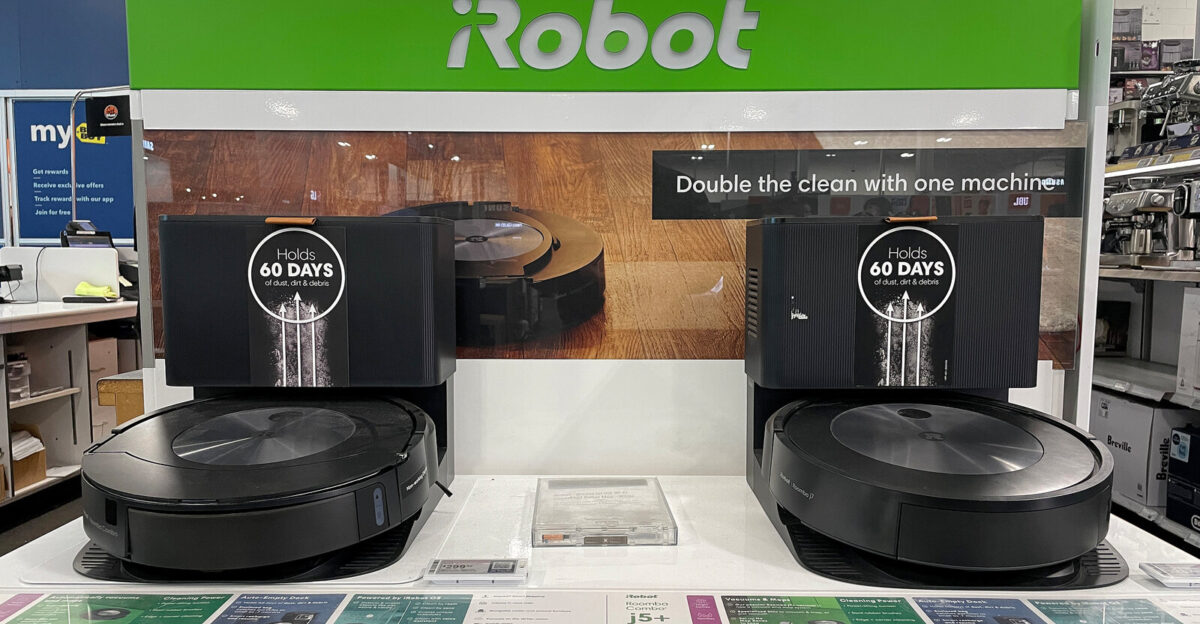
iRobot started in 1990 when three MIT researchers left their AI lab work on military robots. They aimed to build helpful home devices instead. The Roomba debuted in 2002, creating the market for robot vacuums and making the brand a household name.
For two decades, iRobot led smart home cleaning tech. Its vacuums became symbols of convenience and innovation. Customers trusted the reliable design that handled floors without human effort. Yet the company lagged on key tech advances. Rivals adopted LiDAR sensors quicker for better mapping and navigation. This delay let competitors gain ground in a fast-changing field.
Pressures from Trade and Rivals
Vietnam factories supplied most U.S.-bound Roombas, exposing iRobot to trade tensions. U.S.-China conflicts spared Chinese makers, who flooded markets with low-cost options. iRobot faced rising bills while cutting prices to compete.
Supply disruptions and global competition added strain. Workforce cuts and factory shifts failed to stop the cash drain. Tariffs upended production plans, turning overseas reliance into a heavy burden. The failed Amazon deal hurt too. In August 2022, Amazon agreed to buy iRobot for $1.7 billion at $61 per share. European regulators blocked it on January 29, 2024, over antitrust worries, leaving iRobot without a lifeline.
Path Forward Under New Ownership
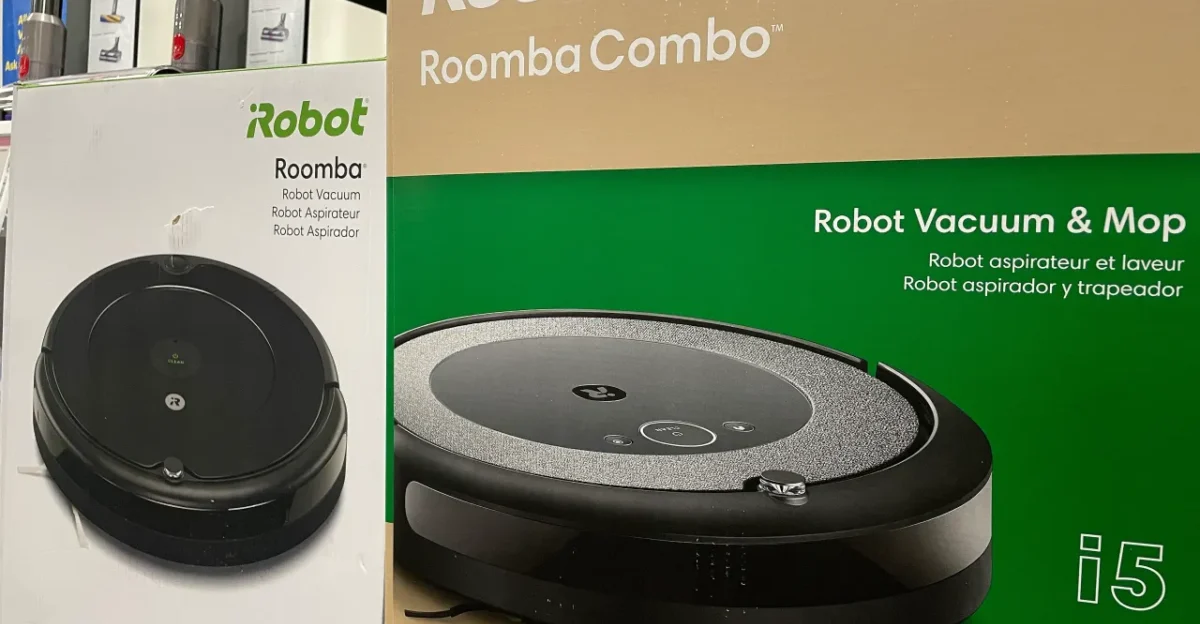
The Chapter 11 filing is pre-arranged, letting Picea Robotics, a Shenzhen-based lender and former supplier, take full control. Picea, with 7,000 workers and over 20 million units made globally, knows iRobot’s operations well. Public trading ends as the firm goes private.
According to BBC, “It has more than 7,000 employees worldwide and has sold more than 20 million robotic vacuum cleaners.” U.S. teams in Bedford, Massachusetts, handle research, development, and service for now. 2026 model production continues without breaks. Customers can expect Roombas, apps, and warranties to work as usual during restructuring.
Debt relief should free funds for innovation against LiDAR rivals. Still, Chinese ownership raises privacy flags over mapping data from millions of U.S. homes. No issues have surfaced, but experts watch smart device security closely. This case highlights tech trade risks. Tariffs meant to shield U.S. firms boosted foreign players instead. iRobot’s fate tests American jobs, innovation, and trust as Picea seeks to revive the Roomba brand.
Sources:
Quartz — “Roomba maker iRobot files for bankruptcy as tariffs drive up costs”
TechRadar — “‘This is good news for us’ – iRobot CEO on how the Picea takeover actually presents a business opportunity”
Silicon Republic — “Roomba maker iRobot goes bankrupt”
NPR — “Tariffs, competition put pressure on Roomba maker iRobot”