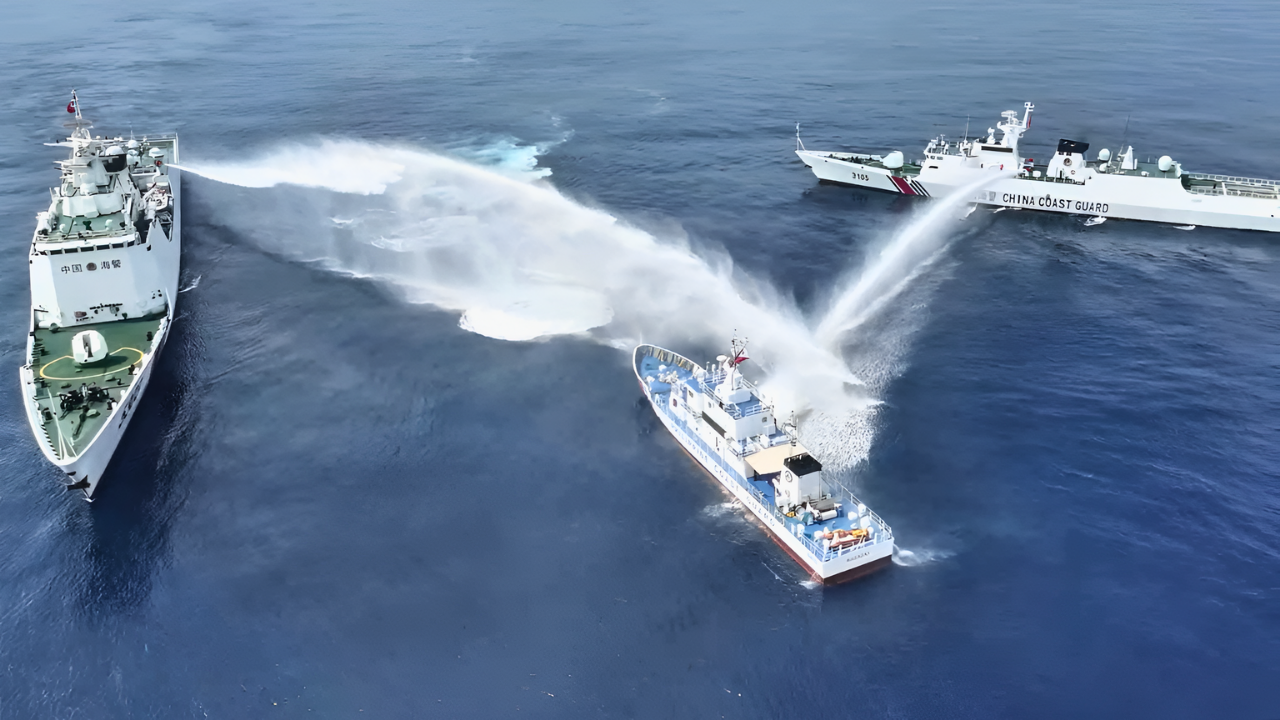
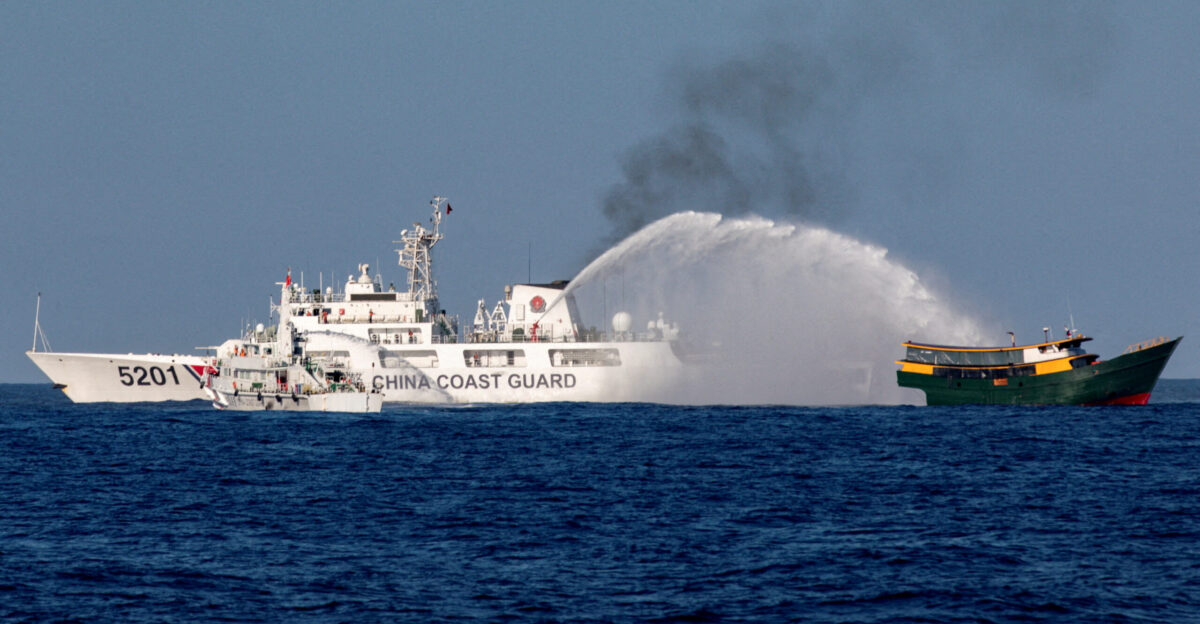
On December 12, 2025, about 20 small Philippine fishing boats headed out for a routine trip near Escoda Shoal, also known as Sabina Shoal. What started as a simple effort to earn a living quickly turned violent. Chinese Coast Guard ships and militia vessels fired high-pressure water cannons at the boats and used aggressive moves to block them. This clash happened deep inside the Philippines’ exclusive economic zone, where fishermen have the right to work.
Tensions between Manila and Beijing have grown steadily over years, turning everyday fishing into high-stakes risks. The incident shocked communities and drew global eyes to this flashpoint. As videos spread online, it highlighted how ordinary lives collide with big-power rivalries.
Old U.S.-Philippines Promise Tested
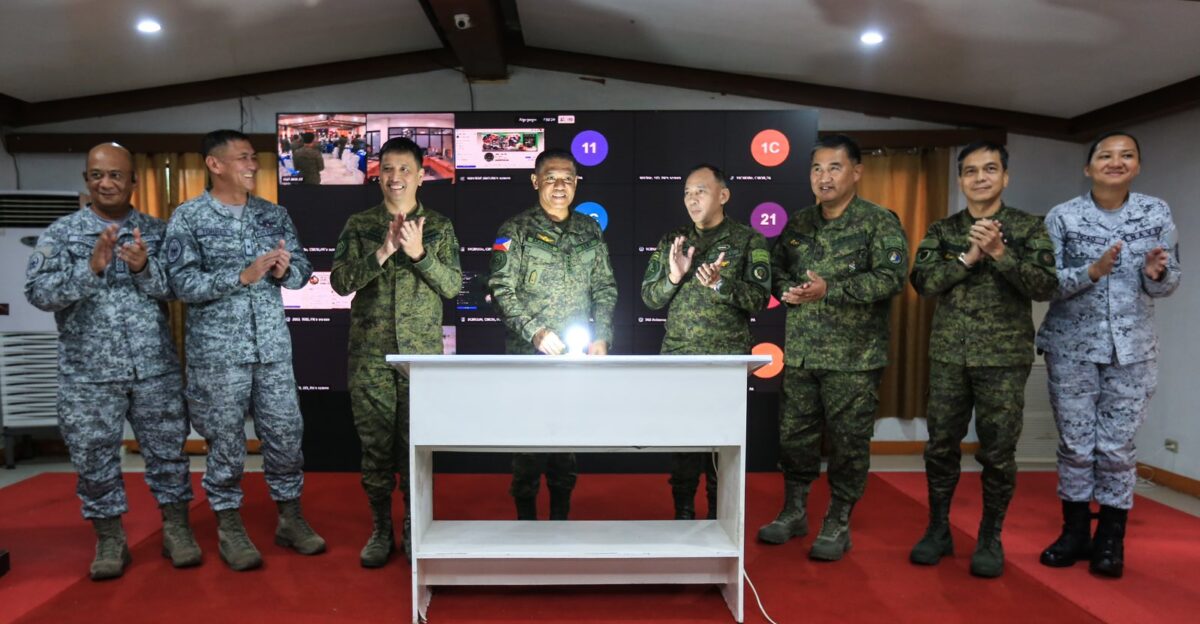
The clash pulled in the United States fast, thanks to a 1951 Mutual Defense Treaty with the Philippines. This pact promises help if Philippine forces or public vessels face armed attacks in the Pacific, including the South China Sea. Washington called China’s moves “dangerous” and vowed support, turning a local fishing dispute into a major alliance test.
Both Manila and Beijing watched closely to see if words match actions. U.S. State Department spokesperson Matthew Miller stated firmly, “The United States stands with the Philippines in the face of armed attacks.” Analysts say it boosts Manila’s confidence but raises stakes for everyone. The treaty covers Coast Guard ships too, making gray-zone tactics like water cannons a tricky line.
Hotspot in Disputed Waters
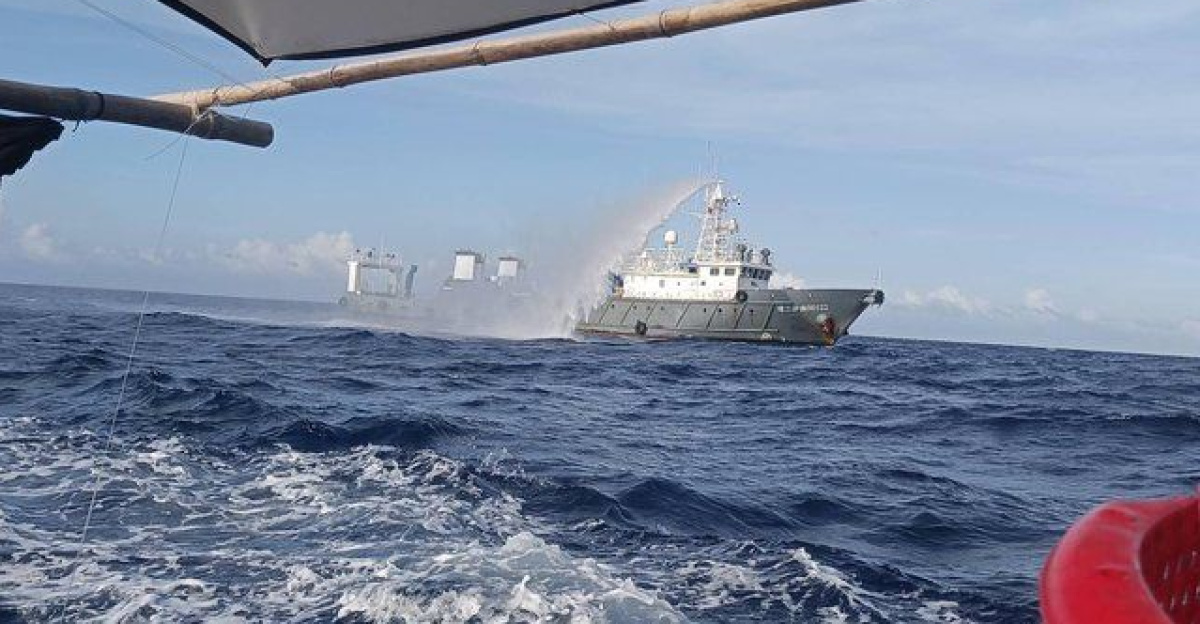
Escoda Shoal, or Sabina Shoal, sits about 150 kilometers west of Palawan in the West Philippine Sea. This spot falls squarely within the Philippines’ 200-nautical-mile exclusive economic zone, where they control fishing and resources. It’s part of the vast South China Sea puzzle, claimed by China, the Philippines, and others.
A 2016 Hague tribunal ruled against China’s “nine-dash line” claim of historic rights, calling it baseless under international law. Yet Beijing keeps pushing. The shoal offers rich fishing but sees constant vessel traffic from rival sides.
Rising Clashes Since 2022
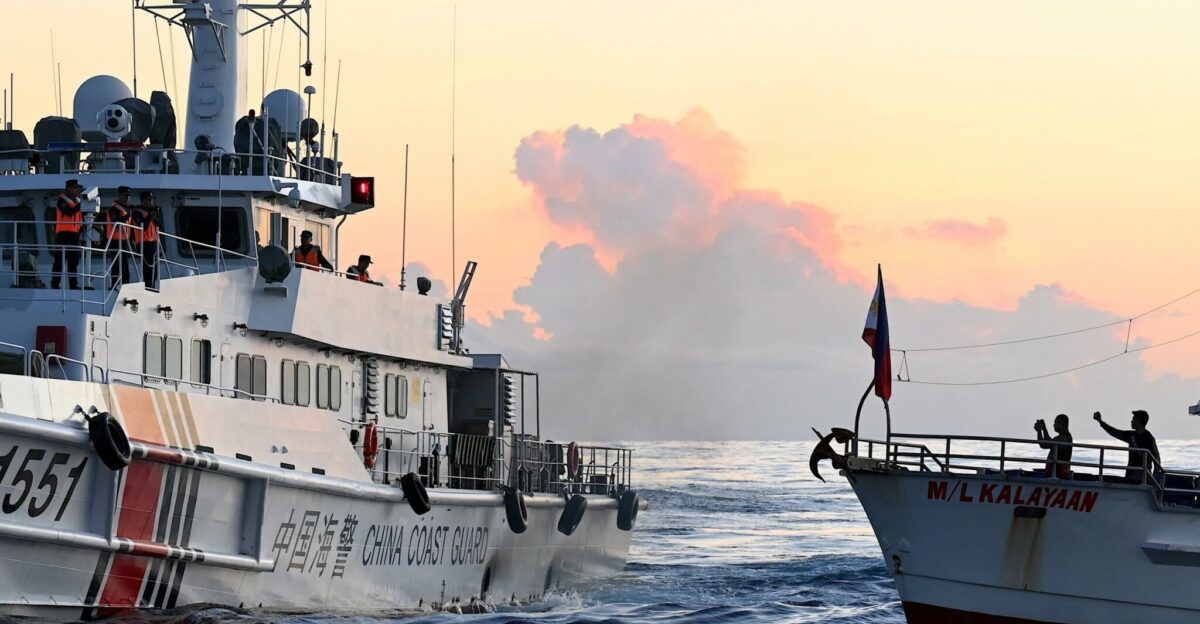
Confrontations between Chinese and Philippine vessels have spiked since late 2022, especially near Second Thomas Shoal and Scarborough Shoal. Analysts tie this to President Ferdinand Marcos Jr.’s firmer line and tighter defense ties with the U.S. Beijing responds with a big Coast Guard and militia fleet, using “gray zone” tricks which are aggressive but not quite war.
These tactics avoid full fights but build dangers step by step. Joint U.S.-Philippine drills have ramped up, matching Beijing’s shows of force. Fishermen bear the brunt, facing blockades and harassment. Each side digs in, with Manila resupplying outposts and China blocking paths.
Water Cannons Blast Fishermen
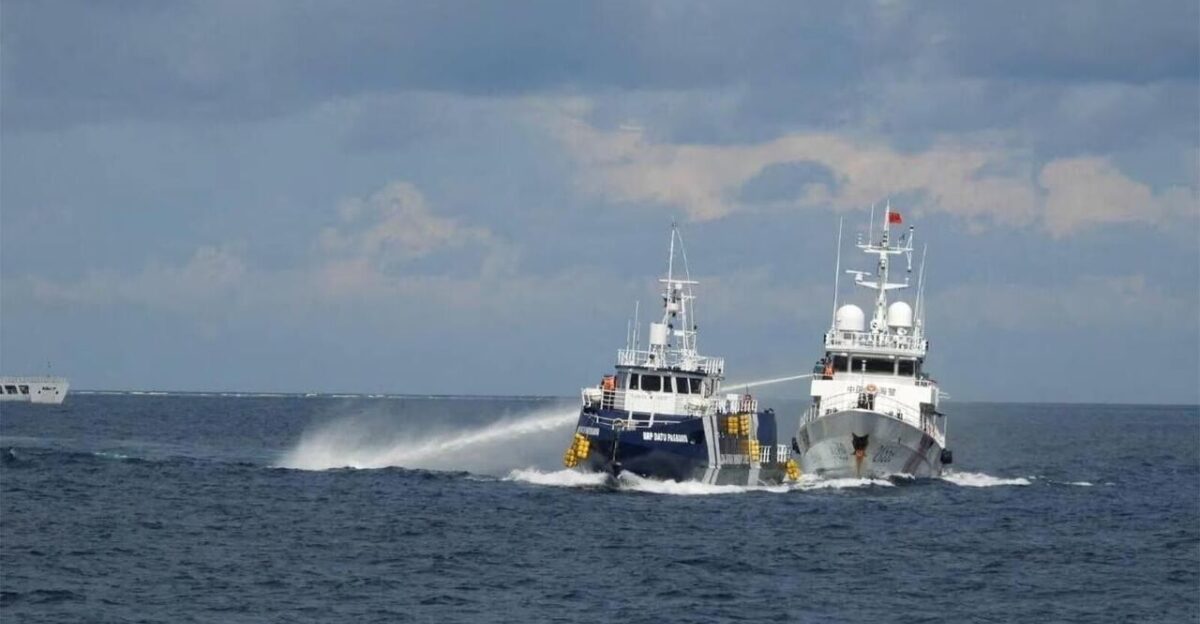
On December 12, 2025, Chinese Coast Guard ships 21559 and 21562, backed by militia boats, unleashed high-pressure water cannons on around 20 Filipino fishing vessels near Escoda Shoal. The Philippine Coast Guard reported three fishermen hurt with bruises and cuts from the powerful jets.
At least two wooden boats took heavy damage, their hulls cracked and useless. Smaller Chinese craft also cut anchor lines, leaving boats drifting in choppy waters. Videos showed torrents slamming decks, soaking crews. This wasn’t the first time, but the scale was much larger than before.
Inside Philippines’ Home Waters
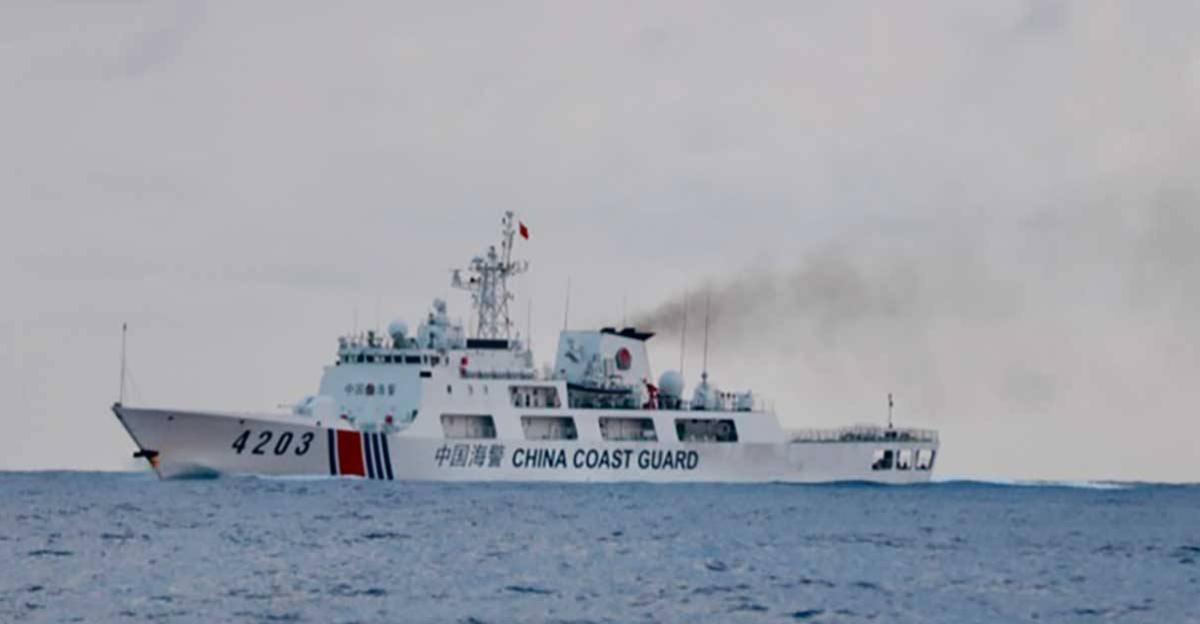
Philippine leaders stress the clash hit inside their exclusive economic zone in the West Philippine Sea, their name for South China Sea waters they claim. Sabina Shoal serves as a vital hub for fishing fleets and supply runs, making it both practical and symbolic.
China dubs it Xianbin Reef and says its Coast Guard just upheld local laws. Fishermen see these waters as their backyard, rich with tuna and sustenance but Beijing’s patrols aim to squeeze them out, testing resolve.
Fishermen Hurt and Boats Wrecked
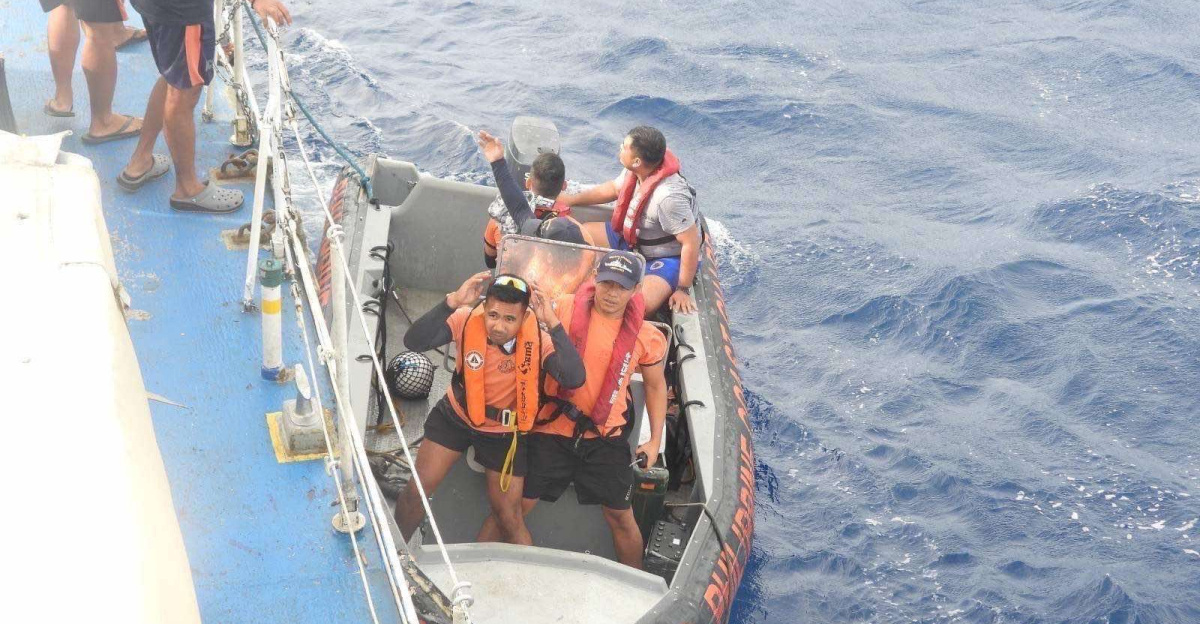
Three Filipino fishermen suffered bruises and gashes from the brutal water jets, the Philippine Coast Guard confirmed. Two wooden boats ended up severely damaged, their structures splintered and livelihoods shattered. Crews depend on these simple vessels for daily catches that feed families.
Injuries weren’t fatal, but they scared crews into caution. Communities now fear every trip but China downplays it as routine enforcement.
Rescue Amid Dangerous Blocks
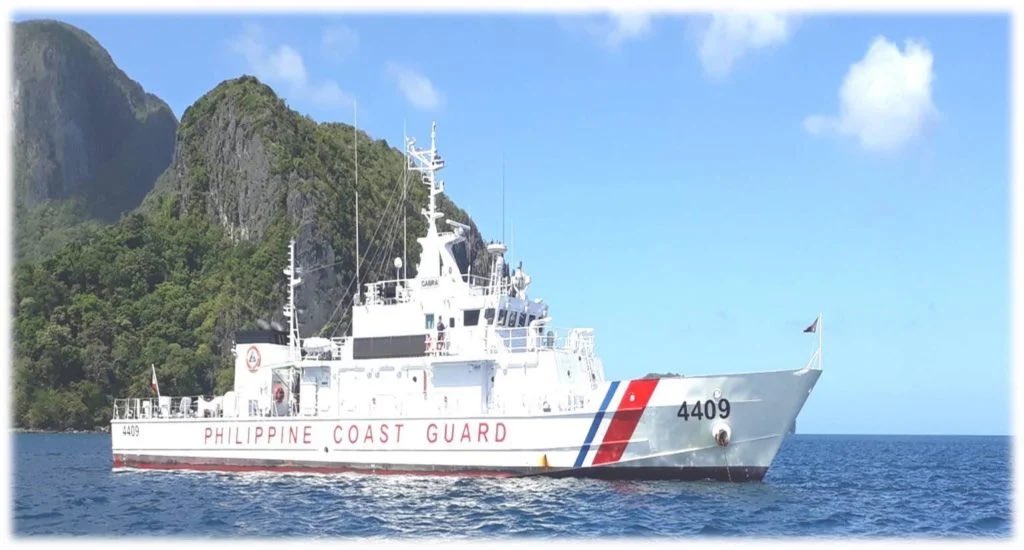
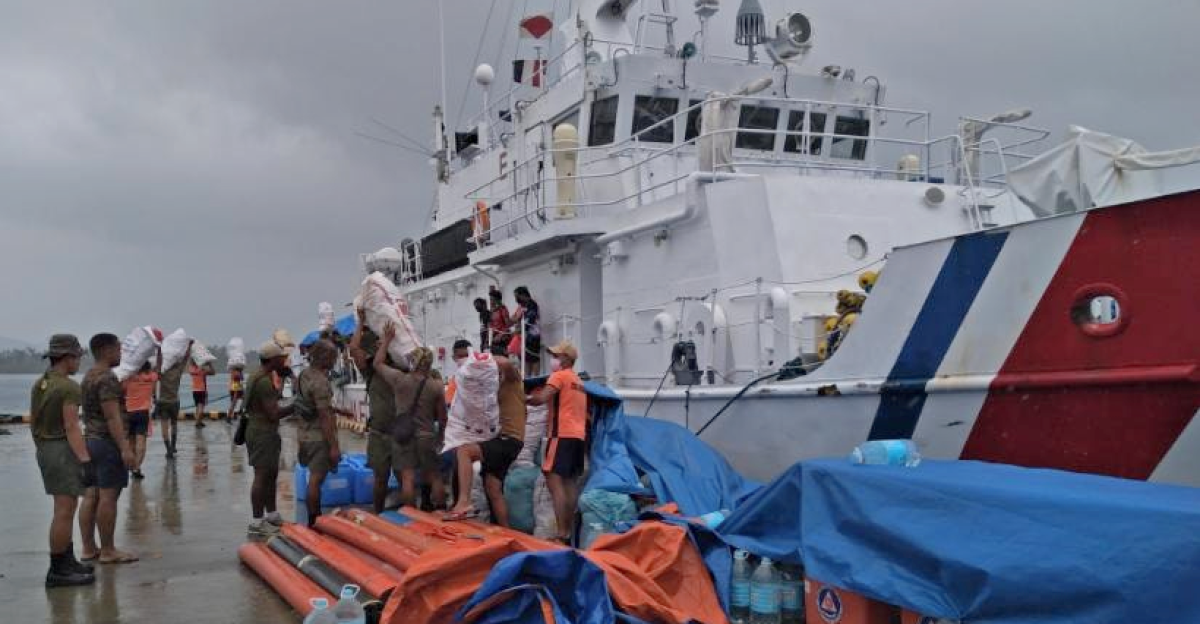
Philippine Coast Guard ships sprang into action after distress calls, sending multirole vessels MRV 4403 and MRV 4411 plus support ship MV Pamela to Evacuation Point Alpha near Escoda Shoal. Chinese ships then pulled risky blocking stunts, closing to just 35 yards of a Philippine vessel in the dark.
Finally, rescuers reached the flotilla, towing damaged boats to safety. The mission saved lives but highlighted gaps in muscle against bigger foes.
2016 Court Win for Philippines
A 2016 arbitral ruling under UNCLOS slammed China’s “nine-dash line” as having no legal basis. It placed features like Second Thomas Shoal in the Philippines’ exclusive economic zone, boosting Manila’s hand. The decision didn’t cover all military acts but condemned reef damage and blockades.
The U.S. often cites it to bash Beijing’s moves. Tribunal docs stress resource rights for coastal states but China rejected it outright. Water cannons skirt the edges of violations but still, power trumps paper at sea.
U.S. Vows Treaty Action
Two days after the clash, the U.S. State Department blasted China’s dangerous tactics and affirmed: “We stand with our Philippine allies.” It clarified that armed attacks on Philippine Coast Guard or public vessels in the South China Sea trigger the 1951 treaty’s Article IV.
Beijing shrugged it off but joint patrols may follow this recent incident to ensure this doesn’t happen again.
Battle Over the Story
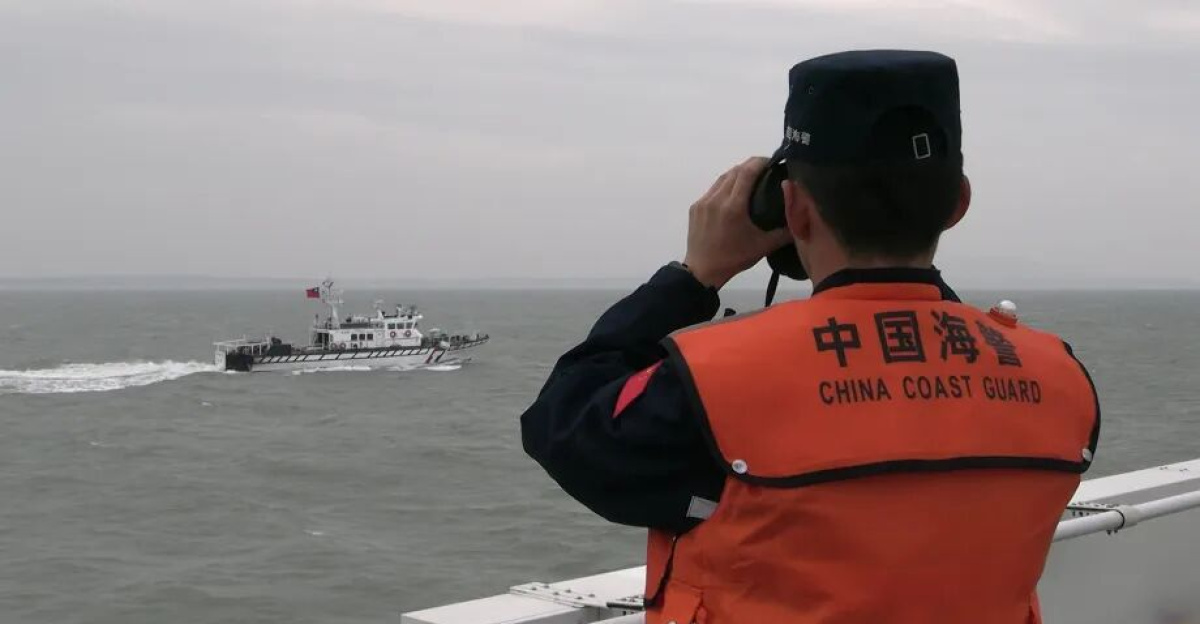
Manila frames the incident as China’s aggression endangering lives and breaking law. Beijing counters its Coast Guard used necessary measures against illegal Philippine boats. Both unleash videos and quotes to sway homes and abroad, blaming the other for South China Sea unrest.
Each clip shapes views, fueling outrage while the media amplifies divides. Observers call for de-escalation talks but these gray tactics thrive on doubt.
New Joint Force Launched
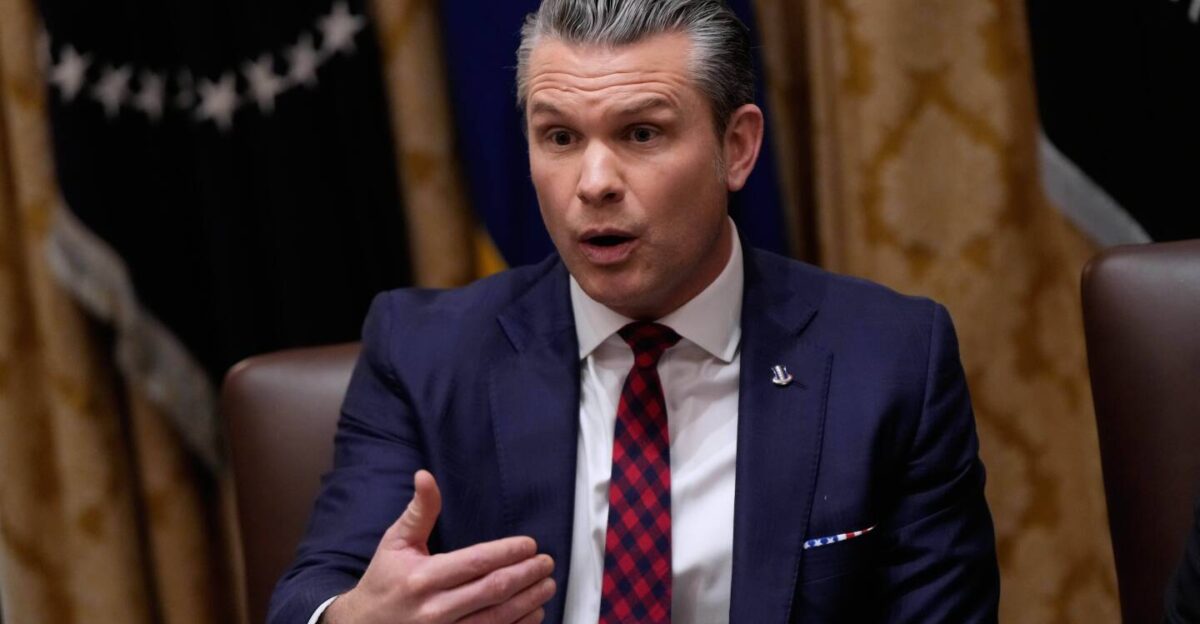
U.S. Defense Secretary Pete Hegseth and President Marcos hailed their ironcla” treaty tie. In late 2025, they unveiled Task Force Philippines, a Manila-based command to sync responses to Chinese acts in the South China Sea.
It builds on bigger Balikatan and Salaknib drills plus Enhanced Defense Cooperation access. Exercises simulate real threats while Manila gains edge without solo risks.
Quick Response to Stop Aggression
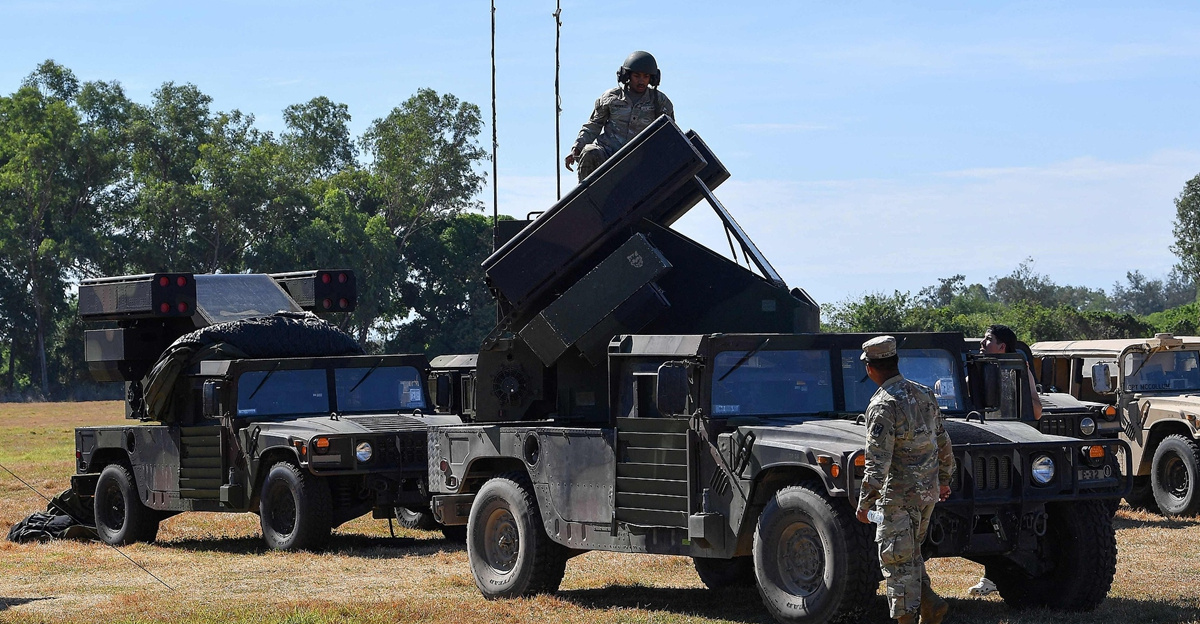
Task Force Philippines speeds decisions and reactions near disputed shoals by pooling U.S. and Philippine strengths. Experts say it may rebuild deterrence against China’s bullying over time. No permanent U.S. fighters are present in the area, but patrols ramp up.
Warnings on Escalation Trap
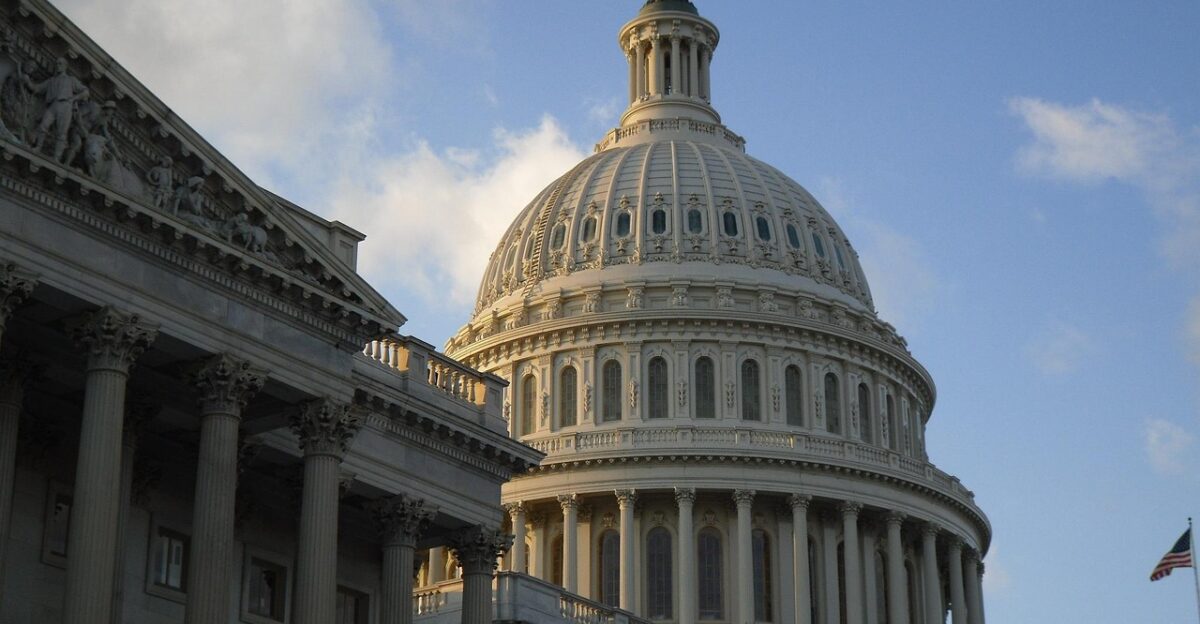
Experts caution over-relying on military pushback might lock in a dangerous cycle. A Quincy Institute report urges Washington to honor pledges but steer Manila from ultra-risky runs near Chinese-held spots.
It advises against moves Beijing sees as forceful status quo shifts, like U.S. basing forward. The 2024 study warns that “Escalation serves no one; restraint builds lasting peace.”
Next Hotspots Loom
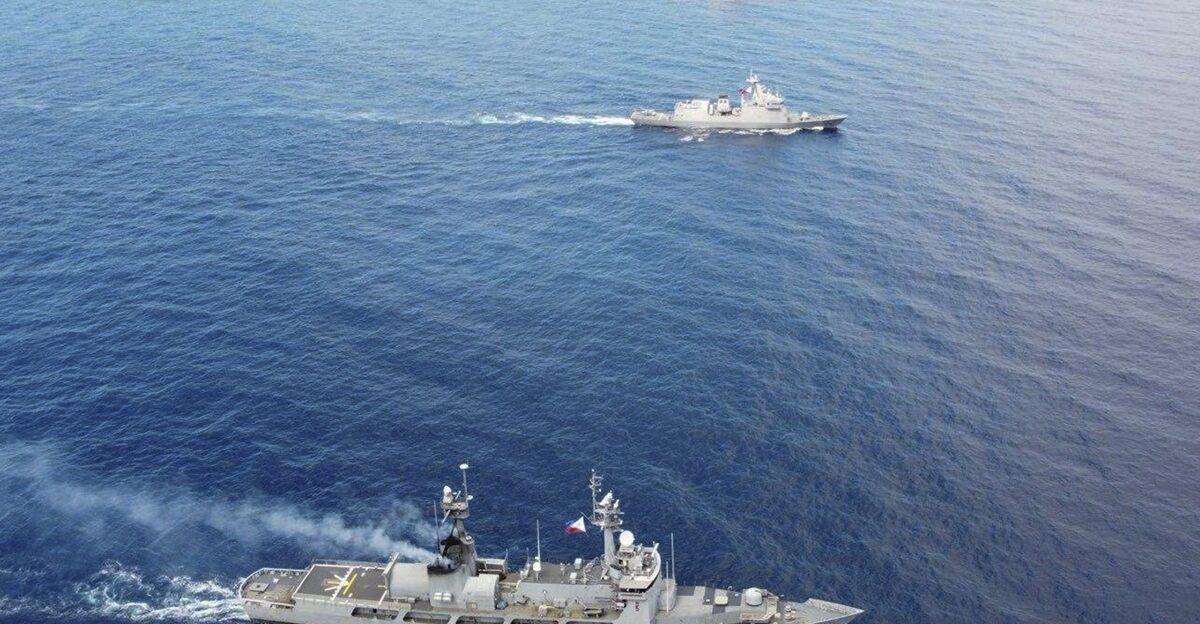
Chinese patrols swarm Scarborough, Second Thomas, and now Escoda shoals, blurring lines on what counts as armed attack under the U.S.-Philippines pact. December’s water cannons hurt civilians without crossing the line, but the world grows anxious.
SOURCES:
CNA – “Manila says water cannon from Chinese vessels injured 3 Filipino fishermen”
Philippine Coast Guard / Philstar – PCG statements on Escoda Shoal harassment
Reuters / Associated Press – Wire reports on Chinese water cannon use near Sabina Shoal
Quincy Institute – “Defending Without Provoking: The United States and the Philippines in the South China Sea”