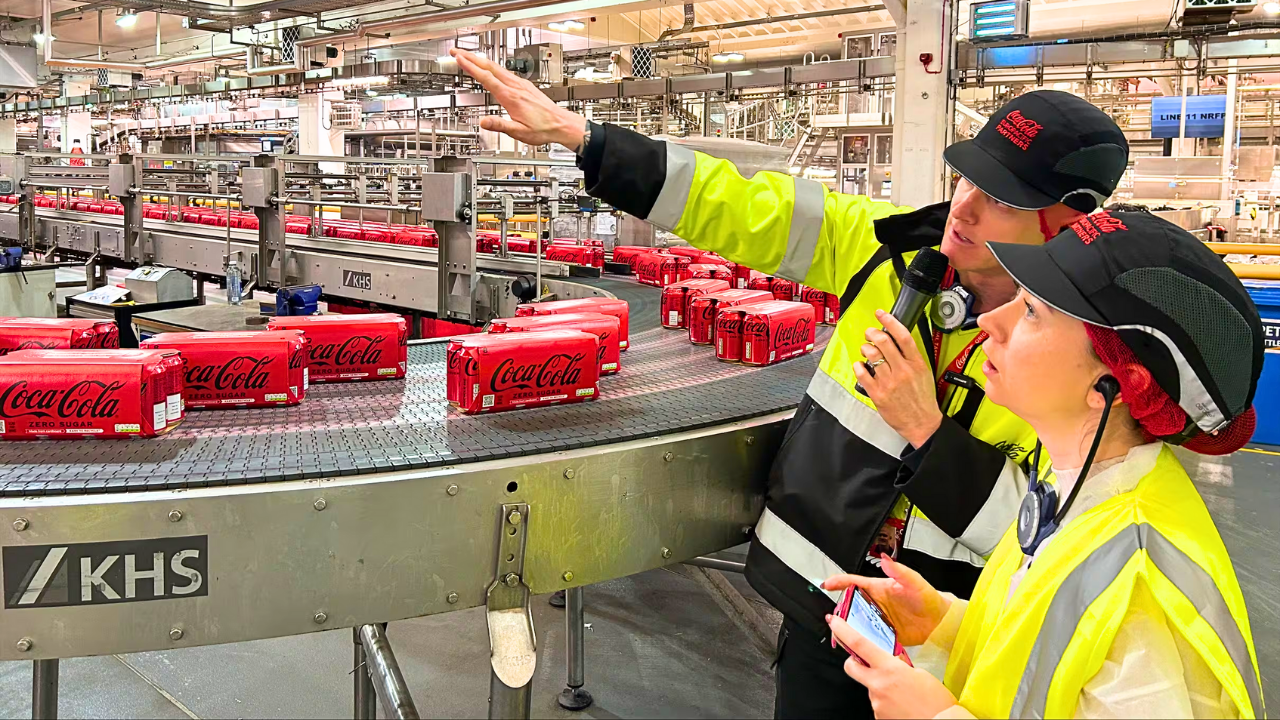
The lights are still on inside Coca-Cola’s Mapunapuna bottling plant, but production is already winding toward its end.
By late January, the machines that have filled bottles in Honolulu for more than six decades will shut down permanently.
A Century-Long Line Comes to an End
What was once a daily rhythm of shifts and conveyor belts will go quiet, marking the last locally bottled Coca-Cola made in Hawaii after 65 uninterrupted years of production.
The Mapunapuna facility opened in 1960, but Coca-Cola’s roots in Hawaii reach back much further. Local production has lasted generations. Mapunapuna’s closure severs that lineage entirely.
A Quiet, Final Shutdown
Executives confirmed the plant will cease production before February, though the exact final bottling date has not been publicly released.
That uncertainty has left workers and observers watching closely as operations wind down. The lack of a clear end date reflects how modern shutdowns often unfold—quietly, incrementally, and with key milestones only becoming visible after they have already passed.
Why the Plant Is Closing

Company leadership pointed to the facility’s age as the decisive factor. Executives stated Mapunapuna had reached the end of its operational life and would require major capital upgrades to remain viable.
Modern bottling increasingly demands advanced automation, energy efficiency, and scale. In smaller, geographically isolated markets, those investments are harder to justify, making closure the financial preference.
A Broader Bottling Retreat
Hawaii’s shutdown follows a familiar pattern. In recent years, Coca-Cola has closed bottling plants in states including Massachusetts and California.
Each closure followed the same logic: consolidate production, reduce owned assets, and outsource manufacturing. Internally, the strategy is described as becoming “asset right”—a transparent shift away from factory ownership and toward brand management.
The Outsourcing Playbook
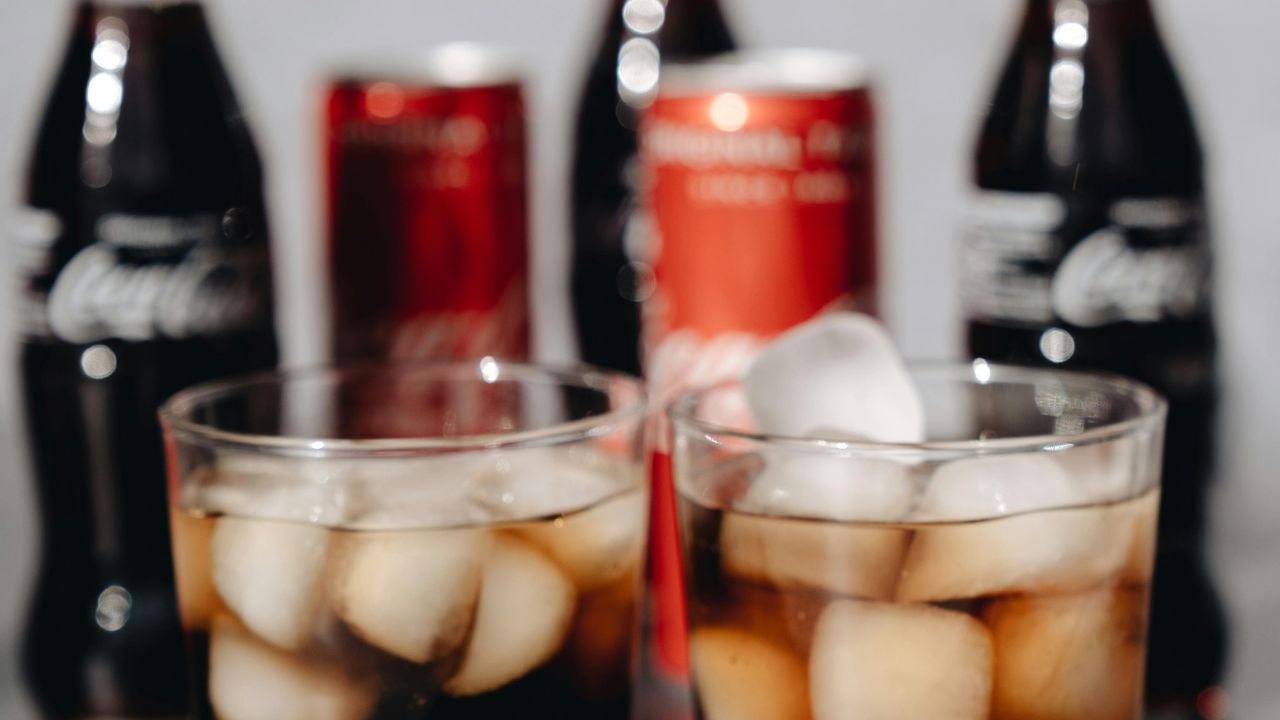
Under this model, Coca-Cola relies increasingly on third-party co-packers to manufacture its beverages. These firms operate large, centralized facilities capable of supplying multiple regions.
Outsourcing reduces capital costs, limits labor exposure, and allows production to scale quickly. The trade-off is distance: manufacturing moves farther from the communities where products are sold, weakening local economic ties.
Industry-Wide Pressure
The beverage industry has broadly embraced this approach. Rising labor costs, inflation, and the expense of modernizing aging plants have made ownership less attractive across the sector.
Industry reports show brand owners expanding their use of contract manufacturers. Flexibility now outweighs permanence, placing long-standing facilities like Mapunapuna at growing risk regardless of their historical importance.
A Small Workforce, A Big Impact
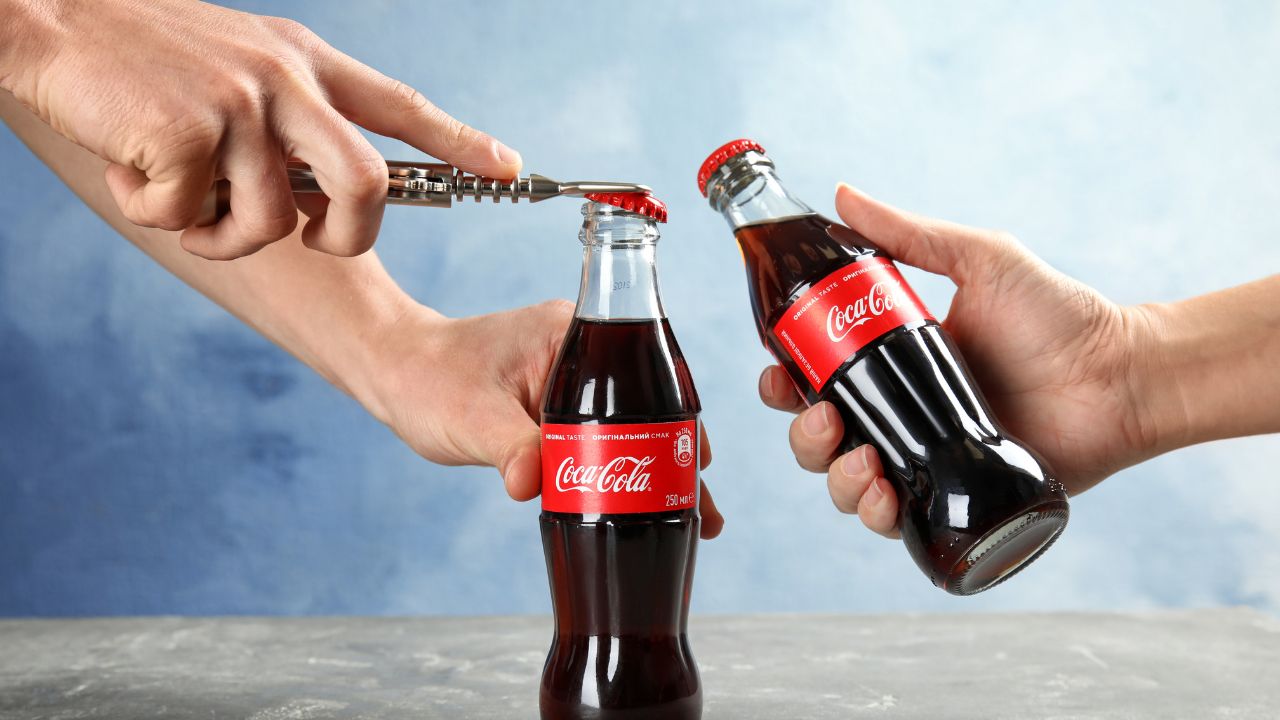
The closure directly affects 25 employees, many of whom spent decades at the plant. Some workers logged more than 30 years in production roles.
In a state with one of the nation’s highest costs of living, the loss of stable manufacturing jobs carries outsized consequences. Even modest layoffs can ripple through families, neighborhoods, and the broader local economy.
Reassignment Without Guarantees
Odom Corporation says affected employees will be offered other roles within its Hawaii operations, primarily in sales, service, or distribution. However, the company has not confirmed whether those positions will match existing wages, benefits, or schedules.
Historically, transitions from manufacturing to distribution often involve different pay structures and fewer overtime opportunities, leaving workers uncertain about their long-term stability.
Water and Sourcing Questions
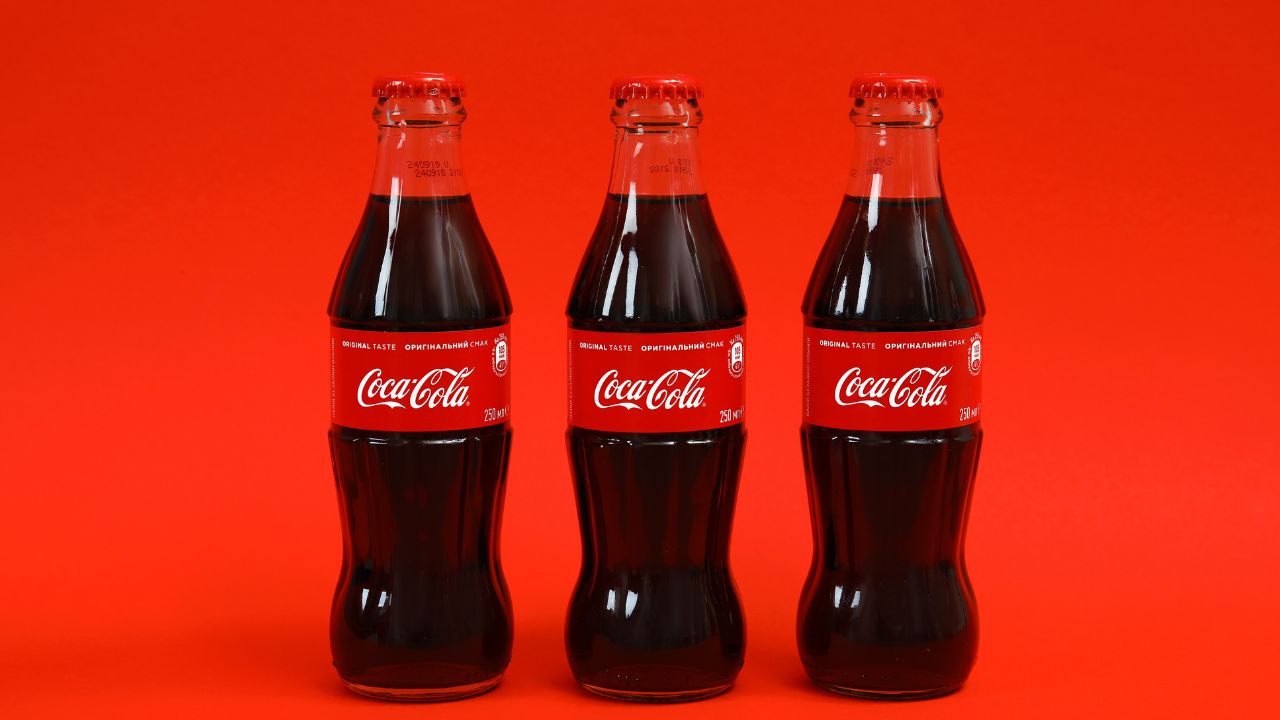
Executives declined to say whether beverages sold in Hawaii will continue using locally sourced water once bottling moves off-island.
They confirmed only that the Coca-Cola concentrate formula will remain unchanged. That distinction leaves open questions about sustainability and local resource use. If bottling shifts entirely to the mainland, Hawaii loses both production jobs and a role in sourcing.
Environmental Tradeoffs
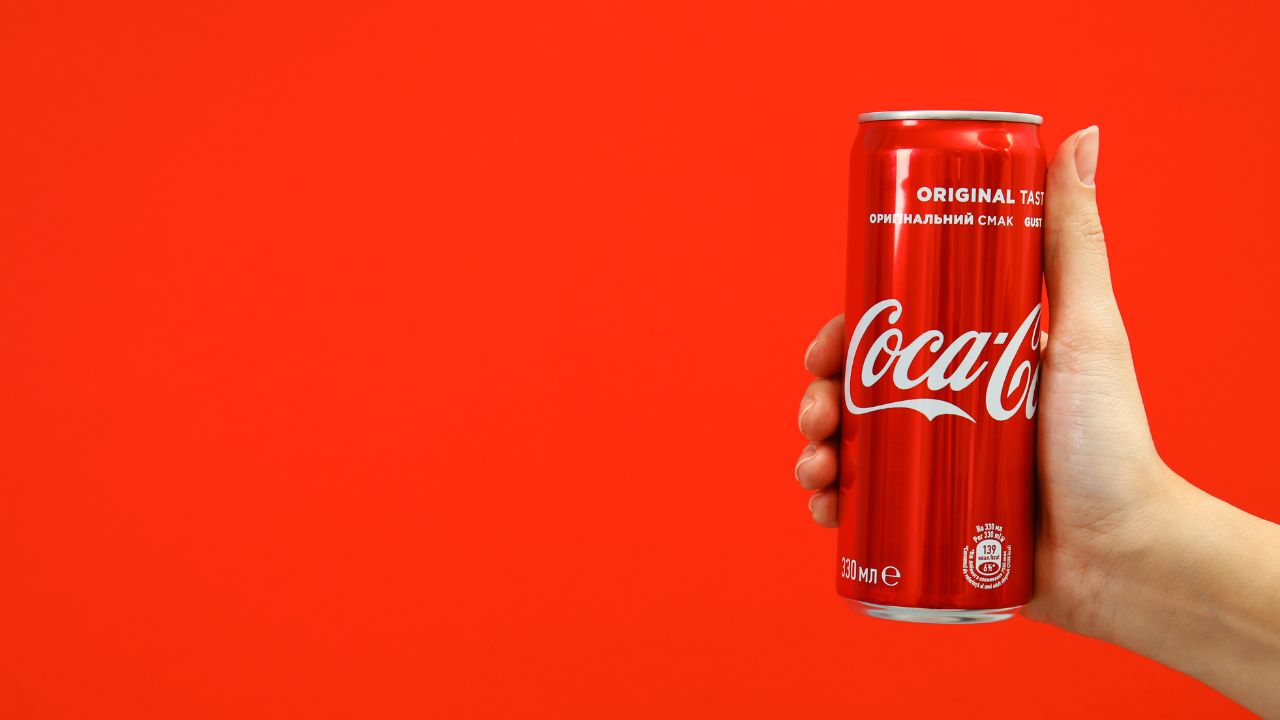
Ending local bottling reduces on-site water use but introduces new environmental costs. Shipping fully bottled beverages thousands of miles to Hawaii increases fuel consumption and emissions. Coca-Cola ranks among the world’s largest plastic polluters.
The shift highlights a familiar contradiction: efficiency gains for corporations can displace environmental burdens rather than eliminate them.
Odom’s Strategic Pivot
The Odom Corporation is not exiting beverages—it is repositioning. The company operates franchise territories across five states and runs ten warehouse facilities in Hawaii alone.
That footprint allows it to maintain distribution dominance even as production disappears. Mapunapuna’s closure reflects a shift in identity, from manufacturer to logistics and marketing operator within Coca-Cola’s evolving system.
The Rise of the Co-Packer
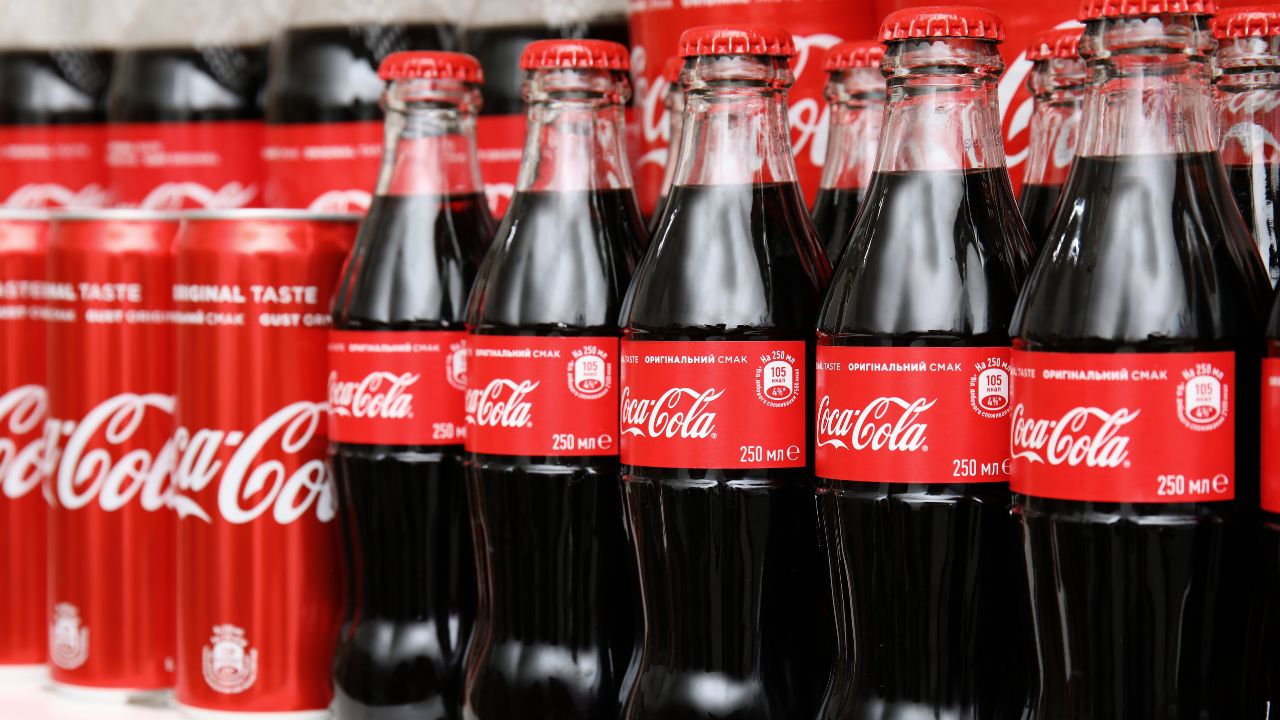
Central to this transformation is the growth of massive co-packers such as Refresco. Coca-Cola’s partnership with Refresco transferred large portions of North American bottling to centralized plants serving multiple franchises.
These facilities reduce redundancy and capital costs but increase dependence on fewer suppliers. Franchisees trade control over production for financial efficiency.
Warehouses Aren’t Factories
To soften the impact, Odom announced plans for a new warehouse in Kapolei Business Park West. While presented as a long-term investment, warehouses employ fewer workers than manufacturing plants and offer different job profiles.
Distribution hubs prioritize efficiency and automation, rarely replicating the wages, skills, or economic stability that production facilities provide.
The End of Local Bottling
Once Mapunapuna shuts down, Hawaii will no longer produce Coca-Cola locally for the first time in more than a century. No replacement plant has been announced.
What disappears is not just a factory, but institutional knowledge, skilled labor, and a physical link between a global brand and the community that supported it for generations.
Source:
“After 65 years, Coca-Cola is closing its only Hawaii bottling plant.” SFGate, 9 Dec 2025.
“Coca-Cola announces closure of last bottling plant of its kind.” Yahoo Finance, 15 Dec 2025.
“Coca-Cola is largest known contributor of branded plastic waste.” Axios, 24 Apr 2024.
“Financial Ambition: Asset Right Strategy.” The Coca-Cola Company, 2025.