
Costco Wholesale is implementing sweeping checkout technology changes across its warehouses, introducing scan-and-go mobile apps, employee-operated pre-scan systems, and membership card scanners at entrances.
The initiatives address persistent customer complaints about long wait times while competing against Sam’s Club’s advanced digital shopping experience. CEO Ron Vachris confirmed the changes have already reduced checkout times by up to 20% at participating locations.
Scan-and-Go Technology Finally Arrives
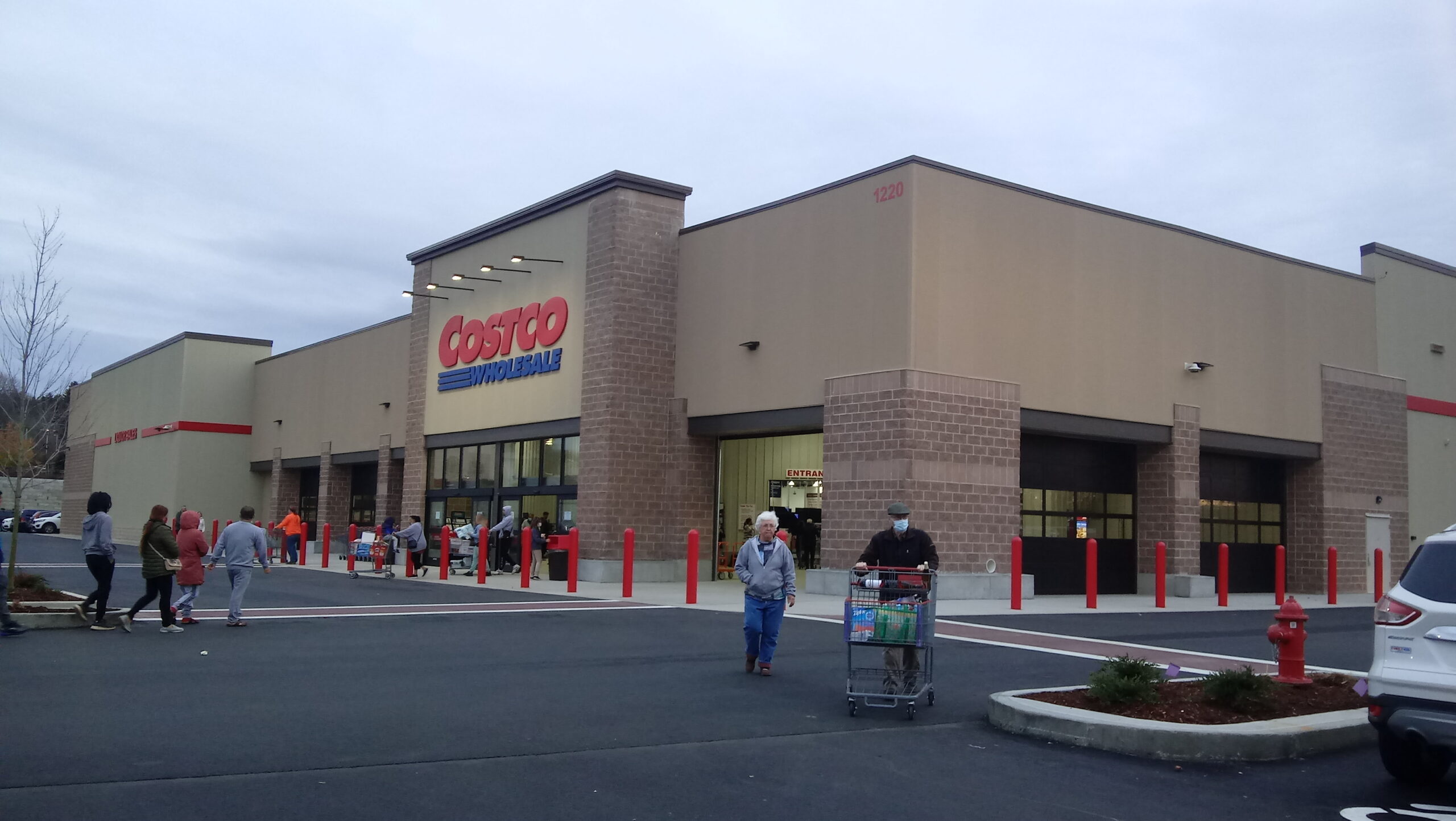
The centerpiece innovation allows Costco members to scan product barcodes using their smartphones while shopping, creating a digital cart verified at checkout.
By December 2025, the scan-and-go system had expanded to 27 stores as a pilot program following “extremely successful” early results. Customers scan items throughout their shopping trip, pay through the Costco app, and present a QR code before exiting.
How the Pre-Scan System Works

Complementing mobile technology, Costco deployed employees with handheld scanners who pre-scan items while customers wait in traditional checkout lines.
This hybrid approach eliminates the need to unload carts at registers—members simply present their card and complete payment after employees scan everything. Arizona warehouses reported wait time reductions of up to 20% where pre-scan systems were implemented.
Membership Verification Gets High-Tech Treatment

Costco installed membership card scanners at warehouse entrances, requiring members to scan physical or digital cards before entry rather than flashing them to door attendants.
Over 350 U.S. stores had the technology by September 2024, displaying member photos on screens for employee verification. The system prevents non-members from using borrowed cards while providing real-time traffic data.
Strong Financial Performance Accompanies Rollout

The technology initiatives coincided with robust Q1 fiscal 2026 results showing net sales of $66.0 billion, up 8.2% year-over-year. Earnings per share reached $4.50, exceeding analyst expectations of $4.28.
Digitally-enabled comparable sales surged 20.5% during the quarter, supported by 24% growth in e-commerce traffic and 48% growth in app usage.
Membership Metrics Remain Exceptionally Strong

Costco’s worldwide renewal rate reached 89.7% at Q1 2026 end, with U.S. and Canada rates at 92.2%. The company ended the quarter with 81.4 million total paid members, up 5.2% year-over-year, including 39.7 million Executive members, up 9.1%.
Membership fee income increased 14.0% year-over-year, protecting the $5 billion+ annual revenue stream.
Sam’s Club Forced Costco’s Hand
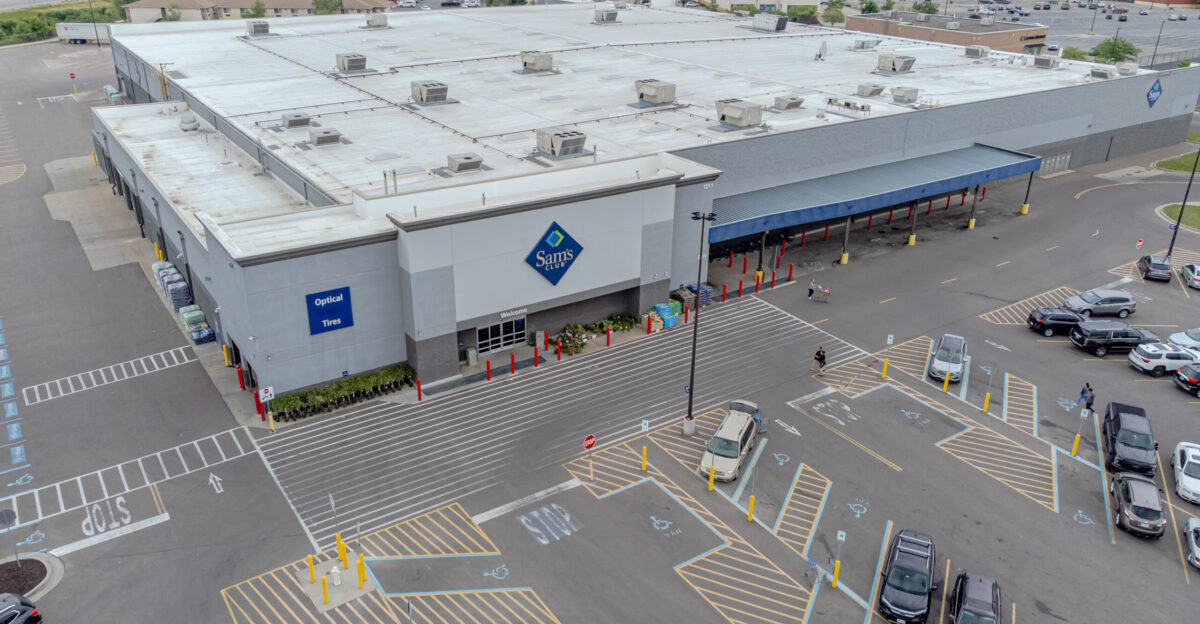
The technology acceleration stems from competitive pressure after Walmart-owned Sam’s Club invested heavily in checkout innovation years earlier.
Sam’s Club introduced its Scan & Go mobile app across all 600+ locations, with approximately one-third of members using the feature by 2025. Usage increased over 50% during the prior three years.
Customer Satisfaction Gap Emerges
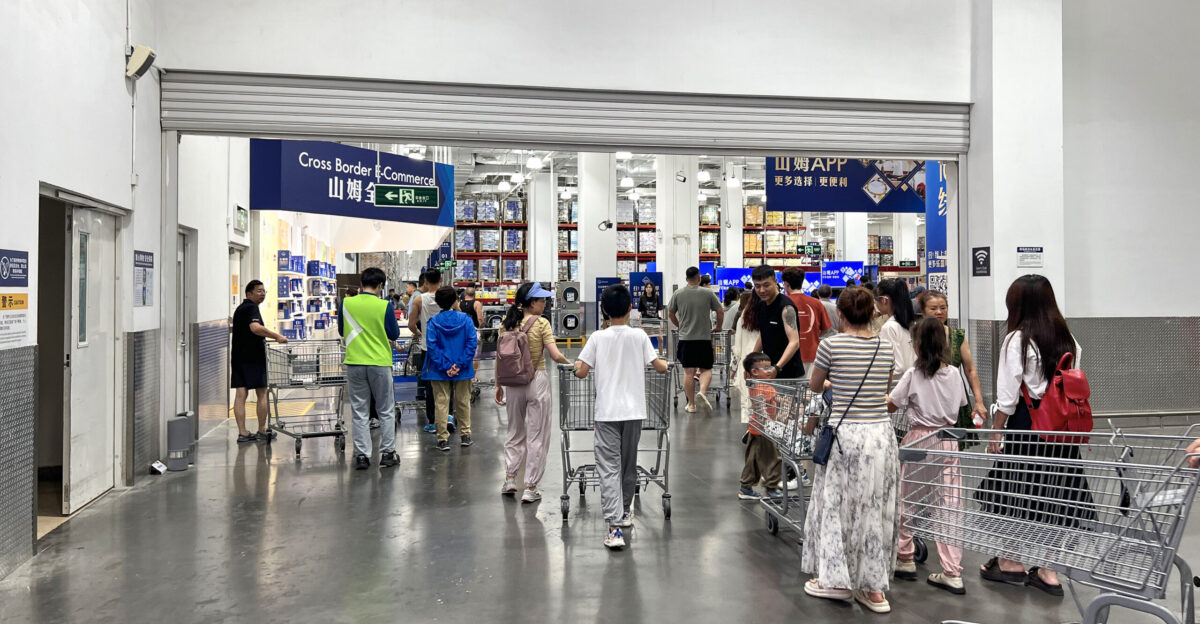
The 2025 American Customer Satisfaction Index revealed Sam’s Club jumped 5 points to score 85, surpassing Costco’s score of 82, which remained flat for three consecutive years.
ACSI explicitly credited Sam’s Club’s Scan & Go app and AI-powered exit technology for driving the improvement. The report noted “digital features continue to have significant impact on younger generations’ satisfaction ratings”.
Generational Divide Drives Technology Push

Nearly half of Sam’s Club’s new member growth came from Gen Z and millennial consumers who expect seamless digital-physical integration.
Marketing experts note 18-25-year-old consumers “expect a dynamic and detailed experience” augmenting shopping trips with tools providing recommendations and on-the-go purchases. This demographic shift made Costco’s traditional checkout model a competitive liability among digitally native shoppers.
Mixed Customer Reactions to Implementation

Members who experienced scan-and-go and pre-scan systems generally praised their effectiveness, with shoppers reporting complete trips finishing in under ten minutes.
Early scan-and-go testers provided positive feedback, with Vachris noting “great adoption from our members”. The pre-scan system garnered appreciation for its unobtrusiveness—customers benefit without changing behavior or adopting new technology.
Self-Checkout Changes Generate Backlash

However, significant friction accompanied the rollout, particularly around self-checkout modifications. A Reddit thread titled “Self Checkout has become awful” attracted over 1,600 posts complaining about inconsistent policies regarding handheld scanners.
Some locations allowed customer use while others restricted scanners to employees only, creating confusion. One member recounted an employee rudely yanking a scanner away mid-transaction.
Station Relocations Create Temporary Chaos

The relocation of self-checkout stations at some warehouses created navigational problems, with customers describing “carts snaking through snack aisles or blocking entrances”.
Most members acknowledged new layouts eventually improved traffic flow. Stricter membership verification policies requiring both membership cards and photo ID at self-checkout generated resentment among legitimate members feeling treated with suspicion.
Trust Issues Emerge at Self-Checkout
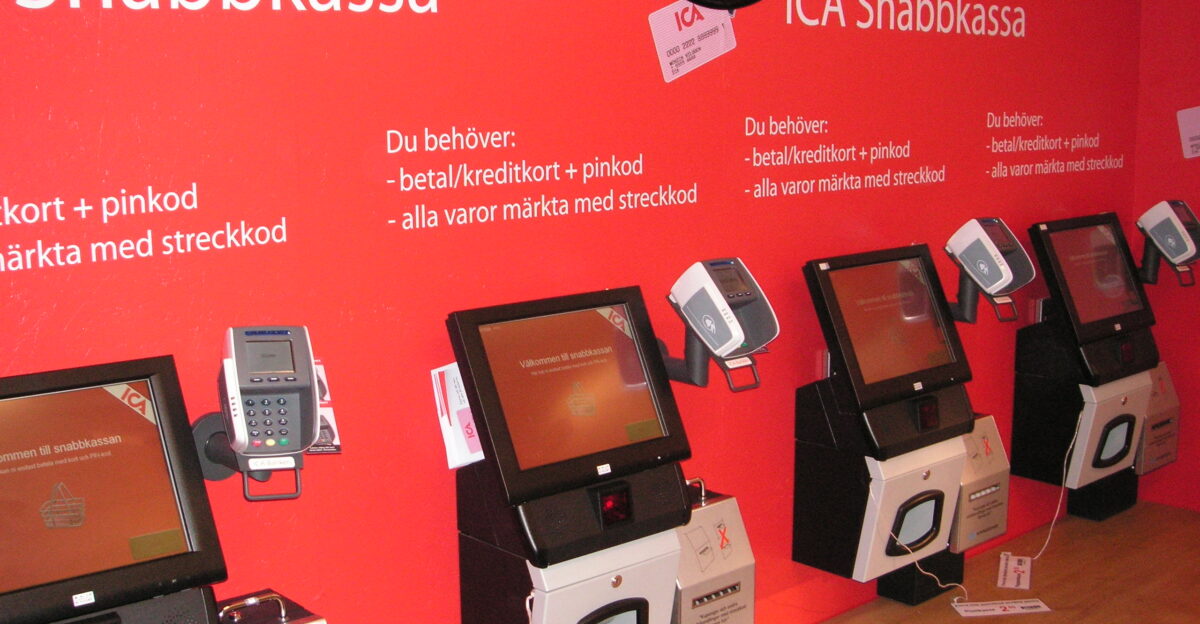
Multiple customers complained about feeling uncomfortable under the hovering presence of monitoring employees during self-checkout transactions. “Every other retailer—Kroger, Walmart, Home Depot, Target—trusts their shoppers more,” one user observed.
The fundamental tension emerged clearly: customers wanted faster checkout but resented being asked to do more work themselves while being monitored.
Strategic Balancing Act Between Innovation and Identity

Unlike Sam’s Club, which embraced fully automated checkout, Costco maintained substantial staffed checkout lanes where employees scan items and arrange carts.
This labor-intensive approach remains appreciated by members with large purchases. The strategy reflects Costco’s historically cautious stance toward technology investment, preferring to observe competitor experiments before committing resources.
Member Retention Versus Operational Efficiency
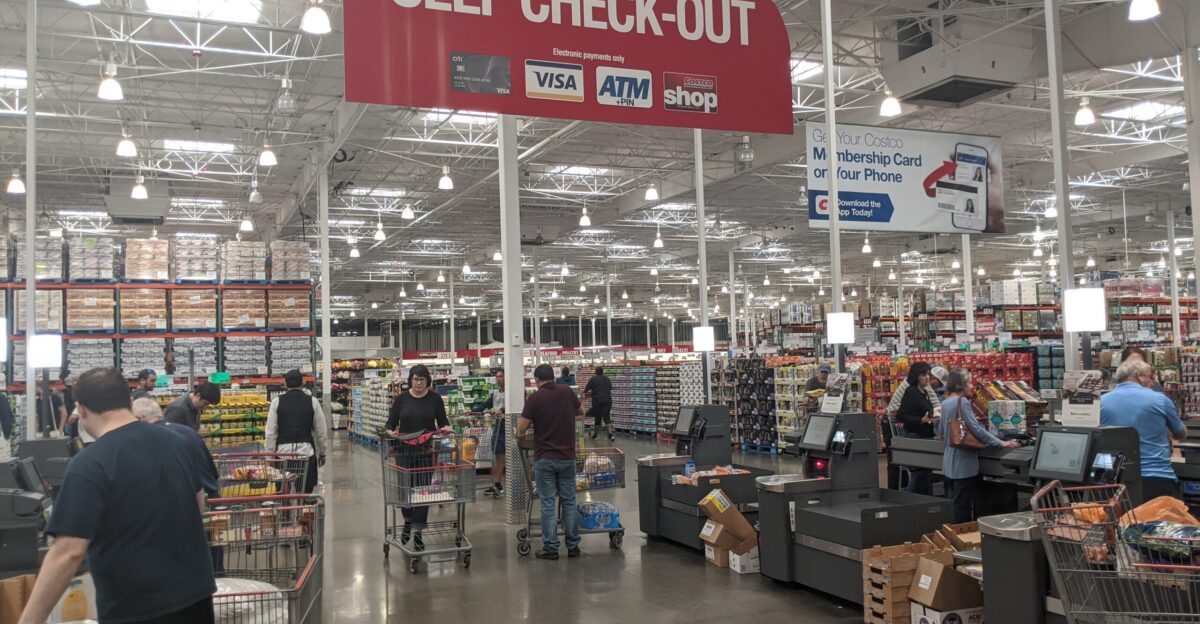
With membership fees constituting the bulk of Costco’s profitability at $4.6 billion annually, alienating existing members poses existential risk. Yet stagnant customer satisfaction scores while Sam’s Club surged 5 points suggests traditional models face erosion among younger demographics.
The 90% renewal rate indicates current members remain loyal, but attracting younger consumers requires digital parity.
20% Speed Improvement Provides Compelling Economics

The scan-and-go pilot’s 20% checkout speed improvement at participating locations provides strong rationale for broader deployment. However, Costco must address implementation consistency—divergent handheld scanner policies and self-checkout confusion indicate operational training gaps.
The decision to maintain human verification at exits rather than AI verification reflects continued emphasis on employment and personal service.
Digital Vision Emphasizes Seamless Experience

Vachris emphasized during Q1 2026 earnings that “our digital vision at Costco is to deliver a seamless experience that builds trust and loyalty with our members, both in-warehouse and online”.
The company enhanced digital personalization capabilities to provide product recommendations based on search history, with “very positive” sales lift. Extended Executive Member hours complement technology initiatives.
BJ’s Wholesale Club Also Competing on Technology
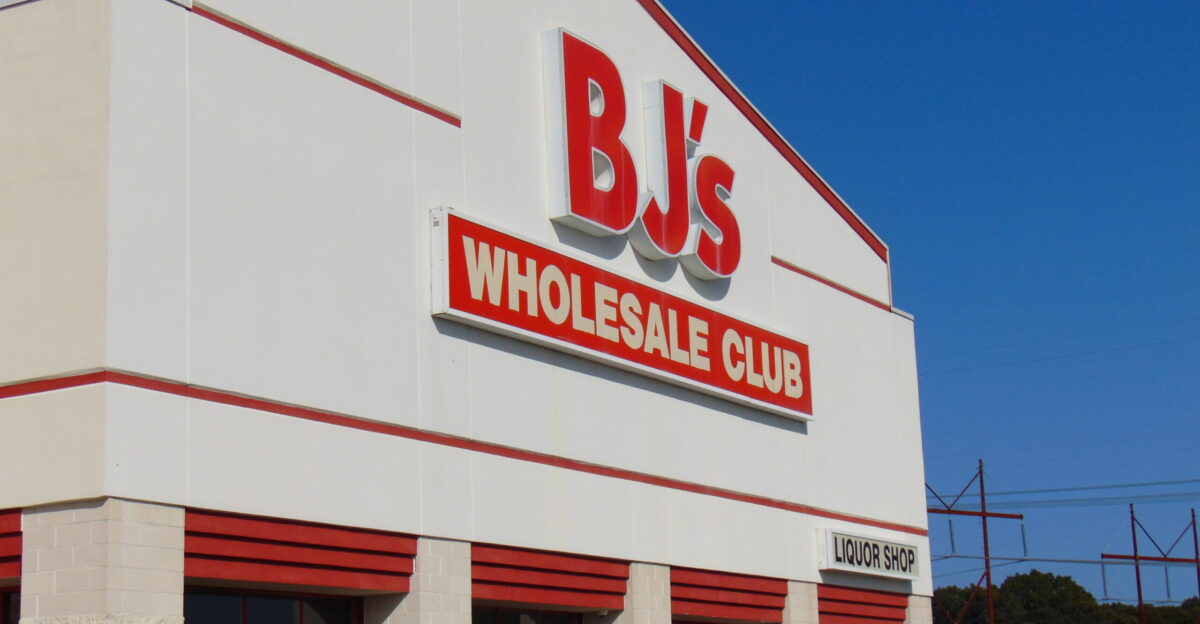
BJ’s Wholesale Club similarly implemented “ExpressPay,” enabling members to scan items through its mobile app, pay digitally, and display QR code receipts at exit. The competitive landscape makes clear that Costco’s traditional checkout model risked becoming a liability.
The warehouse club sector is experiencing rapid technological transformation, with digital capabilities becoming table stakes for customer satisfaction.
Entrance Scanners Combat Membership Sharing
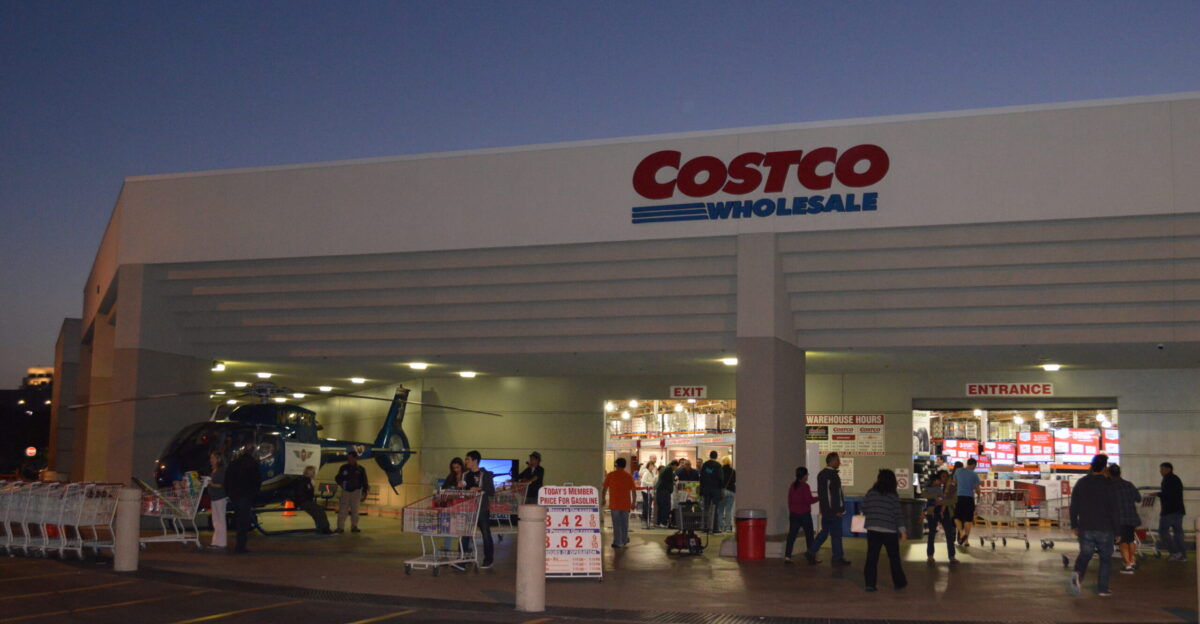
The entrance membership scanners address increased membership sharing since 2020, which CFO Galanti noted had become problematic.
By resolving membership verification issues before customers reach registers, the system eliminates delays caused by invalid or borrowed cards discovered during payment. This protects Costco’s membership revenue while improving operational efficiency.
Path Forward Requires Execution Consistency
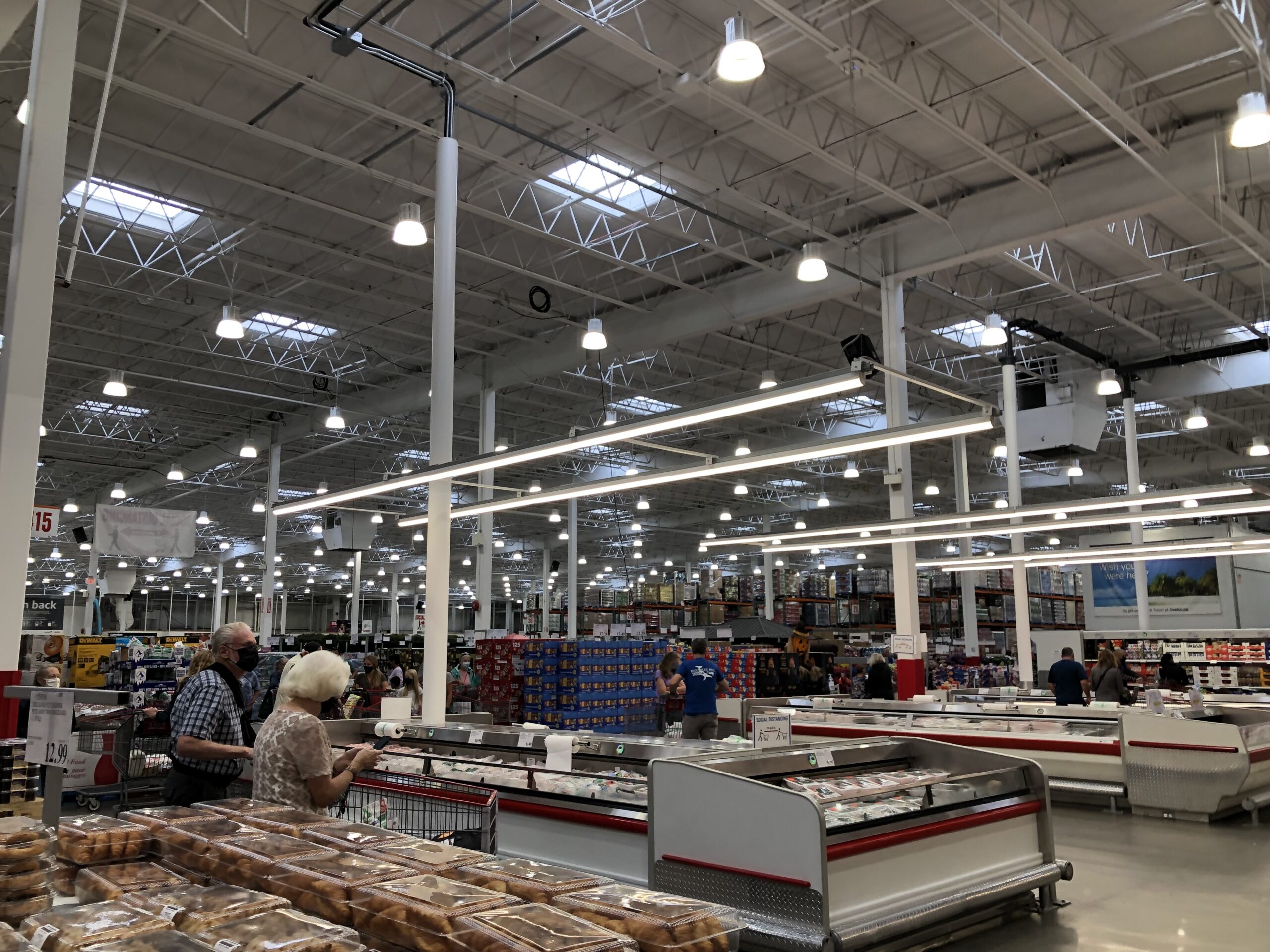
Costco’s measured approach—piloting scan-and-go in 27 stores before broad deployment, maintaining staffed lanes alongside self-checkout, requiring human exit verification—reflects institutional caution. Whether this incrementalism proves sufficient as Gen Z consumers comprise increasing percentages of warehouse club membership remains the strategic question.
The technology foundation now exists; execution consistency and deployment pace will determine whether Costco reclaims customer satisfaction leadership or concedes digital superiority.
Sources:
“Costco developing scan-and-go feature to expedite checkout.” Kiosk Marketplace, June 2025.
“Costco confirms testing of ‘scan-and-go’ checkout technology to speed up long lines.” Fox Business, June 2025.
“Costco quietly fixes a massive customer checkout pain point.” Yahoo Finance, November 2025.
“Costco Starts Scanning Membership Cards at All Stores.” CBS News, August 2024.
“One of Costco’s biggest rivals just knocked it down a peg, according to new customer satisfaction ratings.” SFGATE, February 2025.
“Costco Wholesale Corporation Reports First Quarter Fiscal Year 2026 Operating Results.” Costco Investor Relations, December 2025.