
Michael Oberlies, Sean “Diddy” Combs’ videographer since 2019, broke silence December 10, 2025, denying he released footage used in Netflix’s Sean Combs: The Reckoning. Instead, Oberlies claimed a third-party freelancer covering for him while out of state leaked the material to the streaming giant.
He characterized the unauthorized use as “unethical and unacceptable,” emphasizing that footage intended for Combs’ personal project was weaponized against him without permission or compensation.
Documentary Achieves Massive Viewership in Days
Netflix’s four-part docuseries released December 2, 2025, garnered 21.8 million views within six days, briefly surpassing Stranger Things 5 on global charts.
The controversial production, featuring director Alexandria Stapleton and executive producer Curtis “50 Cent” Jackson, capitalized on intense public interest in Combs’ September 2024 arrest on federal sex-trafficking charges. Viewership momentum accelerated as the footage dispute generated headlines, driving curious audiences to stream the series.
Combs Serves 50-Month Federal Prison Sentence

Sean Combs was convicted October 2024 on Mann Act prostitution-related charges stemming from alleged “freak-off” parties, and acquitted of more serious racketeering and sex-trafficking counts.
In October 2025, he was sentenced to 50 months imprisonment, currently serving time at Fort Dix Federal Correctional Institution in New Jersey. His legal team immediately challenged the sentence, filing appeals arguing sentencing errors while Combs fights to control his public narrative.
Legal Team Sends Two Cease-and-Desist Letters

Combs’ high-profile criminal defense attorney Marc Agnifilo sent cease-and-desist letters to Netflix when the documentary was announced and again on release day, December 2, 2025. The letters assert Netflix obtained and used “stolen footage” without authorization, demanding removal and threatening unspecified legal action.
However, as of late December 2025, no formal copyright infringement lawsuit has been filed in any federal or state court despite threats of billion-dollar litigation.
The Complicated Question of Copyright Ownership

Copyright ownership hinges on whether a written work-for-hire agreement governed Oberlies’ videography work for Combs. If such documentation exists, Combs owns the footage; if not, Oberlies retains copyright despite commissioning and payment.
Neither party has publicly disclosed contractual details, creating legal ambiguity that may explain why threatened litigation hasn’t materialized. This uncertainty complicates Combs’ legal standing to demand footage removal.
Documentary Fair Use Doctrine Provides Netflix Defense

Documentary filmmakers enjoy substantial First Amendment protection under fair use doctrine when using copyrighted material for commentary, criticism, or public interest reporting.
Courts recognize that documentaries addressing convicted criminals and systemic abuse constitute transformative works serving legitimate educational purposes rather than commercial substitutes. Netflix’s position that it “legally obtained” the footage suggests the company obtained legal counsel opinions supporting fair use defenses.
Attorney-Client Privilege Secretly Recorded and Exposed

Combs secretly recorded conversations with defense attorney Marc Agnifilo without the lawyer’s knowledge, capturing footage of Combs berating his legal team over trial strategy. This surreptitious recording appears in the Netflix documentary, exposing privileged attorney-client communications to millions of viewers.
Legal experts characterize this as “a stunning betrayal” that may have irreversibly waived privilege protections, though Agnifilo possesses limited remedies to remove the footage.
Federal Surveillance Footage Documents Investigation

The contested material captures federal agents positioned on a hotel rooftop across from Combs’ room, providing rare documentary evidence of Homeland Security Investigations’ pre-arrest surveillance operation.
Additional footage shows Combs in his New York City hotel six days before arrest, discussing legal strategy with Agnifilo and telling his son “God told me to do this.” This surveillance documentation provides unprecedented visual confirmation of federal tactics preceding high-profile arrests.
50 Cent’s Two-Decade Vendetta Fuels Allegations
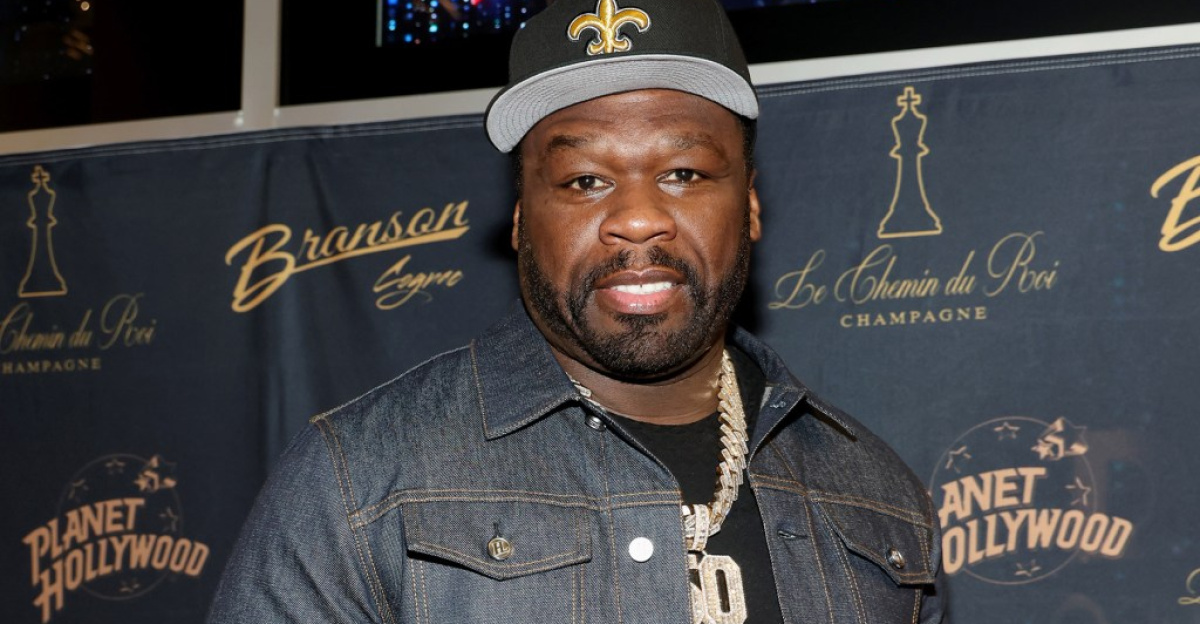
Curtis “50 Cent” Jackson’s selection as executive producer represents Combs’ alleged “corporate retaliation” and personal breach by a 20-year rival. The hip-hop feud includes mutual accusations of murder involvement, business sabotage, and relentless mockery.
Combs’ cease-and-desist letter suggests Netflix approached him about documentary deals around 2023, then pivoted to 50 Cent after Combs declined, weaponizing his own rival against him.
Netflix Maintains Footage Was Legally Obtained
Director Alexandria Stapleton, an Emmy Award-winning documentarian, declared: “It came to us, we obtained the footage legally and have the necessary rights.” She emphasized that the production team “moved heaven and earth to keep the filmmaker’s identity confidential,” suggesting sophisticated source protection protocols.
Netflix’s unwavering legal position, despite public threats and cease-and-desist letters, suggests the company obtained comprehensive legal opinions and E&O insurance coverage supporting fair use.
The Tiger King Precedent Creates Uncertainty
The closest legal parallel involves Whyte Monkee Productions v. Netflix (2024), where videographer Timothy Sepi sued over Tiger King footage. A federal court initially ruled Netflix’s use constituted fair use, but the Tenth Circuit vacated and remanded, finding insufficient transformation.
The Electronic Frontier Foundation warned the ruling “threatens thousands of creators making documentaries and histories,” prompting en banc rehearing. This ongoing litigation underscores documentary makers’ copyright vulnerability.
Family and Friends Publicly Challenge Documentary Accuracy

Combs’ mother Janice released statement December 7, 2025, calling Netflix’s portrayal of her as “an abusive parent” false and defamatory. She joined Combs’ allegations that the documentary spreads misinformation designed to sensationalize rather than truthfully document his life.
Family members and associates have begun publicly contesting specific claims, though Netflix maintains its reporting reflects testimony from alleged victims, legal experts, and trial evidence.
Combs’ Obsessive Self-Documentation Becomes Liability
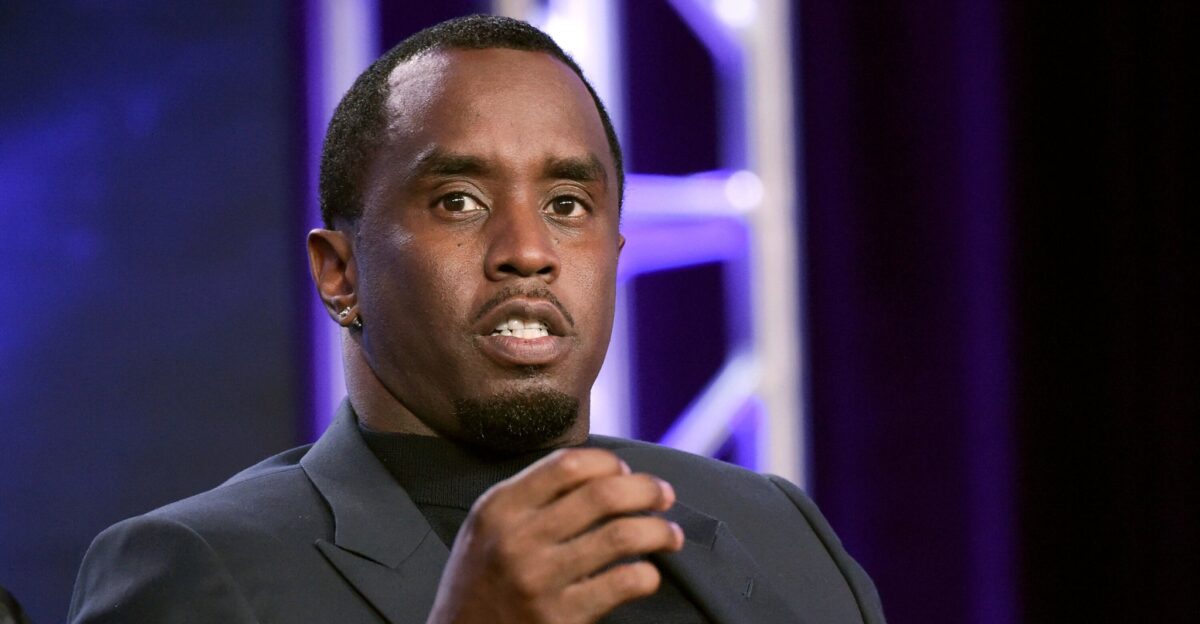
Combs’ compulsive habit of filming himself since age 19 to “tell his own story, in his own way” provided the raw material Netflix weaponized against him.
Decades of self-commissioned footage intended for positive legacy-building became evidence in a documentary examining decades of alleged abuse and exploitation. The bitter irony illustrates how personal documentation can escape creators’ control and serve unintended narratives.
Broader Implications for Documentary Filmmaking Industry

The dispute raises critical questions about source confidentiality, copyright ownership, and documentary fair use in the streaming age. Major platforms’ willingness to release The Reckoning despite litigation threats signals confidence in fair use defenses, but uncertainty over copyright ownership and E&O coverage creates ongoing risks for independent filmmakers.
The case will likely inform future documentary strategies around unauthorized material and source protection protocols.
No Lawsuit Filed Despite Litigation Threats
Three weeks after release, despite two cease-and-desist letters and reports of billion-dollar lawsuit preparation, Combs has filed no copyright infringement claim against Netflix.
Legal analysts suggest Combs faces formidable obstacles: unclear work-for-hire ownership, robust fair use defenses for transformative documentary work, and potential privilege waiver through his own recordings. The absence of litigation suggests Combs’ legal position may be weaker than cease-and-desist threats indicate.
Sources:
“Diddy’s Videographer Clears His Name Amid Turmoil Over Netflix Docuseries,” USA Today Entertainment, December 11, 2025.
“Sean ‘Diddy’ Combs’ Lawyers Send Cease-and-Desist to Netflix,” CNN Entertainment, December 1, 2025.
“Netflix Hits Back at Diddy’s Criticism of ‘Shameful’ Docuseries,” BBC News, December 2, 2025.
“How Did 50 Cent Get That Sean Combs Footage? Diddy’s Videographer Breaks His Silence,” Rolling Stone, December 10, 2025.
“What Was Sean ‘Diddy’ Combs Convicted Of?” BBC News, October 10, 2024.
“Sean ‘Diddy’ Combs Sentenced to More Than 4 Years in Prison,” Reuters Legal, October 3, 2025.