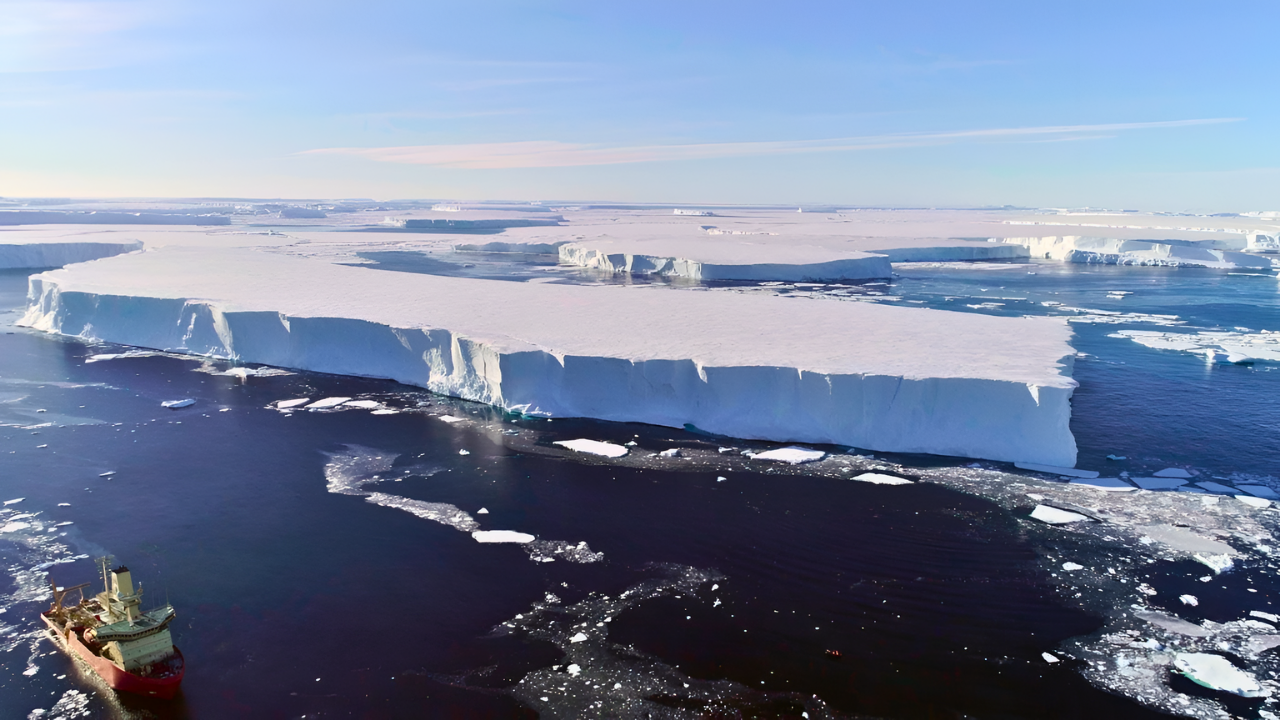
On December 11, 2024, scientists at Australia’s National University revealed a startling secret beneath Antarctica’s Thwaites Glacier: hundreds of hidden earthquakes had been shaking its ice for over a decade. These aren’t ordinary tremors—they mark massive icebergs capsizing, sending billions of tons of ice into the ocean.
The discovery highlights a rapidly unfolding crisis that could reshape coastlines from Miami to Shanghai. Here’s how researchers uncovered this hidden threat and what it means.
What Scientists Just Discovered
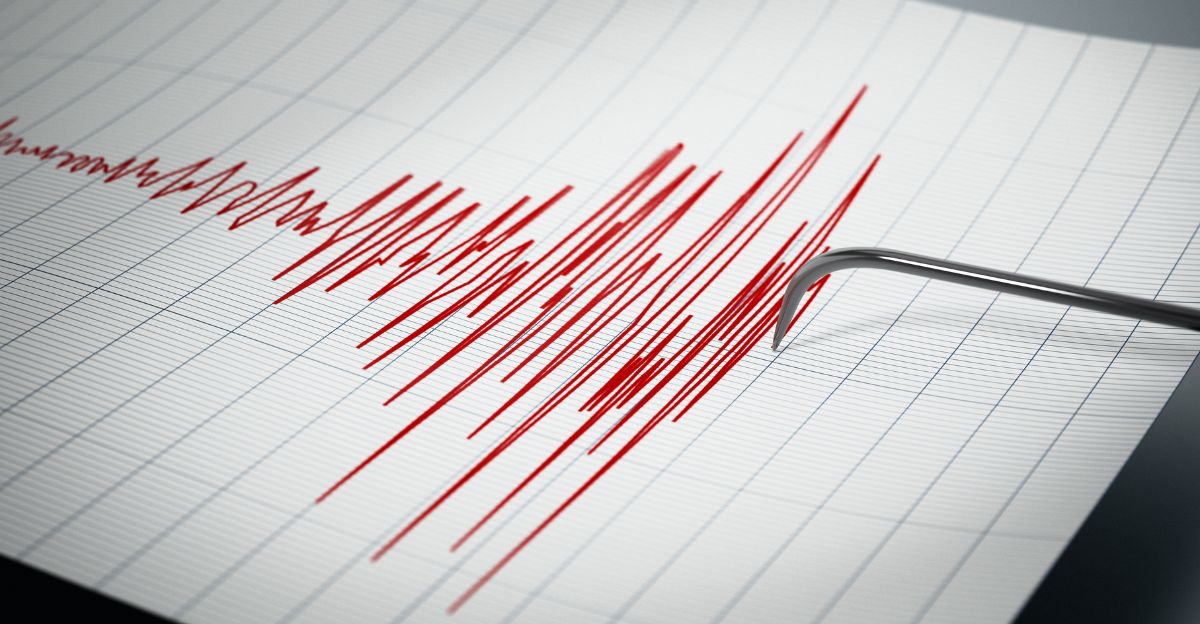
Between 2010 and 2023, researchers detected 245 glacial earthquakes at Thwaites Glacier’s crumbling terminus, invisible to standard seismic monitoring, according to ANU’s December 11, 2025 analysis. Each event resulted from massive icebergs capsizing after calving. Using advanced signal processing, scientists extracted these elusive signals from years of background noise. The discovery suggests far more ice loss is occurring than previously quantified, hinting at wider consequences.
Antarctica’s “Doomsday Glacier” Controls Coastlines
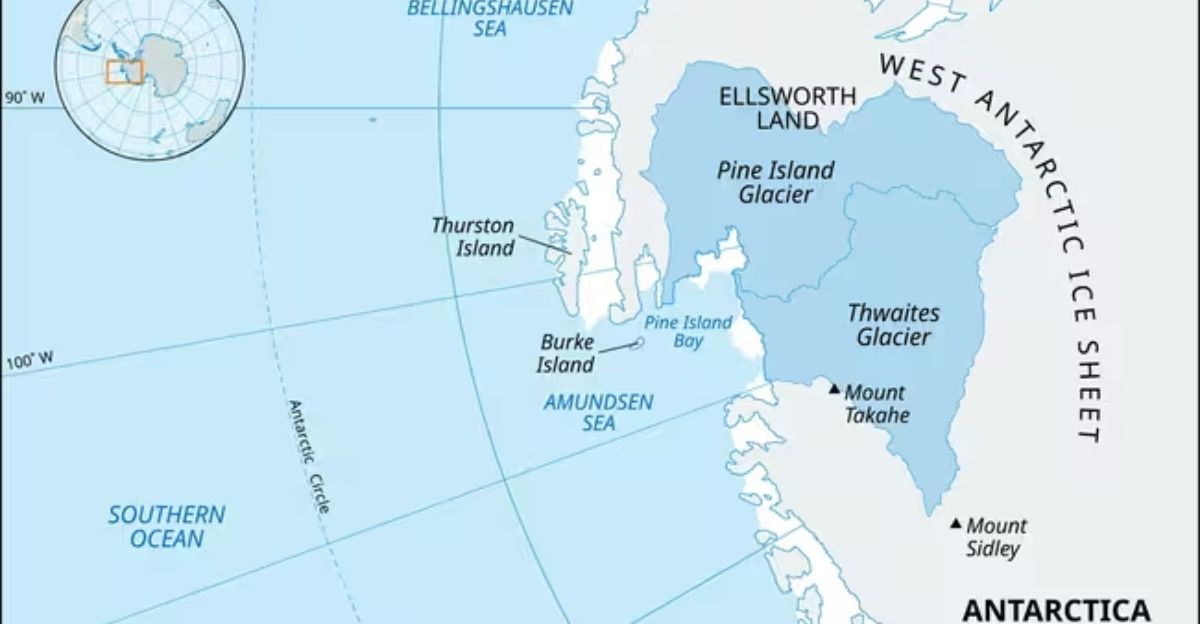
Thwaites Glacier spans roughly the size of Florida in West Antarctica’s Amundsen Sea. Despite occupying less than 1% of Antarctica’s ice, it contributes 4% of global sea-level rise, driven by a retrograde slope bedrock setup. As the glacier retreats, its grounding line drops into deeper water, triggering collapse. Its destabilization could cascade across the West Antarctic Ice Sheet, threatening coastlines worldwide.
Ice Melting At Catastrophic Rates
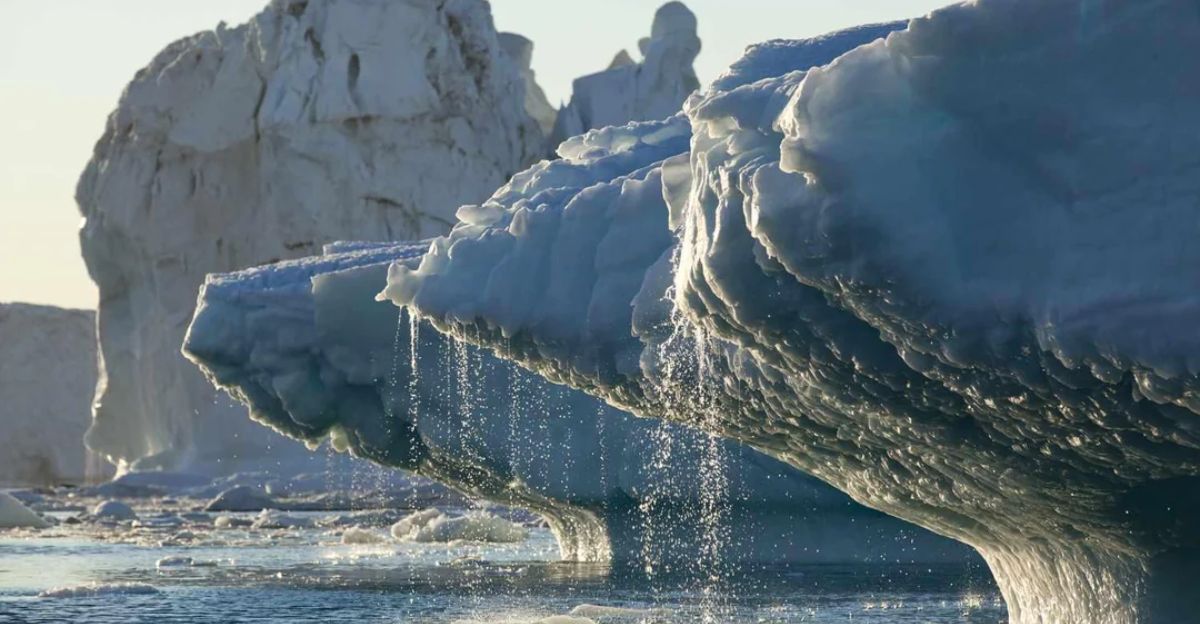
Thwaites loses 50 billion tons of ice annually, equal to 20 million Olympic swimming pools, according to NSF and UK NERC data. A total collapse over centuries would add 65 centimeters (26 inches) to sea levels, while a full collapse of the West Antarctic Ice Sheet could raise oceans by 1.5 to 3 meters. Current acceleration is undeniable, yet the precise timeline remains uncertain. How fast might this escalate?
When Ice Loss Dramatically Accelerated
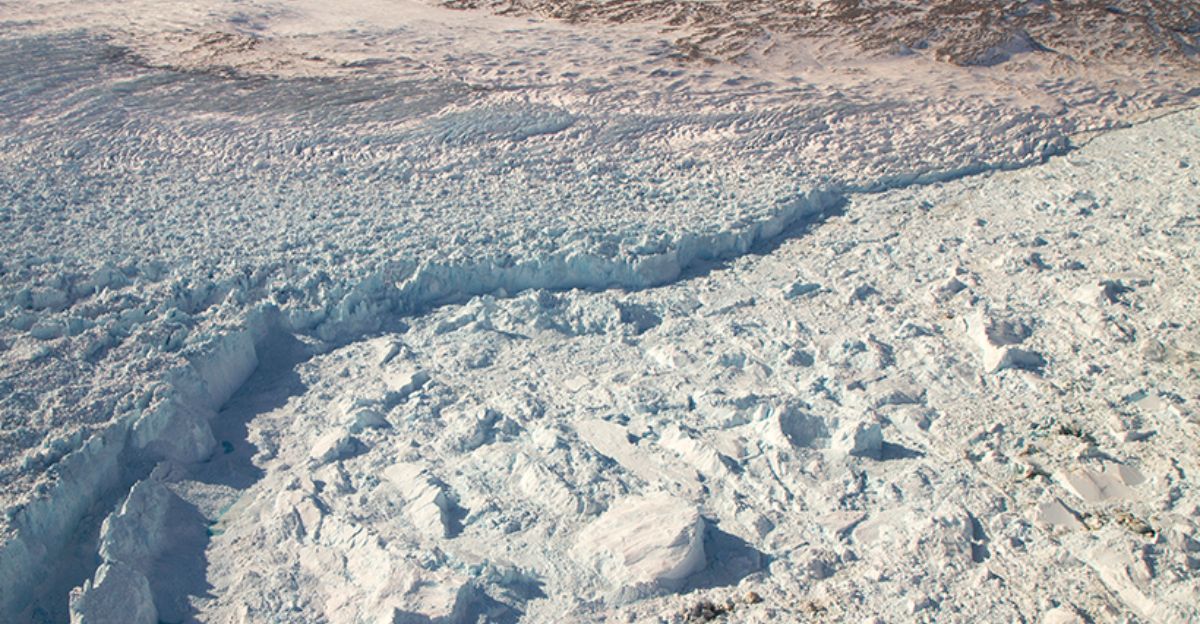
Between 2018 and 2020, the frequency of glacial earthquakes spiked alongside accelerated glacier flow and grounding-line retreat, according to an ANU analysis. Scientists recorded 100–300 or more seismic events annually, each marking a catastrophic iceberg collapse. Warm ocean water intrusion intensified during this period, directly driving acceleration. This peak highlights the connection between ocean warming and ice loss, underscoring the glacier’s increased vulnerability. It hints at what could follow next.
Meet The Seismologist Behind It

Thanh-Son Phạm, ANU seismologist, led the research using P-wave autocorrelation signal processing to extract hidden data from earthquake codas. Dense seismometer networks deployed by the ITGC captured multi-station confirmation. “Antarctica is a special place to do research. It plays a crucial role in the Earth’s climate and environmental systems,” Phạm said, Seismological Society of America, December 3, 2025. His work transforms polar ice monitoring.
The Mystery Of Masked Seismic Signals
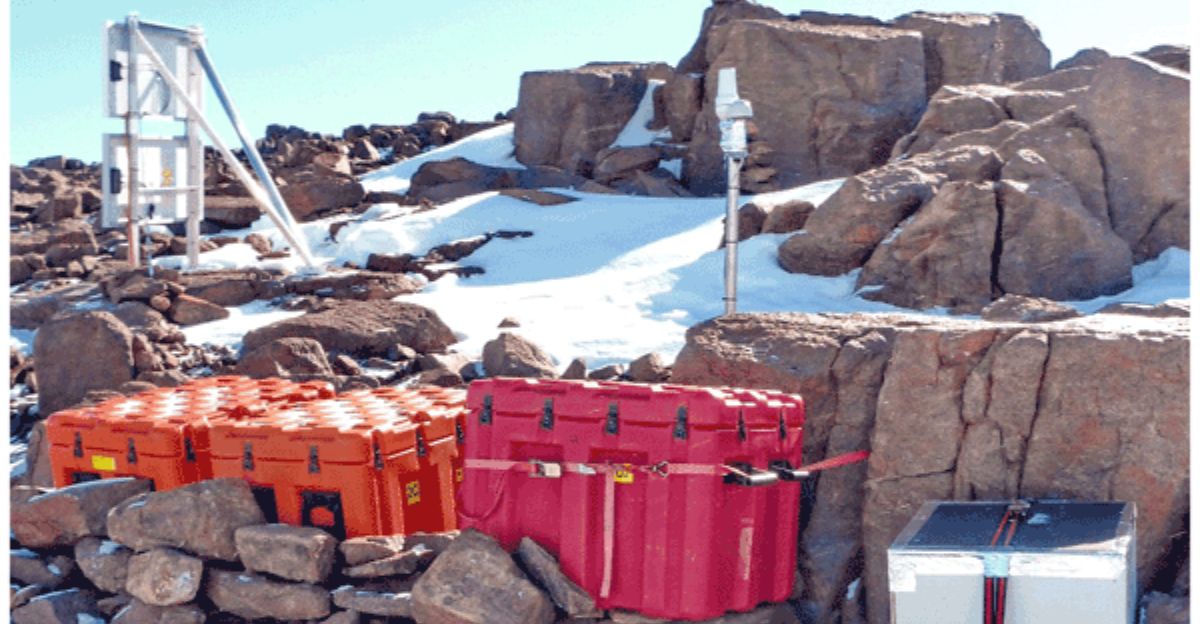
Glacial earthquakes at Thwaites remained invisible because the signals were of low magnitude and were buried in the ocean-ice background noise, ANU researchers explained. Sparse Antarctic seismometer coverage worsened detection challenges.
Traditional processing filtered out these events as noise. Phạm’s coda-correlation method identifies iceberg earthquakes by spectral signature, confirmed via dense arrays. This breakthrough finally “listens” to the glacier’s activity, revealing decades of previously undetectable ice loss patterns that were always occurring.
Ice Quakes Signal Accelerating Ice Loss
Glacial earthquakes mark ice loss but do not cause it, research from Cambridge University and the NAS shows. Each seismic event records the collapse of buoyant ice shelf material into the ocean. Warm ocean water intrusion drives these collapses, pushing Circumpolar Deep Water into cavities beneath the glacier. Understanding that the quakes reveal rather than drive ice loss is key to predicting future collapse. It shows why early monitoring matters.
A Glacier In Retreat For Decades
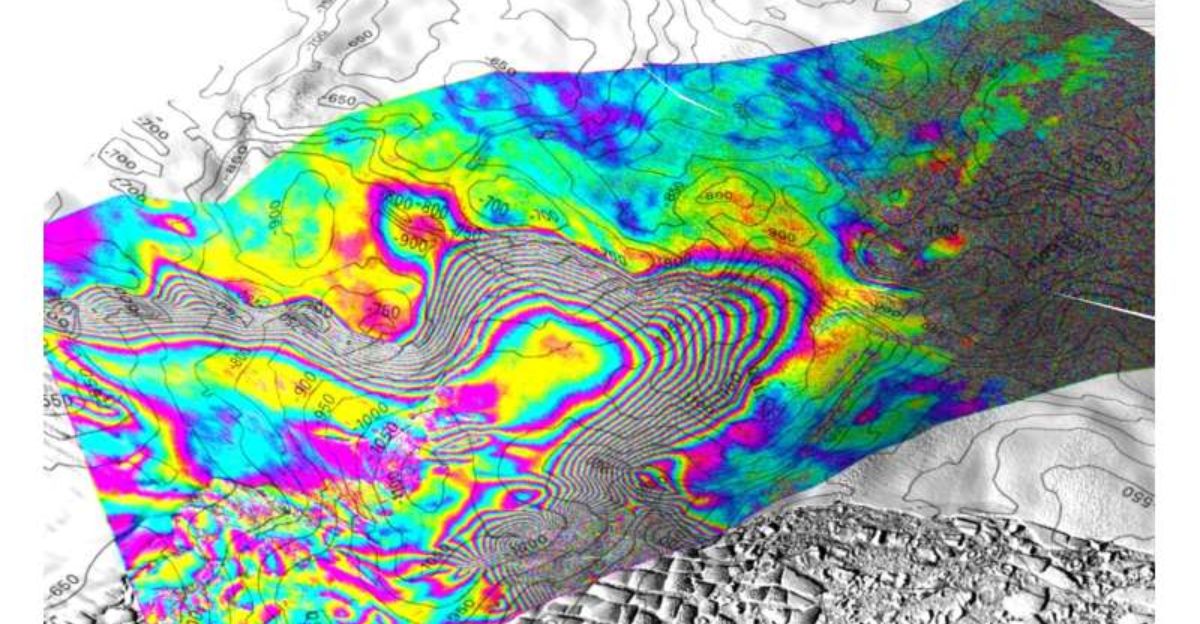
Thwaites has been retreating for over 40 years, as documented by satellite and sedimentary records. Between 2011 and 2017, the grounding line advanced 14 kilometers, with peak sectors exceeding 2 kilometers annually. Sedimentary evidence predating satellites indicates retreat of up to 2.1 km per day during specific periods. The seismic discovery detects ongoing disintegration, not sudden activity. Real-time acoustic monitoring now exposes the glacier’s progression through polar night and cloudy conditions.
Hundreds Of Millions Face Displacement
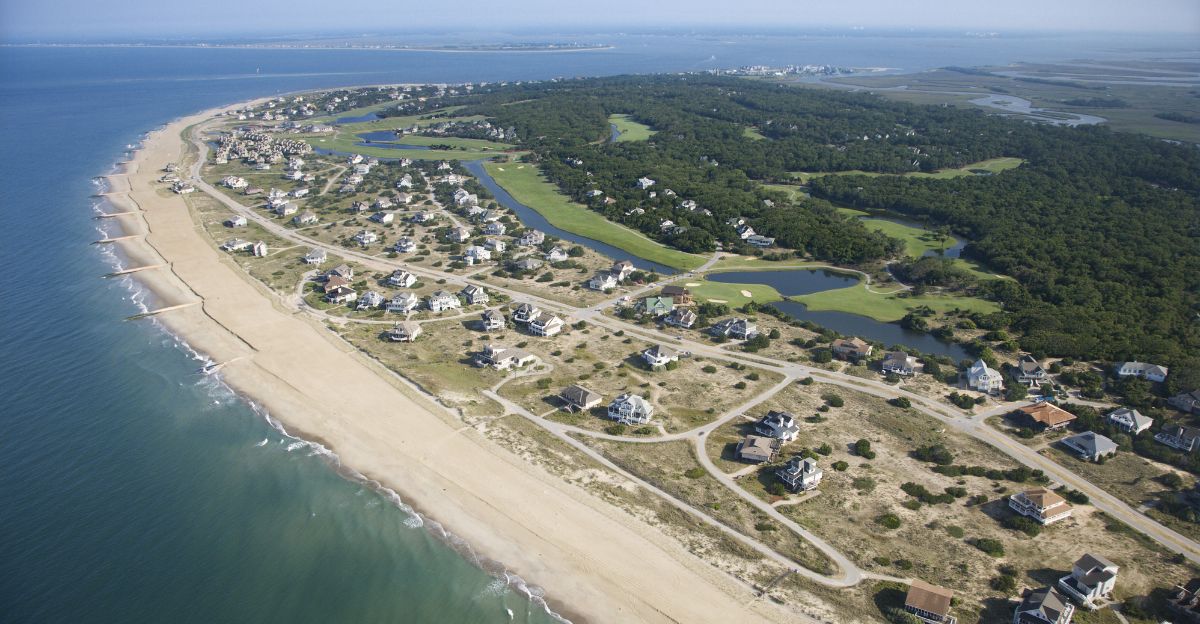
Between 625 million and 1.2 billion people live in low-elevation coastal zones that are vulnerable to sea-level rise, according to the IPCC and Climate Central reports. By 2050, 300 million people will be at heightened risk, with 800 million urban residents exposed to rises exceeding 0.5 meters. In the U.S., 386,000 homes face a mid-century inundation risk, which is expected to expand to 2.5 million by the end of the century. Small island nations risk existential erasure, underscoring the urgent need for action.
Miami, Shanghai, Venice Face Transformation

Miami’s $250 billion property assets face frequent nuisance flooding, according to local climate assessments. Venice expects 380 high-tide events yearly by 2045, up from rare occurrences. Shanghai, Bangkok, Dhaka, and Ho Chi Minh City face the challenges of sea-level rise and land subsidence simultaneously. Rotterdam and Hamburg face similar threats; a 24-hour port closure in Rotterdam alone costs over €3 million. Coastal cities worldwide are already experiencing transformative impacts.
Global Costs Escalate Toward Trillions
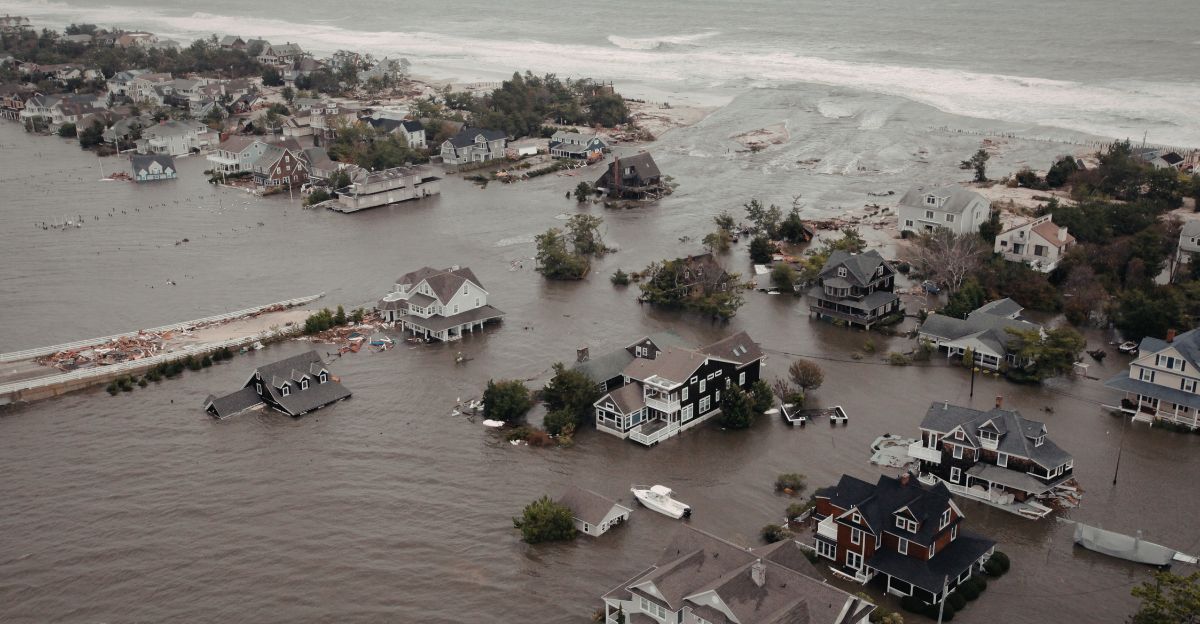
Annual global flood costs may reach $14.2 trillion by 2100, per the World Bank and NOAA. High-emissions scenarios predict $2.9–$ 3.4 trillion in yearly costs without adaptation. Thwaites’ 65-centimeter contribution alone could trigger $1+ trillion in mid-century adaptation spending. Insurance premiums have doubled since 2010. Coastal infrastructure faces obsolescence. Small businesses report annual losses equal to 22% of their net profit. The economic stakes of ice loss are already immense.
Ports, Agriculture, And Industries Threatened
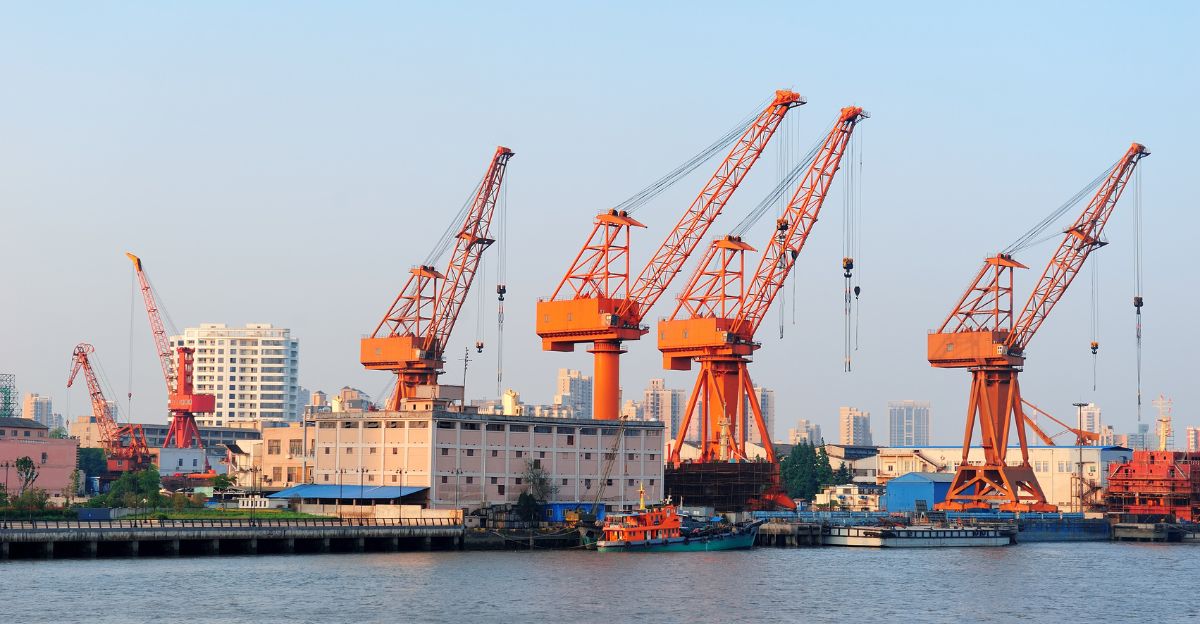
Key ports, including Miami, Rotterdam, Shanghai, and Singapore, risk inoperability during high tides, according to a Maersk 2025 briefing. Coastal agriculture, such as that found on Long Island and in the Ganges-Brahmaputra delta, faces the threat of saltwater intrusion and permanent land loss. Bangladesh has lost 1 million hectares of farmland since the 1980s. U.S. corn flooding cost $2 billion this year. Disruption of ports, labor markets, and supply chains could have a cascading global impact, amplifying the human and economic toll.
Within Decades, Point Of No Return Approaches
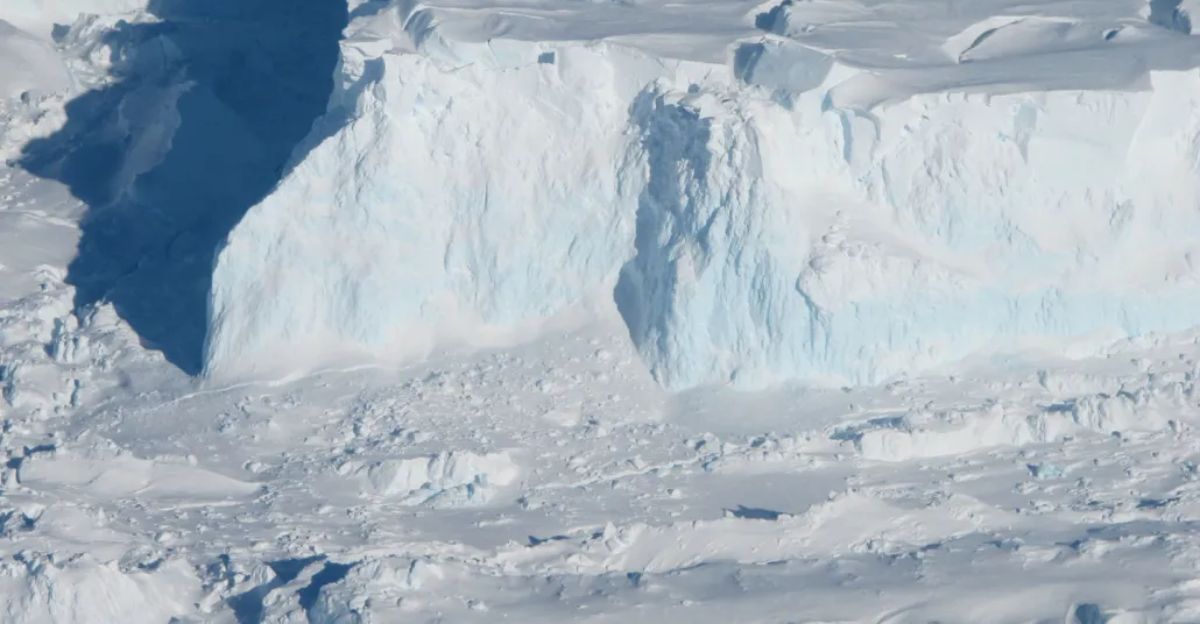
Thwaites’ ice shelf could collapse within 10–30 years, removing its stabilizing effect, according to projections from Cambridge and ITGC. Once disconnected, runaway retreat becomes probable, locking centuries of ice loss. Marine ice sheet instability (MISI) drives self-reinforcing collapse. Climate variability may temporarily slow progress, but seismic evidence shows intervention windows are closing. Humanity is on a narrow path to prevent the destabilization of cascading ice sheets.
The Future Depends On Actions Today
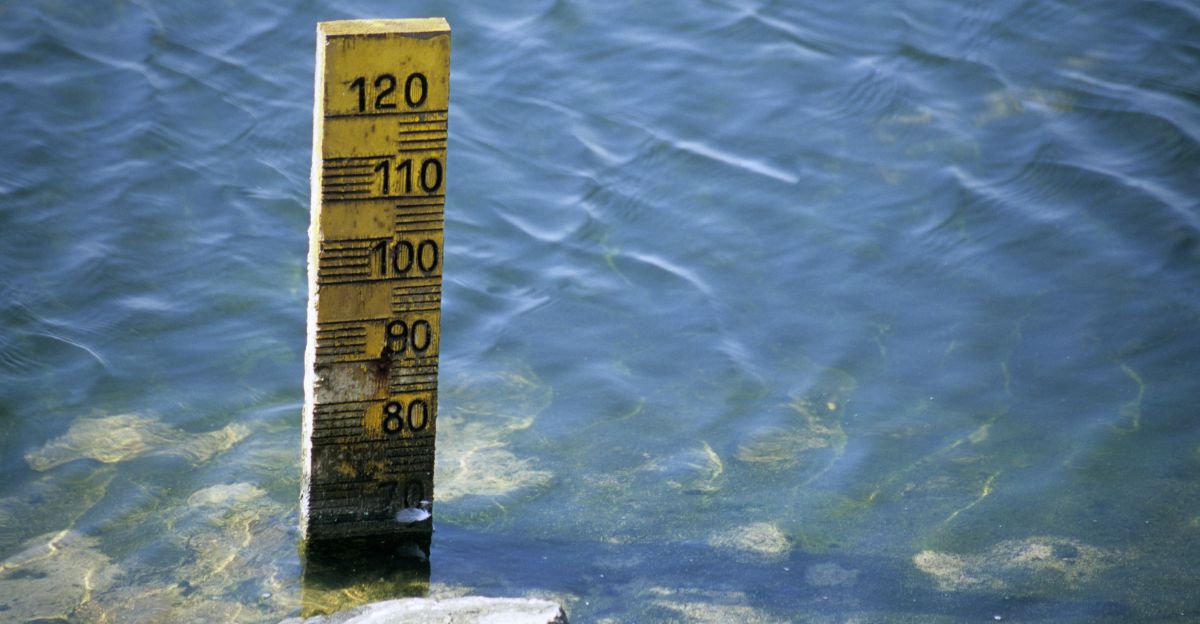
Sixty-five centimeters of sea-level rise from Thwaites is already committed, according to the National Academies’ modeling. Without radical protective measures or relocation, modern coastal cities face uninhabitability. Full destabilization of the West Antarctic Ice Sheet could eventually raise ocean levels by 1.5 to 3 meters or more. Seismic monitoring gives 1–5 year advance warnings of structural failure. The hundreds of hidden earthquakes beneath Thwaites act as nature’s alarm clock—and the countdown is underway.
SOURCES:
“Hundreds of Iceberg Earthquakes Detected at the Crumbling End of Antarctica’s Doomsday Glacier,” Australian National University Reporter, December 11, 2025
“Systematic Detection of Glacial Earthquakes in Thwaites Glacier, West Antarctica,” ESS Open Archive/Geophysical Research Letters (in revision), December 2024
“Widespread Seawater Intrusions Beneath Grounded Ice of the Thwaites Glacier,” Proceedings of the National Academy of Sciences (PNAS), May 19, 2024
“Chapter 2: Priority I: Changing Antarctic Ice Sheets,” National Academies of Sciences Report on Antarctic Research, January 2, 2022