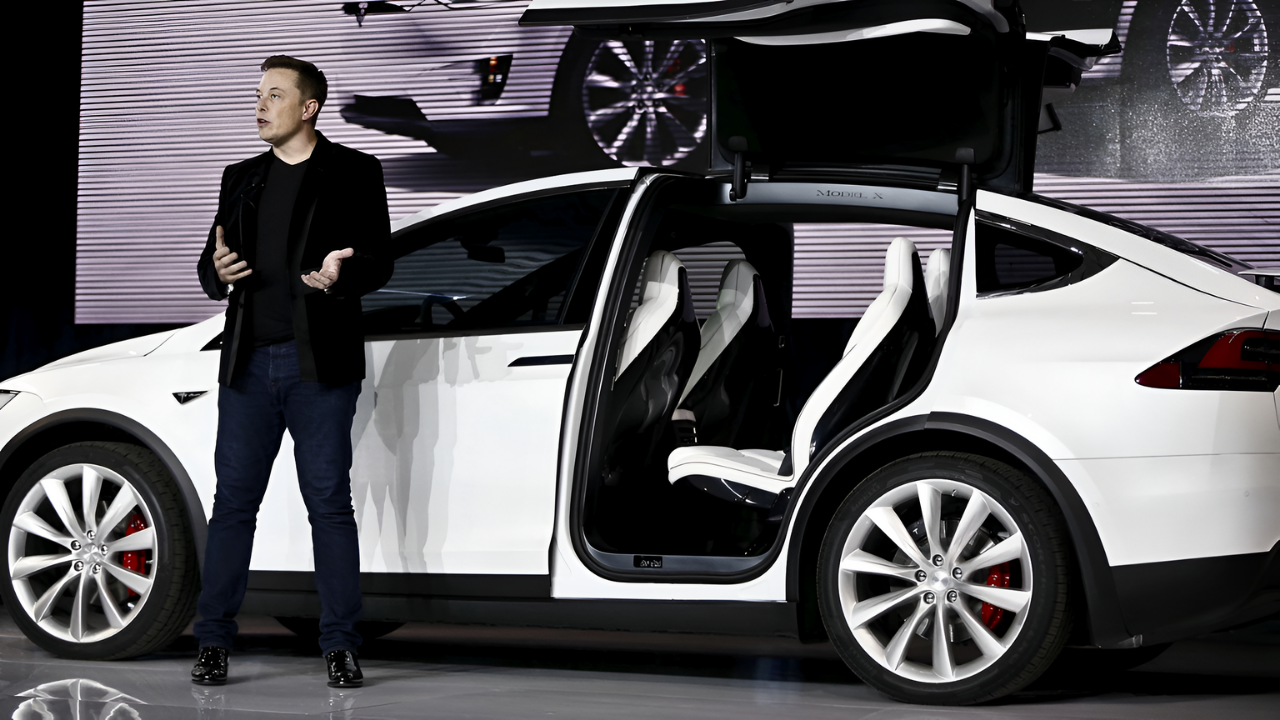
By late December 2025, Tesla was racing the clock to deliver roughly 555,000 vehicles in a single quarter just to keep annual sales from falling for a second straight year.
That number would exceed its previous quarterly delivery record by double digits and came as analysts warned the company was likely to fall far short of the mark.
The Sudden December Fire Sale
In the final weeks of December, Tesla rolled out its most aggressive year‑end deals yet, headlined by a steep discount on the Model Y Standard.
U.S. buyers saw the advertised price cut to about 39,990 dollars before fees, paired with zero‑percent financing for up to seventy‑two months and bundled upgrade perks, all conditioned on taking delivery before New Year’s Eve.
Why Tesla Is Under Pressure Now
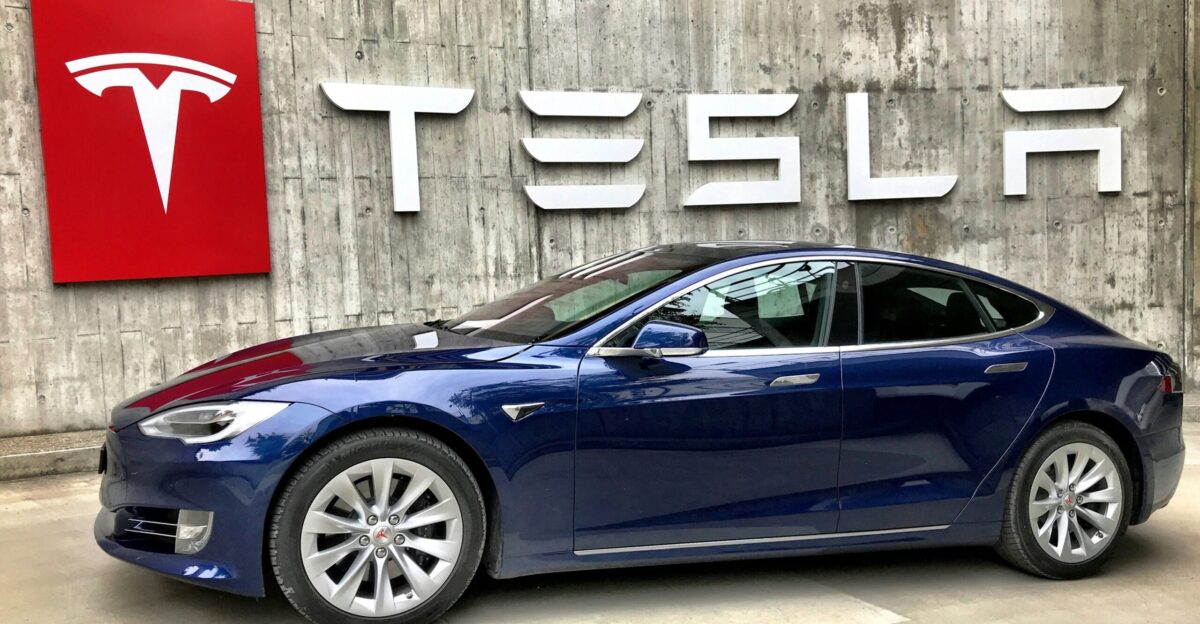
The urgency traces back to a weakening delivery trajectory through 2025. After shipping around 1.22 million vehicles in the first nine months, Tesla remained well behind the 1.79 million delivered in 2024, leaving a massive Q4 gap.
With global EV competition intensifying and growth slowing in key markets, year‑over‑year declines risk undercutting the company’s high‑growth narrative that long supported its rich valuation.
The 2025 Sales Shortfall Explained

Analyst forecasts suggest Tesla will miss its internal delivery aspirations by a wide margin. Several banks and research firms now project Q4 2025 deliveries in a range of roughly 415,000 to 455,000 vehicles, implying a full‑year total comfortably below 1.8 million.
That would confirm a second consecutive annual decline after years of rapid expansion and raise deeper questions about demand for Tesla’s maturing lineup.
U.S. Demand Slumps Despite Discounts

In the United States, Tesla’s sales slide was visible even before the December promotion blitz. Industry data showed November 2025 U.S. sales dropping to under forty thousand units, down more than twenty percent from a year earlier and at their weakest since early 2022.
Those figures arrived despite the introduction of lower‑priced “Standard” variants, suggesting price alone was no longer enough to sustain prior growth levels.
Europe Turns From Growth To Freefall

The downturn in Europe has been even sharper. Through November 2025, Tesla’s registrations across key European markets were down nearly forty percent compared with 2024, and monthly data showed double‑digit declines throughout much of the year.
As local and Chinese rivals expand their offerings, Tesla’s regional market share has roughly halved, signaling that early‑mover advantages in Europe have largely evaporated.
China And BYD Rewrite The Global Rankings
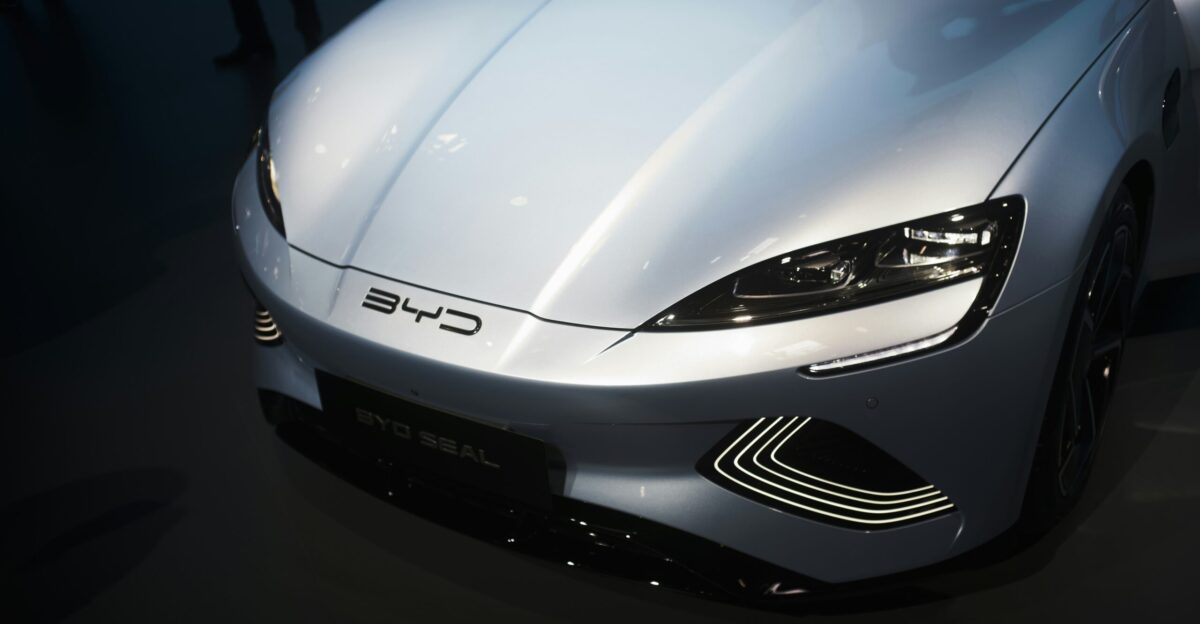
In China, Tesla faces mounting pressure from domestic champion BYD. By late 2025, BYD had overtaken Tesla in global pure electric vehicle sales, building a lead of several hundred thousand units for the year.
Tesla’s Chinese volumes have come under strain from aggressive local pricing, expanding model lineups, and policy shifts, undercutting the company in what remains the world’s most important EV market.
The EV Tax Credit Cliff In The U.S.

The U.S. sales environment was further jolted by the September 30, 2025 expiration of key federal EV tax credits. That deadline pulled demand forward into the third quarter, lifting deliveries temporarily as consumers rushed to capture incentives.
Once those credits lapsed, EV sales growth across the industry decelerated sharply, leaving Tesla particularly exposed because many of its models had benefited heavily from the subsidies.
Profit Margins Crushed By Price Cuts

Tesla’s aggressive pricing strategy has come at a cost to profitability. By the third quarter of 2025, the company’s automotive gross margin had fallen into the mid‑teens percentage, down notably from levels near twenty percent or higher a year earlier.
Net profit margins compressed as well, as cheaper trims, promotional financing, and rising costs eroded the high returns that once set Tesla apart from traditional automakers.
Earnings Pressure Raises Red Flags

The margin squeeze translated directly into weaker earnings. In its most recent reported quarter, Tesla posted double‑digit revenue growth but a steep drop in net income and operating profit compared with the prior year.
Analysts warn that if Q4 deliveries come in at the low end of expectations and margins compress further, Tesla could face one of its most challenging earnings seasons in years, with guidance closely scrutinized.
Analysts Question The Growth Story

Several prominent banks and research houses have trimmed delivery forecasts or sounded caution on Tesla’s outlook. Reports ahead of year‑end warned that fourth‑quarter shipments were likely to undershoot earlier projections, highlighting intensifying competition and waning order momentum.
While some long‑term bullish targets still hinge on software and autonomy, near‑term ratings increasingly reflect concerns about the core vehicle business.
Competition From BYD, Hyundai, And Legacy Players

Tesla is no longer competing against a thin field of early EV adopters. In the U.S., Europe, and China alike, established automakers and newer electric‑only brands are rolling out competitively priced models with updated interiors, software, and charging features.
BYD’s global surge, rising offerings from Hyundai and Kia, and growing EV volumes at groups like Volkswagen and GM have all chipped away at Tesla’s dominant share.
Brand And Leadership Scrutiny Intensify
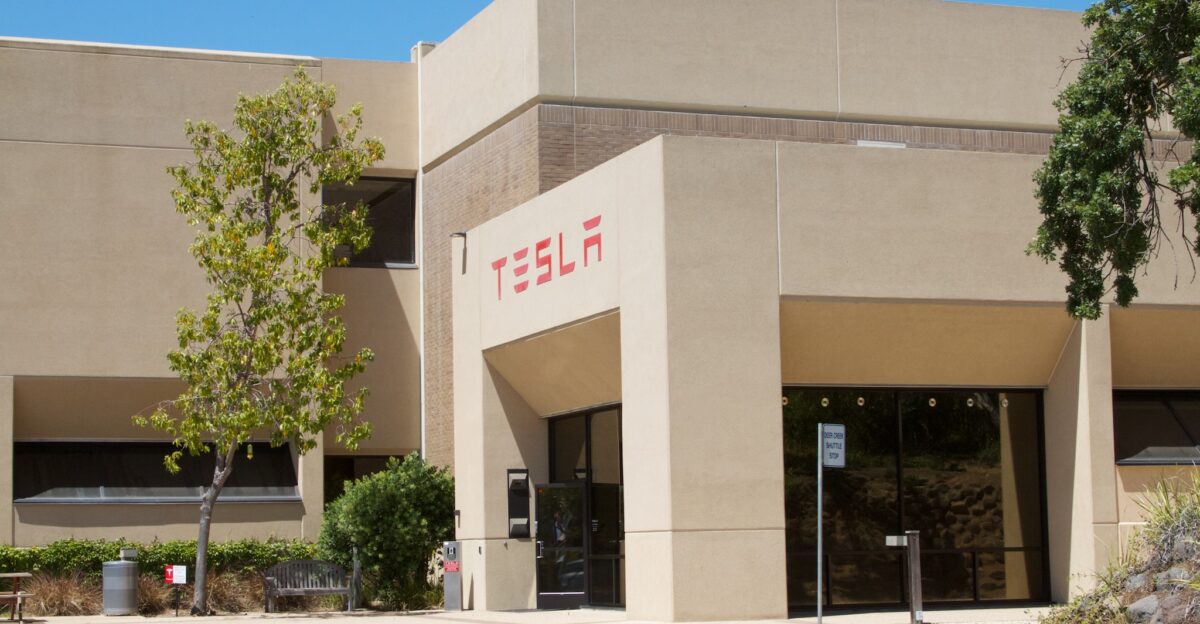
Beyond product competition, Tesla’s brand has also come under closer scrutiny. Reporting in 2025 highlighted survey data showing falling loyalty and shifting consumer perceptions as some buyers reacted negatively to public controversies surrounding CEO Elon Musk.
Analysts have debated how much of the sales slowdown reflects macro and industry factors versus reputational issues that could have lasting effects on demand.
Cybertruck And Lineup Aging Concerns

Tesla’s product roadmap has drawn criticism for lacking a fresh, high‑volume model in the near term. The Cybertruck, while highly visible, remains a niche vehicle with relatively modest volumes compared with mainstream sedans and crossovers.
Meanwhile, core models like the Model 3 and Model Y, though refreshed, are now facing newer alternatives, prompting calls from some investors and analysts for a broader update cycle.
The High-Stakes Pivot To AI And Robotaxis

Tesla’s leadership has increasingly framed the company as an artificial intelligence and robotics player rather than purely an automaker. Ambitious plans for robotaxi networks and the Optimus humanoid robot are central to bullish long‑term valuations.
However, these initiatives require heavy investment and face regulatory and technical hurdles, raising questions about timing and whether they can offset near‑term pressure in the vehicle business.
Rising Costs And Tariff Headwinds

The company also faces external cost pressures. New trade measures and tariffs have added hundreds of millions of dollars in expenses on an annualized basis, affecting both imported vehicles and components.
At the same time, Tesla is committing substantial capital to AI computing infrastructure and new manufacturing capabilities, contributing to higher overall operating and capital expenditures during a period of moderating revenue growth.
What The 555,000 Target Really Represents
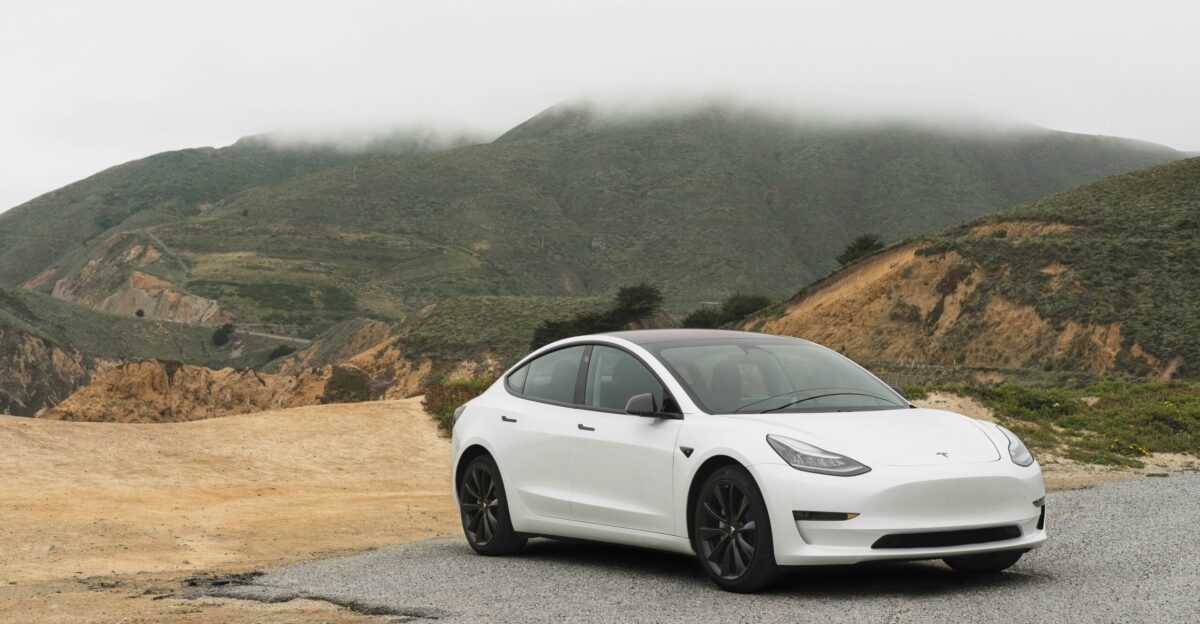
The widely cited 555,000‑vehicle goal is more than just a round number. Hitting or missing that threshold effectively determines whether Tesla can match or exceed its 2024 delivery tally and preserve its narrative of sustained growth.
Falling short, especially by a wide margin, would cement a second year of contraction, potentially shifting how investors value the company relative to faster‑growing EV rivals.
Market Repercussions If Tesla Misses
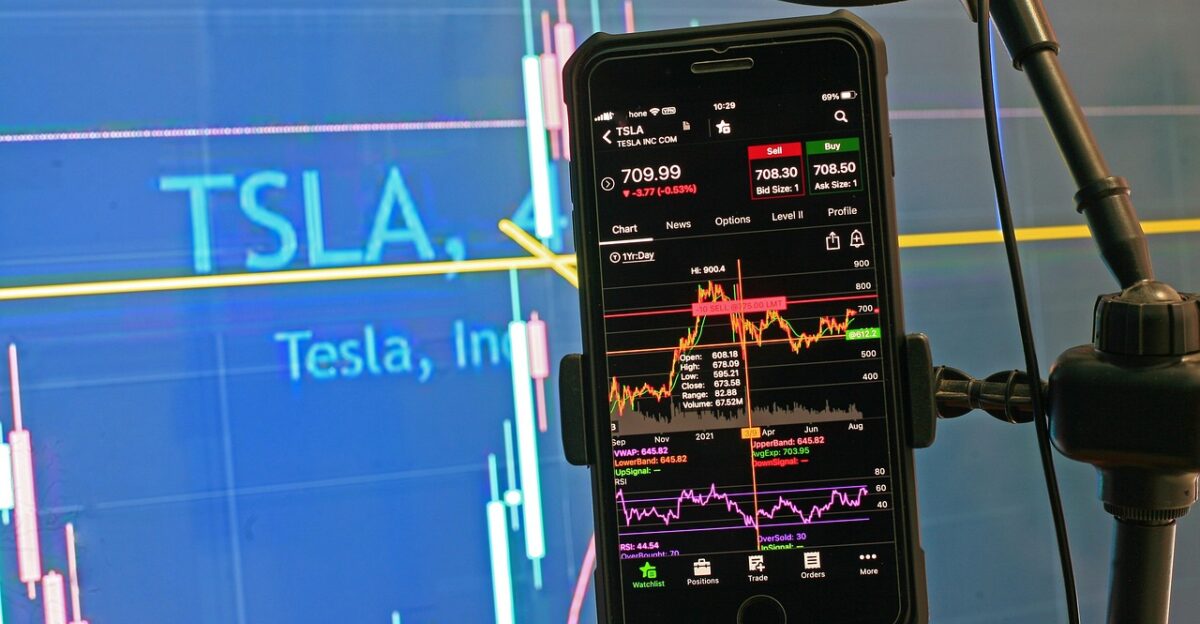
If Tesla’s actual Q4 deliveries land near current analyst ranges, markets may reassess expectations for both earnings and long‑term volume. Some research notes already model slower compound growth rates and lower margin assumptions than in earlier years.
A pronounced shortfall could increase volatility in Tesla’s share price and intensify debates over how much of its valuation should be tied to unproven future businesses.
What’s Next For Tesla In 2026 And Beyond
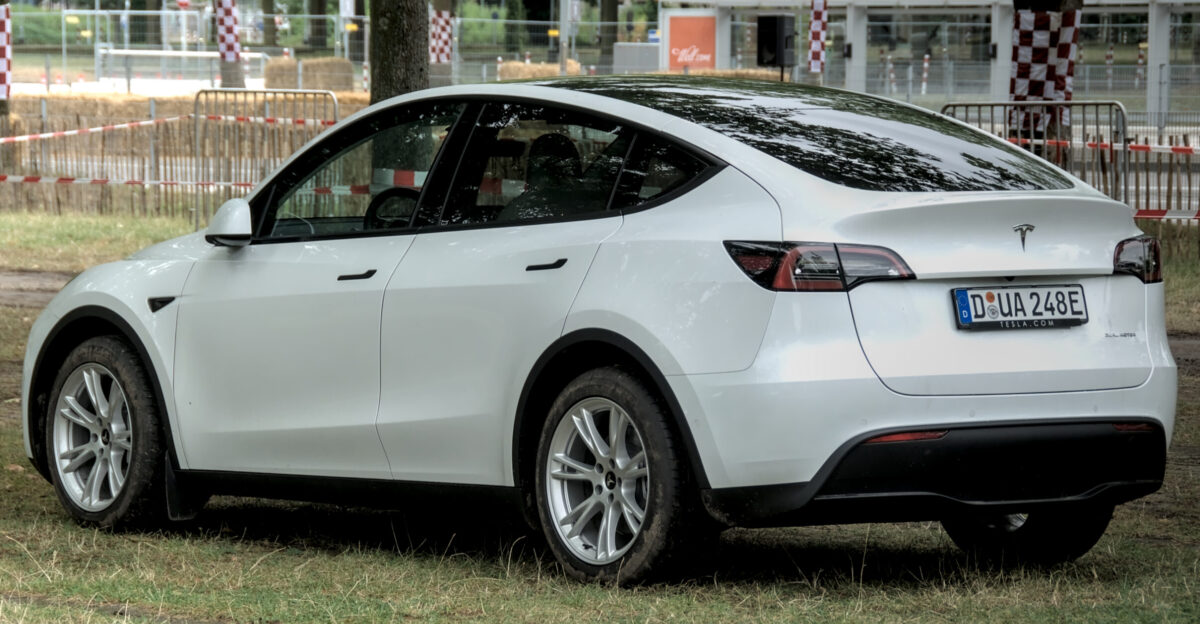
Looking ahead, Tesla’s options include further price adjustments, accelerated cost reductions, and renewed focus on new vehicle platforms to reignite demand.
The company is also expected to outline clearer timelines for its AI and autonomy programs, which many investors view as key to its long‑term story. How it balances those ambitions with stabilizing its core EV franchise will likely define the next phase of its evolution.
Tesla’s January 2 Moment of Truth
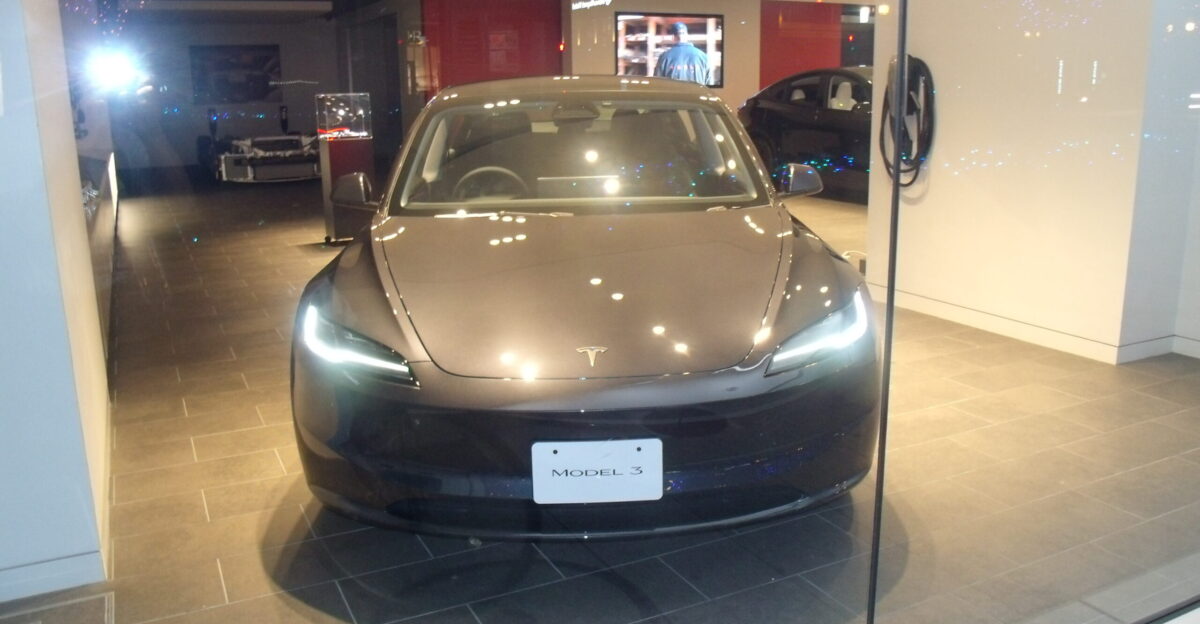
Tesla is scheduled to release its official fourth-quarter and full-year 2025 delivery figures on January 2, 2026, a date that has become a critical inflection point for investors and industry watchers alike.
Whether the company reaches, approaches, or falls well short of the 555,000-vehicle threshold will determine not only its annual growth trajectory but also shape Wall Street’s confidence in management’s longer-term targets.
Sources:
“Tesla U.S. sales drop to nearly 4-year low in November despite launch of cheaper versions.” Reuters, 11 Dec 2025.
“Tesla struggles to course correct from sales skid.” Reuters, 26 Nov 2025.
“Tesla debuts ‘affordable’ versions of Models Y and 3 that strike some as underwhelming.” Reuters, 07 Oct 2025.
“Tesla reports first-ever drop in annual deliveries.” CNBC, 02 Jan 2025.
“Tesla Model Y and Model 3 get price cuts but profit margins squeezed.” USA Today, 21 Oct 2025.
“Tesla’s deliveries set to undershoot in Q4, Deutsche Bank says.” Investing.com, 20 Dec 2025.
“Tesla stock price target maintained at $247 by UBS on delivery forecast cut.” Investing.com, 23 Dec 2025.