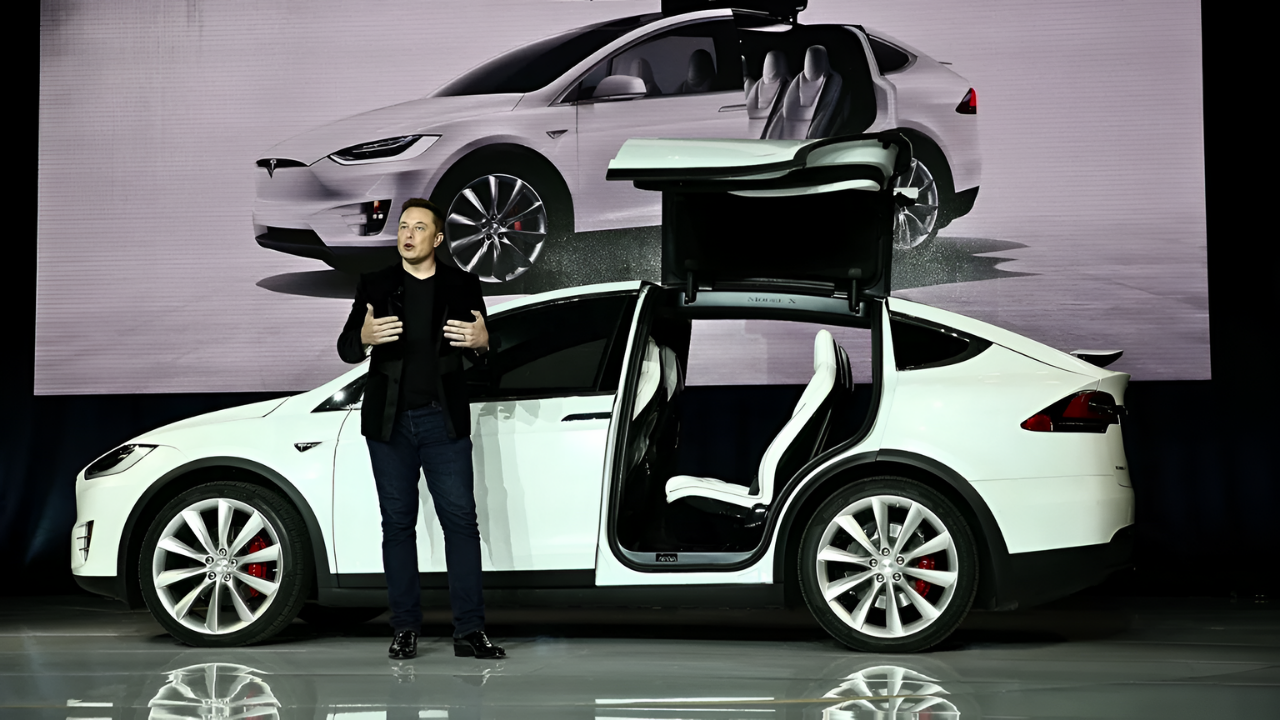
Tesla CEO Elon Musk personally insisted on electronic door systems in 2016 despite explicit safety warnings from engineers, according to Bloomberg’s investigation. The decision affected the Model 3, Model Y, and Cybertruck—vehicles now comprising millions of units worldwide.
Engineers raised concerns that power-dependent doors could trap occupants during emergencies, but Musk’s minimalist design philosophy prevailed.
At Least 15 Fatalities Documented

Bloomberg identified at least 15 deaths across the United States over the past decade where Tesla’s electronic doors failed during crashes that resulted in fires.
More than half of these fatalities occurred since November 2024, suggesting the problem is accelerating as Tesla’s fleet expands. Over 140 complaints have been filed with federal safety regulators.
How the System Fails
Tesla vehicles rely on a 12-volt battery to power door latches, windows, and electronics. When this battery fails—through crash damage, fire, or natural depletion—the electronic doors become completely inoperative from inside and outside.
Manual backup releases exist but are hidden behind trim panels, unmarked, and require sequential actions that are nearly impossible during panic situations.
Piedmont Cybertruck Tragedy
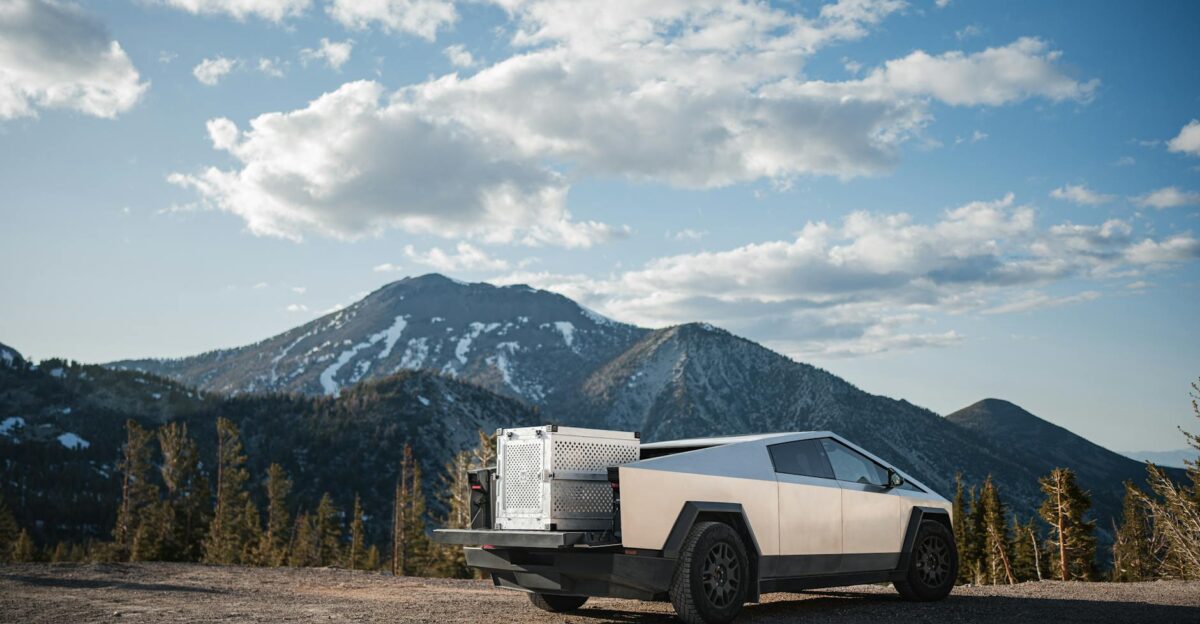
On November 27, 2024, three college students died in a Piedmont, California Cybertruck crash. Krysta Tsukahara, 19, and Jack Nelson, 20, survived the initial impact but died from smoke inhalation after becoming trapped inside the burning vehicle.
Autopsy evidence confirmed neither had life-threatening injuries from the collision itself. A fourth passenger escaped only after a friend shattered a window.
Toronto Model Y Fire Kills Four
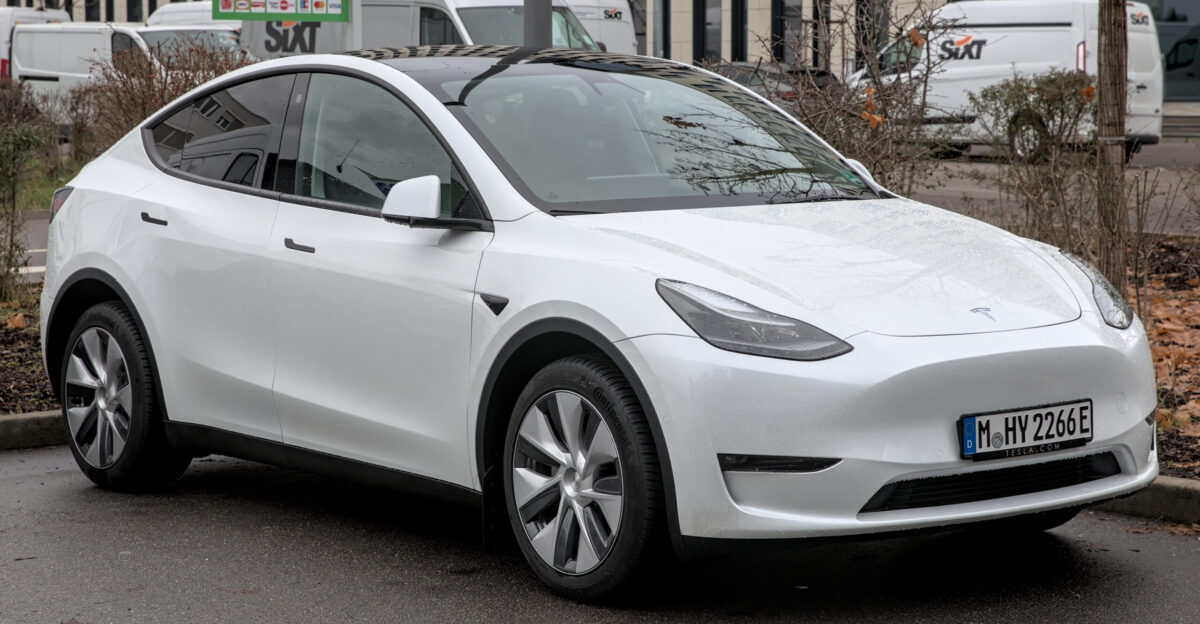
Four friends perished in an October 2024 Toronto crash when their Model Y struck a guardrail and erupted in flames.
Bystander Rick Harper broke a window with a metal pole to rescue one survivor but couldn’t reach the others. “You couldn’t open the doors,” Harper told reporters, adding the rescued woman appeared “desperate to get out”.
Survivor Forced to Kick Out Window
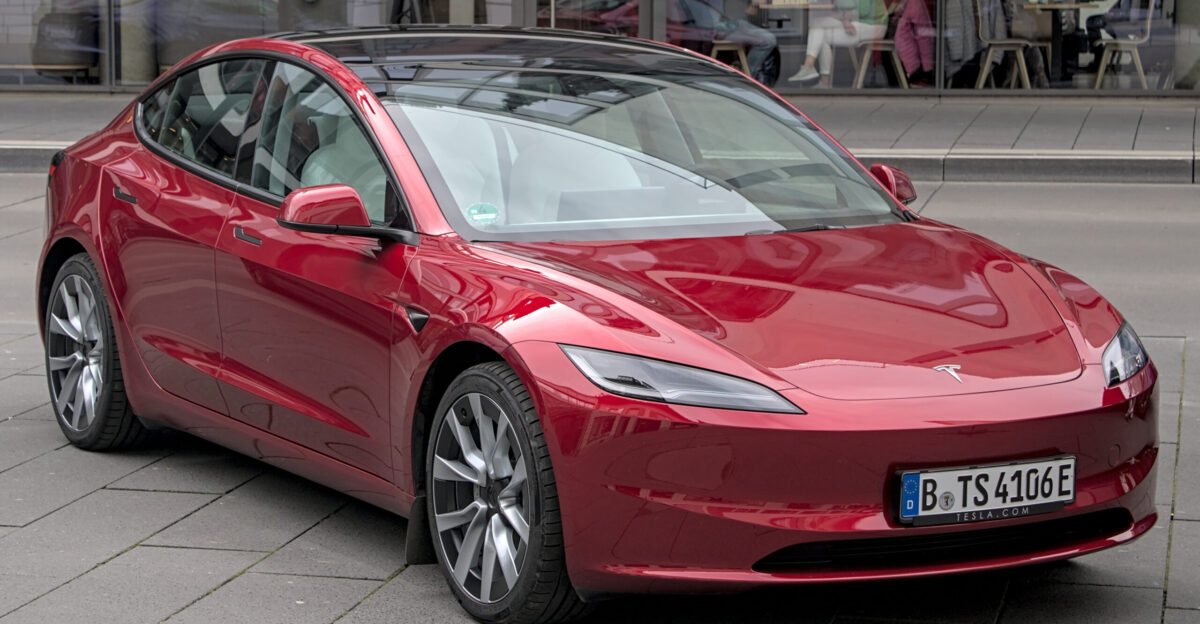
Kevin Clouse of Georgia was trapped in his burning Model 3 after a 2023 head-on collision. Unable to locate the hidden manual release, Clouse crawled to the rear seat and repeatedly kicked the window until it shattered.
He escaped with severe injuries requiring three surgeries including hip replacement. “You’re in a box that’s on fire and you can’t get out,” Clouse testified.
Federal Investigations Underway

The National Highway Traffic Safety Administration has opened two investigations covering over 353,000 Tesla vehicles. The September 2024 probe examines Model Y door failures, while a December investigation focuses on Model 3 emergency releases.
Complaints center on 12-volt battery failures that occur without warning, leaving owners unable to enter or exit vehicles.
China Moving to Ban Design

China’s Ministry of Industry and Information Technology proposed regulations effectively banning Tesla-style flush door handles by January 2027.
The rules require all doors to have mechanical releases that work without electricity, provide adequate hand space, and remain visible even during power failures. Tesla sells approximately 480,000 vehicles annually in China.
Hidden Manual Releases Criticized

Safety experts condemn Tesla’s manual release design as a human factors failure. Front door releases are small levers near window switches that confuse users.
Rear releases are hidden beneath removable trim panels, requiring occupants to know locations, remove covers, and pull concealed cables. Some Model Y vehicles have no rear manual releases whatsoever.
Tesla Announces Redesign—Eventually
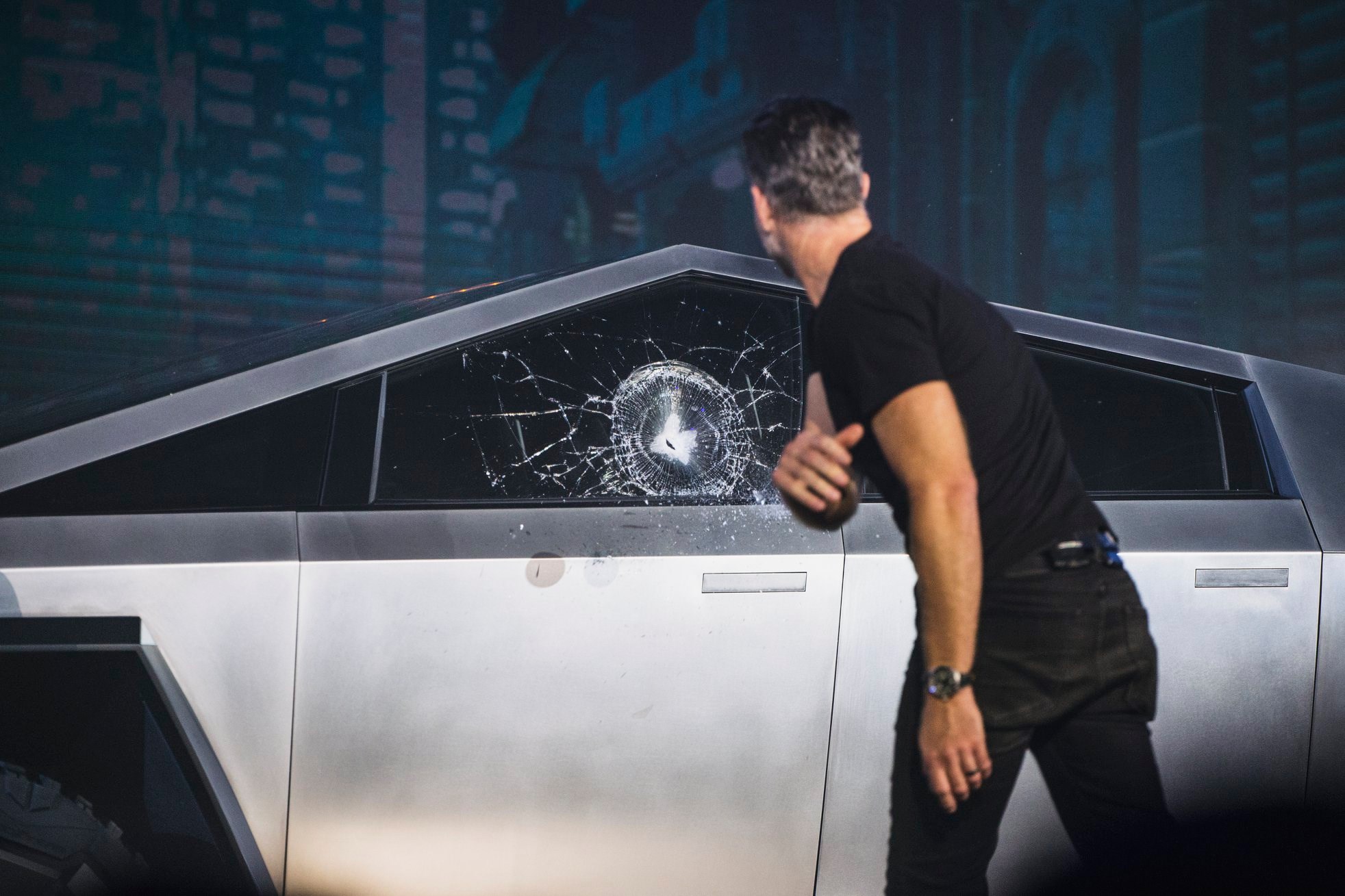
Tesla Design Chief Franz von Holzhausen announced in September 2025 that the company is developing a combined electronic-manual release mechanism.
However, no timeline was provided, and Tesla hasn’t addressed whether millions of existing vehicles can be retrofitted. The announcement followed Bloomberg’s initial investigation and federal safety probes.
New Safety Website Raises Questions

Days before Bloomberg’s comprehensive report, Tesla launched a webpage claiming doors unlock automatically after serious collisions.
However, fine print notes features “may not be available in all regions or for all vehicles, depending on build date.” Tesla hasn’t clarified if capabilities apply to existing vehicles or only new production.
Legal Strategy: No Duty to Warn

In Texas court filings related to burn injury lawsuits, Tesla argued it has no duty to warn owners of defects. This position contradicts standard product liability doctrine requiring manufacturers to inform consumers of known safety risks.
Tesla has not issued voluntary recalls despite 15 documented deaths—contrasting with Ford and Fisker, which recalled vehicles for similar issues.
Owners Buy Emergency Tools
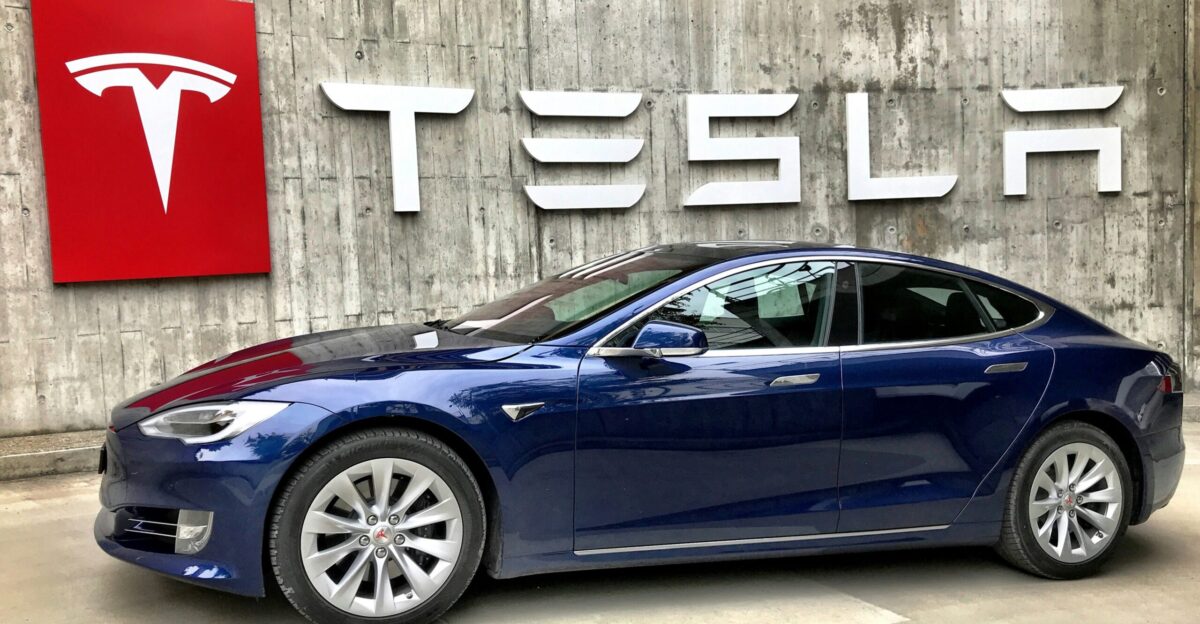
Tesla owners are purchasing glass breakers, emergency escape tools, and third-party kits that route hidden manual releases to accessible locations. YouTube tutorials demonstrate manual release locations, while online communities share door-opening techniques.
Consumer Reports initiated a petition demanding automakers make electronic door handles safer across the industry.
Disproportionate Complaint Rate
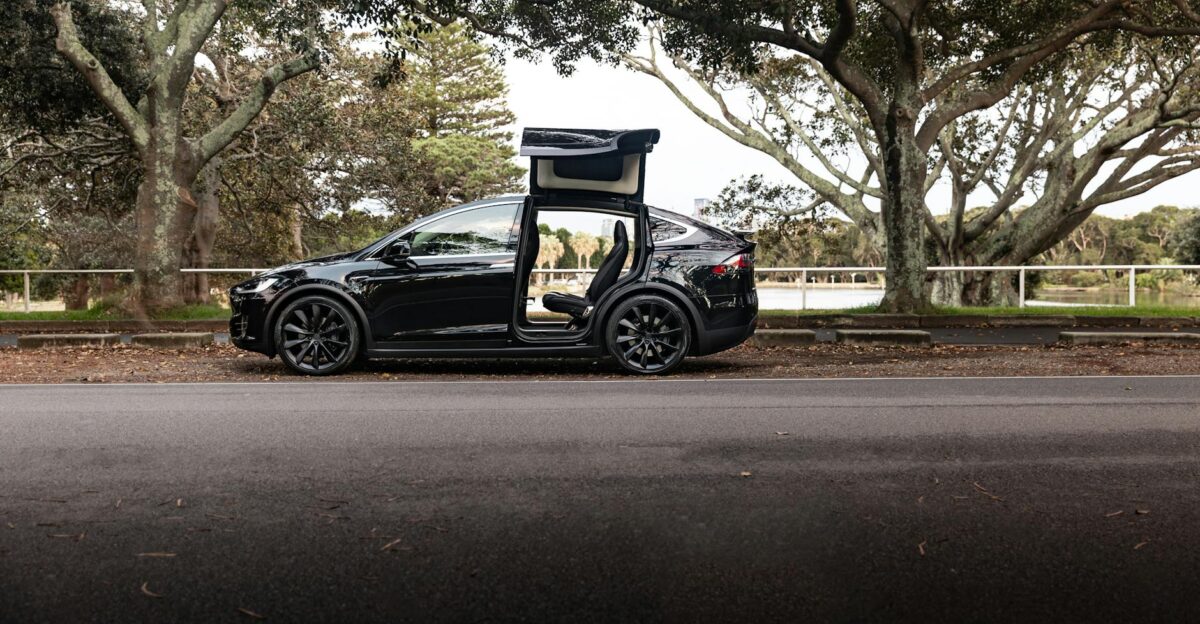
Tesla accounts for 210 door-related complaints over the past decade—compared to 310 electric-door complaints for all other automakers combined. Among approximately 70 vehicle models with electronic releases, Tesla has the highest consumer complaint rate.
The Model Y was the world’s best-selling vehicle in 2023 and 2024, meaning millions of vehicles incorporate the problematic design.
Reckoning Ahead
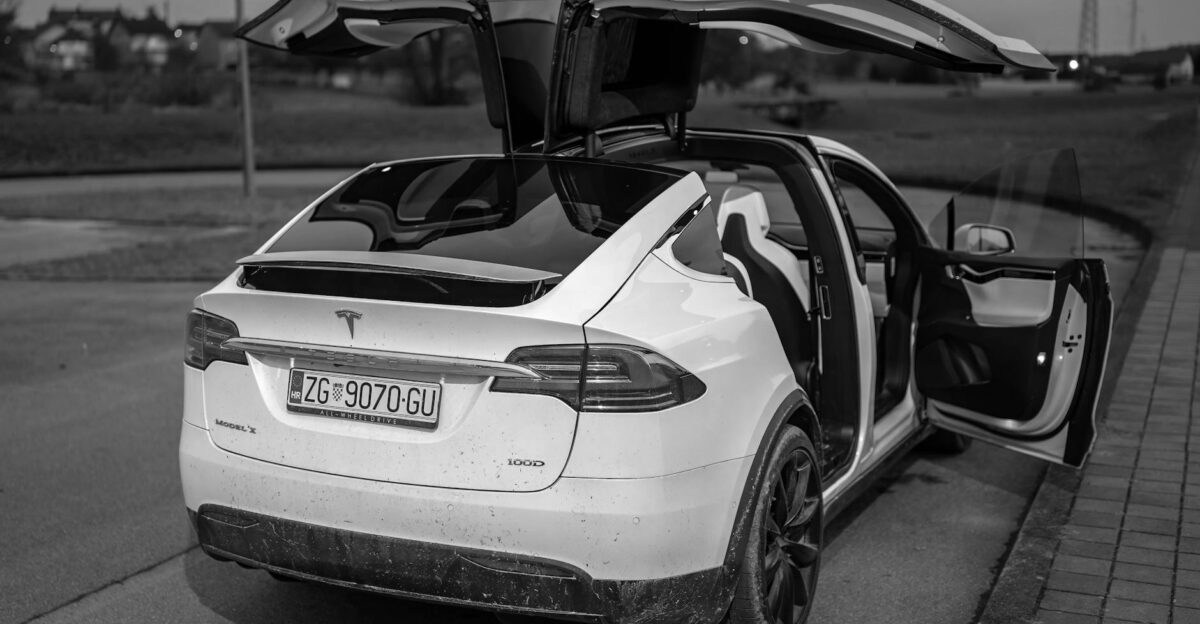
With NHTSA investigations ongoing, wrongful death lawsuits mounting, and China poised to ban the design, Tesla faces regulatory and legal pressure to act. The company’s market capitalization exceeds $1.5 trillion, providing ample resources for recalls and retrofits.
Whether regulatory compulsion, legal liability, or corporate conscience finally drives change remains uncertain—but for 15 documented victims and millions of at-risk owners, resolution cannot come soon enough.
Sources:
“Elon Musk Was Warned of Potential Tesla Door Safety Issues.” Bloomberg, December 2025.
“Tesla electronic door releases reportedly caused 15 deaths.” Drive.com.au, December 2025.
“Tesla Model 3 sedans face federal safety probe over hidden emergency releases.” Los Angeles Times, December 2025.
“NHTSA investigating Tesla Model 3 door releases following complaints.” KTVU, December 2025.
“Tesla Doors Are Faulted in Suits Over Fatal Cybertruck Crash.” Bloomberg, October 2025.
“China bans electric-only door handles in new cars from 2027.” Cars24.com.au, December 2025.