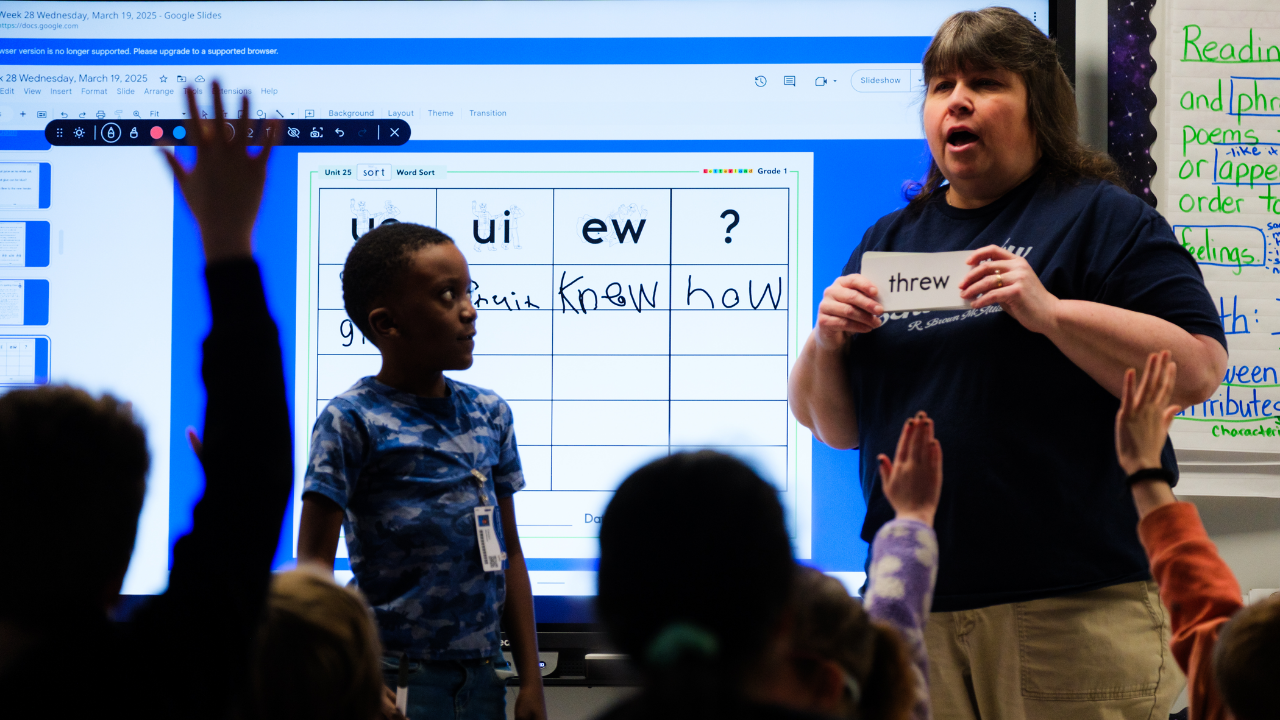
Michigan schools are seeing a historic rise in English language learners. In five districts, English learners now comprise 50% or more of the student population, creating new challenges for teachers, districts, and families.
As enrollment of non-native speakers rises even as overall student numbers decline, schools must adapt quickly to meet the educational and cultural needs of these students. Here’s what this means for schools, teachers, and families.
What’s Going On?
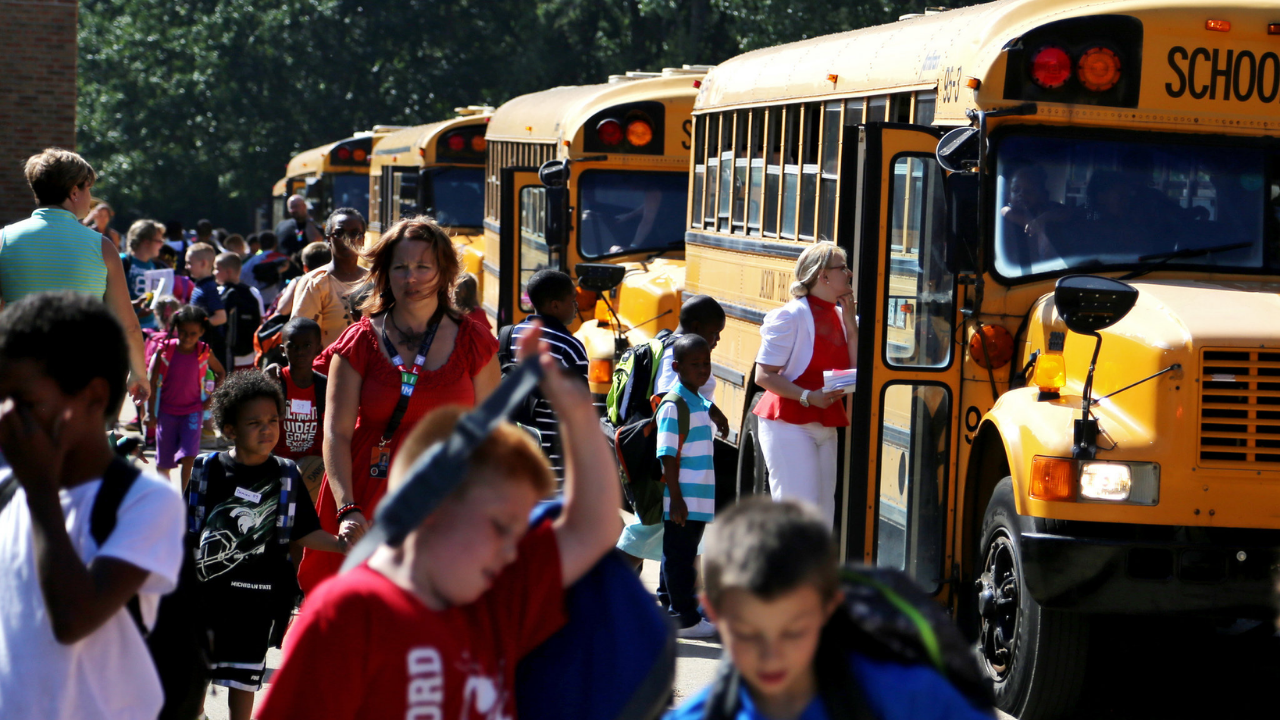
Michigan schools are seeing a record number of English learners. Over 104,200 students, or 7.3% of the state’s 1.4 million K-12 students, were classified as English language learners (ELL) in the 2024-25 school year.
This is the highest in over two decades. But how did this surge happen, and what does it mean for schools, teachers, and families across Michigan?
The Five Schools Lead In English Learners
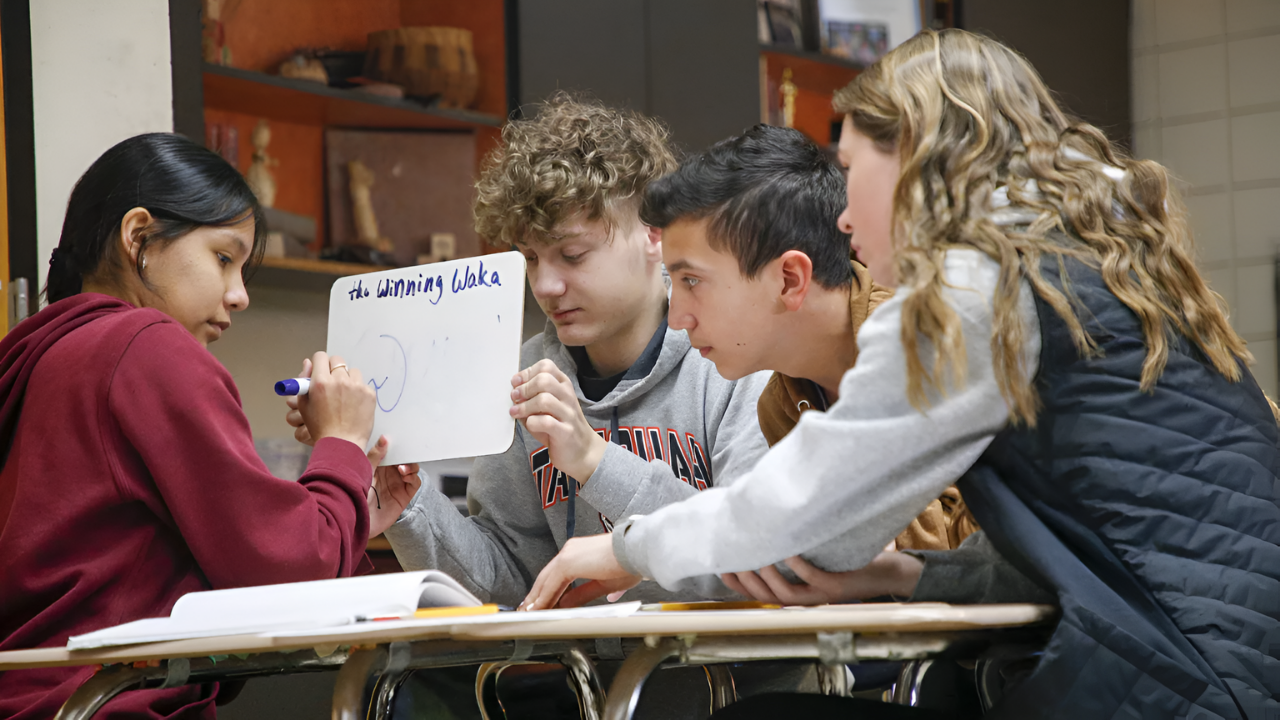
Five Michigan schools now have a majority of English learners. Hamtramck tops the list at 85%, followed by Cesar Chavez Academy, Star International Academy, Melvindale-Northern Allen Park, and Godfrey-Lee, with ~50% each.
These five serve roughly 11,000 students total, with 6,000+ ELLs. Statewide, only 7.3% of students are English language learners, indicating that this growth is concentrated in a few communities.
Michigan’s Largest Districts

Dearborn Public Schools tops the list with 8,587 ELL students, roughly 45% of the district’s 20,000 enrollment.
Other districts with high ELL populations include Godfrey-Lee, Star International, Cesar Chavez, Hamtramck, and Melvindale-Northern Allen Park. These concentrated numbers shape classroom needs and staffing decisions.
Impact On Teachers And Staff
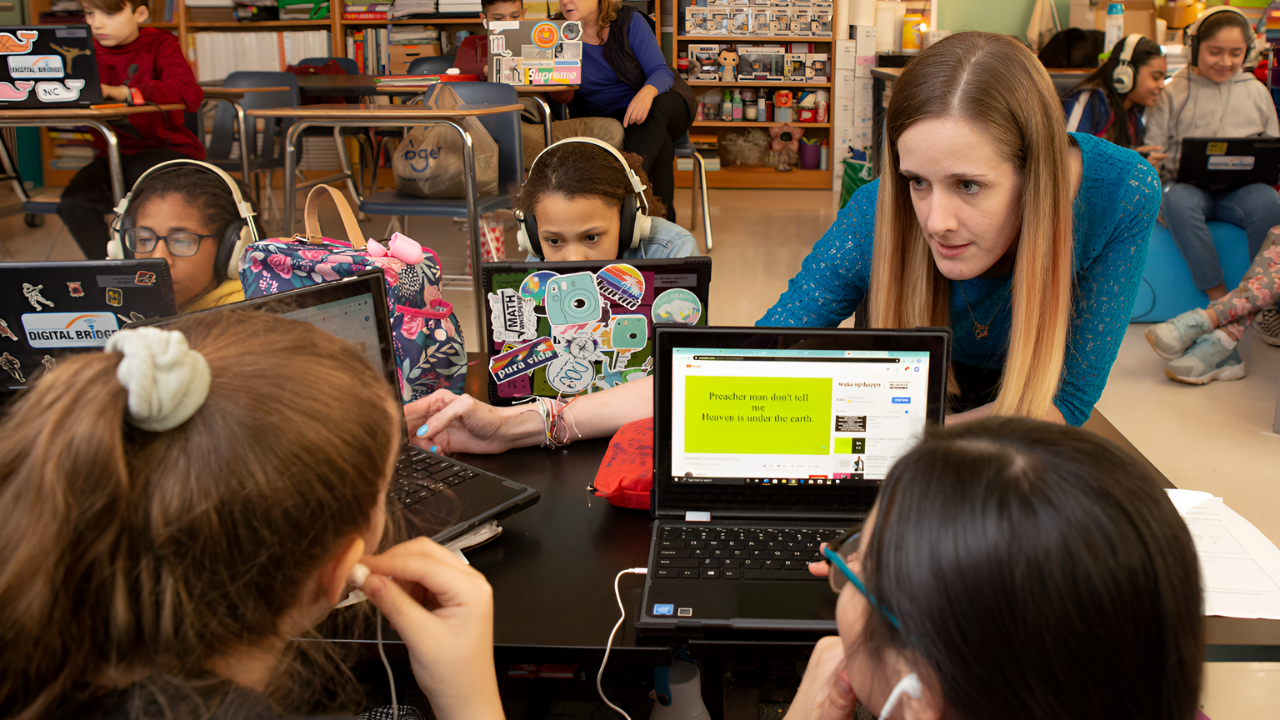
Michigan schools require bilingual-certified teachers for ELL instruction. As of the 2015-16 school year, 733 full-time positions were serving English learners.
Federal layoffs in March 2025 resulted in the elimination of nearly all staff at the Office of English Language Acquisition (OELA), leaving only one employee remaining. How does this affect funding and programs?
Families And Communities Affected
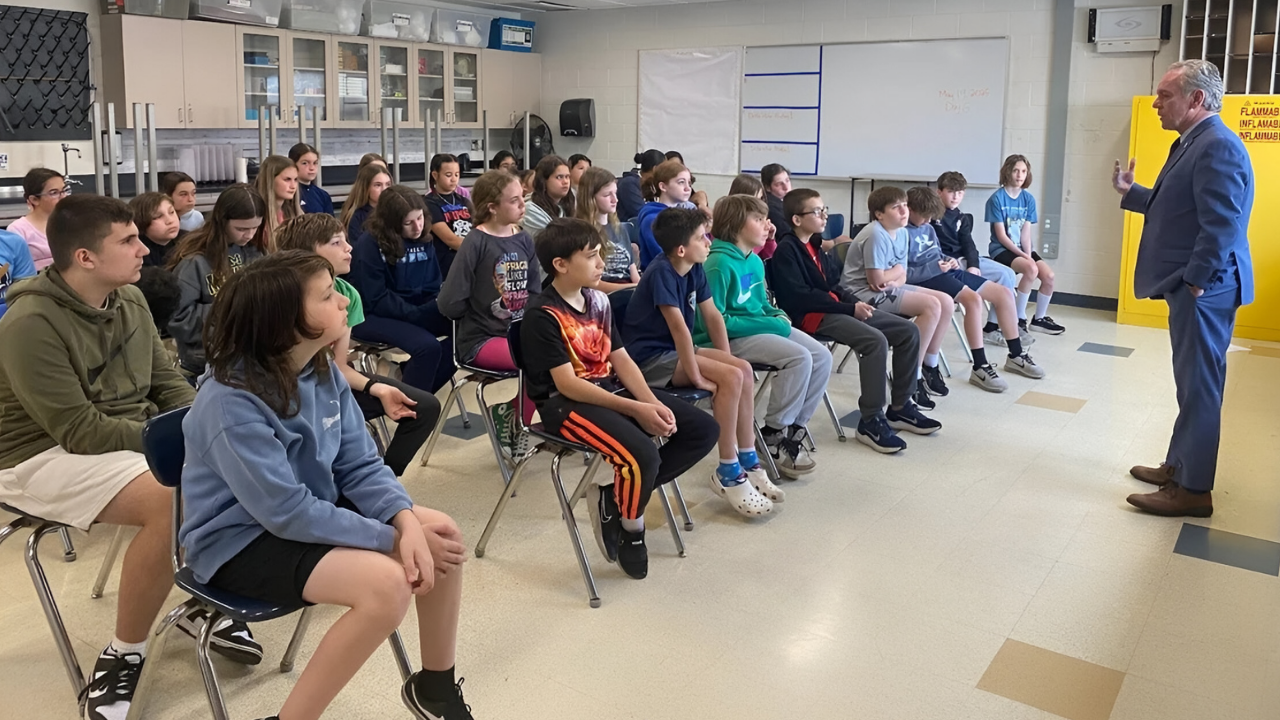
Immigrant families make up 13% of Michigan children. More than 1 in 10 business owners are immigrants, generating over $500 million in revenue.
Schools must meet the needs of these communities, striking a balance between education and support for cultural and language diversity. But federal changes have added new challenges.
The Core Situation
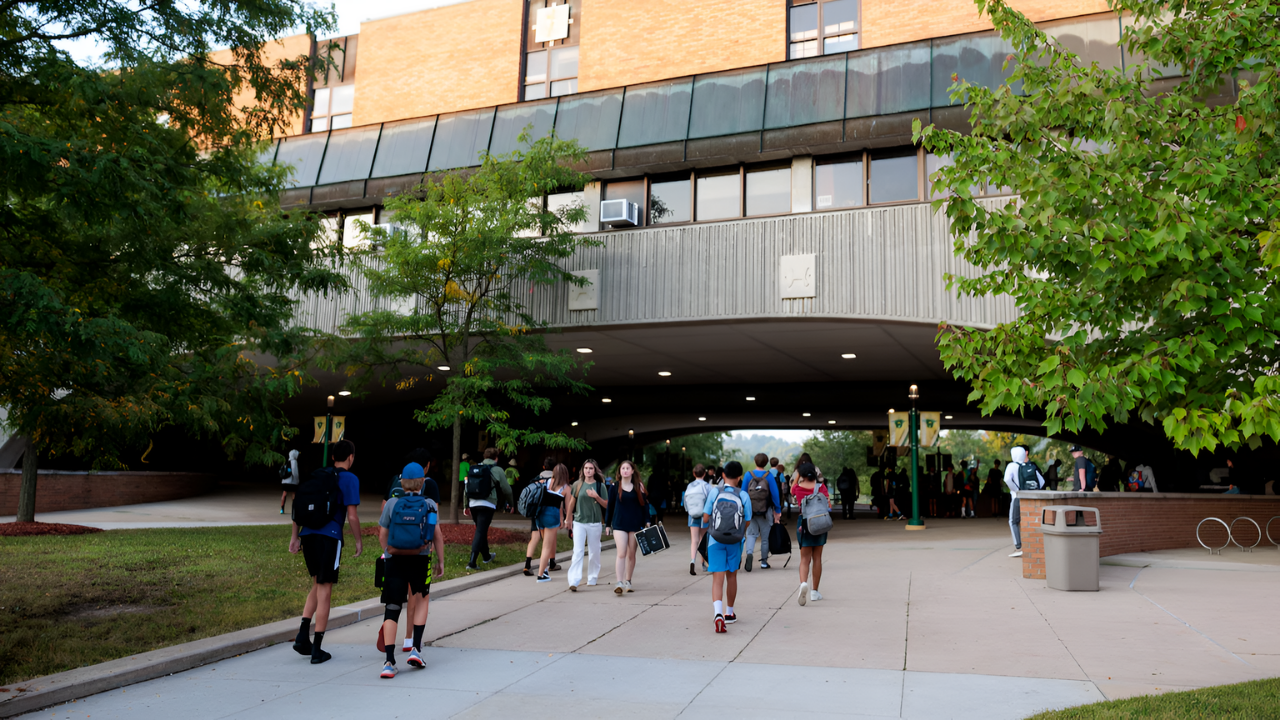
ELL enrollment grew from 68,000 a decade ago to over 104,200 in 2024-25—a 53% increase.
This surge occurred despite a slight decline in overall student enrollment. The combination of growth and demographic shifts puts pressure on schools to adapt quickly. How did federal policy influence this trend?
Federal Policy Shifts

In March this year, President Trump declared English the official U.S. language and abolished OELA, laying off nearly all staff.
Later, the 2015 Dear Colleague letter, which guided ELL compliance, was rescinded. Could Michigan schools operate effectively without these federal directives?
Proposed Federal Budget Cuts
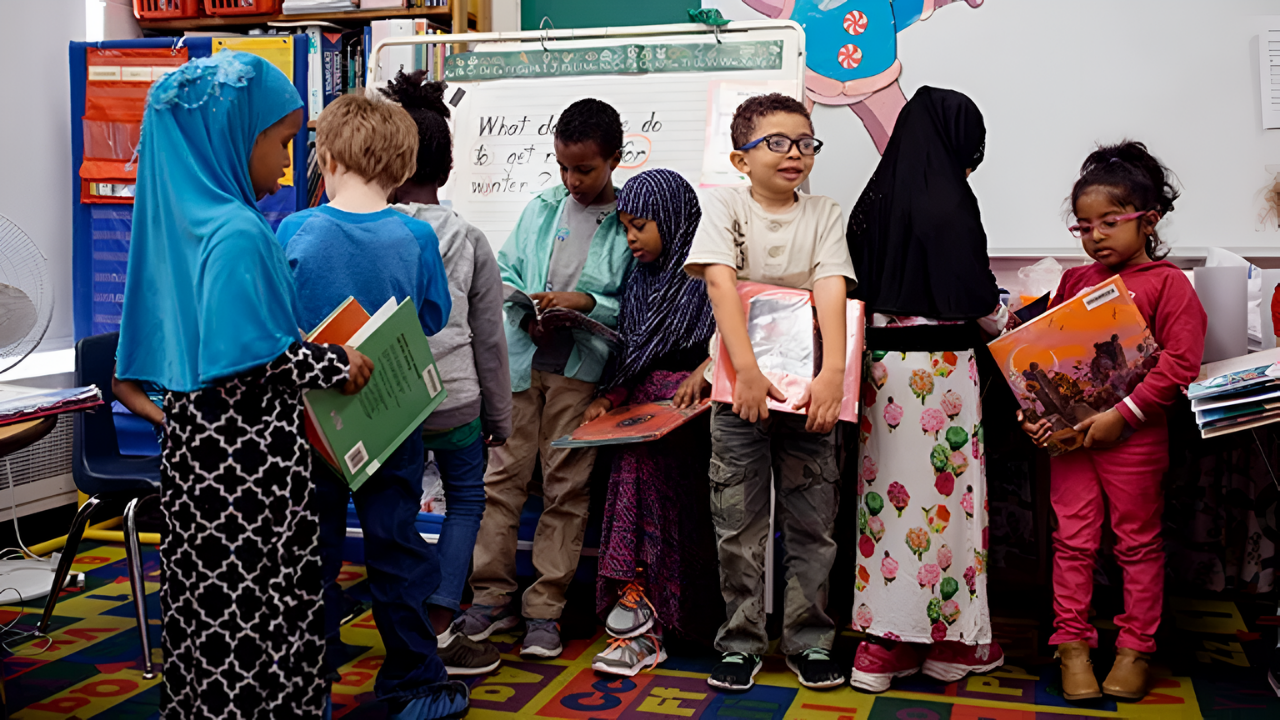
The 2026 federal budget proposes eliminating Title III funding, the only grant specifically for English learners, currently at $890 million nationally.
Michigan’s programs could lose critical federal support, affecting teacher staffing and after-school tutoring. How is the state countering these federal moves?
Michigan’s Response
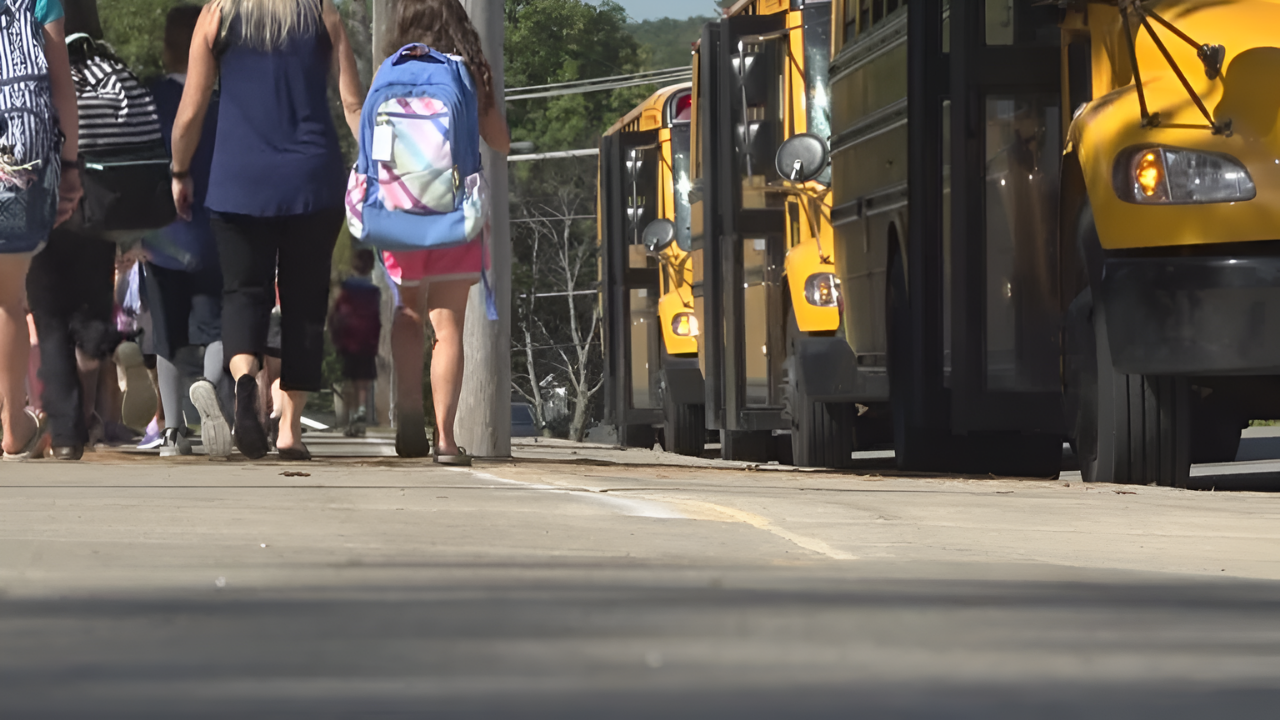
Michigan increased bilingual education funding by 25% in FY26, as part of the $24.1 billion education budget signed on October 7, according to Governor Whitmer’s press release.
Schools must now provide a mandatory minimum of instruction for ELL students or risk losing state funding.
Staffing And Instruction Requirements
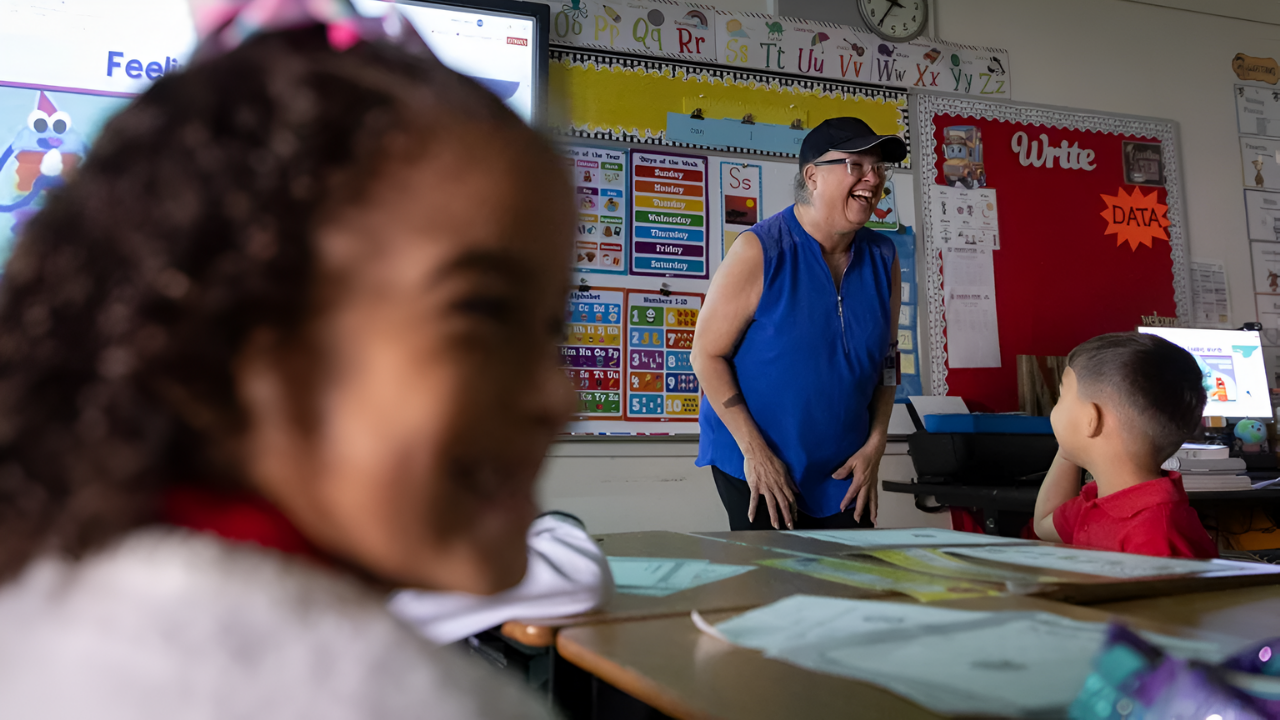
Students with lower proficiency must receive at least 150 minutes per week from bilingual-certified teachers. Another 150 minutes can be integrated into general classrooms.
Districts have a four-year timeline to meet staffing needs. How are schools balancing teacher preparation, classroom demands, and student outcomes?
Tracking Student Progress
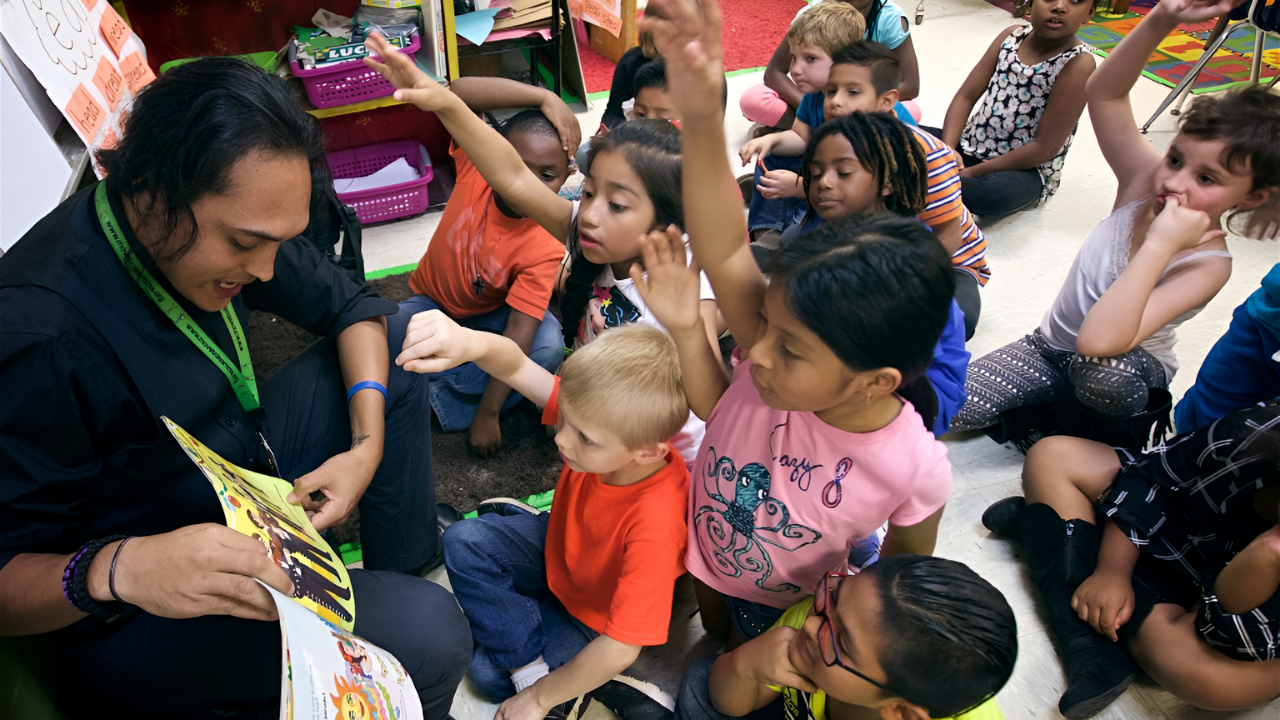
WIDA ACCESS tests measure listening, speaking, reading, and writing. Over 76,800 Michigan students participated recently, maintaining a 50% growth percentile.
Some students test out of ELL services annually. But what about those still struggling to reach proficiency levels?
Dual-Language Programs
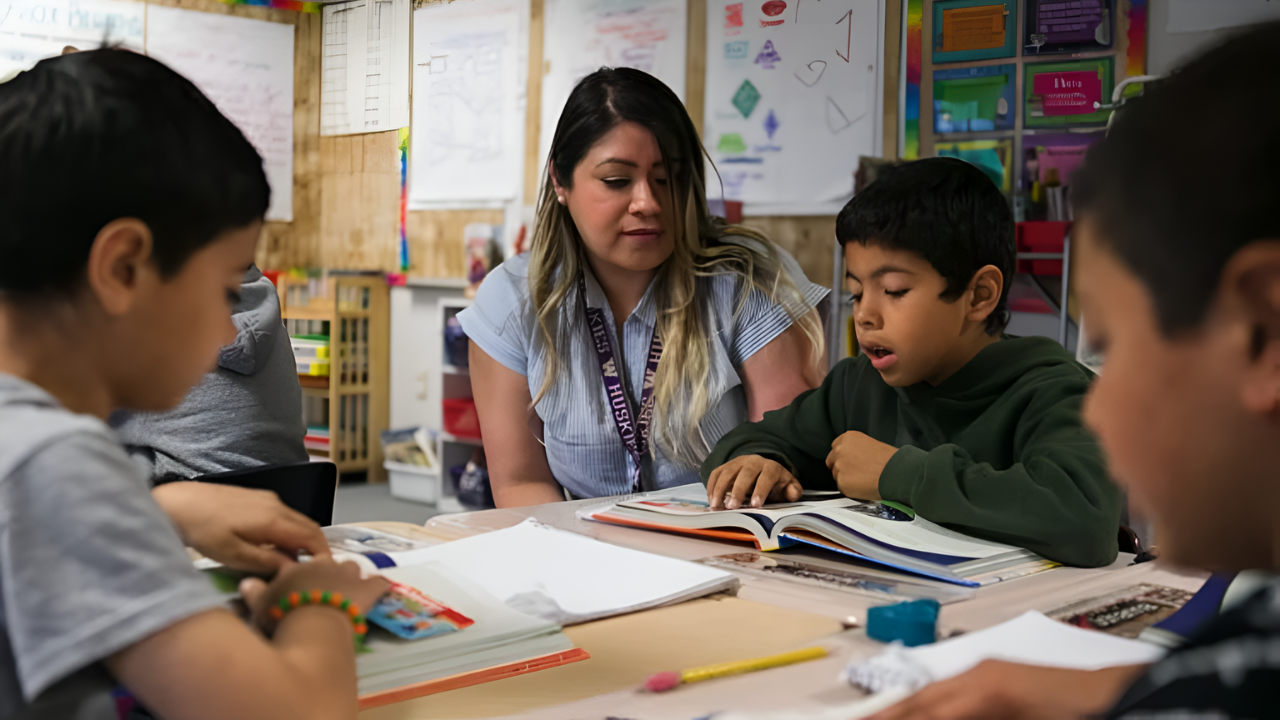
Districts like Ypsilanti Community Schools start kindergarten with 90% Spanish and 10% English, transitioning to 50/50 by fourth grade.
These immersion programs support both language learning and cultural inclusion.
Funding Allocation
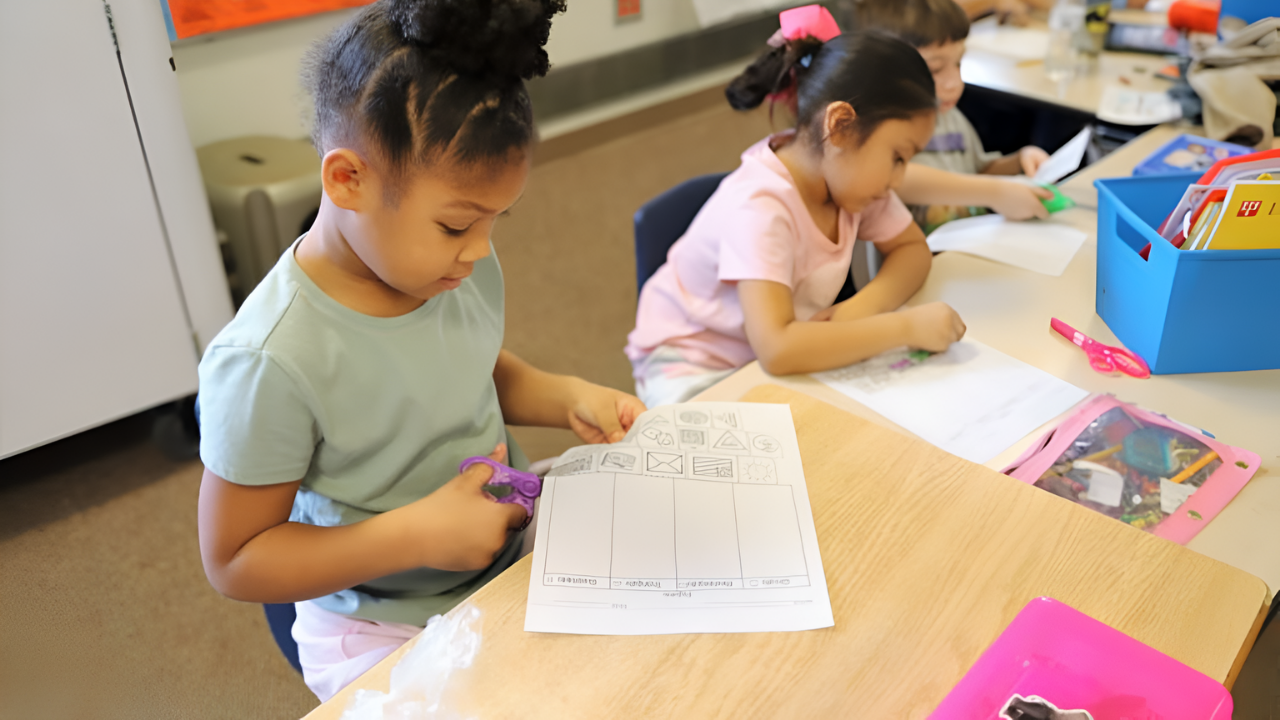
Michigan uses a weighted funding system based on proficiency levels. Students closer to proficiency receive less state funding.
Federal Title III funds support after-school tutoring, family outreach, and teacher training. Proposed cuts could affect thousands of jobs nationwide. How does Michigan compare to other states?
National Comparison

Michigan ranks 26th out of 31 states for ELL funding, offering 35-75% additional resources depending on proficiency.
By contrast, Georgia offers 160% more, and Maryland phases in 85% more. Michigan’s ELL percentage of 7.3% is below the national average but growing faster than most states.
Why Enrollment Is Growing
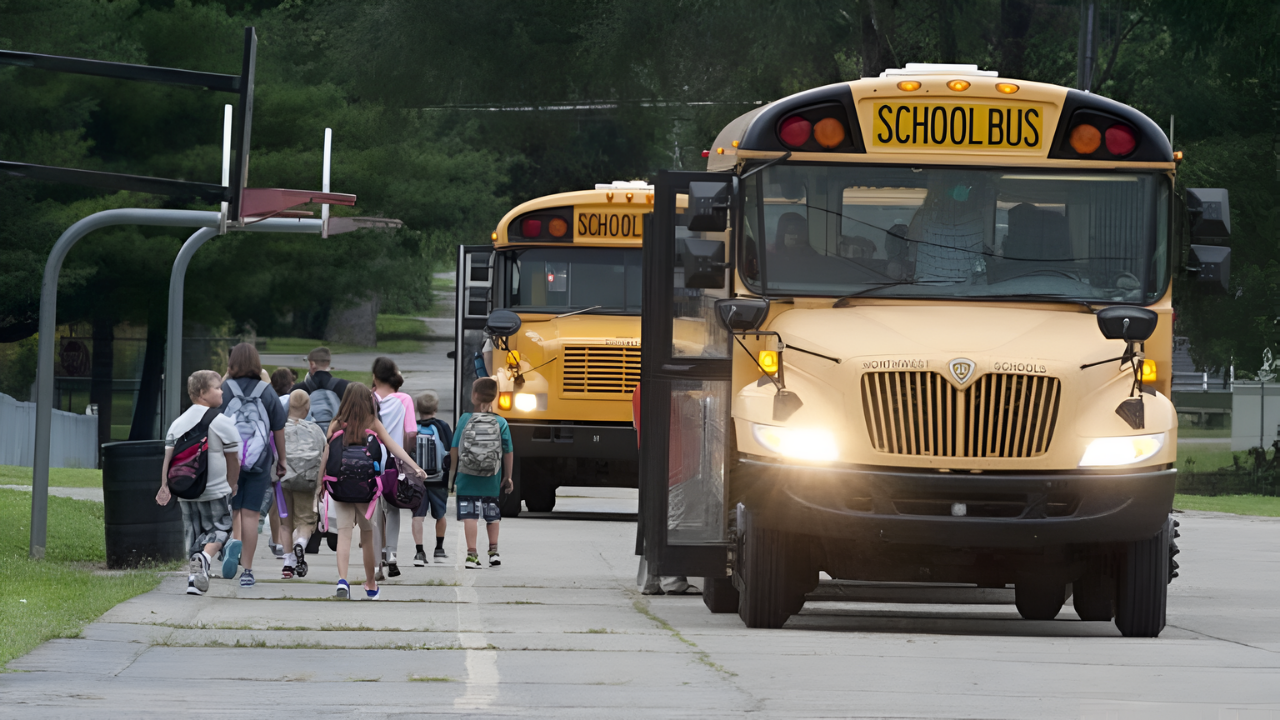
Immigration, demographic shifts, and a declining school-age population drive ELL growth.
13% of Michigan children are from immigrant families. While overall enrollment drops, ELL students grow by 36,000. Could this shift reshape classrooms and teaching priorities statewide?
Student Outcomes And Challenges
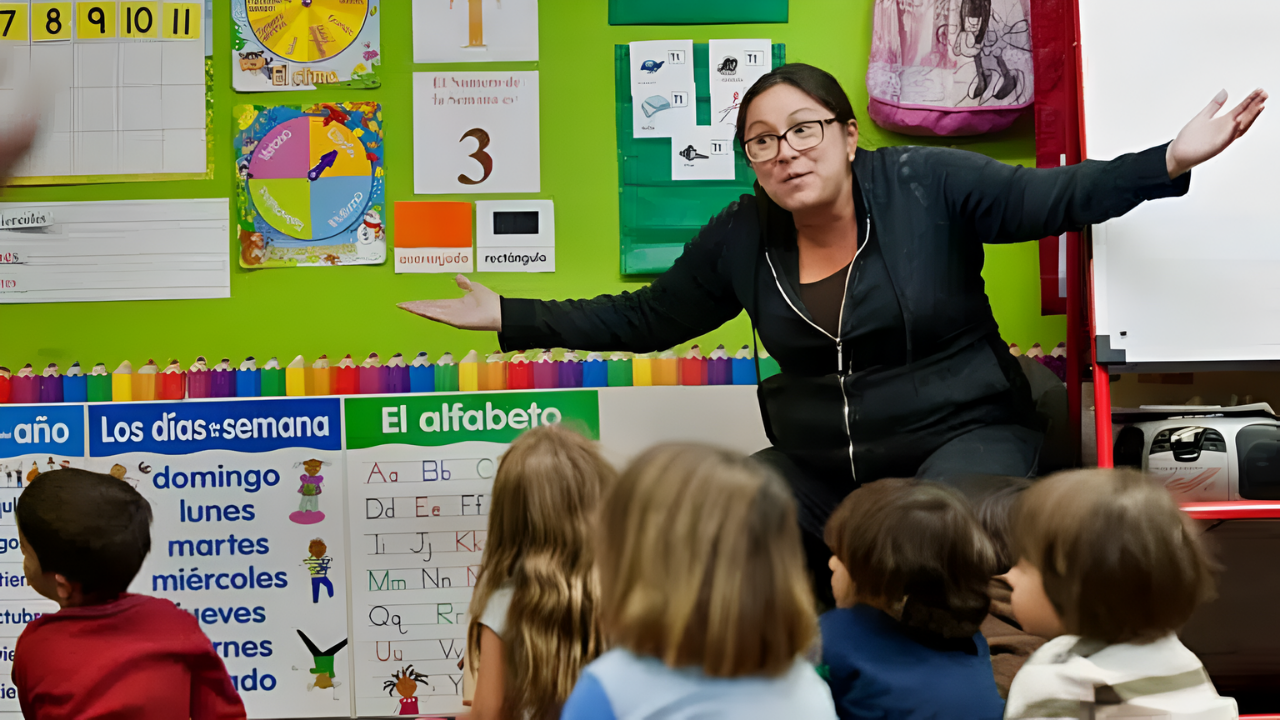
Only 25% of English learners scored proficient in third-grade reading on the 2023 M-STEP, down from one-third in 2019.
Four-year graduation rates are 75%, below the statewide average of 82%. How will Michigan schools meet these educational equity challenges in the years ahead?
Looking Ahead
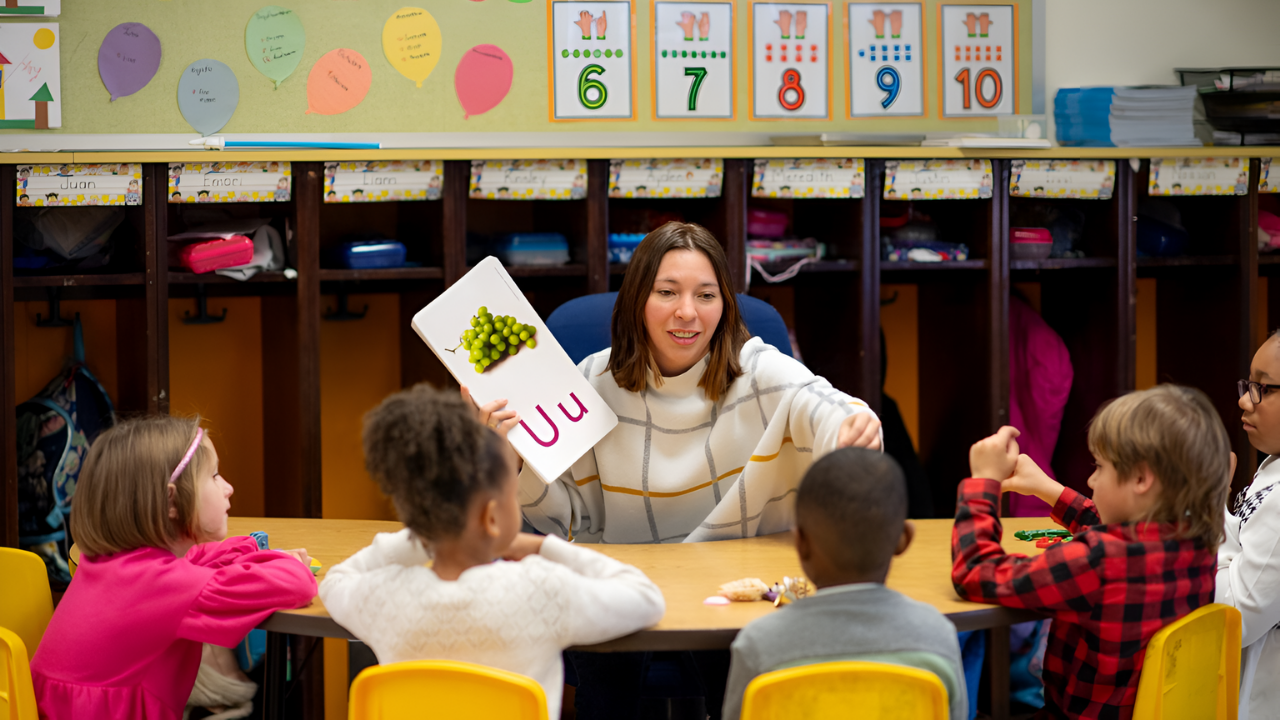
Michigan’s commitment includes per-pupil funding of $10,050, record support for ELL programs, and grants for teacher certifications.
The state must monitor progress carefully over the next four years. But will these investments be enough to counter federal setbacks and ensure success for every English learner?