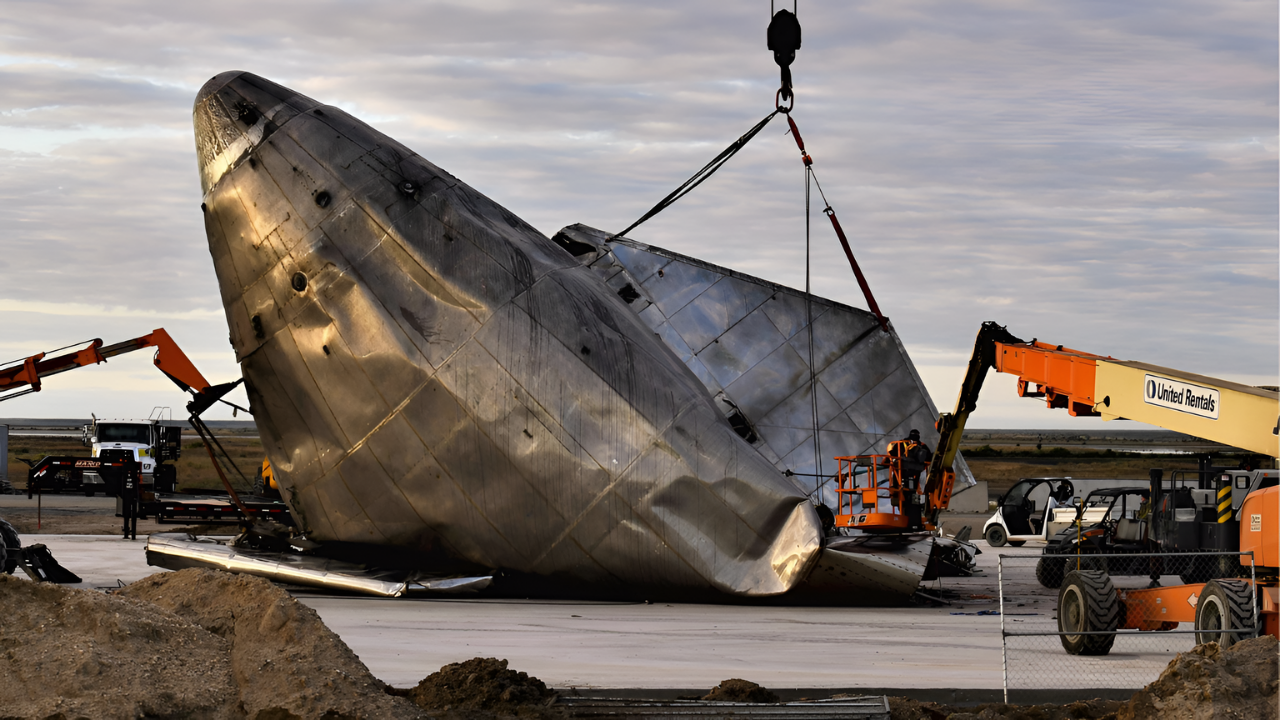
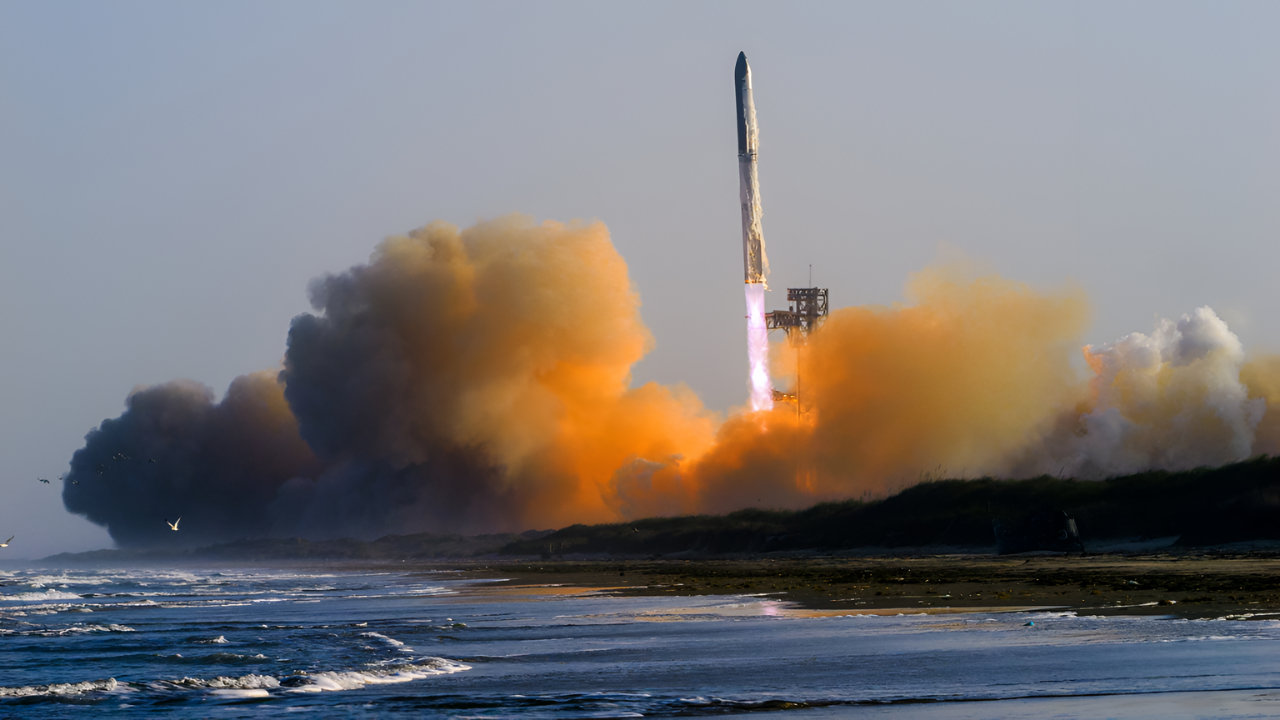
A dramatic accident over the Caribbean turned what was supposed to be a major test of SpaceX’s Starship into a frightening moment for air travel. On January 16, 2025, SpaceX launched its seventh integrated flight from Boca Chica, Texas. The goal was to test how well the rocket could perform in orbit and practice new recovery methods, vital steps for NASA’s Artemis program to return to the Moon and for future missions to Mars.
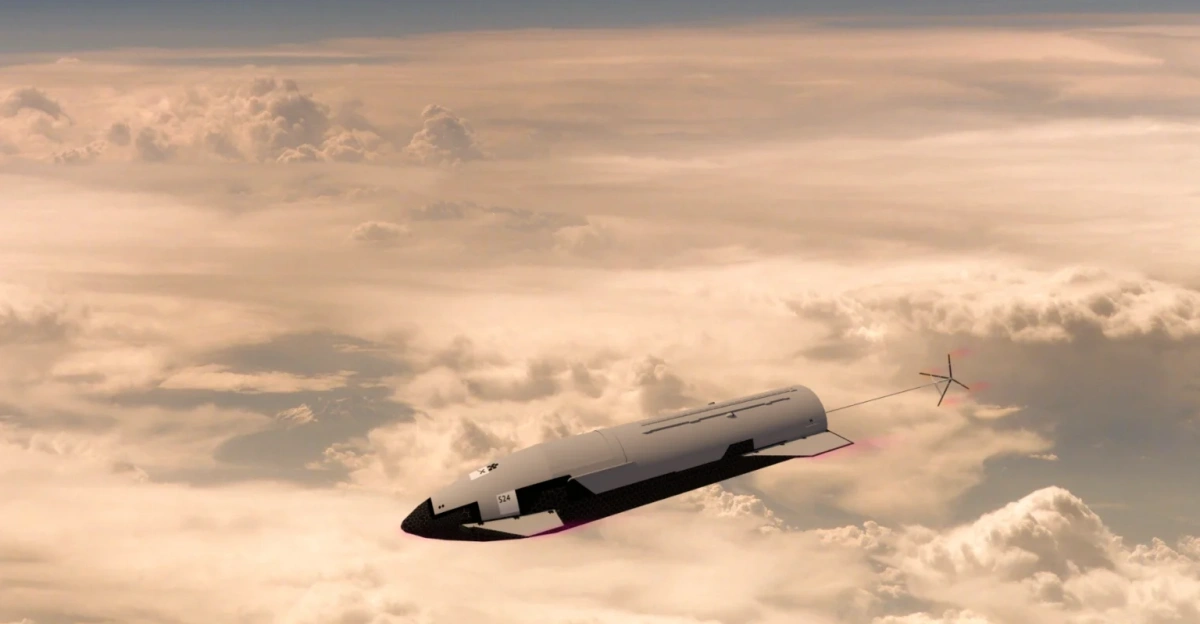
The rocket’s booster stage performed well and was recovered as planned. But the upper stage failed unexpectedly when oxygen and fuel leaked, causing what SpaceX later described as a rapid unscheduled disassembly, industry shorthand for an explosion. While no one was hurt, pieces of the spacecraft scattered across a busy stretch of Caribbean airspace, raising new safety concerns for both the company and government regulators.
Rising Launch Traffic, Crowded Skies
The incident happened at a time when global space activity is growing rapidly. The number of launches each year has jumped from just a few dozen to between 200 and 400, thanks in part to reusable rockets like Starship that make frequent flights possible. At the same time, air traffic in the Caribbean has increased, with the region serving as a major route connecting North America, South America, and Europe.
These flights typically pass through airspace managed by both the United States and multiple other nations. That complex patchwork makes quick responses difficult when something goes wrong. During the January launch, parts of the Caribbean sky were under separate control authorities. This created obstacles for coordinating warnings when Starship broke apart, revealing weaknesses in international launch safety systems.
Falling Debris and Close Calls
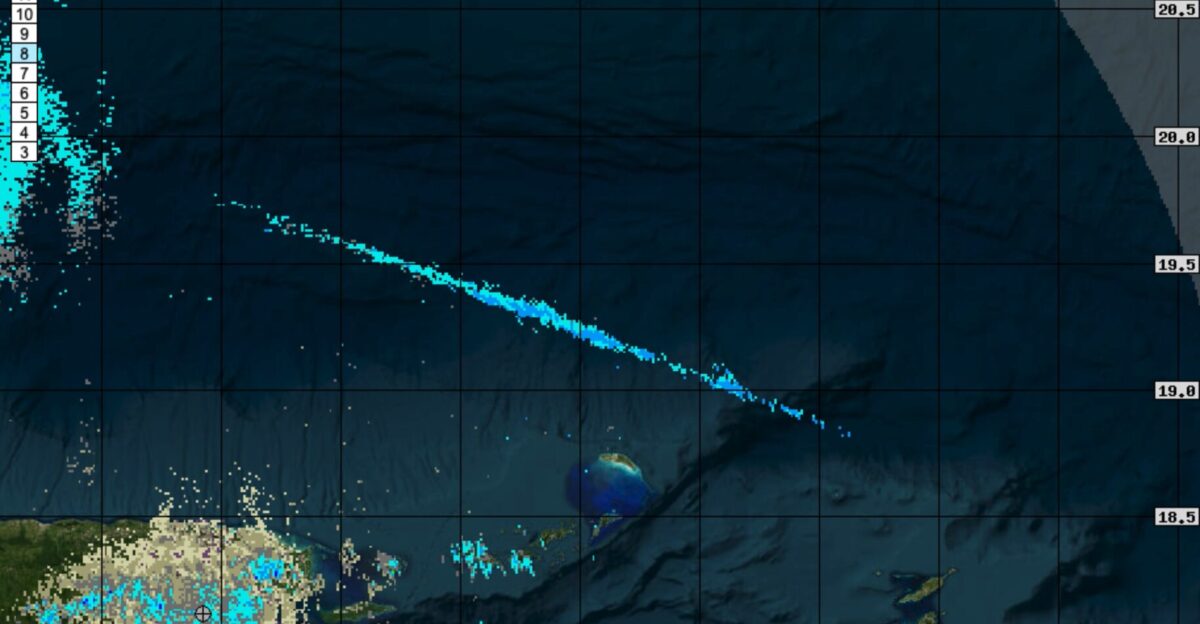
Moments after lifting off, Starship’s upper stage came apart, showering debris across the Caribbean for nearly an hour. The Federal Aviation Administration (FAA) labeled it a potential extreme safety risk. However, SpaceX did not immediately report the problem to air traffic control through the emergency hotline required for such incidents. That delay left aviation officials scrambling to respond as pilots began seeing fiery fragments in the sky.
Controllers initially relied on those pilot reports to piece together the scope of danger. They quickly closed portions of the U.S.-managed airspace, but debris also drifted over international zones where American controllers had no authority to issue warnings.
In the midst of the confusion, three aircraft, two commercial airliners, including a JetBlue flight, and a private business jet, came close to or entered parts of the debris field. Air traffic controllers issued an extraordinary caution to one crew, advising that continuing to San Juan would be at your own risk. The situation forced pilots to make difficult choices. Two planes declared fuel emergencies, choosing to fly through potentially dangerous areas rather than circle longer and risk running out of fuel. Despite the danger, all flights landed safely without injury or damage.
Safety Reviews and Lessons Learned
After the event, the FAA grounded the Starship program pending a detailed investigation. SpaceX was ordered to determine exactly what caused the fuel leak and to make corrections before flying again. Authorities in Turks and Caicos, where some debris fell, warned residents not to touch or collect any pieces because of chemical hazards. Internal FAA reviews later concluded that the late communication from SpaceX made the situation far riskier than it needed to be.
In response, SpaceX proposed technical improvements to prevent similar leaks and enhance system monitoring. When the company conducted its next Starship test in March 2025, disruptions were minimized after the FAA expanded its safety zones for potential debris. Around the same time, an expert panel reviewed how warning systems and coordination between air and space regulators could be improved globally.
The Growing Need for Shared Safety
What happened over the Caribbean wasn’t just a SpaceX problem, it was a global wake-up call. Caribbean governments worked together to recover debris and manage public safety messages, while environmental teams studied whether any fragments could harm fragile marine ecosystems. Since international law considers all debris the property of the launching nation, recovery operations had to follow strict legal and diplomatic steps.
The spectacular footage of glowing fragments lighting up the sky captured public fascination, but behind those videos were tense minutes for pilots and controllers juggling life-or-death decisions. As the number of powerful rocket launches continues to grow, incidents like this highlight the importance of better coordination between private space companies, regulators, and aviation authorities worldwide.
The January mishap showed that even as technology pushes boundaries faster than ever, safety systems still need to catch up. Avoiding future near-misses will require not just engineering upgrades, but also stronger communication, accountability, and cooperation across borders. The skies above Earth are getting busier, and the world must adapt before the next test becomes a tragedy.
Sources:
Phys.org, Jan 2025Covers Starship test flight details, FAA grounding after fiery mid-air event, booster catch success with upper stage failure, and debris incident response.
MSN via FAA docs, 2025Provides FAA documents on airspace risks, delayed notifications, mishap probe, and “potential extreme safety risk” declarations.
VASAviation ATC transcript, Mar 2025Air traffic control recordings detailing diversions, pilot queries, debris warnings, and near-misses over Caribbean zones.
VideoFromSpace, Jan 2025Videos capturing debris streaks over Turks and Caicos, public photos of fragments, and international reactions.