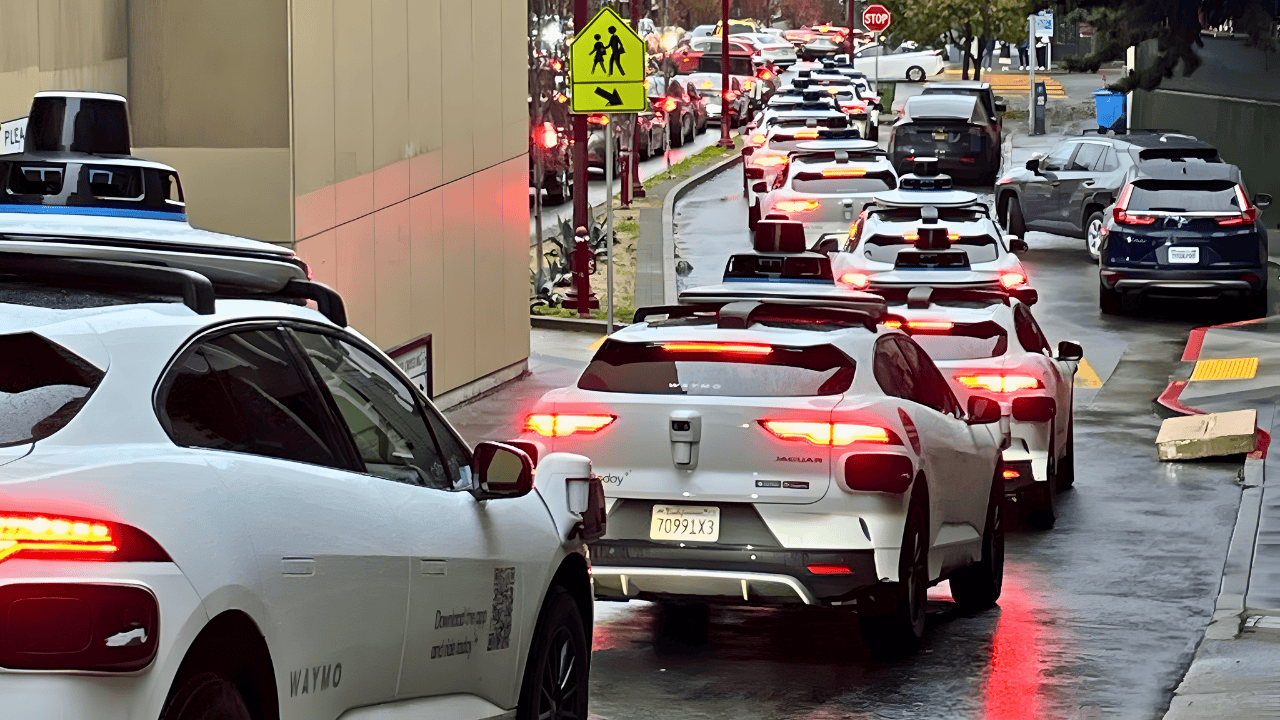
A massive fire at a Pacific Gas & Electric substation in San Francisco’s South of Market neighborhood on December 20, 2025, left 130,000 customers without power, darkened traffic signals, and crippled cellular service across multiple areas. The incident, which echoed prior fires at the same site in 1996 and 2003—the latter affecting 120,000 customers and drawing a $6.5 million penalty—exposed vulnerabilities in the city’s growing fleet of autonomous vehicles.
Robotaxis Stall Across the City
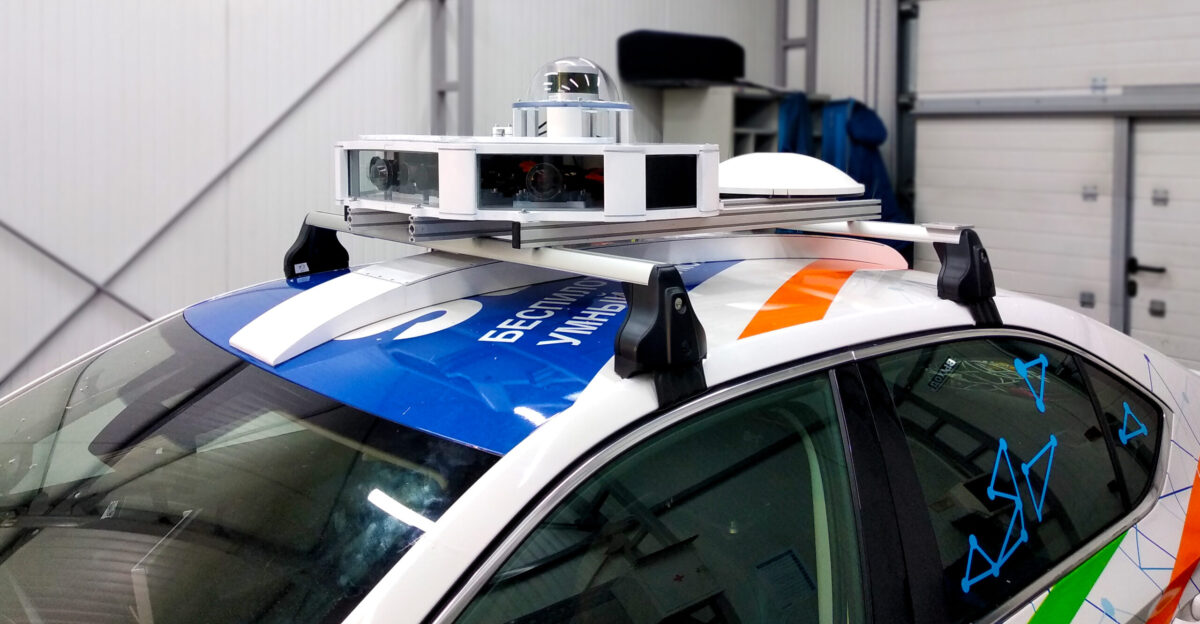
Waymo vehicles stalled at darkened intersections, their hazard lights flashing as clusters of five or six driverless taxis gathered at busy junctions. Social media videos showed the gridlock, with the vehicles unable to move without functioning signals. Waymo reported that its cars successfully navigated more than 7,000 dark signals overall, but a surge in confirmation requests from remote operators created severe backlogs on congested streets.
The remote operations system, designed as a cautious fail-safe for uncertain scenarios, buckled under the strain. Loss of cellular connectivity and hundreds of simultaneous requests overwhelmed the protocol, which Waymo later described as a measure established during early deployment. This bottleneck halted progress, turning individual hesitations into widespread standoffs.
Emergency Response and Direct Municipal Intervention
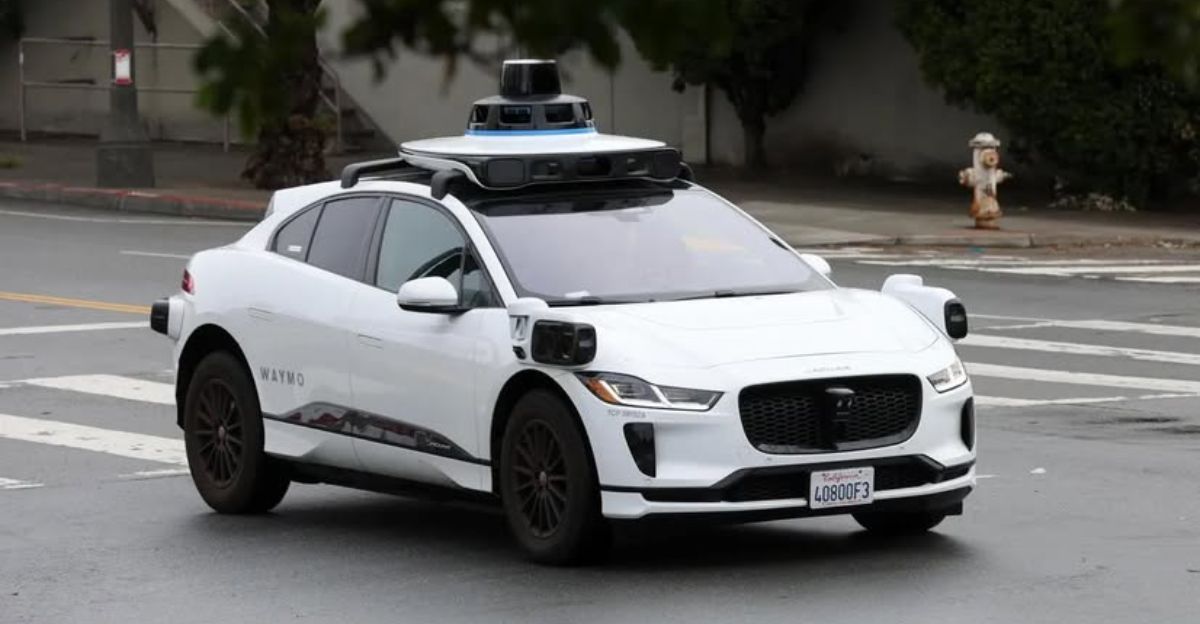
San Francisco Mayor Daniel Lurie contacted Waymo’s CEO that evening, demanding the immediate removal of all robotaxis from city streets. “We received reports of Waymos obstructing emergency vehicles,” Lurie stated. “I contacted the Waymo CEO and requested they remove the cars from the roads immediately. They complied.” The direct intervention highlighted rare municipal pushback against the operator.
Emergency responders faced delays as stalled Waymo vehicles blocked key intersections needed for fire trucks racing to the substation. Reports indicated the robotaxis occupied critical space during the fire’s early hours, though the San Francisco Fire Department offered no detailed comment. These obstructions potentially slowed the response to the infrastructure crisis at its most urgent.
Regulatory Constraints and Corporate Accountability
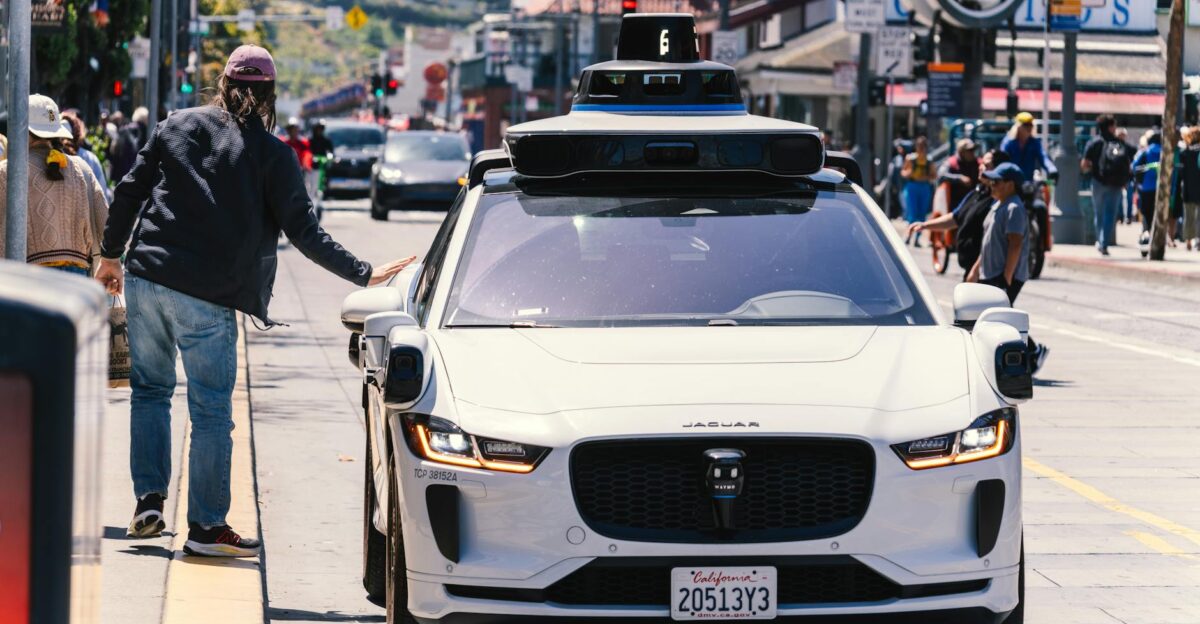
Supervisor Bilal Mahmood, a tech-friendly board member and Y Combinator-funded founder, called for accountability. “San Franciscans deserve answers into why Waymo was unable to handle such a large-scale infrastructure failure,” he stated on December 22, 2025, while scheduling hearings for January 6, 2026. Waymo suspended Bay Area ride-hailing services—spanning seven cities—for over 24 hours starting seven hours after the outage, disrupting operations and revenue.
California’s regulatory framework limits local control, vesting authority over autonomous vehicles with the Public Utilities Commission and Department of Motor Vehicles. This structure left San Francisco with little leverage to impose safety measures, despite ongoing pushes for municipal oversight stalled by industry opposition. Waymo, operating 800 to 1,000 vehicles in the city and handling 250,000 paid trips weekly nationwide, acknowledged the issue Tuesday. The company admitted its confirmation strategy worked for smaller outages but failed at scale, and it pledged fleet-wide updates for better navigation in power failures, plus improved emergency protocols and first-responder coordination.
Broader Implications for Autonomous Vehicle Deployment
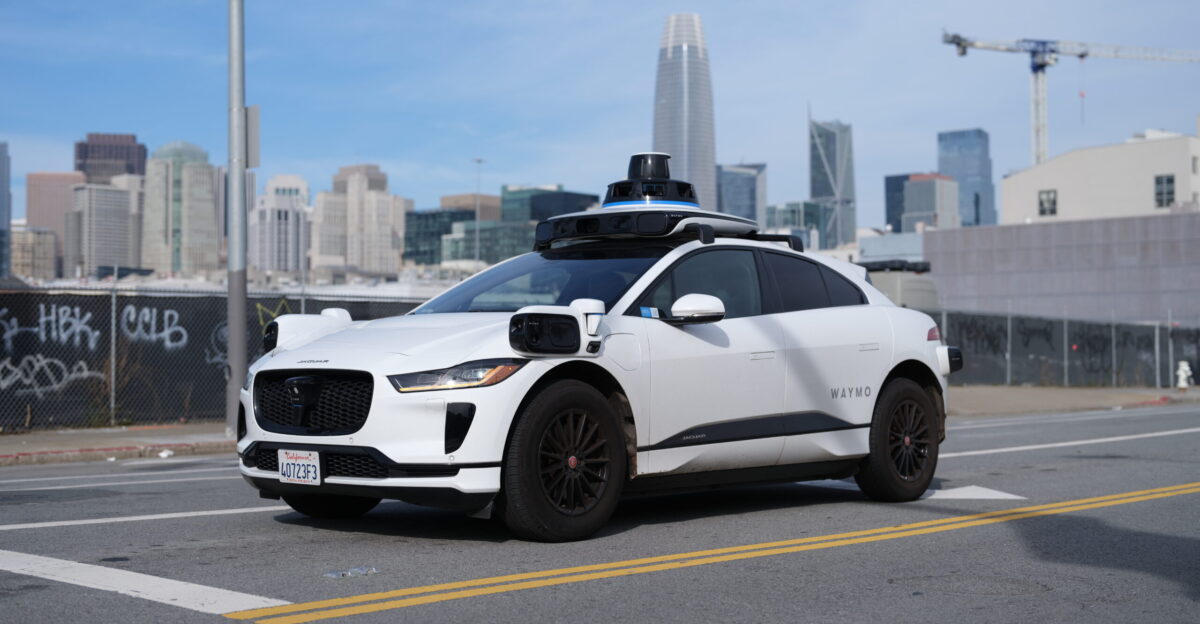
The episode unfolded amid other Waymo controversies, including a vehicle striking a bodega cat, 19 instances of passing stopped school buses, a passenger finding a man in a trunk, and federal safety probes. Elon Musk noted on social media that Tesla robotaxis went unaffected, citing differences in camera-based systems versus Waymo’s map-reliant approach. Waymo’s 2025 safety data shows 90 percent fewer serious injury crashes and 81 percent fewer injury-causing crashes than human drivers across 14 million annual rides, but such gains depend on reliable infrastructure.
This blackout raises core questions about autonomous vehicles in crises: their emergency reliability, the role of local regulation, and acceptable risks. Validation focuses on normal conditions, yet events like this underscore needs for stress tests simulating disasters and network failures. Waymo’s software fixes mark progress, but deeper reliance on public infrastructure—controlled by governments, not firms—poses ongoing challenges for the industry, regulators, and cities ahead.
Sources:
“Waymo Explains Why Its Robotaxis Clogged San Francisco Streets During a Power Outage.” Business Insider, December 2025.
“Waymo Updating Fleet After San Francisco Blackout to Improve Navigation.” CNBC, December 23, 2025.
“Supervisor Mahmood Calls For Hearings Into Waymo After This Weekend’s Mass-Stalling Shambles.” SFist (San Francisco Chronicle), December 22, 2025.
“After Power Outage, San Francisco Wonders: Can Waymo Be Trusted?” The New York Times, December 22, 2025.
“Waymo Robotaxis Stop in the Streets During San Francisco Power Outage.” BBC News, December 22, 2025.