Even high-end vehicles aren’t immune to failure. Mechanics report that expensive SUVs and luxury sedans are coming in with catastrophic electrical and transmission problems, barely a year old. Experienced technicians are now urging drivers to think twice before trusting flashy marketing claims. Repeated failures have earned certain brands a notorious reputation in repair shops. Here are the ten car brands mechanics urge drivers to avoid at all costs.
When Mechanics Start Taking Sides
For decades, mechanics stayed neutral, fixing what broke. But in 2024-2025, technicians began routinely advising customers to avoid specific brands. YouTube automotive channels like Scotty Kilmer now dedicate entire videos to “never buy” lists. Scheduling nightmares occur because repairs take three times longer than normal. Experienced shops say some cars are fundamentally broken by design. A closer examination of the repair data reveals why.
Why This Matters To Your Wallet
Buying an unreliable car is financially catastrophic. Owners of problem brands spend $800–$1,200 annually on repairs versus $400–$600 for reliable vehicles. Extended warranties often exclude major failures. Resale value drops 15–25% over five years. One transmission failure can cost $4,000–$8,000. Buyers typically discover problems after purchase, once warranty coverage has expired. The economic hit can last years, affecting budgets severely.
Luxury Doesn’t Equal Reliability
Counterintuitively, expensive cars often bring the worst reliability. A $65,000 Range Rover may feature “mechanical suicide” engineering, making simple repairs costly. Overengineered electrical systems, premature timing chain failures, and complex air suspension components plague these vehicles. Repairs require specialized equipment unavailable at most shops. Premium brands prioritize features over durability. Once something fails, labor costs skyrocket. Luxury can become a liability instead of an asset.
Specific Problems Keep Repeating
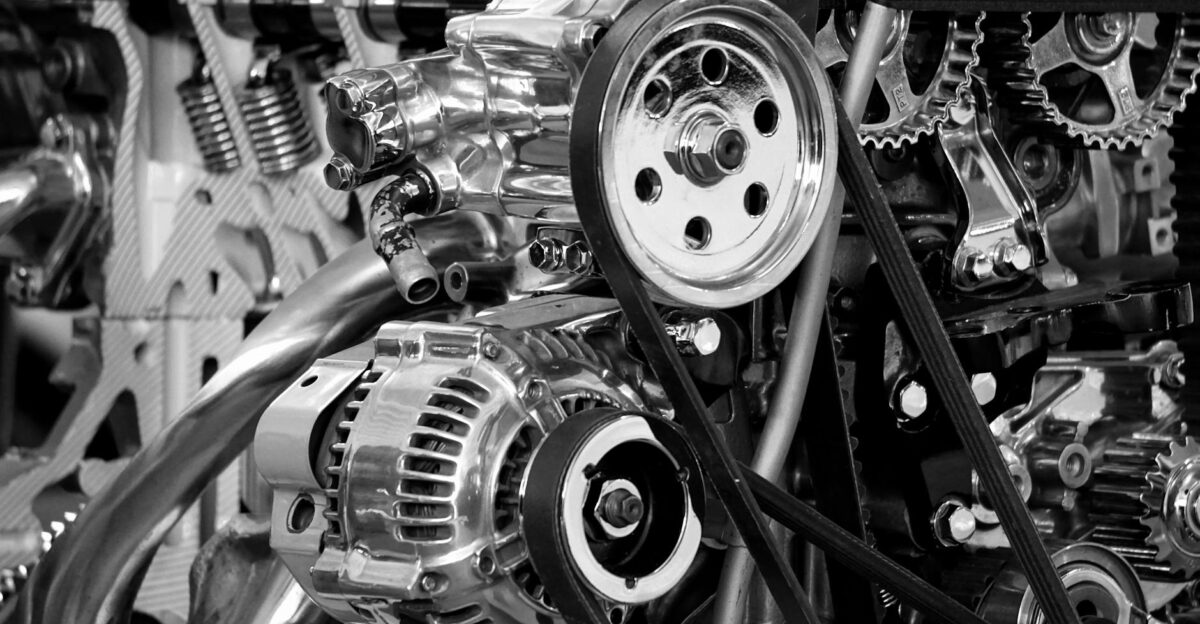
Mechanics notice consistent failure patterns across problem brands. CVT transmission failures, electrical system breakdowns, and timing chain issues are common. Cramped engine designs make routine maintenance extremely labor-intensive. These failures are rarely random—they reflect cost-cutting over durability. When one weak point emerges, others often follow. Experienced technicians warn customers to expect cascading problems, making certain brands a recurring headache for both mechanics and owners alike.
Here Are The Ten Brands Mechanics Warn Against
After analyzing testimony, repair shop data, and reliability studies, ten car brands consistently trigger warnings. Each is notorious for repeated design failures, repair nightmares, and high costs. Some are luxury brands expected to be reliable; others are mainstream manufacturers that disappoint. The common thread is broken trust. Mechanics recommend avoiding these vehicles—sometimes explicitly advising friends and family against them. Some surprises lie ahead.
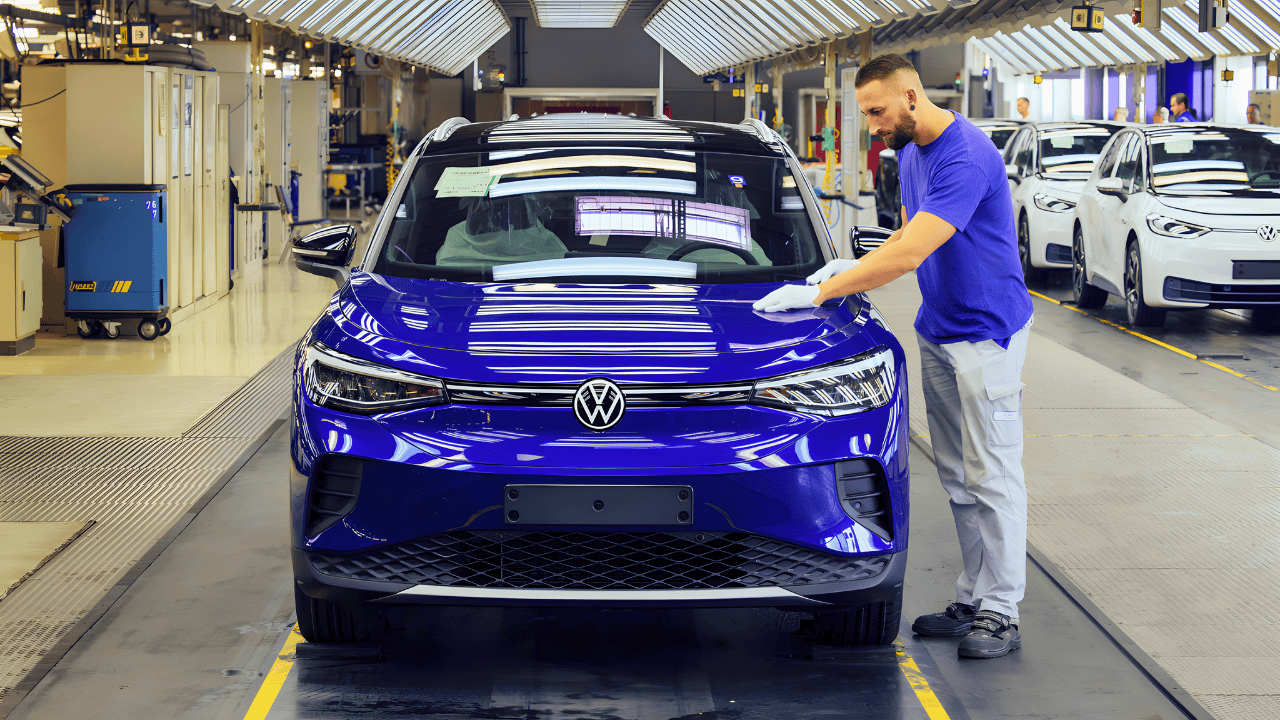
#1 — Volkswagen
Volkswagen combines engineering prestige with chronic unreliability. Owners report battery failures, brake problems, and electrical gremlins even on new models. 2.0L turbo engines suffer from carbon buildup, needing expensive cleaning. Transmission failures span multiple generations. Mechanics cite a complex electrical architecture, making even minor repairs cost $2,000. Consumer Reports ranks VW 26th out of 32 brands. “German engineering” has become a German engineering problem, leaving owners frustrated.
#2 — Jeep
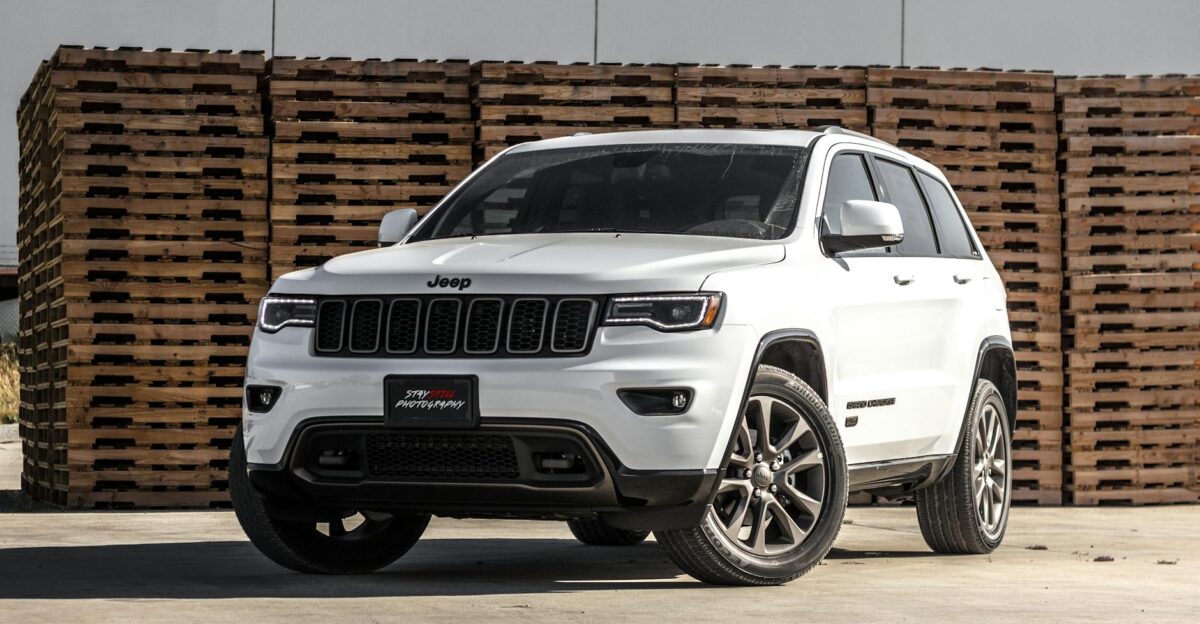
Jeep’s off-road reputation often masks its poor reliability. The Grand Cherokee 4xe hybrid is reportedly experiencing transmission failures as early as 30,000 miles. Nine-speed transmissions are mechanical disasters. Oil consumption plagues nearly all models. Electrical systems seem poorly designed. Mechanics note catastrophic failures often appear post-warranty. Consumer Reports ranks Jeep near the bottom. Off-road capability offers little comfort when stranded, and technicians are increasingly vocal about cautioning buyers.
#3 — Land Rover
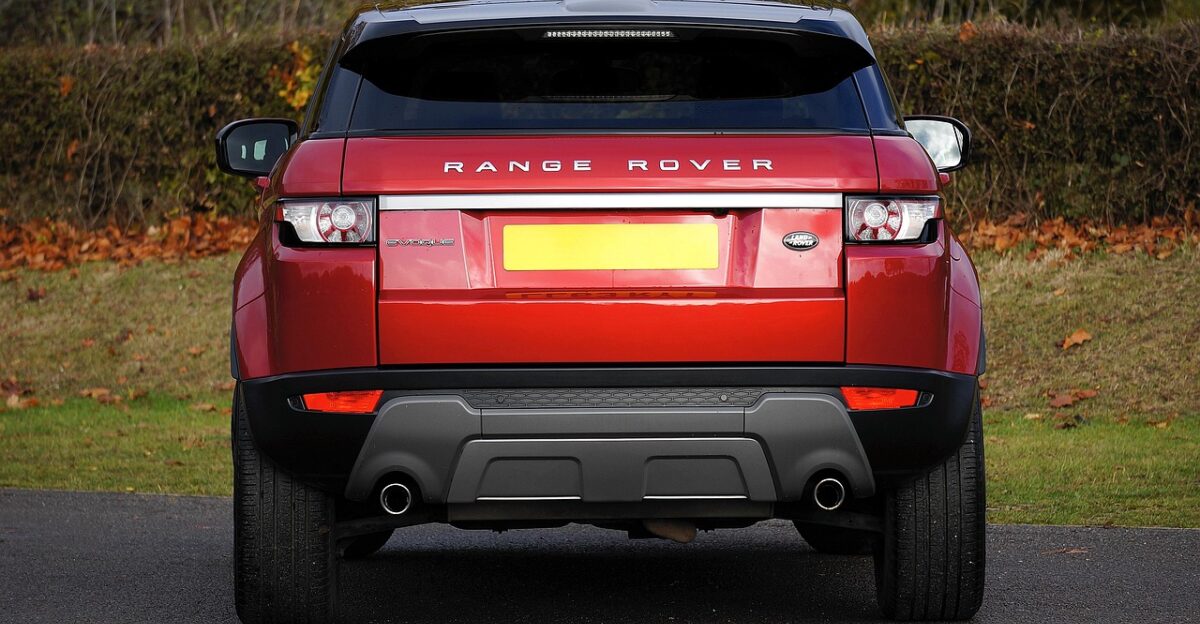
Land Rover reliability failures are extreme. Range Rover Velar and Evoque models feature “Ingenium” engines prone to premature timing chain failure. Electrical systems are so complex that mechanics charge “difficulty fees” to diagnose. Air suspension replacements typically cost between $3,000 and $5,000. Simple repairs may require engine removal. At $60,000–$90,000, buyers expect reliability that they rarely get. Mechanics universally warn against Land Rover models for repeat design disasters.
#4 — Fiat
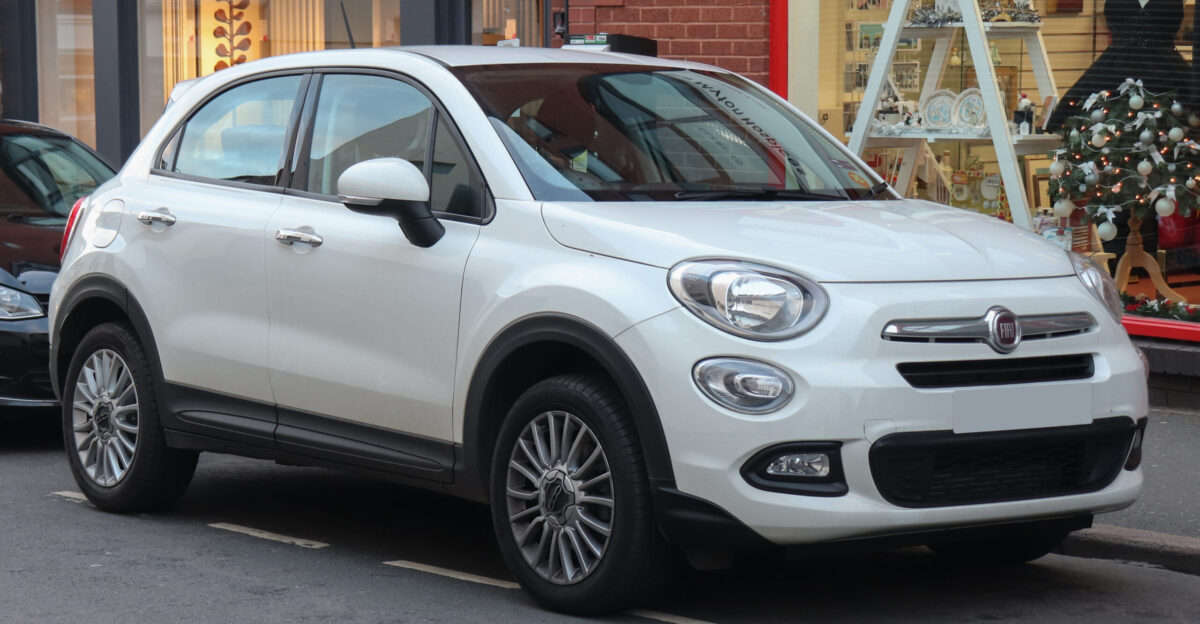
Fiat may be affordable, but ownership is expensive. Electrical failures plague the 500X and 500L. 1.3L engines often experience timing chain issues, requiring a full replacement. Tight engine bays make routine maintenance difficult. Parts scarcity worsens as dealerships close. Mechanics report near-certain catastrophic failures within five to seven years. Budget pricing can become a financial risk when major repairs are required. Italian charm doesn’t offset ongoing headaches.
#5 — Tesla
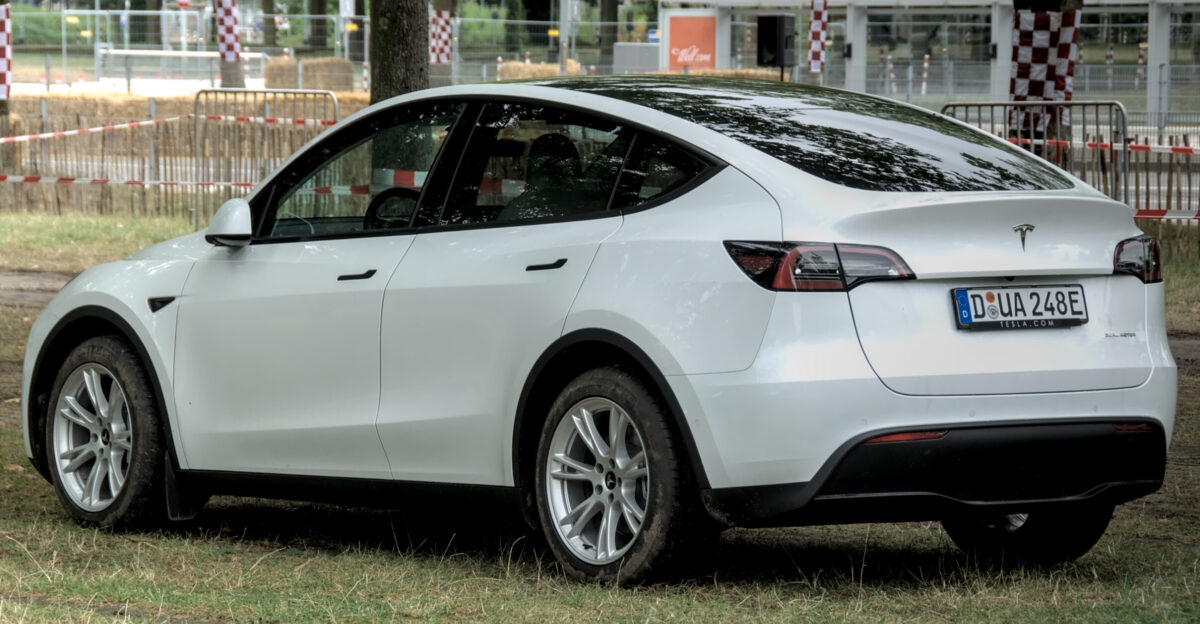
Tesla remains a mechanic’s challenge despite improvements. Owners report issues with electronics, build quality, and interior trim. Independent shops cannot fix many problems, leaving only Tesla-authorized service—sometimes with wait times of months. Software-driven failures can disable entire vehicles. Repair costs are high due to the use of proprietary parts. Mechanics caution that despite improving rankings, Tesla ownership remains frustrating. Innovation may excite, but reliability still disappoints.
#6 — Ram
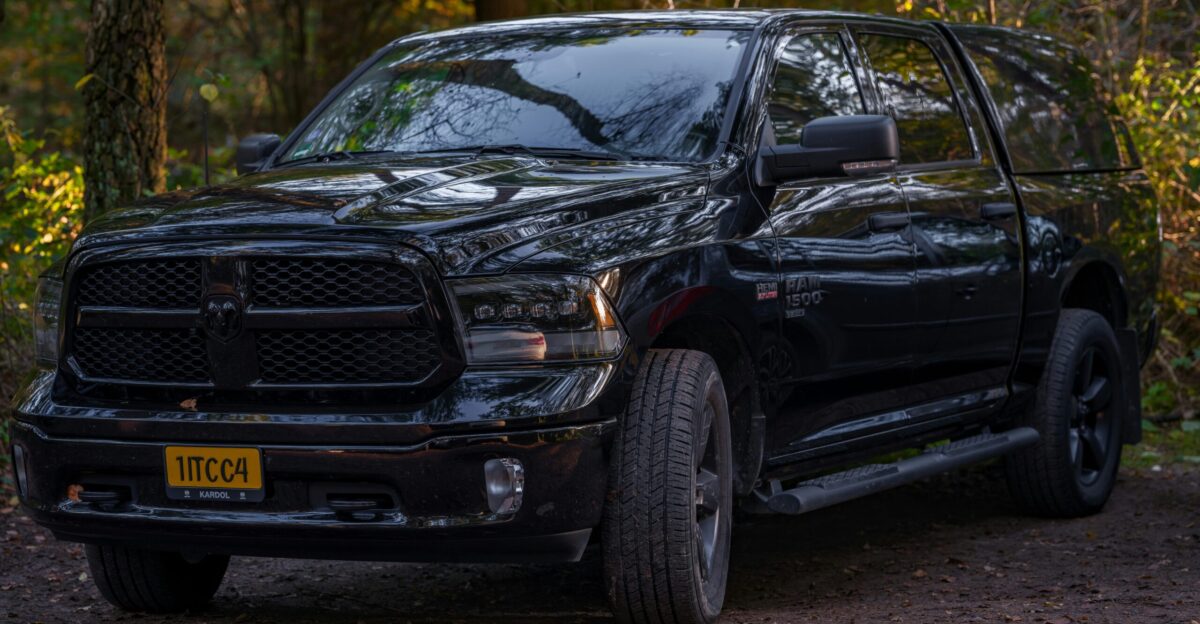
Ram 1500 trucks face a reliability collapse. Consumer Reports ranks the 2026 Ram 1500 just 5 out of 100. Transmission, electrical, and engine issues plague recent models. Once “built tough,” these trucks now create mounting repair bills shortly after the warranty ends. Initial quality scores dropped significantly. Mechanics recommend Ford F-150s, Chevrolet Silverados, or Toyota Tundras instead. Reliability failures have turned a trusted truck brand into a liability.
#7 — Chevrolet
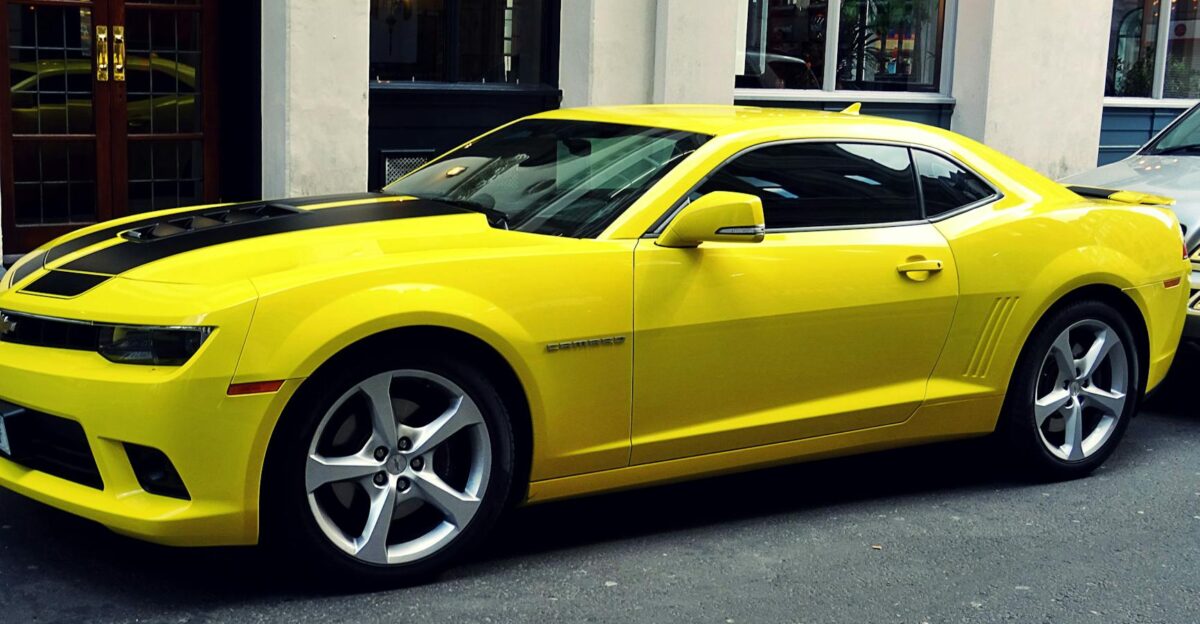
Chevrolet struggles with electrical systems and in-car tech failures. Equinox and Blazer EVs suffer software glitches and battery issues. Mechanics call Chevrolet’s electrical architecture fundamentally flawed, from infotainment blackouts to phantom battery drains. Warranty claims are frequent, but fixes often require complete system replacements. Despite GM’s resources, Chevy’s reliability disappoints. Experienced technicians warn: “Chevy reliable” is no longer a thing, leaving owners frustrated and stranded.
#8 — Nissan
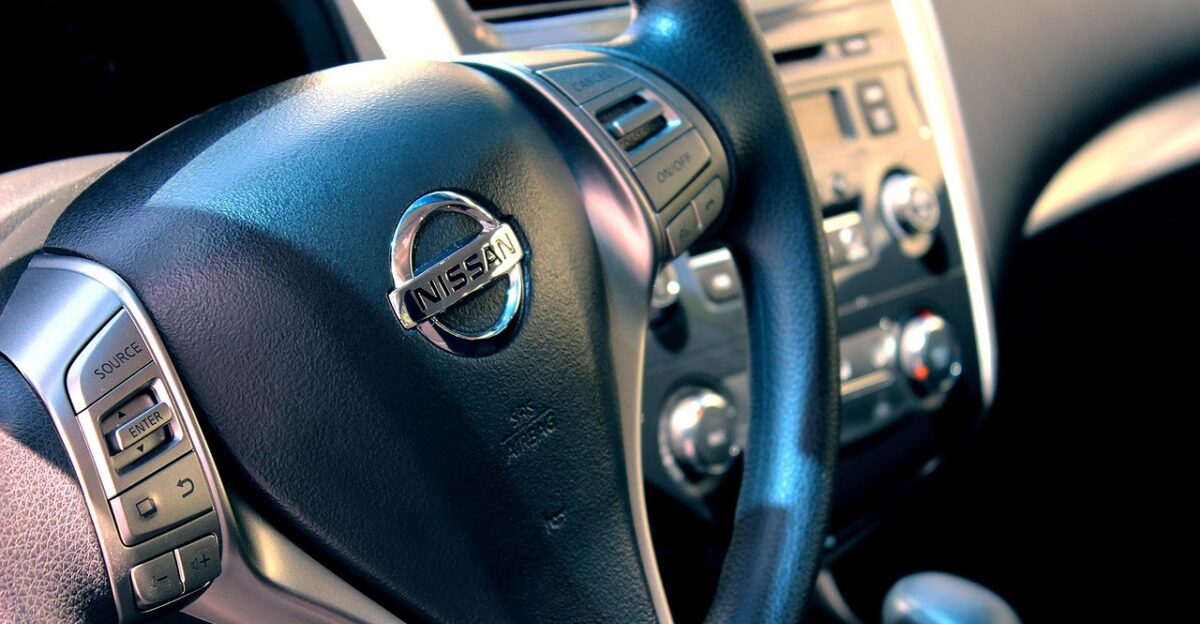
Nissan faces a CVT transmission crisis. Mechanics describe Jatco CVTs as a “when, not if” failure scenario. Problems appear as early as 60,000 miles, with replacements costing $4,000–$8,000. Altima and Rogue models are infamous for premature failure. Mixed reliability across other models requires careful research. The CVT issue alone has severely damaged Nissan’s reputation among mechanics nationwide, prompting repeated customer warnings.
#9 — Alfa Romeo
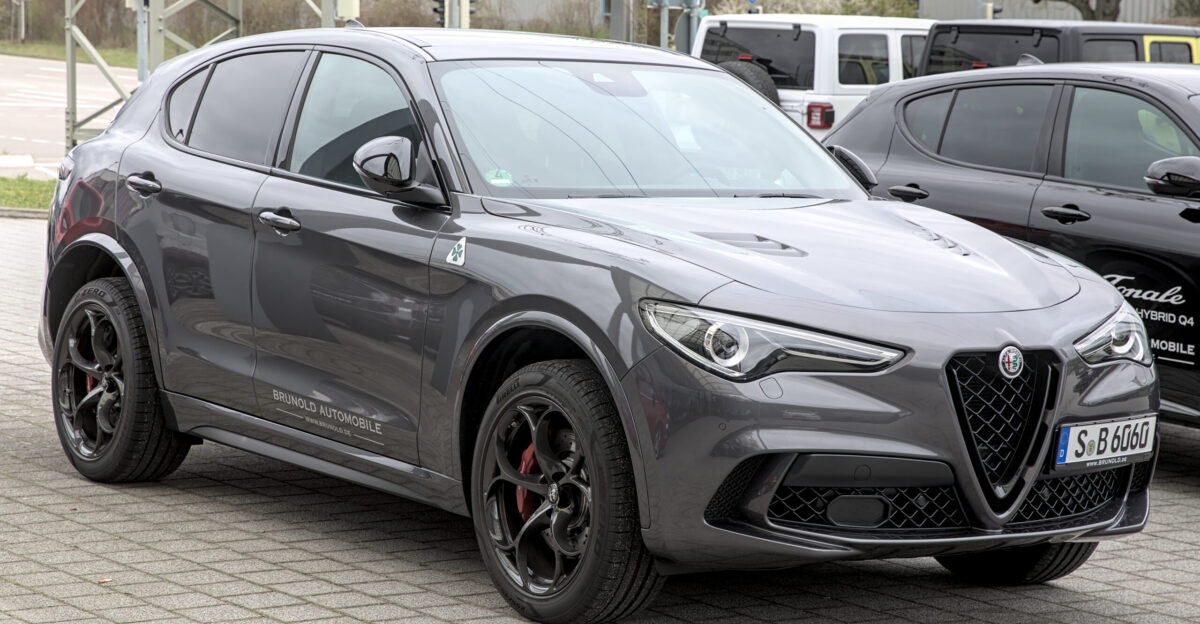
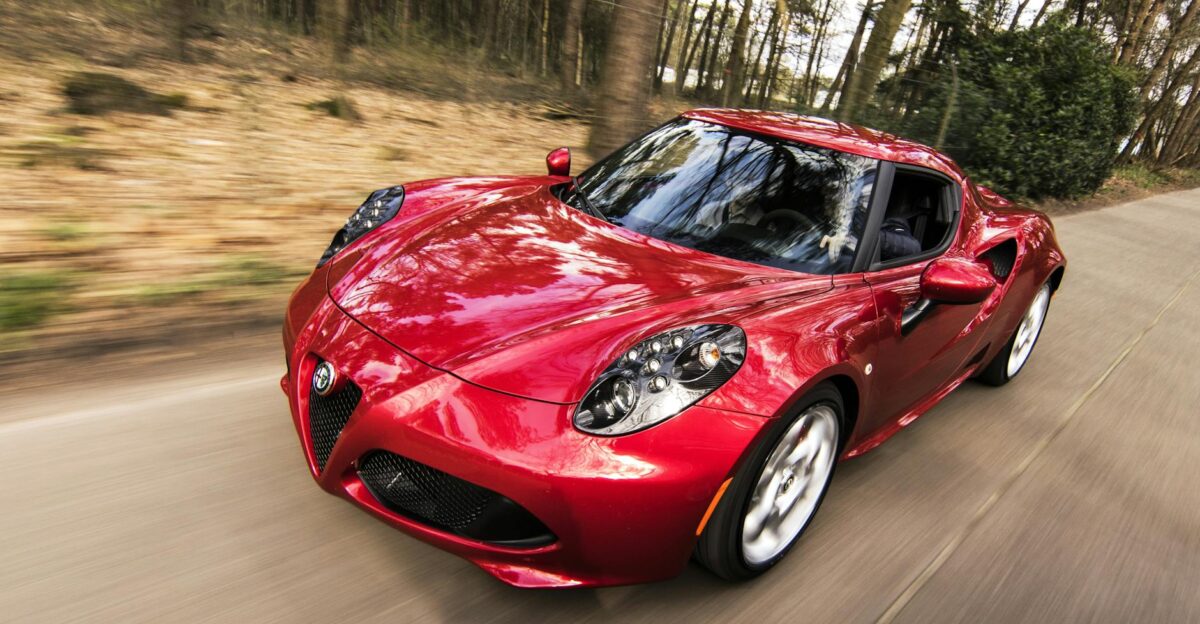
Alfa Romeo’s styling masks serious engineering flaws. Electrical failures, premature engine and transmission problems, and difficult maintenance plague Giulia and Stelvio models. Dependability rankings place Alfa near the bottom, and parts scarcity compounds repair challenges. For luxury pricing, buyers experience frustration and high costs. Mechanics question why premium prices are charged for discount-tier reliability. Enthusiasm quickly fades when design complexity meets real-world failures.
#10 — Mitsubishi
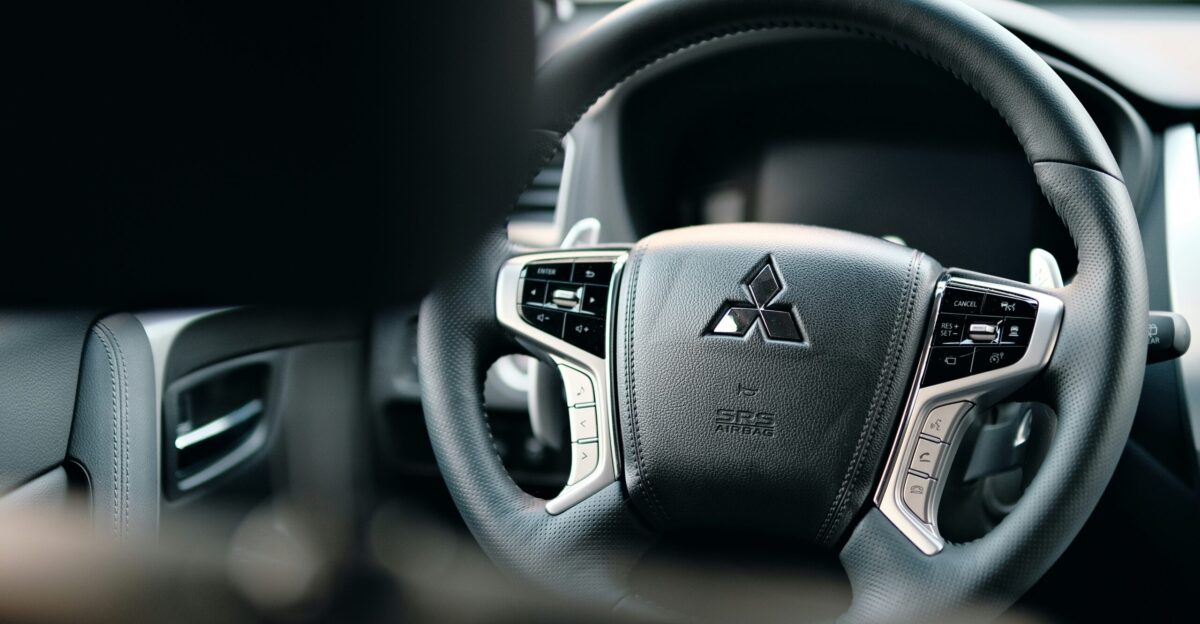
Mitsubishi’s low U.S. presence hides serious reliability issues. Rankings among Japanese competitors are falling. Limited parts lead to extended repairs and increased costs. Fewer dealerships mean longer drives for service. Mechanics often lack experience in diagnosing systems, which makes routine maintenance more challenging. While less universally problematic than others on this list, reliability issues, combined with a minimal service infrastructure, make ownership risky. Some buyers immediately regret their choice.
Why These Brands Fail Consistently
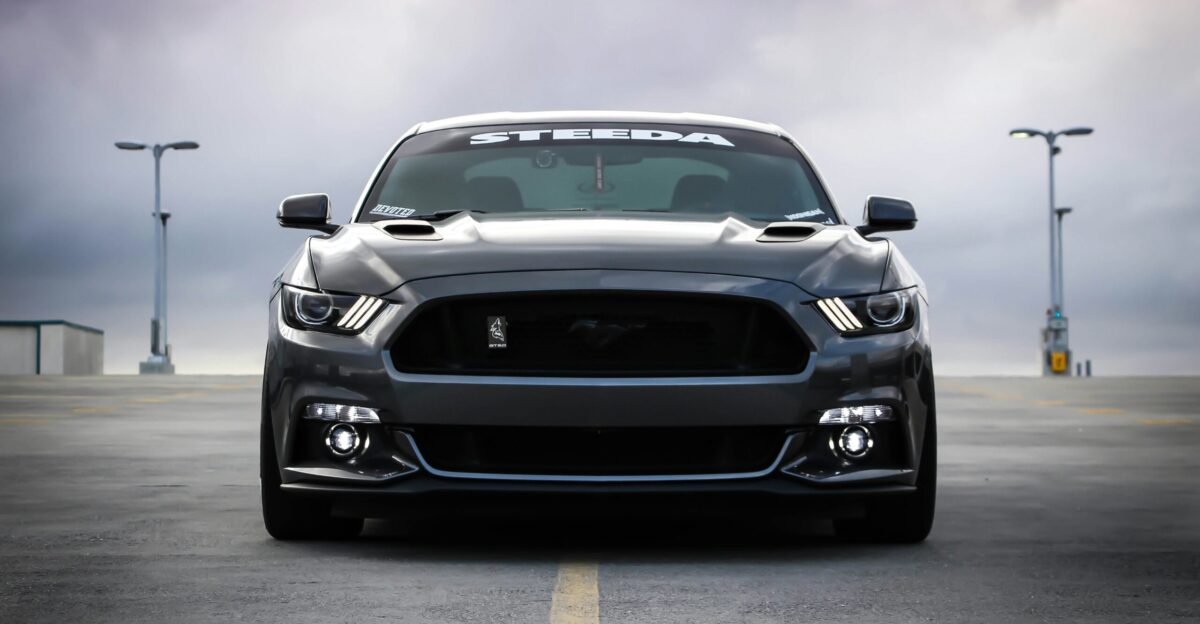
Across all ten brands, mechanics cite cost-cutting over durability. Complex systems, flawed electrical architectures, problematic transmissions, and premium pricing paired with economy-tier reliability recur. Features and luxury are prioritized above the fundamentals: cars that start, run, and don’t bankrupt owners. Technicians immediately recognize patterns upon inspection. Avoiding these brands protects buyers from repeated design failures, financial pain, and repair headaches.
The Brands That Actually Work
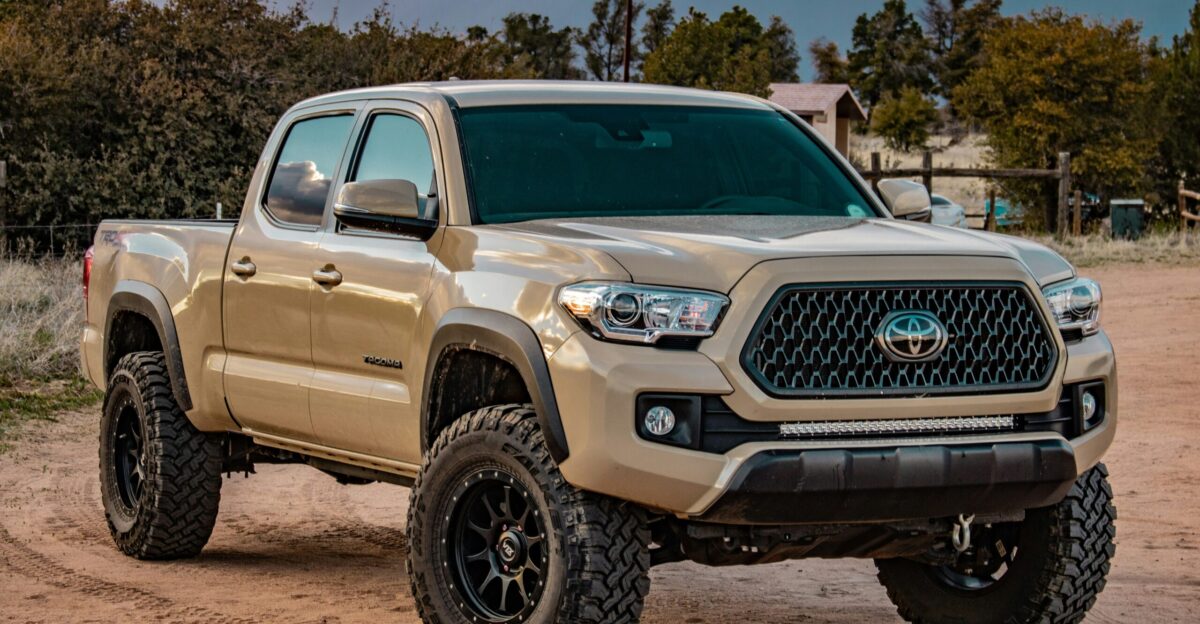
Mechanics recommend Toyota, Honda, Lexus, and BMW as alternatives; however, even BMW requires regular care. These brands emphasize reliability, proven engineering, and solid service support. Toyota and Honda have decades of mechanical respect. Lexus adds luxury without sacrificing dependability. Mechanics’ recommendations are based on thousands of repair experiences. The brands to avoid earned reputations through repeated failure, while alternatives deliver predictable performance and peace of mind.
Your Wallet And Sanity Thank You
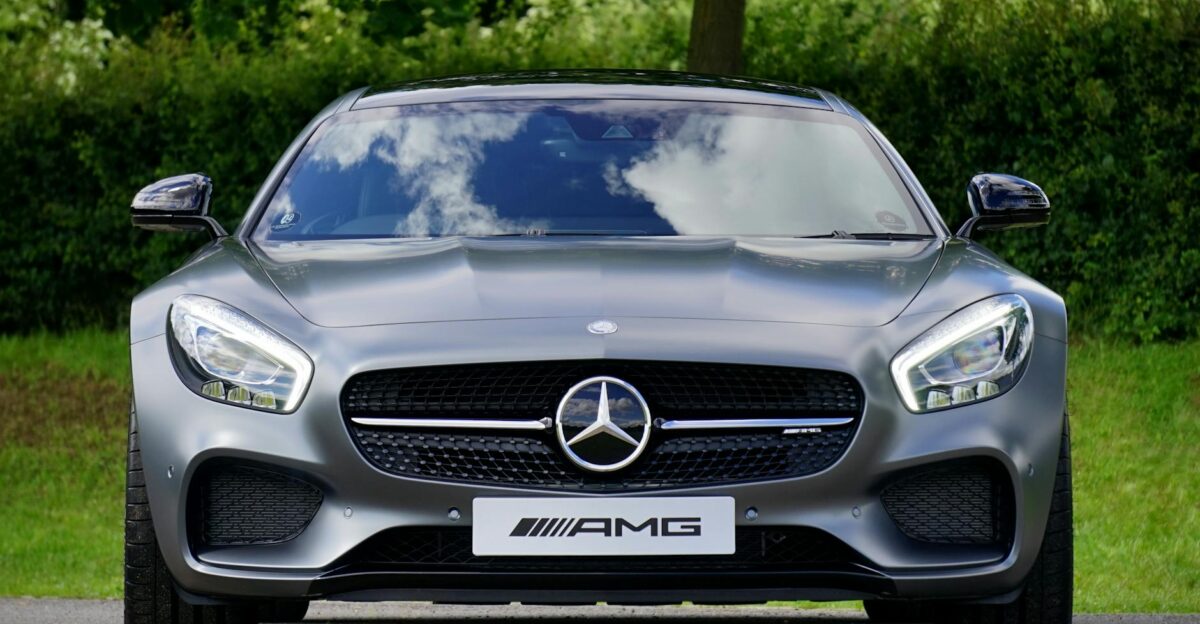
Avoiding these ten brands protects finances and sanity. Expensive repairs, repeated failures, and frustration follow problem vehicles. Mechanics warn based on experience, not bias. Families face $8,000 repair bills, vehicles fail prematurely, and daily life is disrupted. Experienced technicians unanimously advise against these models. Listening can prevent financial stress and repeated disappointment. Buyers who heed warnings often avoid costly, frustrating ownership experiences entirely.
The Smart Move
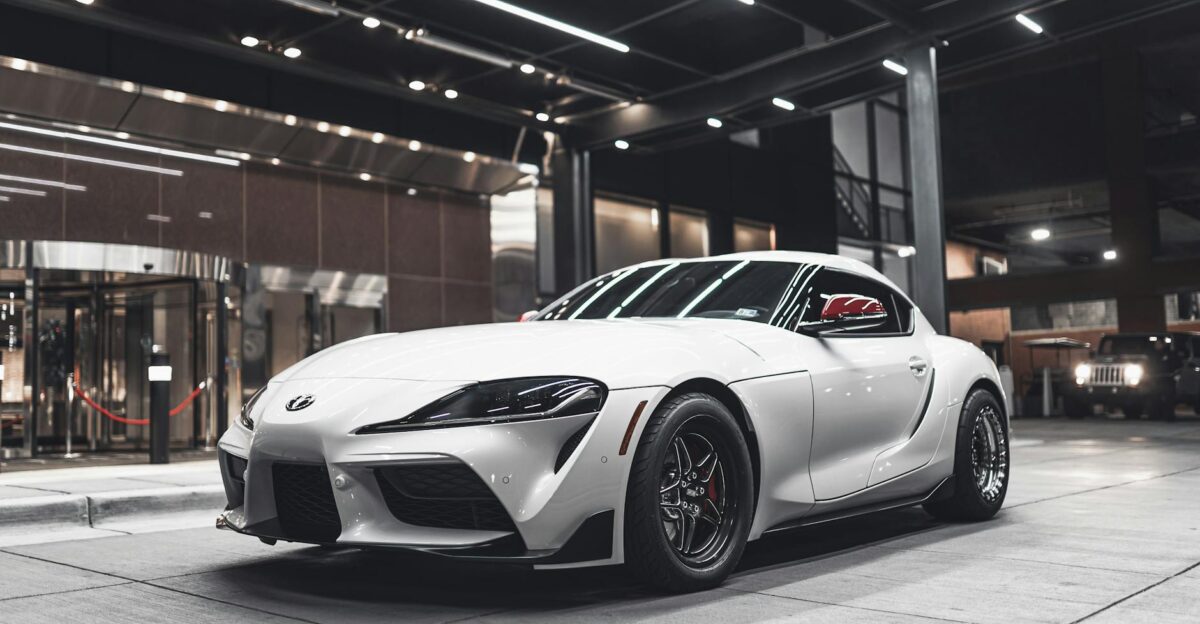
The automotive market offers many reliable options. Before buying, consult multiple mechanics and check Consumer Reports, J.D. Power, and What Car reliability data. Ask about common failure modes for specific models. Heed warnings from experienced technicians—they aim to protect you. The ten brands highlighted consistently fail to earn respect. Choose vehicles that combine reliability, affordability, and peace of mind, avoiding unnecessary headaches.
SOURCES
“Consumer Reports 2025-2026 Car Reliability Rankings.” Consumer Reports, December 2025.
“J.D. Power 2025 Vehicle Dependability Study.” J.D. Power, February 2025.
“Top 10 Least Reliable Car Brands According to Mechanics.” What Car?, October 2025.
“17 Cars That Mechanics Are BEGGING You Not to Buy in 2025.” YouTube, October 2025.
“8 Cars Mechanics Say You Should NEVER Buy in 2025.” YouTube, November 2025.