2026 is shaping up to be the most dramatic automotive year in decades. Ferrari pivots to its first electric vehicle, while a $20,000 affordable EV truck nearly disrupted the market before policy intervened. Legendary V-8 engines are retired, brands reinvented, and horsepower wars electrified. Automakers are gambling everything. Here’s what’s going on and why the cars arriving will define the industry’s future.
The Death Of The V-8 Era (And The Birth Of Something Wilder)

For generations, V-8 engines symbolized raw American power and Italian passion. In 2026, that era ends. Ferrari, Mercedes, and Porsche build electric supercars that exceed decades-old V-8 performance benchmarks. They are faster, more powerful, quieter, and infinitely complex. Buyers must reconcile nostalgia with modern superiority. 2026 isn’t just about electrification—it’s an emotional reckoning with what defines automotive greatness this year.
When Federal Policy Kills A $20,000 Dream
The Slate Truck aimed to revolutionize affordable EVs under $20,000. On September 30, 2025, the federal EV tax credit ended, adding $7,500 to the price. Suddenly, affordability disappeared. Slate Automotive faces existential questions. This isn’t just one vehicle—it’s the collapse of the “EV for everyone” narrative. Policy shapes markets more than innovation. Can 2026 still deliver accessible electric mobility for the masses?
The Horsepower Arms Race Nobody Saw Coming
Electric cars arriving in 2026 are faster than 2000s supercars. Mercedes-AMG’s GT XX EV produces 1,341 hp, Ferrari’s Elettrica exceeds 1,000 hp. Instant torque makes V-8s feel sluggish. 0-60 times are irrelevant compared with raw acceleration. EVs aren’t just catching up—they dominate. Performance enthusiasts face an uncomfortable truth: speed now favors electricity. But can buyers embrace machines that redefine power so radically?
Legendary Brands Facing Extinction Or Evolution
Jaguar abandons combustion engines entirely by 2026, investing over $1 billion in full electrification. Toyota’s GR GT supercar signals that hybrid performance is viable without the traditional sounds of an engine. Heritage brands confront harsh realities: engine legacy is now a liability. Survival requires reinvention. Buyers, purists, and collectors watch closely. Will these companies successfully merge tradition with innovation, or will some brands become cautionary tales in automotive history?
The Line-Up That Changes Everything—Here Are The 10 Cars
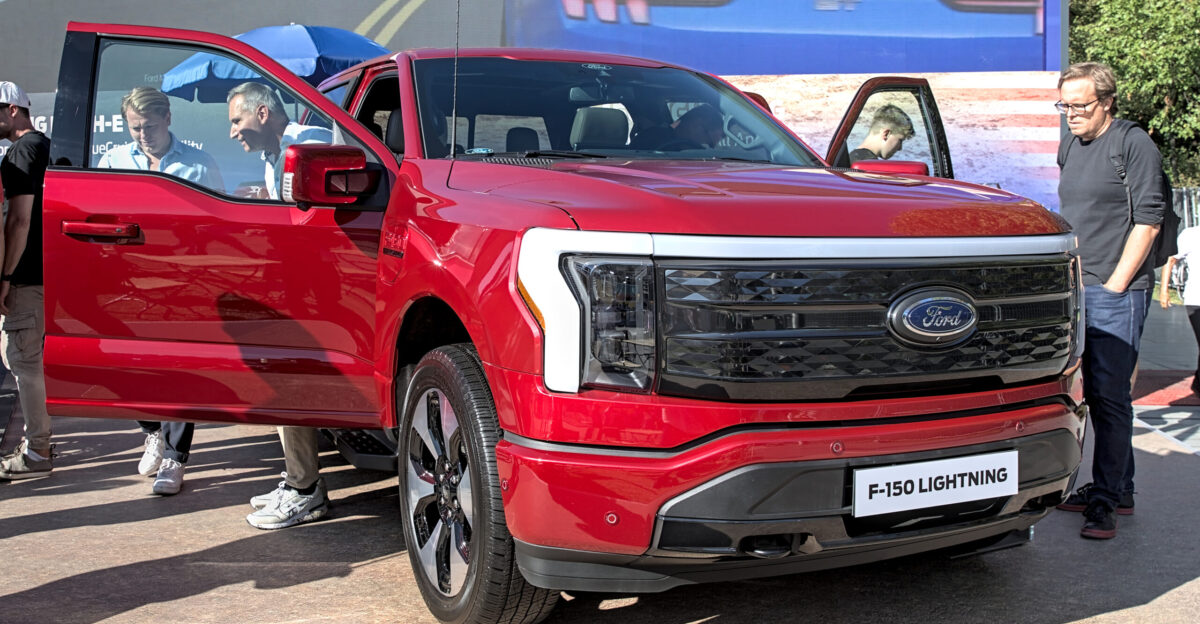
From a quad-motor Ferrari to a $27,500 electric pickup, 2026’s lineup spans every price and performance tier. These 10 cars define responses to the EV revolution. Some entries are bold; some are desperate. Each one matters for legacy or emerging automakers. Understanding this list reveals who embraces innovation, who hesitates, and who takes calculated risks. The vehicles themselves reveal where automotive history is heading.
1. Ferrari Elettrica
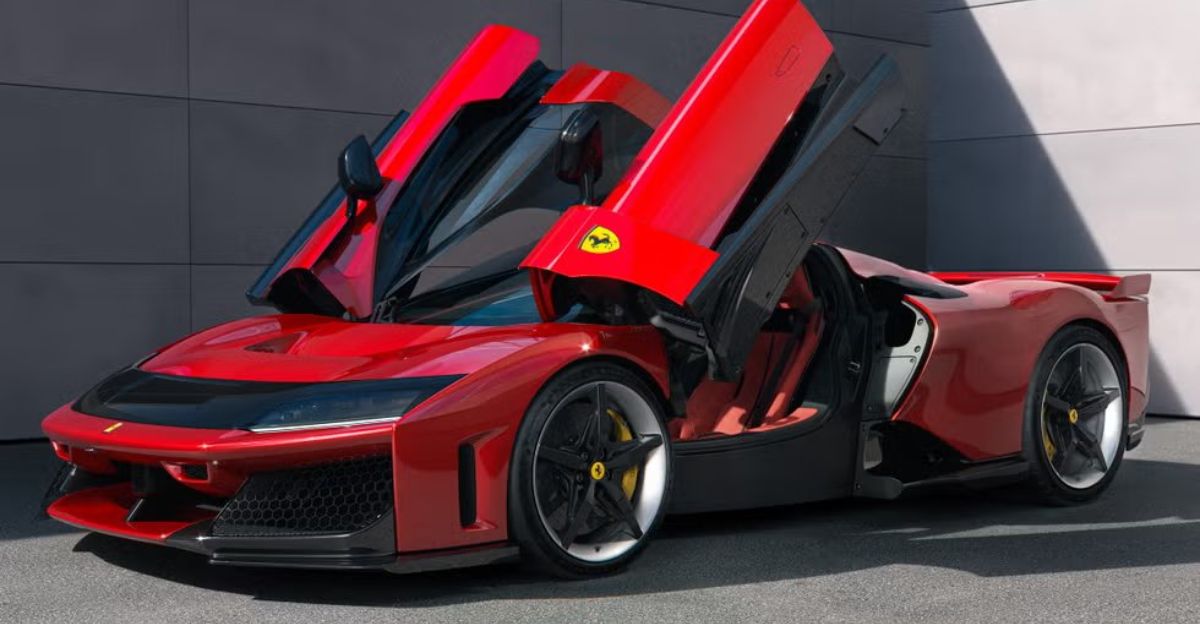
Ferrari’s first electric vehicle arrives in spring 2026 with 1,000+ hp from a quad-motor setup. 0-62 mph occurs in under 2.5 seconds. Price: $500,000+. No V-12 roar, no mechanical soul—just extreme numbers. Purists see betrayal; others see inevitability. Ferrari bets billions on relevance over tradition. This car captures 2026’s tension: can heritage survive by abandoning what made it legendary? The following Ferrari conversation starts here.
2. Mercedes-AMG GT XX EV
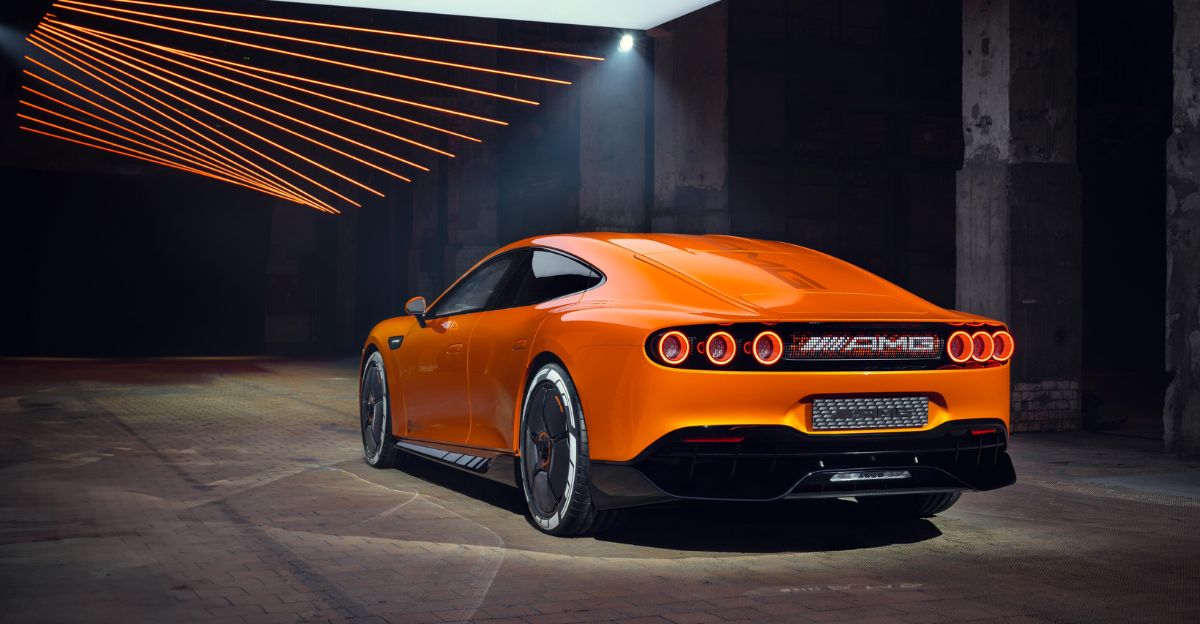
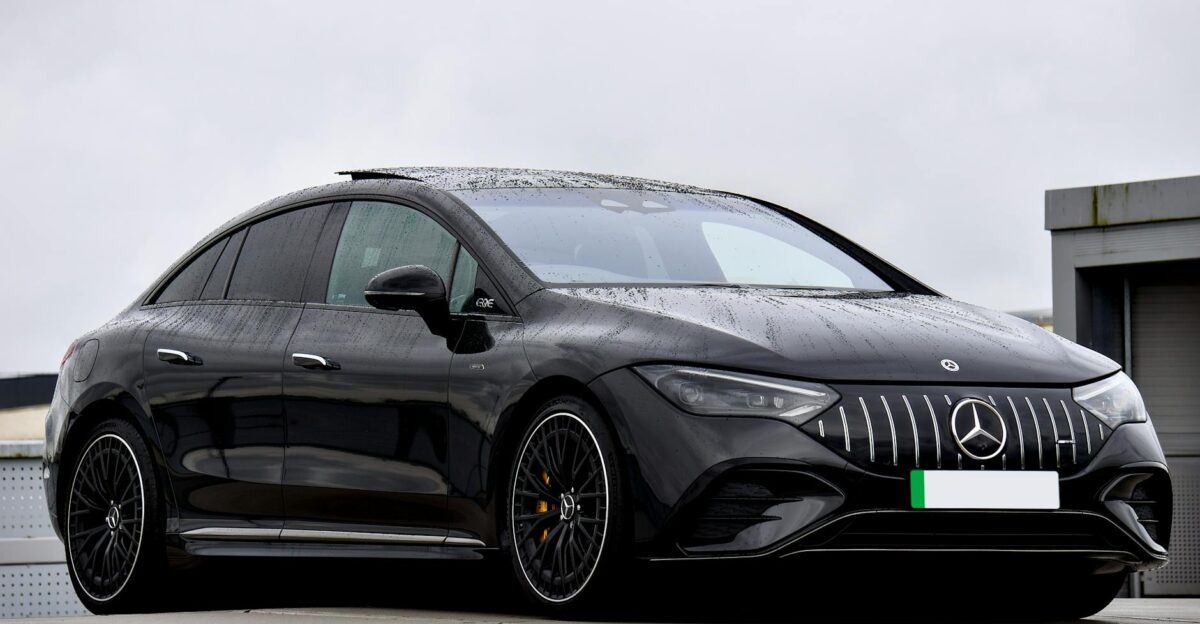
The GT XX EV concept delivers 1,341 hp from three axial-flux motors, a top speed of 223 mph, and ultra-fast 900 kW charging (enabling 248 miles in just five minutes). Price: $200,000+. This sedan outperforms hypercars of the past decade. If a sedan is this fast, what’s the purpose of sports cars? Mercedes signals that performance can exist in daily practicality. The future of speed now feels everyday.
3. Jaguar Type 00
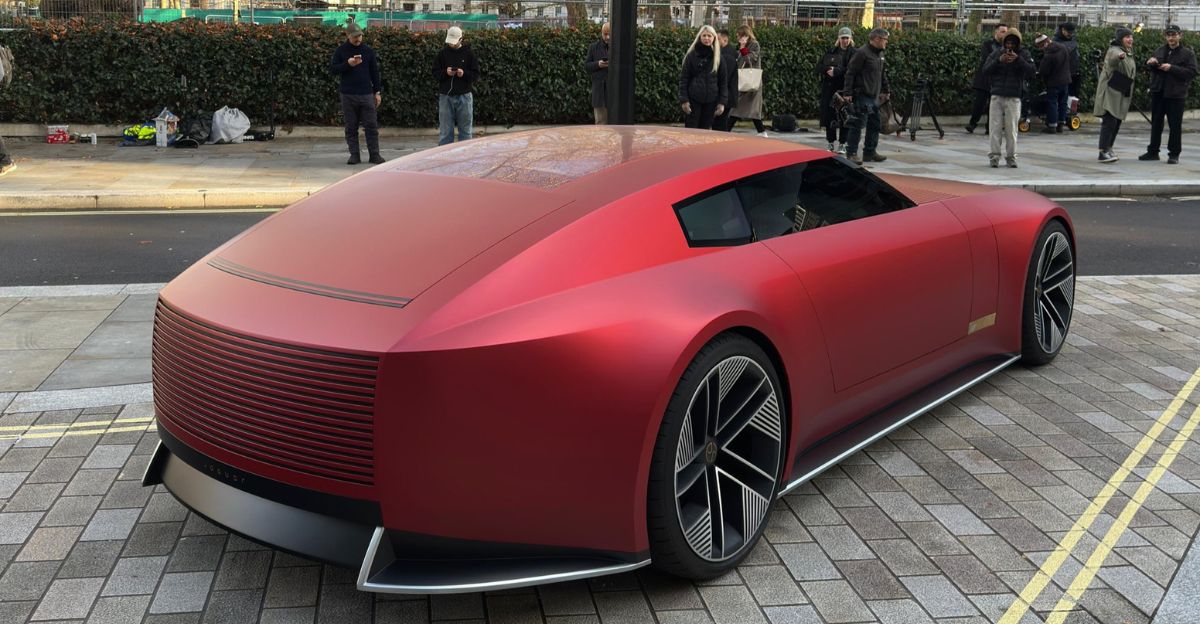
The Jaguar Type 00 is fully electric, marking a departure from 102 years of combustion. Its tri-motor setup delivers 1,030 hp, starting above $100,000. Controversial and divisive, this rebrand is existential. Luxury buyers must forgive heritage loss for relevance. By year-end 2026, Jaguar’s gamble will reveal if total reinvention can succeed. Until then, Type 00 is a lesson in brand evolution under pressure, blending risk with strategic necessity.
4. BMW i3 Sedan
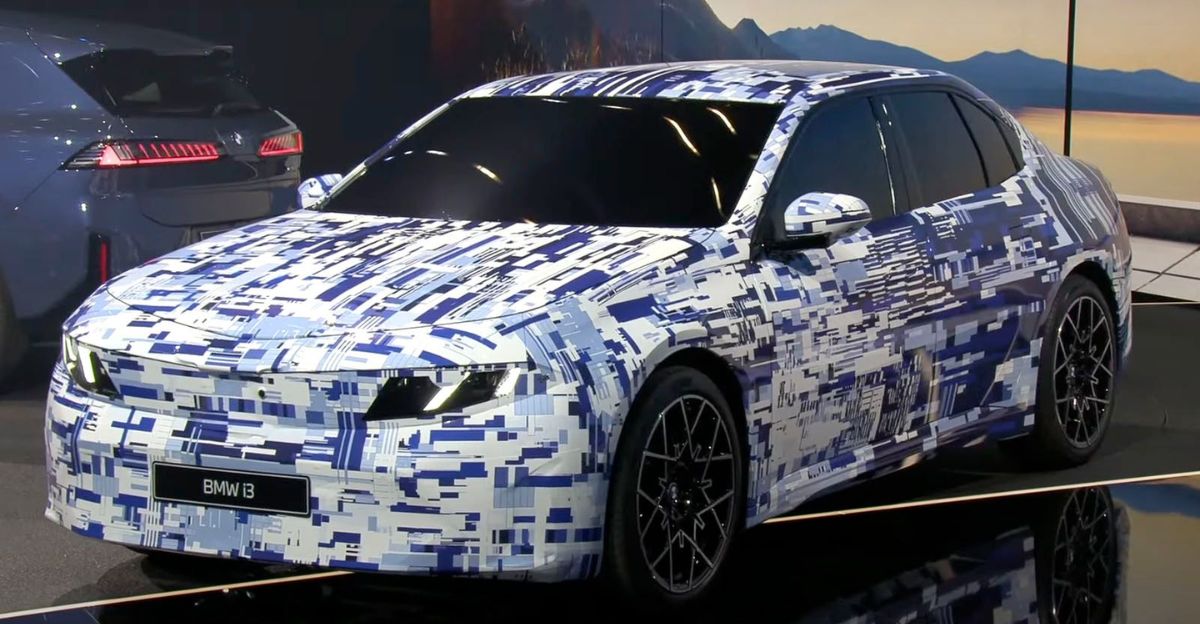
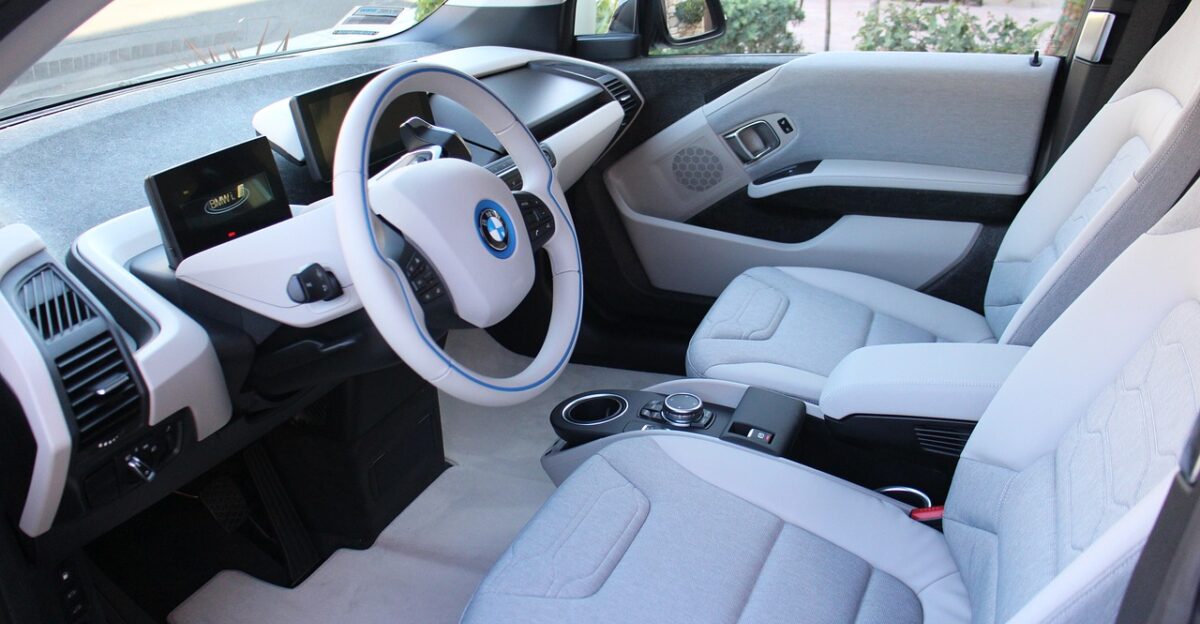
BMW’s 2026 i3 sedan delivers 463 hp (dual-motor) with up to 500 miles WLTP range (roughly 350–400 EPA miles). Debuting on the Neue Klasse platform, it sets the blueprint for BMW’s EV future. Efficiency, tech, and infrastructure integration define it. 2026 marks BMW’s pivot from occasional EVs to a specialist. The first electric M3 adds performance credibility. This dual approach strikes a balance between accessibility and innovation, setting BMW’s trajectory.
5. Rivian R2
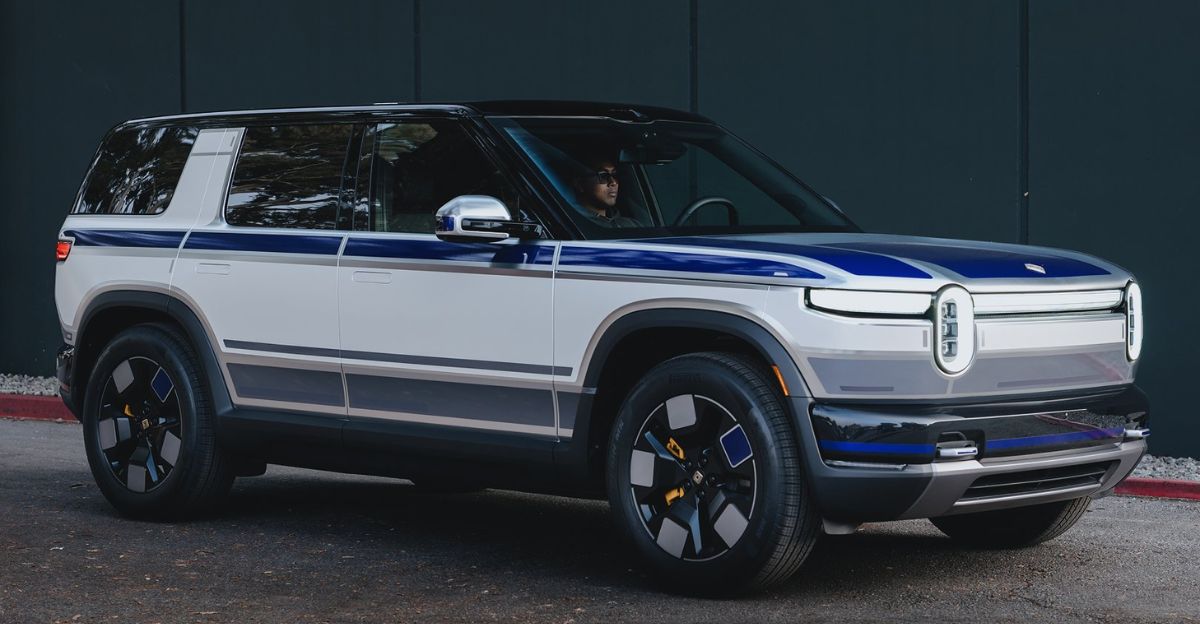
Rivian’s R2 is expected to arrive in early 2026, starting at $45,000. Configurations: single-motor RWD, dual-motor AWD, tri-motor AWD. Range: 300+ miles EPA. Rivian depends on R2’s success as its volume play. Unlike Slate, the R2 combines affordability with brand prestige, design, and technology. Execution matters. By mid-2026, the market will confirm whether Rivian proved that competent, accessible EVs are possible—or if affordability remains a dream deferred.
6. Ram 1500 TRX
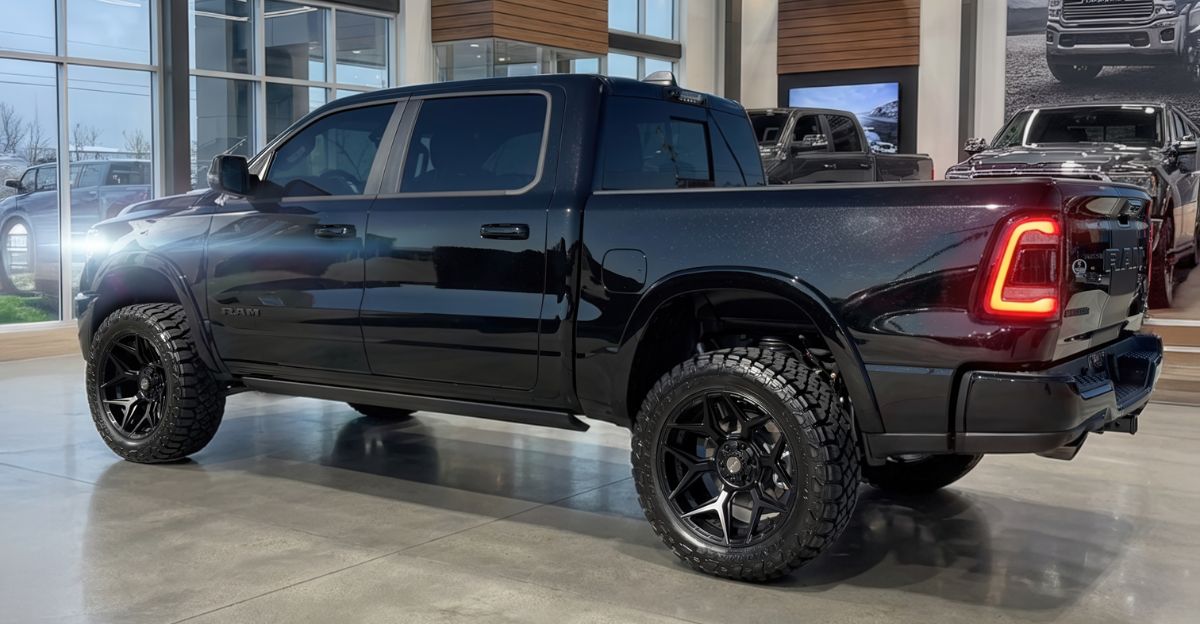
Ram’s TRX Redeye debuts on January 1, 2026, with 797 hp 6.2L supercharged V-8. Not all automakers abandon combustion; some embrace it. Ram offers performance alongside electric supercars. Buyers get choice: nostalgia and raw power or future-forward efficiency. The TRX launches the year with testosterone and excitement. Climate advocates may disagree, but enthusiasts celebrate. 2026 proves automakers must balance tradition with innovation to satisfy diverse audiences.
7. Ford Mustang Boss
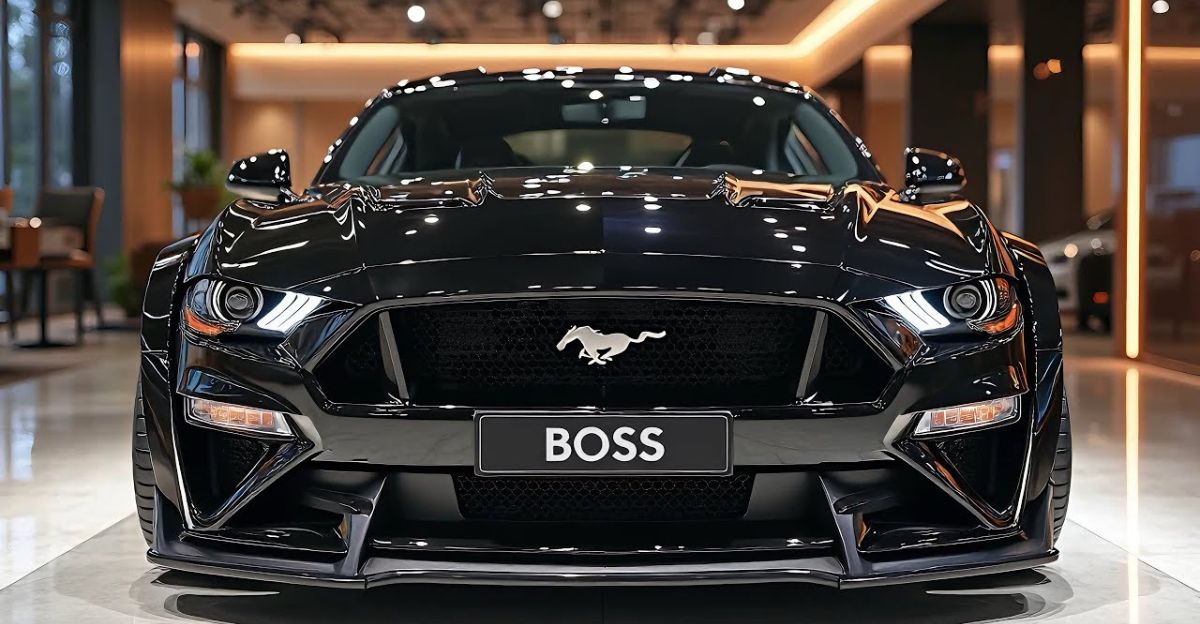
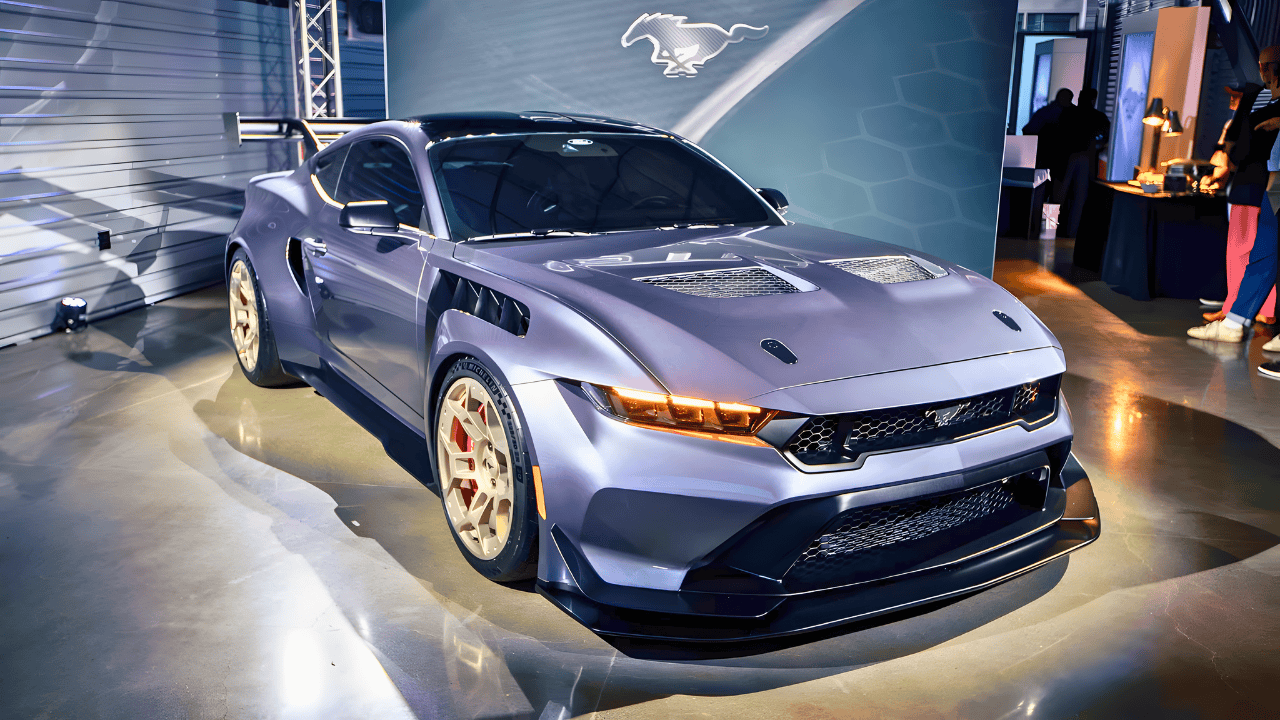
Ford’s next-gen Mustang arrives in 2026 with 800+ hp V-8. Convertible option returns. Naming is unconfirmed: Mustang Boss or GT500 successor. Dropping Shelby signals rebranding even for heritage models. Ford hedges bets: maintain combustion performance while exploring electrification. Collectors will debate decisions for years. Nostalgia battles progress, yet horsepower remains undeniable. The 2026 Mustang shows that adaptation may require tough choices, even for automotive royalty.
8. Toyota GR GT
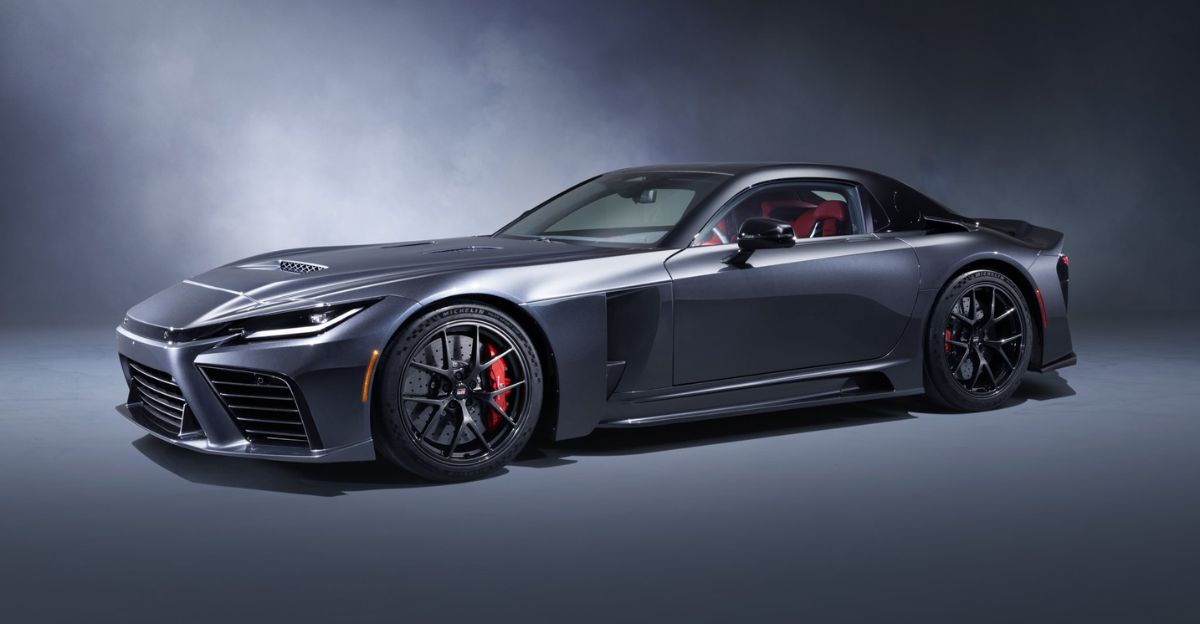
Toyota’s GR GT returns to supercars after the LFA ended in 2012. The twin-turbo V-8 hybrid produces 641 hp and is priced at $ 500,000. Sold through Lexus, it blends traditional powertrain and performance with partial electrification. Toyota proves hybrid supercars remain viable while offering extreme performance. By late 2026, the market will judge if this middle-ground approach satisfies enthusiasts or accelerates the shift to full EV supercars. Japan remains competitive in exotica.
9. Porsche 911 GT2 RS
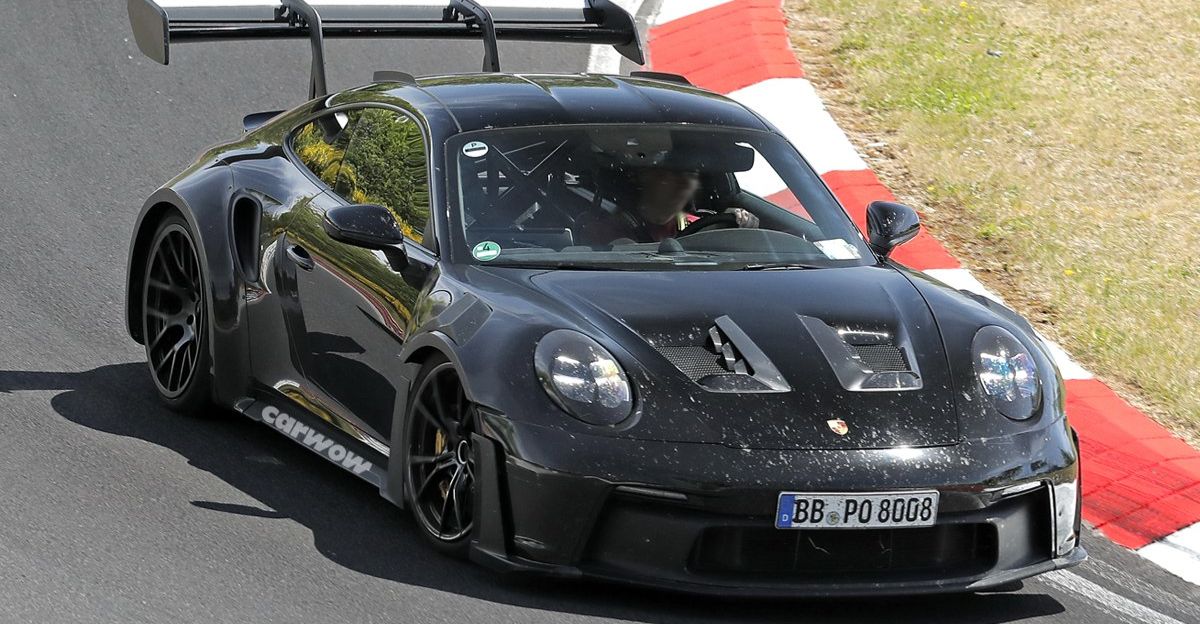
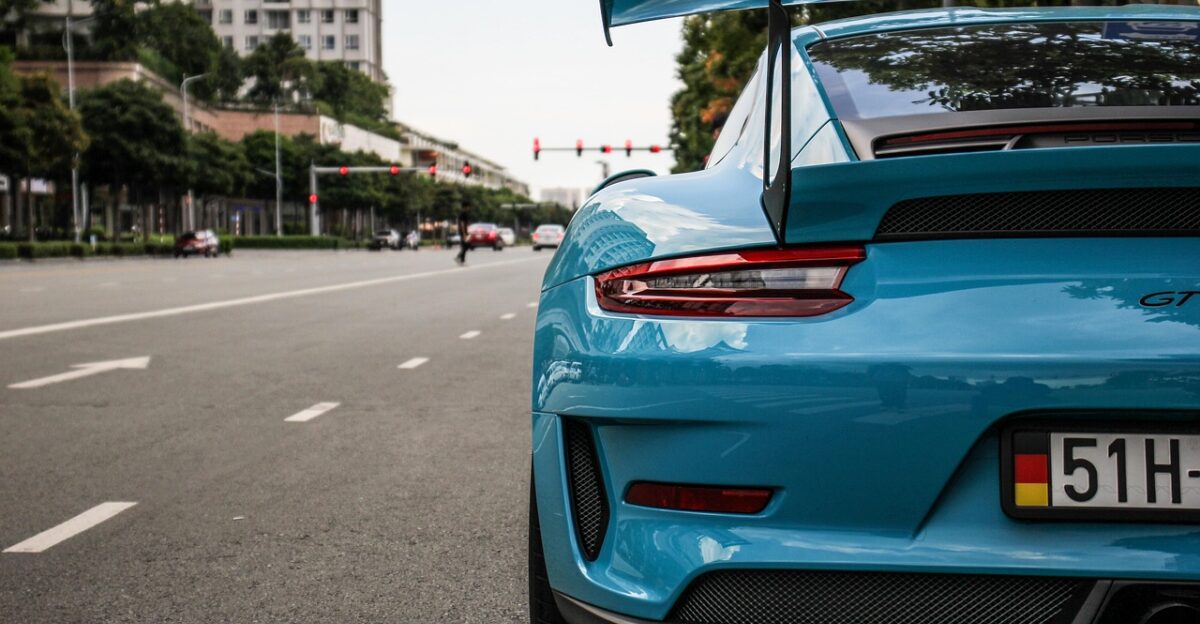
Expected in June 2026, Porsche’s 911 GT2 RS hybrid produces roughly 750 hp. Price: $450,000. Likely the final flat-six or V-8 from a German legacy automaker. Scarcity underscores significance: nostalgia and engineering intersect with the transition to electrification. Collectors pursue it as a last analog supercar. 2026 measures whether the market values heritage over future-proof performance. The GT2 RS is a symbol of the final combustion era.
10. Slate Truck
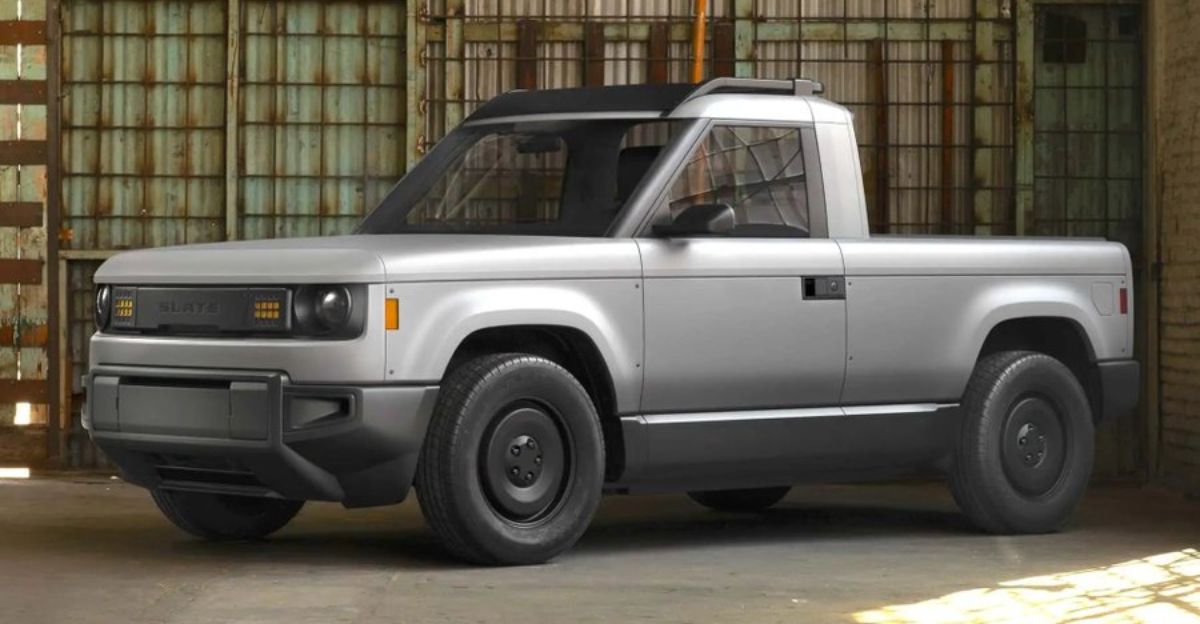
The Slate Truck is set to launch at the end of 2026 at $27,500 (originally $19,995, following the elimination of federal credit). Minimalist interior, utility-focused design. Policy-driven $7,500 jump challenges affordability. Slate proves simple, accessible EVs are possible. Unlike feature-packed competitors, it asks: Do you need utility or flash? Its survival determines the fate of the “EV for everyone” narrative. By the close of 2026, this vehicle will embody either triumph or the collapse of accessible electric mobility.
The Horsepower Wars Are Over (EVs Won)
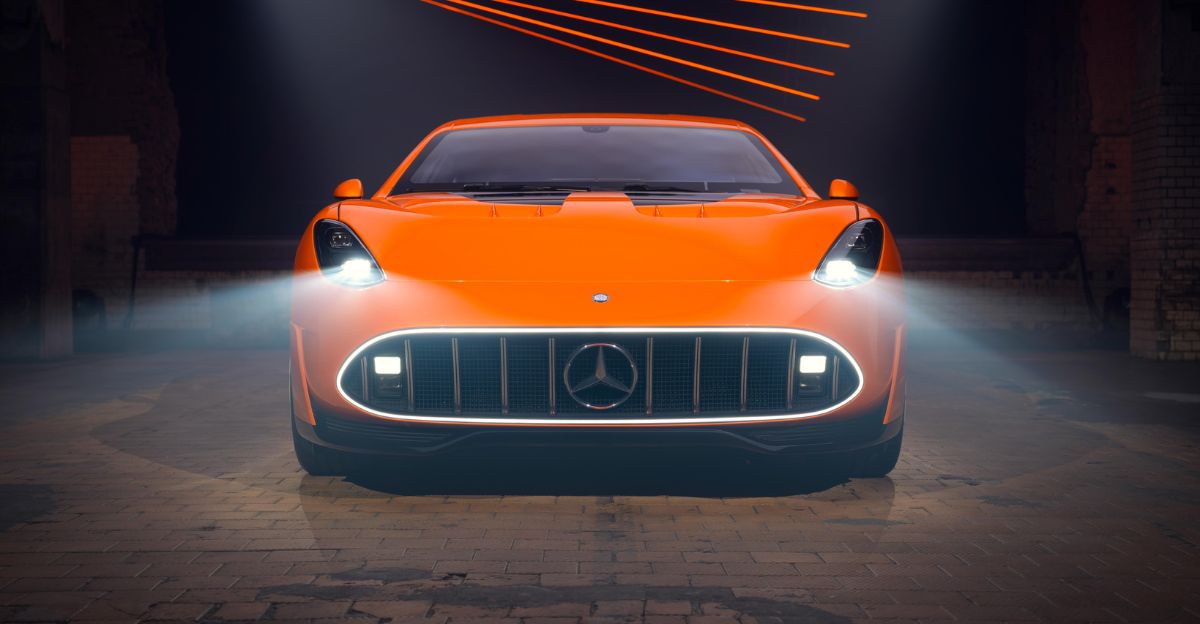
Mercedes-AMG GT XX, Ferrari Elettrica, and Jaguar Type 00 obliterate traditional engines with 1,341 hp, 1,000+ hp, and 1,030 hp, respectively. Instant torque leaves V-8s obsolete. EV superiority is clear numerically. Yet heritage loss and buyer psychology complicate adoption. 2026 settles performance debates but sparks emotional ones. The future is fast and silent, leaving automakers and enthusiasts alike adjusting to a new definition of true power.
The Affordability Crisis Is Real
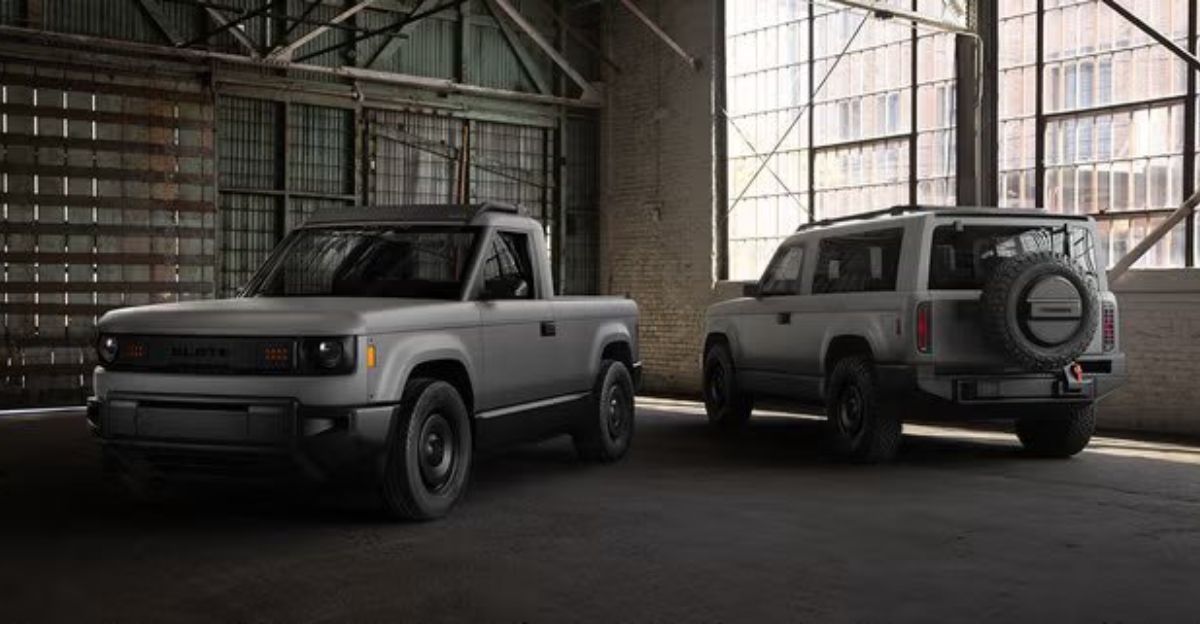
2026 exposes the limits of budget EVs. Slate’s price hike shows vulnerability to policy shifts. Rivian R2 at $45,000 represents the realistic floor. Without subsidies, the EV market stratifies: ultra-luxury and entry-level survive; middle-class access diminishes. Affordability didn’t expand as hoped. Manufacturers must innovate with efficiency to widen access, or EV adoption will remain a luxury privilege. Policy and production constraints make this year a pivotal test for accessible electrification.
Legacy Brands Must Reinvent Or Die
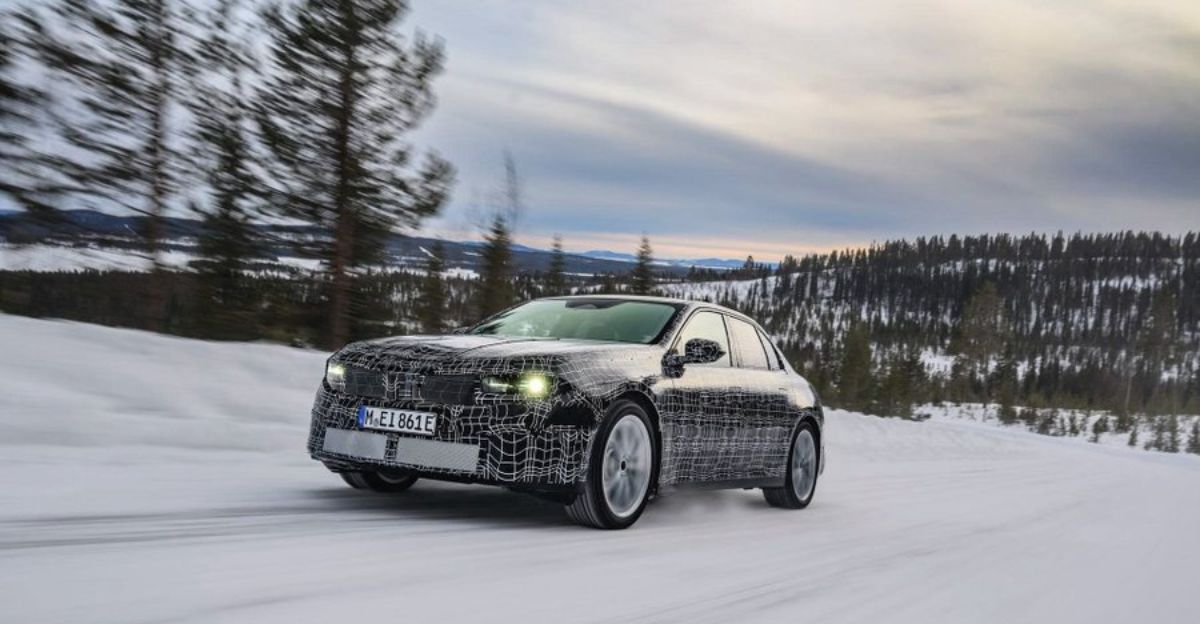
Jaguar, Ferrari, and Mercedes demonstrate that legacy is irrelevant without a solid strategy. Hesitation or half-measures signal a lack of confidence in future relevance. Jaguar chooses extinction over irrelevance, Ferrari evolution over tradition, Mercedes disruption over comfort. By year-end 2026, these bold bets will either succeed spectacularly or fail dramatically. The industry’s next chapter favors those willing to destroy old norms. Adaptation is survival, and hesitation is fatal.
2026: The Year Everything Changes
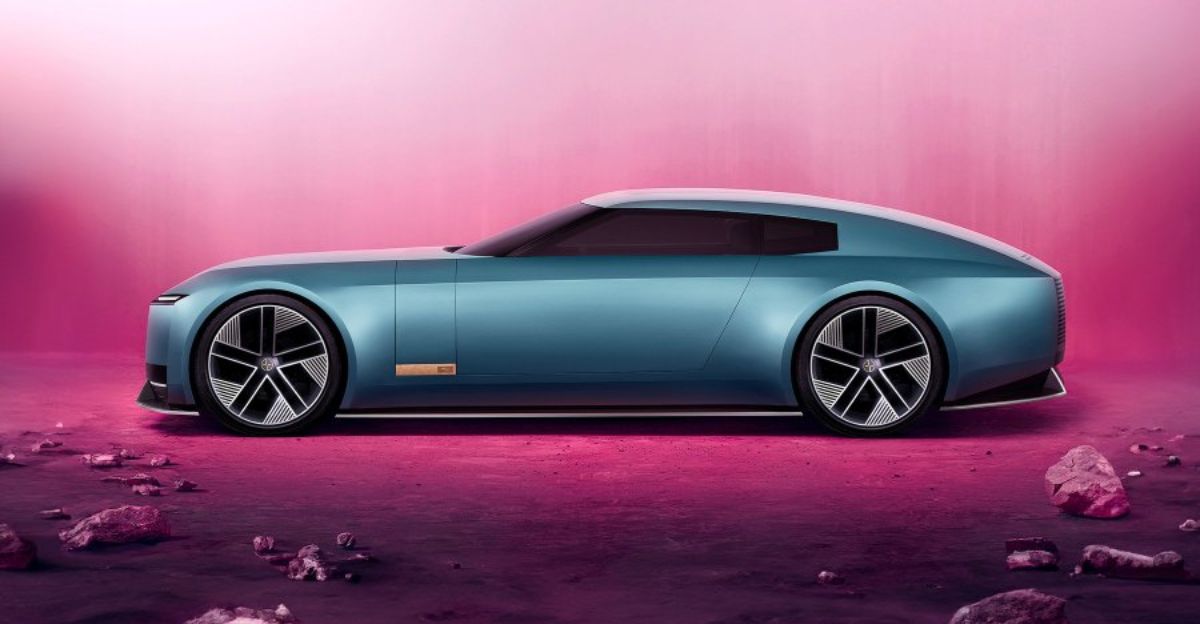
2026 isn’t just another model year. The 10 vehicles—from Ferrari’s electric revolution to Slate’s affordability crisis to Jaguar’s rebrand—define every approach to the EV shift. Some succeed, others fail. Collectively, they mark the point where nostalgia yields to necessity. The V-8 era ends quietly, replaced by these machines, which prove that the future is faster, cleaner, and more complex. Buckle up; 2026 promises to be an unforgettable year.
Sources:
Ferrari Elettrica: Spring 2026 reveal confirmed, first electric supercar for 77-year-old brand. Motozite Blog, October 12, 2025
2026 RAM 1500 TRX Teases Nearly 800 Horsepower with January 1 Reveal. Forbes, July 30, 2025
2026 BMW i3 Electric Sedan to Launch with 400-Mile Range. Car Expert Australia, October 20, 2025
Rivian R2 Pricing and Launch Details Confirmed for First Half 2026. Cars.com, November 4, 2025
1341-HP Mercedes-AMG GT XX EV Takes Aim at Luxury Performance. Car and Driver, June 24, 2025
Trump’s “Big Beautiful Bill” Axes $7,500 EV Tax Credit After September 30, 2025. CNBC, July 1, 2025