
Most Americans fail to meet the fiber target that helps regulate cholesterol, blood pressure, and long-term heart risk—a gap that leaves roughly 160 million adults nutritionally vulnerable.
Five leading cardiologists—including Dr. Sarah Alexander (Endeavor Health) and Dr. Diala Steitieh (Weill Cornell Medicine)—treat the first meal as a daily “lever” for risk reduction.
“Eating breakfast lays the foundation for your day,” Dr. Alexander notes, adding that small daily choices “add up and affect your long-term cardiovascular health.”
1. Fiber Wrap
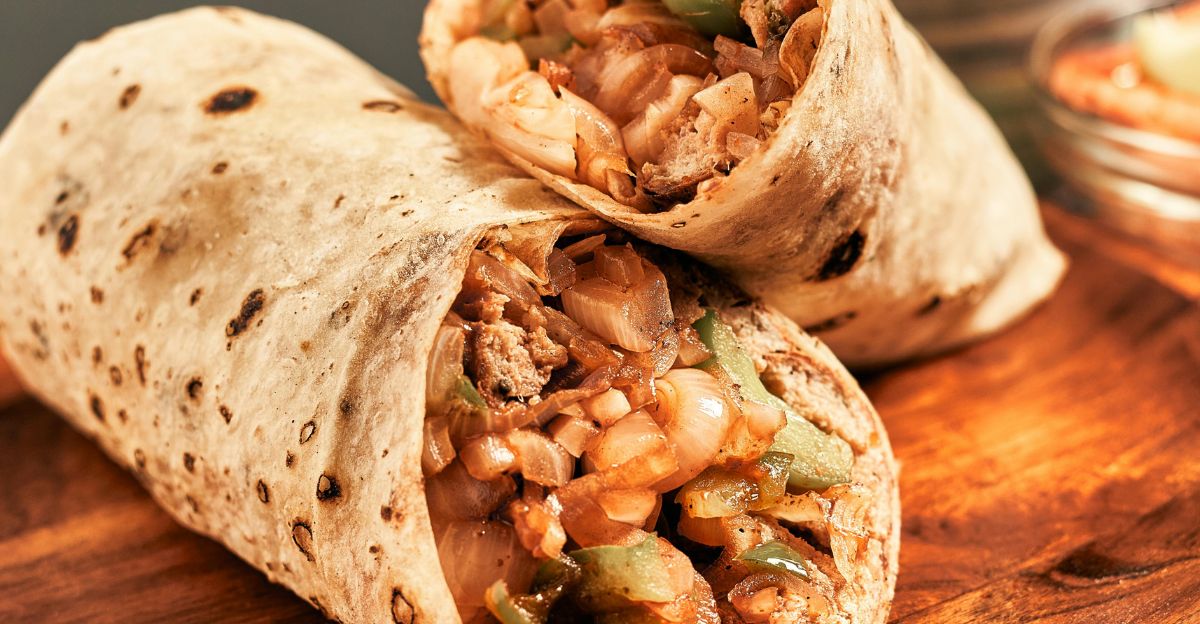
Doctors including Dr. Kumar Sarkar (Northwell Health) and Dr. Ailin Barseghian El-Farra (UCI Health) favor a protein-packed breakfast wrap built on a whole-wheat tortilla.
Stuffed with vegetables, beans, or lean proteins like turkey or eggs, these wraps add cholesterol-lowering fiber while non-starchy veggies boost volume.
Such wraps displace processed meats and refined bread, turning a fast, handheld breakfast into a stealth heart intervention.
2. Chia Pudding
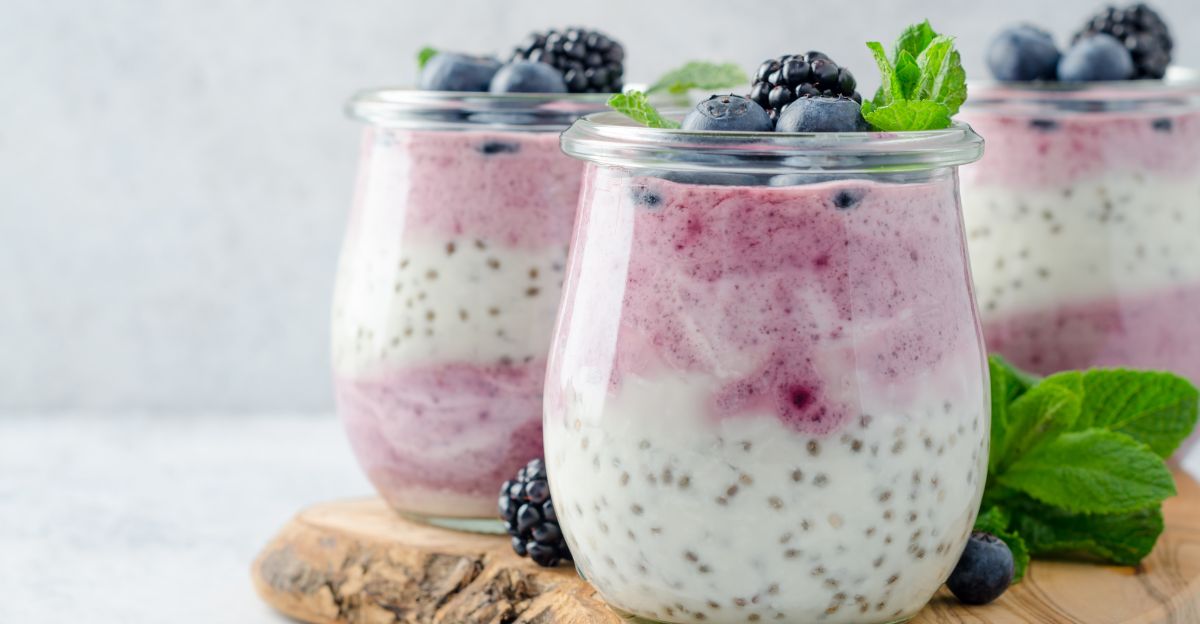
Chia pudding looks like a dessert but behaves like a fiber supplement that doctors actually enjoy eating. A single ounce of chia seeds provides nearly 10 grams of fiber—roughly one-third to one-half of the daily recommended intake (22–34 grams).
Their alpha-linolenic acid (ALA), a plant omega-3, is linked to an estimated 10% reduction in cardiovascular disease risk.
3. Avocado Toast
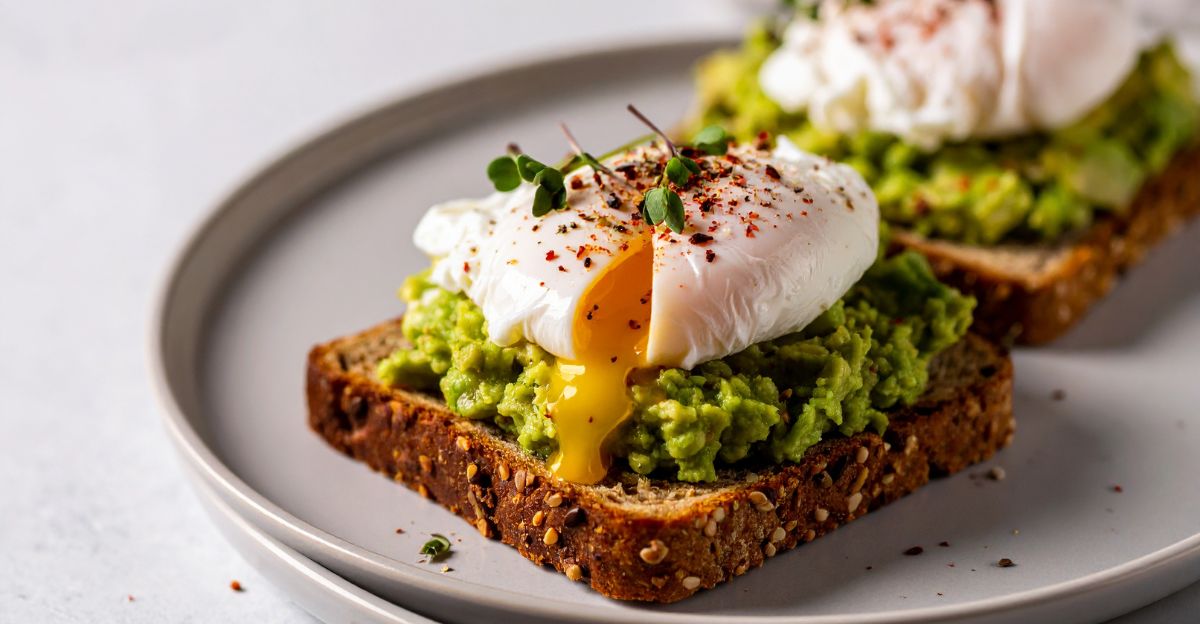
Avocado toast has gone mainstream, but specialists like Dr. Melissa Tracy (Rush University System for Health) treat savory avocado toast as a vehicle for better fats.
When smashed avocado replaces butter on whole-wheat bread, monounsaturated fats help improve LDL cholesterol profiles compared with low-fat patterns relying on refined carbs. Toppings like tomato or arugula add potassium without extra sodium.
4. Lower Carb PB&J
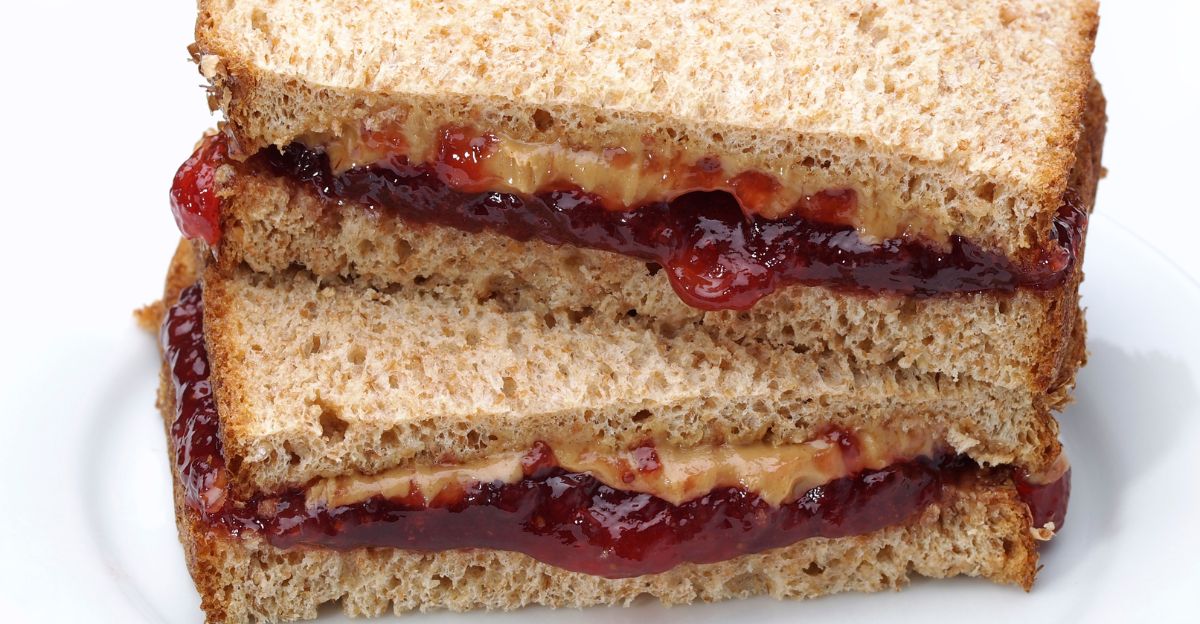
A lower-carb peanut butter and jelly can flip from childhood sugar bomb to cardiologist-approved breakfast. The keys: whole-grain bread, unsweetened or low-sugar nut butter, and a thin layer of no-sugar-added fruit spread or mashed berries.
This combination boosts fiber and unsaturated fats while trimming added sugars, aligning with CDC guidance that links high added sugar intake to increased cardiovascular mortality.
5. Overnight Oats
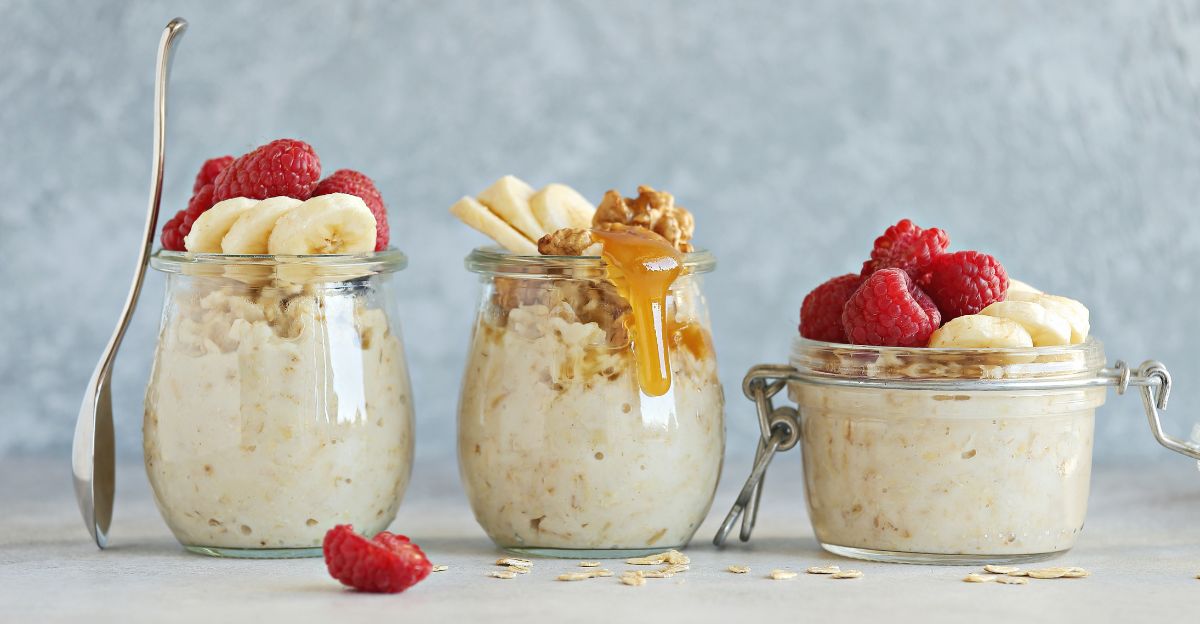
Family-friendly overnight oats let oat beta-glucan do its work while you sleep. Oats provide a soluble fiber that has been shown to significantly reduce LDL cholesterol, a major contributor to heart disease.
When prepared with Greek yogurt, fruit, and nuts, they layer fiber, plant fats, and protein into one jar, making them a practical tool for long-term cholesterol management.
6. Greek Yogurt
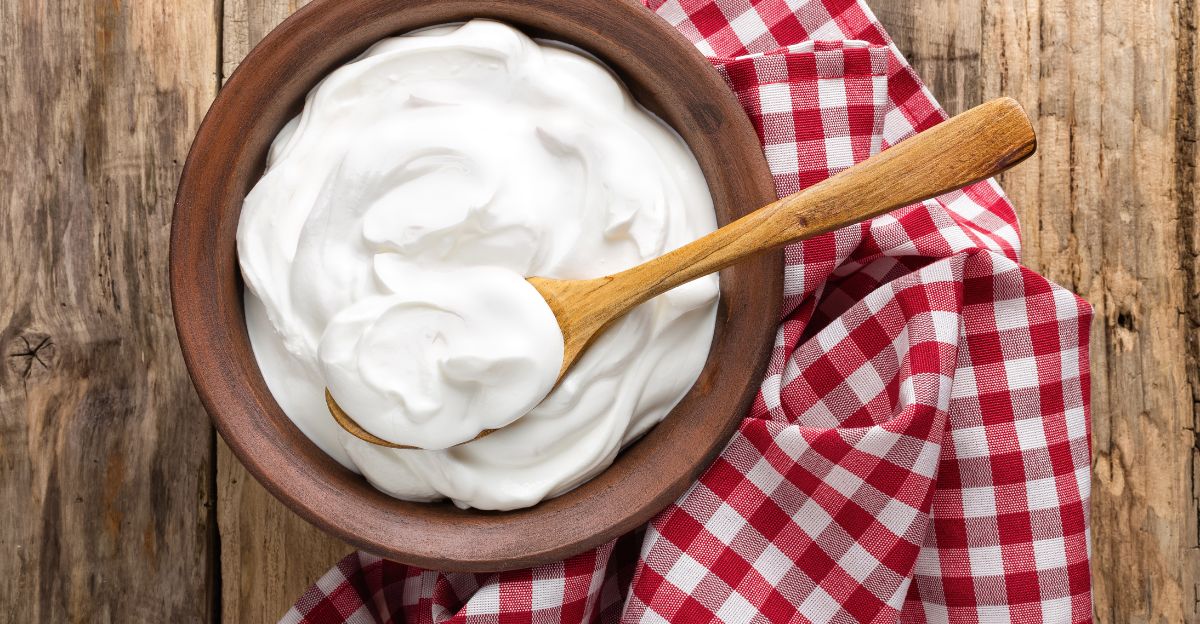
When cardiologists add dairy at breakfast, they often reach for Greek yogurt or cottage cheese. Fermented dairy products generally show neutral or modestly beneficial cardiovascular profiles in population studies.
Paired with fruit or chia, plain Greek yogurt boosts protein and satiety without adding significant saturated fat or sugar—helping patients avoid mid-morning ultra-processed snacks.
7. Veggie & Egg Scramble

Some cardiologists include lean proteins, such as eggs or poultry, at breakfast, while strictly limiting processed meats.
A scramble combining eggs with spinach, tomatoes, and mushrooms offers high protein without the sodium load of bacon. Professional societies endorse lean poultry and eggs in moderation as part of a vascular-healthy pattern.
8. Quinoa Breakfast Bowl
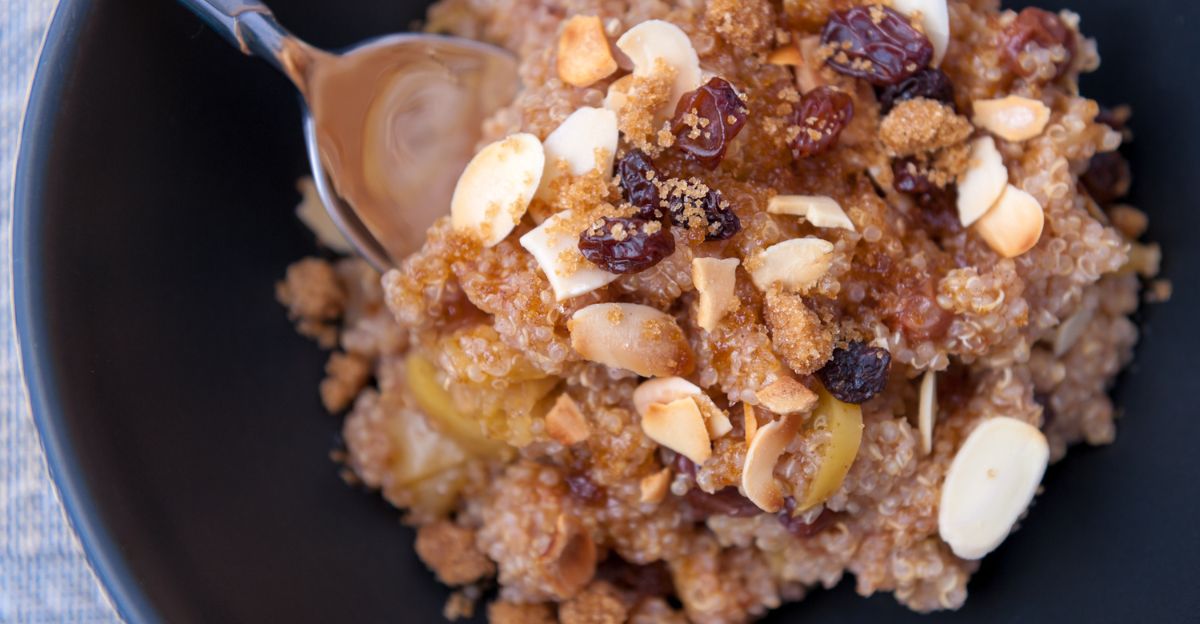
Ideally suited for heart health, quinoa bowls offer a complete protein alternative to oatmeal. Recent studies show that daily quinoa consumption can significantly reduce triglycerides and LDL cholesterol.
Served warm with diced apples and cinnamon, it offers a rich source of plant-based protein and essential minerals that support metabolic health.
9. Cottage Cheese Power Bowl
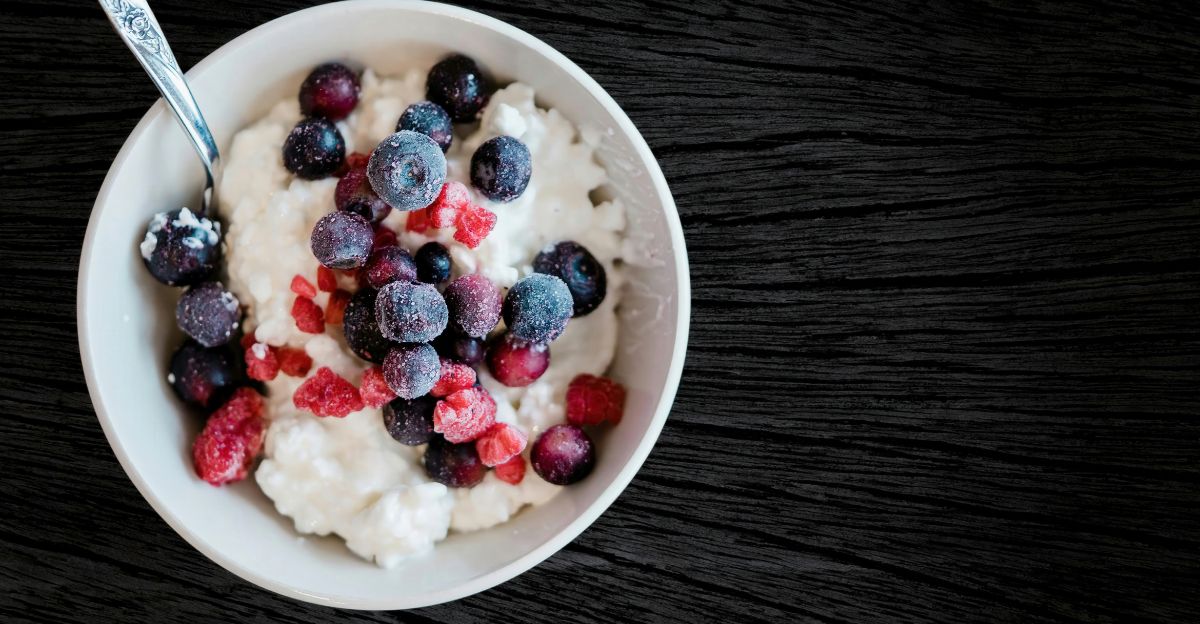
High in slow-digesting casein protein, a cottage cheese bowl topped with melon or berries helps stabilize blood sugar levels.
Low-fat cottage cheese provides essential calcium and selenium, nutrients linked to metabolic health, while avoiding the added sugars found in flavored yogurts.
10. Smoked Salmon on Whole Grain
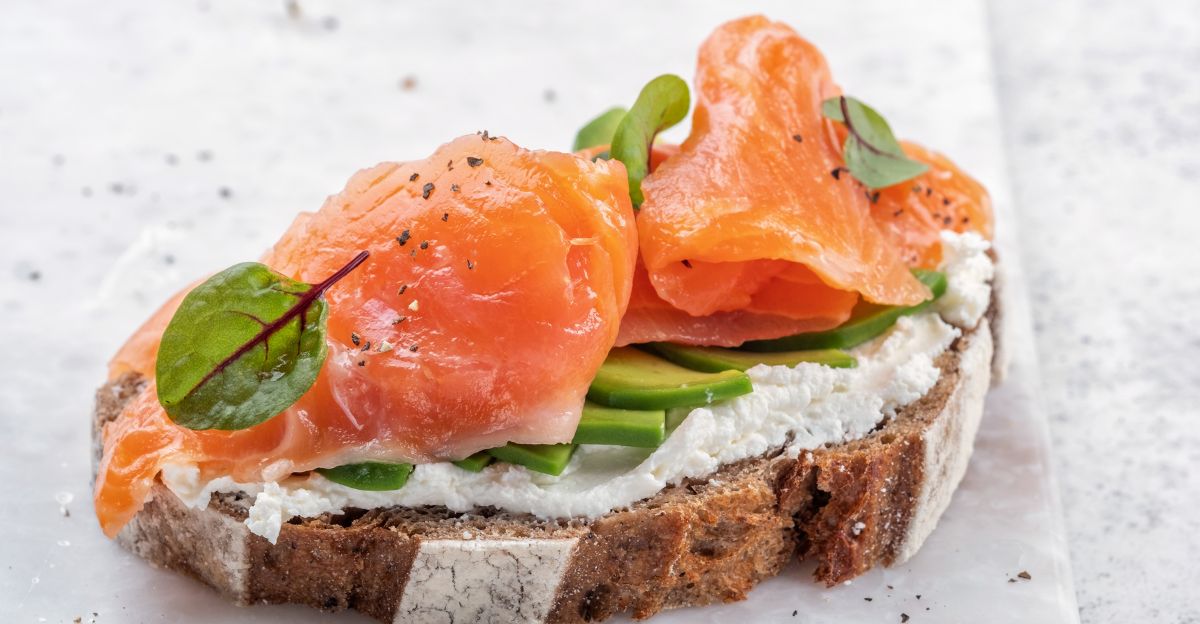
For a savory omega-3 boost, smoked salmon on whole-grain toast delivers powerful anti-inflammatory benefits.
The omega-3 fatty acids in salmon work in tandem with the fiber in whole-grain bread to support arterial health and reduce inflammation markers, making it a nutrient-dense alternative to cream cheese bagels.
11. Berry-Flax Green Smoothie
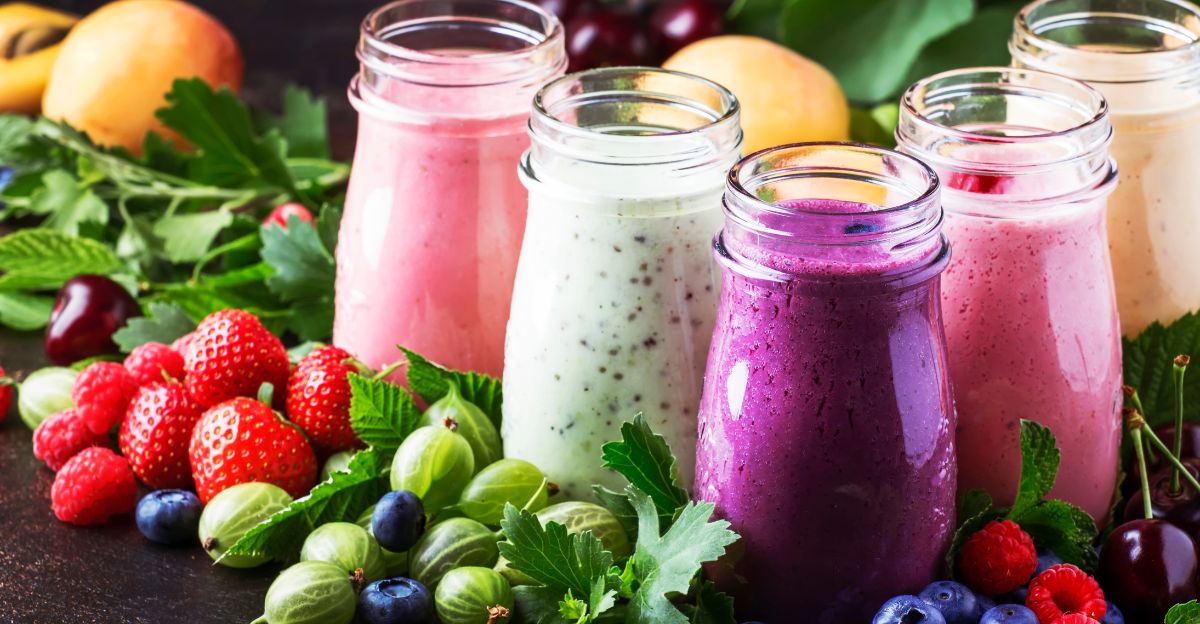
A green smoothie blended with spinach, berries, and ground flaxseed provides a heart-protective drink. Flaxseed supplementation has been shown to significantly lower systolic blood pressure in clinical trials. This liquid breakfast combines hydration with a massive dose of ALA omega-3s and nitrates for vascular function.
12. Tofu Scramble
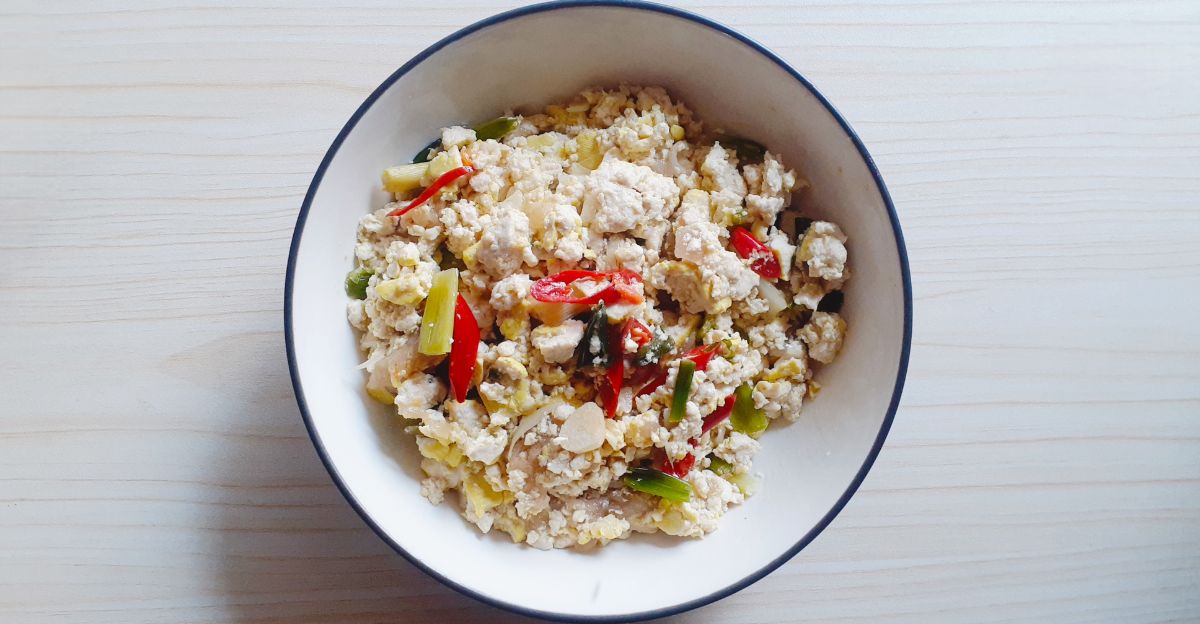
A turmeric tofu scramble offers a plant-based, cholesterol-free protein source that mimics the taste and texture of eggs. Soy protein intake is associated with lower LDL cholesterol levels and a reduced risk of heart disease.
Seasoned with anti-inflammatory turmeric and veggies, it eliminates dietary cholesterol while maximizing antioxidant intake.
Why Breakfast Matters More Than You Think

Cardiologists emphasize eating breakfast at all, not just what’s on the plate. Research suggests an association between skipping breakfast and increased risk of cardiovascular disease, though individual factors vary.
Scientific statements link irregular patterns, including skipping the morning meal, with worse cardiometabolic outcomes—making “no breakfast” a potential risk signal.
The U.S. Fiber Gap Behind These Picks
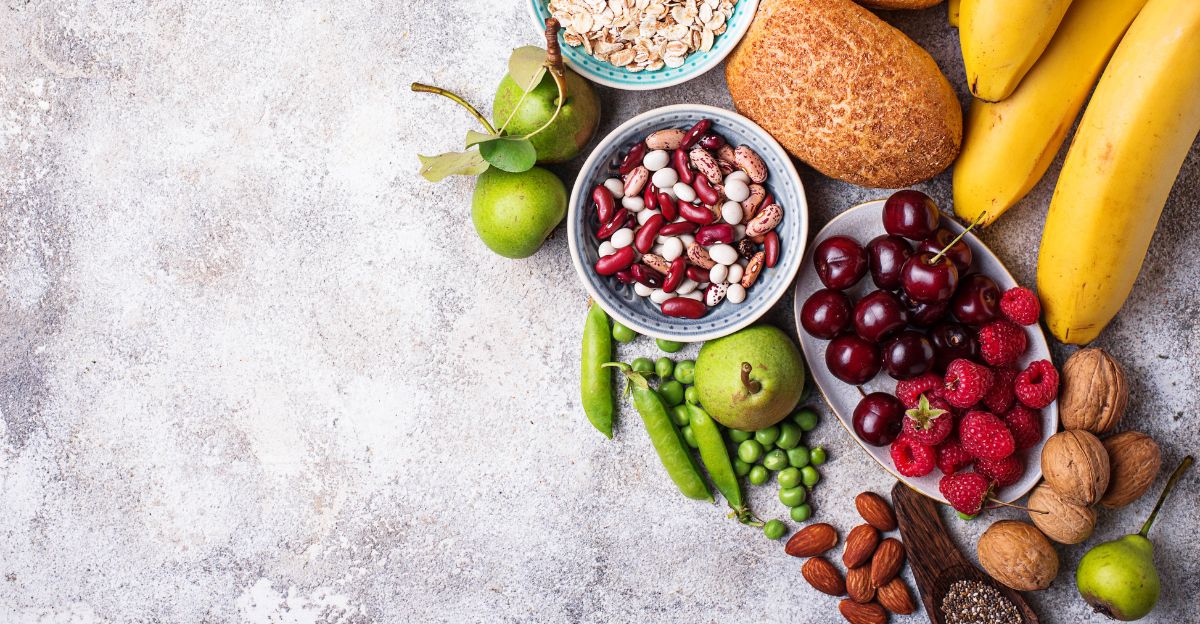
The heavy emphasis on oats, chia, and whole grains targets a striking national shortfall: 97% of U.S. men and 90% of women fall below the recommended 22–34 grams of daily fiber.
That gap matters because higher fiber diets improve cholesterol, blood pressure, and inflammation. Breakfast is simply the most reliable daily slot to close it.
Whole Grains vs. Refined Morning Staples
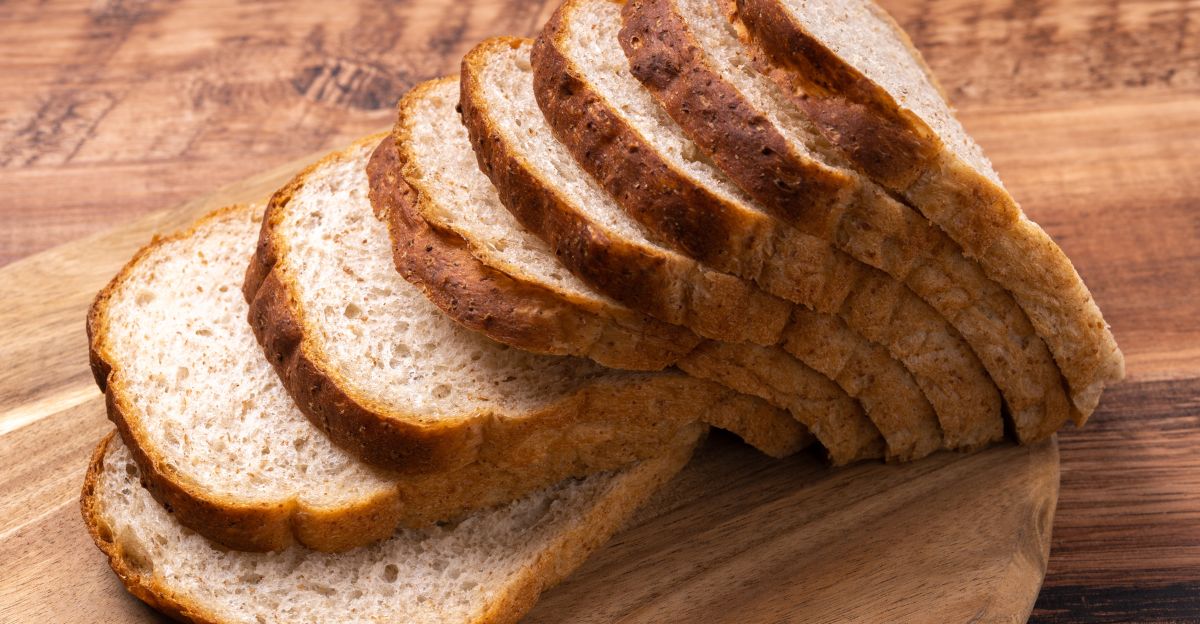
Swapping white toast for whole-grain bread or oats is not just a “better” choice—it tracks with measurable risk differences.
A high intake of whole grains is consistently associated with a reduced risk of coronary heart disease and cardiovascular mortality.
This is why cardiologists circle back to whole-wheat wraps and breads as foundations rather than trendy extras.
Added Sugar: The Quiet Breakfast Threat
Sugary cereals and pastries can push added sugars far beyond limits. Consuming too many added sugars is linked to significantly increased cardiovascular mortality.
Cardiologists steer patients toward unsweetened bases—plain oats, yogurt, or whole-grain bread—using fruit for sweetness to protect the heart.
ALA, Not a Magic Bullet
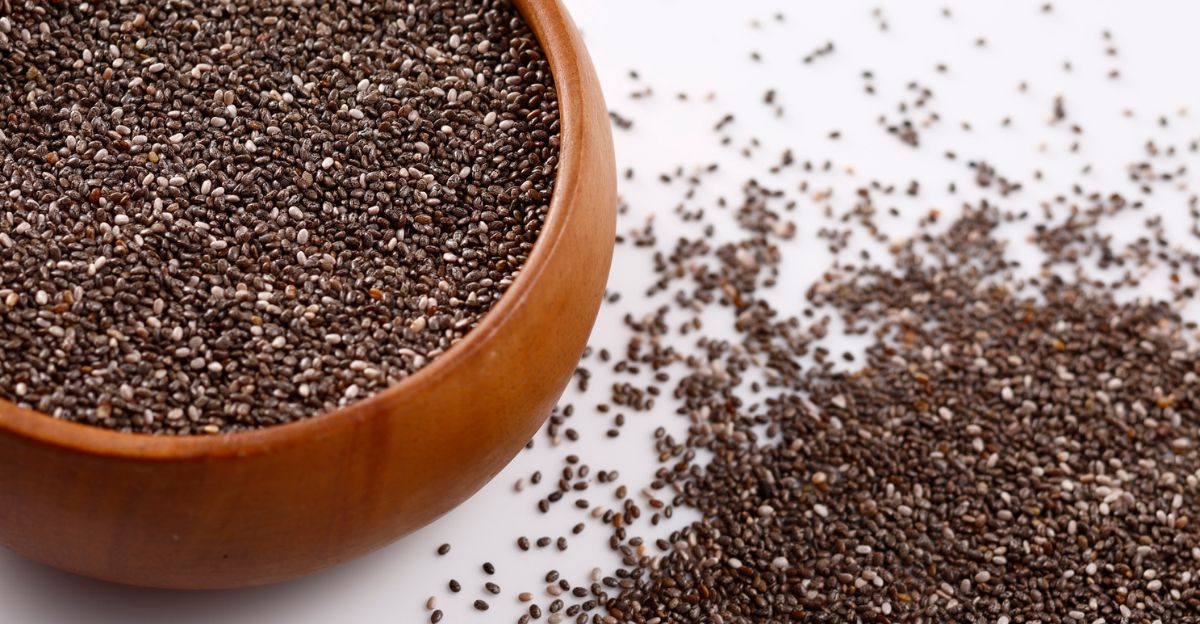
While higher ALA intake from foods like chia appears beneficial (reducing risk by ~10%), cardiologists caution against treating any single nutrient as a cure-all.
These reductions depend on overall patterns—smoking, exercise, and blood pressure still dominate. That is why chia appears inside well-rounded breakfasts rather than as a standalone fix.
Rethinking “Typical” Breakfast Risks

Against this backdrop, familiar options—such as donuts, muffins, and sugary cereals—stand out for what they lack. They deliver refined grains and added sugars with minimal fiber.
By contrasting these with cardiologist-approved breakfasts, the health gap between two equally quick morning routines becomes hard to ignore.
Small Daily Choices, Large Heart Dividends
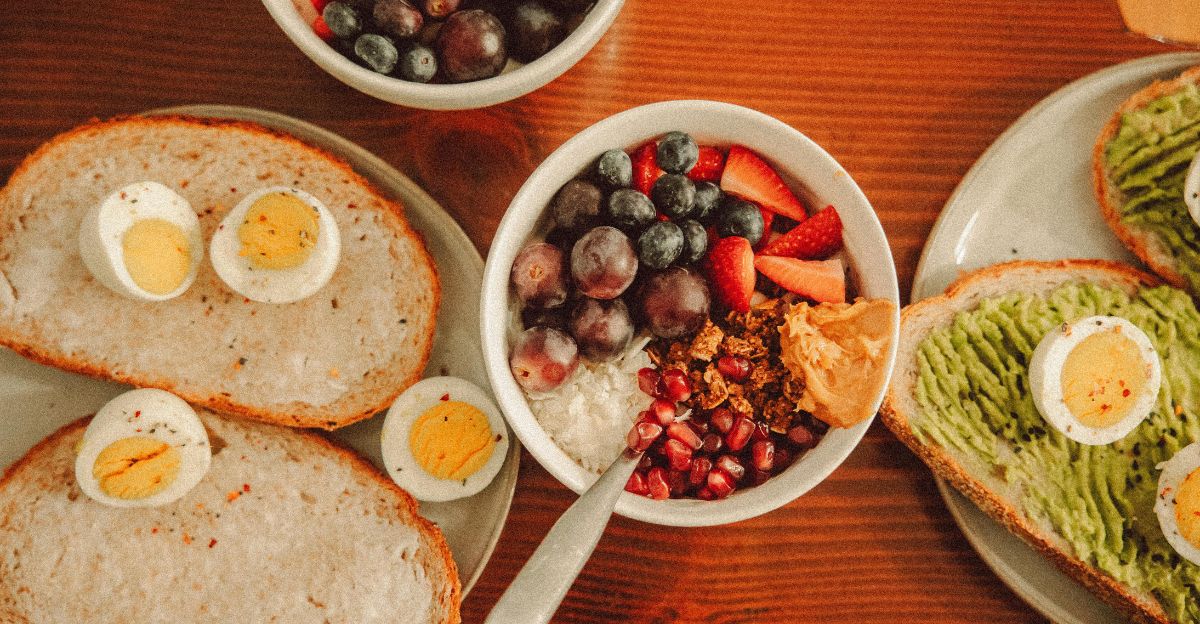
Cardiologists view breakfast as a daily opportunity. A wrap, chia pudding, avocado toast, lower-carb PB&J, overnight oats, or any of the 12 options shared here all align with the same proven logic: more fiber, healthier fats, whole foods, and minimal added sugars. Repeated over time, these small choices quietly reframe long-term cardiovascular risk—one first meal at a time.
Sources:
USDA/HHS – Dietary Guidelines for Americans 2020–2025
USDA FoodData Central – “Chia seeds, dried” and related entries – current database
Pan A. et al. – “Alpha-linolenic acid and risk of cardiovascular disease” – BMJ – 2012
Cahill L.E. et al. – “Breakfast Skipping and Risk of Coronary Heart Disease in Men” – Circulation – 2013
Yang Q. et al. – “Added Sugar Intake and Cardiovascular Diseases Mortality Among US Adults” – JAMA Internal Medicine – 2014
Aune D. et al. – “Whole grain consumption and risk of cardiovascular disease, cancer, and all cause and cause specific mortality” – BMJ – 2016