Toyota just reclaimed its crown as America’s most reliable car brand, but the bigger picture is more unsettling. Consumer Reports’ latest reliability rankings expose a massive 42 point gap between the best and worst automakers. With repair costs climbing and new technology adding risk, brand choice matters more than ever. Based on real owner data, these rankings reveal who builds vehicles that last and who does not. Let’s look into this deeper.
The Reliability Gap Few Expected
Consumer Reports’ latest rankings reveal a staggering 42 point reliability gap separating the best and worst automakers in America. Toyota leads with a strong 66/100 score, while Rivian sits at the bottom with just 24/100. That difference represents more breakdowns, higher repair bills, and longer downtime for owners. Reliability is no longer a minor detail but a financial risk factor. The gap raises an obvious question about modern car design choices.
When New Technology Becomes a Liability
Electric vehicles and plug-in hybrids are breaking down more often than traditional gas cars, creating concern as the industry pushes electrification. Consumer Reports data shows EVs and PHEVs suffer significantly more reliability problems than gas models and standard hybrids. Non-plug-in hybrids remain the most dependable option overall. Eco-conscious buyers now face a tradeoff between emissions goals and repair costs. The problem becomes clearer when redesigns come into play.
The Redesign Curse Still Hits Hard
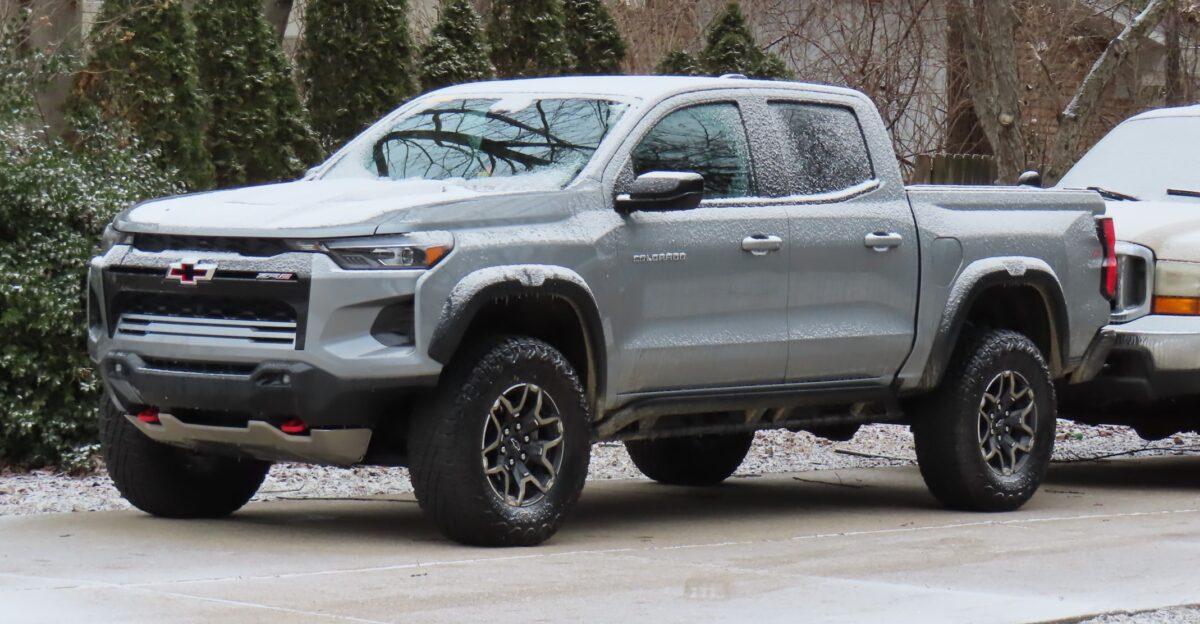
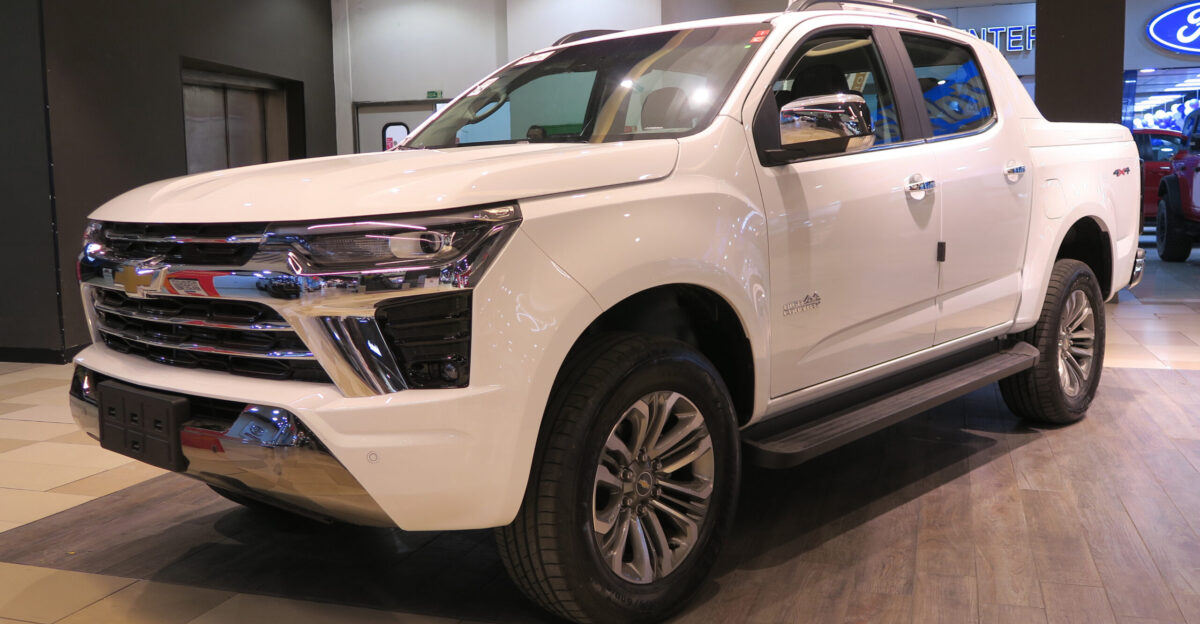
First year and second year redesigned vehicles remain reliability minefields despite decades of engineering progress. Models like the Mazda CX 70, Mazda CX 90, Cadillac Lyriq, Chevrolet Blazer EV, Chevrolet Colorado, and GMC Canyon all reported major issues. The pattern is consistent and predictable. Buying early means acting as a test subject. Waiting until year 3 remains the safest strategy, a lesson buyers keep relearning the hard way.
What Really Powers These Rankings

Consumer Reports surveyed about 380,000 vehicle owners on problems experienced over a 12 month period. Brands needed at least 2 models spanning multiple model years to qualify. Scores reflect repair cost, failure frequency, and safety impact. These rankings are built on real repair bills, downtime, and owner frustration. The 14 brands highlighted here represent the clearest success stories and failures shaping today’s reliability landscape.
#1 – Toyota (66/100)
Toyota does not just lead the rankings, it defines the benchmark. With a 66/100 score, Toyota reclaimed first place after briefly slipping in 2024. Owners report far fewer engine, drivetrain, and electrical problems than rivals. Camry, Corolla, Highlander, and RAV4 buyers consistently experience lower repair costs. Toyota’s dominance reflects disciplined engineering, not hype, and reinforces why the brand remains the safest reliability bet.
#2 – Subaru (63/100)
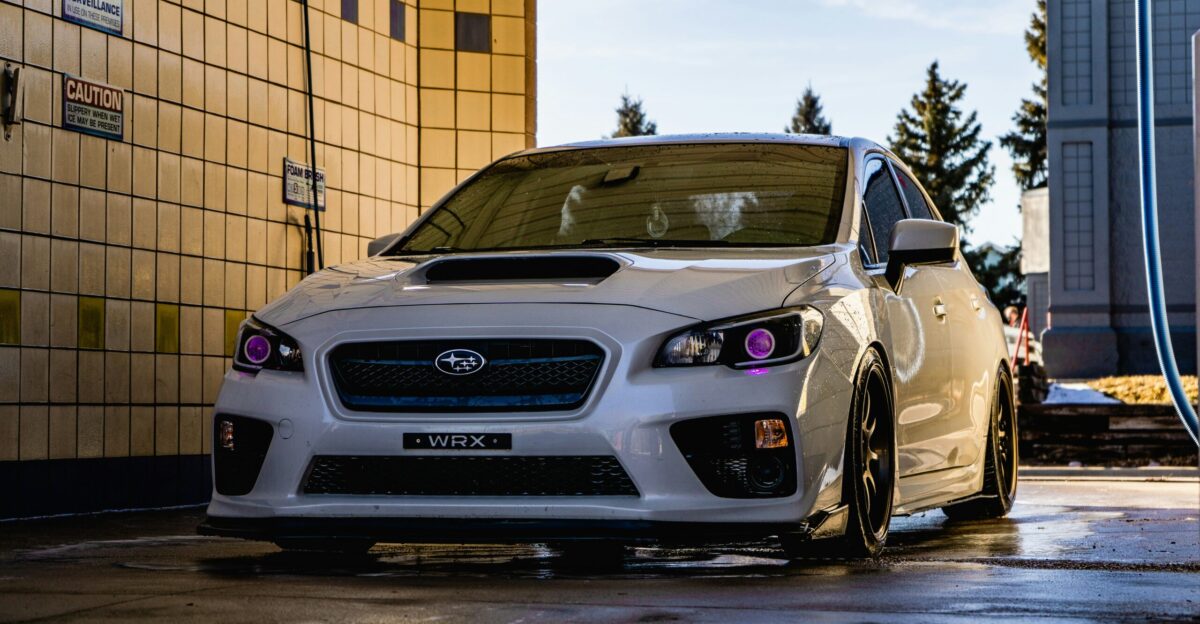
Subaru earns a strong 63/100, narrowly trailing Toyota after holding the top spot in 2024. Outback, Forester, and WRX owners consistently praise long-term durability. The brand’s symmetrical All Wheel Drive system continues to perform reliably rather than introduce complexity. Subaru drivers report fewer major failures than nearly every competitor. The margin separating Subaru and Toyota is slim, keeping Subaru firmly among reliability leaders.
#3 – Lexus (60/100)
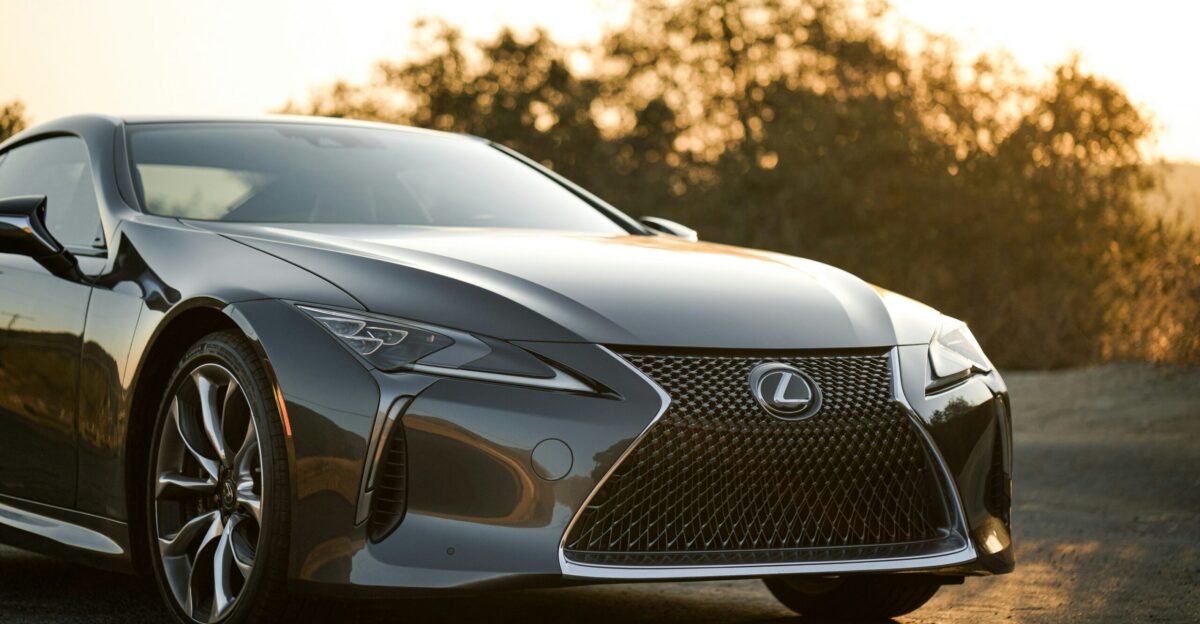
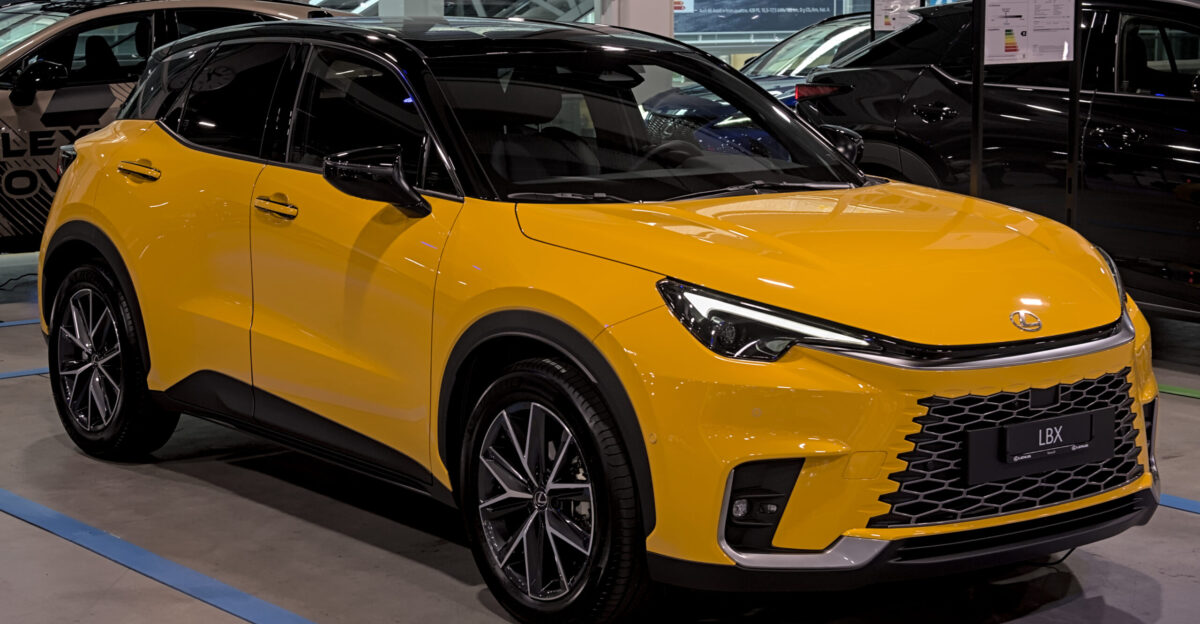
Lexus proves premium vehicles do not have to be unreliable. Scoring 60/100, Toyota’s luxury division outperforms nearly every upscale competitor. Owners experience fewer unexpected repairs across models like the ES, RX, and NX. In a luxury segment dominated by costly breakdowns, Lexus delivers consistency. Higher pricing here reflects build quality, not just branding, setting Lexus apart as the luxury brand that delivers on its promise.
#4 – Honda (59/100)
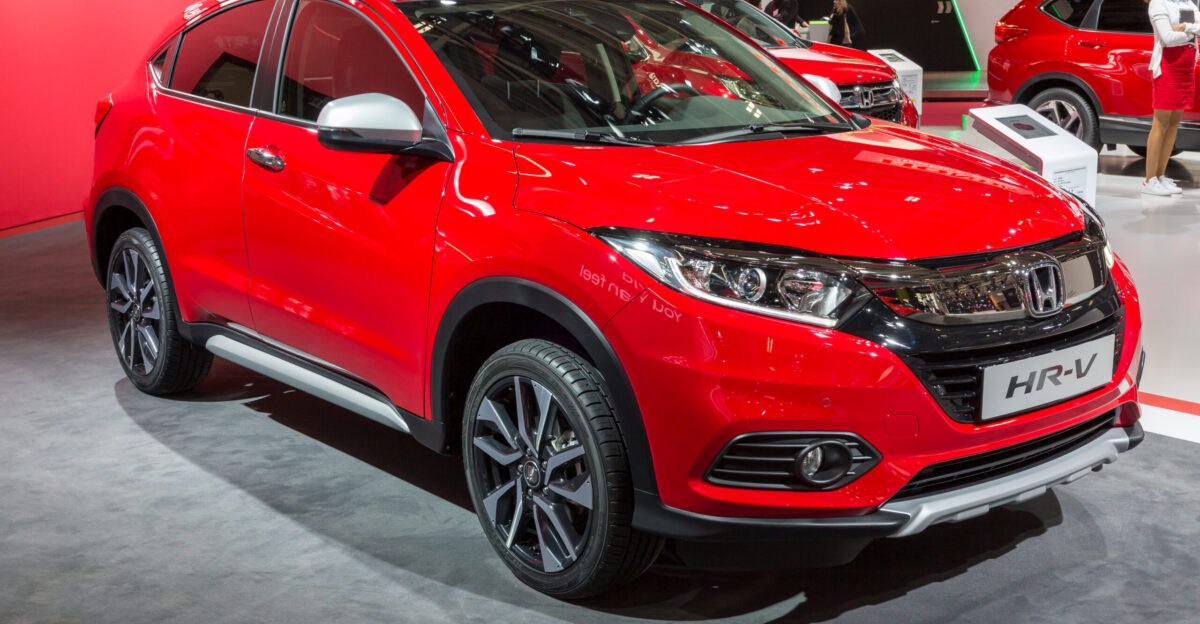
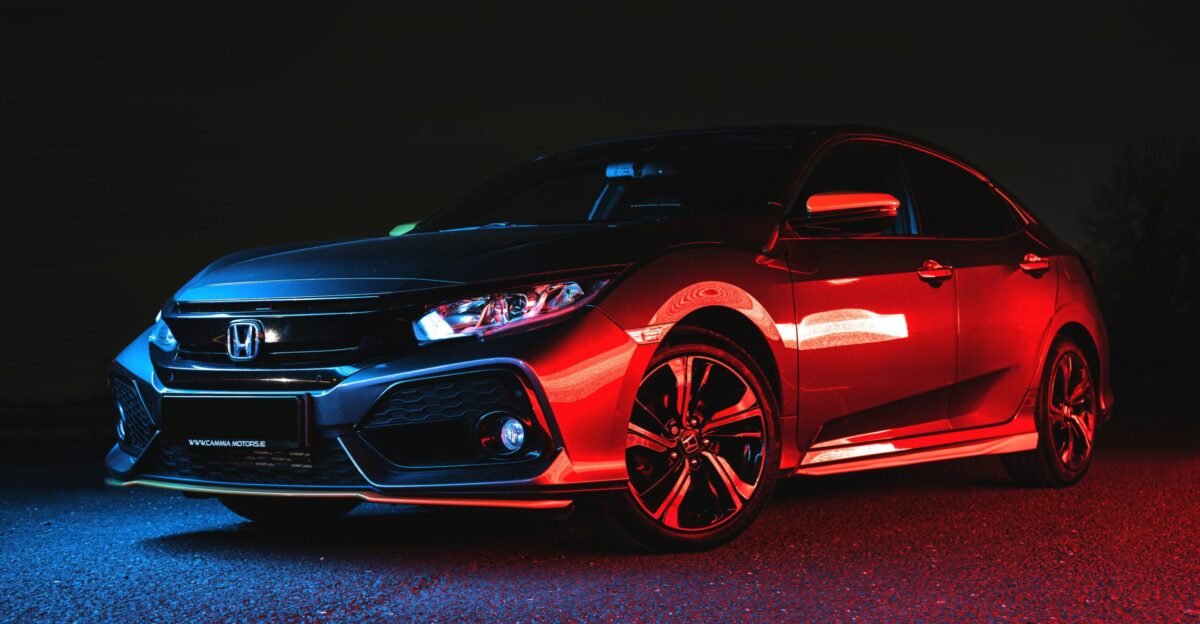
Honda’s 59/100 score keeps it firmly in the top reliability tier. Accord and Civic models continue dominating their segments with proven longevity, while CR V remains a dependable family staple. Honda prioritizes simple, durable engineering over experimental features. That restraint pays off over time. Combined with affordable ownership costs, Honda remains a practical choice for buyers who value long-term dependability over flashy innovation.
#5 – BMW (58/100)
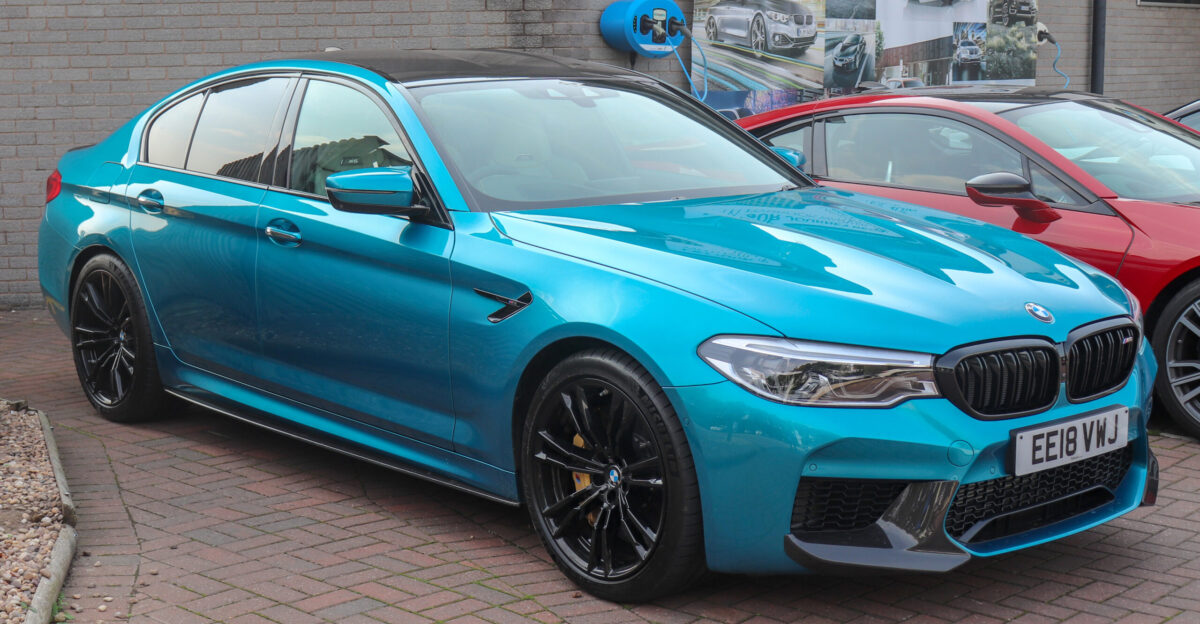
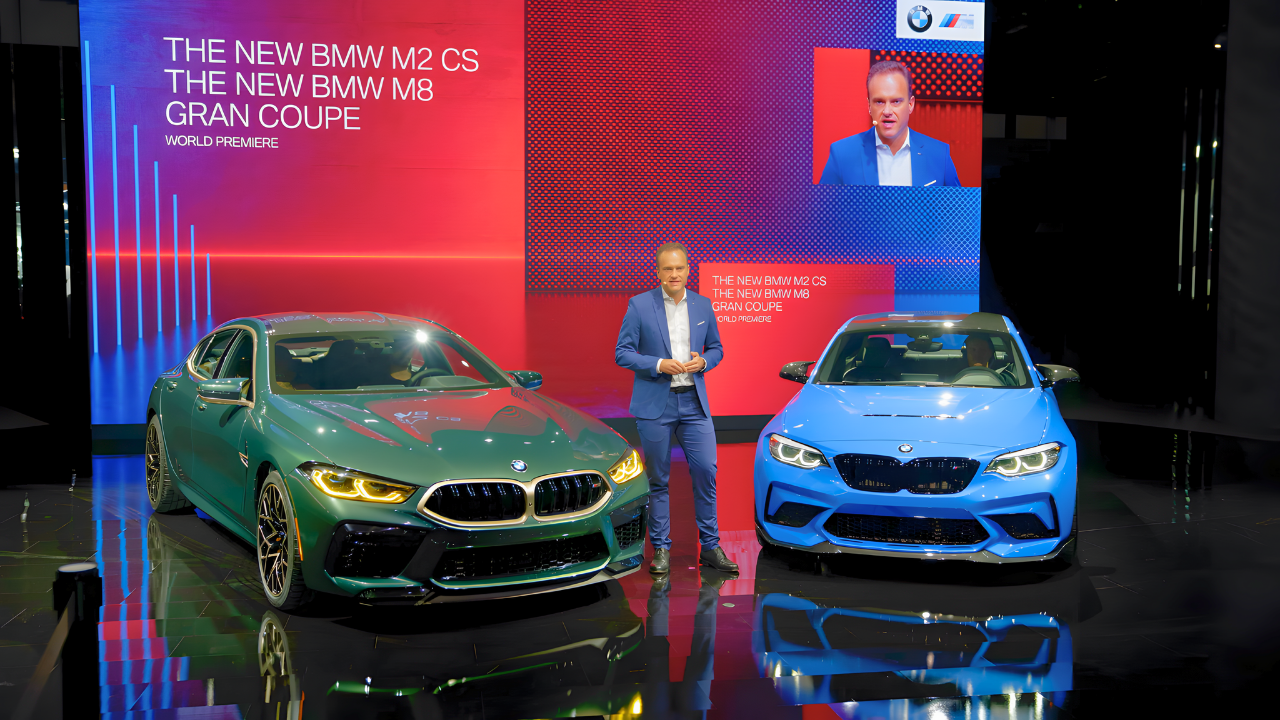
BMW’s 58/100 score challenges the belief that German luxury equals constant repairs. Recent 3 Series and X Series models show meaningful reliability gains. While still more expensive to repair than Japanese rivals, BMW failures occur less frequently than they did in the past. Drivers get performance without excessive risk. For buyers willing to budget for maintenance, BMW now offers a more balanced mix of driving enjoyment and dependability.
#6 – Nissan (57/100)
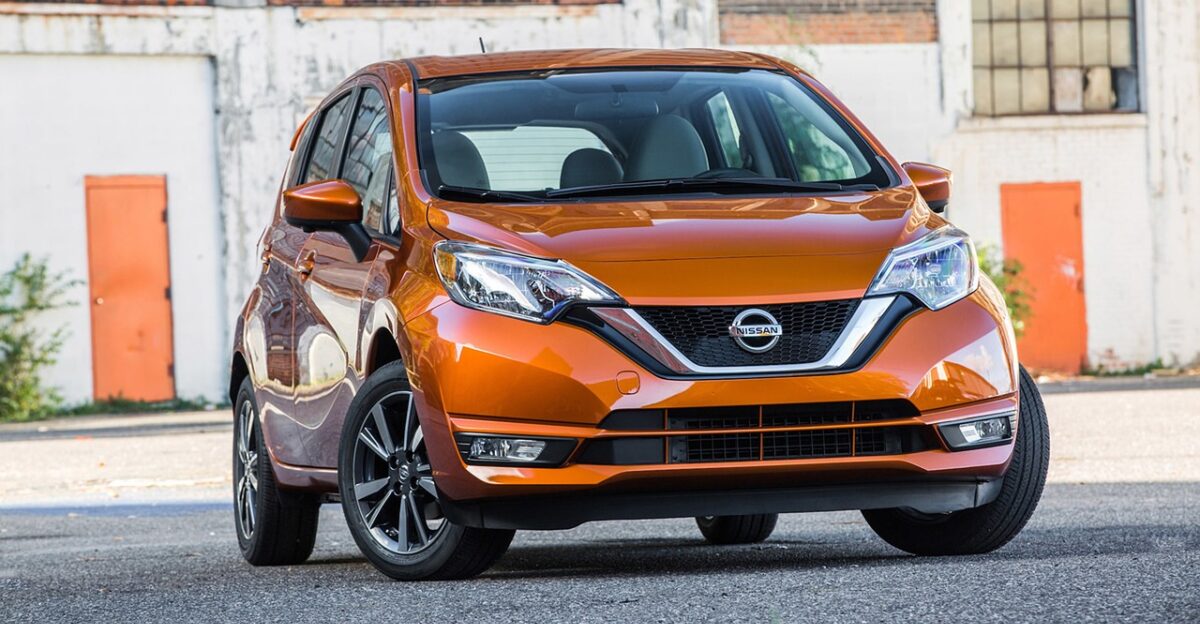
Nissan posts a solid 57/100, often overlooked despite consistent results. Altima, Rogue, and Pathfinder owners report steady reliability and fewer unexplained issues. Nissan favors conservative engineering that avoids unnecessary complexity. That approach limits surprises over time. While lacking prestige or sportiness, Nissan delivers dependable transportation at accessible prices. Its reliability record makes it a smart option for buyers focused on function rather than image.
#7 – Acura (54/100)
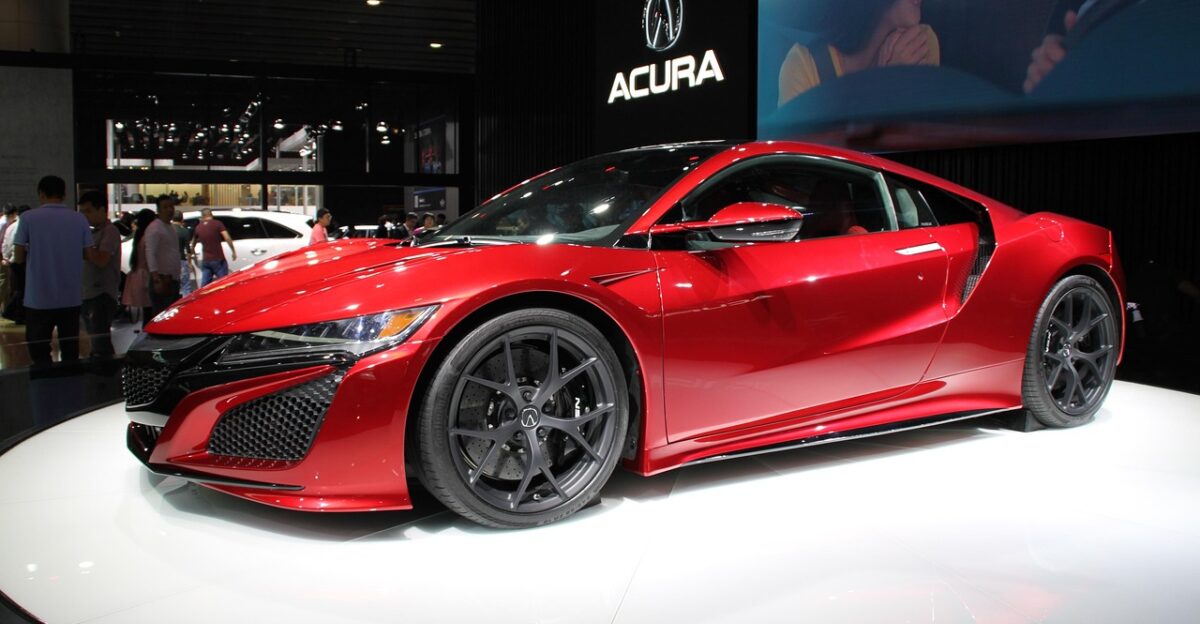
Acura earns a 54/100 score, bridging Honda reliability with luxury features. Built on proven Honda platforms, models like the TLX, RDX, and ILX deliver dependable ownership with upscale refinement. Acura avoids the extreme complexity seen in many European rivals. Owners benefit from comfort without constant repairs. For buyers wanting luxury without sacrificing trust, Acura offers a balanced and consistently reliable alternative.
#8 – Buick (51/100)
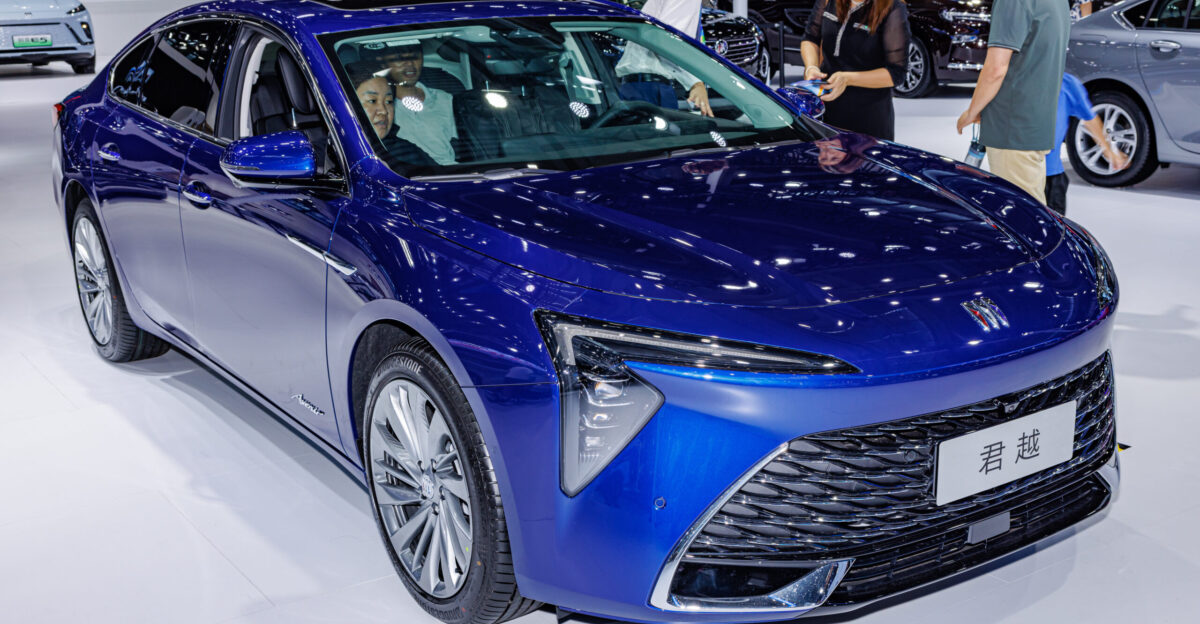
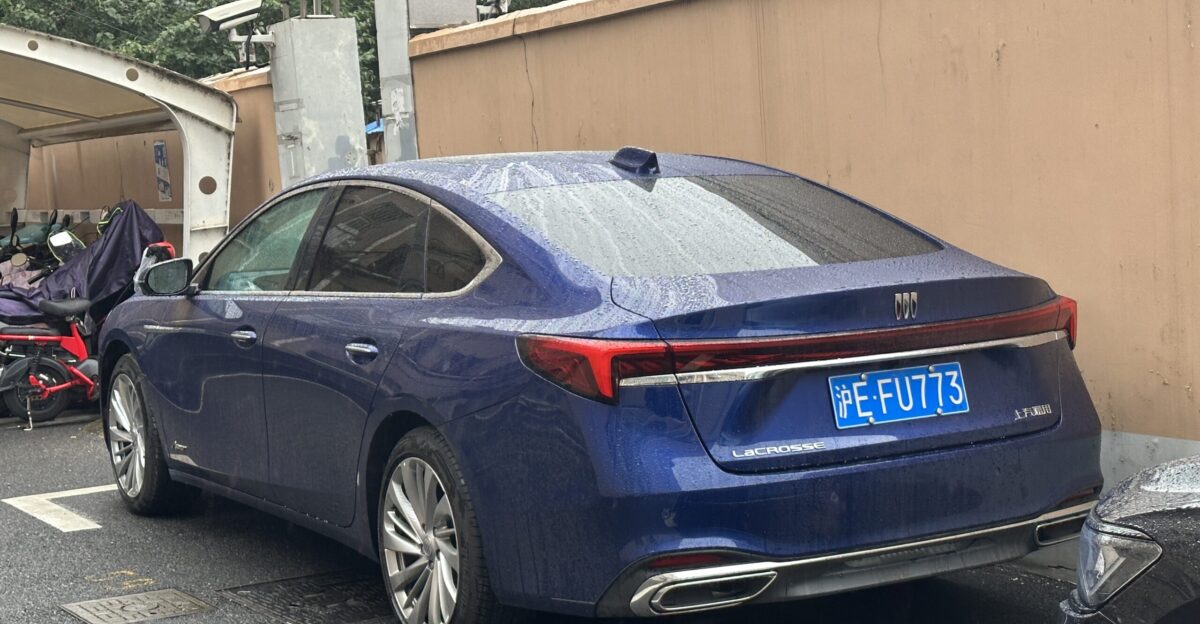
Buick’s 51/100 score reflects real improvement that surprises critics. Recent Enclave and LaCrosse models show fewer reported problems than past generations. Buick now blends comfort with increasing dependability. The brand appeals to buyers seeking refinement without luxury level maintenance costs. While not class leading, Buick’s upward trend is meaningful. It stands as proof that some American brands can still rebuild credibility through engineering focus.
#9 – Tesla (50/100)
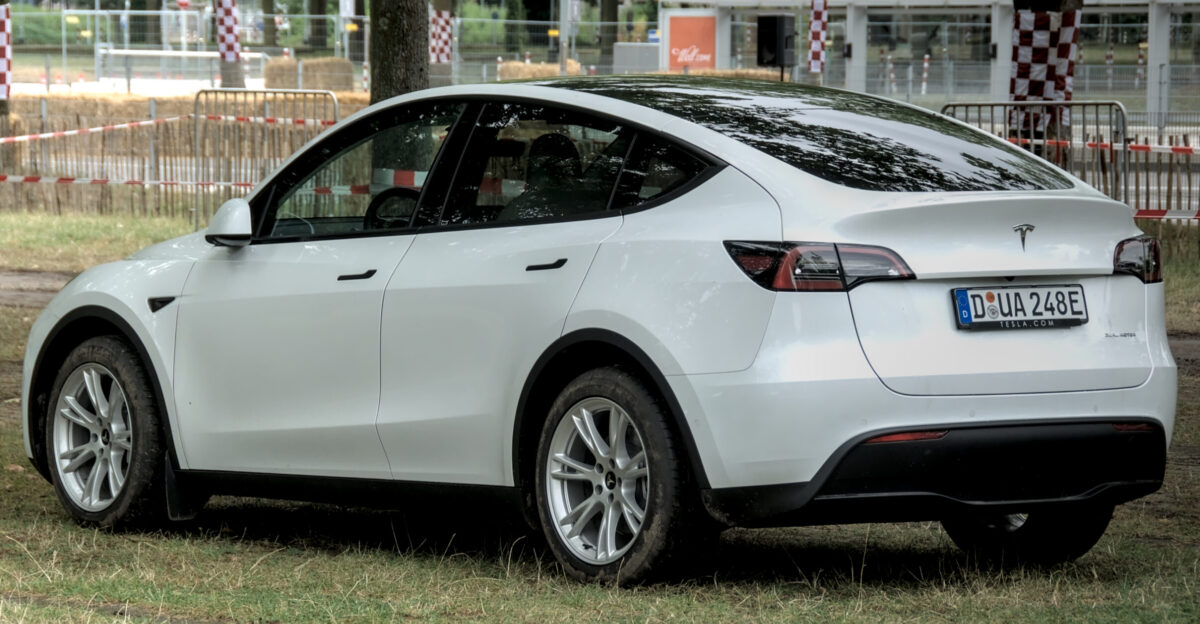
Tesla’s 50/100 score highlights ongoing reliability challenges despite market dominance. The brand climbed 8 positions from the prior rankings, signaling improvement. Model 3 and Model Y perform best among EVs but still trail most gas powered vehicles. Software innovation cannot fully offset hardware issues. Tesla’s progress is notable, yet it underscores the broader reality that EV reliability still lags behind traditional powertrains.
#10 – Kia (49/100)
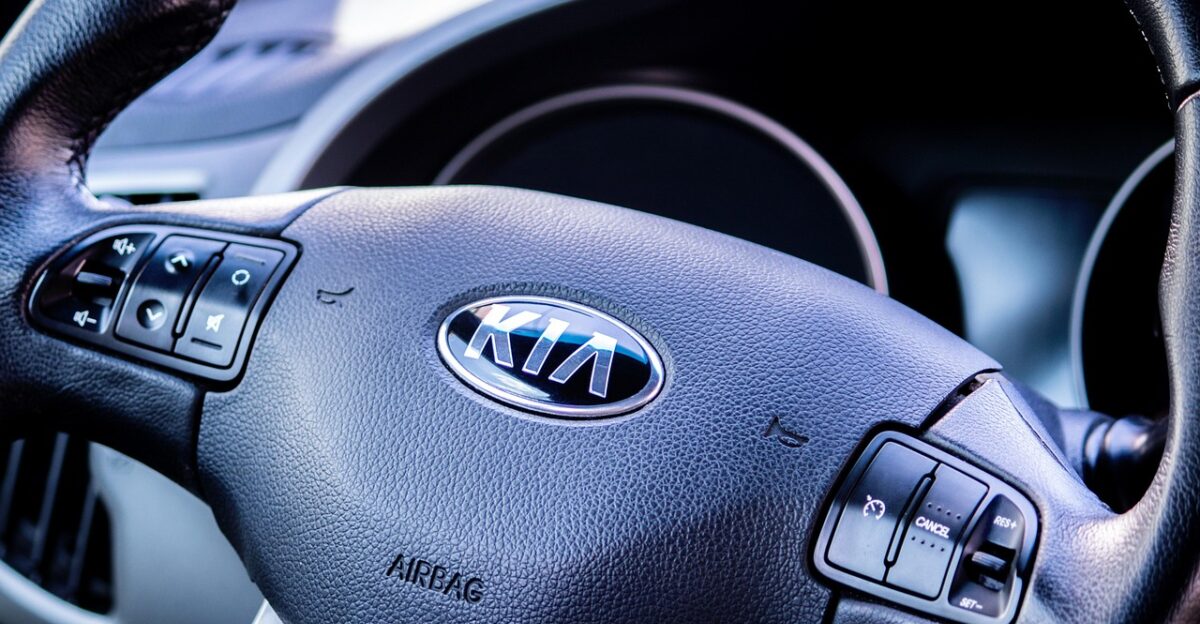
Kia scores 49/100, reinforcing its transformation from budget brand to credible contender. Models like Telluride, Sportage, and Niro demonstrate improved durability. Long warranty coverage reflects growing confidence in engineering quality. Owner satisfaction has steadily increased. Once viewed as a gamble, Kia now represents solid value with acceptable reliability. The brand’s rise shows how sustained quality improvements can reshape long standing perceptions.
#11 – Ford (48/100)
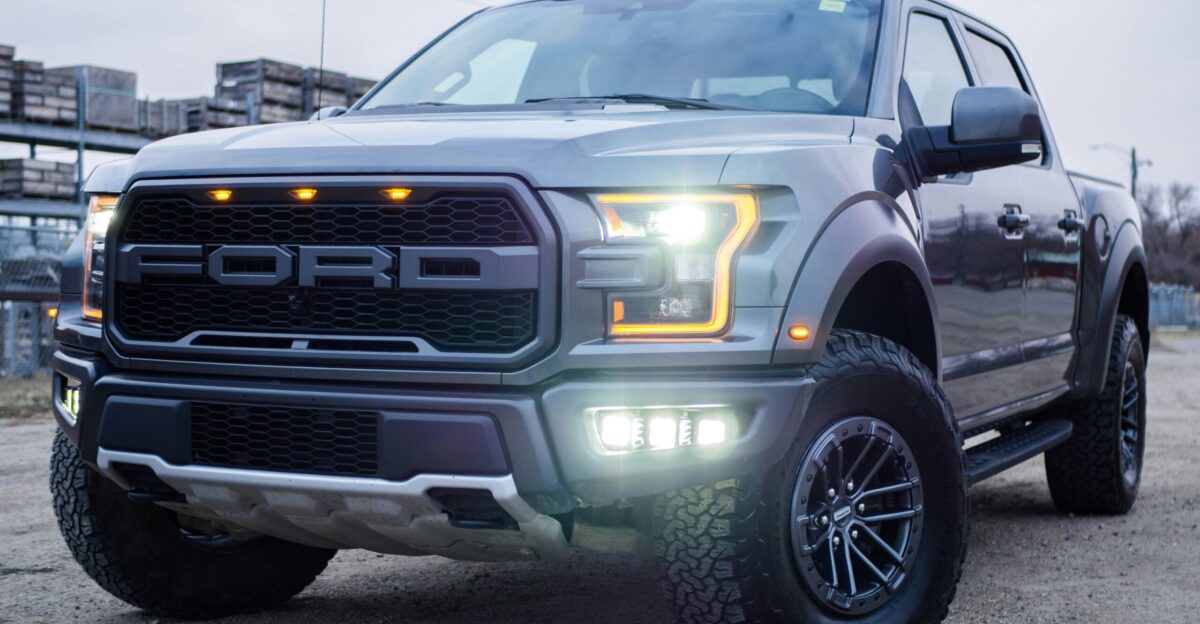
Ford’s 48/100 score places it squarely in the middle of the pack. While the F 150 hybrid shows progress, traditional F 150 models still generate complaints tied to electrical and drivetrain issues. Failures are rarely catastrophic but occur too often. Ford remains dominant in truck sales, yet reliability does not match expectations. Closing that gap remains critical for rebuilding long term trust.
#12 – Genesis (33/100)
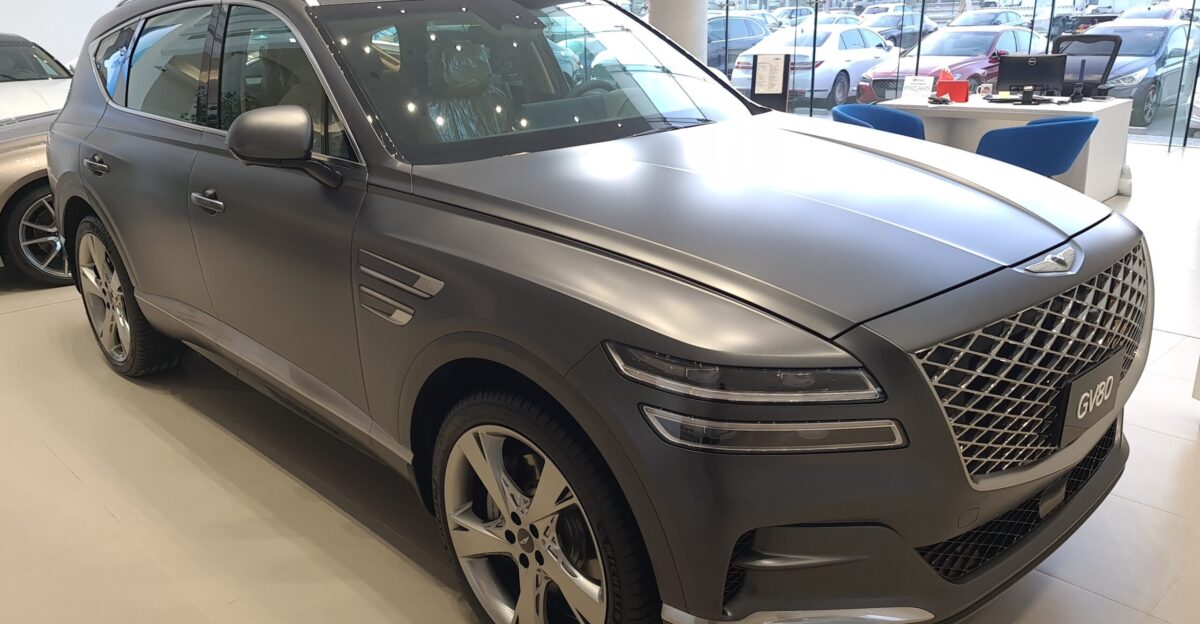
Genesis lands at 33/100, a disappointing result for a brand positioned as a luxury disruptor. Despite premium pricing and aggressive marketing, owners report frequent issues across the lineup. Reliability performance lags well behind established competitors. Buyers expecting long term durability instead face costly repairs. Genesis illustrates a harsh truth: luxury branding alone cannot replace proven engineering depth and real world reliability records.
#13 – Chrysler (31/100)
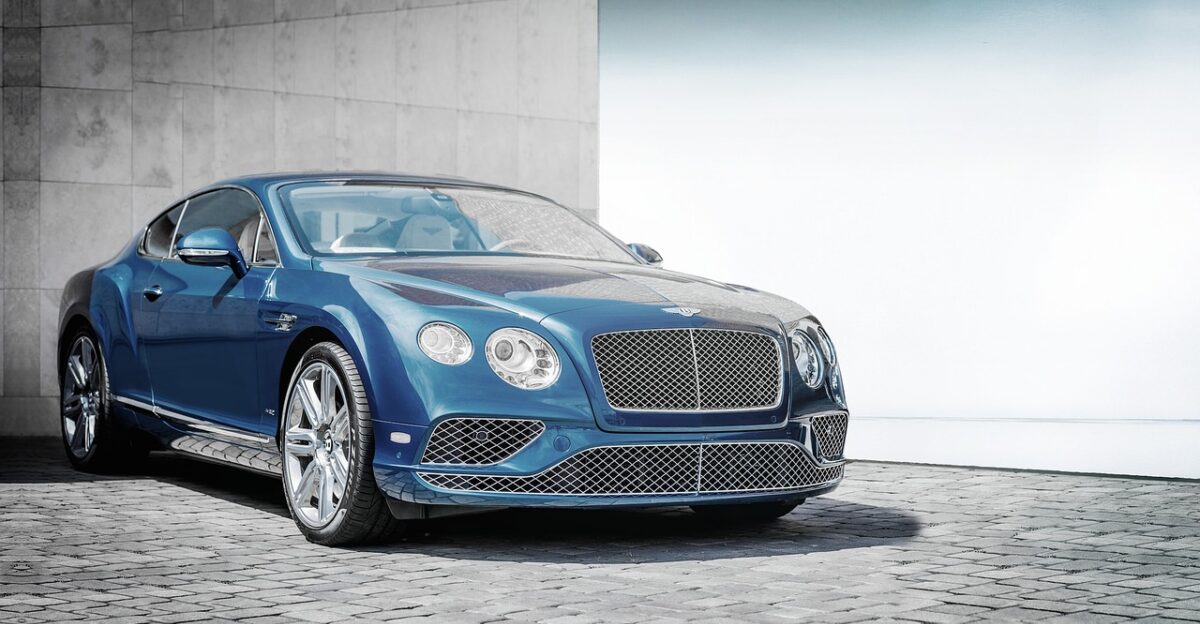
Chrysler’s 31/100 score reflects a severe reliability decline for a historic American brand. Owners report persistent issues across sedans and crossovers, even after updates. Once associated with innovation, Chrysler now ranks among the least dependable automakers. The fall is especially striking given decades of experience. For modern buyers, the nameplate no longer guarantees peace of mind, making reliability a serious concern.
#14 – Rivian (24/100)
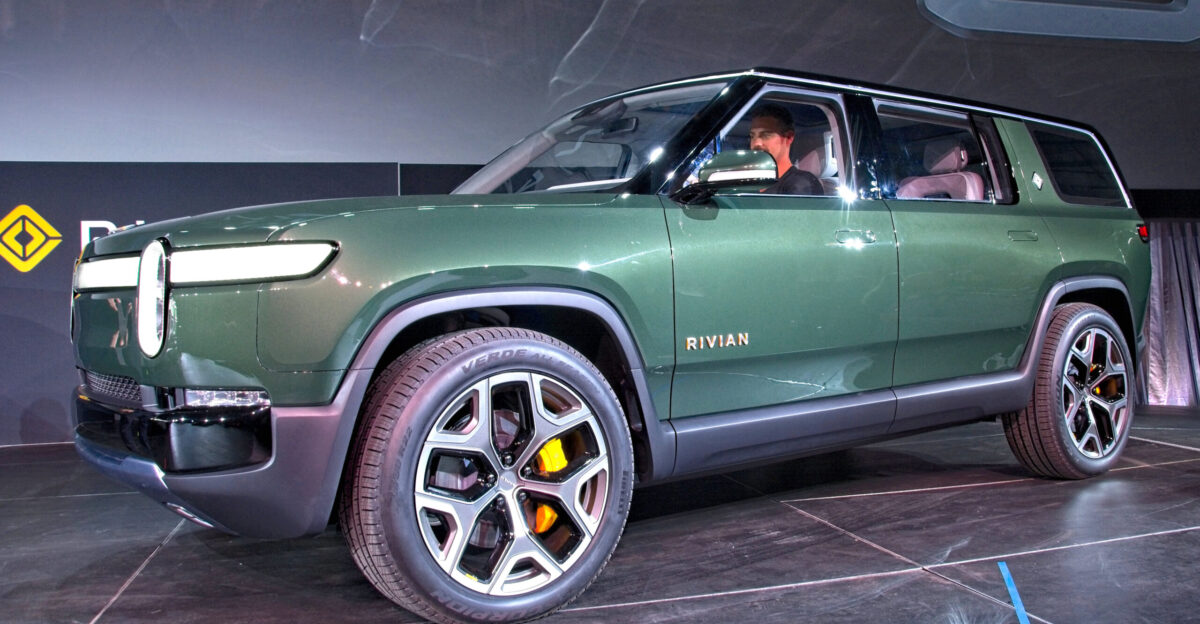
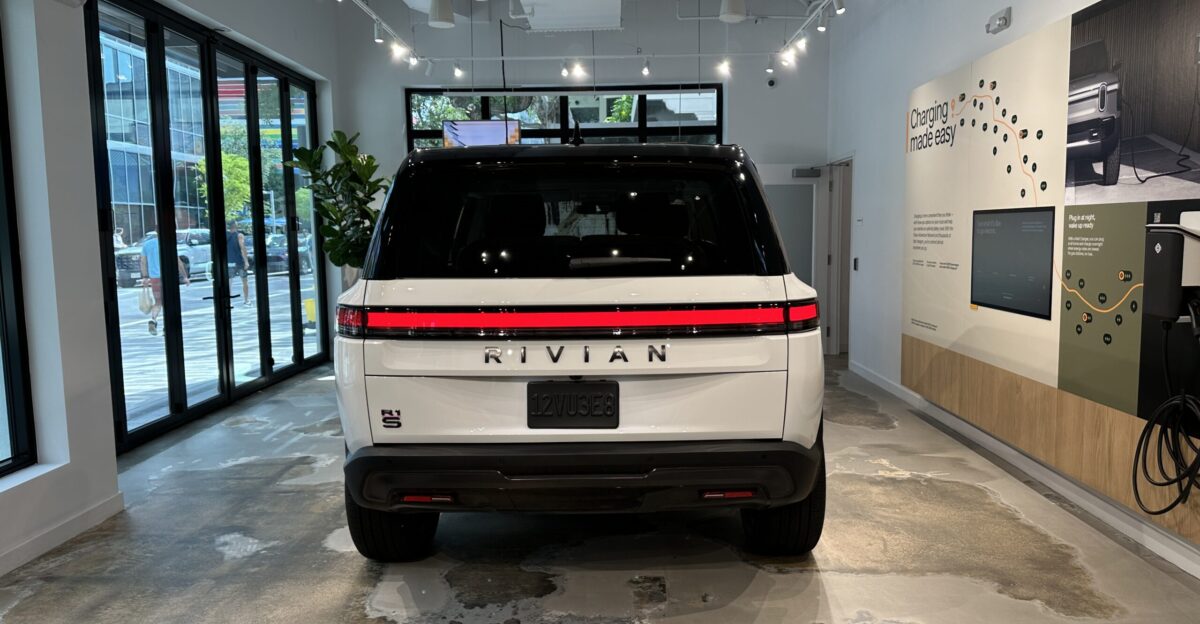
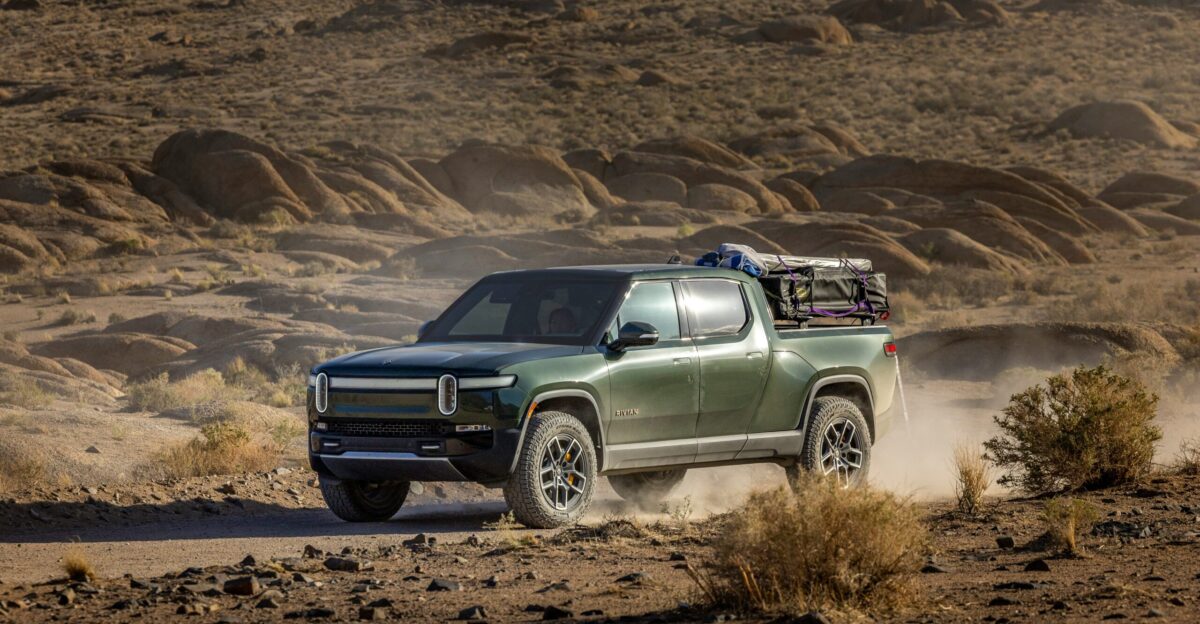
Rivian finishes last with a troubling 24/100 score, the lowest among all 26 ranked brands. Its $80,000+ electric trucks and SUVs suffer from frequent failures that frustrate owners. Rapid scaling, supply chain strain, and immature designs have taken a toll. Early adopters became test cases for unfinished systems. Rivian’s result is a cautionary reminder that innovation cannot replace manufacturing discipline.
Reliability Collapses At The Bottom
Genesis at 33/100, Chrysler and GMC at 31/100, Jeep at 28/100, Ram at 26/100, and Rivian at 24/100 occupy the bottom tier. These brands score roughly half of Toyota’s reliability rating. Rivian ranks last overall, an alarming result for a new EV brand. Luxury pricing and rugged branding fail to protect buyers from breakdowns here.
Luxury Brands Fail Expectations
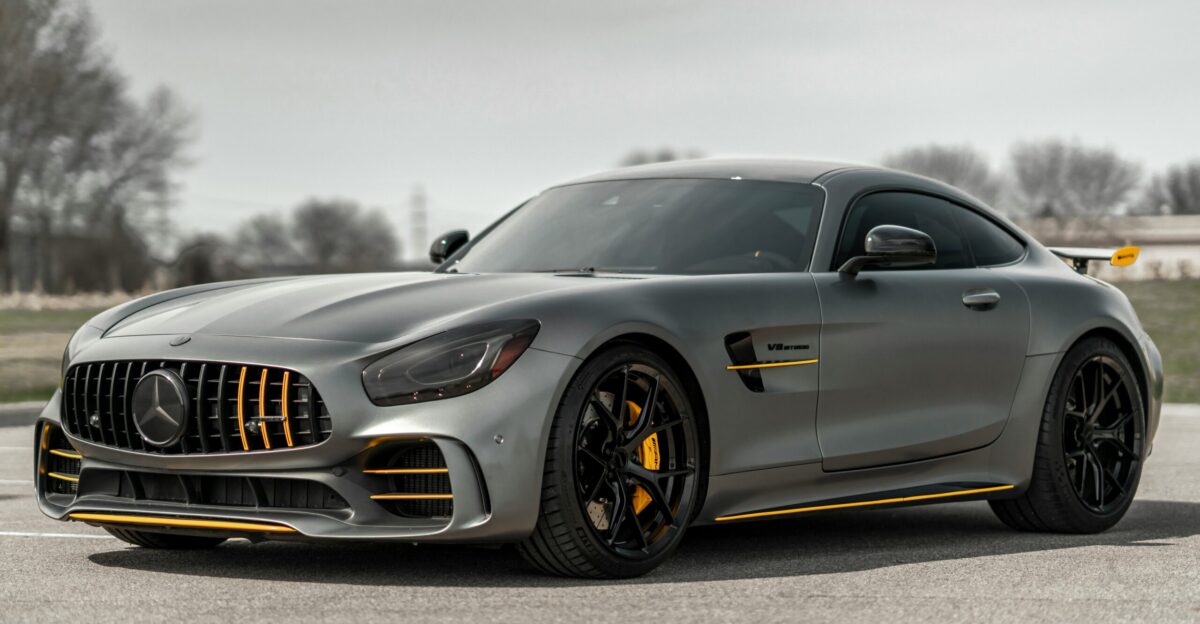
Mercedes Benz at 41/100, Cadillac at 41/100, and Lincoln at 40/100 expose a harsh reality. High prices do not guarantee dependable ownership. Owners report frequent issues despite premium positioning. Mercedes struggles with complexity, Cadillac with execution, and Lincoln with consistency. Buyers paying over $70,000 expect excellence. Instead, many receive frustration. Lexus remains the rare exception where luxury and reliability still align.
How Buyers Should Use This Data
These rankings demand a smarter buying approach. Avoid first and second year redesigns regardless of brand image. Favor proven gas engines or non plug in hybrids over newer EV platforms. Asian brands consistently outperform American and European rivals. Marketing promises mean little compared to owner data. Consumer Reports surveys reflect real problems and real costs. Ignoring this information can lead to expensive regrets.
The EV Reliability Reality Check
The push toward electrification comes with reliability tradeoffs. Consumer Reports data shows EVs and plug in hybrids underperform compared to traditional gas vehicles. Added complexity introduces more failure points. Non plug in hybrids remain the most reliable alternative. Environmentally conscious buyers face tough decisions. Early adoption still carries risk. Until technology matures, reliability remains an unresolved challenge in the electric transition.
A Practical Reliability Playbook
Toyota remains the safest overall choice based on current data. Subaru and Lexus offer excellent alternatives in mainstream and luxury segments. Wait at least 3 model years before buying redesigned vehicles. Avoid bottom tier brands unless specific needs outweigh reliability concerns. If choosing electric, Tesla leads but still involves compromise. Above all, trust owner reported data over advertising. Reliability truths emerge only after miles accumulate.
Sources:
Consumer Reports Releases Its 2026 Automotive Brand Report Card. Consumer Reports, December 2024
Toyota Again Tops Consumer Reports Annual Auto Reliability Survey. Cars.com, December 3, 2025
Lexus, Subaru, and Toyota Lead Consumer Reports’ Car Brand Reliability Rankings. Reddit, December 4, 2025
26 Car Brands Ranked from Most to Least Reliable by Consumer Reports. MarketWatch, December 8, 2025
Most and Least Reliable Vehicles 2026, According to Consumer Reports. Driving.ca, December 10, 2025