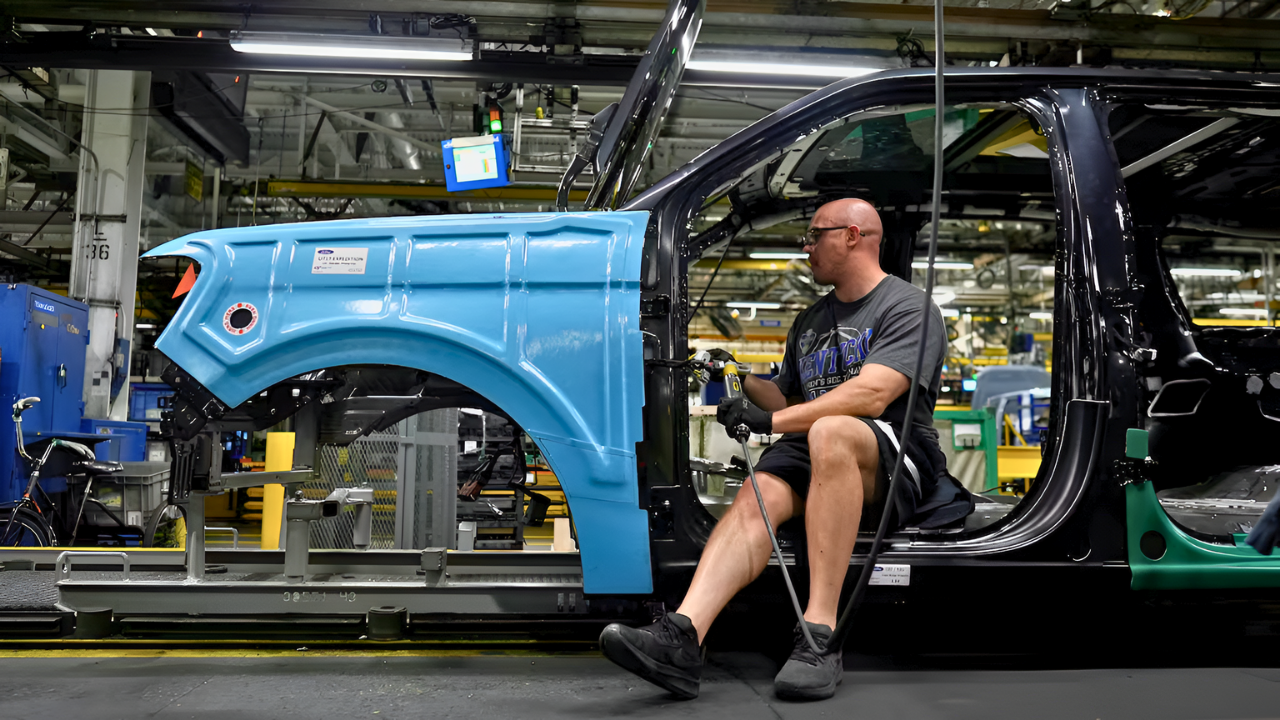
Ford Motor Company has taken a $19.5 billion write-down on its electric vehicle operations, halting production of the F-150 Lightning and scrapping major battery-electric projects like a three-row SUV. This pivot marks a sharp departure from the automaker’s earlier all-in push toward pure EVs, driven by persistent losses and shifting consumer preferences.
Ford Ends F-150 Lightning Production
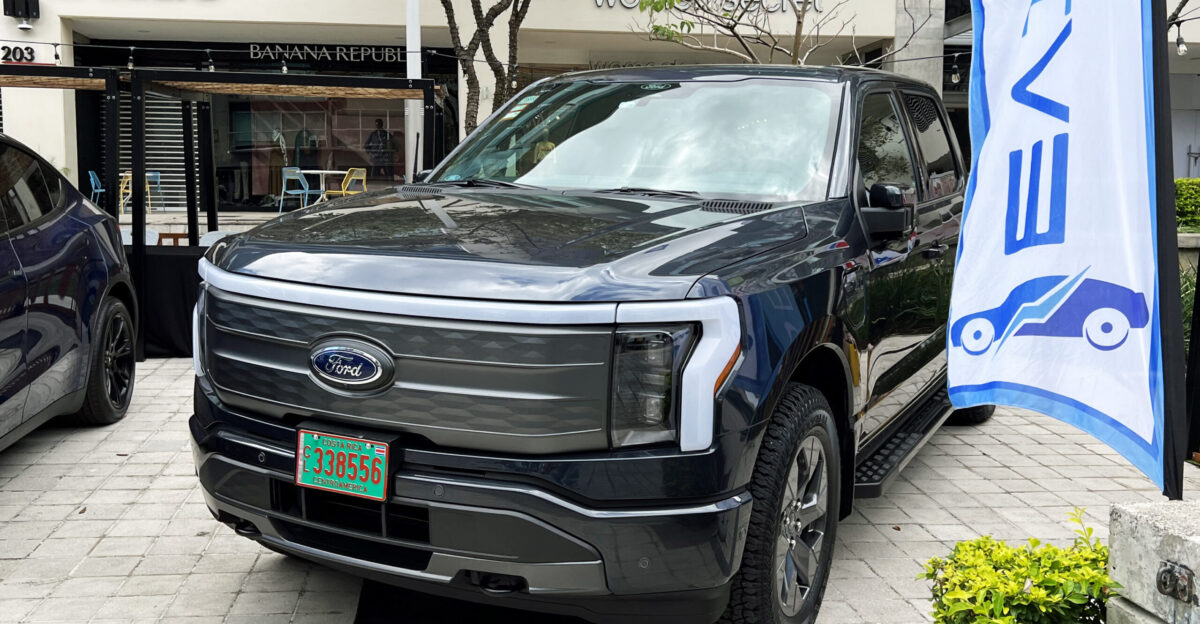
The company plans to stop making the all-electric F-150 Lightning this year, redirecting efforts to hybrids and more affordable small EVs. By 2030, Ford aims for half its sales to be electrified, but primarily through hybrids rather than full battery electrics. CEO Jim Farley described this as a customer-led change to build a more resilient business. The move reallocates capital to high-margin trucks, vans, and battery storage for data centers.
Model E Division Bleeds Cash
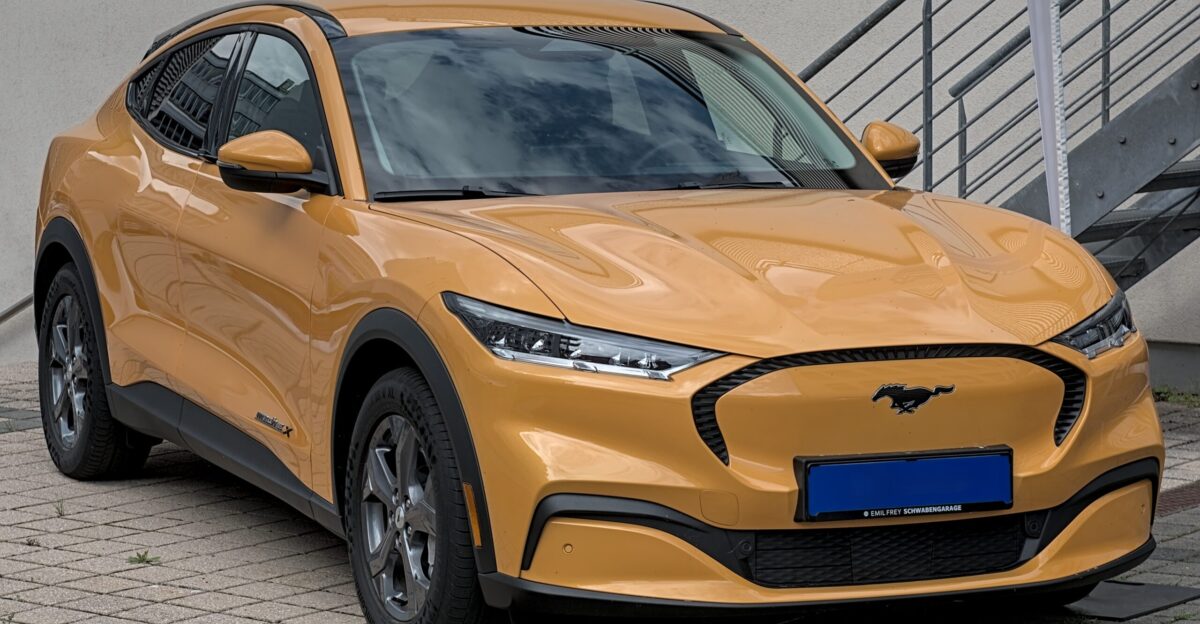
Ford’s Model E EV unit has lost $13 billion since 2023, with $3.6 billion in the first nine months of 2025. The F-150 Lightning sold just 33,510 units in 2024, far short of expectations. November 2025 EV sales fell 61% year-over-year, including a 72% drop for the Lightning, 49% for the Mustang Mach-E, and 82% for the E-Transit van. A price hike to $55,000 from an initial $40,000 base, coupled with supply chain issues, eroded demand.
Customers Reject High-Cost EVs
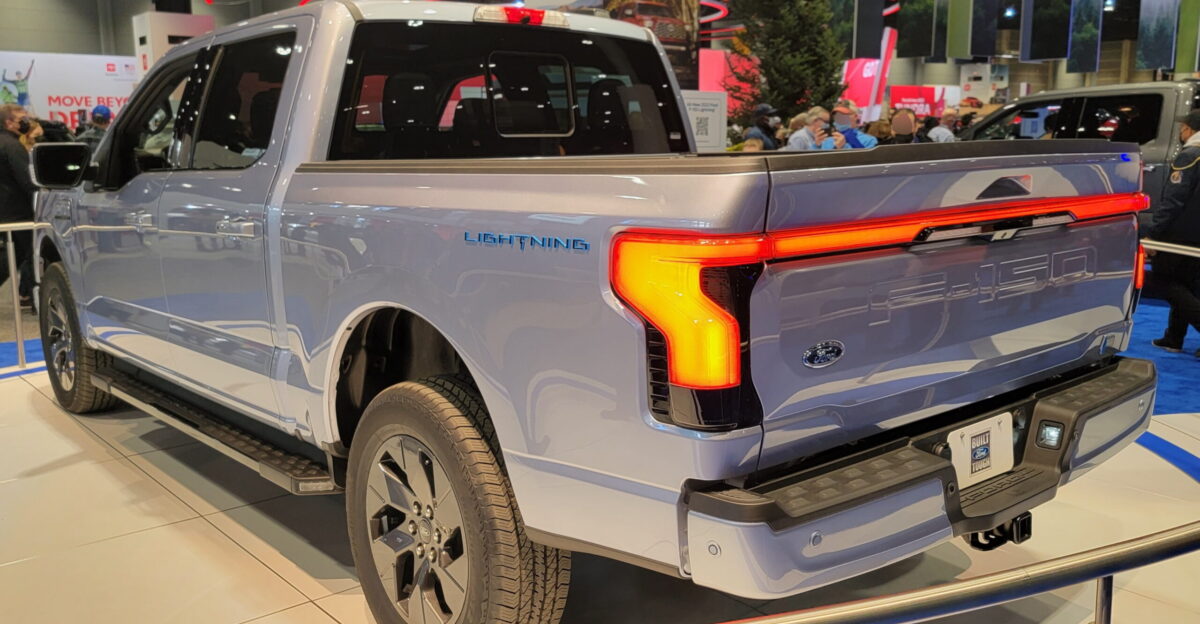
Buyers shunned expensive electric trucks due to real-world limitations. The Lightning’s range halved when towing, falling short of gas truck standards. Farley acknowledged Ford vastly overestimated demand for EVs over $50,000. The federal $7,500 EV tax credit’s expiration on September 30, 2025, triggered the November sales collapse. Hybrids, by contrast, surged 30% that month, prized for better towing, range, and quick refueling.
Strategic Retreat and Layoffs
Ford laid off all 1,600 workers at its four-month-old BlueOval SK battery plant in Kentucky, repurposing it for data center storage by 2027. The facility was slated for 5,000 jobs by 2031 but will employ only 2,100 after retooling. Kentucky’s $250 million in forgivable loans now hangs in the balance, with Governor Andy Beshear negotiating potential repayment. High battery costs, slower-than-expected declines, and supply chain disruptions amplified losses, while competitors like Tesla’s integrated model exposed Ford’s scaling struggles.
Hybrids Lead the Way Forward
Ford dominates the hybrid truck market with 30% of F-150 hybrid sales. Farley emphasized following customer choices over past assumptions or politics, positioning hybrids as a practical emissions-reduction step. This approach addresses affordability and utility gaps in pure EVs. The shift underscores broader industry challenges: slower electrification, subsidy dependence, and the need for incremental progress amid policy changes and market recalibration.
Ford’s recalibration highlights the auto sector’s uneven path to electrification, balancing innovation with profitability and jobs. Success hinges on hybrid uptake and cost controls, but persistent battery hurdles and consumer priorities will test whether this pragmatic course restores momentum or signals deeper growing pains.
Sources:
Ford Motor Company December 2025 Earnings Release
Jim Farley Interview CNBC December 2025
Kentucky Governor Andy Beshear Press Statement December 2025
Ford Sales Data Q3 2025
U.S. Department of Energy EV Tax Credit Expiry Report 2025