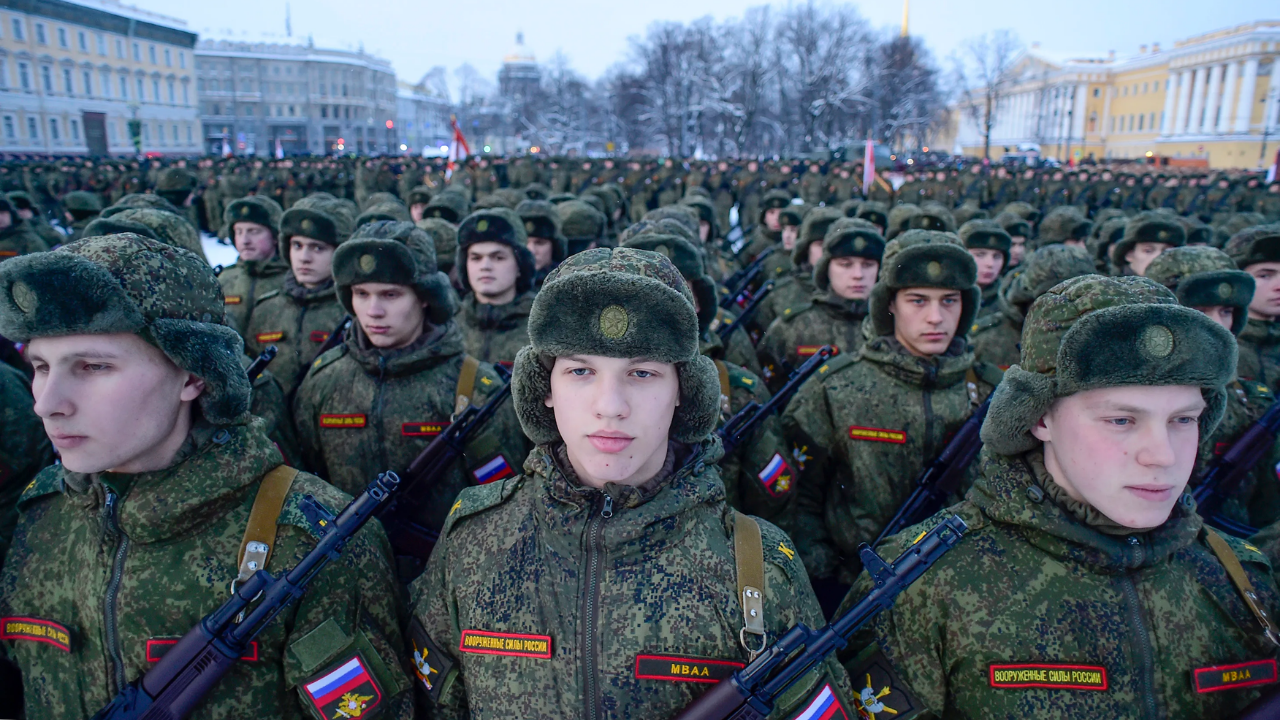
A single TV interview on Germany’s n-tv channel on December 16, 2025, set off alarms across Europe. Foreign policy expert Roderich Kiesewetter said Russia had sent up to 360,000 troops to Belarus. He called it the biggest military buildup near NATO’s borders since the Cold War ended. News outlets quickly spread the story, shifting talks about Europe’s safety. But officials from Ukraine and Lithuania pushed back right away, saying the numbers were wrong.
Kiesewetter knows military matters well. He used to be a colonel in Germany’s army and worked on NATO staff. Now, he speaks on foreign policy for the CDU party. During the chat with journalist Pinar Atalay, he talked about two full army groups in Belarus. These would hold almost 360,000 soldiers ready to fight. That number beats the entire active British Army. It would also be Russia’s largest push toward NATO’s eastern edge since the Soviet Union broke apart in 1991. Defense leaders and experts started checking how ready Europe really is, given the strains from Russia’s war in Ukraine.
Warnings Rooted in Expertise
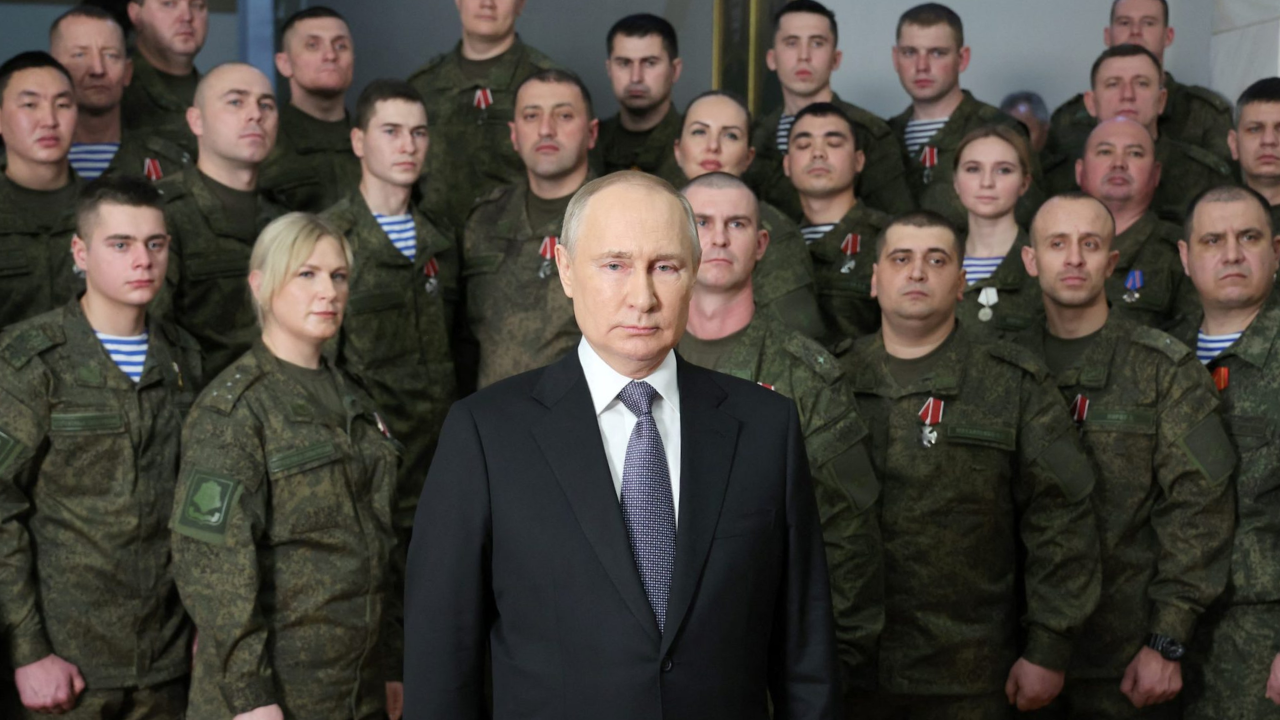
Kiesewetter put the supposed buildup in context. He said Russia’s war economy lets it train huge numbers of soldiers who aren’t even fighting in Ukraine yet. He warned that troops in Belarus threaten the Baltic states like never before. Looking forward, he pointed to 2026 and 2027 as key years when risks could grow. He called for smart defense steps without causing panic.
His words carry weight because of his army past. They made leaders in NATO countries rethink their plans. Kiesewetter sees Russia under Vladimir Putin chasing big goals beyond Ukraine, even after losses there. The claim forced a fresh look at how Moscow positions its forces. It reminded everyone that Russia’s military machine keeps churning, building pressure along sensitive borders.
Quick Denials from the Front Lines
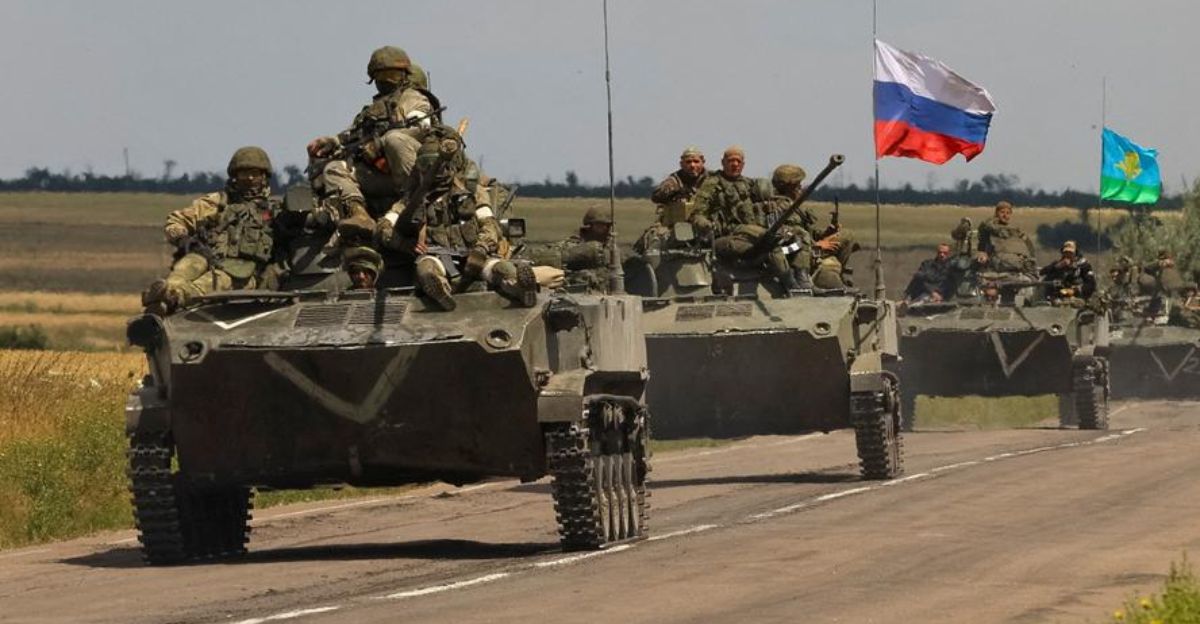
Pushback came fast from those closest to the action. Ukraine’s Center for Countering Disinformation called the 360,000 figure false. They said it twisted the real military picture to manipulate people. Lithuania’s army agreed, reporting no sign of anything close to those numbers in Belarus. The Lithuanian Ministry of National Defence gave details: only a few thousand Russian troops are there. Most Russian action stays focused on Ukraine, not NATO’s edges.
These countries have skin in the game. They watch Belarus and Russia every day. Their on-the-ground intel showed a clear mismatch with Kiesewetter’s report. The quick denials stopped the story from running wild unchecked. They highlighted how claims from afar can clash with facts from the border.
How the Story Spread and What It Means

The claim went viral fast, showing how unproven details can stir up fear. Experts in Eastern Europe say big, scary numbers change how people and leaders think. They ramp up worry when tensions already run high. Media ran with the shocking headline before double-checking. That led to real talks about policy changes, even as corrections rolled in.
Kiesewetter later said his numbers might have gotten mixed up. Still, he urged staying alert to Russia’s growing moves. The whole event points to dangers in sharing news too quickly without checks. When alliances like NATO are at stake, wrong info can shift strategies.
NATO countries updated their threat views based on the real intel. This stresses the need for exact facts in group decisions. Journalists face calls for tougher fact-checking to meet pro standards. That avoids needless panic. With geopolitical strains ongoing, solid reporting and teaming up between agencies will be key. It helps everyone react wisely and cuts the risk of mistakes that could make Europe even more tense.
Sources:
Ukrainian Center for Countering Disinformation — Official statement on 360,000 Russian troops claim verification
Lithuanian Armed Forces and Ministry of National Defence — Military intelligence assessment and official findings on troop presence
Jamestown Foundation — Russia and Belarus military exercise analysis and army corps structural assessment
ISANS (Institute for Security and Strategic Studies) — Belarus military activity monitoring and troop strength documentation
NATO — Eastern flank strengthening initiatives and security briefings
German Defense Ministry — Defense posture assessments and troop deployment announcements