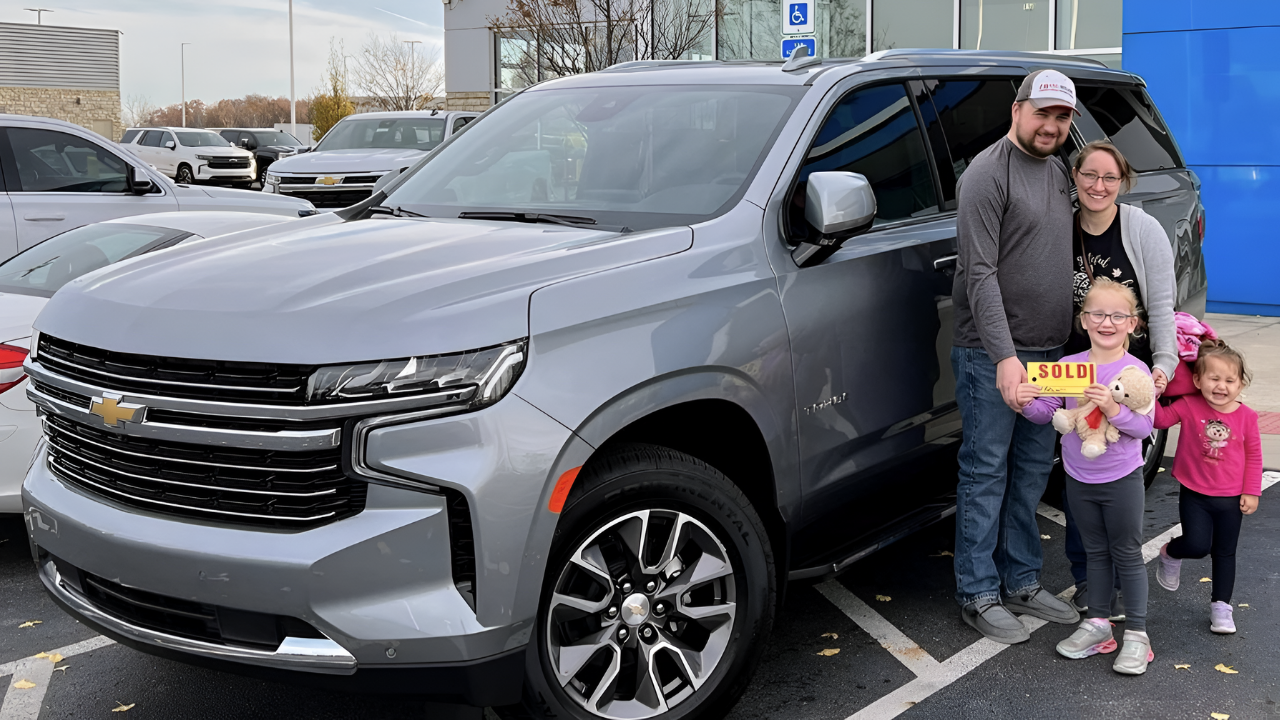
For many SUV shoppers, the smartest purchase may not be the newest or priciest model, but the one most likely to stay on the road for decades. Fresh data from iSeeCars highlights a group of SUVs with significantly higher odds of surpassing 250,000 miles, challenging old assumptions about when a vehicle’s useful life ends and how value should be measured.
Changing Mileage Milestones
For years, 150,000 miles was seen as the unofficial finish line for most vehicles, a point where repair costs rose sharply and resale values dropped. Advances in engineering and build quality have pushed that threshold much higher. A small but growing group of SUVs now routinely targets 250,000 miles and beyond, reshaping expectations for long-term use.
Across the broader market, only about 4.8% of vehicles reach 250,000 miles. The SUVs highlighted by iSeeCars are 2.5 to 6.5 times more likely to get there. For owners, that difference can mean avoiding at least one full replacement cycle. At 15,000 miles per year, 250,000 miles equals roughly 16.7 years of driving, turning what once seemed like a stretch goal into a realistic planning horizon.
In this longer time frame, price, powertrain, and engineering choices all play a more visible role in real-world value.
Toyota, Lexus, And The Durability Playbook

The data underscores how consistently one automaker group shows up near the top. Multiple Toyota SUVs appear among the models most likely to reach 250,000 miles, and Lexus benefits from many of the same underlying components and design choices.
Toyota’s approach leans on conservative tuning, incremental updates, and long-running engine families rather than rapid overhauls. The emphasis is on durability and parts commonality across platforms. As a result, many Toyota models routinely pass 200,000 miles with little more than scheduled maintenance, and some move into the 250,000‑mile range without major mechanical failures.
Hybrids have also shifted from a perceived risk to a strength. Early concerns centered on battery life and complex systems. In practice, Toyota’s hybrid SUVs now rank ahead of their gas-only counterparts for longevity. Electric motors absorb part of the workload, engines operate under less strain, and fewer conventional wear components can mean fewer failure points over time. The durability statistics now favor hybrids rather than counting against them.
How Price, Size, And Powertrain Factor In
The new rankings also disrupt the idea that higher price automatically equals longer life. In some cases, SUVs with starting prices around $36,000 post durability odds similar to models costing more than $65,000. When cost is measured in dollars per usable mile rather than by monthly payment, less expensive but long-lasting SUVs can deliver more value.
Full-size SUVs, often criticized for size and fuel use, emerge as surprising standouts in longevity. Models from Chevrolet and GMC show particularly strong survival rates past 250,000 miles. Their body-on-frame construction and long-proven V8 powertrains are designed for towing, heavy use, and long service intervals. Families that buy them for space and capability often discover they also remain structurally sound and mechanically reliable longer than expected.
Hybrid versus gas powertrains still matters for fuel costs, but no longer in favor of conventional engines. Over extended ownership, hybrids typically save an estimated $2,000 to $3,000 in fuel at current prices, while maintaining similar maintenance costs. For high‑mileage drivers, that advantage compounds year after year, on top of the higher probabilities of reaching 250,000 miles.
The Standout SUVs
Among the models examined, several SUVs distinguish themselves for both endurance and everyday usability.
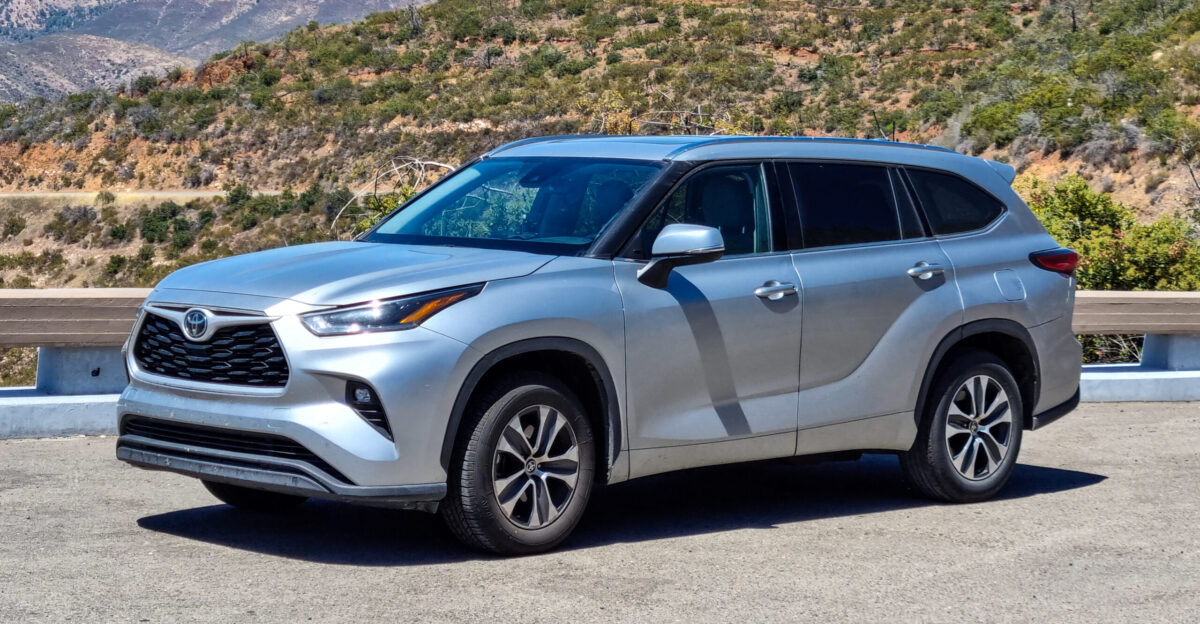
The Toyota Highlander Hybrid ranks third among SUVs for reaching 250,000 miles, with a 31% probability of hitting that milestone. With a starting price around $47,000, it pairs three-row practicality and strong fuel efficiency with top-tier longevity scores. Many owners report few issues beyond routine service even past 200,000 miles.
The Lexus GX places fourth among SUVs, illustrating that luxury and long life can align. Starting at about $64,250, it uses a body-on-frame layout closely related to Toyota trucks, giving it a robust foundation for prolonged use. Owners frequently keep these vehicles well past 200,000 miles, supported by durable underpinnings and higher-grade interior materials.
The Honda Pilot ranks sixth among SUVs, beginning near $41,600. Its V6 engines favor balance over peak output, and owners often report smooth operation with relatively few major repairs past 150,000 miles. Compared to pricier luxury SUVs, the Pilot offers similar durability in a more accessible package.
The gas-powered Toyota Highlander holds seventh place among SUVs, starting at about $41,000. While its hybrid counterpart leads in pure longevity odds, the standard version still leverages Toyota’s durability-first philosophy and routinely reaches 200,000 miles, appealing to buyers who want three rows without stepping into hybrid pricing.
GMC’s Yukon XL ranks twelfth among SUVs. Priced from roughly $69,900, it combines a spacious cabin with V8 engines engineered for towing and long-term duty cycles. Many remain in service for a decade or more, often changing hands while still in regular use.
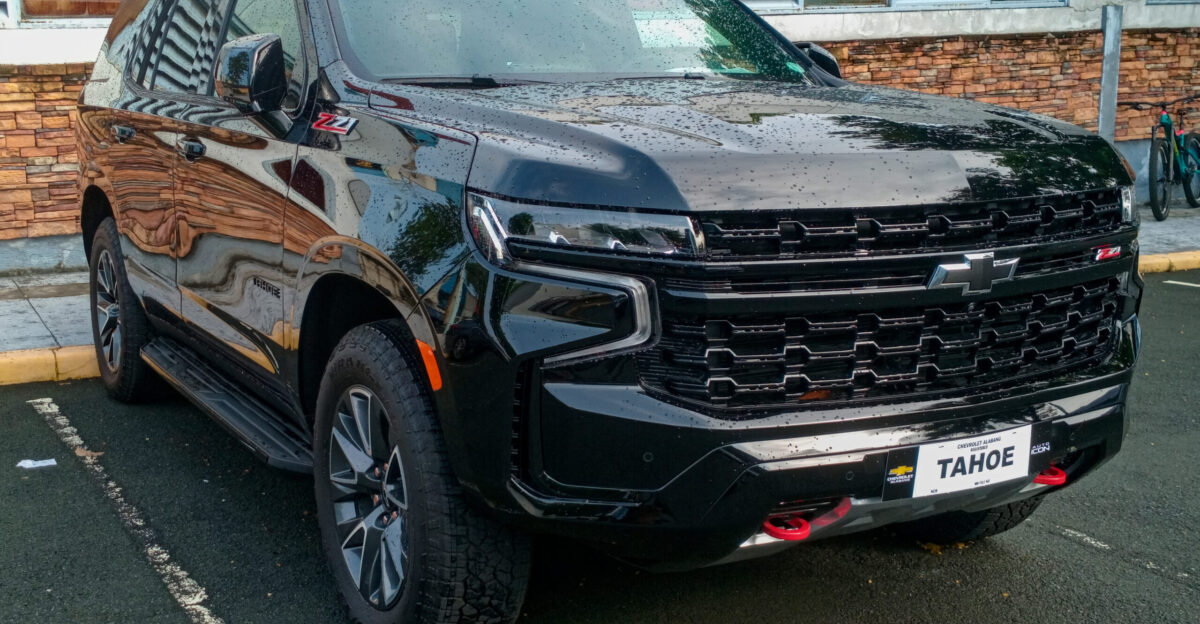
The Chevrolet Tahoe, starting around $59,000, follows at fifteenth among SUVs. It shares much of the Yukon XL’s mechanical DNA and has benefited from decades of incremental refinement. With widespread parts and service support, it is a common choice for owners aiming to exceed 200,000 miles.
Beyond these leaders, models such as the GMC Yukon and specific trims like the Honda Pilot EX and Touring show strong, if slightly lower, probabilities of long-term survival. The Yukon, positioned between the Tahoe and Yukon XL at around $67,900, provides three-row space and proven V8 powertrains that often deliver more than a decade of reliable family use. Trim variations on established platforms, such as higher-spec Pilot models, layer comfort features atop the same long-lived mechanical base.
Rethinking Value For The Long Haul
Taken together, the iSeeCars data suggests that true ownership cost is best viewed through cost per mile, not just sticker price or monthly payment. One comparison in the analysis estimates that a $36,400 SUV that lasts 250,000 miles costs around 15 cents per mile, while a $68,895 full-size model at the same distance approaches 27 cents per mile. Over 15 years, that difference works out to more than $100 per month.
The broader lesson is that durability is no longer reserved for a narrow band of high-end vehicles. From mainstream three-row crossovers to full-size body-on-frame models and modern hybrids, long life now spans multiple price points and brands. For buyers willing to weigh long-term reliability as heavily as styling or new features, these high-mileage SUVs offer a way to lock in predictability and lower overall costs at a time when both purchase prices and interest rates remain elevated.
Sources:
“iSeeCars Study: Most Reliable SUVs that Last 250,000+ Miles” – iSeeCars.com
“Toyota Highlander Hybrid Overview” – Toyota.com
“Lexus GX Overview” – Lexus.com
“GMC Yukon XL Overview” – GMC.com
“Chevrolet Tahoe Overview” – Chevrolet.com
“Honda Pilot Overview” – Honda.com
“GMC Yukon Overview” – GMC.com
“Nissan Pathfinder Pricing and Mileage Estimates” – NissanUSA.com