
Buying a $40,000 car today and watching it fall to $16,000 within 5 years is not uncommon. While the average new vehicle retains 44.6% of its value, some lose more than 60%, erasing $23,000 to $28,800 for owners. Automotive experts say seven warning signs reliably predict resale disasters. Spotting them early can protect buyers from severe financial loss. Let’s look deeper into what drives this collapse.
Why Depreciation Hits Harder Than Buyers Expect
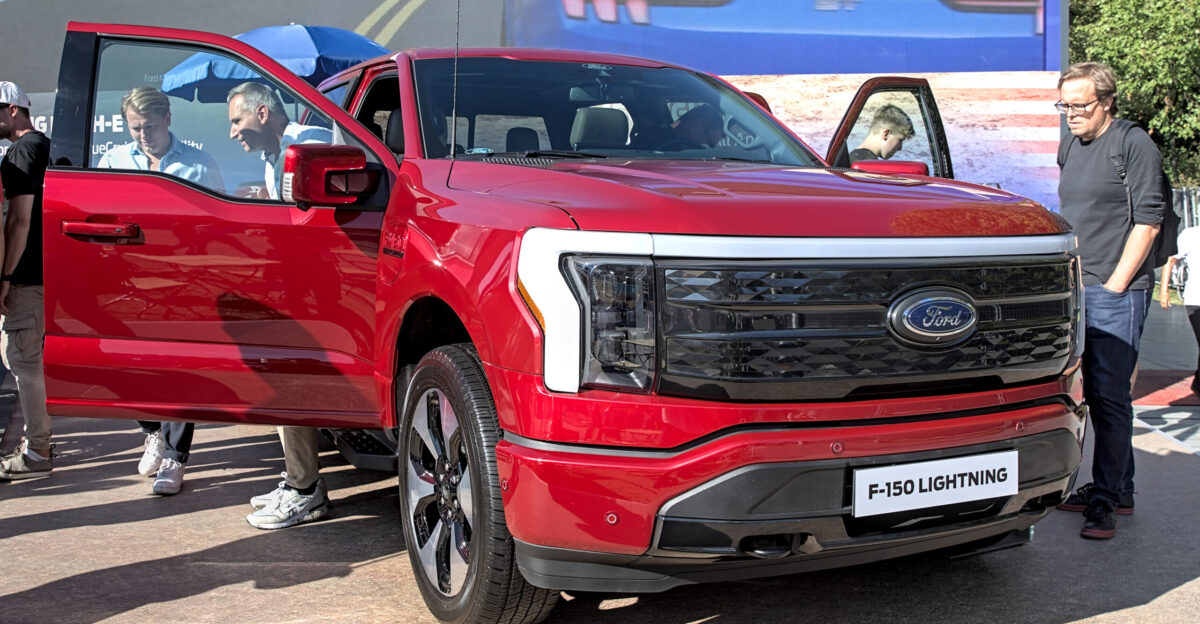
Car depreciation directly shapes long-term finances. The average American keeps a vehicle for 6.5 years, absorbing most of the value loss before reselling it. Financing, maintenance, insurance, and fuel magnify the impact. With new car prices exceeding $40,000, losing over $23,000 within five years can quickly tighten household budgets. Experts warn that certain models amplify losses far beyond averages. That pattern is becoming impossible to ignore.
How Depreciation Accelerates Beyond Industry Averages
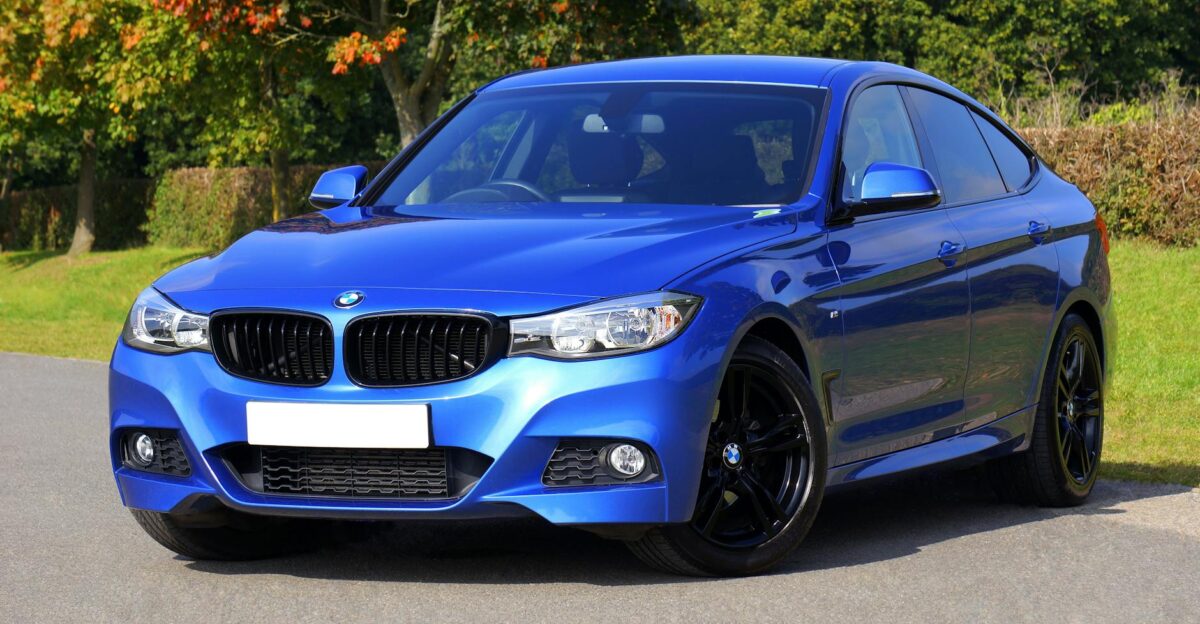
Not all vehicles lose value at the same pace. Industry averages indicate roughly 55% depreciation by year 5, yet some models experience depreciation rates of 60% to 72%. This acceleration occurs when negative factors compound together. Kelley Blue Book data confirms resale collapse follows predictable signals. Buyers who overlook them face steep losses. Understanding what triggers this acceleration explains why timing and vehicle choice matter deeply.
Lease Cycles Quietly Crushing Used Car Prices
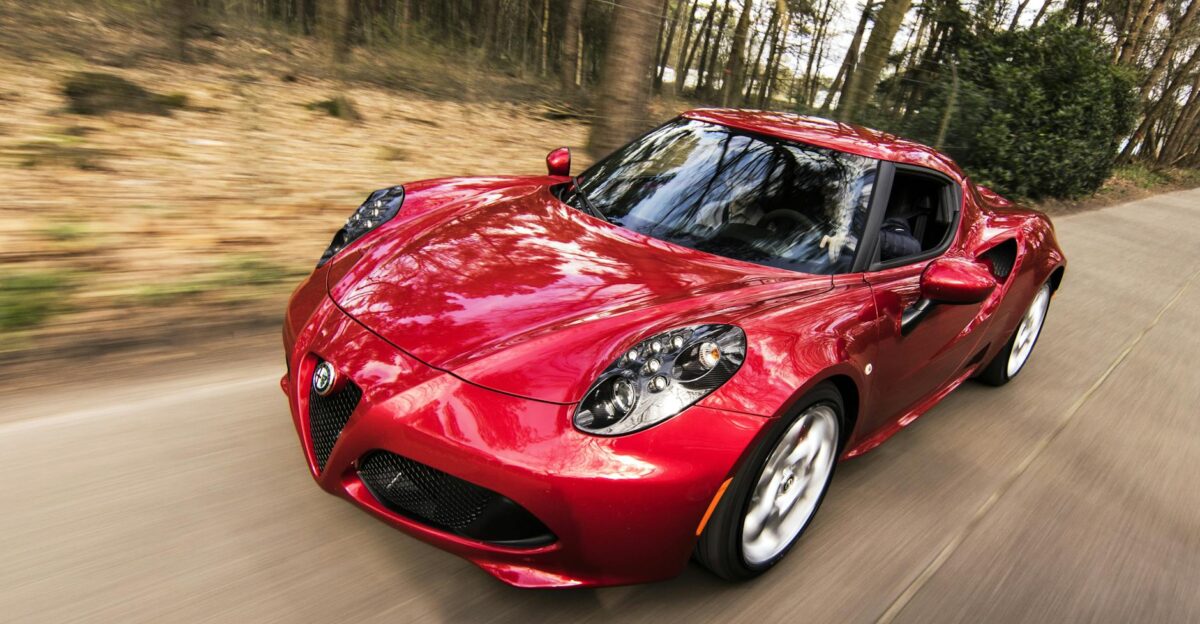
Lease returns arrive in waves every 3 to 5 years, flooding dealerships with similar vehicles. When supply spikes, resale prices drop sharply. Premium segments see lease return values fall 46%, while mainstream models decline about 39%. Electric vehicles are hit hardest, losing 58.8% in 5 years. Owners selling privately must compete with abundant dealer inventory. That pressure reshapes the resale market fast.
Why Experts Focus On These 7 Warning Signs

Rob Dillan, founder of EVhype, says, “Cars with poor gas mileage often depreciate faster, as fuel efficiency is a priority for buyers.” Gretchen Seidel of Seidel & Co. and John Lin of JB Motor Works report identical trends. These indicators consistently predict resale collapse. Each sign damages demand independently. When combined, losses accelerate dramatically. Recognizing them early changes outcomes entirely.
The Real Financial Damage Behind The Numbers

A $40,000 vehicle losing over 60% of its value sheds $24,000 to $28,800 in 5 years. Add post-warranty repairs averaging $1,800 to $3,500, plus higher fuel costs, and losses grow quickly. Owners often realize too late that the demand for resale has vanished. By then, options shrink. Knowing these warning signs beforehand allows buyers to avoid financial traps entirely.
#1 Poor Fuel Economy
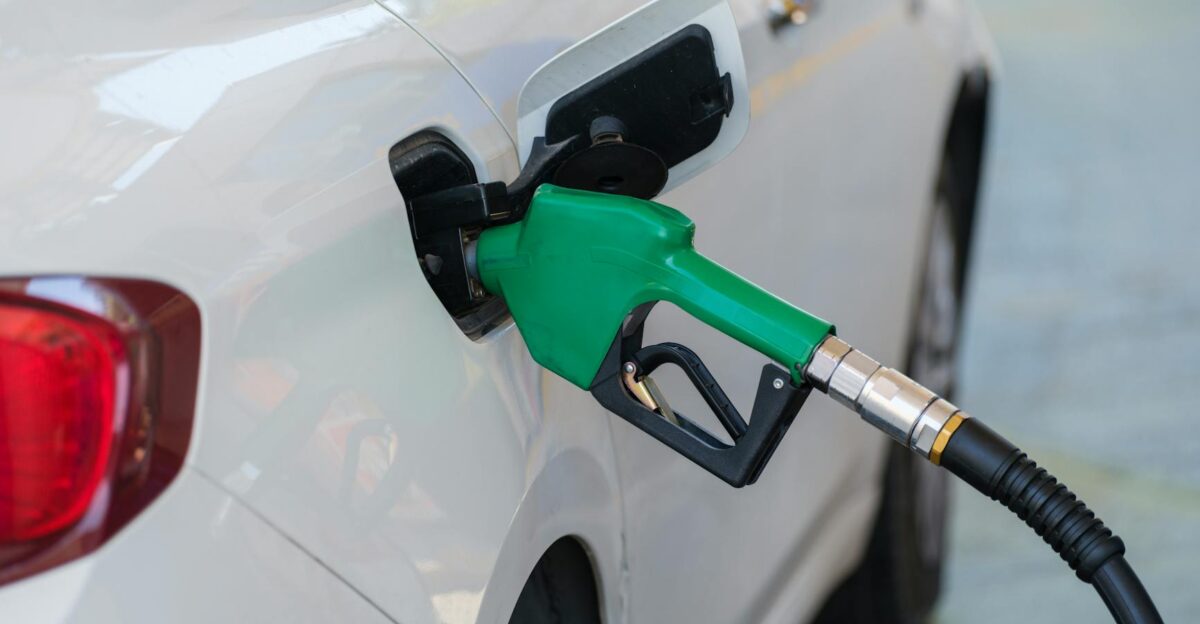
Vehicles with poor fuel efficiency depreciate 20% to 30% faster than average. Models averaging 15 to 18 miles per gallon become undesirable as fuel prices fluctuate. With gas near $2.89 per gallon, operating costs climb. V8 powered vehicles cost roughly 30% more annually to run. Buyers avoid them, forcing sellers into steep discounts later.
#2 Bad Reliability Reputation
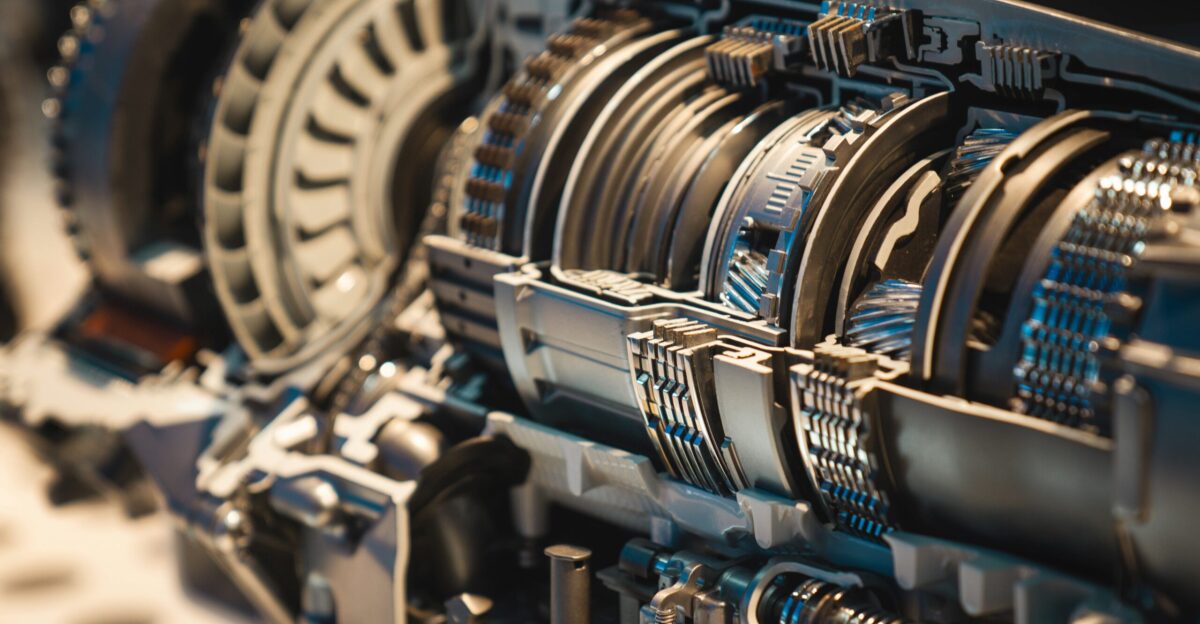
Models known for transmission, engine, or electrical failures suffer immediate resale rejection. Problems often emerge between 60,000 and 100,000 miles, just after warranties expire. Major repairs average $3,500 or more. John Lin warns, “Reliability problems discovered after purchase create lasting brand damage.” Buyers research aggressively, flooding the market with unwanted inventory. Values drop 15% to 20% faster than reliable rivals.
#3 Outdated Technology
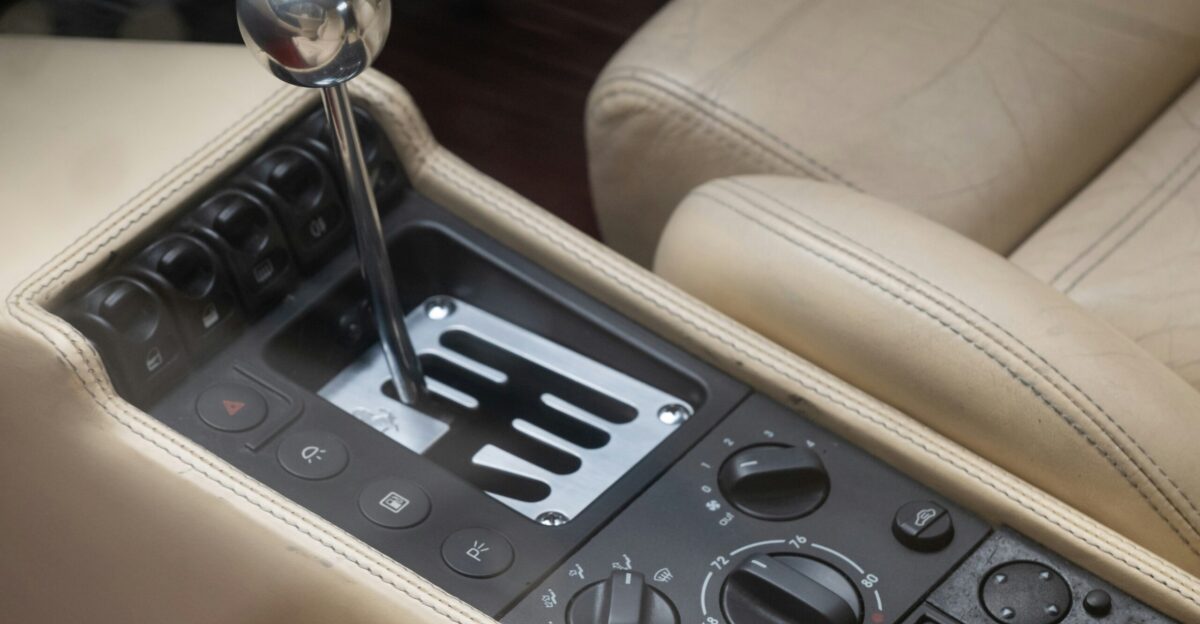
Infotainment and driver assistance systems age rapidly. A modern screen today can feel obsolete within 36 months. Vehicles lacking functional ADAS retain 15% to 20% less value. Aging software also raises reliability concerns. Buyers pay premiums for current interfaces and safety systems. Visibly outdated dashboards signal future frustration. That perception alone pushes resale prices lower across luxury and mainstream segments alike.
#4 High Maintenance Costs
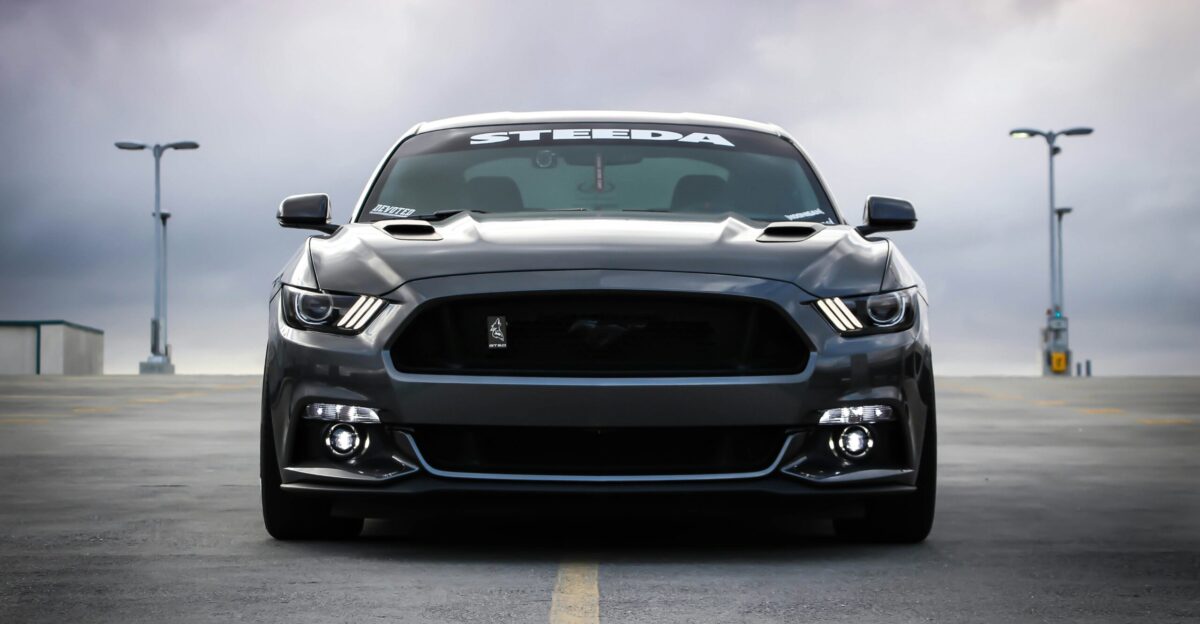
Luxury and performance vehicles often demand costly upkeep. Oil changes range from $300 to $500, premium fuel is required, and specialized service raises expenses. Annual maintenance can reach $2,000 versus $800 for mainstream alternatives. Gretchen Seidel notes, “High maintenance expectations drive away future buyers.” Even reliable vehicles suffer resale penalties when ownership feels expensive long term.
#5 Poor Safety Ratings

Weak crash test results damage resale appeal instantly. Between 35% and 45% of used car buyers reject models with poor NHTSA or IIHS ratings. Insurance concerns and liability fears reinforce avoidance. Perception outweighs mechanical reality. Vehicles with low safety scores depreciate 12% to 18% faster than safer competitors. Once established, safety reputations follow models throughout their market lifespan.
#6 Discontinued Models
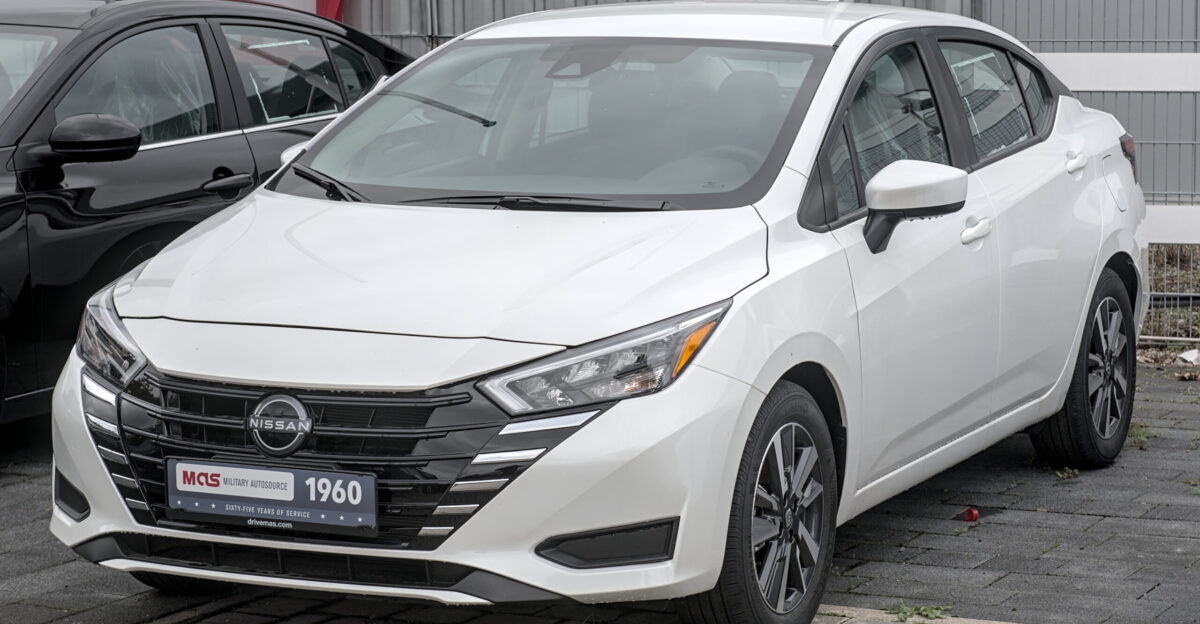
When a vehicle is discontinued, depreciation accelerates immediately. Parts availability shrinks, service support weakens, and long term repairs become uncertain. Discontinued models retain roughly 35% to 40% of value by year 5 versus 44.6% for ongoing lines. Dealers avoid stocking them. Buyers fear future headaches. The announcement alone signals resale trouble ahead.
#7 Overproduced Market Saturation
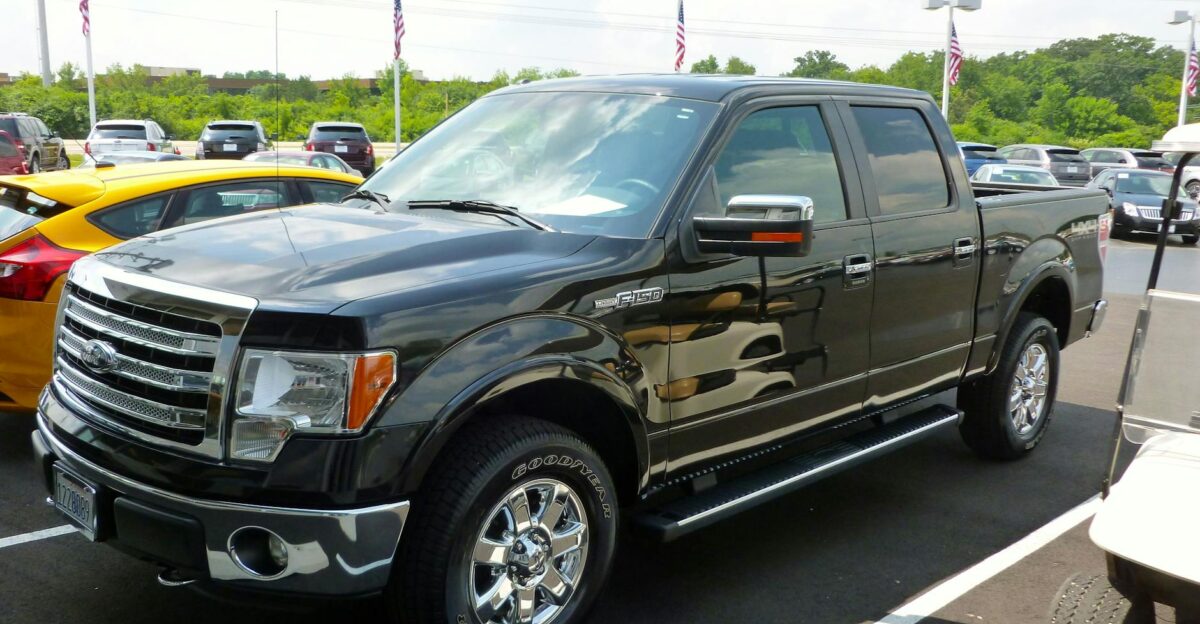
High volume models often face resale trouble when lease fleets mature. The Ford F-150 and Chevrolet Silverado regularly experience supply gluts. When hundreds of similar vehicles hit the market, prices collapse. Year 3 depreciation can reach 18% to 25%. Popularity creates oversupply. Tracking production and lease timing helps buyers avoid predictable price crashes later.
When Multiple Warning Signs Collide
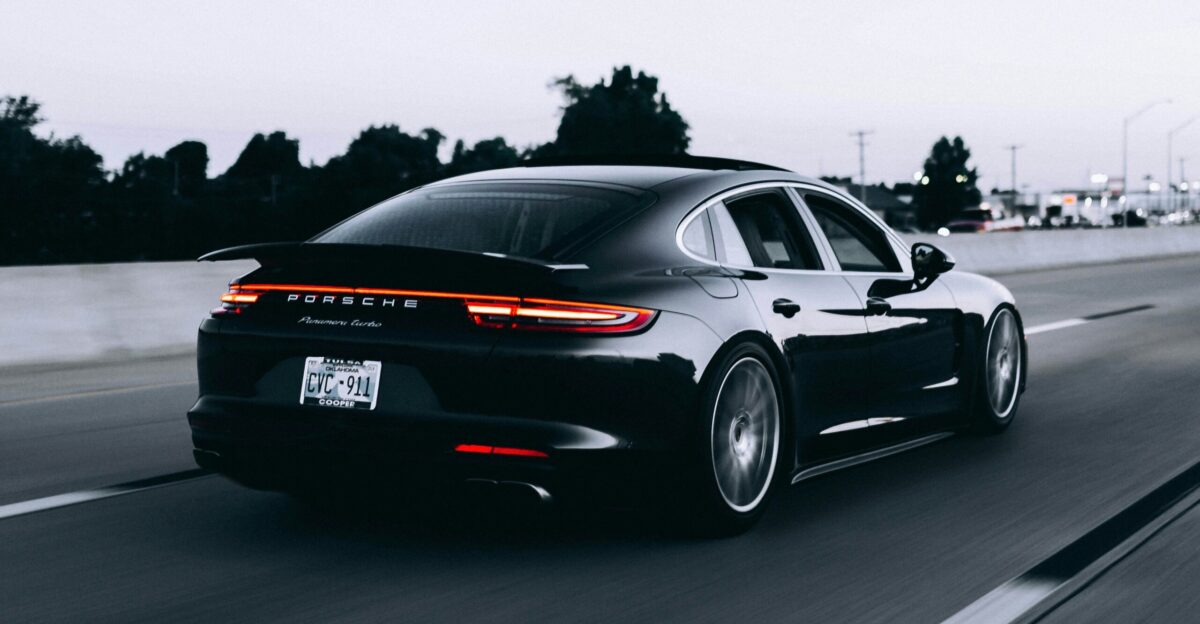
Severe losses occur when several warning signs combine. A luxury sedan with poor fuel economy, reliability issues, outdated tech, and high maintenance can lose 65% to 72% of value. A $40,000 purchase drops $28,000. Add $5,000 to $8,000 in repairs and losses reach $36,000. Avoiding stacked risk is financially essential.
How Smart Buyers Protect Resale Value

Buyers should research fuel economy, reliability records, safety ratings, maintenance costs, and production volumes before purchasing. Tools like Kelley Blue Book and NHTSA data reveal risks early. Models retaining over 50% value include Toyota Tacoma at 64.1%, Chevrolet Corvette at 61%, and Toyota 4Runner at 60%. Avoiding these warning signs safeguards finances far better than price negotiation alone.
Sources:
“Car Depreciation Calculator – Trade-In Value and Resale Value.” Kelley Blue Book, 2025.
“How Much Do Cars Depreciate per Year?” Experian, May 2025.
“EVs Ranked By How Much They Depreciate Over 5 Years.” CarBuzz, April 2025.
“Should You Buy a Car That’s Being Discontinued? Experts Weigh Real Costs and Savings.” NASDAQ, December 2025.
“Why Accurate ADAS Calibration Is Critical For Vehicle Resale and Warranty.” Formula Nerds, September 2025.
“These Cars Lose The Most Resale Value Over Five Years.” Forbes, March 2025.