
The moment the clock struck 3:15, a group of kids stood frozen in the classroom, eyes fixed on the teacher. Their challenge? Read the time on an analog clock before the bell rang. While some fumbled, others glanced nervously at their digital watches, unable to decipher the steadily moving hands.
This isn’t just a classroom anecdote—it reflects a shifting baseline in practical skills. Educational reports suggest a growing number of children struggle with analog clocks, a proficiency that has declined in recent years. What happens when a generation grows up without mastering such a fundamental skill? The consequences may go beyond the ability to tell time.
1. Reading an Analog Clock

Reading an analog clock was once a universal skill taught in early elementary school. Today, however, many children find it challenging. Interpreting the angles of the clock hands requires real-time thinking and visualization, promoting spatial reasoning.
Many Boomers mastered this early, and for them, it wasn’t just about telling time; it helped build cognitive abilities that extended beyond the clock face.
Cognitive Loss

What might be lost by abandoning analog clocks is a specific type of cognitive exercise. Reading clocks enhances spatial reasoning, pattern recognition, and mathematical thinking—abilities relevant to geometry and problem-solving.
Boomers generally learned this by necessity, whereas today, these specific neural pathways are less frequently engaged by digital timekeeping.
2. Face-to-Face Communication

Before the ubiquity of texting, Boomers learned to communicate face-to-face. They navigated body language, interpreted tone, and handled conflict in person. These skills were often learned through necessity in childhood.
In today’s world, however, many find it easier to text than to converse in real time. As a result, a key human skill is less practiced, potentially leading to missed connections in modern life.
The Mental Health Link

Face-to-face communication has been shown to be a critical factor for mental health. A 2023 study published in Scientific Reports found that in-person interaction was significantly more important for mental health during lockdowns than digital communication, videoconferencing, or physical activity.
Boomers developed this skill organically, while many today must consciously work to connect beyond screens.
3. Basic Home Repair

A leaky faucet or a loose doorknob—many Boomers learned how to troubleshoot these issues themselves, often without tutorials. They were encouraged to experiment and learn by doing.
Today, it is common to call a professional or replace items entirely. But the ability to solve problems manually built more than just home skills—it fostered a mindset of self-reliance.
Building Self-Efficacy

Self-efficacy—the belief that you can control outcomes through your actions—is reinforced when fixing things. Boomers often learned this through trial and error.
Today, we frequently outsource these tasks, potentially missing out on the psychological confidence that comes from solving physical problems independently.
4. Cooking From Scratch

Many Boomers learned to cook without relying heavily on precise recipes or apps. Through practice, they developed an intuitive sense of timing, ingredient ratios, and flavor balance.
This process encouraged trust in their own judgment and an embodied knowledge of food that prioritized sensory engagement over pure convenience.
The Loss of Presence

When cooking without constantly checking a phone, attention shifts to the process itself—texture, sound, and smell. For previous generations, this was often the norm.
Today, reliance on pre-packaged meals and delivery apps has increased. While efficient, this shift reduces the deep sensory connection that comes from preparing food from scratch.
5. Navigation Without GPS
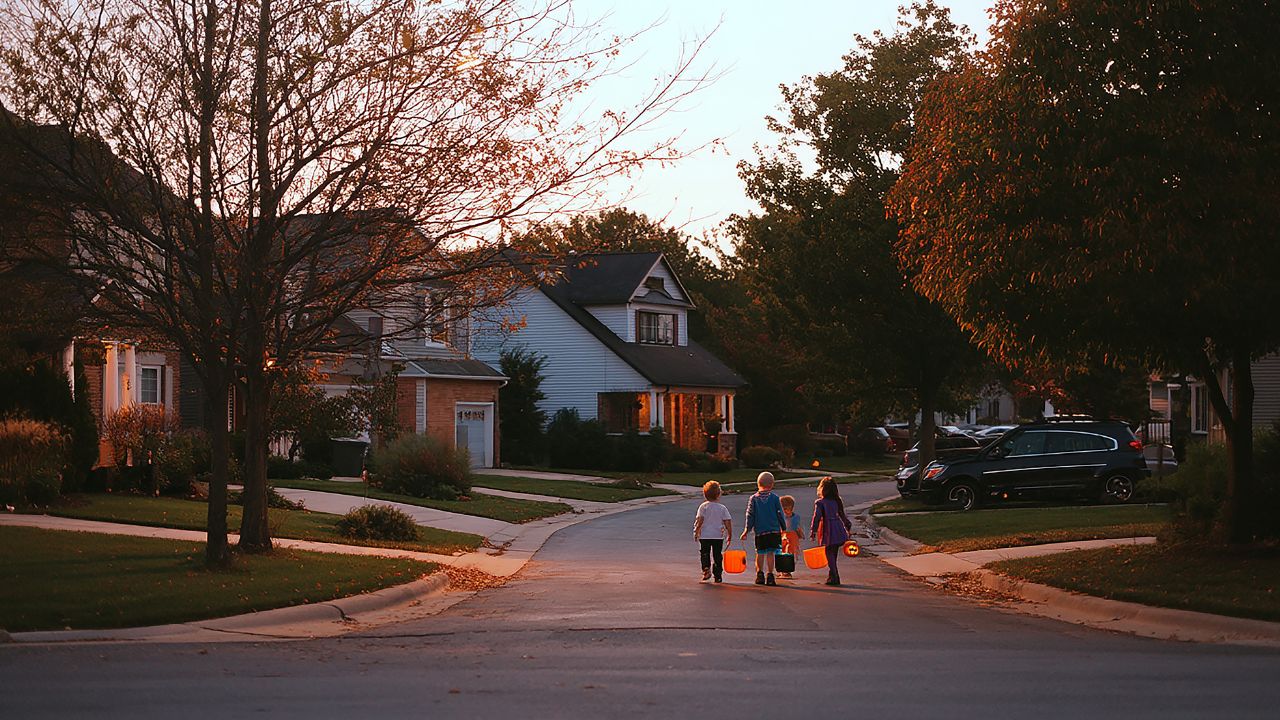
Before GPS, people relied on maps, landmarks, and an internal sense of direction. Boomers learned to navigate by observing their surroundings, building mental maps that strengthened spatial intelligence.
This required active engagement with the environment rather than passively following turn-by-turn instructions.
Knowing Vs. Following

Research suggests that relying solely on GPS can inhibit the formation of cognitive maps. When we simply follow directions, we may not learn the landscape.
Boomers, by necessity, often knew their routes. This active navigation fostered spatial awareness and a sharper memory of their surroundings.
6. Handling Boredom

Boredom can be a catalyst for creativity. Boomers grew up with periods of unstructured time and fewer constant distractions. To entertain themselves, they often had to rely on imagination and resourcefulness.
In the digital age, boredom is frequently treated as a state to be avoided, yet it remains a valuable part of cognitive development.
What We Lost
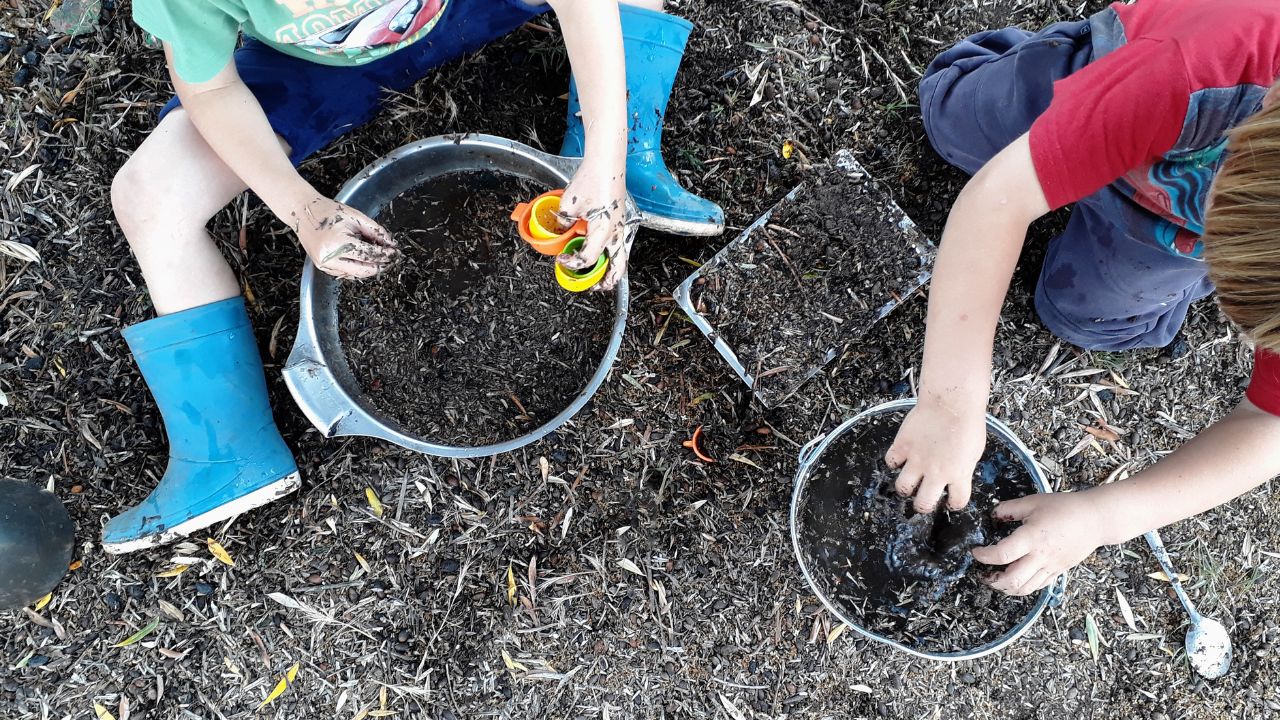
Psychological research indicates that childhood boredom can foster creativity and resourcefulness. With constant digital stimulation, these opportunities are rarer.
Boomers had space to daydream and be present with themselves. Today, the constant influx of external input can make it difficult to sit with stillness or focus without stimulation.
7. Money Management Without Apps

Boomers learned to manage money using cash and physical ledgers. They could physically handle currency, which helped reinforce the reality of each purchase.
This tactile connection fostered a tangible awareness of finances—a sensation that is often diminished in a world of frictionless digital transactions.
The Loss of Financial Awareness

Studies on the “pain of paying” suggest that digital transactions reduce the psychological weight of spending. While financial apps optimize tracking, they can also create distance between consumers and their money.
Boomers often had a clearer, immediate sense of their standing. Today’s seamless digital habits can make it easier to overspend without immediate realization.
8. Conflict Resolution Without Authority Figures

Who gets the last turn? Who started it? Boomers often didn’t have adults hovering to resolve every minor dispute. They negotiated with friends, learned to advocate for themselves, and practiced compromise.
These were real-life lessons in conflict resolution that today’s children may miss due to increased adult supervision or digital mediation.
Life Skills Learned Early

Conflict resolution is a vital life skill. Boomers frequently learned to disagree and move on without adult intervention.
Today, online interactions or heavy mediation can leave gaps in this development. The ability to handle discomfort and find common ground in person remains an essential competency.
The Competence Collapse: The Price of Convenience

With technological advances, we often trade competence for convenience. While Boomers grew up learning these essential life skills, today’s environment offers fewer natural opportunities to develop them.
Digital conveniences have made life easier, but they also reduce the need for certain manual and cognitive capabilities.
It’s Not Too Late to Reclaim These Skills
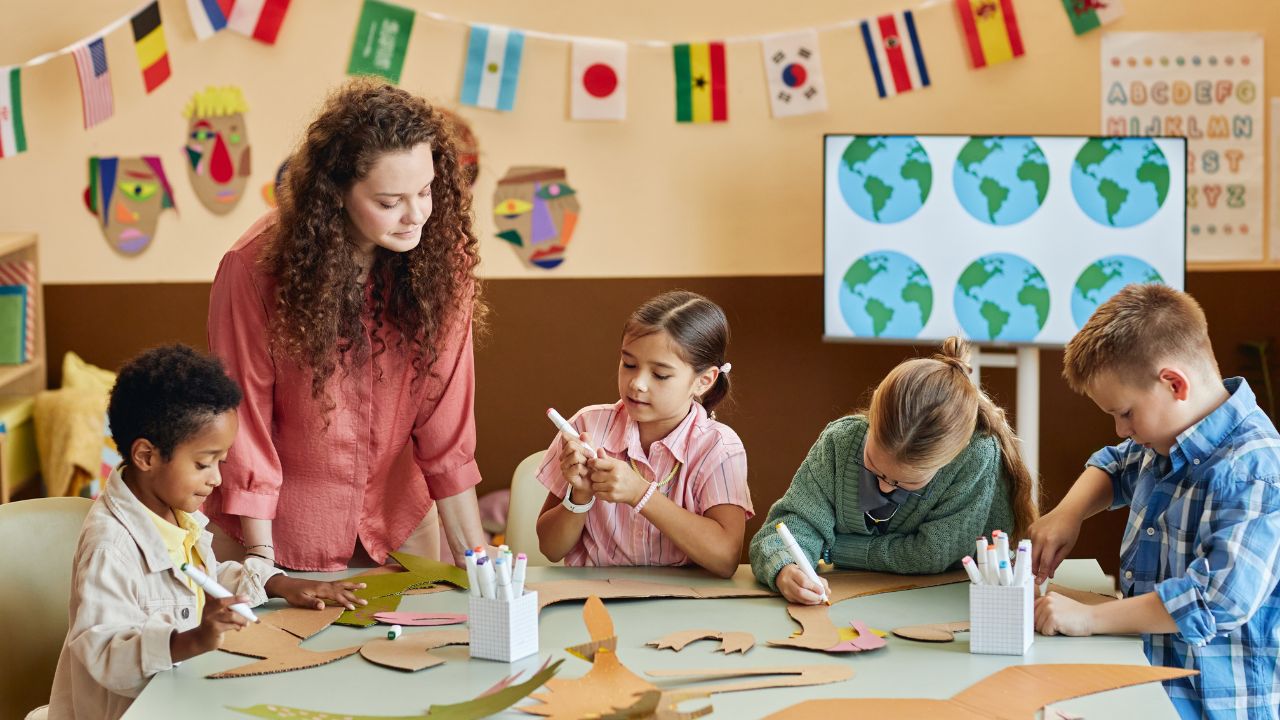
These skills are not lost forever; they are simply dormant. It is possible to teach oneself or one’s children to read an analog clock, navigate without GPS, or solve problems independently.
Reclaiming these skills is about more than utility—it is about rebuilding a sense of personal competence and self-reliance.
Sources:
“Face-to-face more important than digital communication for mental health during the pandemic.” Scientific Reports, 16 May 2023.
“Rethinking GPS navigation: creating cognitive maps through auditory cues.” Scientific Reports, 07 Apr 2021.
“HS: Porvoo teacher realises teens can’t tell time.” Yle News, 24 Oct 2025.
“Impact of Digital Payments on Consumer Spending Behavior.” International Journal of Research Publication and Reviews, 2025.