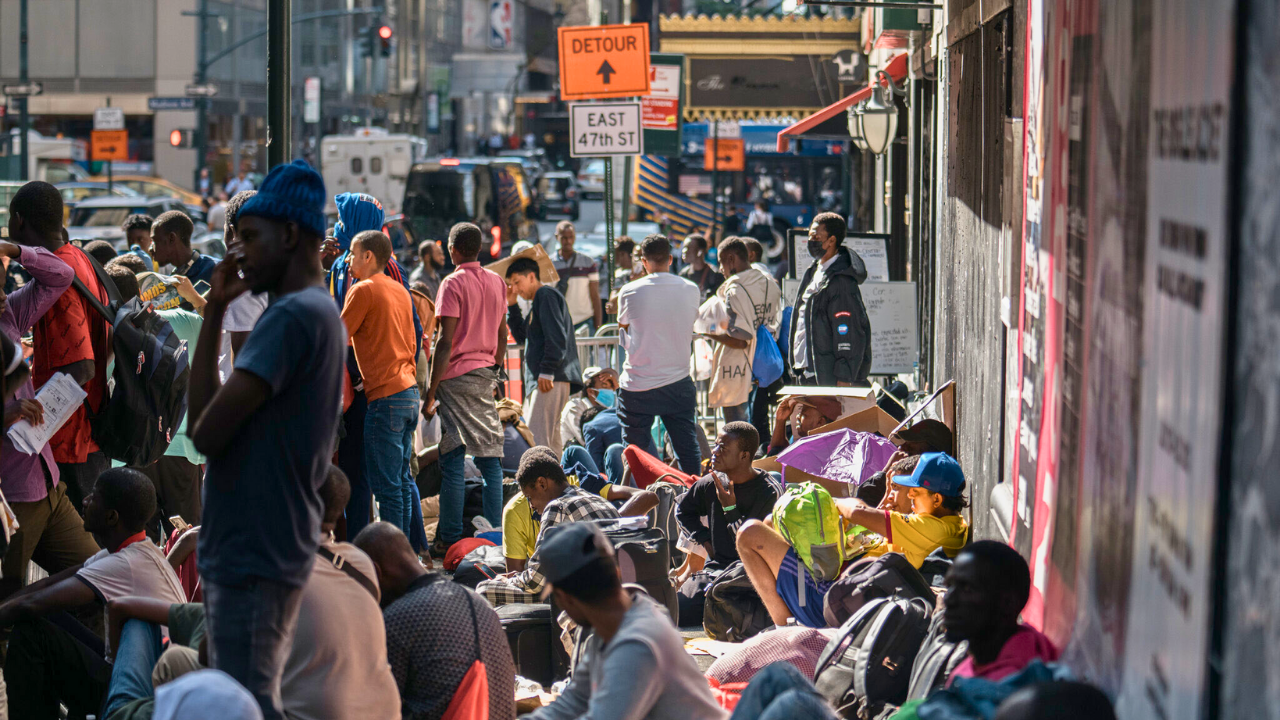
Different American cities offer very different living experiences. Some cities offer affordable housing and convenient driving. Others make life very hard for residents. High costs, traffic congestion, crime, and flooding create significant problems in certain cities.
These problems often happen together, making basic daily life very tiring. The worst cities share common issues: expensive housing, poor roads, high poverty rates, and safety concerns that make everything harder for residents.
1. Chicago
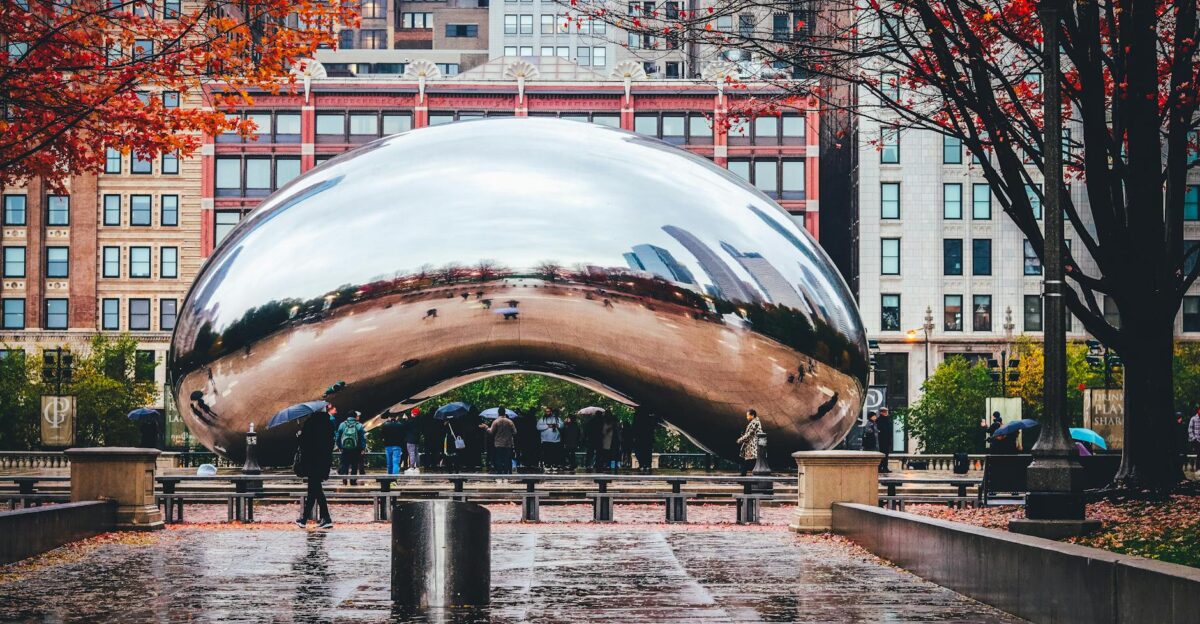
Chicago has the worst traffic in America as of 2025, beating even New York City. Drivers in that area waste 112 hours each year in traffic—more than double the national average of 49 hours. That equals roughly two weeks of full workdays just sitting in cars.
Traffic costs each driver approximately $2,063 per year and totals $7.5 billion for the city. Lake Michigan blocks growth on one side. O’Hare Airport traffic is so bad that planners are revising their renovation plans to accommodate more cars.
The High Cost of Midwestern Living
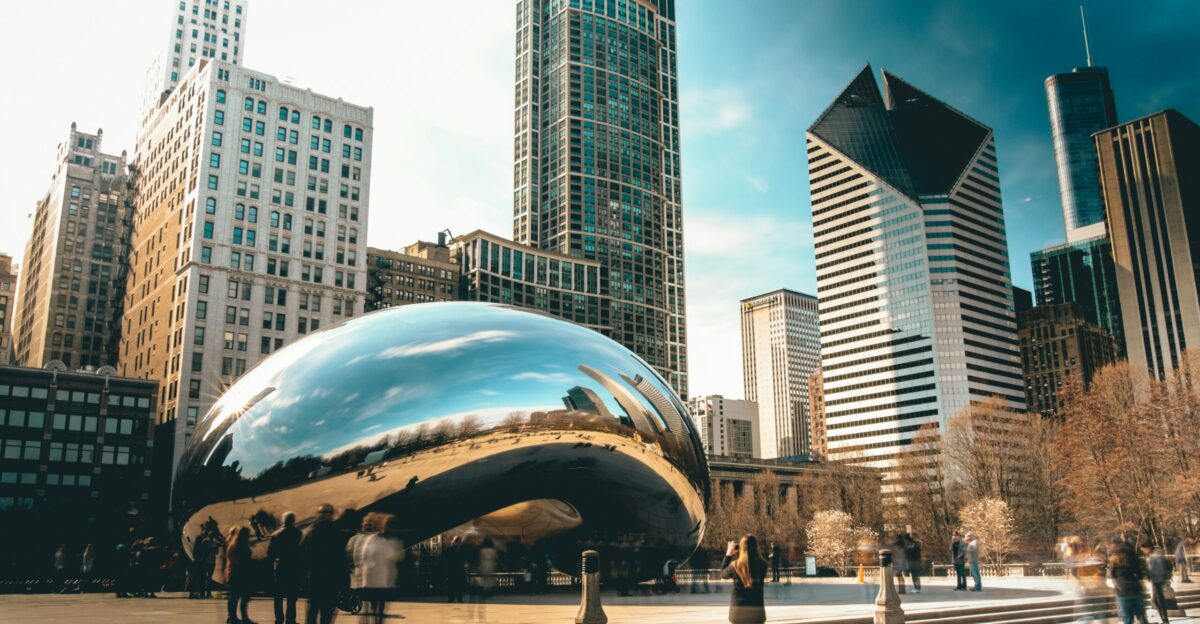
Chicago has very high living costs, especially for housing. One-bedroom apartments rent for $1,440 to $2,050 monthly. Two-bedroom units cost $2,475 to $3,420. Rich neighborhoods like the Gold Coast and Lincoln Park charge over $2,000 per month.
Crime in certain areas can make life stressful. Families also pay $2,475 to $42,300 yearly for schools and childcare. All these costs together make Chicago very expensive.
2. New York City
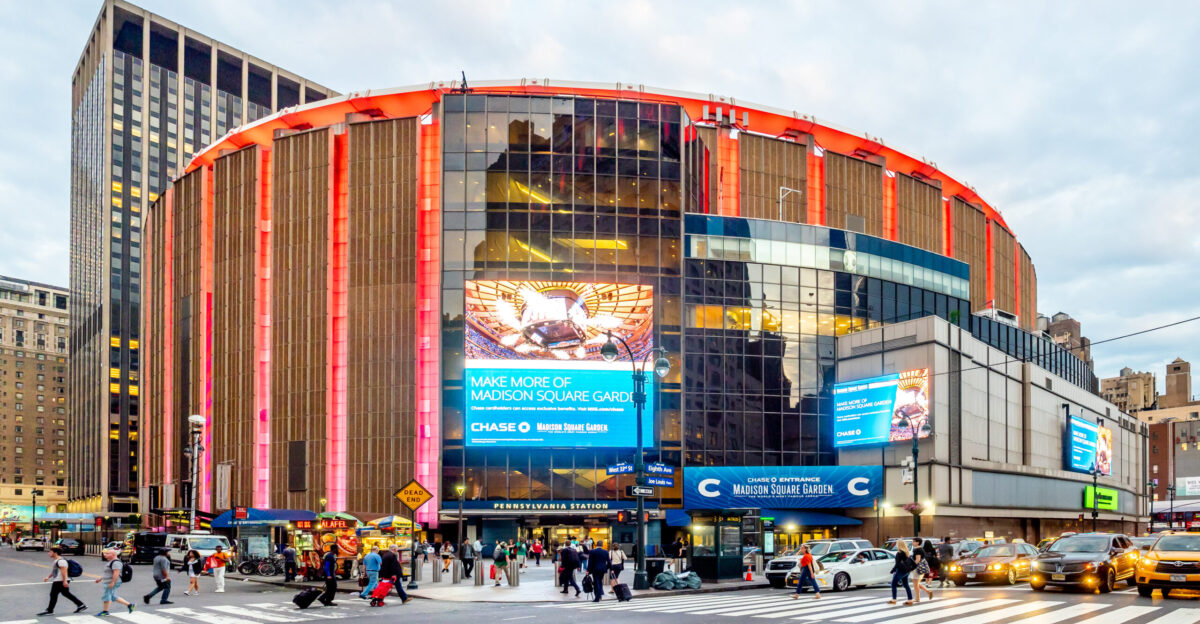
New York City costs 74% more than the average American city. The average monthly rent reached $5,284 in 2025. Homes cost around $1.7 million on average. Manhattan rent reaches $4,495 monthly, with two-bedroom apartments near $5,500.
The problem? Between 2010 and 2023, jobs increased by 22%, but housing only grew by 4%. New York’s cost-of-living index is 148—nearly 50% higher than the national average in America—with housing more than double the national norm.
Congestion and Competition for Space
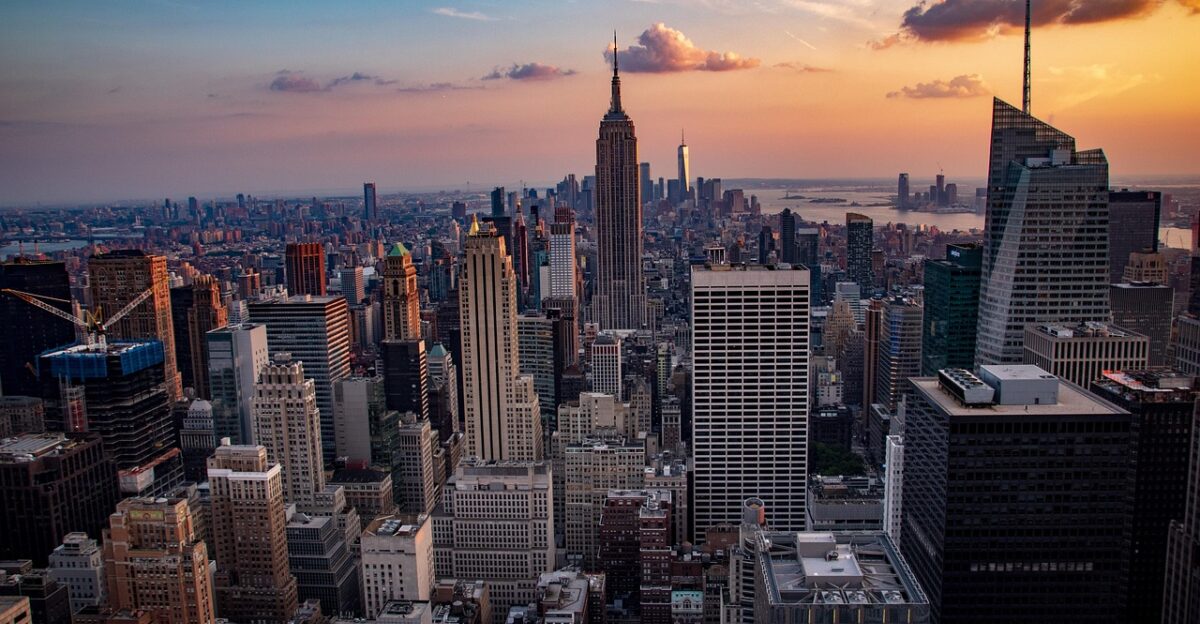
New York dropped to second place for traffic in 2025, but drivers still lose 102 hours yearly to gridlock. This costs each driver $1,879 and the city $9.7 billion total. The city charges drivers $9 to enter Manhattan below 60th Street during busy hours.
This helps traffic but costs commuters more money. Transportation costs jumped 25% between 2019 and 2023. The fast pace and constant fighting for housing and subway space exhaust residents.
3. Los Angeles
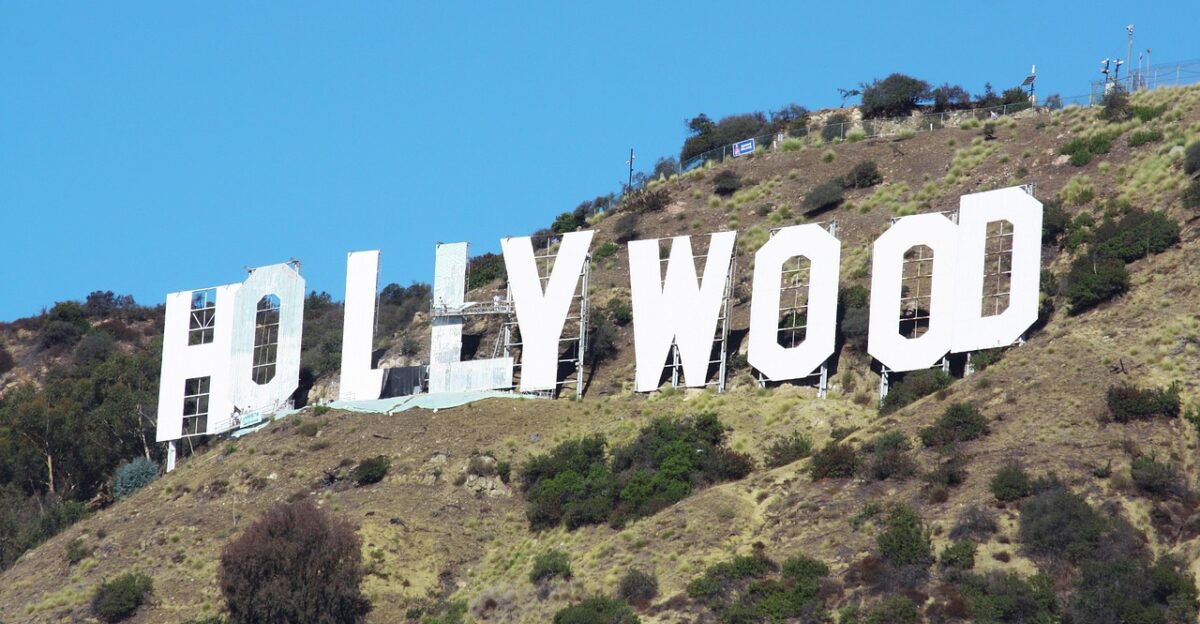
Los Angeles ranks fourth nationally in terms of traffic congestion, despite recent improvements. Drivers spend nearly four full days yearly stuck in traffic. Interstate 5 sees some of the worst delays in the country.
The city spreads out widely with few buses, so everyone needs a car. This adds costs for gas, parking, and car repairs. Parking fees increase quickly, and parking tickets are expensive. Remote work helped slightly, but downtown still struggles.
The Housing and Homelessness Crisis

Los Angeles costs 50% more than the average in America, with housing prices 137% above normal. Single-family homes average $809,750. Only 11% of families can afford median-priced homes. Minimum-wage workers must work 87 hours a week to afford the average rent.
This housing crisis drives homelessness—over 65,000 people lack housing in LA County. The city refuses to allow apartment buildings in most neighborhoods, which keeps prices high and pushes working families out.
4. San Francisco
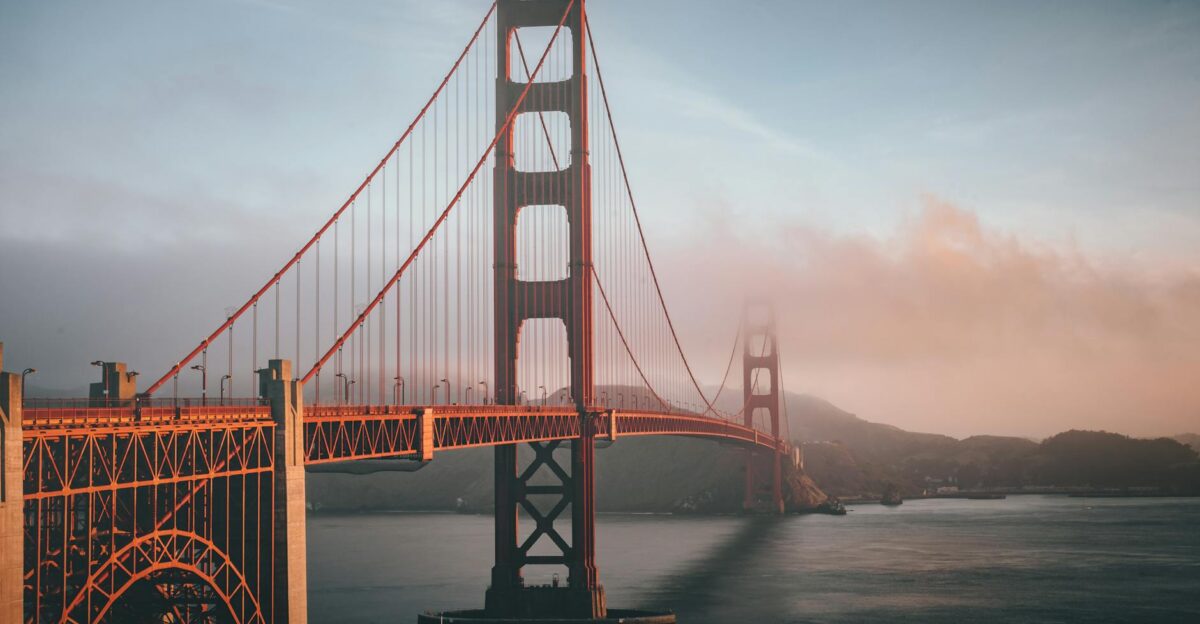
San Francisco has extremely high housing costs, with one-bedroom apartments averaging over $2,800 per month. The city fell from 27th to 126th place in America’s Best Performing Cities rankings. This occurred due to high costs, job losses in the tech sector, and people leaving.
Over 50,000 tech workers lost jobs in three years. Bars and nightclubs lost 50% of their business as young workers left or lacked the funds. Only 65% of people spend less than 30% of their income on housing.
The Supply Crisis No One Fixes
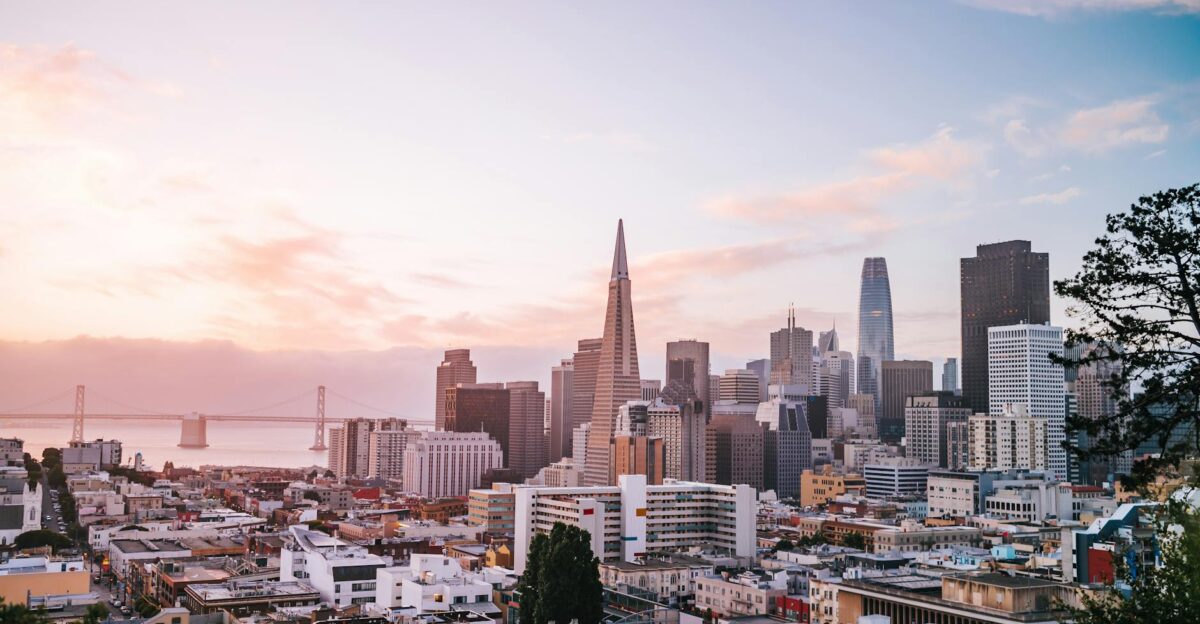
San Francisco has a housing shortage compared to cities like Seattle. Strict building rules make adding apartments very difficult and expensive. Seattle’s tech growth has matched San Francisco’s, but rent increases there are less than one-third of those in San Francisco.
Real estate speculators purchased rent-controlled buildings, displaced residents, and sold units to affluent tech workers. The city is 7 miles by 7 miles. People don’t want new buildings nearby. Building enough affordable housing takes many years.
5. Miami
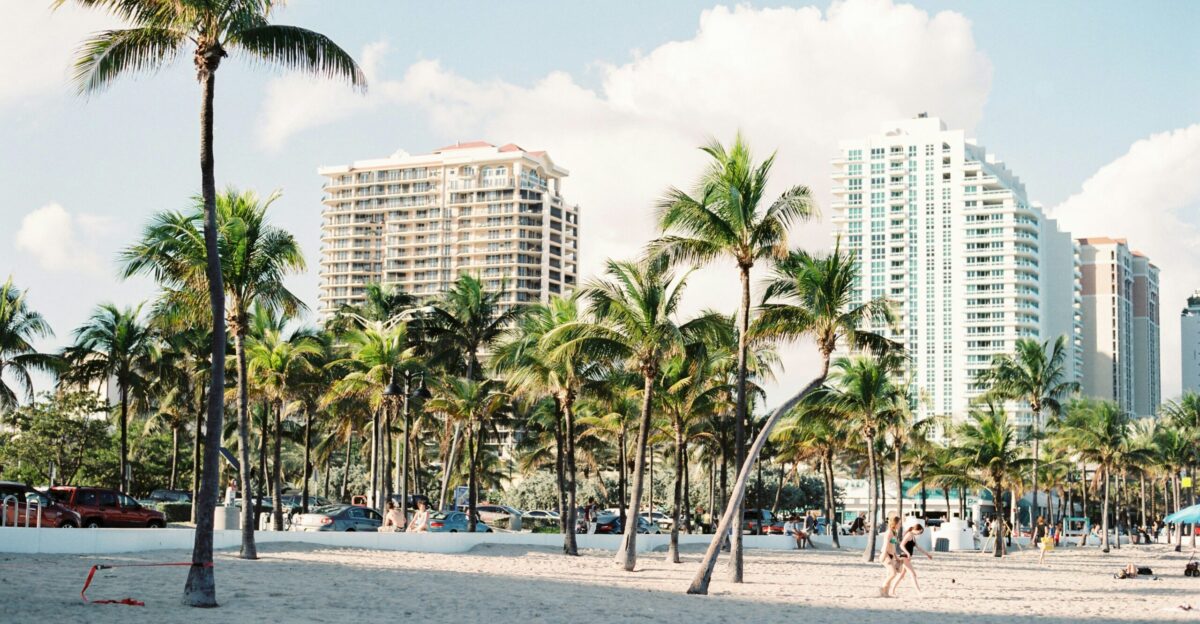
Miami-Dade County lost about 67,000 residents between 2023 and 2024. High costs and climate fears drove people away. Approximately 36.3% of Miami homes face a high flood risk, ranking in the top 10% nationwide.
Homeowners insurance jumped from under $2,000 to $6,700 yearly for one agent. Flood insurance climbed from $400 to $1,250. High housing prices during the pandemic affected working and middle-class families. King tides and flood warnings are now occurring frequently.
Infrastructure Strain and Limited Transit
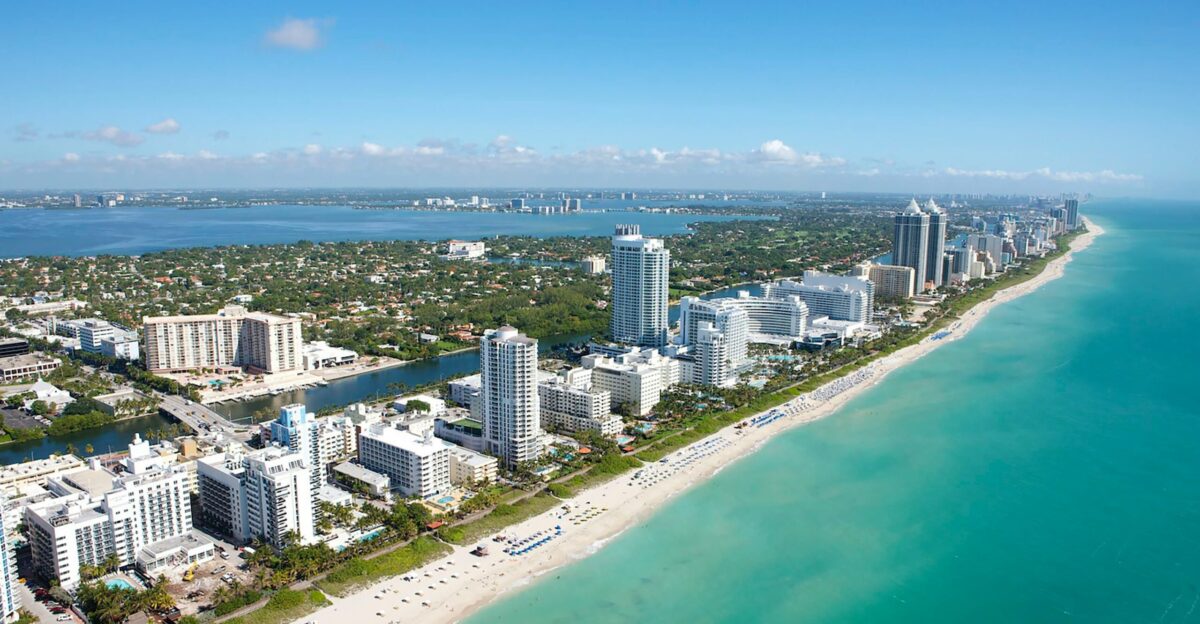
Miami grew fast, but didn’t build enough roads and buses. Traffic has worsened, and public transportation is inadequate. The city layout forces everyone to drive. Parking costs money, and rush hour adds hours to trips.
High housing costs pushed many residents to their financial limits—rent takes nearly 40% of income for many. High costs, flood risk, and poor infrastructure make even rich people question staying. Foreign buyers from Latin America and Canada mostly stopped buying there.
6. Detroit
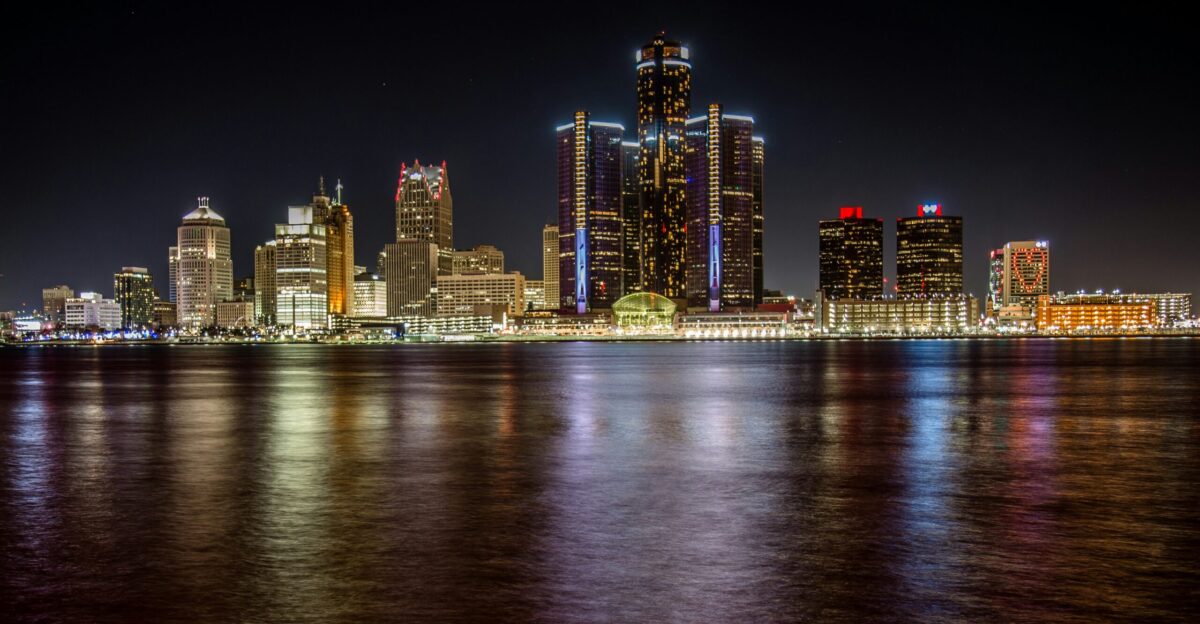
Detroit has an 11.4% unemployment rate—the highest in America and double Michigan’s rate. Nearly one-third of residents live in poverty. Only 53.4% of workers actively look for jobs—the lowest in the nation. Crime is 200% above the national average, making Detroit one of America’s most dangerous cities.
The collapse of the car industry created massive problems. Abandoned homes scar neighborhoods. When big employers leave, the local economy struggles to support jobless workers, leading to increased poverty and crime.
The Education and Opportunity Desert
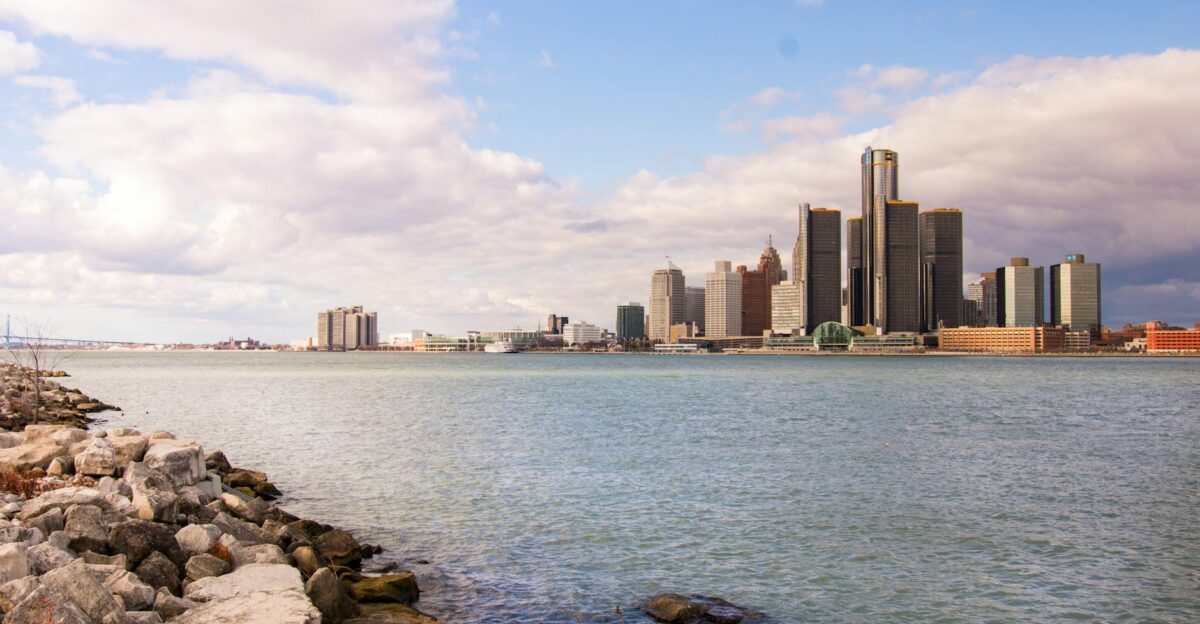
Detroit lacks good schools and job training, so residents struggle to secure better jobs. Budget cuts closed many public schools, hurting poor neighborhoods the most. The COVID-19 pandemic made things worse—39,000 Detroiters quit their jobs due to hard conditions.
Black and Latino workers face 23% unemployment—four times higher than white workers. Without investments in education and real jobs, Detroit’s poverty and crime cycle continues. These disparities reveal significant inequalities in opportunities for different groups.
7. Baltimore
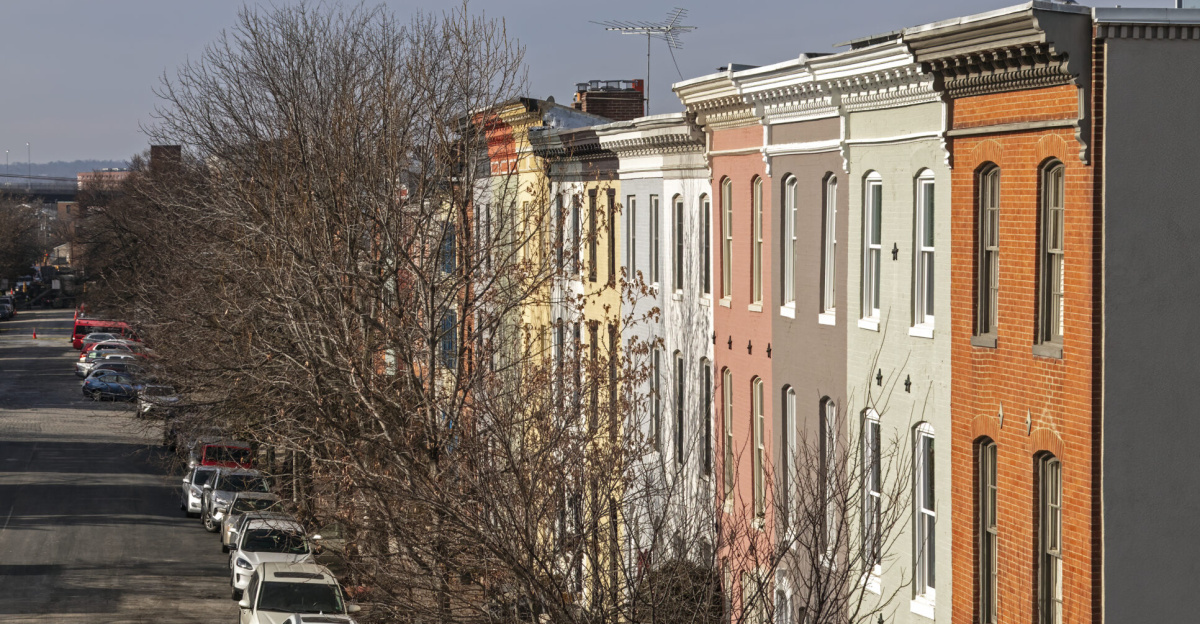
Baltimore made real progress in reducing violence. Homicides dropped 22% by mid-2025, falling to 201 in 2024—the lowest in a decade. Non-fatal shootings decreased 19%, and teenage homicides fell 71%.
The Gun Violence Reduction Strategy helps by identifying at-risk people and giving them support. But Baltimore’s crime index of 74.67 remains far above average. Poverty is widespread. Poor neighborhoods see 350% higher crime rates than average.
Poverty, Foreclosures, and Housing Insecurity
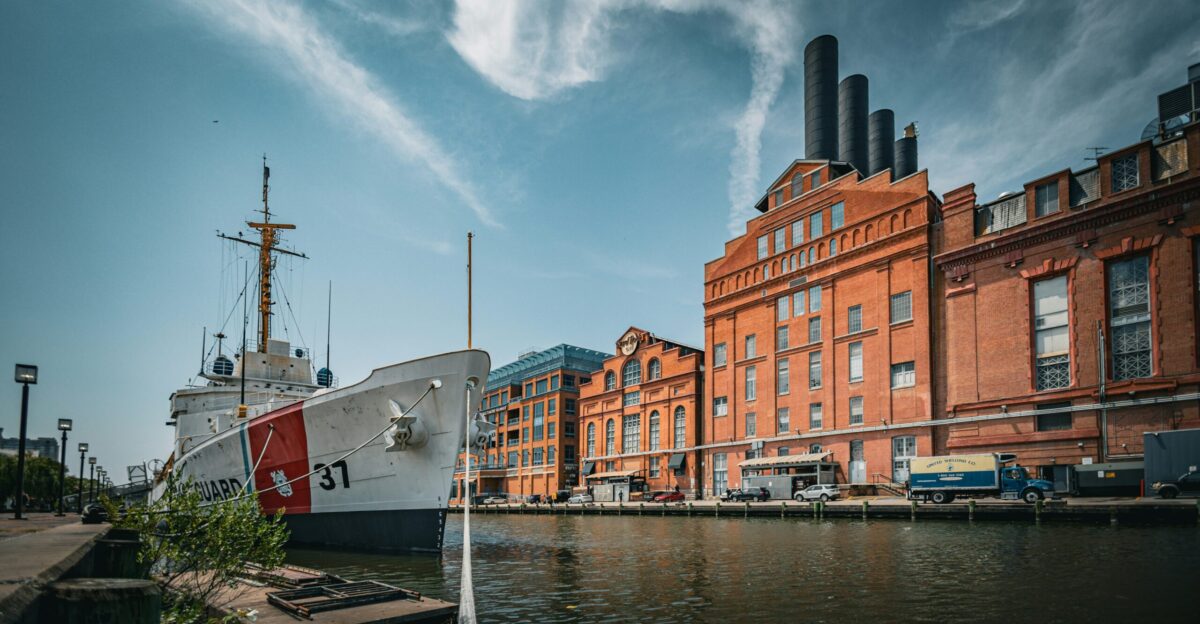
Baltimore ranks number one nationally in terms of financial stress. The median household income remains under $43,000, coinciding with America’s highest divorce rate. The city has the second-highest foreclosure rate in the nation.
Residents fall behind on bills and have low credit scores. Housing costs take nearly 40% of household income for many families. Bad mortgages trap homeowners in homes worth less than they owe. Despite improvements in crime, residents face daily financial stress and limited job opportunities.
8. Philadelphia
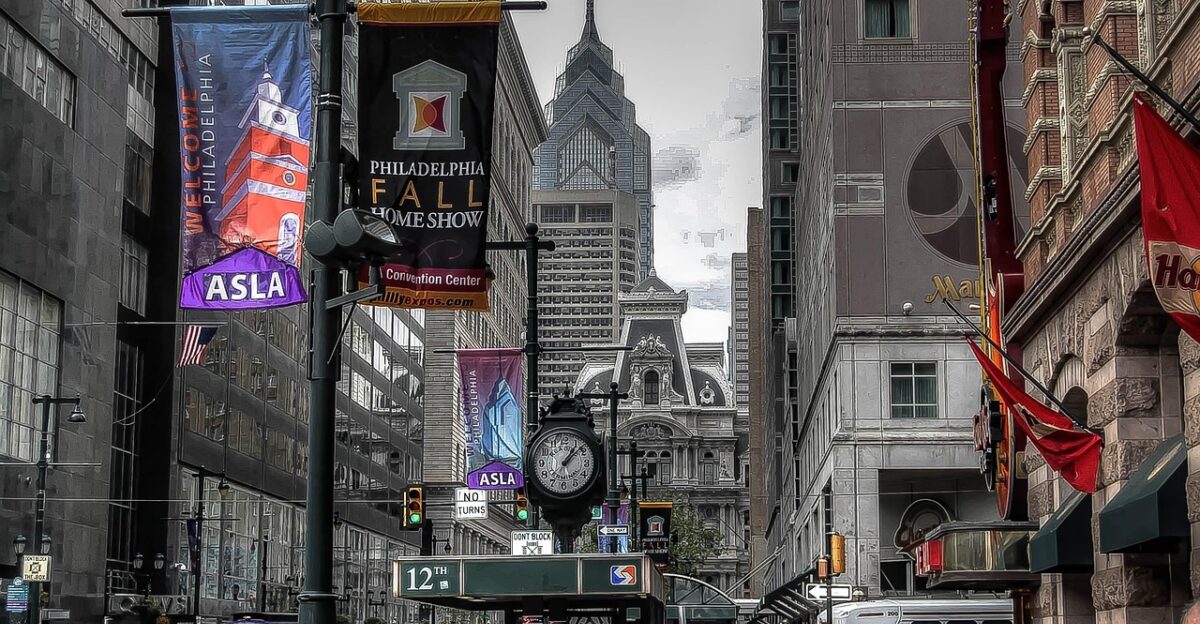
Philadelphia has more traffic deaths than similar big cities like New York, Boston, Chicago, and Los Angeles. The death rate spiked in 2020 and stayed high, with 120 deaths in 2024.
Traffic increased 21% recently, making Philadelphia the third most congested city after Chicago and New York. SEPTA bus and train cuts will force hundreds of thousands more cars onto roads. Poor and minority neighborhoods see the most traffic deaths, showing unfair infrastructure planning.
Poverty and Housing Affordability Challenges
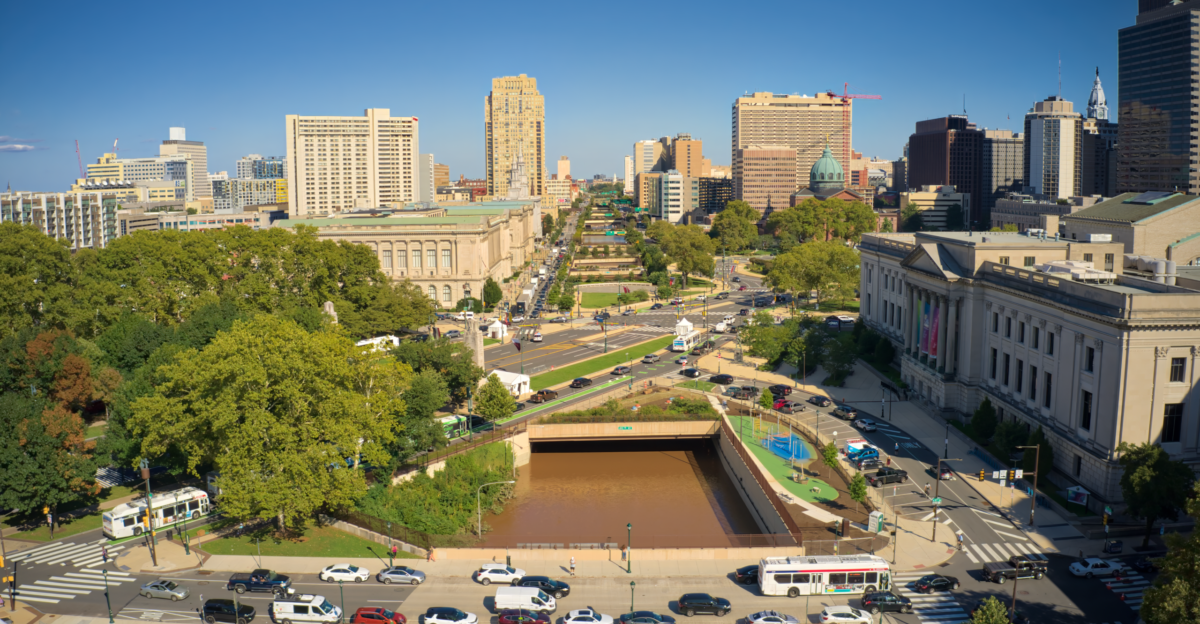
Over half of Philadelphia residents spend more than they can afford on housing. Homelessness increased 10% in 2024, making housing a major problem. Philadelphia has a serious poverty problem, like other old industrial cities, with limited opportunities for good jobs.
Poverty rates dropped slightly, and some aspects improved, but housing remains unaffordable. This pushes vulnerable people toward homelessness. Traffic jams, transit cuts, expensive housing, and poverty make daily life exhausting for Philadelphia residents.
9. Boston
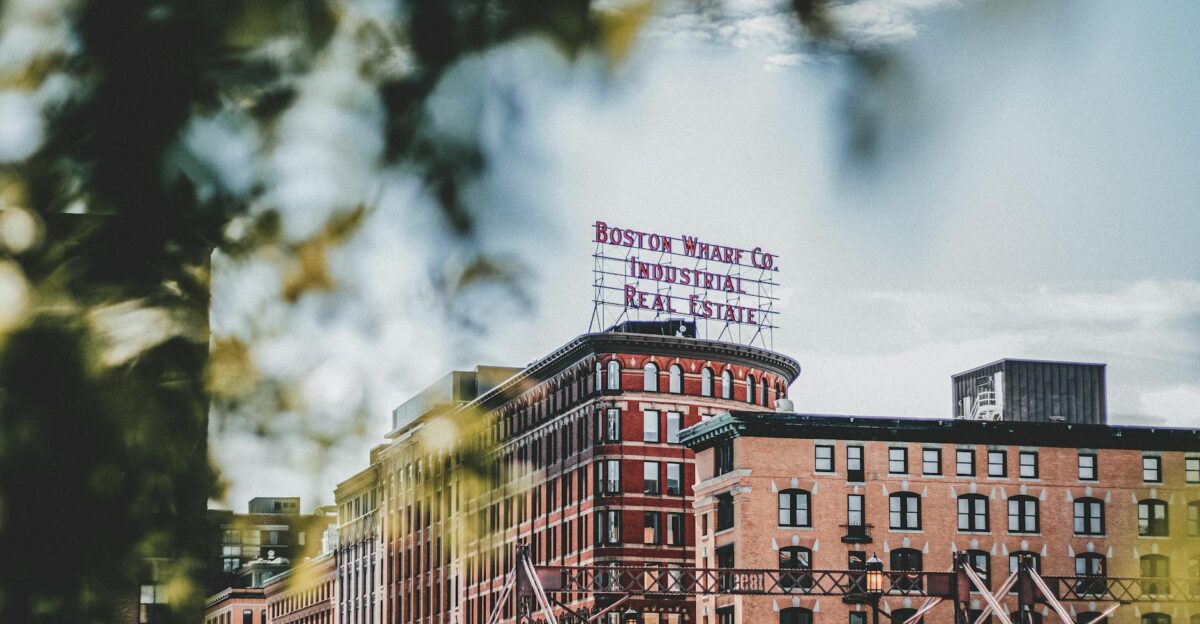
Boston lacks housing not due to space limits, but rather from strict zoning laws that ban apartment buildings. Median rent exceeds $3,000 monthly—50% higher than America’s average. Median homes cost near $750,000. The number of middle-income families decreased by 15,000 between 1990 and 2018.
Housing now costs over $3,000 monthly. Construction costs rank among the highest in America due to worker shortages and union wages. Between 2010 and 2023, jobs grew by 22%, but housing only by 4%.
Exclusionary Zoning and Transit Limitations
Boston’s cost of living ranks among the highest in America for housing, healthcare, and energy. Zoning laws—especially in white, wealthy neighborhoods—keep poor and minority people out while limiting housing near jobs. Limited dense building increases road traffic and housing costs.
Many Boston neighborhoods resist new housing. Young workers and middle-class families find Boston unlivable, despite its good jobs and culture, due to high costs and a scarcity of apartments.
The High Price of Urban Living
These nine cities exemplify national trends: housing costs outpacing income growth, infrastructure lagging behind population growth, climate change creating new risks, and inequality disproportionately affecting vulnerable populations.
Daily life exhausts residents not from one problem, but from many together—expensive rent, traffic, safety fears in poor areas, while rich areas receive investment, and flood insurance costs that match mortgage payments. Urban opportunities come at a high price in terms of money, time, and stress.
City decisions on housing, roads, and climate will determine whether they become livable or continue to wear residents down.
Sources:
CNBC, U.S. drivers lost 49 hours—more than a full work week—to congestion, December 8, 2025
Vice, The 5 Most Stressed Out Cities in America in 2025, July 29, 2025
Forbes, Here’s Where Drivers Experience The Most Traffic Congestion Data Shows, December 2, 2025
Study Corgi, High Crime Rates in Detroit and Their Causes, December 28, 2023
Bipartisan Policy, A Snapshot of Housing Supply and Affordability Challenges Boston, January 8, 2023
The Conversation, Flood-prone Houston faces hard choices for handling too much water, April 9, 2025