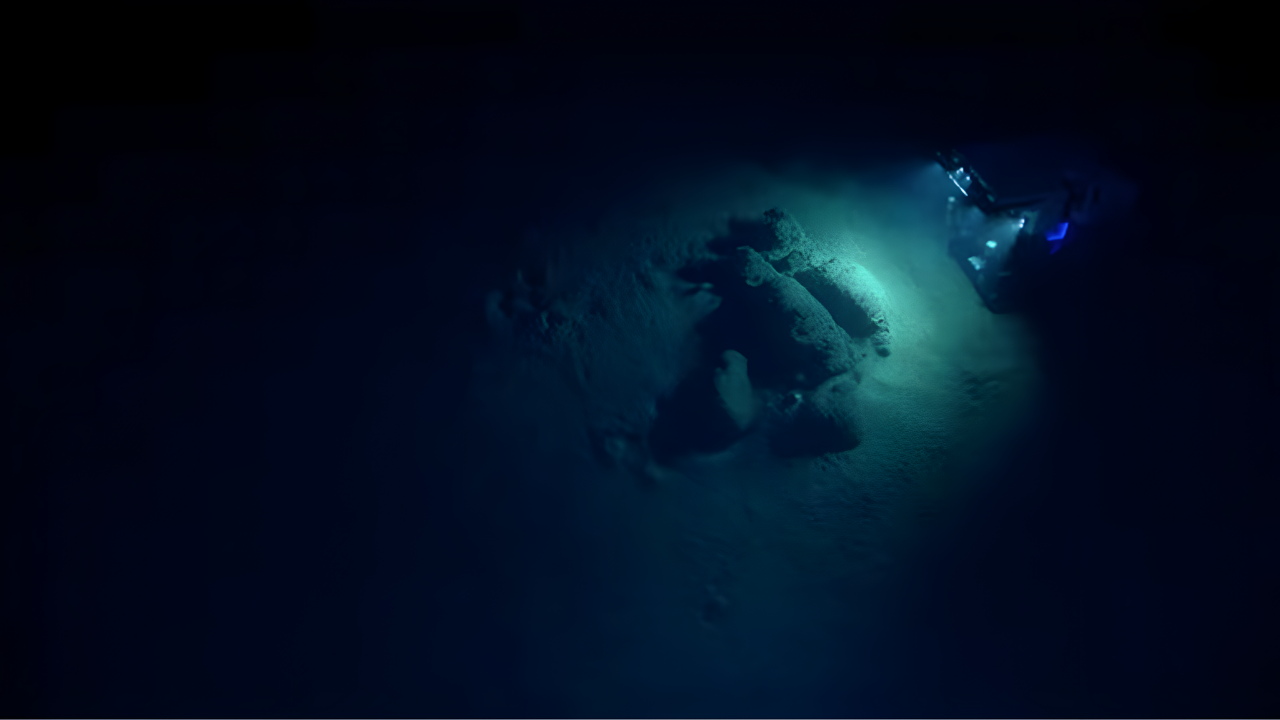
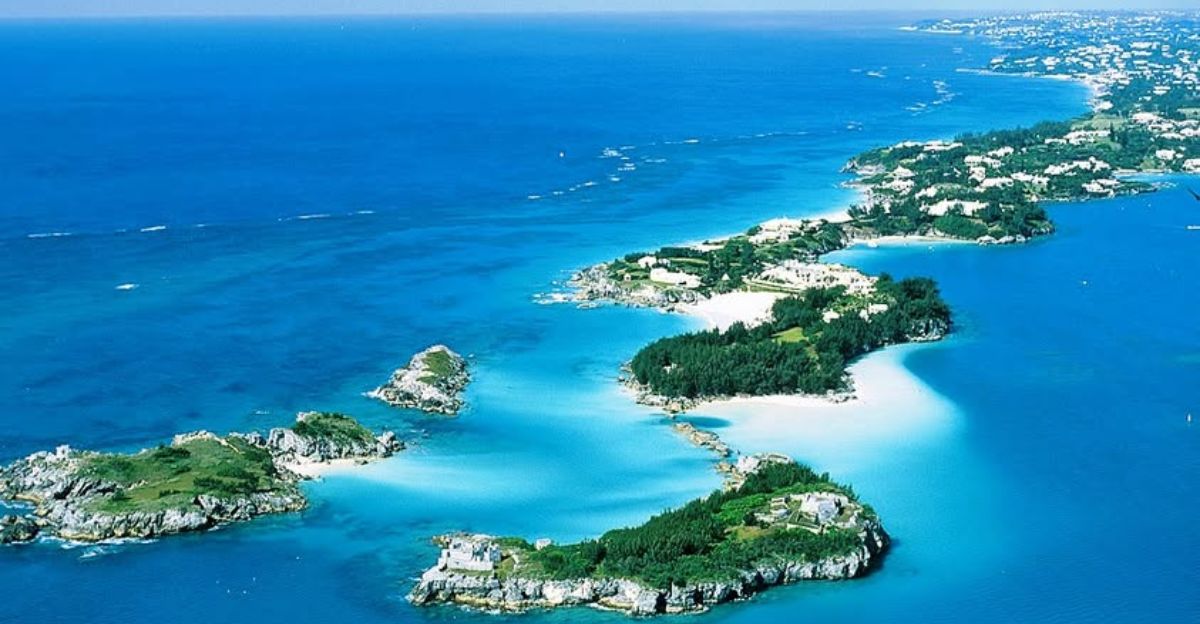
Seismologists just uncovered a mind-blowing secret under Bermuda’s sunny shores: a massive 12-mile-thick layer of rock that’s like nothing else on Earth. This discovery, detailed in the December 2024 issue of Geophysical Research Letters, came from studying seismic waves from huge earthquakes around the world, captured at a station on the island. Sitting about 31 miles below the surface, between the ocean crust and upper mantle, this odd structure breaks all the rules we know for islands far from tectonic hotspots.
What sets it apart? It’s less dense than the rock above and below it, acting like a floating raft that lifts the ocean floor by more than 1,600 feet. That’s why Bermuda stays above water, even though its volcanoes stopped erupting 30 million years ago.
Why This Rock Layer Is a Total Game-Changer
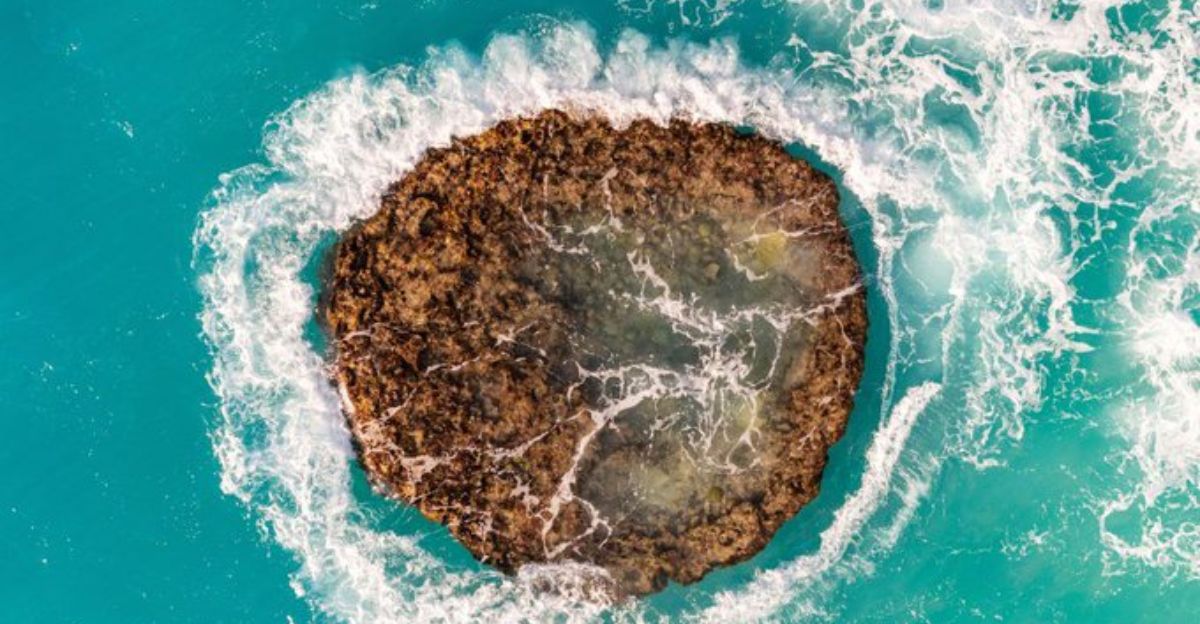
This slab of rock that’s over 12 miles thick, is hiding under Bermuda, and is thicker than anything spotted under similar islands worldwide. Researchers call it unprecedented, with no matches in global records. Stacking it up would be like piling more than 60 Empire State Buildings straight down into the Earth. Seismic waves from earthquakes zipped through it differently, proving its unique makeup and sharp edges.
This giant layer challenges old ideas that assumed steady rock density in quiet tectonic zones. Bermuda’s version is an outlier, far beefier than normal crustal tweaks.
Bermuda’s Spot in the Ocean Puzzle
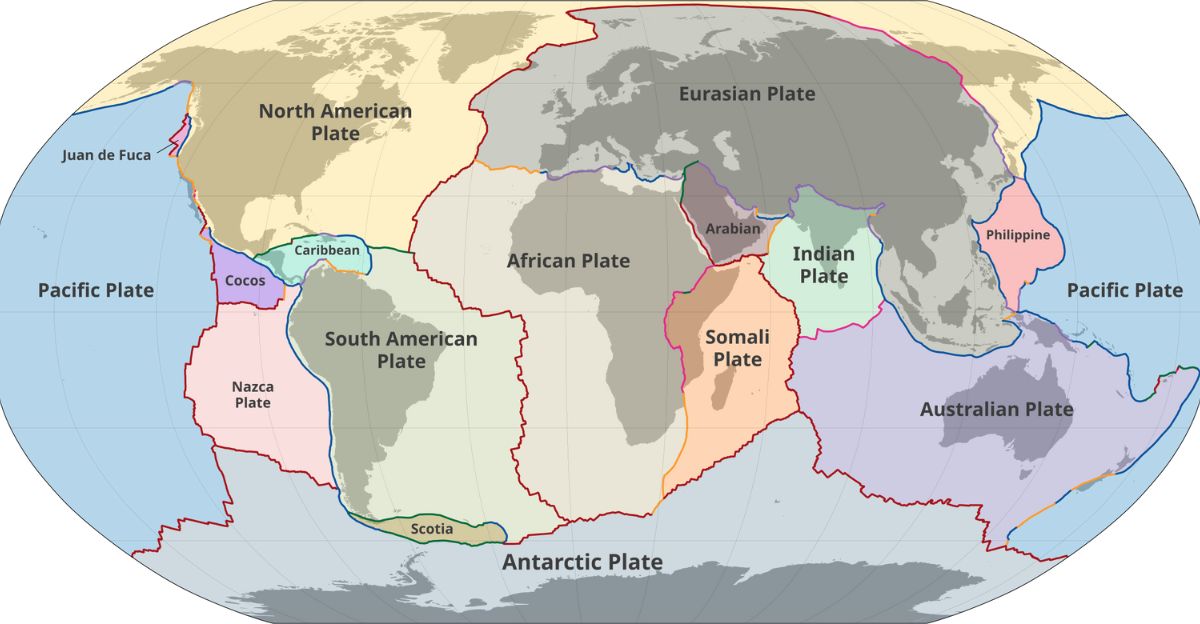
Bermuda chills right in the heart of the North American tectonic plate, nowhere near the edgy boundaries where volcanoes and quakes usually rage. Unlike Hawaii’s fiery chain, its peaks went quiet 30 million years back, leaving experts scratching their heads about why it hasn’t sunk.
That depth shows how even remote ocean spots guard massive surprises. Without plate crashes or rifts, Bermuda leaned on this floaty feature to stay high and dry as nearby seafloor dropped.
Earthquake Waves Unmask the Hidden Layer
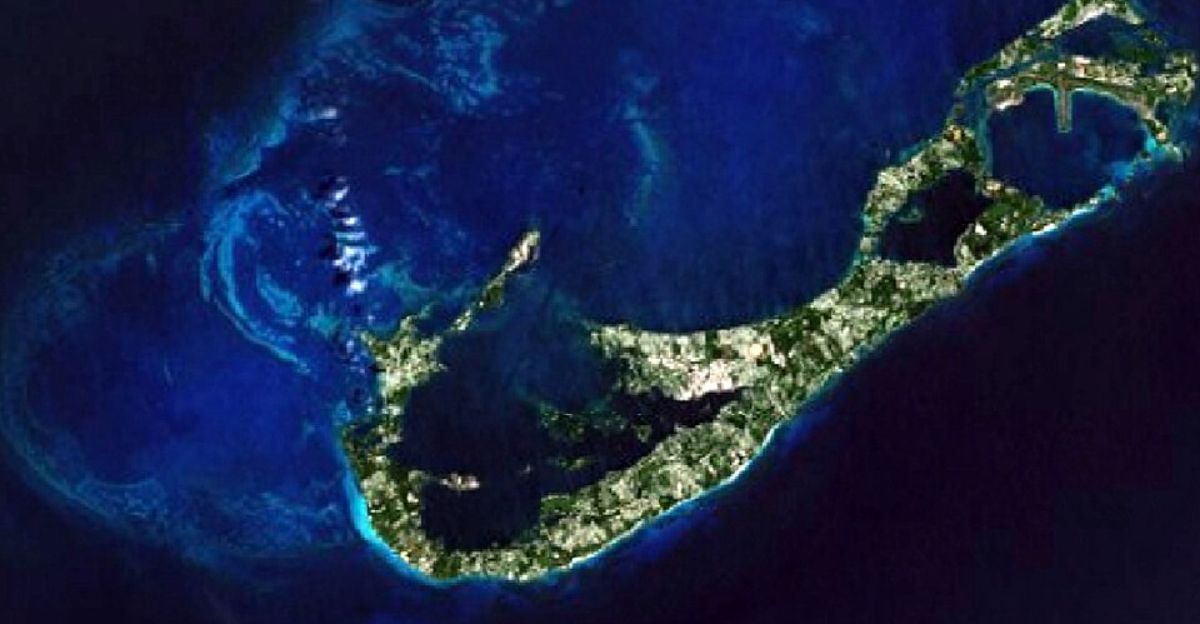
Scientists used Bermuda’s single seismic station to snag waves from far-off mega-quakes that dove deep into Earth. Those signals hit the strange layer and suddenly slowed or sped up, revealing a zone lighter than its surroundings. This clever, no-drill method peered 31 miles down, spotting details surface scans missed for decades.
Drilling or sonar couldn’t catch this subtle shift, but quake data nailed it with pinpoint accuracy. The win shows how worldwide seismic networks can expose buried giants under tourist hotspots. Now, experts eye using it on other mid-ocean islands, promising a wave of fresh discoveries.
A Rock That’s Lighter Than Everything Around It
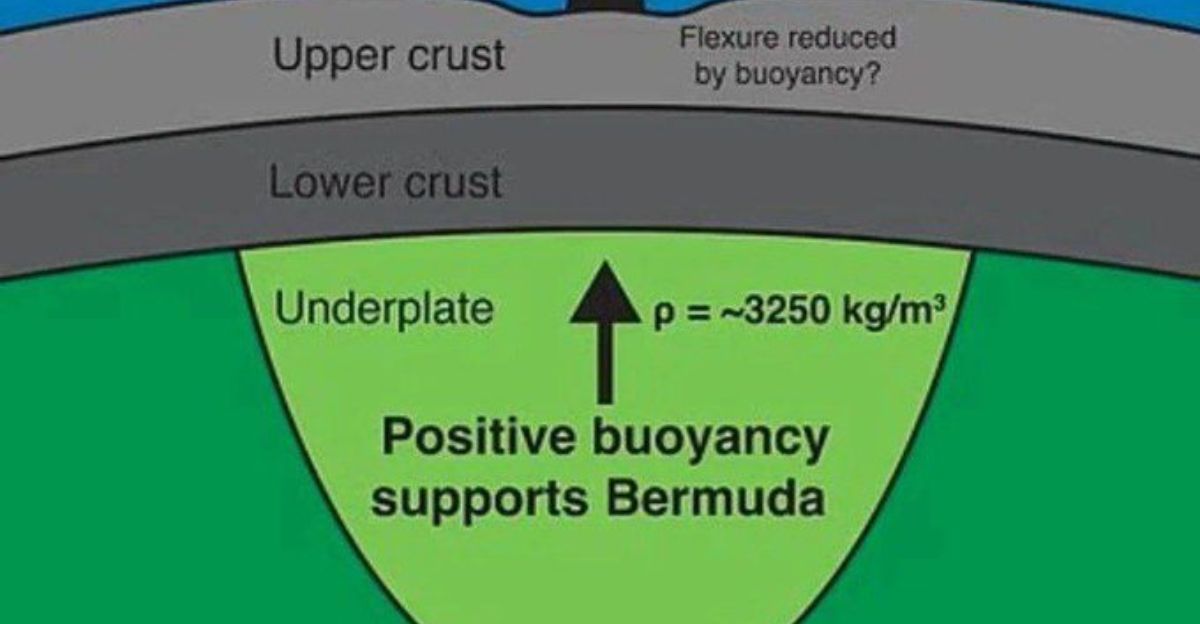
This raft setup, 12 miles thick, pushes back against the dense stuff squeezing it, a combo never logged in seismic records worldwide. It keeps Bermuda elevated, steady as a rock, literally, for millions of years.
Such a density flip bucks the rules where heavy stuff sinks in Earth’s layers. Stable over 30 million years, it might be a frozen relic dodging the mantle’s churn. Geophysicists wonder if these oddballs hide under other old islands.
How Bermuda Stayed Afloat When Others Sank
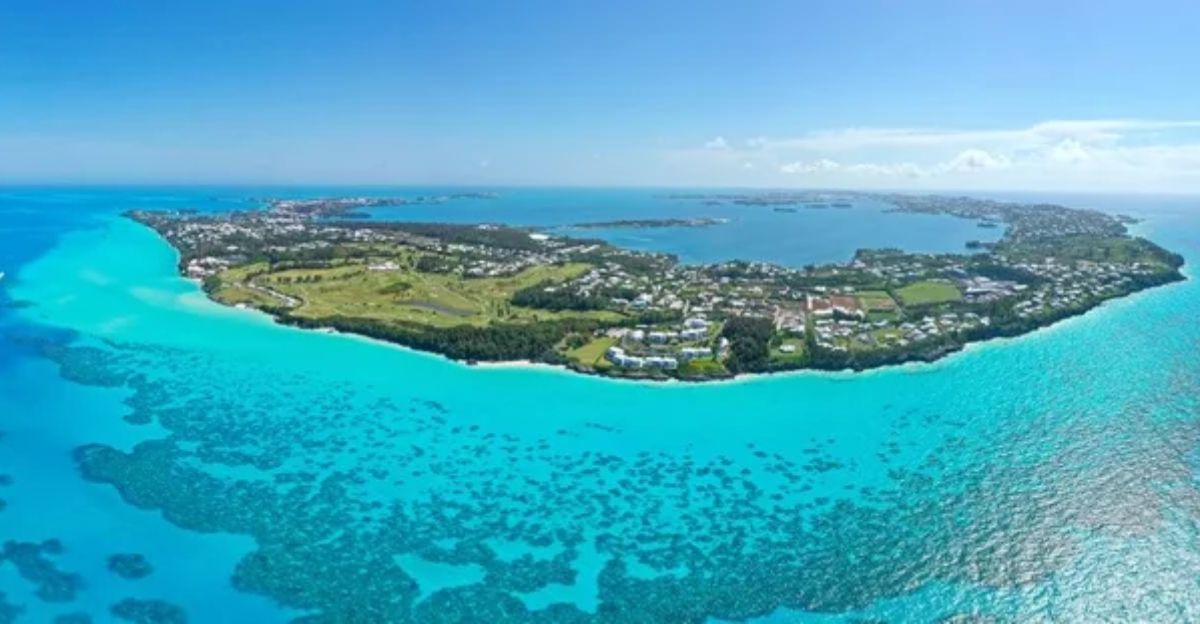
Most volcanic islands droop and sink after their magma taps run dry, turning into lagoon-ringed atolls across the Pacific. Bermuda said no thanks and its raft kicked in, holding the ocean floor 1,600 feet higher and dodging that fate for 30 million years. No fresh lava needed; this ancient boost did the trick.
That staying power shields 64,000 locals from watery doom, unlike sunken rivals. The layer solves a puzzle stretching back to the Eocene epoch, showing mid-plate spots can thrive on old-school rock injections, not live fire.
The Massive 1,600-Foot Lift Underfoot
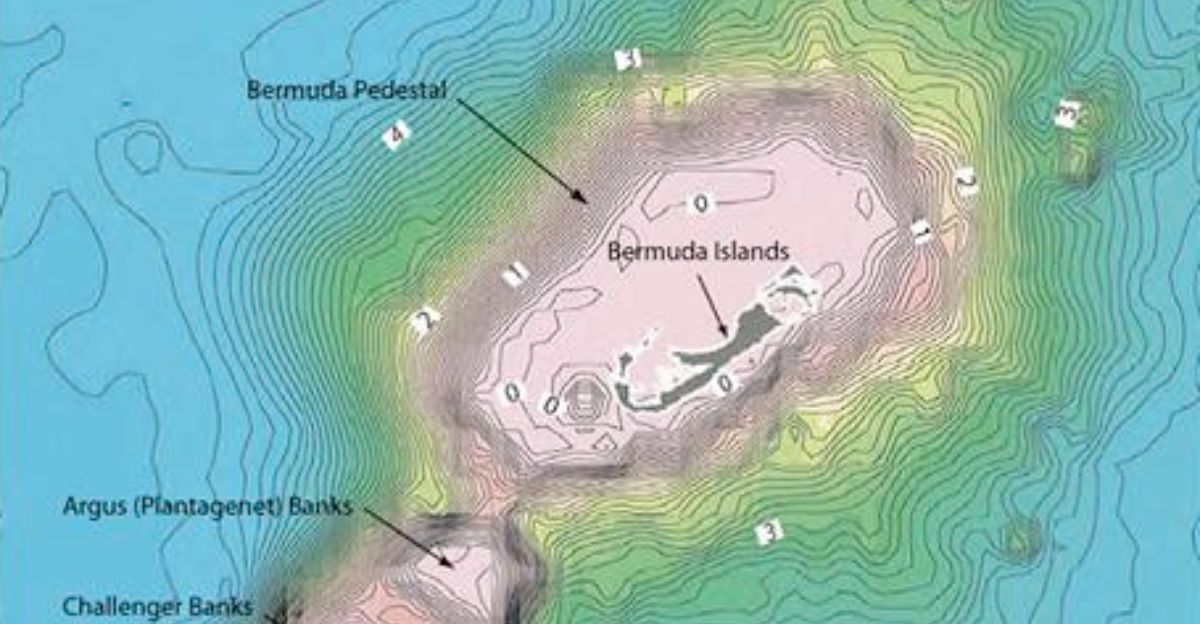
This anomaly jacked Bermuda’s seafloor up over 1,600 feet, like propping it on a skyscraper 150 stories tall. Without that pedestal, pink beaches and turquoise seas would vanish under waves, just like other dead volcanoes. Seismic maps tied the rise straight to the plume’s lift.
For islanders, it’s a timeless perk keeping land livable sans upkeep. This quirk proves underground oddities shape what we see, and live on, above.
30 Million Years Without a Single Eruption
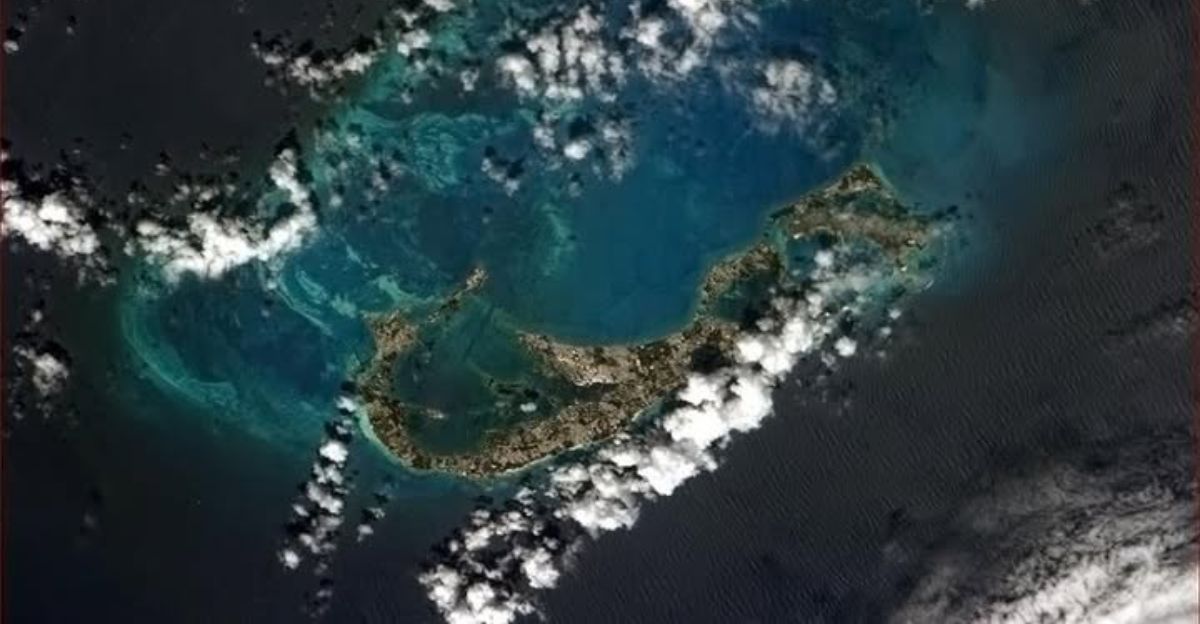
Bermuda’s volcanoes last blew 30 million years ago, dead long before people arrived. Yet the island blooms, thanks to its raft, not new magma flows.
This marathon quiet sets it apart from active chains, making it a survival superstar. Normal sinking should have swallowed it eons ago, but the thick layer stepped up around the Eocene.
How a Mantle Injection Built the Raft
Experts think mantle rock surged into the crust during Bermuda’s last hurrah 30 million years back, cooled fast, and turned into a lighter raft. That locked in the float, halting the usual slump.
It’s like a huge, frozen lava intrusion, but sneaky and massive. Unlike live plumes, this one’s static, a one-off with epic payoff.
Nowhere Else on Earth Has One Like This
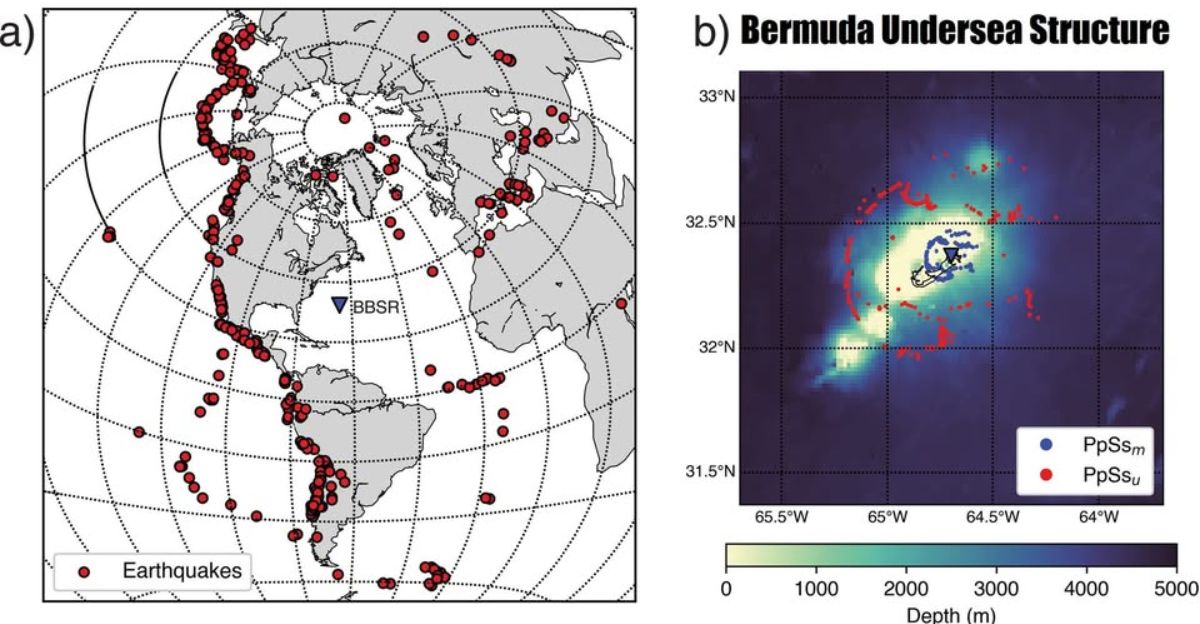
No mid-plate island matches Bermuda’s 12-mile-thick, low-density profile and global quake data confirms it. From Pacific seamounts to Indian Ocean relics, zilch. This lone wolf upends cookie-cutter views of ocean geology.
Overhauling How We Teach Island Survival
Bermuda’s recent geological breakthrough demands a fresh look at how we teach volcanic island survival in textbooks and classrooms. Traditional models insist these mid-plate landmasses sink rapidly once eruptions stop, relying on active magma plumes like Hawaii’s for elevation.
The 12-mile-thick, low-density “raft” under Bermuda proves otherwise, sustaining the island for 30 million years without fresh volcanism. This forces educators to integrate fossilized buoyancy mechanisms into geophysics curricula, moving beyond simplistic subsidence narratives.
Bermuda Triangle Gets a Sci-Fi Underground Boost
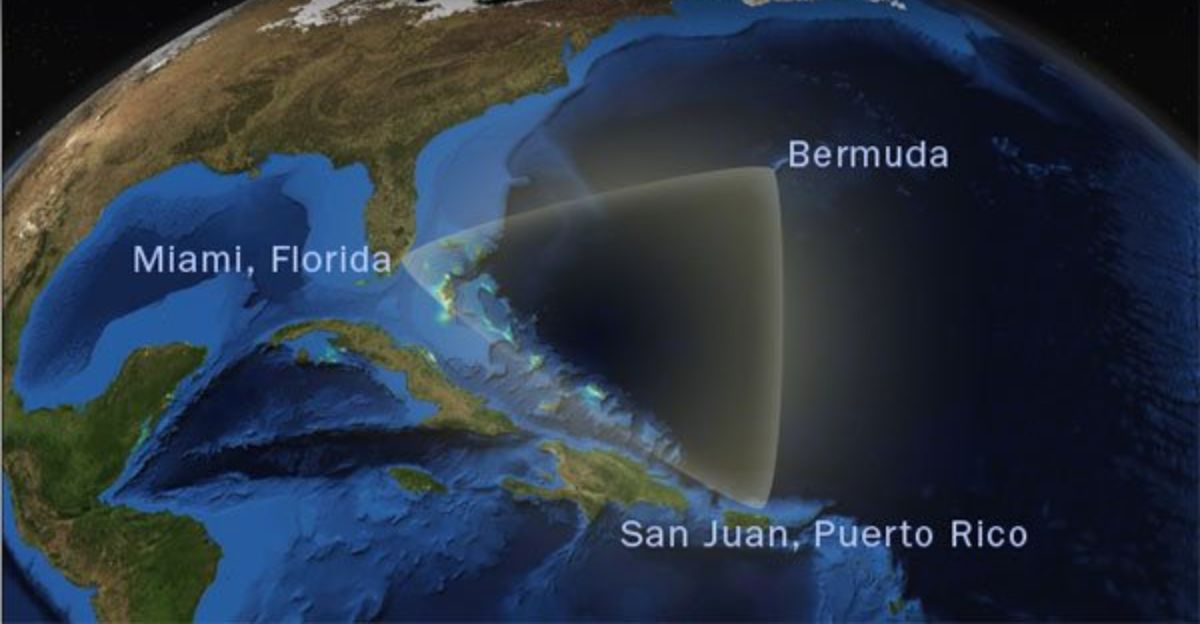
Bermuda’s infamous Triangle just got a geological plot twist straight out of science fiction. The legendary zone, roughly bounded by Miami, Bermuda, and Puerto Rico, has long fueled tales of vanishing ships and planes, with over 50 incidents logged since the 1800s.
Now, the 2024 discovery of a 12-mile-thick, low-density rock raft lurking 31 miles beneath Bermuda adds a buried blockbuster to the lore. This buoyant anomaly, propping up the island for 30 million years, sits smack at the Triangle’s northeastern tip, sparking fresh speculation about hidden forces at play.
What Secrets Lurk Under Other Ocean Islands?
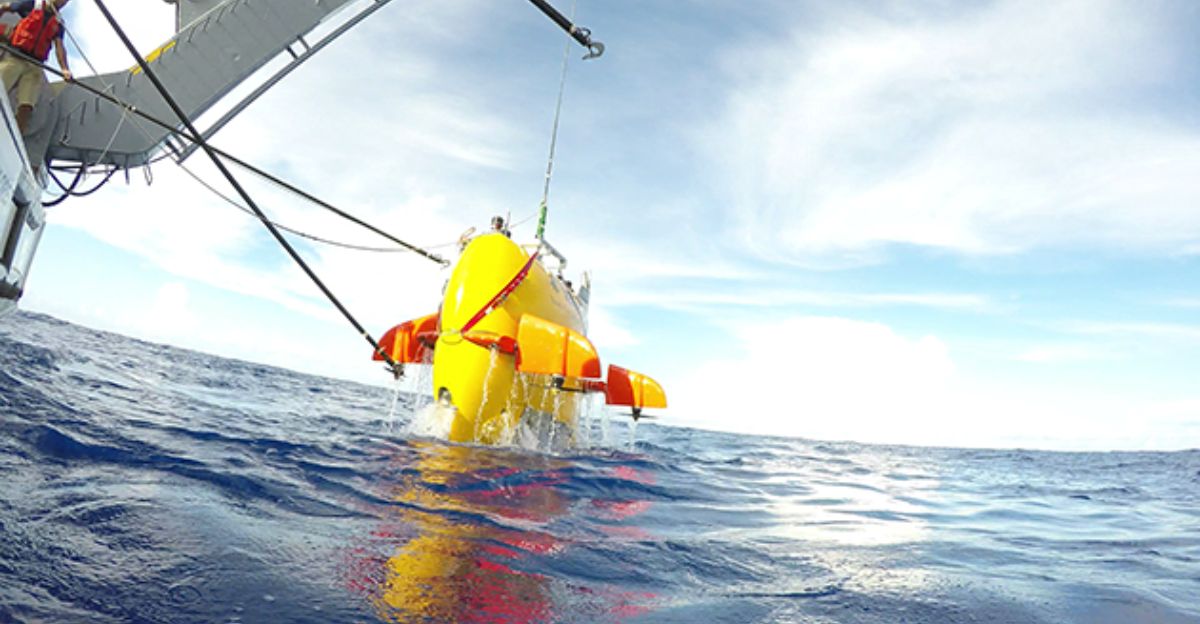
Bermuda’s hidden 12-mile-thick rock raft has scientists buzzing about what else lurks under the world’s ocean islands. Even well-studied spots like this one evaded detection for decades, sparking urgent calls for seismic scans across remote atolls and volcanic peaks. Oceans cover 70% of Earth, yet their subsurface remains largely unmapped, potentially hiding a network of buoyant anomalies that explain why some islands defy sinking.
Experts point to places like the Azores, Canary Islands, and Pacific guyots which are all flat-topped seamounts that puzzled geologists for years, as prime suspects. These mid-plate features, far from active tectonics, might harbor similar low-density layers from ancient mantle injections, frozen in time like Bermuda’s.
Will the Raft Ever Give Way?
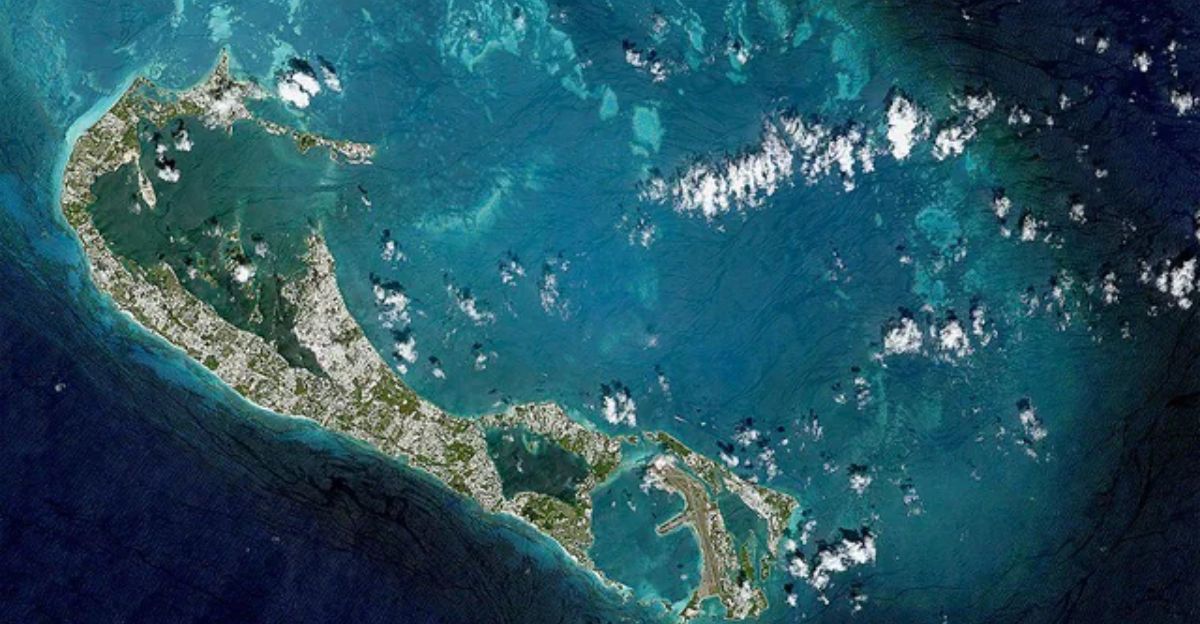
The 12-mile-thick low-density layer has held Bermuda’s seafloor elevated by over 1,600 feet for 30 million years, showing no signs of imminent failure. Its buoyant nature relies on isostatic balance rather than ongoing heat from deep plumes.
On human timescales, this structure remains stable, with normal regional heat flow and no active tectonics to disrupt it. For the island’s 64,000 residents, this means no geological collapse looms in the foreseeable future.
Sources:
Geophysical Research Letters, Thick Underplating and Buoyancy of the Bermuda Swell – 2025, 2025-12.
Times of India, 20-km-thick rock layer found beneath the surface, 2025-12-14.
Phys.org, Massive rock layer beneath Bermuda may explain island’s elevation, 2025-12-15.
Yahoo News, 12-mile structure never seen before found underneath Bermuda, 2025-12-15.
Discover Magazine, A Hidden Rock Layer Beneath Bermuda Explains Mysterious Swell, 2025-12-14.
ABC News, Why does Bermuda appear to float? Scientists’ discovery may have answer, 2025-12-15.