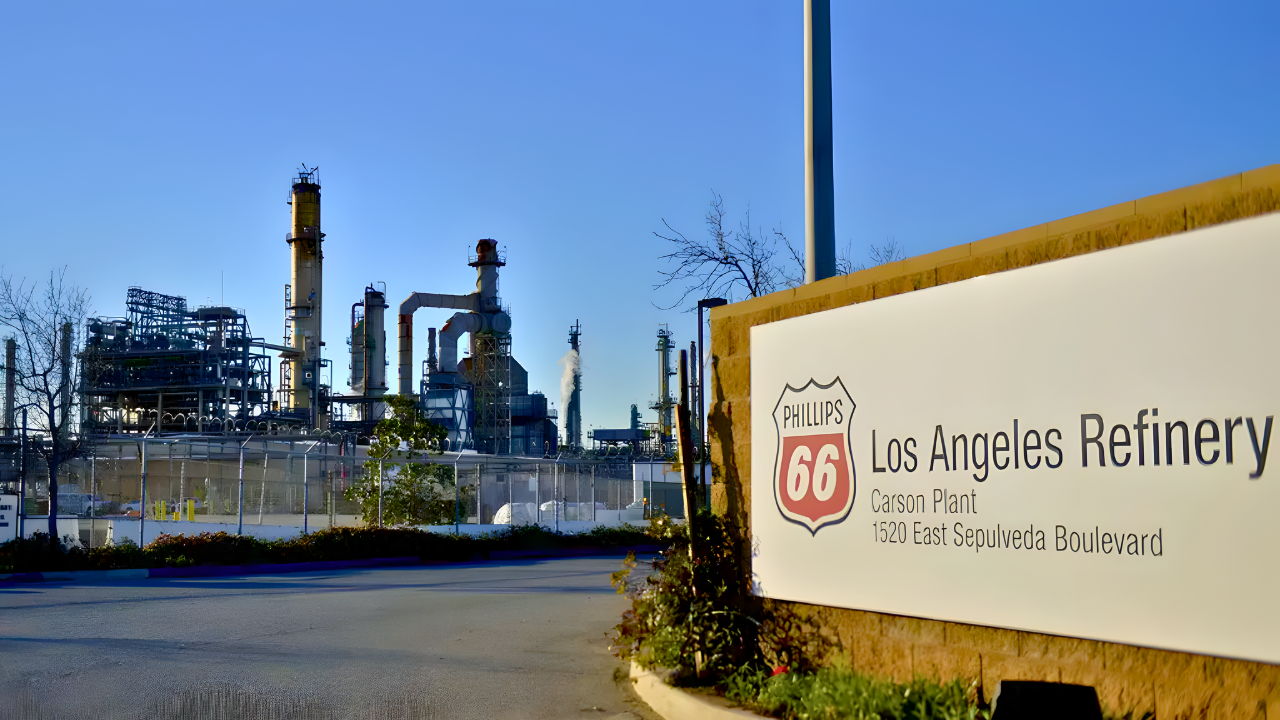
California’s oil refineries are closing fast. The state now runs 14 refineries producing 1.6 million barrels daily—down from 42 refineries in 1984.
Demand stands at around 1.4 million barrels per day. That leaves only a 16 percent safety margin. One major closure will wipe out that buffer entirely.
This threatens fuel availability and prices for 28 million Californians. Energy experts warn the state faces a dangerous supply shortage.
The Announcement That Rippled West
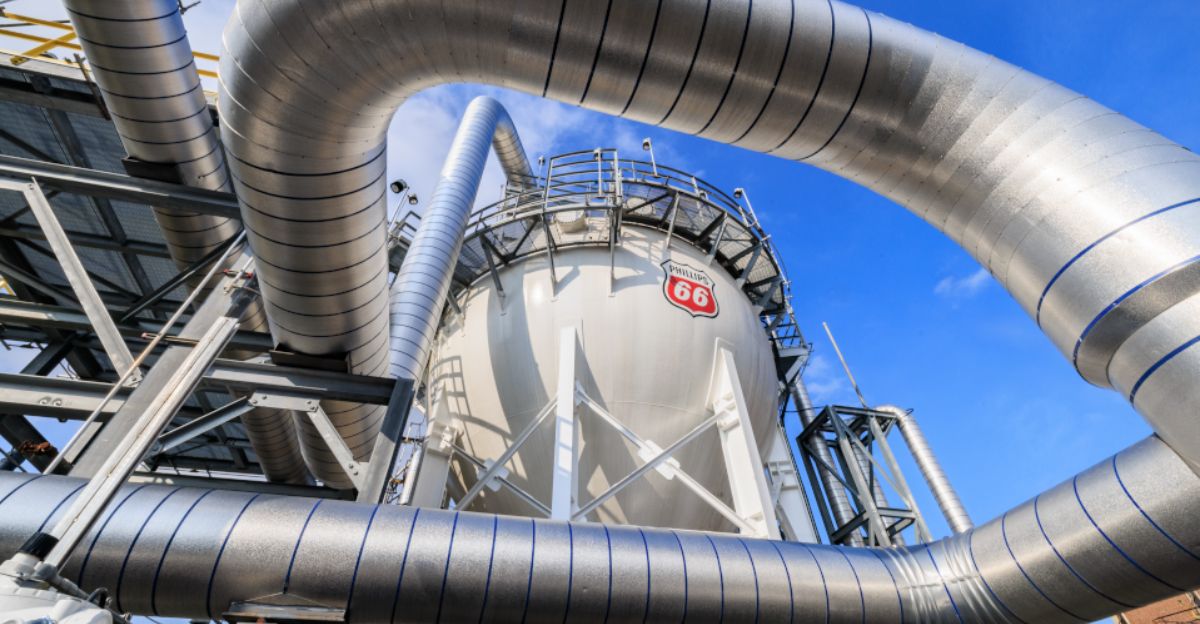
Phillips 66 announced in October 2024 that it would shut its Wilmington refinery by December 2025. Governor Gavin Newsom signed AB 1X2 into law at the same time.
This gave California’s Energy Commission emergency power to control fuel storage, maintenance, and refinery operations.
Officials underestimated how fast oil companies would leave California. The news shocked markets already worried about fuel shortages and price spikes.
A Decades-Long Decommissioning
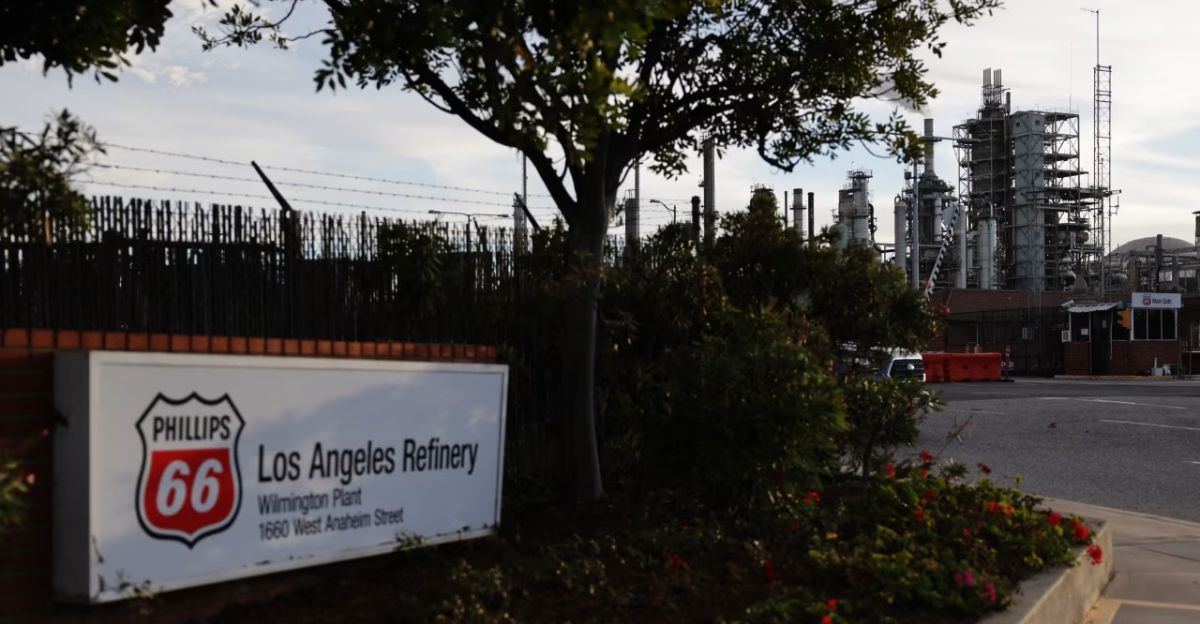
The Wilmington refinery created one of California’s worst pollution problems. Since 1994, the Los Angeles Regional Water Quality Control Board has managed cleanup at this 444-acre site.
The refinery sat above massive pools of oil hydrocarbons directly on the water table. The largest pool stretched 6 million square inches thick and reached a depth of 13 feet.
Since the 1980s, crews have removed 800,000 gallons of oil products and 17 million gallons of polluted water.
The Mounting Crisis: Dual Closures Loom
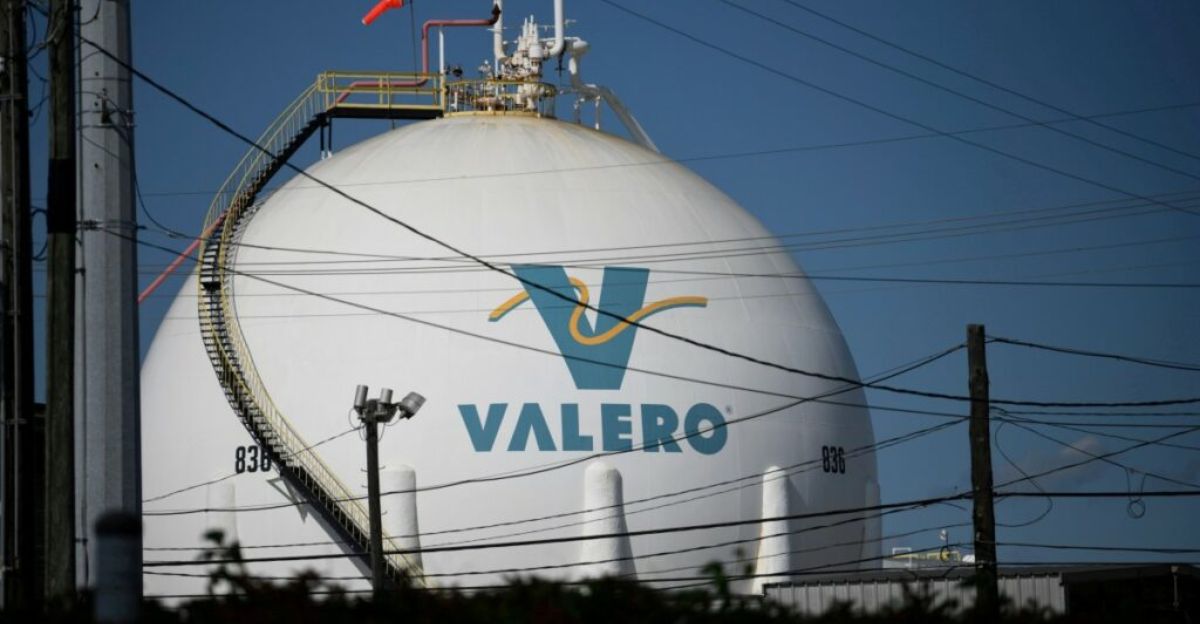
Phillips 66’s closure isn’t happening alone. Valero Energy plans to close its Benicia refinery by April 2026.
Together, these two refineries handle 284,000 barrels daily—about 17 percent of California’s total refining power.
UC Davis economists predict that California gas prices will increase by $1.21 per gallon by August 2026. Without new oil sources or strong policy action, the state could face severe fuel shortages.
Understanding the Numbers
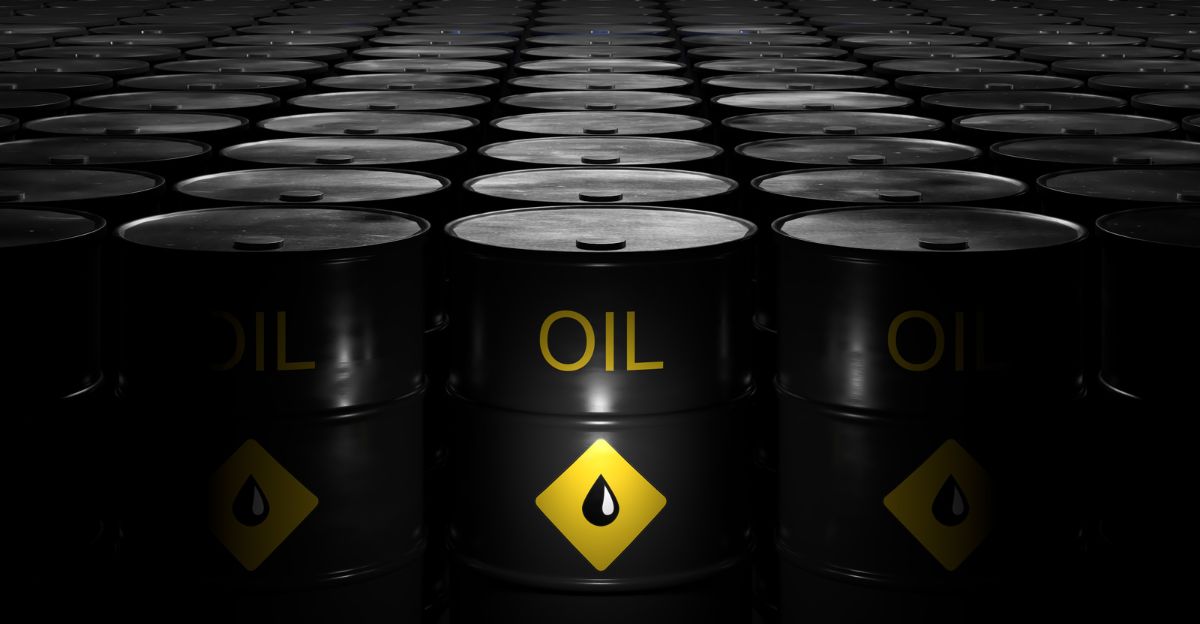
Phillips 66’s Wilmington refinery processes 139,000 barrels of oil daily. California’s total refining capacity is approximately 1.6 million barrels per day.
This means Phillips 66 represents 8.7% of the state’s refining power. Combined with Valero’s closure, the two facilities total 17 percent of California’s capacity.
Multiple news outlets confused these numbers. Understanding the actual figures is crucial for accurate policy discussions about California’s fuel future.
Wilmington’s Toxic Inheritance
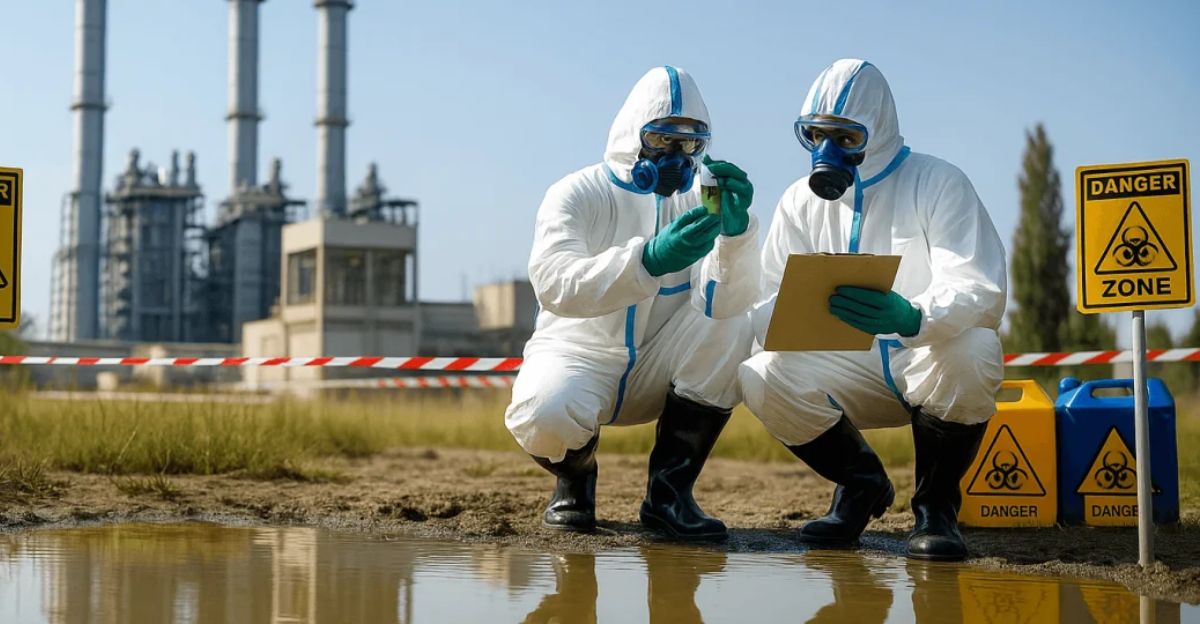
Dangerous chemicals contaminate the Wilmington site. The groundwater contains benzene, a known cancer-causing chemical. It also has TBA, PFAS from old firefighting foam, and other harmful substances.
Some pollution has spread into drinking water aquifers. Since 2023, scientists have found high TBA levels in wells located half a mile away from homes.
Phillips 66 denies responsibility, but regulators and residents believe the contamination came from the refinery.
Community at Risk
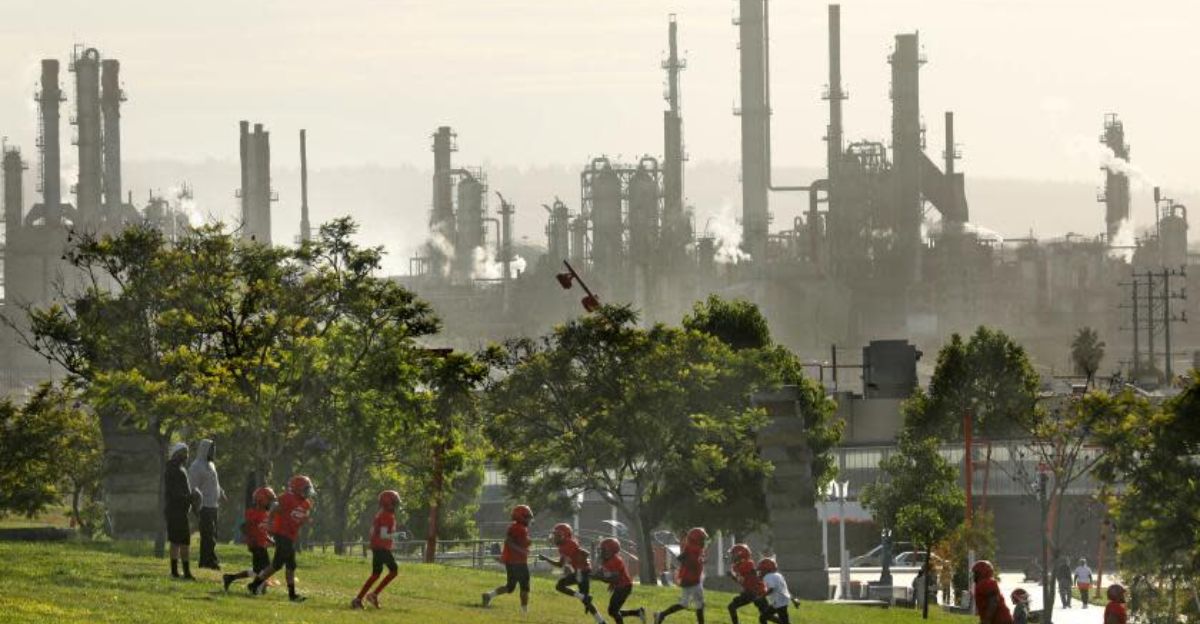
Morgan Gonzalez from Communities for a Better Environment said, “I don’t want to understate the impact this closure will have on our health. It’s a big change for the community.”
Residents face an uncertain cleanup timeline. No guarantee exists that Phillips 66 will cover the full cost of cleanup.
Environmental consultant Ann Alexander found that new development plans are moving forward without clear answers about who pays.
The Regulatory Vacuum

California requires nuclear plants, oil wells, and wind farms to plan decommissioning and set aside money for cleanup. Petroleum refineries face no such requirement.
Ann Alexander’s December 2025 report identifies this as a critical failure. Refineries can close and abandon contaminated sites without prepaying cleanup costs.
The Los Angeles Water Board stated that it “did not have an estimate of the cost of full remediation or the timeline.”
The Disclosed vs. Undisclosed Cost Chasm
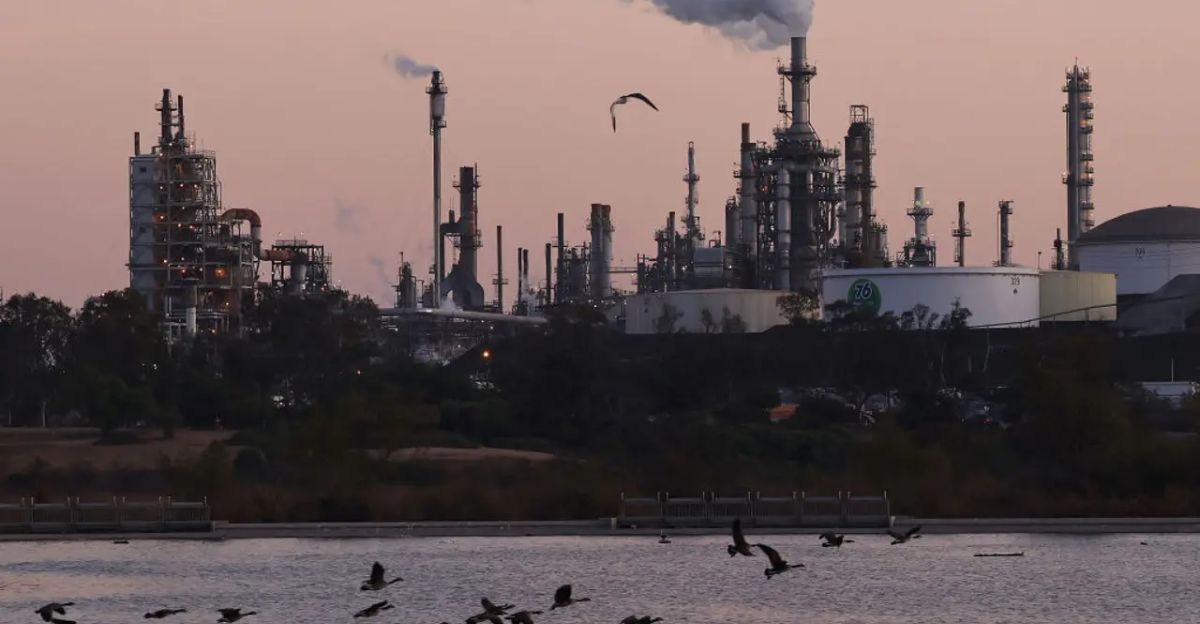
Phillips 66’s SEC filings reveal $205 million to $ 231 million in closure costs. This covers only the removal of infrastructure and the cleanup of asbestos.
The company did not disclose costs for soil and groundwater cleanup, the largest expense.
The Los Angeles water board has no cost estimate for completing the job. Industry experts say the undisclosed figure could exceed $500 million. Some estimates suggest $1-2 billion, but no official source confirms this.
Financial Assurance Absent

California law requires refineries to set aside money before closing. This would ensure that cleanup funds are available after the company leaves.
Phillips 66 does not face this requirement. If the company becomes insolvent, communities could be left with a multibillion-dollar contamination site with no recovery mechanism.
Ann Alexander recommends mandatory decommissioning plans and independent cleanup funds that refiners must prepay. Without these reforms, every future closure will create the same problem.
The Redevelopment Trap
Phillips 66 submitted a cleanup plan to the water board in September 2025. It says developers will handle shallow soil cleanup through voluntary agreements.
These agreements give developers legal protection but shift responsibility to entities with fewer resources than oil companies. If unexpected contamination appears, California’s framework doesn’t guarantee completion.
The company’s statement implies that remediation will be partial and driven by real estate profits, rather than health and safety.
State Policy Whiplash

California’s energy policy toward refineries has shifted erratically. In 2023, lawmakers passed profit-cap rules to stabilize gas prices. By 2025, Governor Newsom’s team recommended pausing these rules to prevent closures.
The state simultaneously promoted renewable energy and electric vehicles. Yet policymakers expected legacy oil refineries to remain profitable.
This contradiction made closure economically rational for Phillips 66. The company will import gasoline from its Washington refinery and profit from higher prices.
Competitors’ Strategic Silence
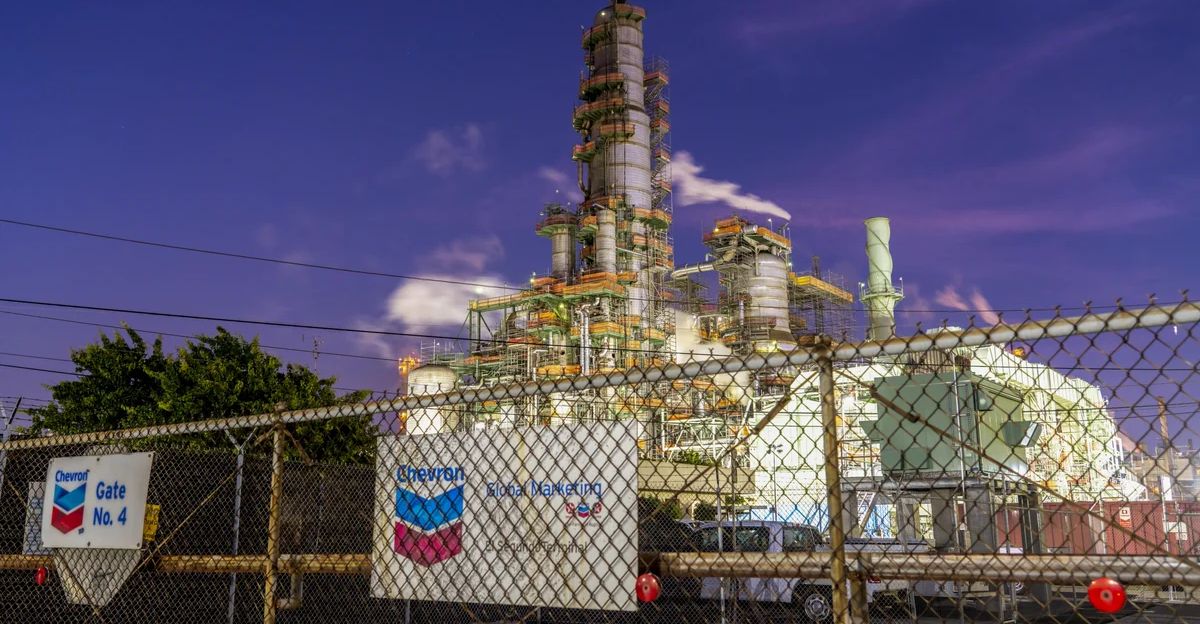
Chevron, PBF Energy, Marathon, and other California refiners watched the closure unfold without a commitment to purchase the site. Some lobby for regulatory relief. Others invest in renewable fuels.
The Wilmington location, near Los Angeles’ ports and pipelines, should make it valuable. The lack of buyer interest shows market pessimism.
Even at discounted prices, California’s regulatory burden and falling petroleum demand make refining unprofitable for competitors.
Expert Skepticism: Will Cleanup Happen?

Danny Reible, an environmental engineering professor at Texas Tech University, warns: “It is effectively impossible to remove 100 percent of such pollution.”
PFAS chemicals don’t break down naturally and “likely will have to be contained underground.” The Los Angeles water board stated that the cleanup “could take years more to complete.”
Even the most aggressive efforts can span a decade or longer. Ann Alexander emphasized: “Refinery closures are badly regulated compared to other industries.”
The Larger Question
Phillips 66 is scheduled to shut down by December 31, 2025. California faces a critical question: Who will pay for the cleanup of toxic sites as petroleum refining exits the state?
If current legal frameworks persist, future closures at Valero and PBF could create billion-dollar environmental liabilities. The Phillips 66 case highlights a gap between California’s aggressive climate policy and its lenient enforcement of remediation.
Can the state treat closure as inevitable while abandoning contaminated sites as someone else’s problem?
Sources:
- Inside Climate News, Phillips 66 is Closing its LA Refinery this Month. Neighbors Still Don’t Know if the Company Will Pay for the Cleanup, December 9, 2025
- LAist, There’s a ‘lake’ of oil under LA’s soon-to-close refinery. Who will pay to clean it up?, August 20, 2025
- S.P. Global, REFINERY NEWS: Phillips 66 said it will cease operations at Los Angeles refinery in Q4 2025, October 15, 2024
- actionnetwork.org, Lessons from the Phillips 66 Los Angeles Refinery Closure (CBE/APEN report announcement), December 2025
- UC Davis Center for Agricultural and Resource Economics, California Gas Prices Set to Soar in 2026, July 7, 2025
- Mansfield Energy, Fuel Price Volatility Grips California Thanks to Refinery Closures and Policy Uncertainty, June 30, 2025