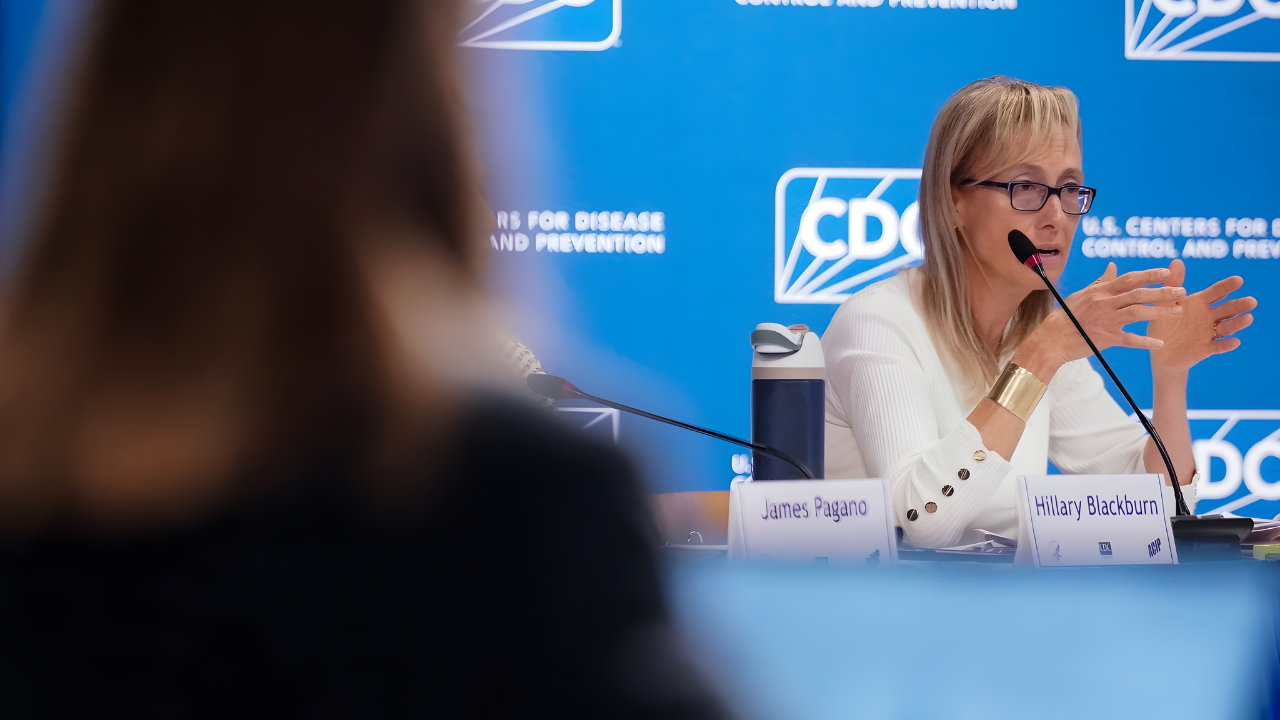
In a close vote, U.S. health experts ended a long-standing rule that gave nearly every newborn a hepatitis B vaccine right after birth. The screen showed 8-3 on December 5, 2025, marking the first major change in modern American vaccine policy after 34 years. This shift affects about 3.6 million low-risk infants each year, starting in December 2025. Parents of these babies can now choose whether to vaccinate at birth or wait. Supporters celebrate more parental control, while critics fear it endangers a proven public health win that sharply cut infections.
Historic Policy Reversal and What Changed
The Centers for Disease Control and Prevention (CDC) set the universal newborn vaccine rule in 1991. Every infant got the shot within 24 hours of birth, no matter the mother’s test results. Maternal screening often missed cases, and babies’ weak immune systems needed strong protection. This strategy worked well, backed for decades by the CDC’s Advisory Committee on Immunization Practices (ACIP). It built a solid wall against the disease, but now that foundation faces a major shake-up.
More parents questioned giving the vaccine on day one. They pointed to European countries that wait until two months for low-risk babies. No new safety problems sparked the change. Instead, shifts at the Department of Health and Human Services (HHS) under Secretary Robert F. Kennedy Jr. drove the review. Gaps remained in mother testing and risks after birth, fueling the debate.
ACIP members voted 8-3 to end the birth dose for babies of hepatitis B-negative mothers. They chose “shared clinical decision-making,” so parents decide to vaccinate right away or delay. Acting CDC Director Jim O’Neill signed off on December 16, 2025. High-risk infants—those with mothers who test positive or unknown—still get the vaccine within 12 hours, along with immune-boosting shots. Low-risk babies keep access through programs like Vaccines for Children and Medicaid.
Medical Stakes and Prevention Success
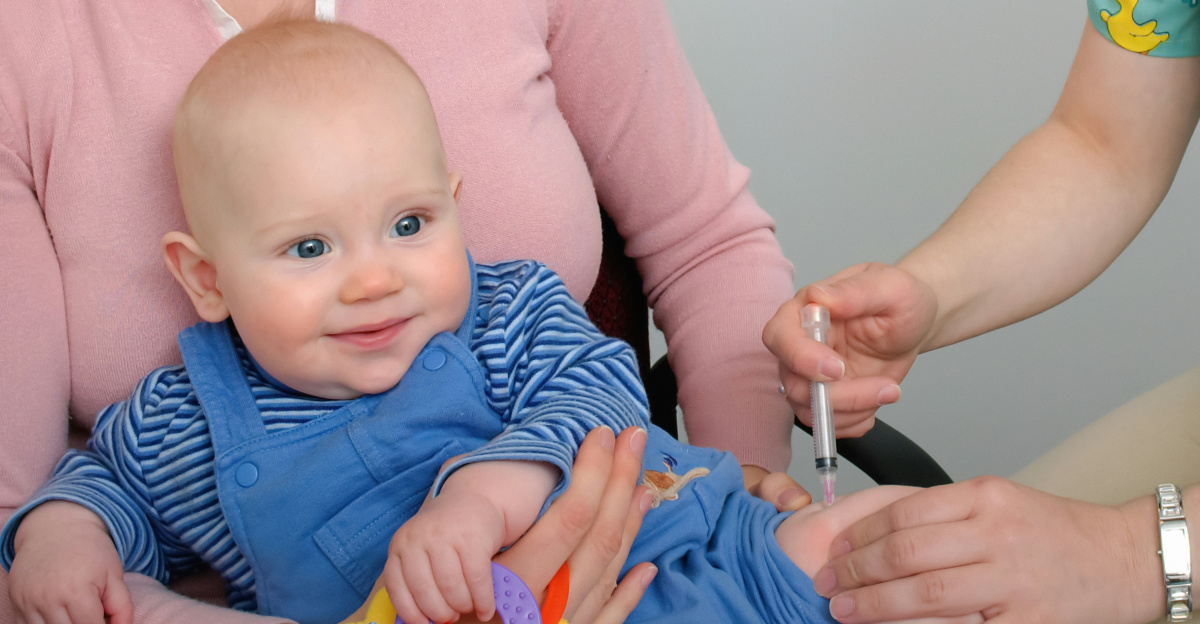
Hepatitis B brings serious dangers to newborns. If an unvaccinated baby catches the virus, 90% develop a lifelong infection, and 25% of those later die from liver failure or cancer. Before 1991, about 20,000 U.S. children got the virus each year. The birth dose vaccine dropped chronic cases in kids to just 252 by 2022. Even short delays leave infants open to hidden risks, like infections from mothers who test negative but carry the virus, or from family members and household contacts.
Since 1991, the policy cut overall infections by 93% and kids’ cases by 99%. ACIP trusts better screening to fill the gap, but opponents say success relies on keeping the routine. Pediatricians highlight hidden dangers: silent carriers, test mistakes, and the virus surviving on surfaces for up to seven days. Models predict 1,400 new chronic cases in the first year from delays, possibly leading to hundreds of liver cancers later.
Implementation, Hospital Responses, and State Pushback

Hospitals now handle the change in different ways. Officials watch to see if vaccination rates stay near the current 91.4% or fall. If parents delay, the first dose comes at the two-month checkup, opening a risky gap. Families must think about home risks, travel plans, and caregivers who might carry the virus unnoticed.
The American Academy of Pediatrics strongly opposed the move. It urges all newborns get the shot within 24 hours. Some hospitals, like Lurie Children’s in Chicago, plan to keep giving it to everyone. States such as New York and Connecticut back the pediatricians over the CDC, leading to uneven rules across the country. Doctors face tough choices between new federal advice and long-held practices.
The U.S. now looks more like Europe, where low-virus areas delay shots. But 116 World Health Organization countries require birth doses. America’s diverse immigrants from high-risk places add layers of concern. The new rules prioritize family choice over automatic protection. Legal protections under the Vaccine Injury Compensation Program remain. Doctors who stick to old ways face no extra liability, experts say.
Leadership Overhaul and the Path Forward
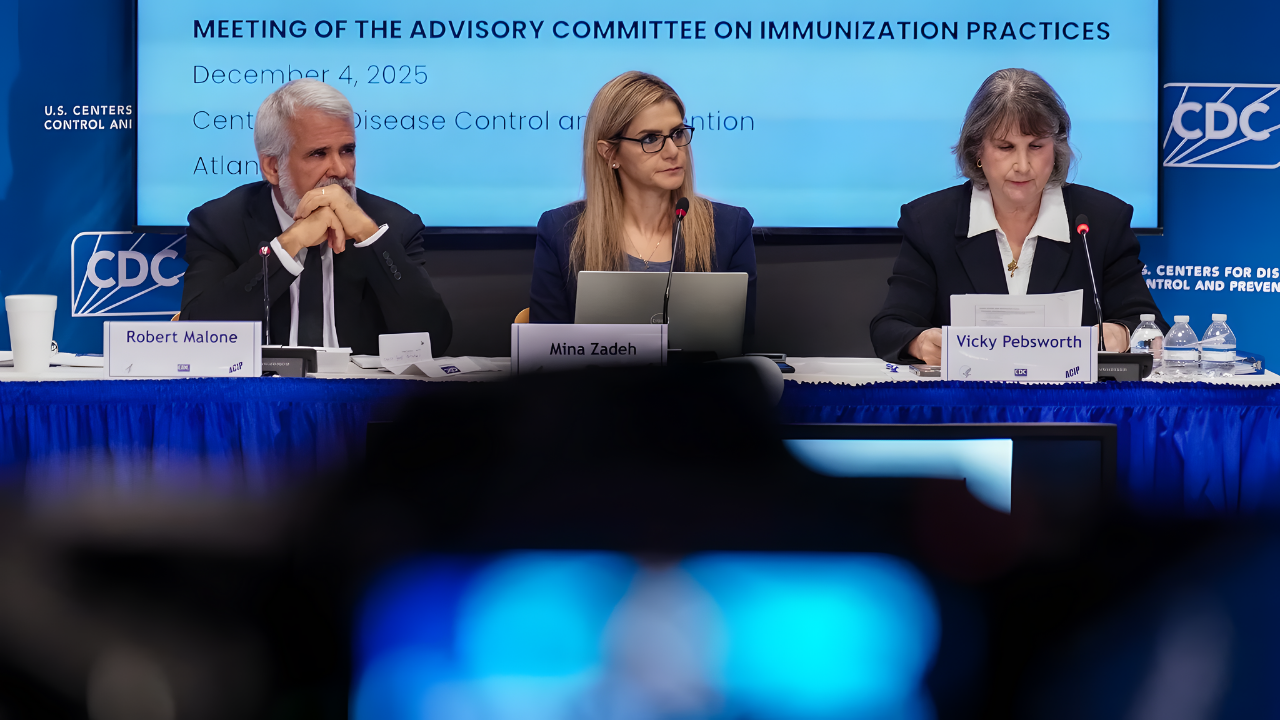
The vote came after Kennedy fired all 17 ACIP members in June 2025 and picked his own. The vaccine critic said he stayed neutral, but opponents see the hepatitis B change as the first result. Three dissenters stressed evidence and parental choice. Critics like Senator Bill Cassidy warn of health setbacks. Experts Paul Offit and Peter Hotez skipped meetings, doubting the group’s credibility. New chair Dr. Kirk Milhoan wants tests after the shot, even with weak supporting data.
Questions linger: Will rates drop below 91% in the confusion? Hospitals and states might hold the line through determination. This change tests public faith in vaccines. It weighs personal freedom against the chance of disease returning in hospital nurseries nationwide.
Sources:
Centers for Disease Control and Prevention (CDC): CDC Releases Updated Hepatitis B Immunization Recommendations (December 16, 2025)
American Academy of Pediatrics (AAP): AAP Reaffirms Recommendation for Hepatitis B Vaccine at Birth Despite New CDC Guidance (December 16, 2025)
Pharmacy Times: ACIP Votes to End Universal Hepatitis B Vaccination Recommendation for Infants (December 10, 2025)
BBC News: RFK Jr Fires Entire US Vaccine Committee (June 9, 2025)
STAT News: CDC Vaccine Panel Poised to Recommend Changing Hepatitis B Birth Dose (December 4, 2025)