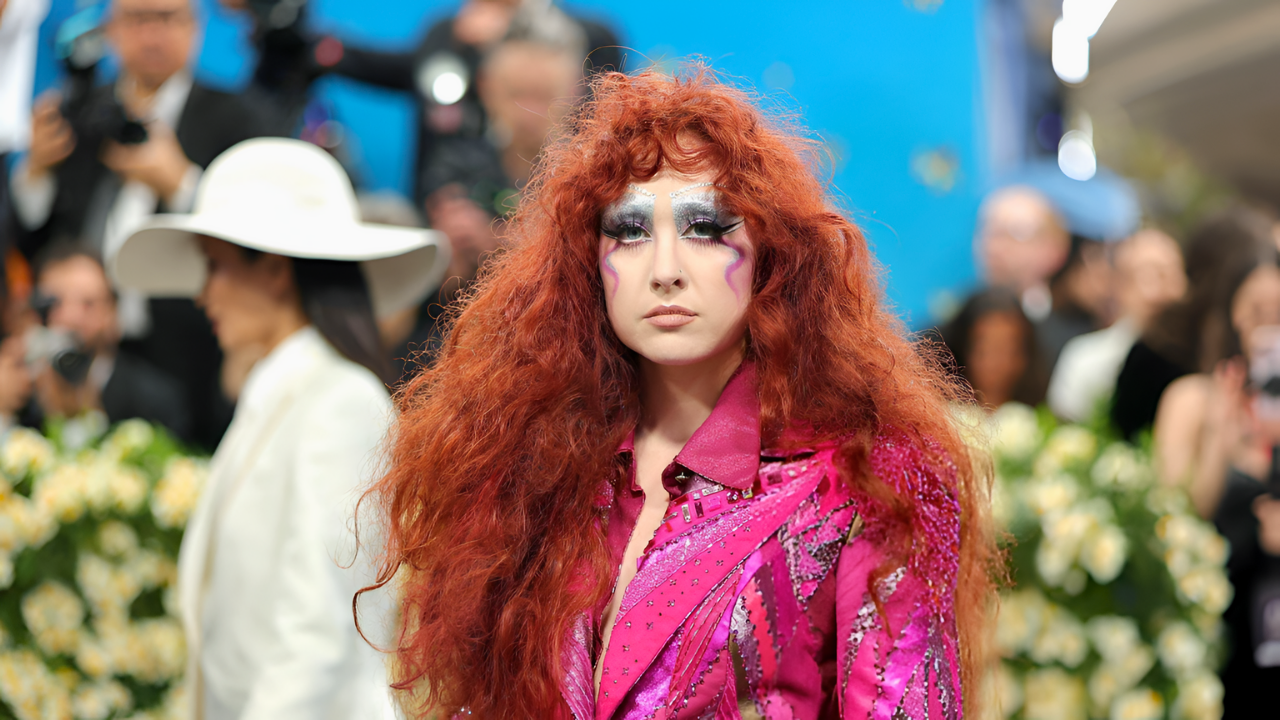
On Sunday, Grammy-winner Chappell Roan joined millions mourning French icon Brigitte Bardot, posting a heartfelt Instagram tribute calling the actress her “inspiration.” By Monday, that tribute was gone—erased in a panic that exposed a massive generational knowledge gap.
In less than 24 hours, Roan went from honoring a cinematic legend to disavowing a convicted hate-speech offender, blindsiding fans who knew Bardot only as a 1960s beauty, not a far-right extremist.
The Lyric That Started It All
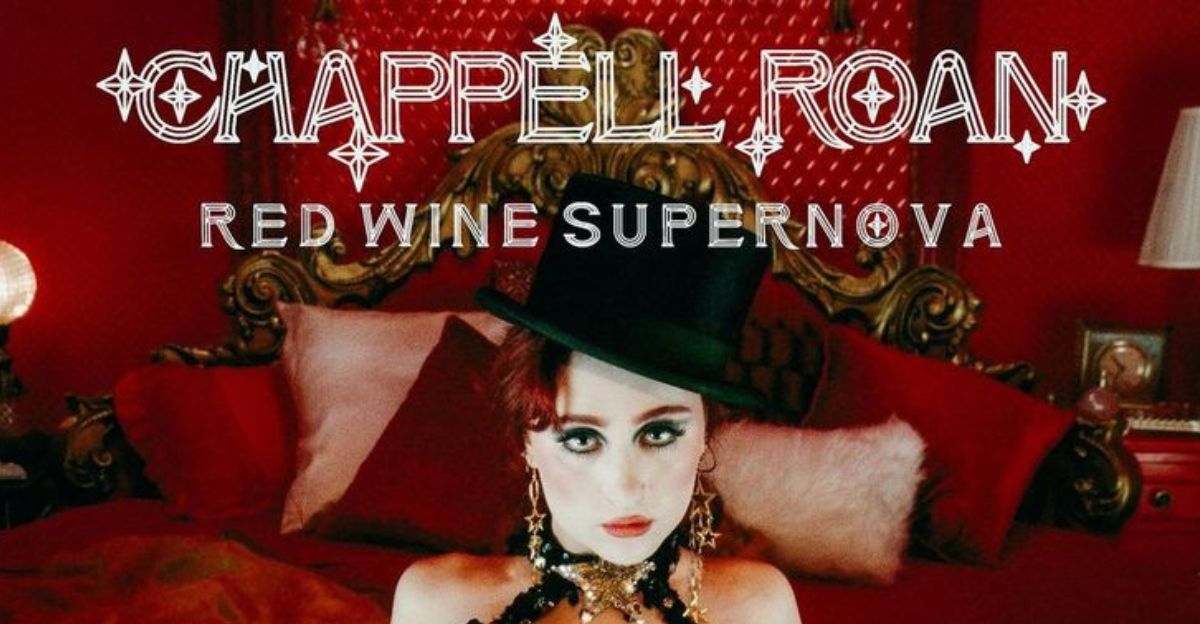
The controversy centers on Roan’s 2023 breakout hit, “Red Wine Supernova,” which references the actress in its opening lines: “She was a playboy, Brigitte Bardot.” For two years, millions of fans sang along, viewing the lyric as a nod to Bardot’s aesthetic of liberated womanhood.
But following Bardot’s death at 90 on December 28, that casual reference curdled into a PR nightmare as fans unearthed the star’s decades-long record of bigotry.
Sunday: The “Innocent” Memorial
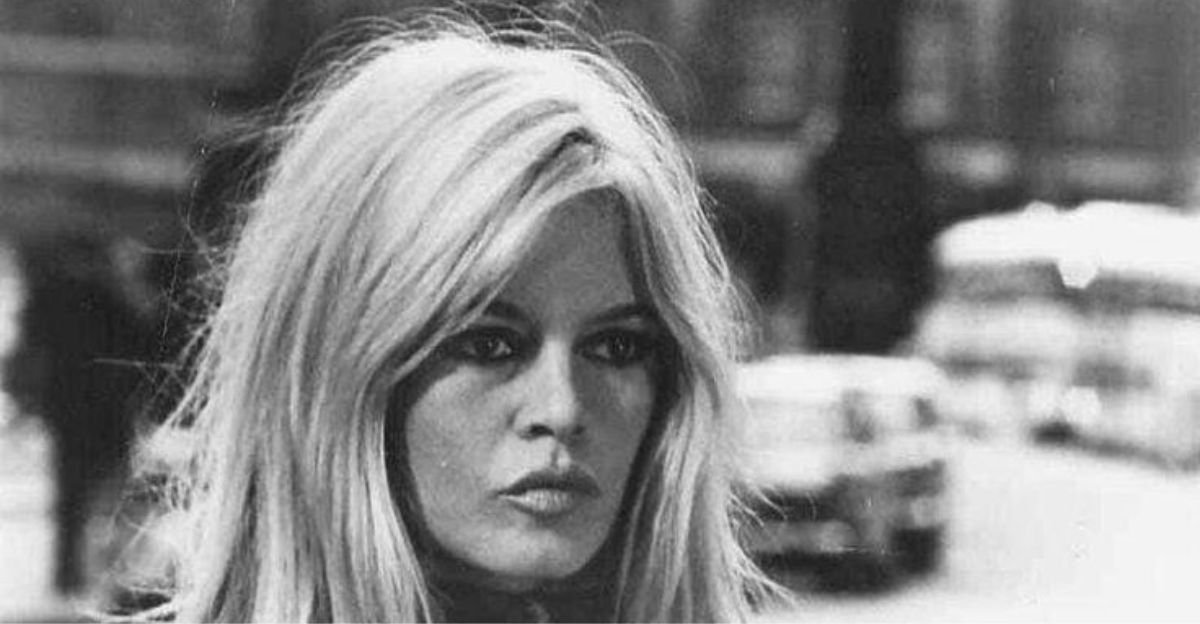
Immediately after news broke of Bardot’s passing, Roan posted a black-and-white photo of the actress to her Instagram Story. “Rest in peace Ms. Bardot,” she wrote to her millions of followers, adding, “She was my inspiration for red wine supernova.”
At the time, the post seemed like standard industry homage—a young pop star acknowledging the visual architect of the “femininomenon” era. But in France, Bardot’s legacy was far more complicated.
Monday: The Realization
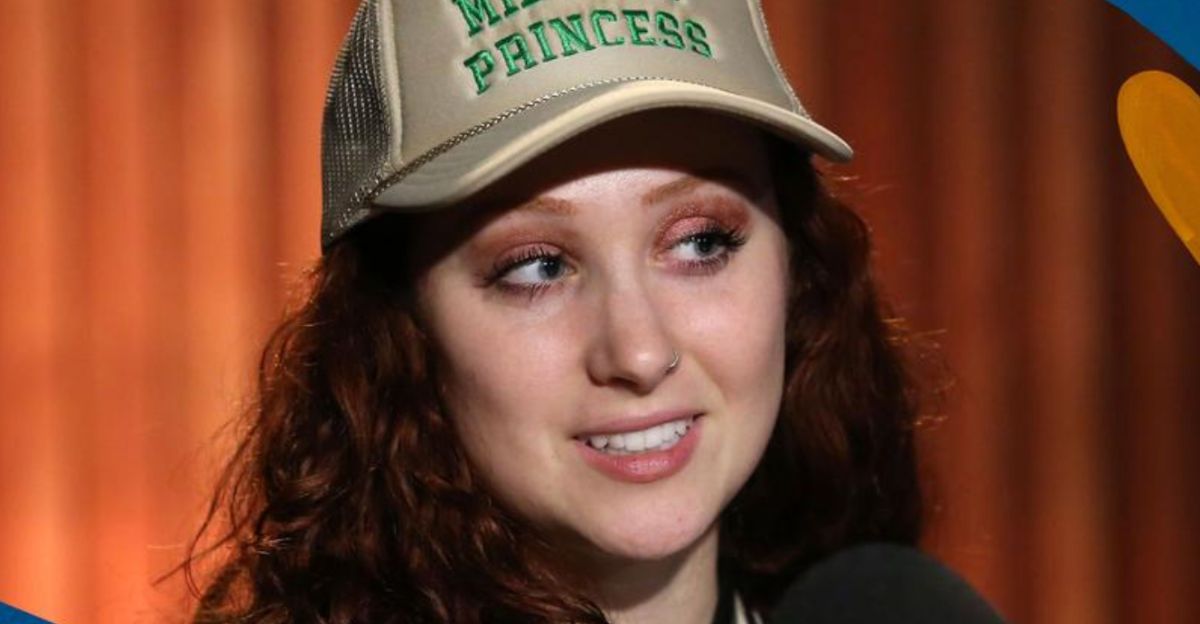
The correction came with whiplash speed. By Monday morning, the tribute was deleted. In its place, Roan posted a stark, text-only story that dispensed with PR-speak entirely.
I did not know all that insane stuff Ms. Bardot stood for she wrote, clearly reacting to a flood of DMs and viral threads detailing Bardot’s criminal record. “I do not condone this. Very disappointing to learn.”
The Hidden History
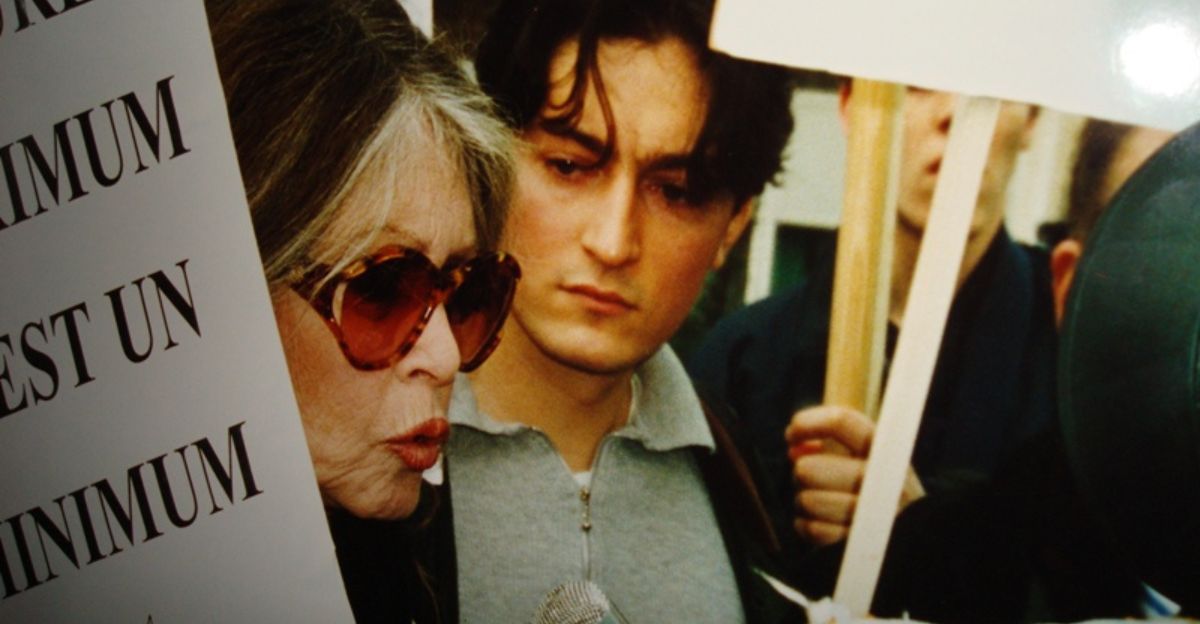
For Gen Z fans, Bardot was merely a vintage mood board aesthetic—big hair and winged eyeliner. However, court records paint a different picture. Since retiring from acting in 1973, Bardot reinvented herself as a hardline activist.
According to French legal archives, she was convicted five times for inciting racial hatred, paying tens of thousands of euros in fines for slurs that targeted minority communities and religious groups across France.
Convictions for Inciting Hatred
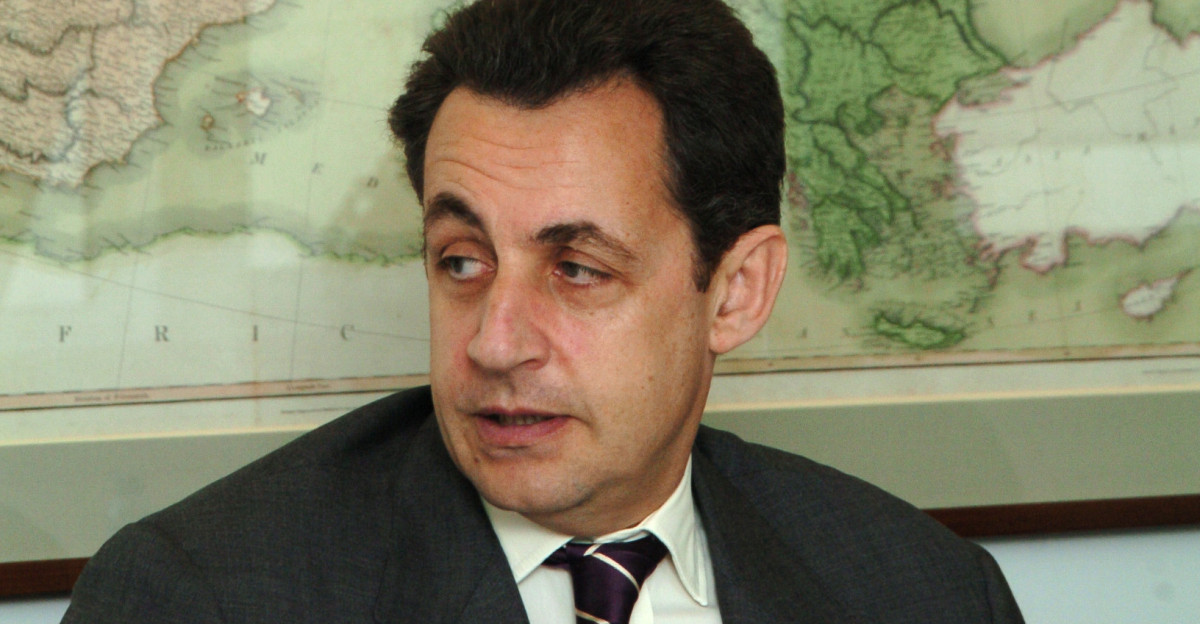
Bardot’s legal troubles weren’t just misunderstandings; they were repeated offenses spanning decades. In 2008, a Paris court fined her €15,000 for a letter to then-Interior Minister Nicolas Sarkozy, in which she claimed Muslims were “destroying our country and imposing their acts.”
Prosecutors at the time noted her fatigue with the legal system but emphasized the severity of her rhetoric, which judges consistently ruled crossed the line from free speech into hate speech.
Targeting the LGBTQ+ Community
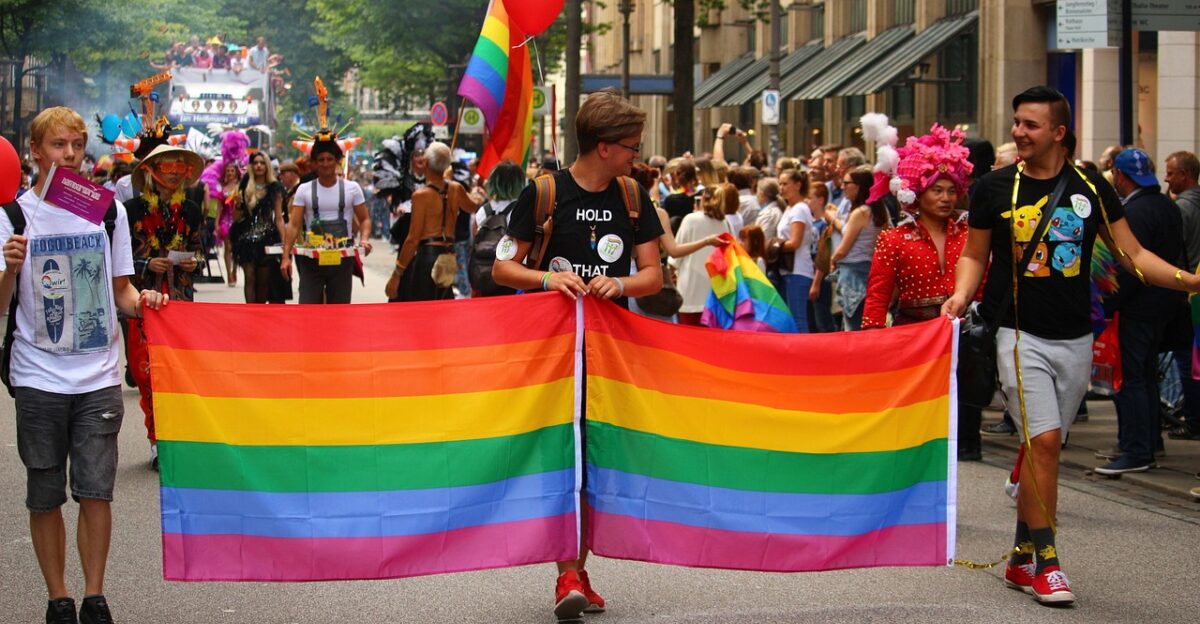
The most shocking revelation for Roan’s largely LGBTQ+ fanbase was Bardot’s history of homophobia. In her 2003 book A Scream in the Silence, Bardot described some homosexuals as “fairground freaks,” claiming they “jiggle their bottoms” and moan about “ghastly heteros.”
She controversially compared gay men to pedophiles, a stance that stands in direct opposition to the themes of queer liberation central to Roan’s The Rise and Fall of a Midwest Princess.
Denouncing the #MeToo Movement
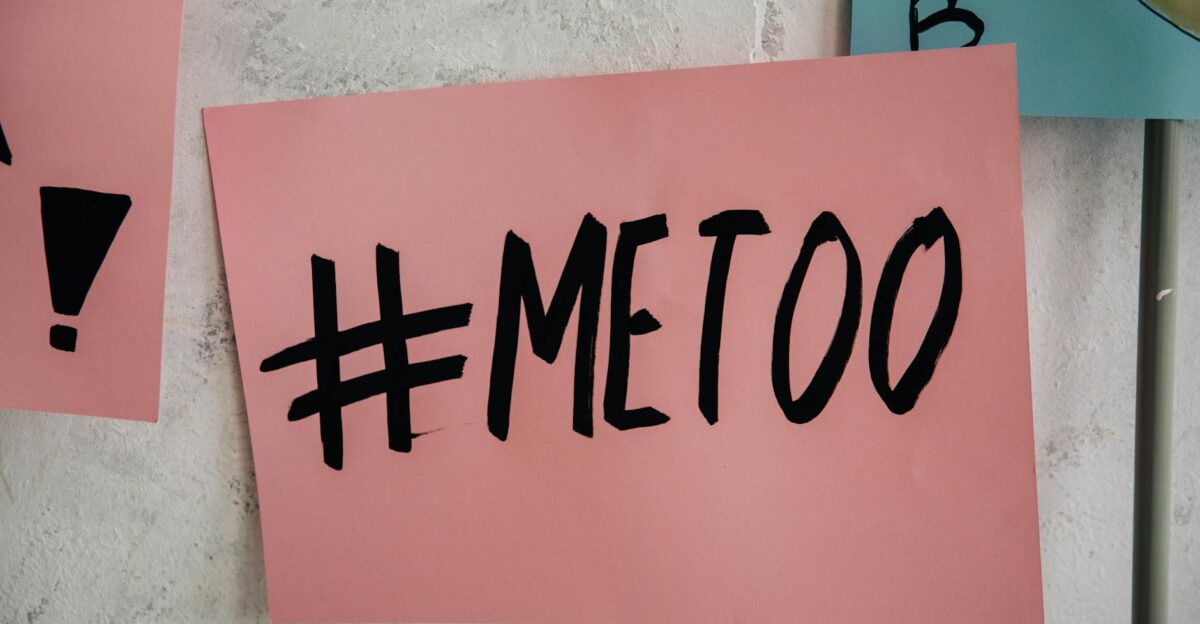
While Roan’s music often champions female autonomy, her “muse” actively fought against modern feminist movements. In 2018, as the #MeToo reckoning swept the globe, Bardot slammed the movement in the French press.
She called the actresses speaking out “hypocritical, ridiculous, and uninteresting,” arguing that many were simply “flirting” with producers to get roles.
Political Extremism and the Far Right
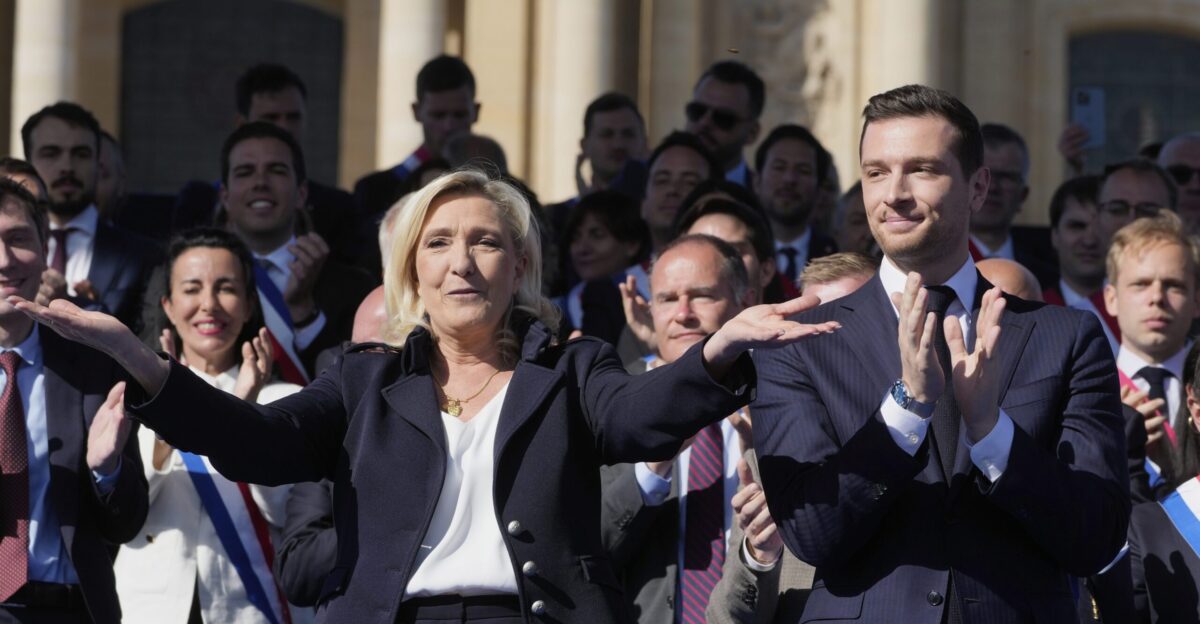
Bardot wasn’t just a passive commentator; she was a political symbol for France’s far-right. She openly supported the National Front (now known as the National Rally) and its leaders, including Marine Le Pen, whom she once described as “the Joan of Arc of the 21st century.” Her husband, Bernard d’Ormale, was a former advisor to the party.
For fifty years, Bardot utilized her celebrity platform to amplify nationalist ideologies that directly contradict the inclusive values of Roan’s fan base.
The “Aesthetic” Trap Catching Gen Z
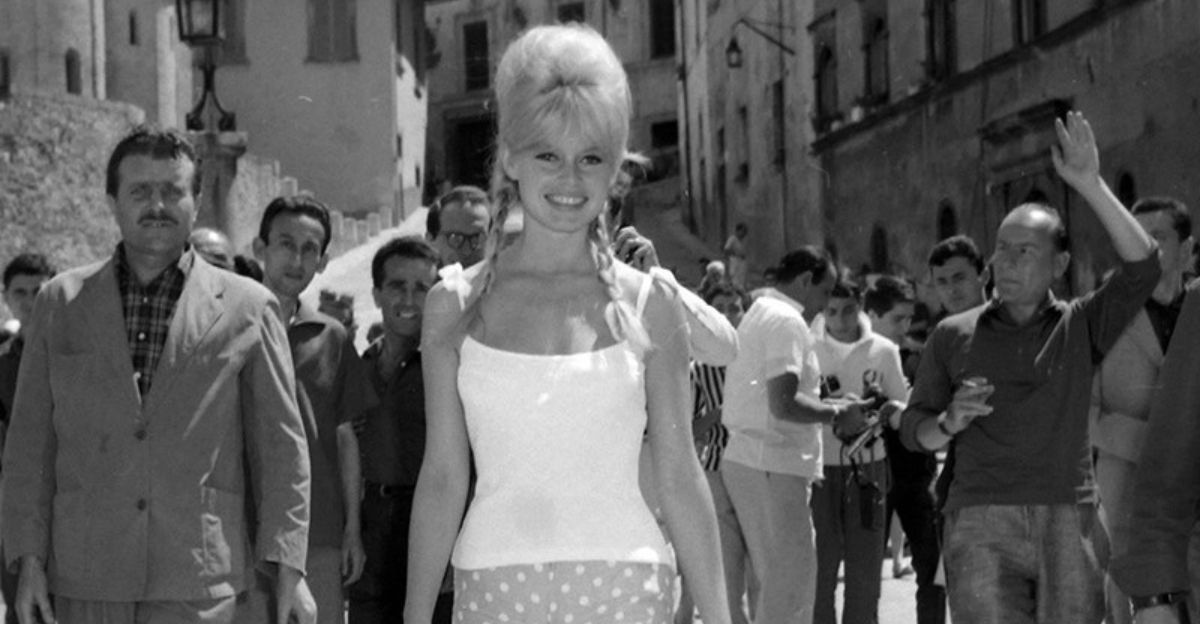
Roan’s blunder highlights a growing peril for modern artists: the “Pinterest-ification” of history. For many young creatives, figures like Bardot exist solely as JPEGs—images of style and rebellion divorced from their spoken words or political actions.
Roan likely referenced the “Playboy” persona of 1965, completely unaware that the real woman had spent the last half-century dismantling the very freedoms her early film roles helped to symbolize.
Fans “Blindsided” by the Truth
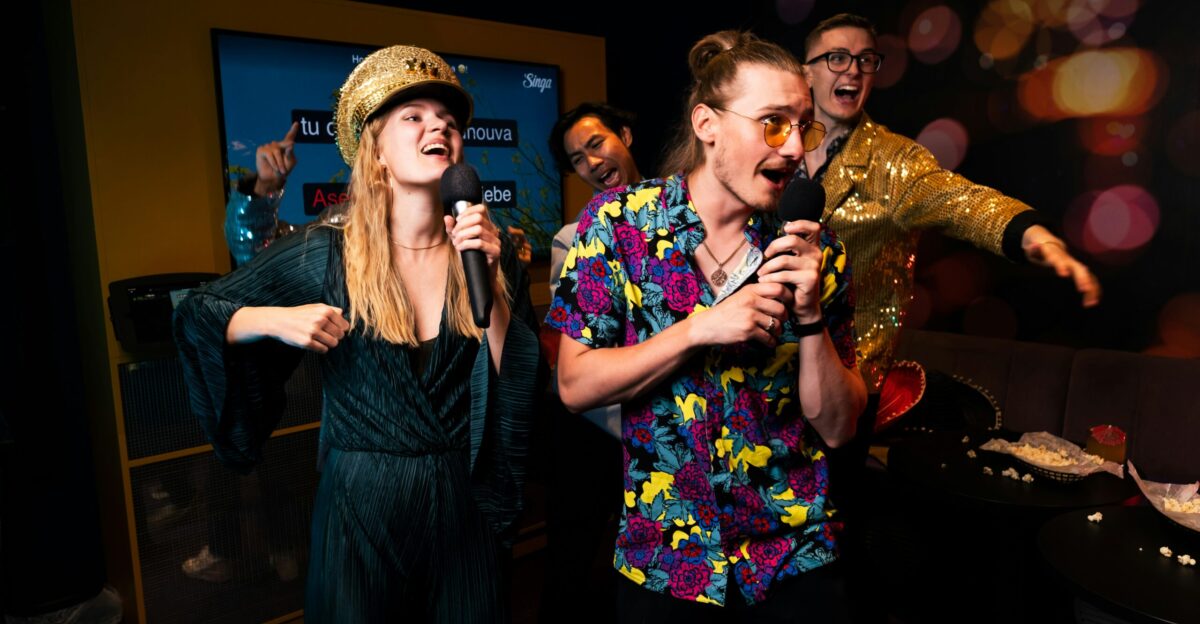
Social media erupted as the news spread, with many of Roan’s listeners expressing shock. “I’ve streamed ‘Red Wine Supernova’ 500 times and never knew I was singing about a hate speech convict,” one user posted on X.
The incident became a real-time history lesson, forcing millions to reconcile the “cool French girl” archetype with the reality of a woman who railed against “miscegenation” and immigration.
A Rare Moment of Celebrity Honesty
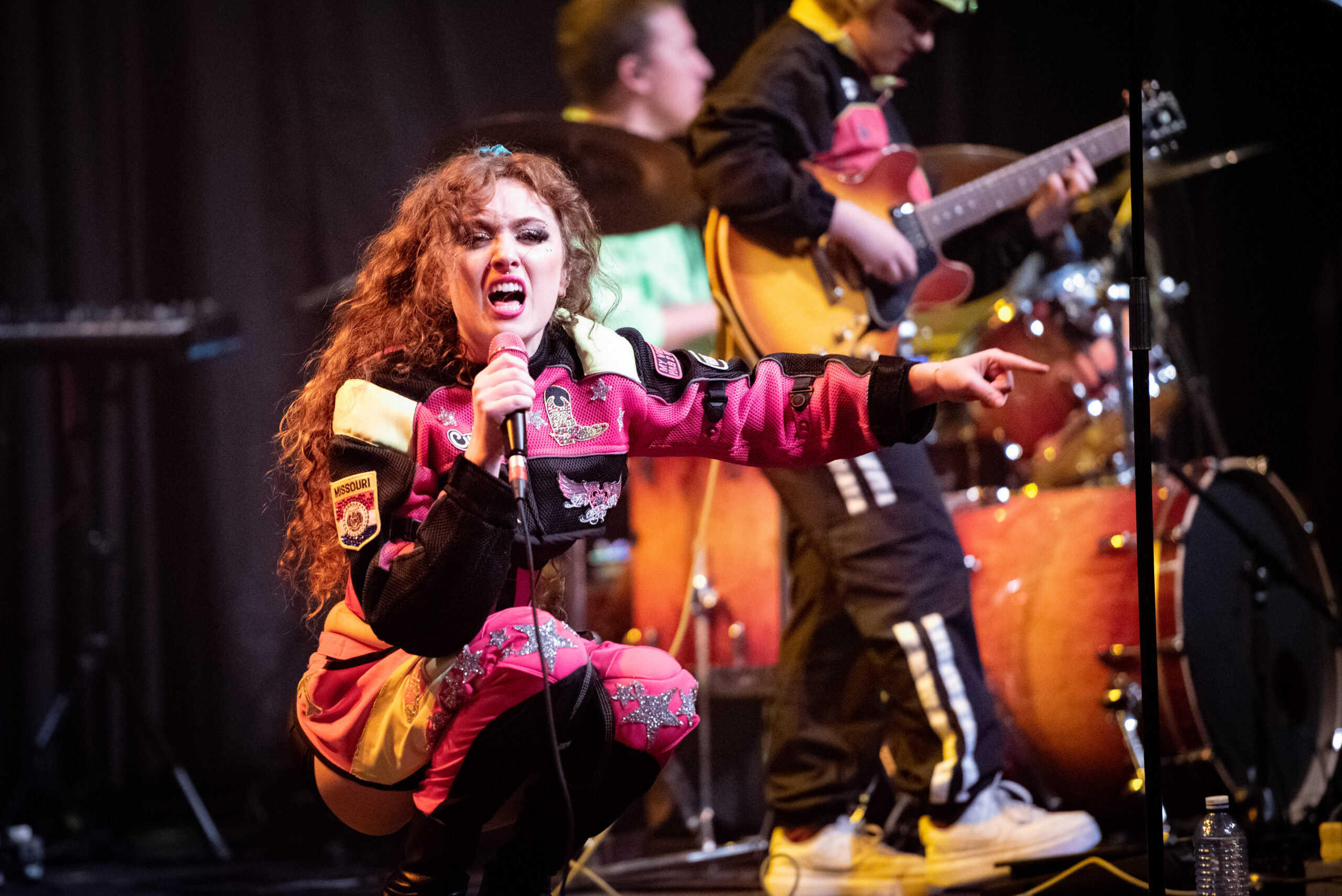
PR experts noted the unusual candidness of Roan’s retraction. Instead of a carefully lawyered statement about “listening and learning,” Roan’s admission framed the error as genuine ignorance rather than malice.
By reacting instantly and visibly—without waiting for the news cycle to force her hand—she likely saved her brand from long-term damage, positioning herself as just as shocked as her fans were by the revelations.
The Failure of Industry Vetting

The incident raises questions about the music industry’s vetting process. “Red Wine Supernova” was released in 2023 by a major label, yet no A&R representative or producer flagged the lyric.
In an era where cultural sensitivity is paramount, the fact that a reference to one of France’s most notorious political firebrands made it onto a Grammy-winning album suggests a significant blind spot in how teams research the historical figures their artists name-check.
Will the Lyrics Change?
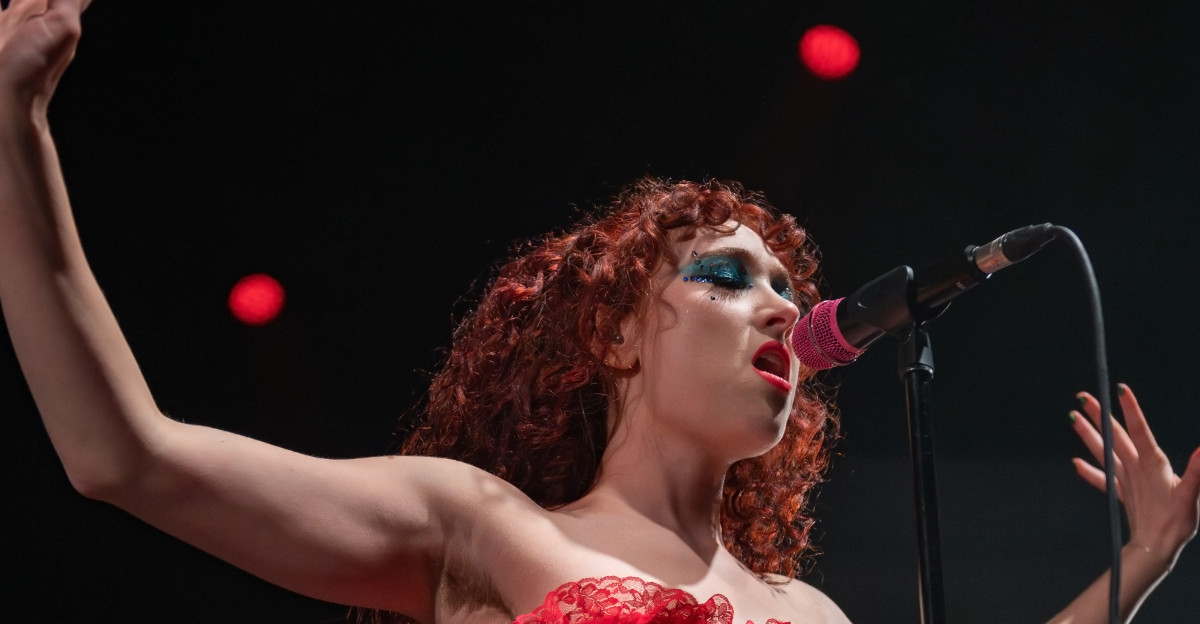
As of Tuesday, the recorded version of “Red Wine Supernova” remains unaltered on streaming platforms, but fans are already speculating about live performances. Artists like Lizzo and Beyoncé have previously altered lyrics swiftly in response to backlash, setting a precedent for real-time editing.
Given Roan’s vehement “I do not condone this” stance, she will probably skip or modify the Bardot line during her upcoming tour dates to avoid applauding the controversial figure.
The “Separate Art from Artist” Debate
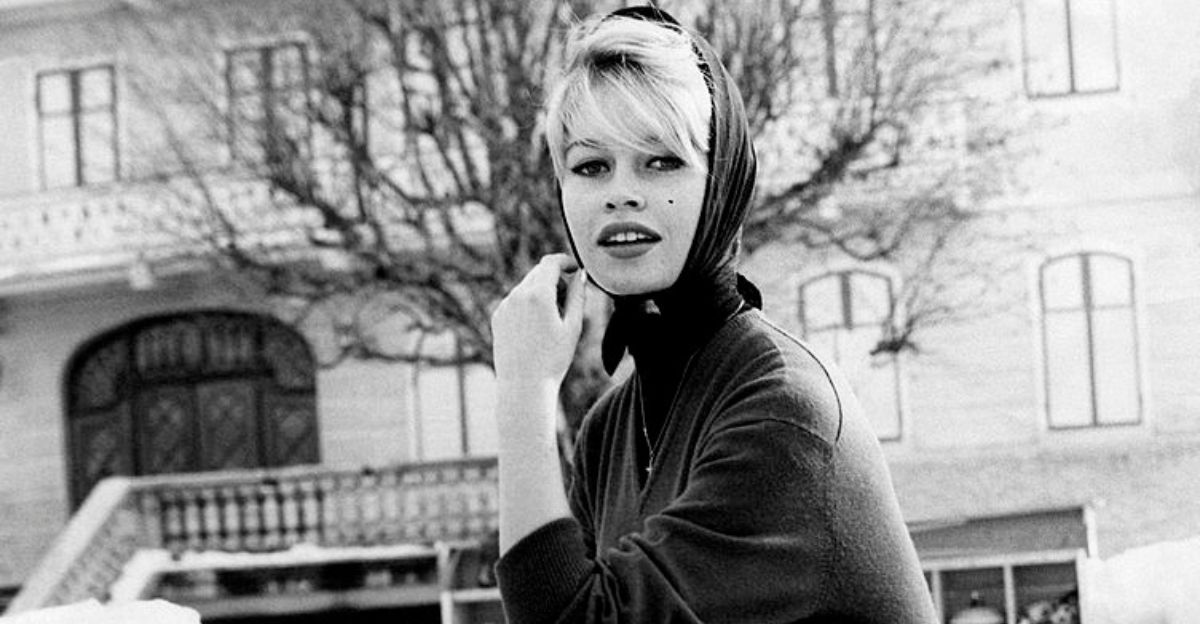
Bardot’s death has reignited the eternal debate about separating art from the artist. While film historians acknowledge her role in And God Created Woman as a watershed moment in cinema, her later life makes it impossible to celebrate her without caveats.
Roan’s accidental tribute forced this nuance into the mainstream conversation, proving that in 2025, a celebrity’s “icon” status is no longer enough to shield them from the consequences of their political record.
Impact on Roan’s “Midwest Princess” Brand
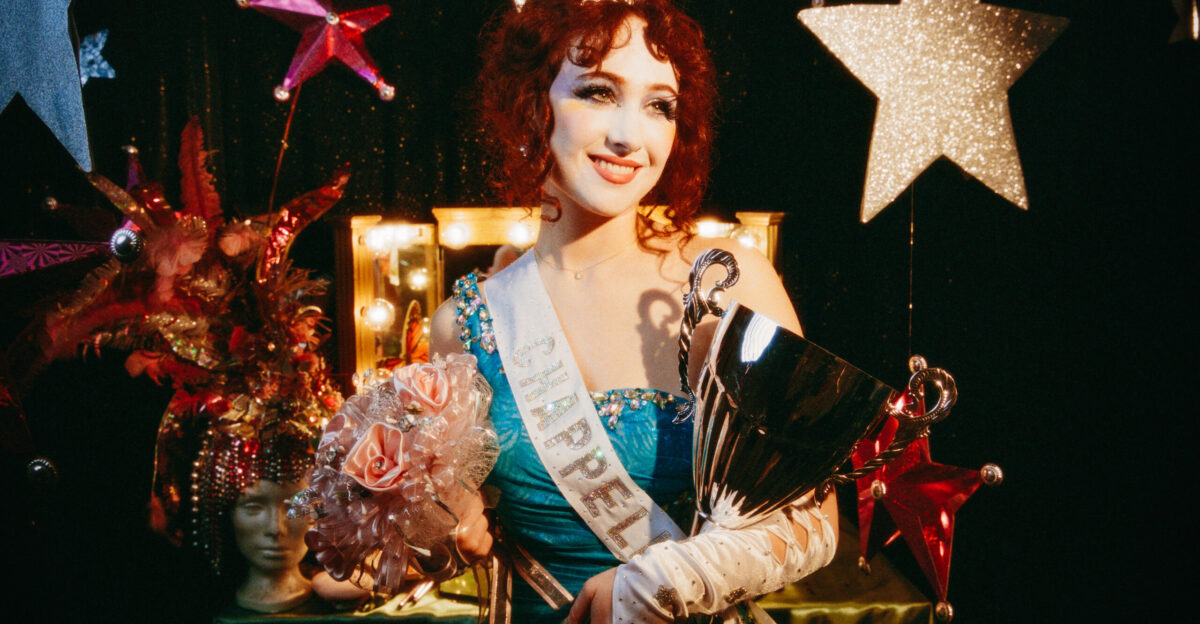
Chappell Roan’s brand is built on radical inclusivity and queer joy—values that are antithetical to Bardot’s National Front alignment. However, the swiftness of Roan’s disavowal reinforces her authenticity.
By admitting she was “blindsided” rather than doubling down or making excuses, she maintained the trust of a fan base that values transparency.
A Warning to Other Artists

This incident serves as a cautionary tale for songwriters referencing vintage pop culture. In the information age, ignorance is a temporary defense. The “Bardot effect” demonstrates that even widely accepted cultural references can carry toxic baggage.
Future artists will likely face increased pressure to “background check” their inspirations, ensuring that the retro aesthetics they borrow don’t come attached to modern-day hate speech convictions.
The End of the “Unknown” Era
Decades ago, Bardot’s comments might have remained localized to French newspapers, shielded by language barriers and the pre-internet age. Today, translation is instant. When Roan posted her tribute, French fans immediately flooded her comments with context, bridging the Atlantic gap in minutes.
The speed of the backlash—and the education that followed—proves that global digital literacy has made it impossible for public figures to hide their local controversies.
Bardot’s Complicated Final Legacy
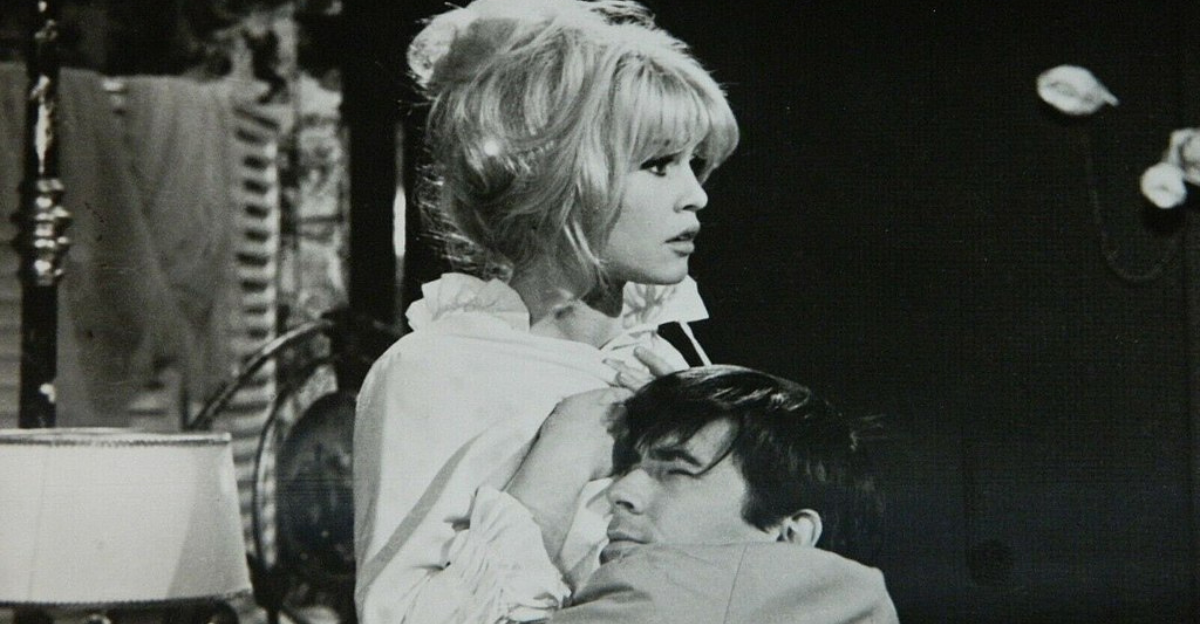
Ultimately, Brigitte Bardot died as she lived: dividing the public. While President Macron and other French officials offered measured condolences, citing her cinematic contributions, the cultural conversation was dominated by her extremism.
Chappell Roan’s accidental involvement ensured that Bardot’s obituary wasn’t just about 1950s glamour, but about the intolerance that defined her later years, introducing her dark political resume to a brand new generation.
Moving Forward: Accountability in Pop
Roan’s tribute lasted less than 24 hours, but the lesson will last much longer. The “Red Wine Supernova” controversy is a case study in modern accountability: a mistake was made, context was provided, and a correction was issued—all within one news cycle.
It marks a shift where protecting an artist’s ego is less important than correcting the historical record, ensuring that hate speech is never accidentally glorified, even in a pop song.
Sources:
Chappell Roan Doesn’t ‘Condone’ Brigitte Bardot’s Views After Paying Tribute on Instagram — People
Brigitte Bardot’s Controversial Legacy: Far-Right Ties and Political Divides — France in English
Brigitte Bardot’s 30 Years of Sympathy for the Far Right — Le Monde
French film icon Brigitte Bardot slams #MeToo as ‘hypocritical’ — France 24
Brigitte Bardot Slams #MeToo Movement As ‘Hypocritical and Ridiculous’ — Variety