A package labeled as women’s underwear arrived from China in March 2024, but U.S. Customs and Border Protection inspectors discovered undeclared biological materials inside: plasmid DNA derived from E. coli bacteria. This discovery has thrust Youhuang Xiang, a 32-year-old Chinese postdoctoral researcher at Indiana University, into the center of a federal investigation on charges of conspiracy, smuggling goods, and making false statements.
Xiang admitted to deliberately mislabeling the shipment to evade detection, despite knowing that importing such biological materials required a U.S. permit. The case underscores escalating tensions over biosecurity in academic research amid U.S.-China geopolitical strains.
The Discovery and Arrest
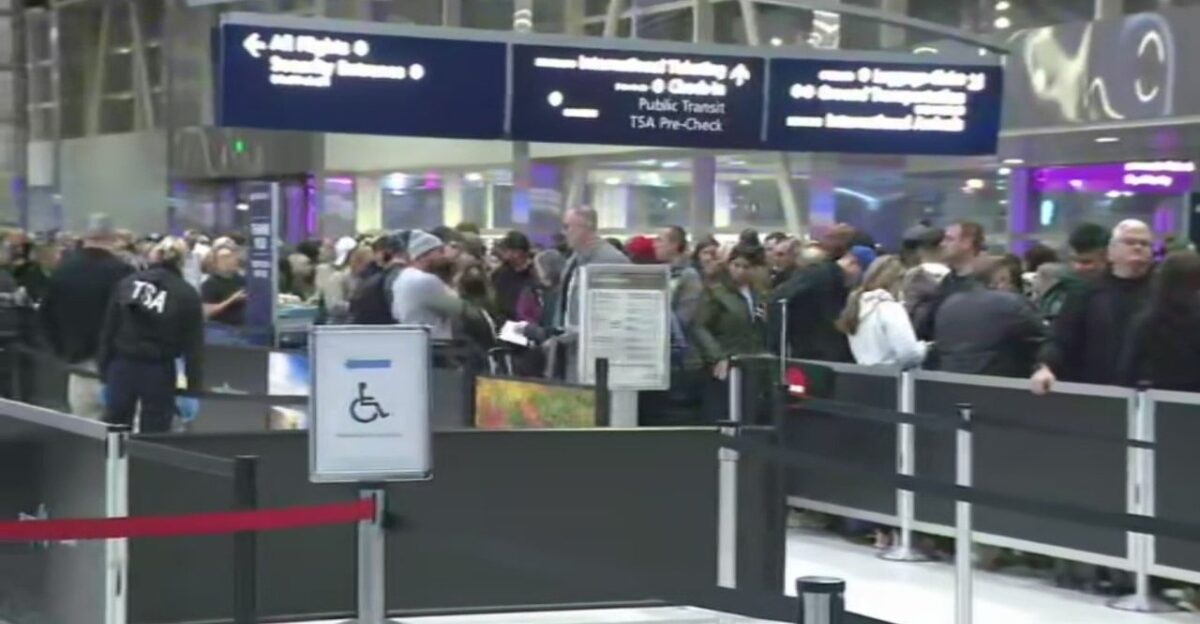
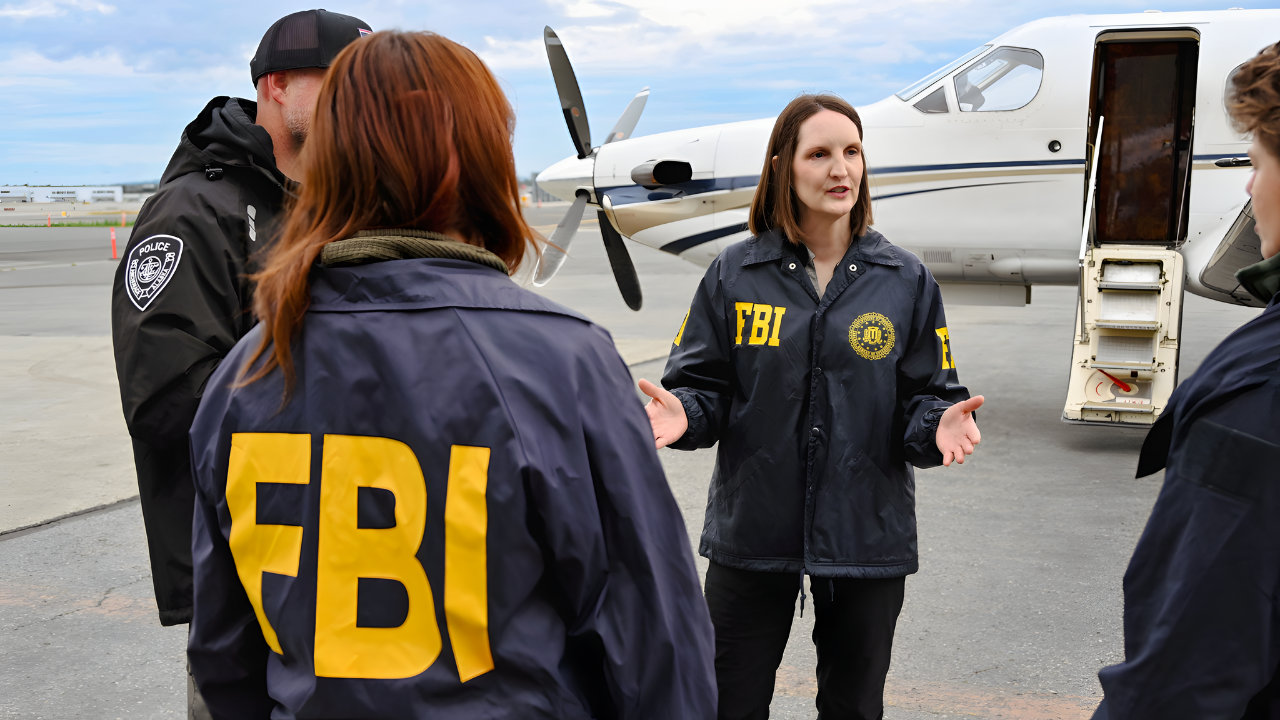
Federal agents interviewed Xiang in April 2025 at Detroit Metropolitan Airport upon his return from China. The probe gained momentum after FBI tips about E. coli shipments to Indiana University researchers.
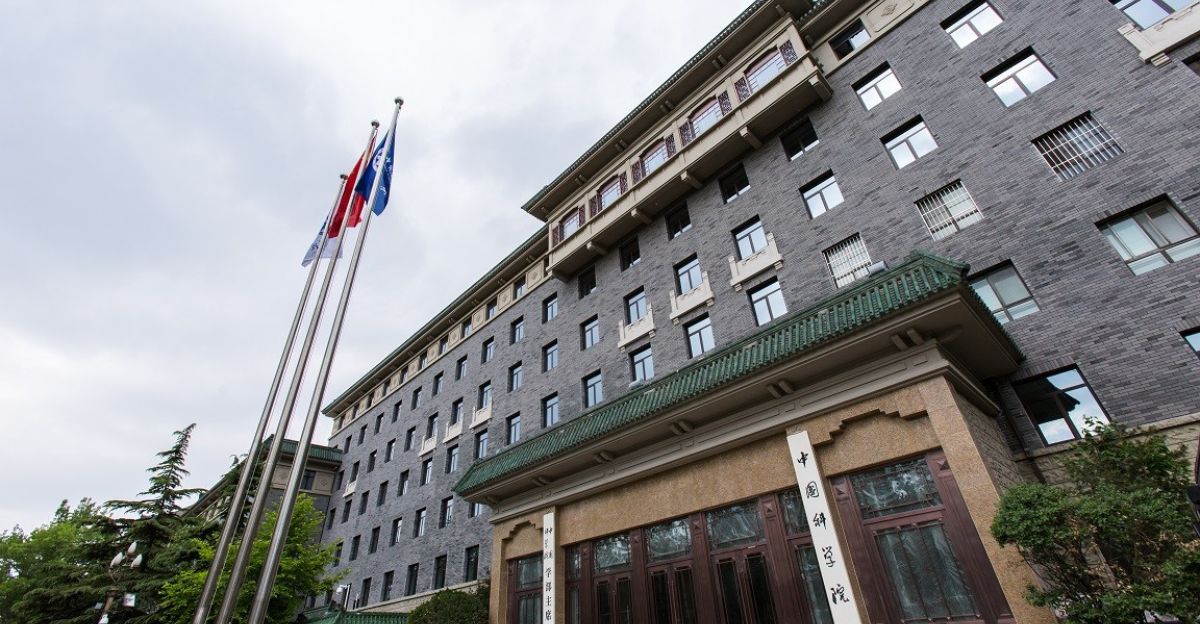
On November 23, 2025, authorities intercepted Xiang at Chicago O’Hare International Airport. During interrogation, he confessed to receiving the concealed bacteria from the Chinese Academy of Sciences and acknowledged the permit requirements.
Xiang holds a Ph.D. in plant science from the Chinese Academy of Sciences, with expertise in genome editing and plant-microbe interactions. He arrived at Indiana University’s Department of Biology in June 2023 on a J-1 exchange visitor visa as a postdoctoral research associate. His work targeted disease-resistant wheat to bolster global food security, including a third-place finish in a poster competition at the National Fusarium Head Blight Forum.
The Legal Framework
U.S. regulations mandate permits for importing biological materials. The CDC oversees infectious agents and human disease vectors under 42 CFR 71.54, while the USDA’s APHIS handles plant and animal pathogens via 9 CFR 122.2. These permits, issued to individuals after weeks or months of review, place responsibility squarely on recipients. Violations, including conspiracy and smuggling, carry penalties up to 20 years in prison.
A parallel case unfolded at the University of Michigan in June 2025, where prosecutors charged two Chinese researchers—Yunqing Jian, 33, a postdoctoral fellow, and Zunyong Liu, 34, from a Chinese university—with smuggling Fusarium graminearum, a fungus devastating wheat and corn. They hid samples in tissues and textbooks. Jian pleaded guilty in November 2025, receiving time served followed by deportation.
Broader Biosecurity Context
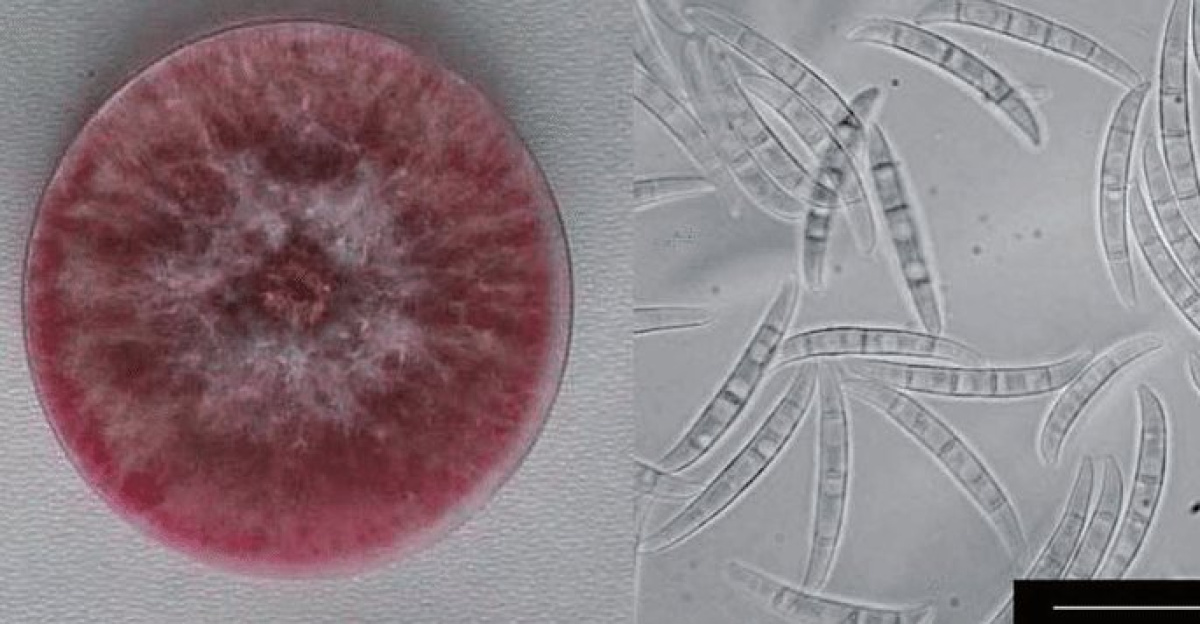
Fusarium graminearum triggers head blight in wheat, barley, corn, and rice, inflicting billions in global losses yearly through mycotoxins that harm human and livestock livers and reproduction. Yet the fungus is native to North America, occurring naturally in many grain states and absent from the USDA’s agroterrorism threat list.
E. coli, typically harmless in intestines, includes pathogenic strains causing severe illnesses. In labs, researchers use it routinely for gene cloning via plasmid DNA—the modified genetic material Xiang imported, not a dangerous pathogen.
FBI Director Kash Patel, appointed in February 2025 as the first Indian American to lead the bureau, announced Xiang’s charges, calling it another instance of a Chinese researcher bypassing U.S. laws. A former Trump official, Patel has pushed for FBI restructuring amid controversy over his qualifications.
This case echoes the DOJ’s 2018 China Initiative, which targeted academic espionage but ended in 2022 after criticism for overreach on minor violations. U.S.-China research ties have since declined, even as congressional scrutiny persists.
In 2025, the Trump administration revoked over 8,000 student visas—more than double the prior year—with intense focus on Chinese nationals linked to the Communist Party. Proponents cite China’s mandates tying university research to Party ideology and documented defense contributions by some scholars. Defenders call it bias, noting Chinese students form a significant portion of U.S. STEM graduates, fueling tuition-driven program growth and innovation.
Biosecurity challenges persist in a fragmented system spanning CDC, USDA, and others, with universities relying on varying Institutional Biosafety Committees. A December 2025 report lists the “Mean Sixteen” agriculture threats, while public R&D funding has dropped despite high returns of $20 per $1 invested.
Indiana University removed Xiang’s profile and affirmed zero tolerance for legal violations.
The case tests America’s balance between biosecurity vigilance and the international collaboration that has long powered its research edge. Outcomes could clarify distinctions between bureaucratic lapses and true threats, shaping future academic exchanges amid rising stakes.
Sources:
“FBI Charges IU Researcher For E. Coli Smuggling.” IUSTV, December 21, 2025.
“Chinese Researcher on US Visa Charged with Smuggling E. Coli Into America.” Yahoo News, December 19, 2025.
“IU Researcher Arrested, Charged with Smuggling E. Coli Into U.S.” Indiana Daily Student, December 20, 2025.
“Chinese Nationals Charged with Conspiracy and Smuggling Dangerous Biological Pathogen into the US.” U.S. Department of Justice, Eastern District of Michigan press release, June 3, 2025.
“What is Fusarium graminearum, the Fungus 2 Chinese Researchers Allegedly Smuggled into the US?” CNN, June 4, 2025.
“CDC Requirements for the Import of Biological Substances.” Centers for Disease Control and Prevention Title 42 CFR 71.54.