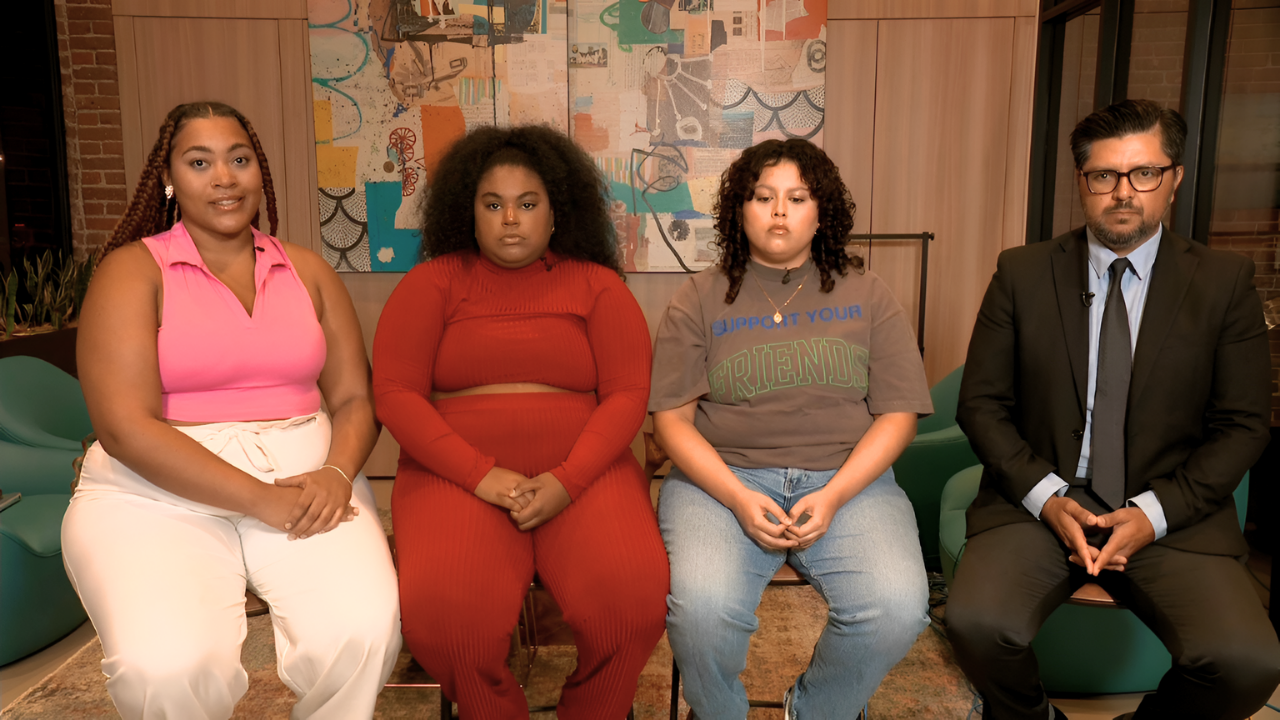
In December, Lizzo won a court dismissal of fat-shaming claims, but three former dancers pressed serious sexual harassment and workplace misconduct allegations toward a 2026 trial. This case sharply contrasts her public image of inclusion with the accusations about her tour’s working environment. It also raises key legal questions about how First Amendment rights apply to entertainers’ conduct. The unfolding drama holds broader implications for workplace accountability.
To understand this complex situation, it’s crucial to examine what the dancers allege.
From Pop Star to Legal Spotlight
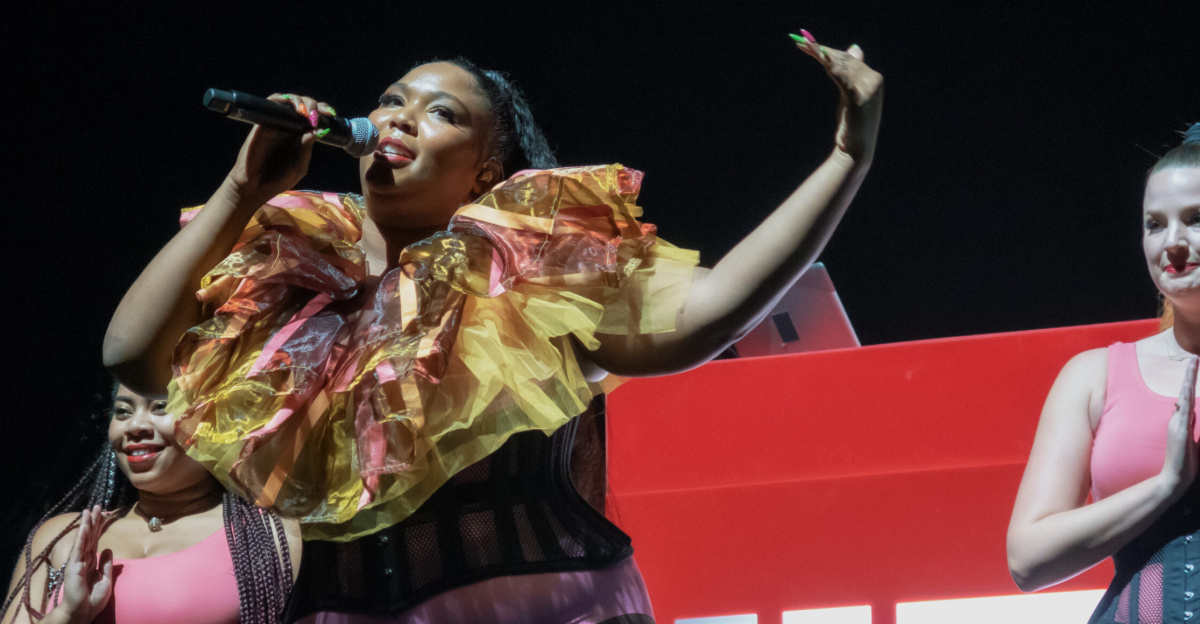
Lizzo’s rise was fueled by messages of self-love and body positivity, yet her December 2025 court fight painted a grim backstage portrait. Three backup dancers sued her, accusing Lizzo of fostering sexual harassment and discrimination on her 2023 Special Tour. Lizzo responded by hiring top lawyer Marty Singer, winning dismissal of fat-shaming claims. Still, most serious allegations remained unresolved, signaling a protracted legal showdown that was just beginning.
What do the dancers’ claims reveal about the tour’s atmosphere?
Dancers Allege Harassment and Bias

Former dancers Arianna Davis, Crystal Williams, and Noelle Rodriguez sued Lizzo and her company in August 2023. They accuse Lizzo and dance captain Shirlene Quigley of sexual harassment, racial and religious discrimination, and hostile working conditions during the 2023 tour. Davis alleges weight-shaming and unjust termination; Williams says the firing was suspiciously budget-related, and Rodriguez resigned due to mistreatment. Their attorney vows to prove these claims in court, with Lizzo expected to testify.
The accusations point to troubling incidents that occurred during overseas events on tour.
Amsterdam Night Brings Controversy
In February 2023, during Amsterdam tour stops, dancers say Lizzo took them to Bananenbar, a sexually explicit club. Allegedly, Lizzo pressured them to engage in graphic acts involving performers, including touching and catching objects in intimate ways. Arianna Davis reportedly faced repeated pressure after refusing to participate. Though organizers claimed attendance was voluntary, the dancers felt powerful pressure tied to job security. This incident became a focal point of their harassment claims.
Other cities reportedly featured similar uncomfortable encounters.
Troubling Patterns in Paris and Beyond
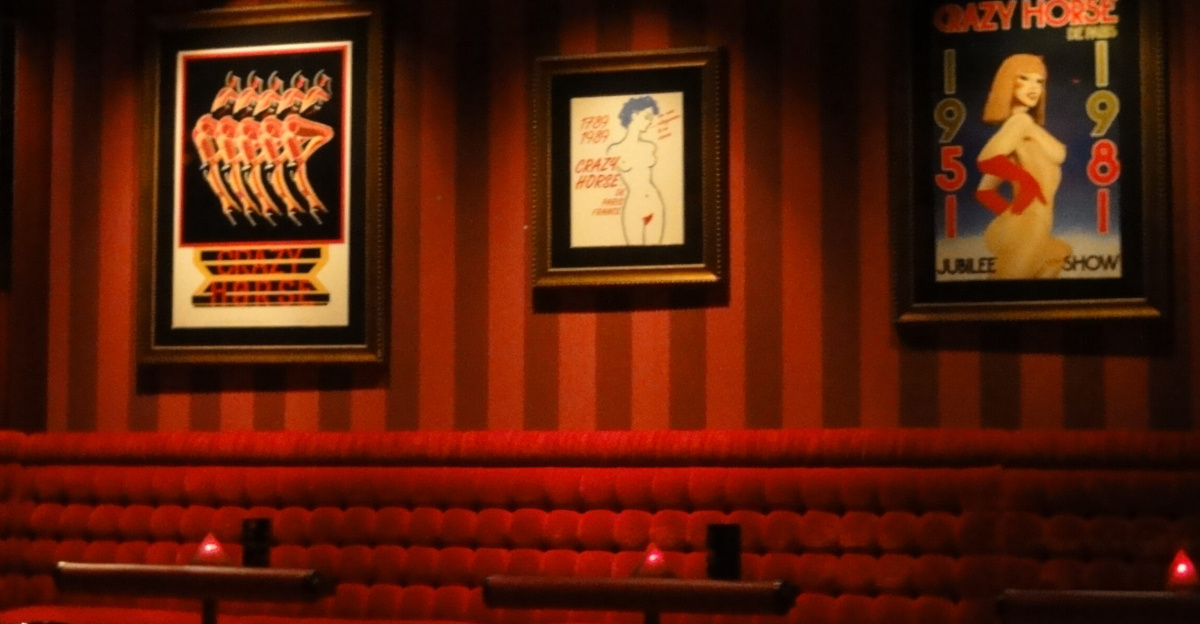
Beyond Amsterdam, dancers say Lizzo brought them to Paris’s Crazy Horse cabaret and similar venues where they faced coercive expectations. These outings were presented as “team-building” but felt psychologically coercive amid fears of job loss. Lizzo dismissed the claims on a podcast, saying the gatherings were innocent socializing. Yet, Judge Epstein later questioned whether there were any limits to such conduct, signaling judicial concern about boundary crossing in artistic settings.
Religious harassment emerged as another layer of alleged mistreatment.
Dance Captain’s Religious Pressure Sparks Claims

Shirlene Quigley, the dance captain, faces accusations of mixing religious proselytizing with inappropriate sexual comments. Court documents say she criticized Noelle Rodriguez’s beliefs, called her a “non-believer,” and pushed Christian faith messages despite requests to stop. Quigley allegedly also made sexual jokes during rehearsals. When Rodriguez objected, Quigley reportedly declared, “No job and no one will stop me from talking about the Lord.” These claims add a complex dimension of workplace hostility.
The defense soon leaned heavily on constitutional rights arguments.
First Amendment Cited in Bold Defense
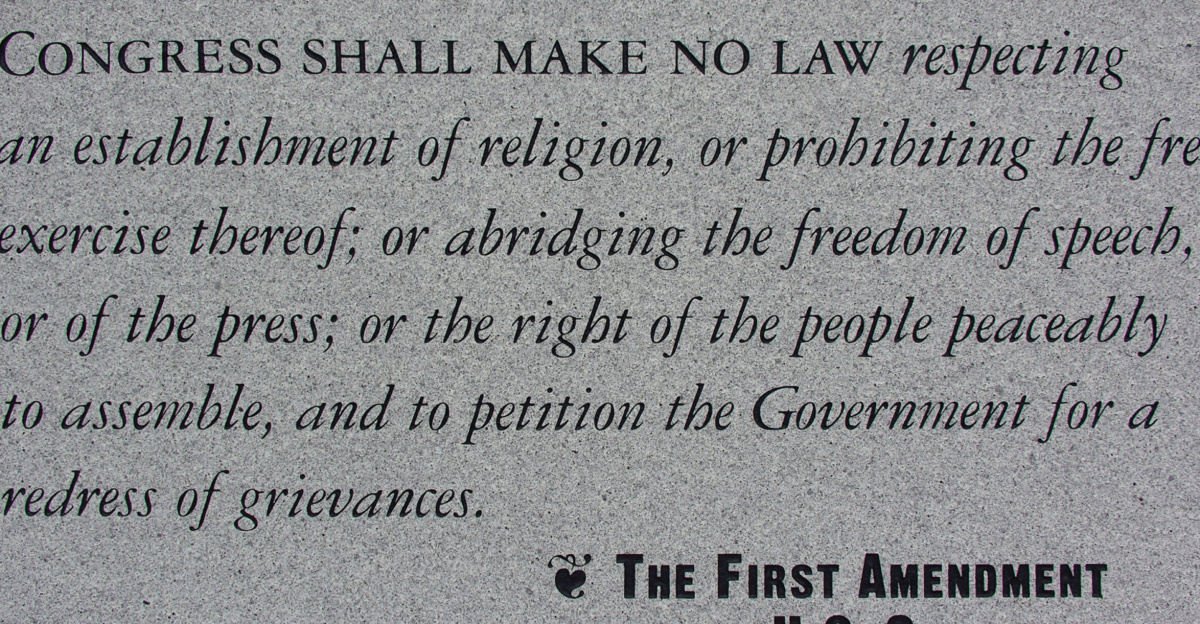
Lizzo’s lawyers sought dismissal under California’s anti-SLAPP statute, arguing the alleged conduct occurred as part of artistic expression protected by the First Amendment. Attorney Marty Singer framed the outings and rehearsals as integral to Lizzo’s creative vision, with voluntary attendance. Judge Epstein expressed skepticism, saying discrimination can’t be ignored simply because it happens in a speech-related context. Despite this, the court partially sided with Lizzo on one major issue.
A key victory came on the fat-shaming accusations that challenged Lizzo’s core image.
Court Dismisses Fat-Shaming Allegations
On February 2, 2024, Judge Epstein dismissed fat-shaming claims, ruling that insufficient evidence existed that Lizzo fired Arianna Davis due to weight gain. Eighteen witnesses testified against the weight-shaming assertion. The court found these specific claims didn’t meet California’s legal bar, even as other allegations warranted further trial. This provided Lizzo a significant win, aligning with her body positivity brand, yet many serious accusations remained unresolved.
The battle, however, was far from over.
Appeals Prolong the Fight Into 2025

Both sides pursued appeals after the partial ruling was issued. Lizzo sought to extend the First Amendment defense to all claims, while dancers fought to keep allegations of harassment and discrimination alive. The case lingered in appellate review throughout 2025. By December, Judge Epstein confirmed the final dismissal of the fat-shaming claims as plaintiffs dropped their appeals on that issue, focusing on the remaining charges. This move suggested confidence from the dancers in the strength of their other claims.
The stage was set for the next critical court ruling.
December 2025 Marks Partial Legal Victory
Judge Epstein’s December 16, 2025, decision officially ended fat-shaming suits against Lizzo. Lizzo publicly called the dismissal freedom from a distressing allegation, asserting her innocence and blaming other reasons for dancer dismissals, such as unauthorized recordings. Despite her statement, plaintiffs’ lawyer Ron Zambrano emphasized major claims would proceed, signaling more courtroom battles ahead. Lizzo’s public image victory was tempered by ongoing litigation threatening her reputation.
The core harassment and discrimination claims are now moving forward.
More Serious Allegations Head to Trial

The lawsuit’s remaining claims—including sexual harassment at various venues, religious and racial discrimination, hostile work environment, disability bias, and even assault and false imprisonment allegations—are set for jury trial. Judge Epstein has allowed these through initial motions, underscoring their gravity. The trial, scheduled for mid-2026, could profoundly impact Lizzo’s career and workplace culture in entertainment. These allegations contrast sharply with her public persona of empowerment and inclusion.
What the trial holds remains uncertain but compelling.
The Power Dynamics Behind the Claims
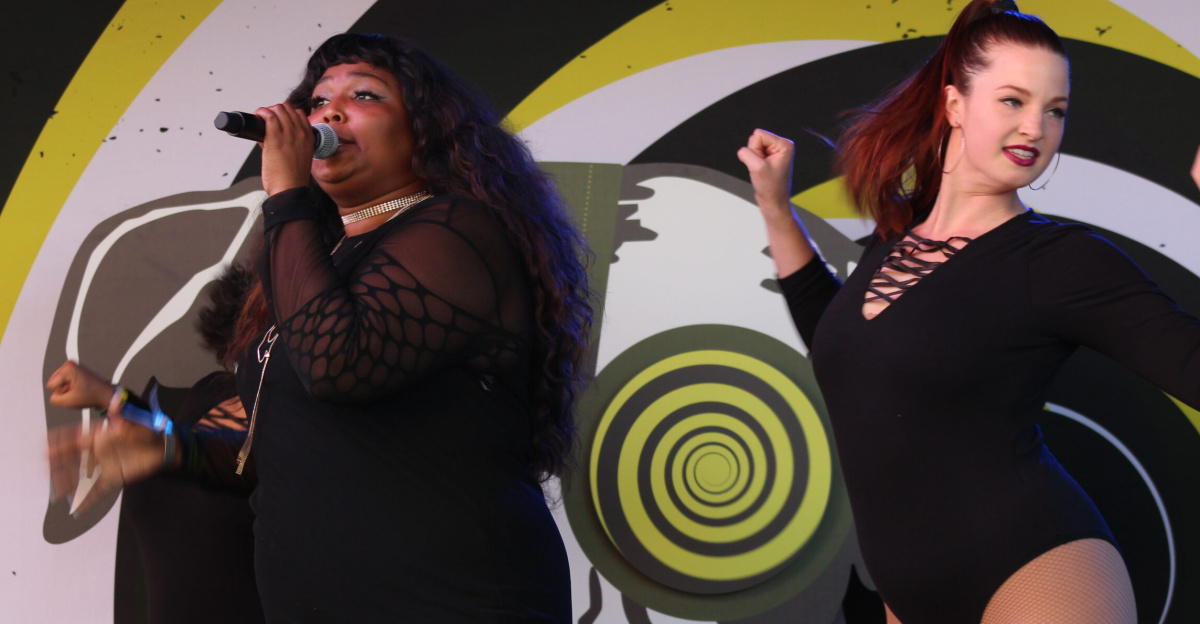
Central to the dancers’ stories is the power imbalance between Lizzo and her team. They describe feeling unable to refuse participation in activities due to the threat of job loss. The lawsuits argue that these pressures created a toxic workplace, despite its friendly outward appearance. Legal experts say this case tests the boundaries between artistic freedom and employment law protections, highlighting the challenges performers face in reconciling creativity with labor rights.
This tension raises crucial legal and cultural questions.
Workplace Culture Under the Microscope
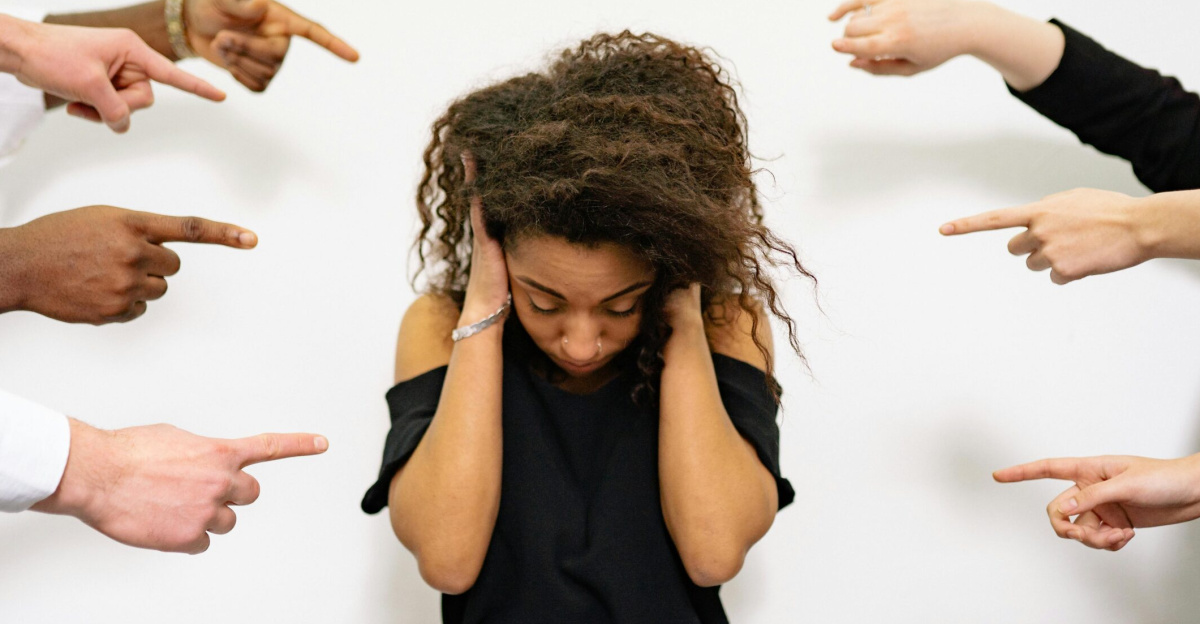
Lizzo builds her brand on self-expression and acceptance, yet the lawsuits contend her workplace culture was the opposite. Dancers allege a mix of intimidation, discrimination, and coercion concealed behind a fun exterior. Similar cases often reveal gaps between public messaging and backstage realities. Observers now closely watch to see whether courts will strengthen protections against harassment, even in artistic settings, or uphold broad First Amendment defenses.
The outcome could ripple through the entertainment industries.
First Amendment vs. Employment Rights Debate

The case spotlights tensions between free speech and employee protections. Lizzo’s defense claims artistic activities are constitutionally shielded, while plaintiffs argue harassment and discrimination can’t be excused as creative expression. Judge Epstein’s rulings suggest some limits exist, but final boundaries remain uncertain. Legal scholars say this trial might influence future workplace law for performers and creative professionals, possibly setting new precedents.
How much protection should artists get for off-stage conduct?
Public Reactions and Fan Perspectives
Fans and public opinion remain divided. Many support Lizzo’s message of inclusion and celebrate her fat-shaming victory. Others question the truth behind dancers’ allegations and wonder about accountability in the music industry. Social media buzz reflects this split, with debates about power, consent, and workplace ethics. The trial’s spotlight forces fans to grapple with uncomfortable aspects behind glamorous performances.
This cultural conversation adds fuel to the ongoing legal fire.
The Role of Management and Tour Staff

The lawsuit also targets dance captain Shirlene Quigley and Lizzo’s production company, indicating problems beyond just the frontwoman. Allegations include inappropriate religious proselytizing, favoritism, and hostile supervision. Legal experts say responsibility may extend through management layers, complicating liability. The case may prompt tours and productions to review policies on conduct and employee protections more carefully.
Could this lead to industry-wide policy changes?
Music Industry and Social Accountability Link
The case aligns with growing demands for better workplace conditions in entertainment. Movements like #MeToo and calls for inclusion highlight problems with abuse and discrimination. Lizzo’s case illustrates challenges when celebrated artists face allegations that damage brands built on empowerment. Industry pressure mounts to balance star power with acceptable workplace standards. This trial may mark a turning point in how the music world handles such claims.
The verdict’s impact may redefine industry norms.
Preparing for the 2026 Trial
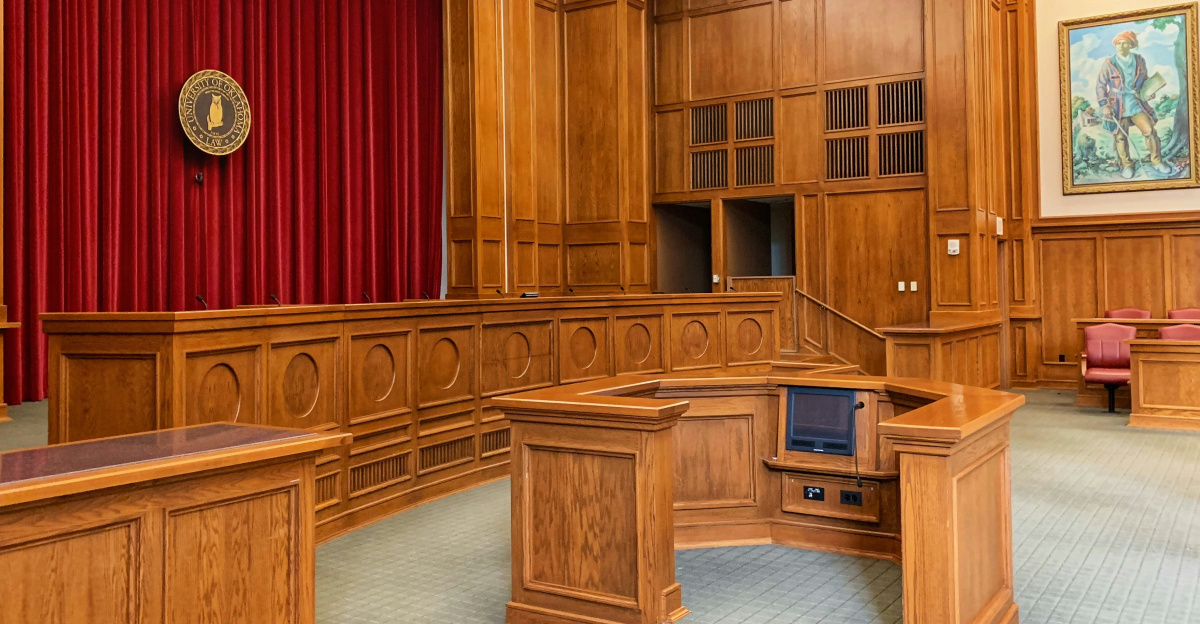
As the 2026 trial approaches, both sides prepare intensely. Lizzo defends her reputation, while dancers aim to prove their case in court. Trial evidence may include testimonies, videos, and witnesses. Media attention will be limited due to Lizzo’s fame and the case’s broader significance. Legal analysts predict the trial could last weeks and result in significant financial and reputational consequences for all involved.
What strategies will shape the upcoming courtroom battle?
Lessons From Lizzo’s Legal Journey
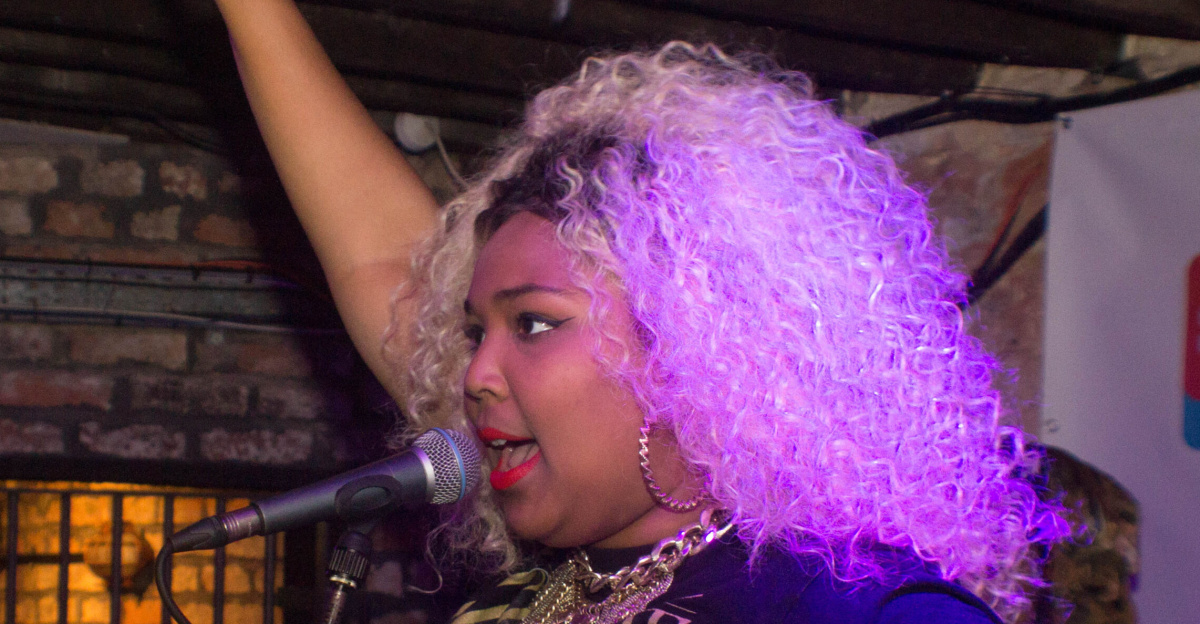
This legal drama highlights the complexity of celebrity workplace conflicts, particularly when they involve issues of identity, power, and expression. Lizzo’s experience illustrates how public personas can conflict with private realities, and how courts balance competing rights. For artists and employers alike, the case offers valuable lessons on maintaining respectful environments without compromising creativity, while also balancing work freedom with employee dignity.
Future workplaces may take cues from this unfolding story.
What Comes Next for Lizzo?
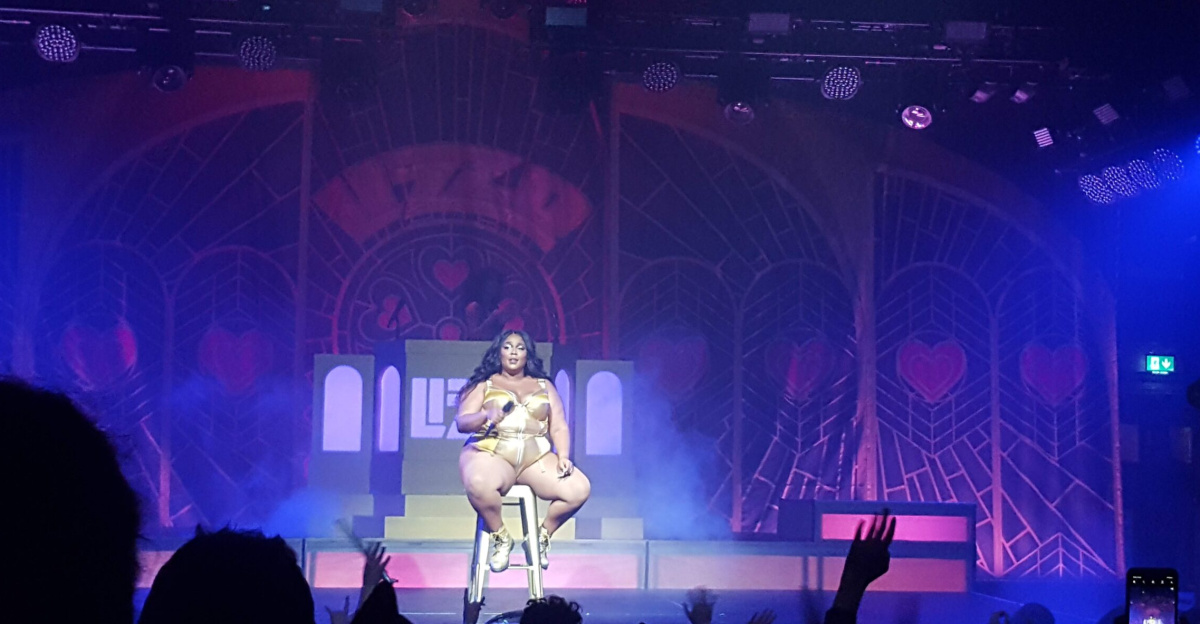
Despite the ongoing trial, Lizzo’s career continues with new projects and tours. However, the legal battle could shadow her public image long-term. How she addresses the allegations and trial outcome may define her future. Supporters hope for resolution and growth, while critics remain wary. Regardless of legal results, the case spotlights urgent conversations about respect, boundaries, and accountability in entertainment.
The resolution remains uncertain but deeply consequential.
Sources:
Final Rulings on Lizzo Fat-Shaming Claims, Los Angeles Superior Court, 2024
Court Filings and Motions in Lizzo Sexual Harassment Case, California District Court, 2023-2025
Statements From Judge Mark H. Epstein During Lizzo Case Hearings, 2024-2025