For three years, Ukraine has focused on developing an asymmetric naval fleet to counter Russia’s military might. This initiative began in the summer of 2022, when a team of four Ukrainian engineers created unmanned maritime drones using fishing boats and Starlink terminals.
By December 2025, these drones significantly disrupted Russia’s Black Sea Fleet, sinking or damaging 19 Russian warships and compelling Moscow’s navy into a defensive stance. The cost-effectiveness of Ukraine’s drone warfare is striking; these homegrown drones, costing thousands to produce, have targeted naval assets worth hundreds of millions. This shift in naval power exemplifies Ukraine’s innovative approaches in warfare.
Missiles Keep Falling
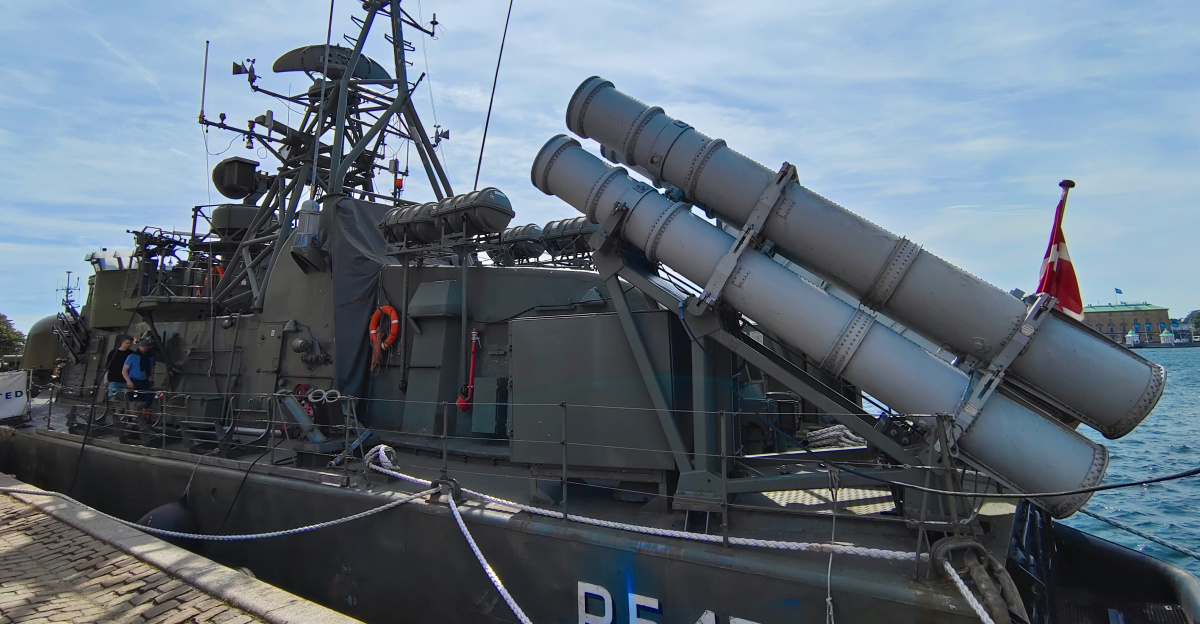
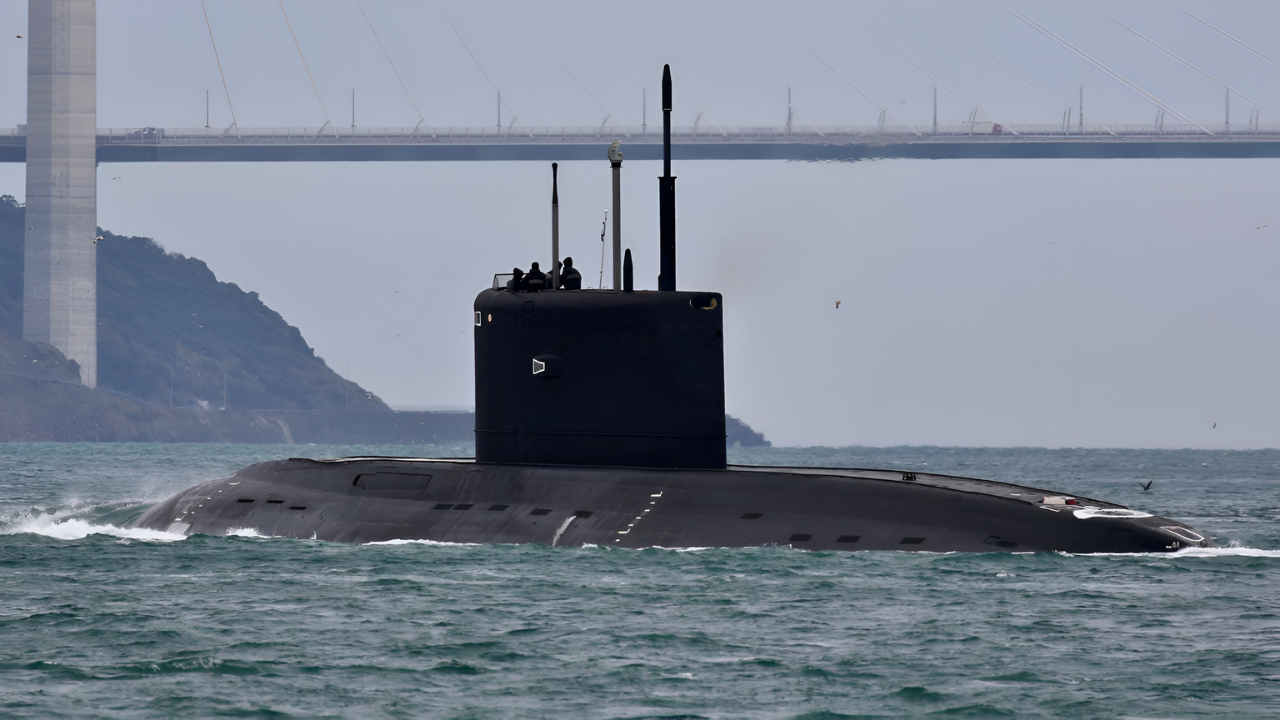
Yet, the ongoing conflict has exacted a devastating human toll. Russia deploys Kilo-class submarines equipped with Kalibr cruise missiles, subsonic weaponry with a range of 1,400 kilometers, aimed at striking urban centers. From 2022 through December 2025, Ukrainian cities faced relentless Kalibr strikes, targeting crucial infrastructure such as power grids and ports.
Each lost submarine translates to numerous missile strikes prevented, mitigating risks to civilians. Over the course of the war, Russian missiles have continuously threatened the safety of urban populations, highlighting the dire stakes and significant humanitarian implications of the conflict.
A Strategic Retreat
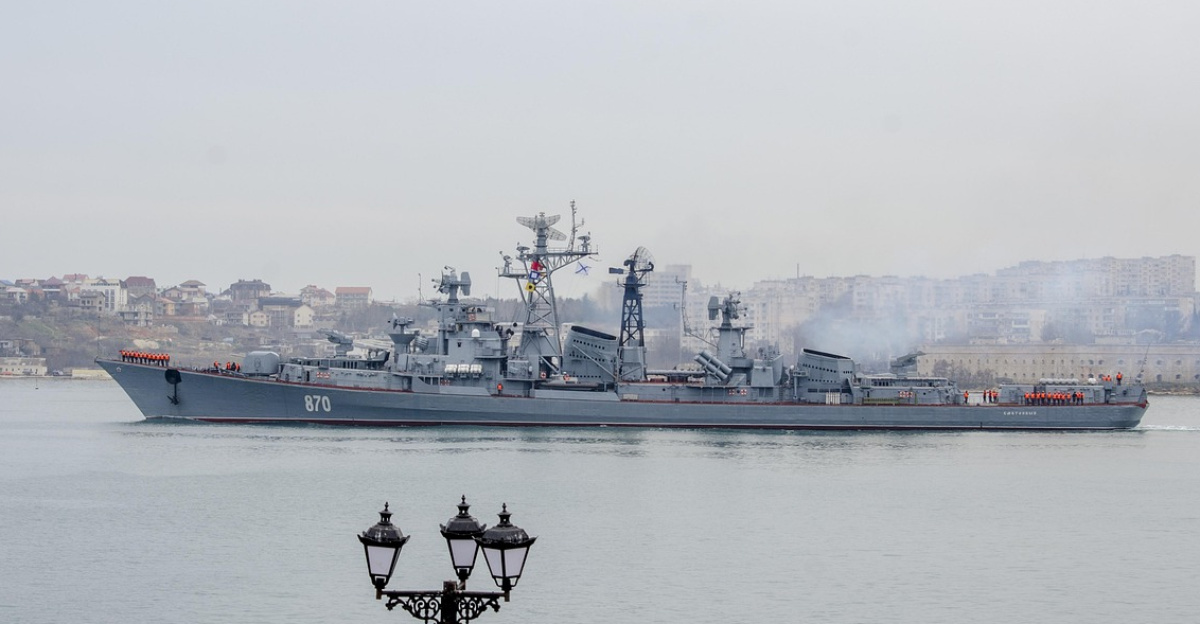
In a pivotal moment in October 2023, following extensive drone assaults, Russia made a critical decision. The Black Sea Fleet’s main base in Sevastopol, Crimea, was abandoned, resulting in the hasty relocation of submarines, frigates, and patrol vessels to Novorossiysk, approximately 600 kilometers to the east.
This withdrawal marked a historic turning point: Ukraine, despite lacking a formidable conventional navy, achieved de facto control over Crimean waters for the first time. Politically and strategically, this move illustrated the shifting dynamics of power in the Black Sea, underscoring the effectiveness of Ukraine’s asymmetric naval strategy.
Pressure Mounts
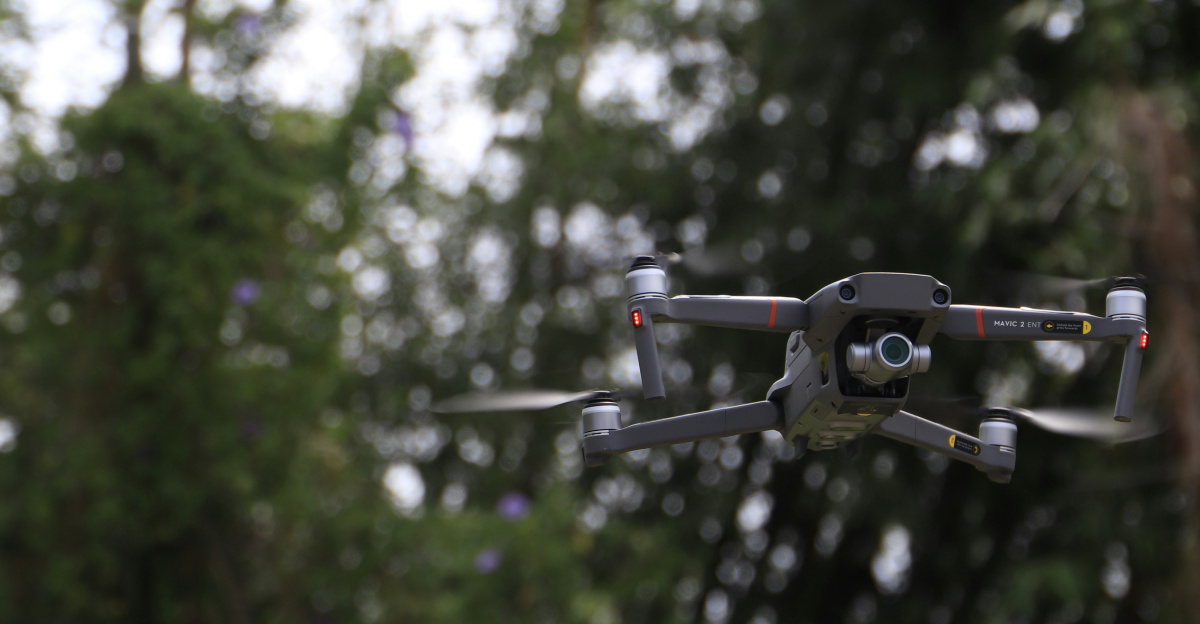
However, even with the fleet in Novorossiysk, the retreat did not guarantee safety. Ukrainian drone operations continued to pressurize Russian naval interests into 2024 and beyond, leading to advancements in tactics and technology.
Analysts raised alarms about the vulnerabilities of Russia’s submarines, some of which were valued at $300 million, that remained at risk even in what were deemed safer harbors. By December 2025, just three Kalibr-capable submarines remained in the Black Sea, down from approximately five at the outset of the war. This degradation signals a significant drop in Russia’s naval combat capabilities.
The First of Its Kind
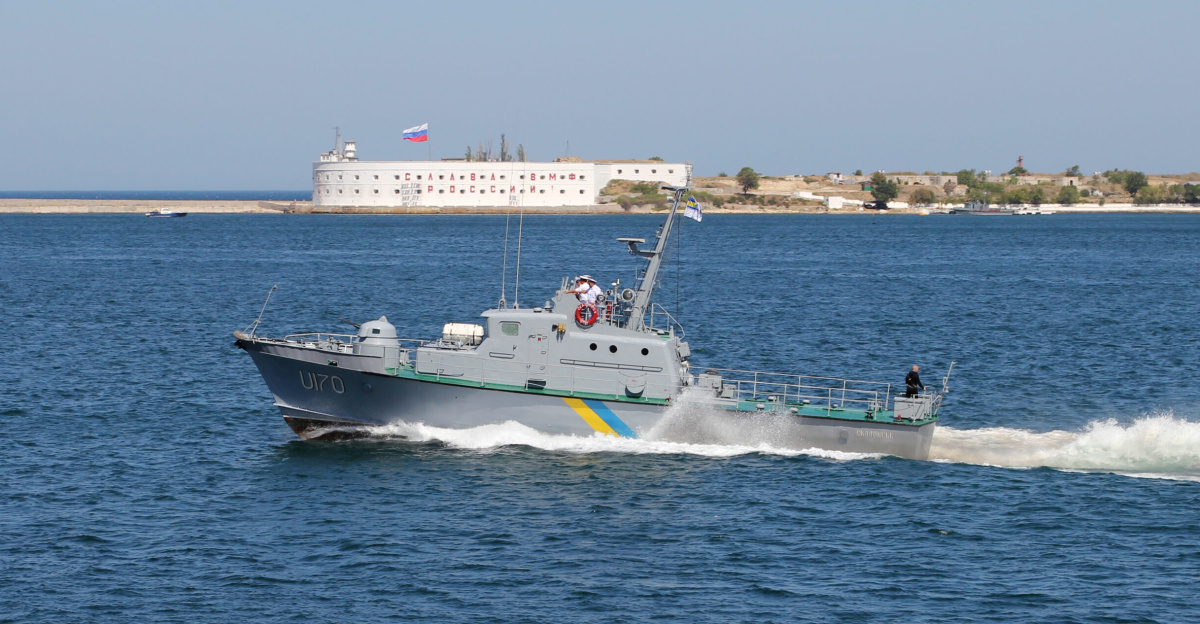
On December 15, 2025, Ukraine executed a groundbreaking operation that redefined naval warfare. The Security Service (SBU) and Ukrainian Navy employed “Sub Sea Baby” uncrewed underwater vehicles to strike an Improved Kilo-class submarine docked at the Novorossiysk naval base.
This operation resulted in a massive explosion at the submarine’s stern, documented on video released by the SBU. The autonomous underwater drone succeeded where traditional torpedoes and mines had failed, inflicting critical damage to a $300 million asset in mere minutes. This unprecedented strike marks a new era in underwater warfare and drone utilization.
Cities Breathe Easier
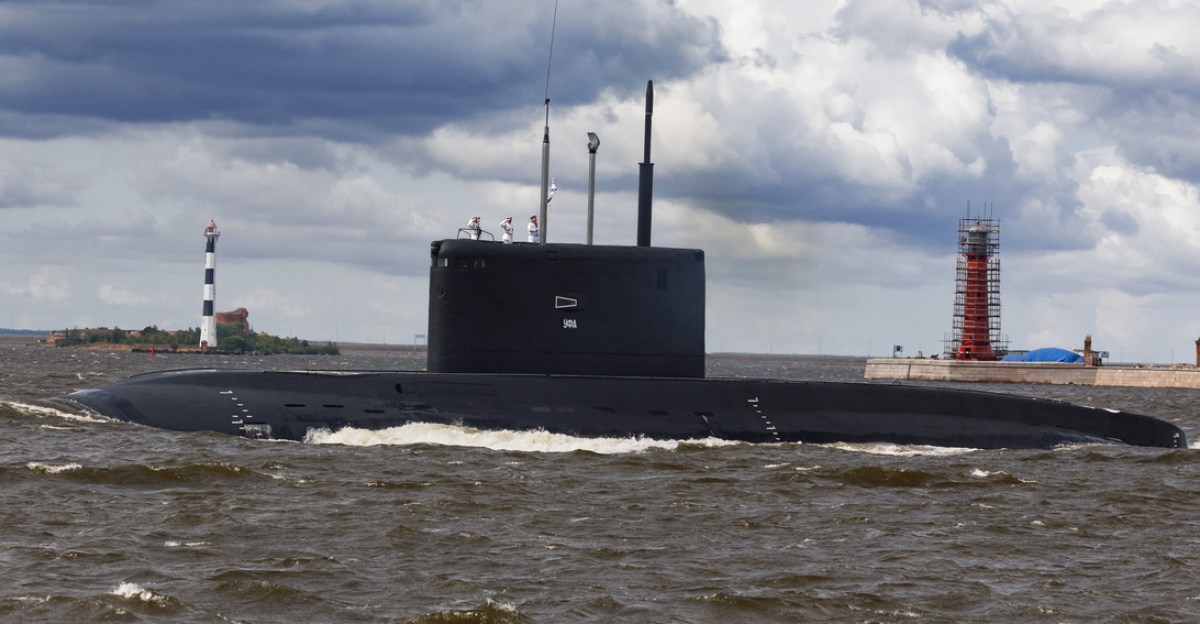
The submarine targeted, identified as the B-271 Kolpino, was estimated to be out of commission for independent deployment, according to assessments from the UK Ministry of Defence. This represented a significant loss for Russia, as it eliminated one of the last operational Kalibr-capable platforms within the Black Sea Fleet.
Analysts project that with this loss, coupled with another submarine lost earlier, around two-thirds of the Fleet’s long-range cruise missile capabilities have been neutralized. Consequently, for Ukrainian cities like Kyiv, Kharkiv, and Odesa, the impairment of Russian missile power is a relief, reducing imminent threats from Russian bombardment.
Reversal of Naval Fortune
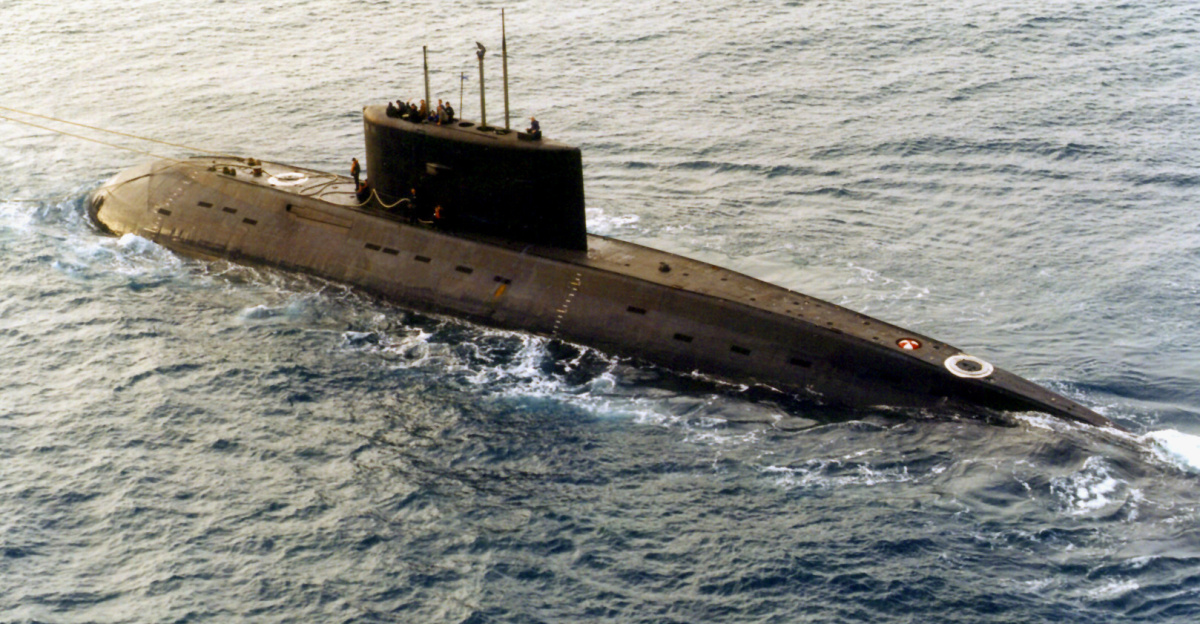
After three years into the conflict, Ukraine has remarkably gained control over the Black Sea, despite its lack of major conventional warships. Russian naval surface vessels remain confined to port, while submarines are actively hunted within their bases.
The shift in power dynamics is stark: in 2022, Russia’s Black Sea Fleet was perceived as a formidable force; by December 2025, it found itself effectively besieged, unable to project power, and facing mounting losses due to asymmetric threats. This transformation illustrates Ukraine’s strategic innovation against a traditionally stronger adversary.
The Human Cost of Warfare

Beneath the statistics and military strategies lies a narrative woven from human experiences. Oksana, a mother from Odesa, shared, “Every day we lived with a sense of uncertainty, listening for alarm bells. That submarine’s damage gives us hope.” Civilians bear the brunt of this conflict’s escalating violence, and their voices matter.
Analysts emphasize that every Ukrainian living in cities targeted by Russian missile strikes is a testament to the war’s profound impact. Recognition of these personal stories enhances our understanding of the humanitarian crises arising from military engagements and their lasting repercussions.
Technological Advancements in Warfare
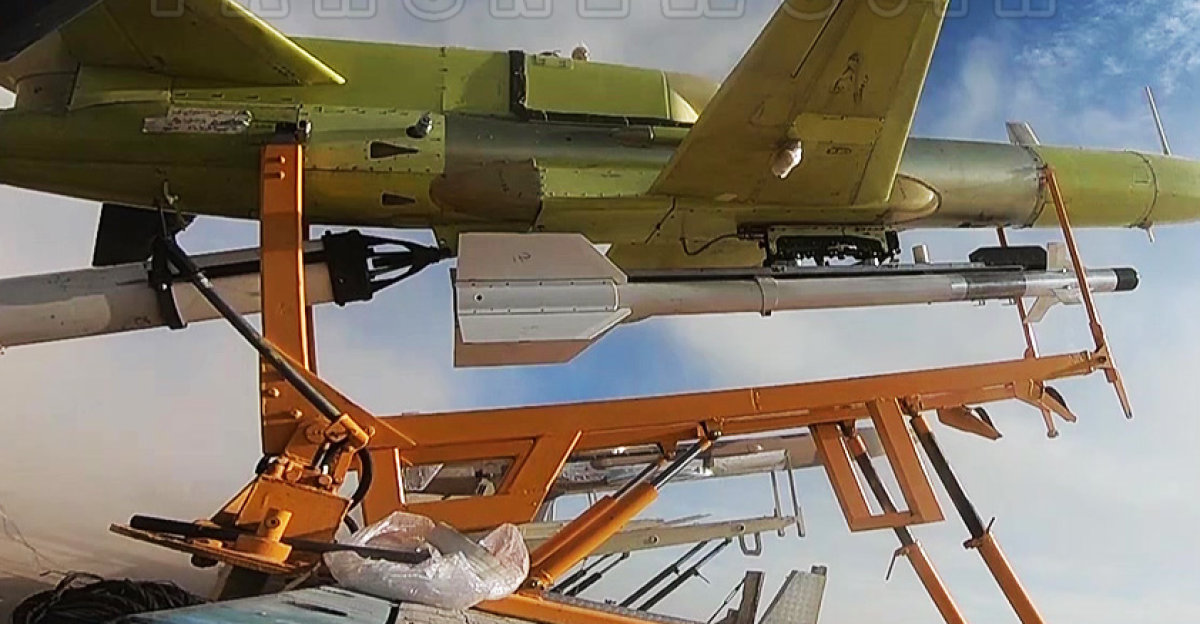
Ukraine’s journey into drone warfare highlights remarkable technological advancements that underscore its naval strategy. From retrofitting fishing vessels to creating innovative underwater drones, the initiative reflects on how adaptive strategies can reshape power dynamics.
Analysts laud the Ukrainian ingenuity that has propelled the development of these uncrewed vehicles. Furthermore, the incorporation of advanced sensors and automation in military applications signals a paradigm shift in how countries assess and respond to maritime threats. This evolution not only fortifies Ukraine’s defense capabilities but also sets a precedent for future engagements worldwide.
The Global Implications of Drone Warfare
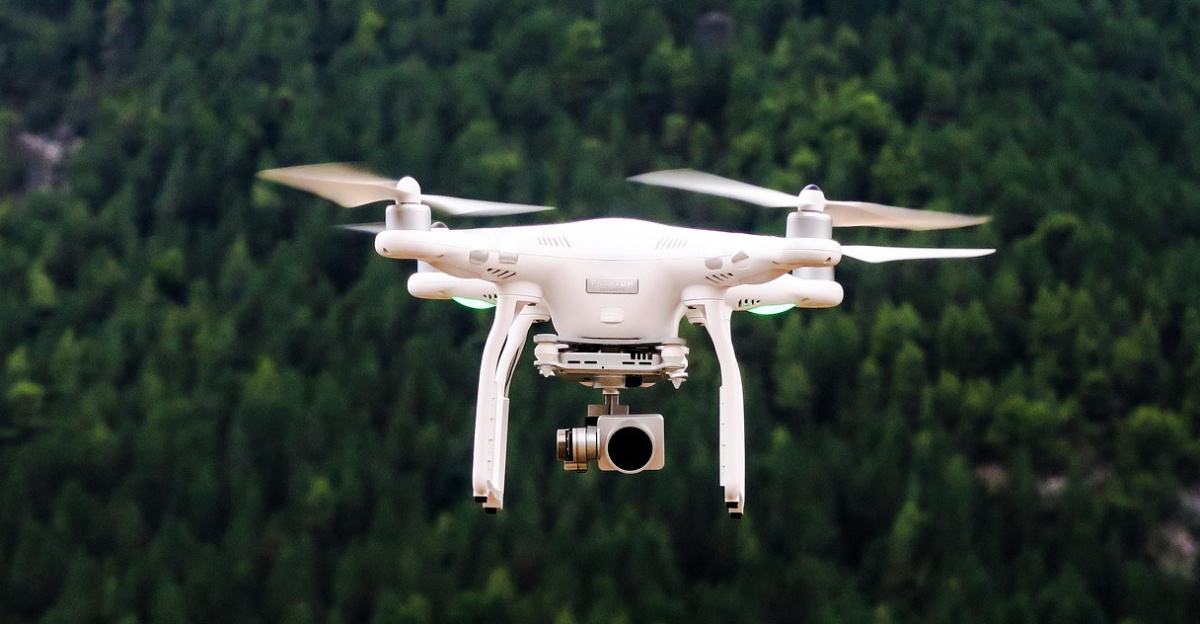
The ramifications of Ukraine’s drone warfare extend beyond regional dynamics, touching on global military strategies. Experts note that as smaller nations confront more formidable adversaries, the lessons learned in Ukraine could redefine naval strategy globally.
Furthermore, this incident demonstrates that innovative, low-cost tactics can yield substantial results against superior military assets. As militaries adapt, the role of drones and automated systems will continue to complicate traditional military doctrines, suggesting that future conflicts may heavily rely on asymmetric capabilities rather than conventional power.
Analyzing Military Losses
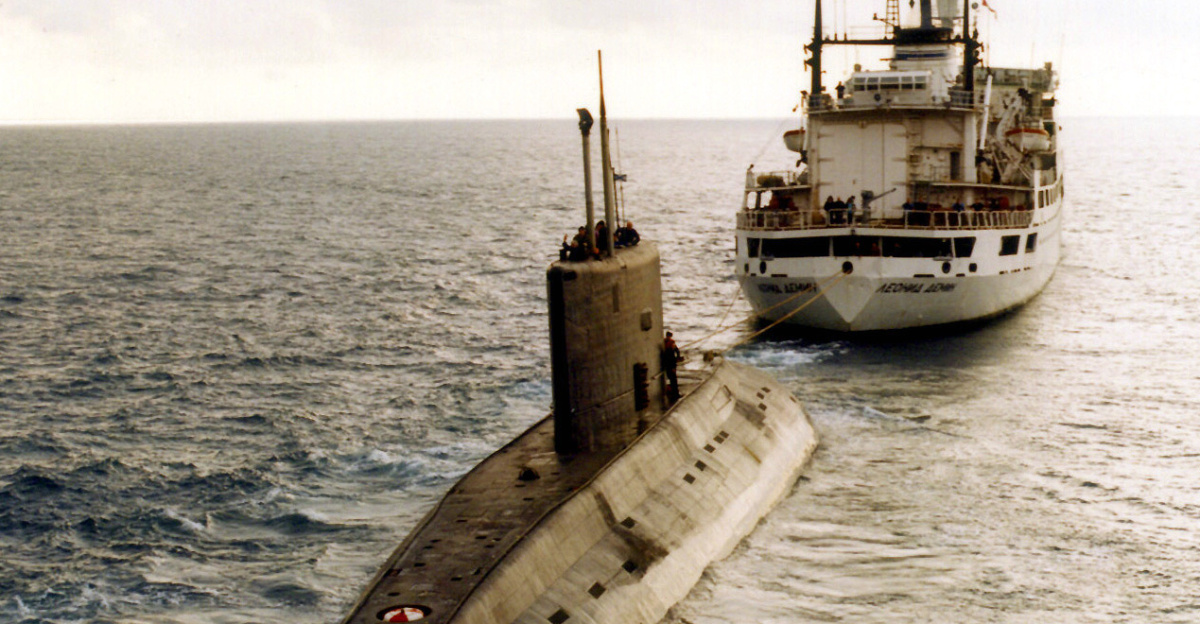
The decline of Russia’s Black Sea Fleet and its reliance on aging submarines raises questions about the future of its military strategies. Estimates indicate that around 40% of the operational fleet has been neutralized, compromising Russia’s extended reach in maritime operations.
Analysts speculate about the ongoing maintenance and replacement costs and their potential impacts on Russia’s geopolitical leverage. Continuous losses not only hinder Russia’s operational efficiency but may also dilute its global standing, prompting shifts in alliances and military engagements. The dynamics surrounding fleet composition and naval power will be pivotal in shaping future military policy.
The Road Ahead for Ukraine

As Ukraine increasingly asserts its naval power, the nation must also prepare for intensified countermeasures from Russia. There’s an expectation of retaliation in forms that may be more advanced than previously employed tactics. Analysts contend that Ukraine’s ability to remain nimble and adaptive will be essential in navigating future confrontations.
Developing new strategies and continually innovating will be crucial for maintaining a competitive edge. The conflict’s direction may hinge on how well Ukraine applies the lessons learned from the challenges faced in maritime and land warfare.
International Reactions and Support

The unfolding developments in the Black Sea have drawn global attention, with many nations keenly observing the shift in naval dynamics. International responses reflect a blend of support for Ukraine’s sovereignty and concern regarding escalating military conflict. Support for enhanced military aid and advanced weaponry to Ukraine is gaining traction among allied nations.
As nations reassess their military strategies, discussions emerge on cooperation and deterrent measures that address unprecedented threats posed by asymmetric warfare. This landscape serves to redefine international partnerships centered on collective security and defense.
Reflections from Analysts

Military analysts agree that the conflict in Ukraine is a significant case study for contemporary warfare, highlighting the need for adaptable doctrine. Expert John Smith stated, “This conflict may shape how the next generation of military conflicts are executed.” Reflections from military historians underscore the importance of understanding how innovative tactics such as drone warfare are altering conflict resolution methods.
As the global landscape shifts, analysts predict that Ukraine’s experiences will influence future engagements, prompting nations worldwide to rethink their approach to warfare in the 21st century.
The Future of Naval Warfare
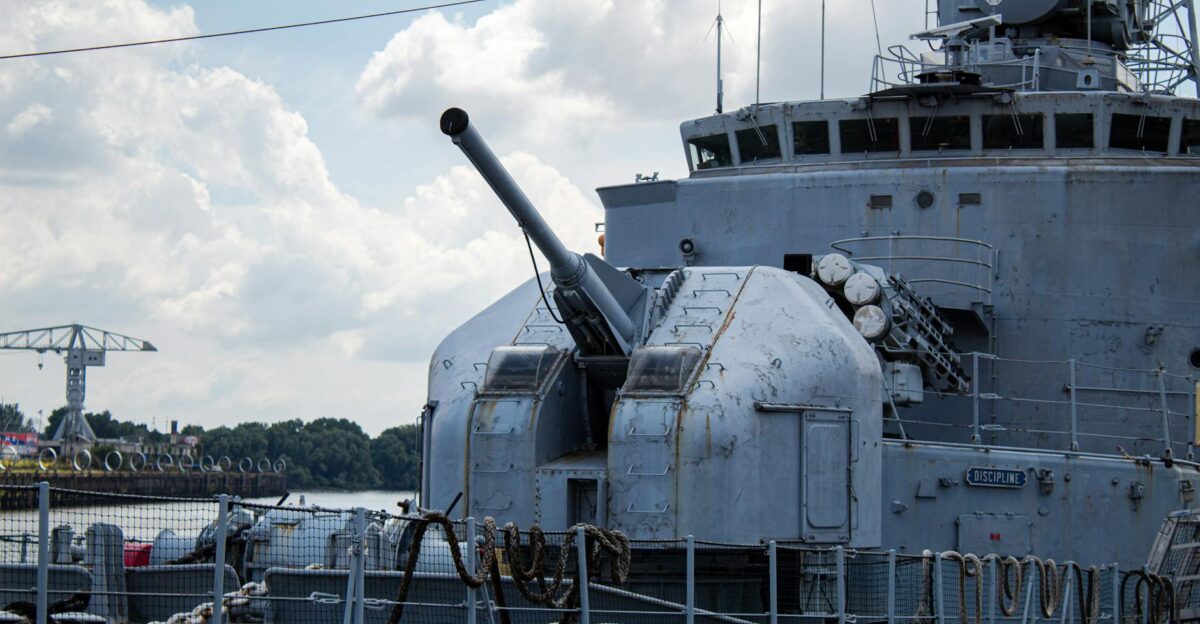
The events surrounding Ukraine’s drone strike and the ensuing ramifications underline a transformative moment in naval warfare. As conflicts evolve, nations must contend with the reality that asymmetric capabilities are reshaping traditional military engagements.
The implications of Ukraine’s experience extend far beyond its borders, affecting global strategies and military collaborations. Moving forward, the focus must encompass not only technological advancements but also the humanitarian consequences of warfare. As nations draw lessons from this conflict, the importance of adapting military doctrines to incorporate asymmetric tactics will profoundly shape the future of warfare in lasting ways.
Sources
The following sources were consulted and cited throughout this article:
CNN – Ukraine Strikes Russian Submarine with Underwater Drone
Defense News – Ukraine’s First Underwater Drone Strike Caught on Hacked Cameras
Naval News – Ukraine Strikes Russian Submarine with Sub Sea Baby Drone; Seen for First Time: Ukraine’s Original Naval Drone
Wikipedia – Russian Submarine Kolpino; Kalibr Missile Family; Black Sea Fleet; Kilo-class Submarine
Atlantic Council – Putin’s Fleet Retreats: Ukraine is Winning the Battle of the Black Sea
Al Jazeera – Why is Russia Escalating Attacks on Ukraine’s Odesa