Reality television often embellishes images of wealth and success, but for Cameron Colvin, a former participant on Below Deck Mediterranean, deception lurked beneath the surface. Colvin, who captivated fans with his portrayal of affluence, was under federal scrutiny for years.
His persona as a prosperous entrepreneur masked a sophisticated fraud scheme that stole over $1.25 million. As investigators pieced together his web of deceit, they uncovered a stark contrast between his television fantasy and the reality of his criminal actions. This dramatic revelation serves as a cautionary tale about the thin line between celebrity glamor and personal integrity.
The Arrest

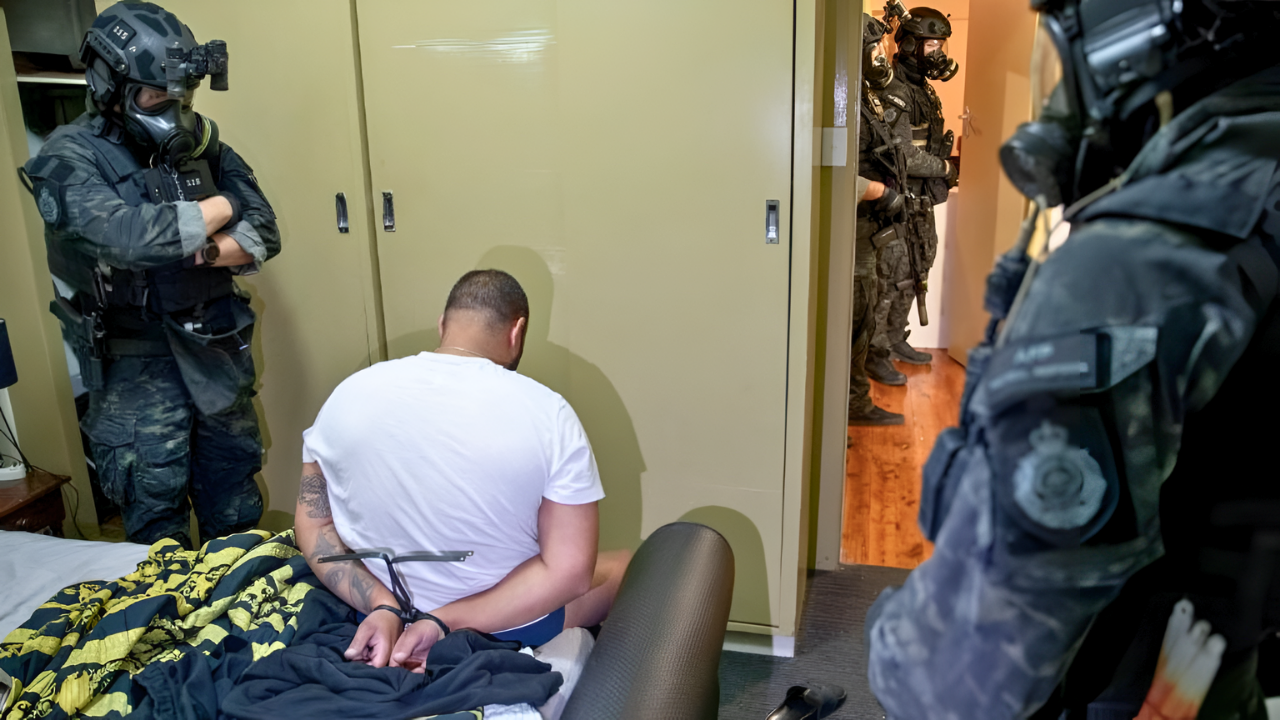
Cameron Colvin’s life took a significant turn on October 30, 2025, when FBI agents from the Phoenix field office arrested him at his residence. This operation concluded a complex seven-year investigation into a multifaceted fraud scheme. Colvin, 39, transitioned from a celebrated television guest to an alleged con artist in a matter of hours.
The federal charges against him were severe, indicating a dramatic fall from grace for someone who had built a public persona as a successful businessman. His arrest raised questions about accountability and the impact of public image in the realm of reality television.
From Football Hero to Fraud Suspect

Cameron Colvin’s backstory is rife with resilience, enhancing the allure of his narrative. As a former University of Oregon wide receiver, his life was immortalized in the film When the Game Stands Tall, celebrating a remarkable high school football record.
However, his experiences were marred by personal tragedies, including his father’s battle with addiction and a friend’s murder. These elements of his life story built a compelling façade, lending credibility to his later fictitious claims of business successes. This stark juxtaposition highlights how underlying vulnerabilities can be manipulated to engage unsuspecting victims in fraudulent endeavors.
The Fake Billionaire Setup

Portraying himself as a prolific commercial real estate developer, Colvin claimed to run CamCo Commercial Inc. from luxurious offices spread across major cities globally. He even pledged $200 million to Goodwill of Central and Northern Arizona, a move that seemed philanthropic but was deceptive in nature.
Investigators revealed that he had only rented a modest office suite in Scottsdale, Arizona, and was evicted in 2023 for nonpayment of rent. This fictional empire was built on a foundation of lies, demonstrating the lengths to which Colvin went to maintain the illusion of success and luxury, ultimately leading to his downfall.
The Indictment: 20 Counts of Wire Fraud
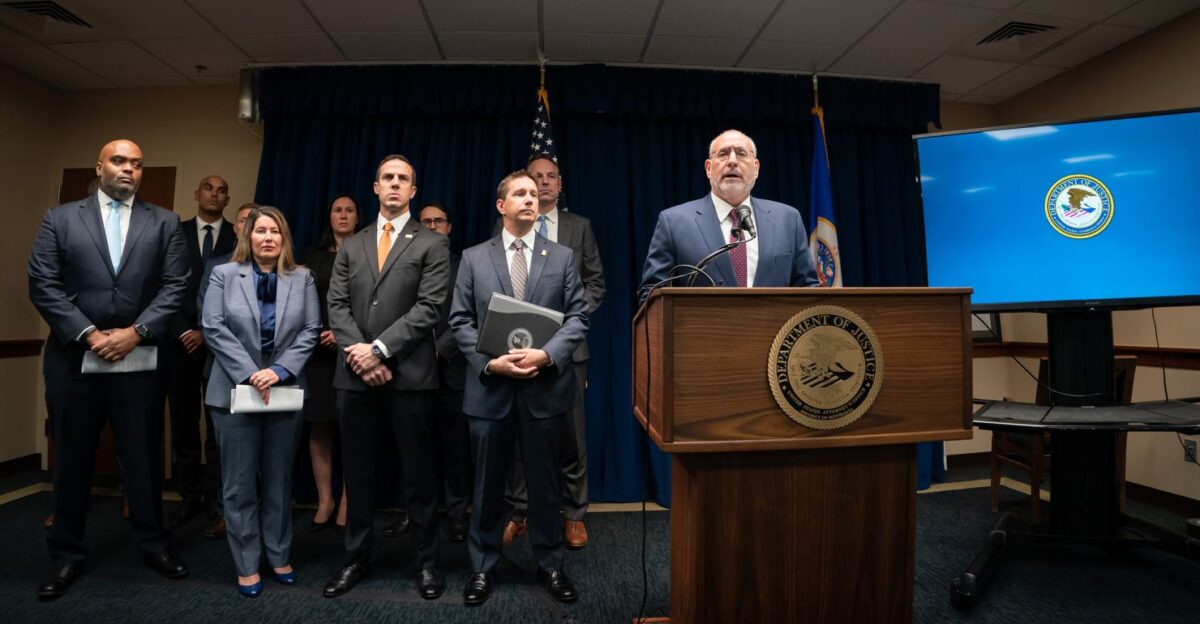
On October 21, 2025, a federal grand jury in Arizona indicted Colvin on 20 counts of wire fraud, along with five counts of money laundering. This significant legal action resulted from allegations that he defrauded multiple victims out of over $1.25 million between November 2018 and October 2025.
Each wire fraud count carries severe penalties, including up to 20 years in federal prison. The legal ramifications of his actions not only tarnished his reputation but also opened a larger discussion on accountability for individuals who project false images of wealth and success in public domains.
How the Fraud Worked

Colvin’s sophisticated fraud scheme hinged on convincing investors of impossible returns on commercial real estate investments, promising an 18% return within just 30 to 45 days. Unfortunately, these returns never materialized. He also exploited romantic relationships to secure short-term loans from women, never intending to repay them.
Despite the seemingly legitimate contracts that victims received, the business opportunities they had been promised evaporated. His victims spanned multiple states, illustrating the extensive reach of his fraudulent activities and the profound impact on individuals who had placed their trust in his fabricated claims.
The Luxury Spending Revealed

Colvin’s lavish spending habits came under scrutiny as federal prosecutors detailed how he used the proceeds from fraud to support a luxurious lifestyle. He showcased private jet trips to Las Vegas on social media and was often seen with high-end vehicles.
Most notably, he chartered a $150,000 yacht for appearances on Below Deck Mediterranean, capturing audiences’ attention while under federal indictment. This “once-in-a-lifetime trip,” funded by stolen money, aptly illustrates the stark contrast between Colvin’s public persona and his criminal undertakings, making his eventual arrest all the more shocking.
Reality TV’s Second Major Arrest in 2025
Colvin’s arrest marked a troubling trend within reality television, as he became the second primary guest from Below Deck Mediterranean to be apprehended in 2025. Earlier that year, William “Billy” Rodriguez faced first-degree murder charges in a hit-and-run incident.
This wave of criminal activity raised serious concerns regarding the vetting processes of reality television producers, prompting questions about how individuals with dubious backgrounds could gain access to mainstream platforms that promote luxury lifestyles.
The Bigger Picture: Reality TV & Fraud Vulnerability

The focus of reality TV on wealth and lifestyle creates a unique vulnerability for viewers, allowing individuals like Colvin to project credibility based on fabricated success stories. Shows such as Below Deck and the Real Housewives franchises often feature affluent guests whose financial backgrounds are not verified.
Producers tend to prioritize entertainment over thorough vetting processes, which can inadvertently open the door for financial fraudsters. Colvin’s situation highlights a systemic gap, illustrating the responsibility of reality TV creators to reveal the true backgrounds of their cast.
The Admitted Lie: Real Estate Claims
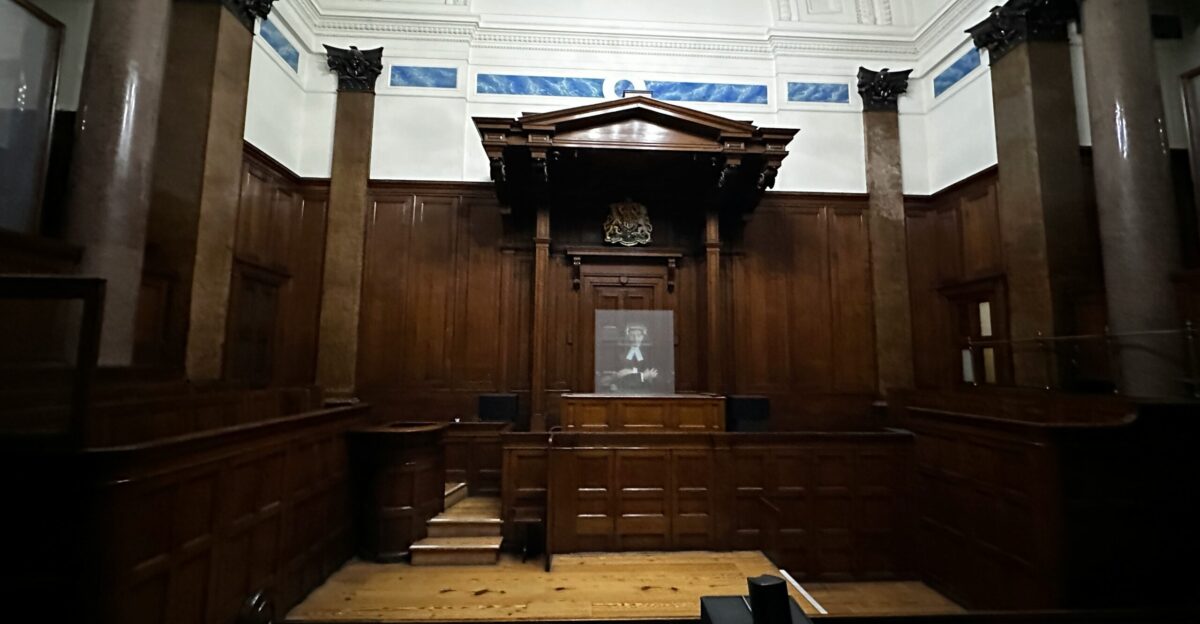
In a courtroom revelation, Colvin admitted under oath that he had never owned any real estate in his own name, having only funded a single project for personal use back in 2009. This admission starkly contradicted the entire foundation of his business model, which heavily relied on claims of extensive commercial property holdings.
The ramifications of these lies not only affected his legal standing but also shattered the trust placed in him by investors and associates alike, exposing a deeper issue at the intersection of celebrity status and accountability.
Victim Impact: Personal Stories

The fallout from Colvin’s fraudulent actions affected many individuals who trusted him with their investment dreams. One victim, who asked to remain anonymous, stated, “I felt completely crushed when I learned the truth.
I invested my life savings, believing in his vision.” Victims reportedly lost their financial security and emotional well-being in the wake of his scheme. Their stories underscore the far-reaching consequences of Colvin’s deception, revealing a human toll behind the numbers that often gets overlooked in cases of financial crime.
The Courtroom Scene

As Cameron Colvin faced the court, tension ran high. His arraignment drew attention from media outlets and former fans alike. During the proceedings, prosecutors painted a picture of deceit and exploitation, arguing for a substantial penalty given the scale of the fraud.
A courtroom observer noted, “It’s a surreal moment to see someone you thought was a role model stand accused of such serious crimes.” This moment marked a significant shift in Colvin’s narrative from a celebrated sports figure to an alleged criminal.
The Role of Social Media

Colvin’s extensive social media presence played a crucial role in creating his public persona. His posts showcasing luxury experiences served to build credibility among potential investors and romantic partners. Analysts suggest that social media enabled him to amplify his deceptive narrative significantly.
An industry expert remarked, “People tend to trust what they see online, which can be dangerous when it comes to financial matters.” This underscores the need for due diligence in an era where personal brands can be fabricated with a few carefully edited photos.
Legal Consequences and the Justice System

As the legal process unfolds, the consequences for Colvin loom large. With a possible maximum sentence of 20 years for each wire fraud count, he faces significant jail time if convicted. The indictment has also initiated discussions regarding the effectiveness of anti-fraud measures in both commercial and celebrity environments.
Legal analysts emphasize the importance of strict enforcement and accountability, stating, “The system must evolve to protect innocent investors and hold deceivers accountable, especially when trust is the currency.”
Reactions from the Community

The reality TV community has been vocal in response to Colvin’s actions. Fans and fellow reality stars expressed shock and disappointment, with one influencer commenting, “It’s disheartening to see someone you admired engaged in such deceit.” Community reactions highlight the sense of betrayal felt by fans who had invested emotionally in Colvin’s story.
As discussions progress, the broader implications for the integrity of reality television continue to gain traction, raising awareness about the need for transparency and responsible casting.
The Industry’s Response

In light of Colvin’s arrest, industry leaders are calling for reform in the vetting processes for reality television participants. Discussions surrounding stricter background checks are emerging as producers acknowledge the risks of showcasing guests without thorough investigations.
A production executive commented, “We need to take a closer look at our responsibility in shaping narratives that may not reflect reality.” This acknowledgment marks a significant shift in the production of reality television, with a greater emphasis on accountability for both talent and producers.
The Future for Victims

For the victims of Colvin’s fraud, the path to recovery remains uncertain. Many are left facing financial hardships, while others grapple with emotional distress from the betrayal. This case has sparked interest in support networks for victims of similar fraud schemes.
Community leaders advocate for improved resources to assist individuals in rebuilding their lives and preventing further victimization. One advocate remarked, “Education and support are key to empowering victims and guiding them towards recovery.”
Awareness and Education

The Colvin case serves as a crucial reminder about the importance of financial literacy and due diligence in investments. Experts recommend incorporating educational programs that teach individuals how to recognize warning signs and protect themselves from potential scams.
Financial advisors stress that “Understanding the basics of investment can significantly reduce vulnerability to fraud.” This call for awareness is essential in fostering a more informed community that’s less likely to fall prey to deceptive schemes.
Long-term Impact on Reality TV

The ramifications of Colvin’s actions may extend beyond individual accountability, potentially reshaping the landscape of reality television. Critics suggest that producers may face pressure to cultivate a more responsible narrative framework.
As the public demands higher transparency levels, reality television may need to reevaluate how it casts and portrays its participants. This shift could result in reforms that enhance the integrity and trustworthiness of reality TV programming in the future.
Lessons Learned

Cameron Colvin’s story highlights the inherent risks and responsibilities that accompany fame and fortune, notably in reality television. As audiences become increasingly aware of the potential for deception, the industry must adapt and prioritize transparency.
The case highlights the importance of thorough vetting processes and effective consumer education to prevent fraud. Ultimately, understanding the complex interplay between allure and danger in celebrity culture can empower viewers to make informed decisions, thereby safeguarding their financial and emotional investments.
Sources:
Starcasm: “BELOW DECK MED Primary Cameron Colvin arrested for fraud, money laundering”
ABC15 Investigations: “Former NFL player appears in court on alleged fraud charges”
ON3: “Former Oregon football player Cameron Colvin arrested by FBI for fraud, money laundering”
The Tab: “Below Deck Med guest Cameron Colvin was arrested for fraud after the show. Here’s what we know”
Federal Court Records: “USA v. Colvin (2:25-cr-01443), Arizona District Court”
Sportico: “When the Fraud Stands Tall: A Football Triumph Story Turns Dark”