
Memphis logistics workers face mounting uncertainty after FedEx Supply Chain announced the elimination of 611 positions at two Memphis facilities.
That move followed an earlier round of cuts (about 217 jobs) in Tennessee, underscoring how shifts in customer contracts ripple through the city. Analysts note that when a major client withdraws business, dedicated contract logistics sites can quickly become obsolete.
In practice, this means local jobs vanish when corporate clients move operations elsewhere.
Even FedEx’s promises of transfers or severance aid cannot alter the underlying precariousness of contract-based work.
Disruption Spreads

One of Tennessee’s largest private employers, FedEx, is undergoing unprecedented cuts across its operations. In 2025, the company announced layoffs not just in Memphis but nationwide.
Its recent Network 2.0 integration of Express and Ground arms alone eliminated roughly 1,000 jobs this year.
Combined with the latest Memphis cuts, FedEx has shed well over 3,000 workers across about 14 states.
Observers say this scale of downsizing points to a broad restructuring of the logistics giant. In short, Memphis employees are not alone in facing these sudden, company-wide shifts.
Industrial Foundation
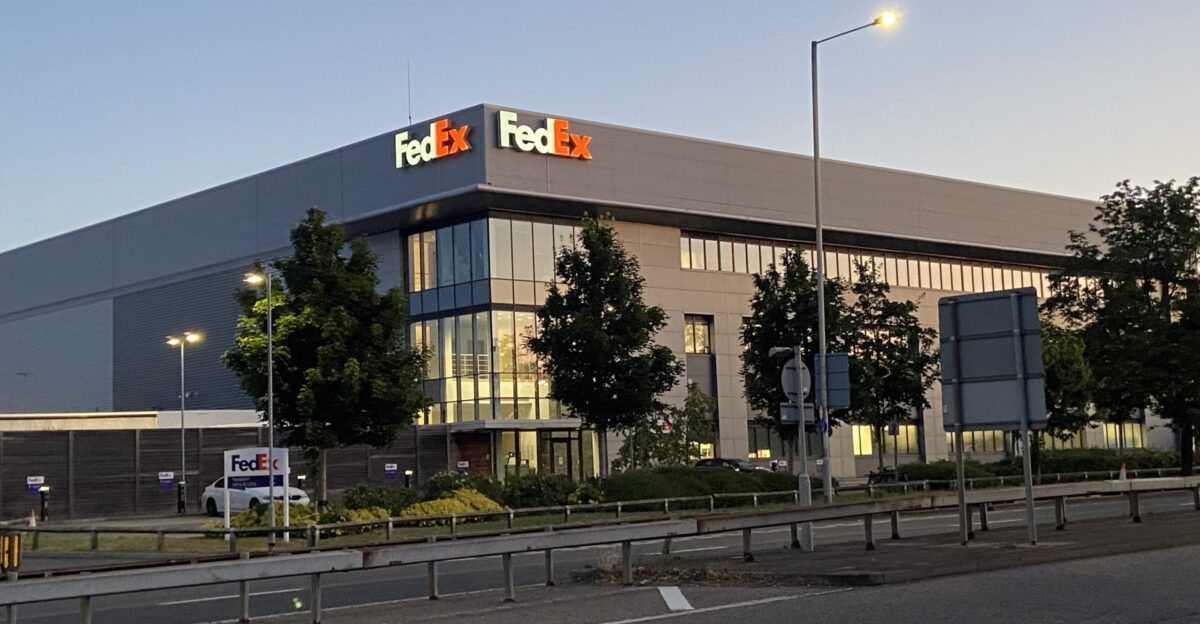
Memphis’s economy is deeply intertwined with logistics. The metro area boasts some of the highest concentrations of supply-chain jobs in the U.S. – over 119,000 people working in transportation, warehousing and distribution.
FedEx’s hub is central: as its COO Udo Lange notes, “Memphis is one of the great logistics hubs in the world,” thanks to its cargo airport, five Class I railroads, Mississippi River port and interstate highways.
That infrastructure helped Memphis become “America’s Distribution Center,” but it also means many local families depend on goods-moving jobs.
When big employers lose contracts, the impact is felt city-wide.
Economic Vulnerability

By late 2024, Memphis’s labor market showed signs of strain. After unemployment hit a near-historic low mid-year, it climbed to about 4.3% by December, above the national rate.
Local hiring stalled even as the labor force grew. One report counted roughly 27,000 unemployed residents and only about 10,000 unique job postings in Dec. 2024 – roughly 2.7 job seekers per opening.
Over the year, labor force expansion outpaced job creation, leaving hundreds more Memphians seeking work each month.
Far more people are hunting for jobs than there are openings, making the economy fragile if employers pull back.
Contract Lost

On August 27, 2025, FedEx Supply Chain filed a WARN notice announcing 611 permanent layoffs effective October 11.
The notice revealed the cuts follow Cummins Inc.’s decision to shift much of its Memphis aftermarket parts distribution to Indianapolis with a new logistics partner.
Cummins spokespeople said the move is “driven by our need to improve efficiency and better support our customers.”
When Cummins’s contract moved, thousands of local jobs did too. The announcement made clear: in contract logistics, losing a key customer can wipe out entire workforces overnight.
Memphis Impact
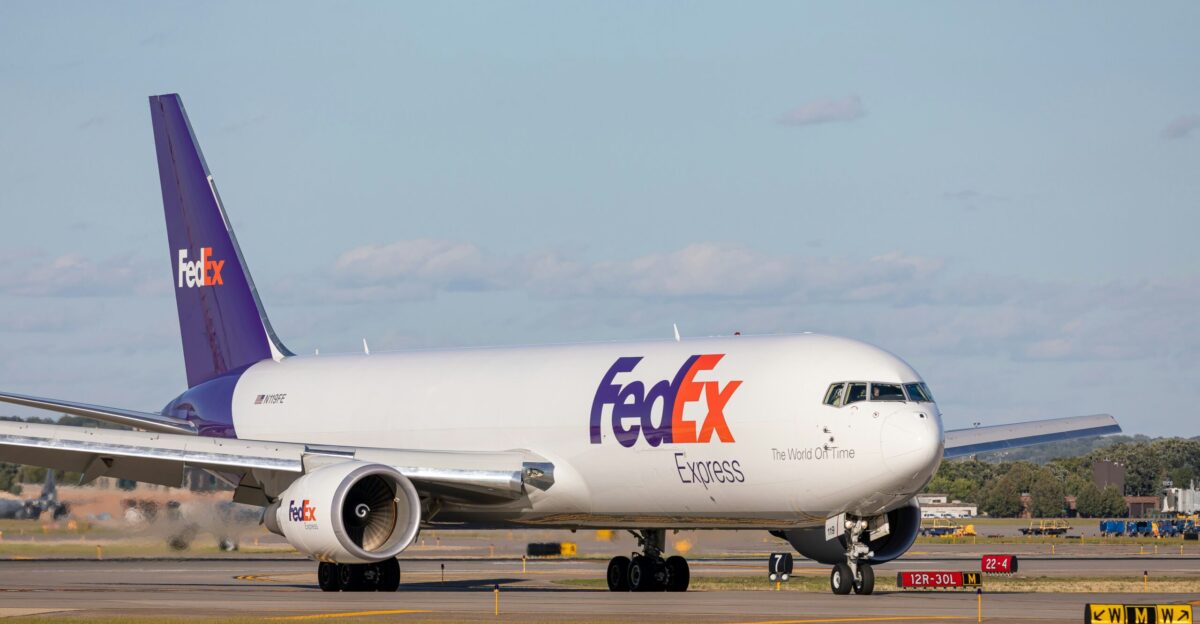
The layoffs hit two FedEx-managed warehouses at 4155 Quest Way and 5800 Challenge Drive – sites that have handled Cummins parts distribution since 2019.
These centers deal in rebuild kits, remanufactured engines and component parts for Cummins dealers across North America.
Together, they represent a significant slice of Memphis’s automotive aftermarket logistics capacity. For many longtime workers, these two facilities were their livelihood.
With the Cummins contract gone, the bustling activity at Quest and Challenge Drive will shrink dramatically, leaving a vacuum in the local distribution network.
Worker Concerns

FedEx says it will support affected employees – offering transfers, relocation aid or severance as applicable. But many workers fear the hidden costs.
Even with transfer assistance, analysts warn, “workers face longer commutes, potential pay and schedule changes, loss of seniority, and the personal costs of uprooting households.”
In Memphis, that could mean working nights or driving much farther to maintain similar earnings – serious upheaval for families.
Some laid-off employees worry that new openings (often at distant sites or on different shifts) may not match their previous jobs, making this one of the toughest challenges yet for the local workforce.
Industry Pressure

Memphis’s troubles reflect a national trend. Since March 2025, nearly 600 jobs have been cut at U.S. third-party logistics firms.
Companies like Ryder, Penske and Quiet Logistics have announced layoffs as the pandemic-driven e-commerce boom cooled. Freight analysts say many 3PLs are consolidating or automating to trim costs.
Losing a big contract like Cummins isn’t unique – similar shake-ups are happening at other facilities nationwide.
The result is a broad contraction in logistics employment, as firms streamline their networks and cut back on nonessential staff.
Structural Changes

Analysts note a brutal reality of contract warehousing: a facility’s fate hinges on its customers. WSWS explains that client-dedicated logistics sites “rise or fall with the client’s decisions.”
In Memphis, Cummins’s departure illustrates that point. The work it used to send to Memphis still exists – it’s just flowing to Indianapolis now. Memphis workers lost those positions; the jobs effectively moved hundreds of miles.
For the local labor force, it means no amount of performance on the job could prevent this loss.
The site’s stability was always beyond the workers’ control, tied entirely to a corporate contract.
Legal Scrutiny
The WARN filing has already triggered legal scrutiny. Strauss Borrelli, a class-action law firm, announced it is investigating whether FedEx properly complied with federal WARN Act rules.
Under that law, companies must give 60 days’ notice before mass layoffs. Strauss Borrelli notes that if FedEx fell short, “employees may be entitled to 60 days of severance pay and benefits.”
That could mean two months’ wages for each worker if notice came too late.
The possibility of such back pay highlights how labor protections are trying to buffer the abrupt shock of these announcements.
Management Response

FedEx leadership emphasizes that the Memphis cuts were driven by Cummins’s contract change, not by FedEx’s own network plans. Company spokespeople made clear the layoffs “are not connected to FedEx’s Network 2.0 restructuring” of Express and Ground divisions.
They stress that network consolidations (closing local hubs, etc.) are a separate initiative.
This distinction underscores how client decisions can force sudden layoffs even when the broader corporate strategy is on a different track. In short,
FedEx is saying: “Our network reorganization is one thing, and this Cummins contract change is another” – a way of explaining why Memphis got blindsided despite no mention in company-wide plans.
Strategic Shift

Cummins portrays the move as a strategic efficiency gain. The company says relocating parts distribution to Indianapolis will “better support our customers” while improving logistics.
This fits a broader strategy: manufacturers increasingly centralize distribution in large hubs to cut costs and transit times. Economists note that while this may benefit corporate efficiency, it often hurts secondary locations.
For Memphis, it means losing a chunk of Cummins’s business and the economic activity it brought.
The city’s role in Cummins’s supply chain is diminishing, highlighting a shift toward centralized networks at the expense of smaller markets.
Recovery Efforts

FedEx says it plans to retain some of the Cummins work in Memphis and is actively marketing the freed-up space to new clients.
Many of the laid-off workers may qualify for internal transfers or retraining programs. However, such roles often require accepting different shifts, locations or pay.
In its WARN notice and statements, FedEx insisted many employees are eligible for other positions, plus relocation aid and placement assistance.
In reality, if a worker takes a spot in a different facility, they may face longer hours or loss of tenure. FedEx hopes these measures will ease the transition, but community leaders remain skeptical that comparable opportunities exist nearby for all.
Market Outlook
Experts warn that the Memphis layoff is part of a larger pattern. Logistics employment faces pressure from automation, consolidation and evolving trade routes.
The post-COVID e-commerce surge has tapered, and companies are merging facilities or using technology to reduce labor needs. Memphis’s heavy reliance on transportation and warehousing jobs makes it especially vulnerable.
Some industry analysts now question whether any single city can count on contract logistics for stable growth.
They argue that as companies seek ever-cheaper, faster distribution, cities like Memphis must brace for continued volatility in shipping-related employment.
Future Questions

The FedEx cuts raise hard questions about contract logistics and local economies. If a single client’s decision can wipe out hundreds of jobs, how can workers plan their careers? City leaders are asking how communities adapt when so much depends on outside corporations.
Are current safety nets – unemployment benefits, retraining programs – sufficient for such sudden shifts? And what strategies can cities employ to avoid over-dependence on one industry?
The situation underscores that no industry is entirely recession-proof.
Memphis may need to rethink its economic model, boosting diversity so it’s not left reeling every time a major contract flips.
Policy Implications

Surveys of Tennessee business leaders show they prioritize federal tax relief and inflation control over trade tariffs or immigration limits. But the FedEx layoffs could shift the policy debate.
Policymakers may push for expanded workforce development and incentives to attract new industries.
Some state officials are already discussing job training programs tailored to displaced logistics workers. In short, these cuts might prompt renewed talk in Nashville about diversifying the economy beyond logistics.
The idea is to ensure that when one sector stumbles, there are other engines of growth to pick up the slack, protecting workers from industry-specific shocks.
Regional Consequences

Memphis’s role as a logistics hub is being challenged by this shift. As companies like Cummins move operations to centralized locations (e.g. Indianapolis), experts warn the ripple effects could speed up.
Other firms have already left: for example, XPO Logistics recently announced it would exit Memphis after its client, Verizon, shifted distribution to other partners.
When one hub grows, others shrink. If more major customers follow Cummins’s lead, Memphis could see a sustained migration of distribution jobs toward larger regional centers.
This could reshape economic development patterns across Tennessee and neighboring states, as freight and investments gravitate to fewer, bigger hubs.
Labor Rights

The WARN investigation highlights the tension between corporate agility and worker protections. By law, employers must give 60 days’ notice or face penalties.
Strauss Borrelli emphasizes that missing those deadlines can cost companies dearly: they may have to pay laid-off workers full back pay and benefits for the violation.
Memphis’s case will be watched closely. If the law firm succeeds in securing back pay, it would reinforce that even fast-changing industries can’t ignore legal obligations.
In effect, this could push firms to plan layoffs further in advance or negotiate with workers’ representatives earlier, altering how future announcements are made.
Cultural Shift
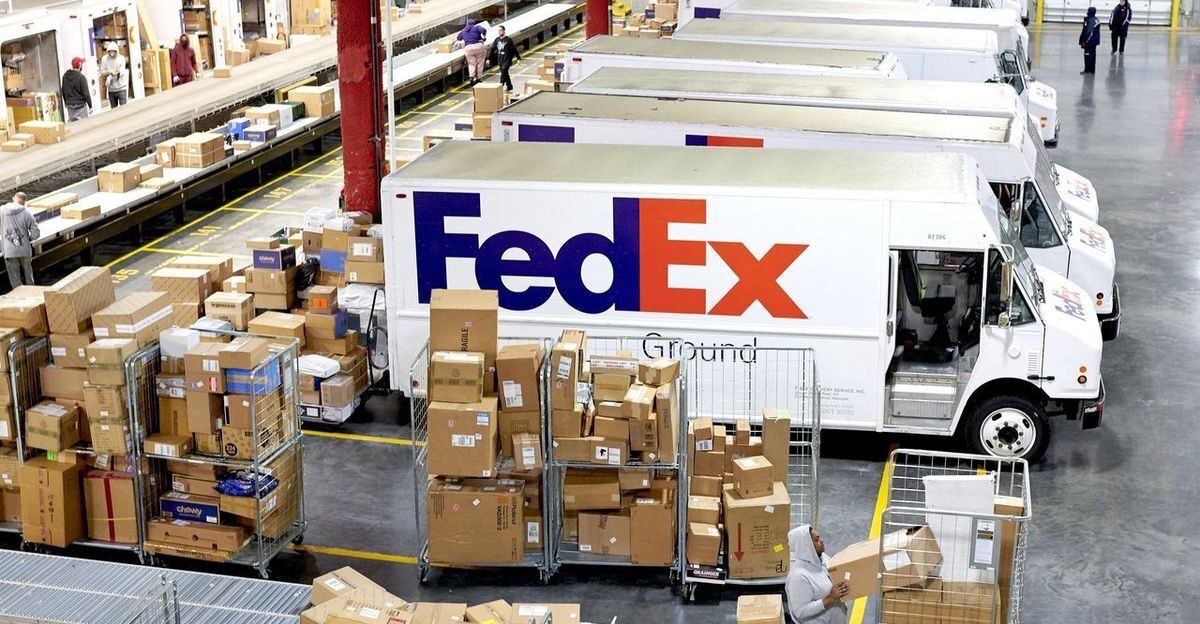
The FedEx layoffs may prompt a cultural shift in Memphis’s workforce. Kenco Logistics VP Sean Coakley describes the city’s relationship with FedEx as “a symbiotic relationship – one helps the other thrive.”
That view underpinned decades of job stability. Now, younger workers may question whether that stability still exists. When jobs vanish due to a client decision, employees start to see the industry as less secure.
Over time, this could change career choices: people might diversify their skills or avoid logistics roles, fearing that even well-established companies can change direction overnight.
Memphis may need to cultivate new attitudes toward job flexibility and security in response.
Broader Reflection

Ultimately, the FedEx Supply Chain layoffs in Memphis illustrate a fundamental shift in American logistics. Companies are weighing efficiency more heavily against local job stability.
As supply chains consolidate, decisions made in boardrooms hundreds of miles away increasingly dictate local employment. For communities like Memphis, the lesson is that past assurances of stability no longer hold.
Economists suggest building resilience through diversity – cross-training workers, attracting different industries and supporting entrepreneurship.
In an era of rapid supply-chain consolidation, cities and workers must adapt: the old model of client-driven job security is giving way to an environment where planning for change is the new norm.