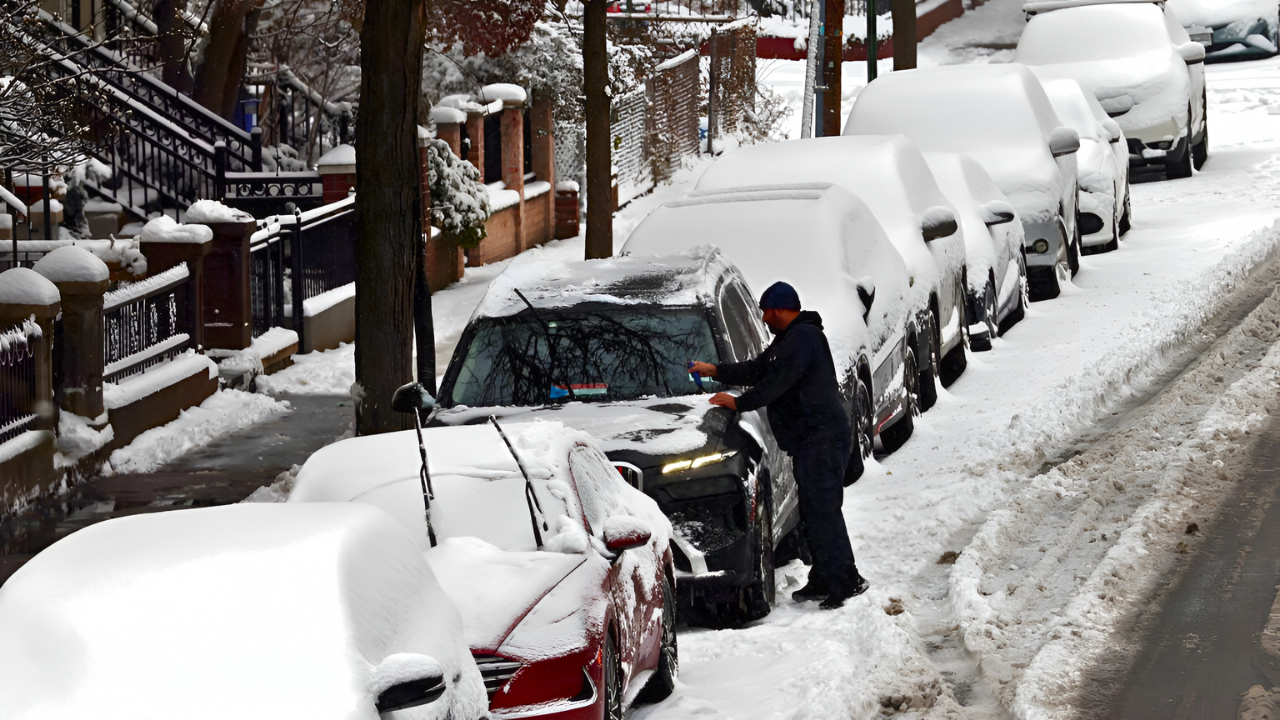
Floridians woke up on December 30, 2025, to a sight few expected, frost on windshields and visible breath in the air. In cities like Jacksonville, temperatures dropped into the upper 20s and low 30s Fahrenheit, sending a chill across the normally warm state. The cold front was brought by an Arctic air mass that pushed deep into the South, making parts of Florida feel more like Georgia or the Carolinas in winter.
The National Weather Service issued a string of freeze warnings from December 30 through January 1 for northern and central parts of the state. Meteorologist Richard Bann noted that such an extended freeze was not a frequent occurrence in the Sunshine State. Floridians rushed to cover plants, wrap pipes, and bring pets indoors as wind chills in some areas dipped into the low 20s. The state famous for palm trees and beaches suddenly found itself in a fight against frost.
Warnings Cover Nearly the Entire State
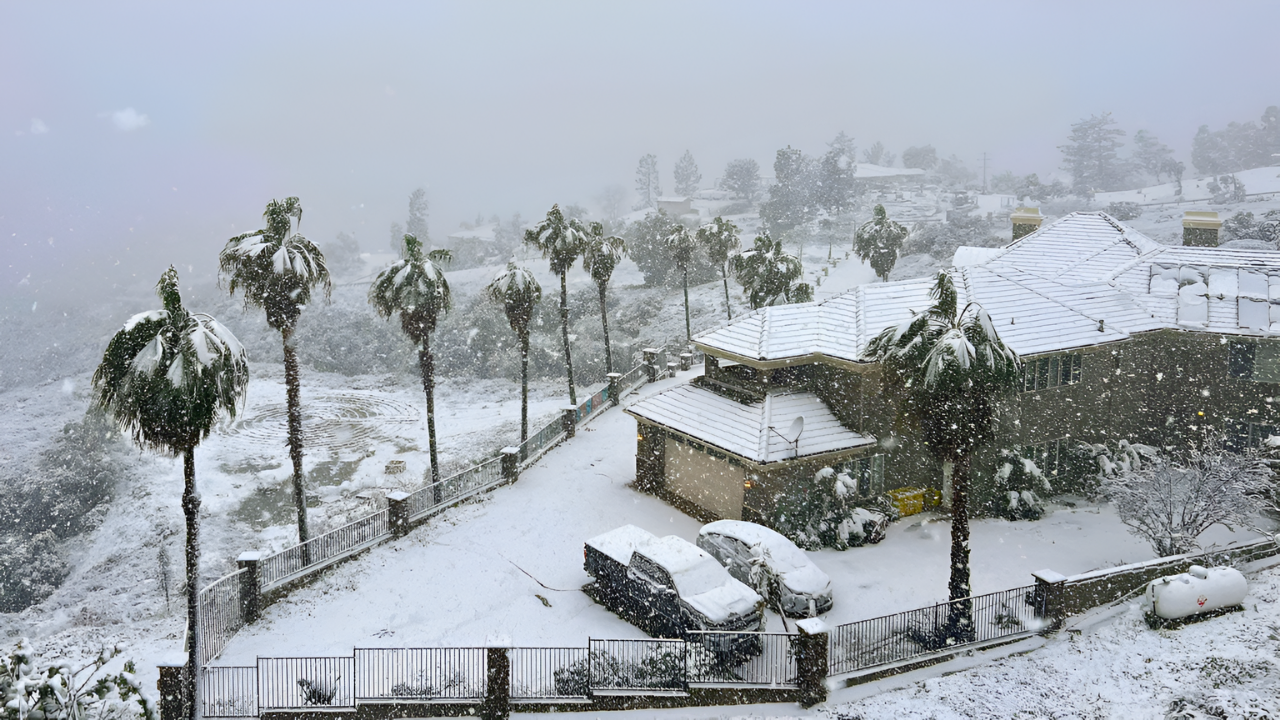
By December 30, freeze warnings stretched across counties including Alachua, Marion, Lake, Volusia, and Flagler, with expected lows in the upper 20s. For eight hours overnight, from 1 a.m. to 9 a.m., those areas stayed below freezing. Dozens of other counties received cold weather advisories, placing nearly the entire state under some kind of cold alert.
Winds from the northwest, blowing at 10–25 miles per hour, made the cold even harsher. In some places, the “feels-like” temperature dropped to between 17 and 23°F even when thermometers read around 40°F. The updated 2024 weather advisories included strong warnings about frostbite risks, reminding people that exposed skin could freeze in a matter of minutes under such conditions.
The entire situation stood out as highly unusual. Florida’s mild climate usually benefits from warm ocean currents like the Gulf Stream, which help prevent long periods of cold weather. This rare freeze stretched further and lasted longer than most could remember. Coastal regions such as the Florida Keys, however, managed to stay above freezing, thanks to ocean temperatures buffering the Arctic air. Miami-Dade County received only frost warnings and avoided the deep freeze entirely.
Emergency Measures Across the State
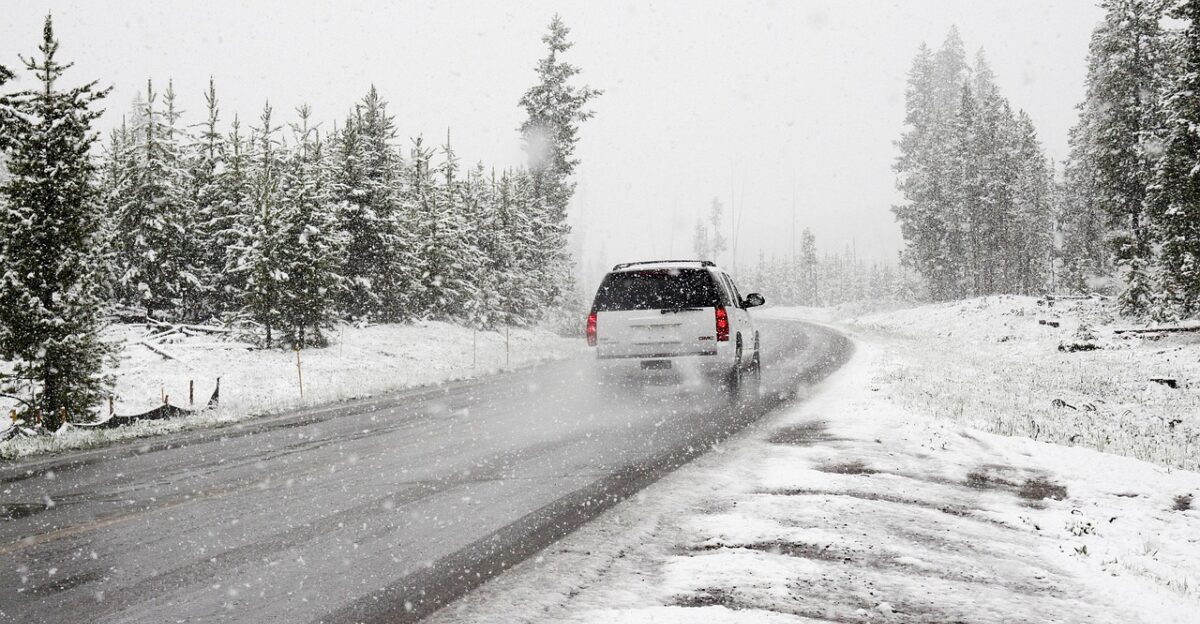
Local governments quickly launched emergency measures. Counties including Brevard, Lake, Orange, Osceola, Seminole, Volusia, and Flagler opened warming shelters for people without reliable home heating. In Brevard County, the nonprofit group Matthew’s Hope prepared beds for more than 120 unhoused residents at its Cocoa facility. Churches, schools, and community centers joined the effort, highlighting how unprepared Florida’s infrastructure can be for sustained cold.
Kevin Guthrie, director of the Florida Division of Emergency Management, urged residents to remember the “Five P’s”: protect people, pets, plants, pipes, and practice fire safety. Officials advised residents to drip faucets to prevent freezing, wrap exposed plumbing, and move pets indoors. They also urged caution when using space heaters or fireplaces, as fires often increase during cold snaps. For many Floridians—especially those new to the state, this advice was both unfamiliar and urgent.
The freeze affected nearly every part of daily life. Theme parks such as Walt Disney World warned guests that New Year’s Eve temperatures could hover near freezing, about 32°F and stores saw a rush on winter clothing. Garden centers ran out of frost cloths as homeowners across central and northern Florida scrambled to protect their plants. In many households, burst pipes and frozen gardens became real threats, with temperatures sitting 15–20 degrees below normal.
Florida’s farmers faced some of the biggest challenges. Citrus growers and vegetable farmers used irrigation systems, wind machines, and other tools to keep crops from freezing. Despite their efforts, agricultural officials warned of possible losses that might affect food prices and supply chains into early 2026.
Looking Beyond the Cold Spell
While the chill shocked a state known for warmth, climate experts cautioned against viewing it as a return to colder times. Instead, they described it as a result of climate variability, the kind of extreme weather that becomes more likely as global temperatures rise. Scientists explained that disruptions to the polar vortex can sometimes force Arctic air southward, even as long-term climate trends show overall warming.
For officials and residents alike, the event sparked important questions about preparedness. Should Florida invest in permanent warming shelters? Should building codes require more insulation or cold-resistant pipes? As climate extremes grow more common, from record-breaking heat waves to rare freezes, many say it’s time for Florida to plan for both ends of the spectrum.
In a state that markets itself on eternal sunshine, the 2025–2026 New Year freeze served as a startling reminder that even paradise isn’t immune to the planet’s changing weather patterns. For three days, the Sunshine State shivered, and in doing so, learned just how fragile its balance with nature can be.
Sources
Newsweek – “Florida Freeze Map Update as Nearly Entire State Under Warning or Advisory” – December 30, 2025
WESH/Yahoo News – “Freeze Warning, Cold Weather Advisory Amid Florida Cold Snap” – December 30, 2025
News4JAX – “Freezing Conditions Continue Into Wednesday for Northeast Florida” – December 29, 2025
WUSF Public Media – “Shelters Will Open in Tampa Bay Region for Residents Experiencing Homelessness” – December 28, 2025
Florida Division of Emergency Management – “Cold Weather Preparedness Guidance” – November 2025
Inside the Magic – “Frost Advisory Issued for Disney World as Freezing Temperatures Hit on New Year’s Eve” – December 31, 2025