
Ford’s Kentucky battery plant lays off 1,600 workers, ending all jobs by mid-February 2025. A company video broke the news to employees at the BlueOval SK facility in Glendale, Kentucky. Workers will receive pay and benefits for only 60 more days. This $5.8 billion site, once seen as a key center for U.S. electric vehicle (EV) batteries, now highlights the auto industry’s quick turn away from EVs.
The Human Cost Hits Hard

Families in Glendale, Kentucky, face tough times just before Christmas. The layoffs wipe out every job at the plant. Many households depend on manufacturing work, and now they enter uncertain financial times.
Local leaders act fast. The Kentucky Cabinet for Economic Development offers retraining vouchers and help finding new jobs. Still, workers who earned $52,000 to $68,000 a year may see wages drop to lower levels common in the area. Suppliers and nearby businesses worry about lost customers, adding stress to the community.
From Big EV Dreams to Harsh Facts
The plant started as part of a 2021 deal between Ford and South Korea’s SK On. The joint venture was worth $11.4 billion for three U.S. sites. Kentucky’s $5.8 billion facility planned to make batteries for Ford’s F-150 Lightning truck and Lincoln EVs.
Kentucky Governor Andy Beshear called it the state’s biggest economic project ever. It fit Ford’s bold plan to lead in electric vehicles. Leaders expected EVs to take over the market soon.
Market Challenges Force a Change
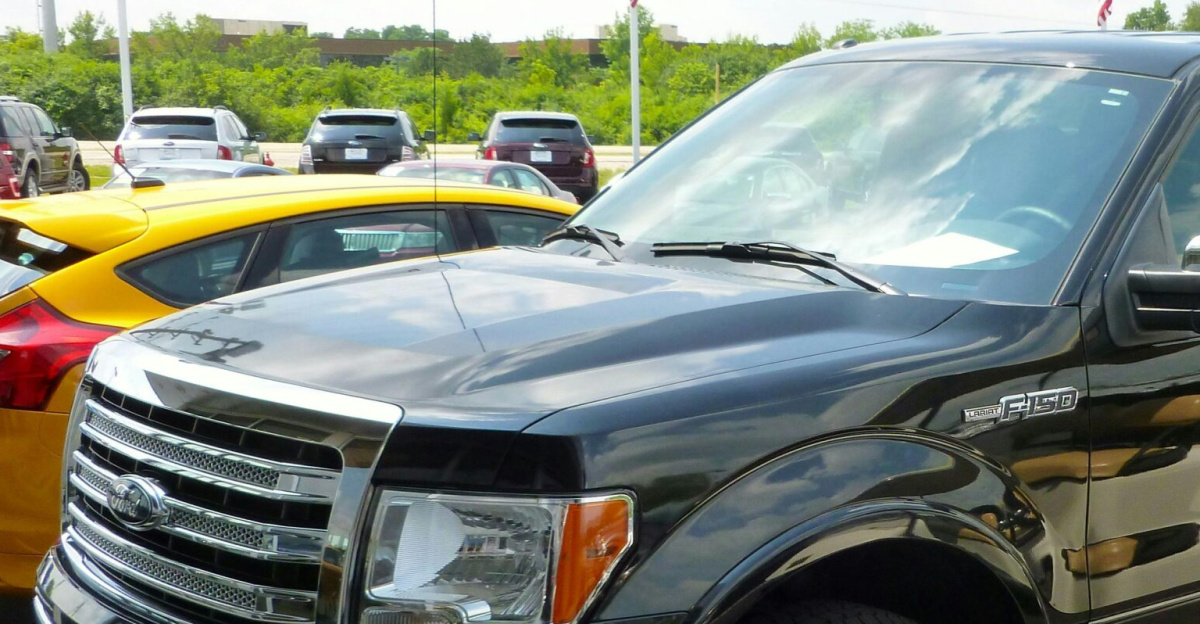
By 2024, problems slowed everything down. Sales of the F-150 Lightning did not meet goals. High interest rates made it harder for buyers to afford cars. Few charging stations left people worried about running out of power on long trips.
Making batteries cost more than expected. The new Trump administration plans to end the $7,500 federal tax credit for EVs, which cuts buyer help. Ford’s Model e division, focused on EVs, lost $4.7 billion in 2023 and $5.1 billion in 2024. These losses made big EV battery projects too risky.
New Plans and Wider Industry Shifts
On December 15, 2025, Ford announced $19.5 billion in charges for its EV changes—one of the biggest write-downs in the industry. The company ended the BlueOval SK partnership. Ford now owns the Kentucky plants fully.
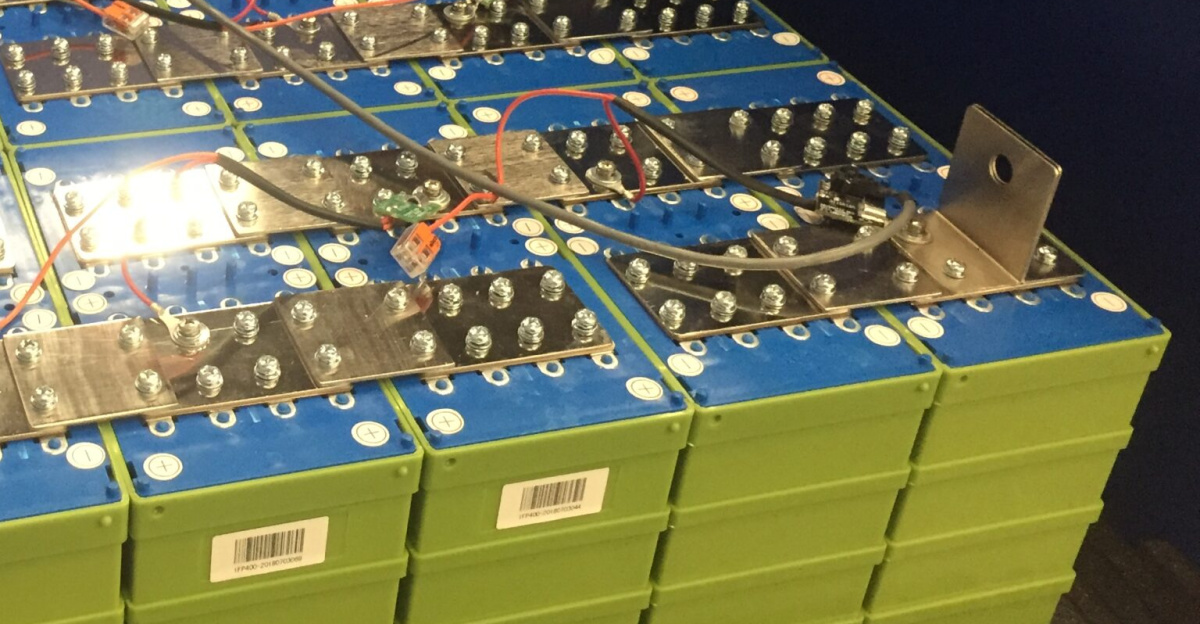
Instead of car batteries, the site will make lithium iron phosphate batteries for power companies, AI data centers, and renewable energy projects. It drops EV supply for vehicles. SK On keeps its Tennessee plant and shifts to other customers, like those needing batteries for fixed storage.
Ford says it will hire about 2,100 workers later, but no clear dates, pay details, or needed skills have come out. This leaves a gap after the current layoffs.
The decision affects more than Kentucky. General Motors cut EV battery production in October 2024 and shed jobs due to weak demand. Other companies like Volkswagen and Stellantis face the same issues: policy changes, higher costs, and buyers hesitant about EV prices and charging spots.
Ford now puts money into hybrids, extended-range EVs with gas engine backups, and a cheap EV truck by 2027. This mixes gas power know-how with slow steps into electric tech. CEO Jim Farley said the company wants to skip big, money-losing EVs.
Ford’s stock fell at first but recovered as experts liked the financial cleanup. Still, big questions remain. If a leader like Ford pulls back from U.S. battery making, can EV supply chains last without ongoing government help? Kentucky’s struggles show larger changes ahead. Market forces slow EV growth, boost hybrids, and force communities to adapt jobs during an unclear shift to new energy sources.
Sources:
CNBC | Ford to record $19.5 billion in special charges, pull back on EVs | December 15, 2025
WDRB | All 1,600 Kentucky battery plant employees laid off as Ford pivots away from EV | December 23, 2025
Manufacturing Dive | Ford, SK On dissolving BlueOval SK EV battery joint venture | December 11, 2025
Fortune | Ford writes down $19.5 billion as it pivots electric Lighting | December 15, 2025
Local12/WKRC | Former Kentucky Ford employees react after automaker lays off 1,600 | December 16, 2025