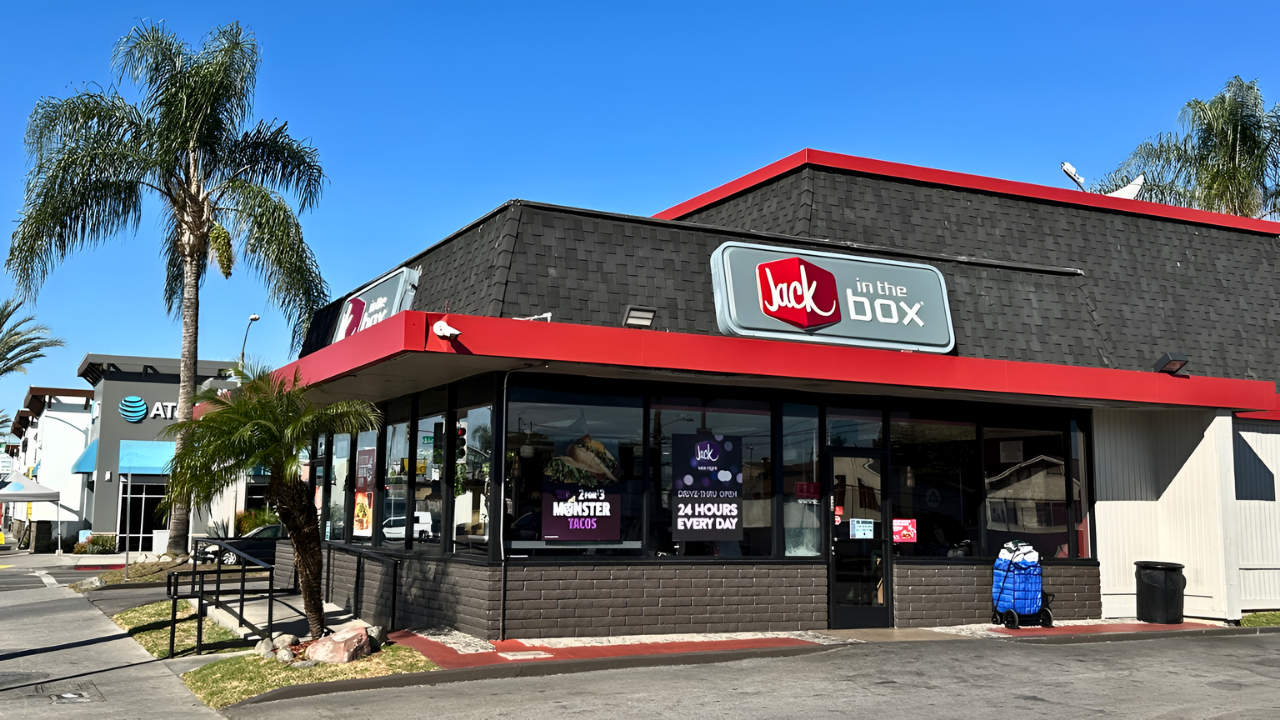
Jack in the Box posted an $80.7 million net loss for fiscal year 2025, marking one of the burger chain’s worst financial performances in decades.
The California-based company plans to close up to 200 underperforming locations by 2026 as part of its “Jack on Track” restructuring plan. Through November 2024, 72 stores had already shuttered.
Same-Store Sales Plummet Over 7% in Consecutive Quarters

The chain’s sales deterioration accelerated dramatically throughout fiscal 2025. After posting modest 0.4% growth in Q1, same-store sales crashed to -4.4% in Q2, then -7.1% in Q3, before hitting -7.4% in Q4.
The back-to-back quarters exceeding -7% decline represented the worst performance in 15 years outside the pandemic period.
California Minimum Wage Law Crushes Margins

California’s Assembly Bill 1228, which raised fast-food minimum wages to $20 per hour in April 2024, severely impacted Jack in the Box’s profitability. With approximately 40-45% of its 2,200 restaurants concentrated in California, the 25% wage increase compressed margins significantly.
Research shows the law eliminated roughly 18,000 fast-food jobs statewide while reducing employment 3.2-3.6%.
Del Taco Sale Represents 80% Loss on Investment
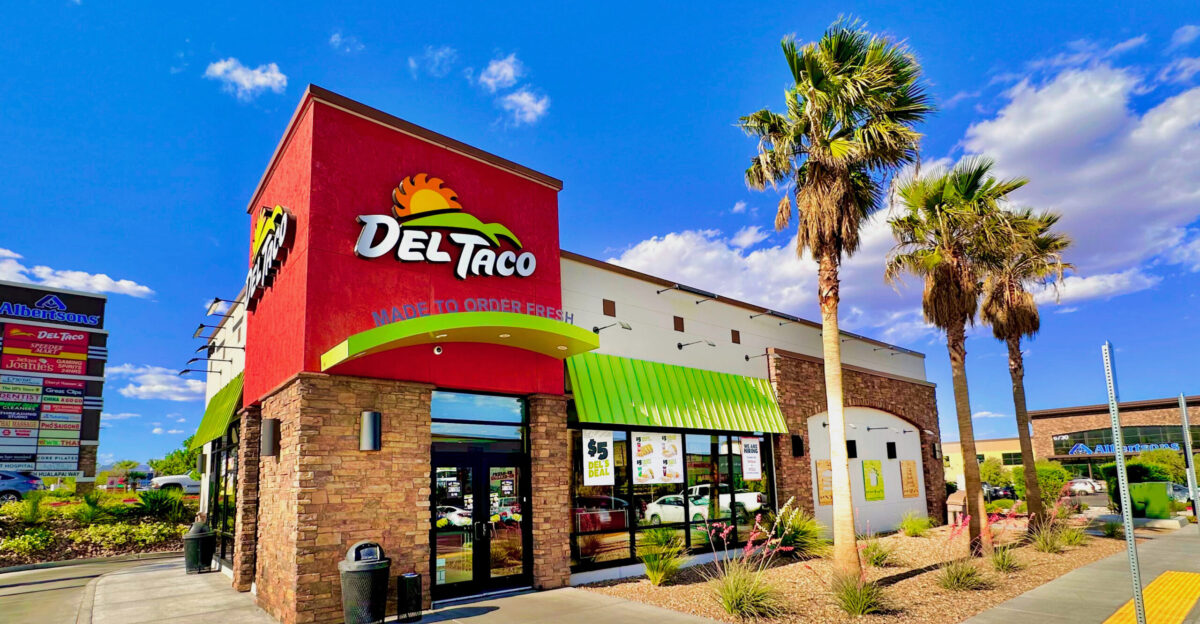
Jack in the Box completed the sale of Del Taco to Yadav Enterprises for $119 million in December 2024, a catastrophic outcome for the chain purchased just 2.5 years earlier for $585 million.
The company recorded a $162.6 million goodwill impairment in Q3 fiscal 2024, acknowledging the acquisition’s failure. Del Taco’s persistent same-store sales declines made the brand unsalvageable.
Massive Debt Burden Limits Strategic Options

The company carries $3.18 billion in total debt, representing approximately 6x EBITDA—a ratio that severely constrains financial flexibility. With negative shareholder equity of -$938.3 million and a debt-to-equity ratio of -181.6%, Jack in the Box suspended its dividend to accelerate debt reduction.
Management targets $200-300 million in debt paydown over 24 months through asset sales.
Beef Price Inflation Drives Food Costs Higher
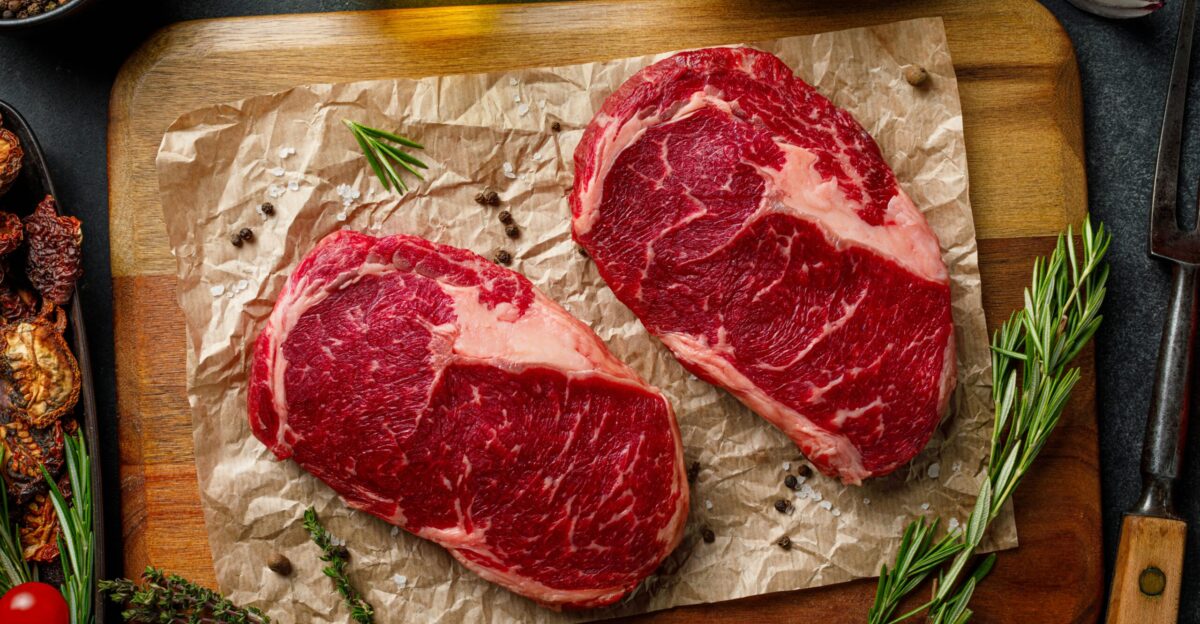
Rising beef prices hammered the burger-centric chain throughout 2024-2025. The USDA projects full-year 2025 beef price inflation of 11.6%, with wholesale beef prices jumping 12% and farm-level cattle prices surging 22.5%.
For a chain generating $2.01 million average unit volumes with food costs representing 28-32% of sales, this inflation shock eroded 3-4 percentage points of margin.
Restaurant-Level Margins Collapse to Unsustainable Levels

Fourth-quarter fiscal 2025 restaurant-level margins fell to 16.1% from 18.5% in the prior-year period, as declining traffic destroyed fixed-cost leverage.
Company-operated margins in Q3 plummeted to 13.4% from 17.4% year-over-year, driven substantially by California’s wage pressures and commodity inflation. These economics pushed dozens of locations into negative cash flow territory.
Industry-Wide Closures Signal Broader QSR Struggles
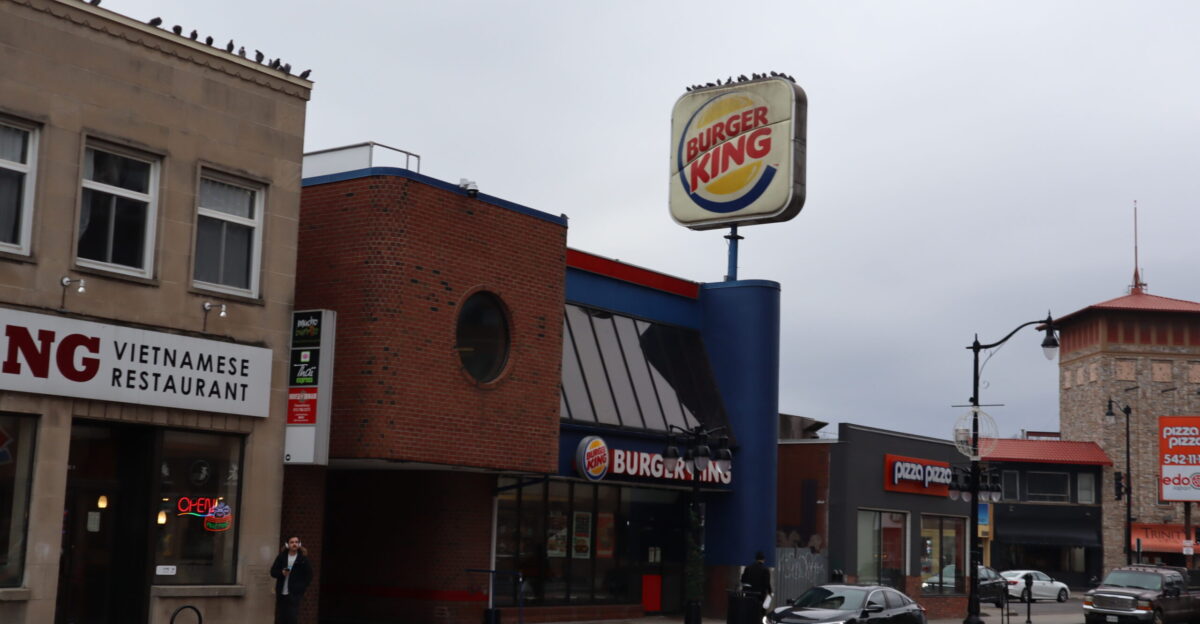
Jack in the Box’s crisis reflects widespread fast-food rationalization. Wendy’s closed 140 locations in 2024 and plans 300+ additional closures through 2026.
Denny’s announced 150 underperforming unit closures, Burger King shuttered nearly 300 restaurants in 2023, and TGI Fridays closed 36+ locations before filing Chapter 11 bankruptcy. The sector faces structural headwinds from weakening consumer demand.
“Jack’s Way” Remodel Program Targets 1,000+ Locations
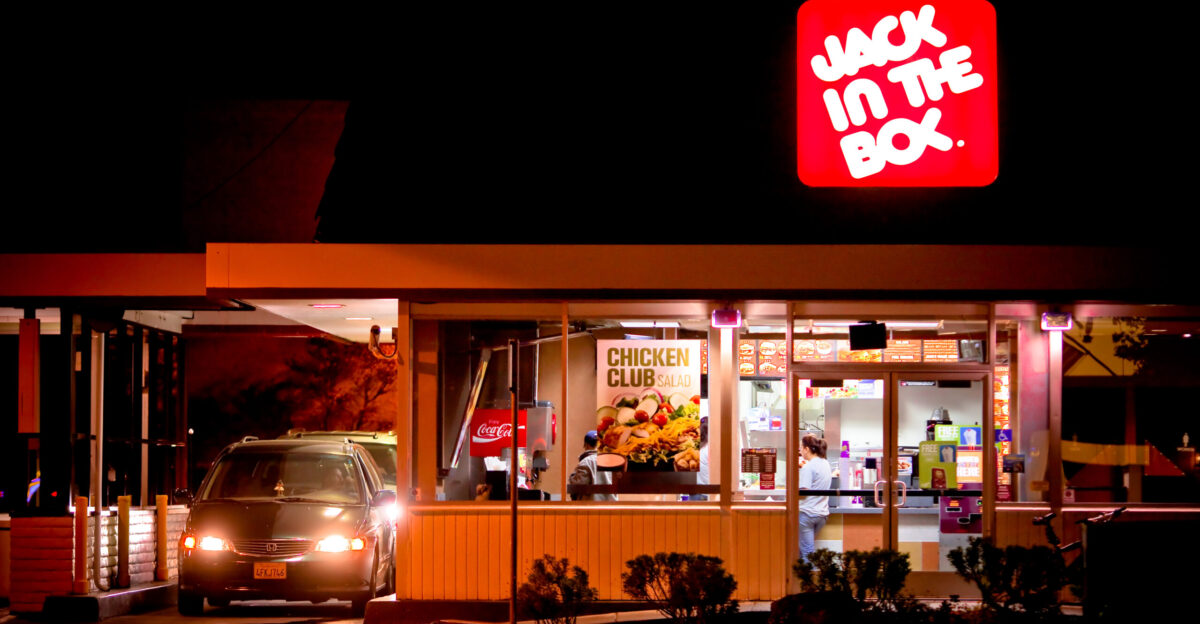
Despite closing underperforming stores, Jack in the Box unveiled an ambitious renovation initiative in August 2025 to modernize over 1,000 locations.
The “Jack’s Way” program includes updated building exteriors, refreshed dining rooms, enhanced digital infrastructure, and improved customer service. Corporate committed $50 million initially, with additional funding planned. CEO Lance Tucker acknowledged “the guest experience has suffered over the years”.
Activist Investor Biglari Accumulates Nearly 10% Stake
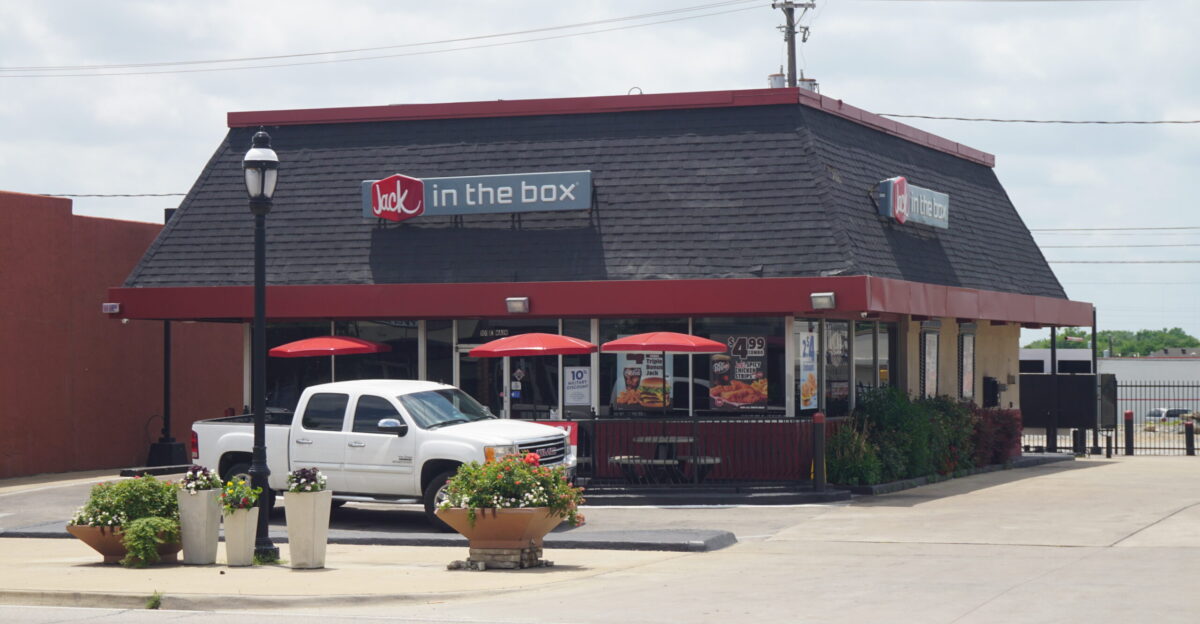
Sardar Biglari’s Biglari Capital accumulated a 9.9% stake in Jack in the Box by July 2025, triggering corporate governance battles. The board adopted a “poison pill” defense mechanism that activates at 12.5% ownership to prevent hostile takeover.
Biglari, who controls Steak ‘n Shake and has waged 14-year proxy fights against Cracker Barrel, nominated himself for board seats in November.
New CEO Lance Tucker Focuses on Financial Engineering

Lance Tucker became permanent CEO in March 2025 after serving as interim leader and previously as CFO from 2018-2020. His strategic priorities emphasize “capital allocation, free cash flow acceleration, and transitioning to an asset-light model” rather than brand-building.
Tucker’s background includes nearly a decade at Papa John’s, including CFO tenure from 2011-2018, bringing financial discipline to the turnaround effort.
Value Menu Wars Fail to Reverse Traffic Declines
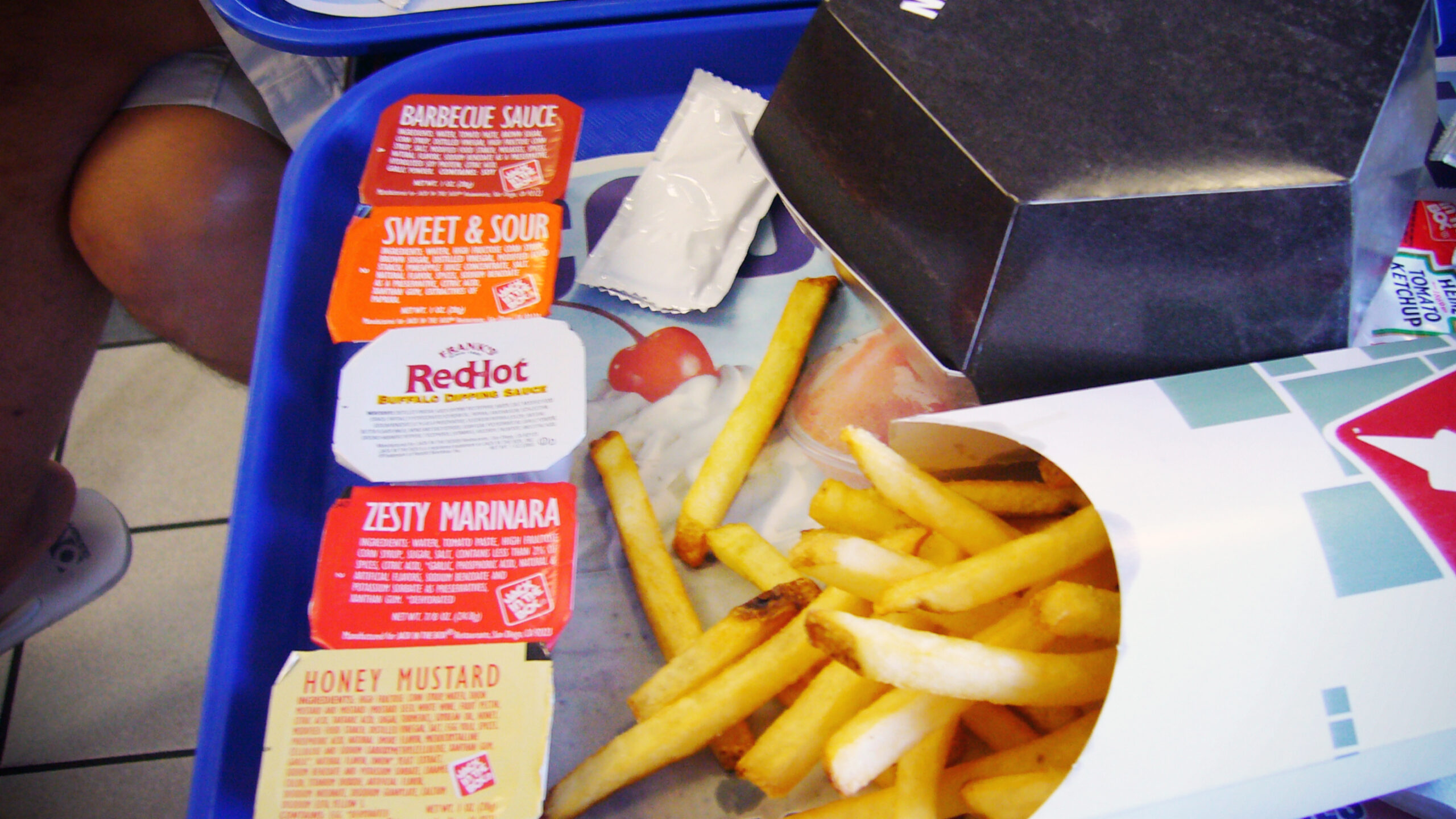
Jack in the Box launched its $4 Munchies Under $4 menu to compete in the industry’s unprecedented value wars, but promotions failed to restore traffic. McDonald’s $5 Meal Deal, Taco Bell’s Cravings Boxes, and Wendy’s breakfast offerings dominated consumer mindshare.
Financial app Brigit’s data showed major chains experienced sales declines exceeding 30% in July 2024 despite aggressive discounting.
Lower-Income Consumers Pull Back Spending Dramatically
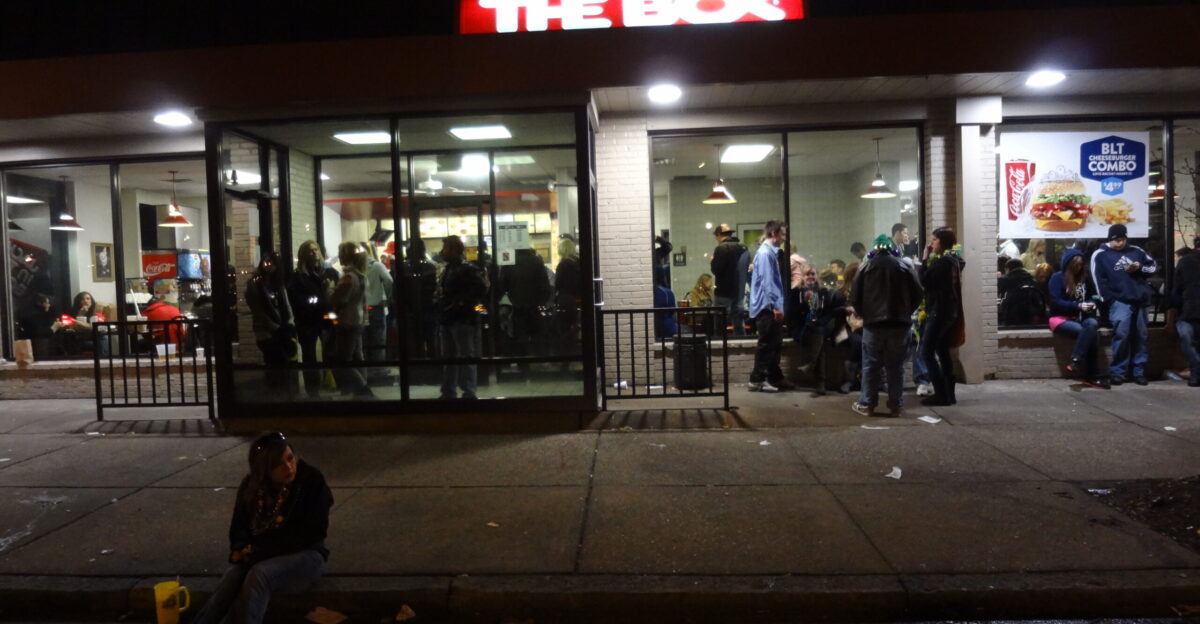
CEO Tucker explicitly cited “significant pressure on multiple income cohorts,” noting lower-income and Hispanic consumers—Jack in the Box’s core demographics—reduced fast-food spending.
The emergence of a “two-tier economy” left mid-tier QSR brands exposed as affluent consumers sustained premium concepts while budget-conscious diners traded down to groceries. Jack in the Box’s late-night, value-oriented positioning proved particularly vulnerable.
Fiscal 2026 Outlook Projects Modest Stabilization
Management’s fiscal 2026 guidance projects same-store sales between -1% and +1%, implying Q1 softness followed by sequential improvement.
The outlook depends on 75th anniversary marketing campaigns, menu innovation, remodel benefits, and potential beef cost relief. However, analysts express skepticism given continued competitive intensity, consumer financial stress, and franchisee capital constraints limiting system investment.
Survival Depends on Flawless Turnaround Execution
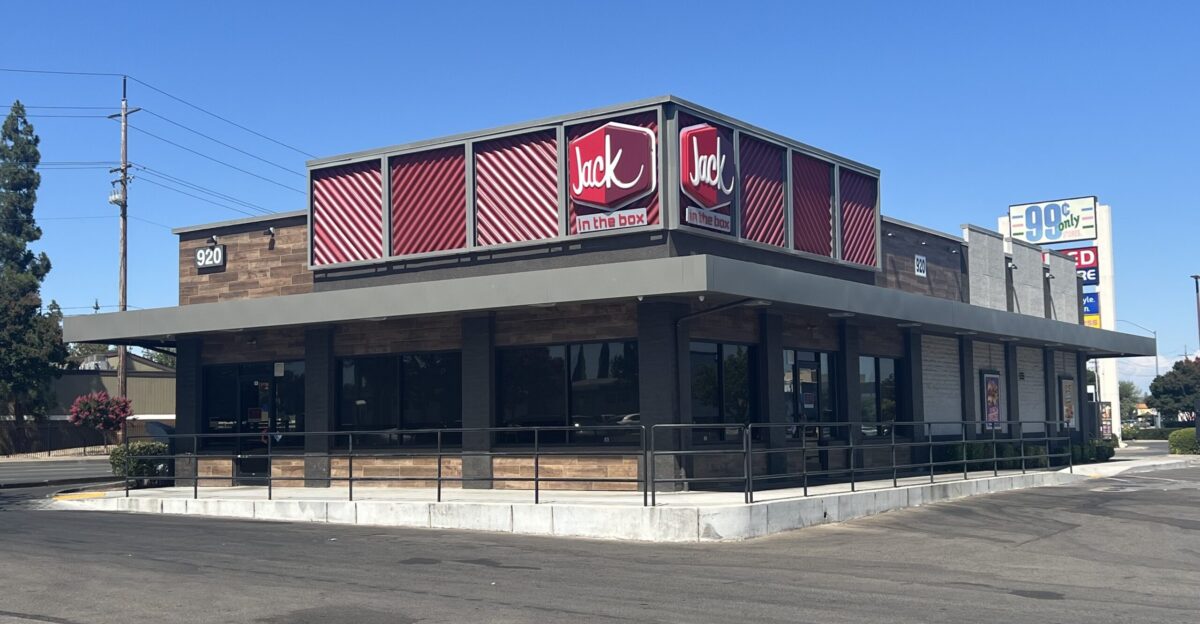
Jack in the Box faces a binary outcome over the next 12-18 months: either management successfully stabilizes operations, reduces leverage toward sustainable levels, and restores traffic growth—or the company enters terminal decline potentially culminating in distressed sale or restructuring.
With $3.18 billion in debt, weakening consumer demand, and activist pressure, the margin for error has evaporated completely.
Sources:
“Jack in the Box shut down more than 70 stores with more expected by year’s end over financial struggles.” Fox Business, December 2024.
“Jack in the Box Inc. Reports Fourth Quarter and Full-Year 2025 Earnings.” Jack in the Box Investor Relations, November 2024.
“Jack in the Box sells Del Taco to Yadav for $115M.” Restaurant Dive, October 2024.
“Did California’s Fast-Food Minimum Wage Reduce Employment?” Cato Institute Research Brief, November 2024.
“Food Price Outlook – Summary Findings.” USDA Economic Research Service, September 2024.